How to Fish for Striped Bass in New Jersey
There's nothing quite like the thrill of a drag-screaming run from a hard-fighting striped bass, especially when you're fishing the diverse waters of New Jersey. But let's be honest, successfully targeting these incredible fish isn't always a walk in the park. From understanding their migratory patterns to picking the right bait for the conditions, it can feel like a daunting puzzle. This comprehensive guide is designed to cut through the confusion and provide you with everything you need to know to dramatically improve your striped bass fishing success across the Garden State.
Understanding Striped Bass in New Jersey Waters
Striped bass, often affectionately called "stripers" or "rockfish," are arguably the most iconic game fish in New Jersey. They're powerful, intelligent, and a true challenge for anglers of all skill levels. To consistently catch them, you first need to understand a bit about their life cycle and habits in our local waters.
Striped Bass Migration Patterns
New Jersey's coastal waters are a major highway for migratory striped bass, with distinct runs in both spring and fall. These fish spend their winters in the waters off the Mid-Atlantic states, like Virginia and North Carolina, before embarking on their journey north to their spawning grounds in the Hudson River, Delaware River, and Chesapeake Bay systems. The spring run sees them moving up our coast, often tight to the beaches, bays, and inlets, gorging themselves on baitfish before heading into the rivers to spawn. Once spawning is complete, they move back out into the ocean and continue their northward journey towards New England waters for the summer.
The fall run is arguably even more famous and eagerly anticipated. This is when the stripers reverse course, migrating south from their northern feeding grounds, following massive schools of baitfish like bunker (Atlantic menhaden), mullet, and anchovies. They become incredibly active, often feeding aggressively in huge blitzes close to shore as they stock up on calories for the winter. Understanding these movements is critical, as it dictates where and when you should be focusing your efforts. It’s not just about being on the water, it's about being on the water when the fish are there.
Preferred Habitats and Feeding Behavior
Striped bass are opportunistic predators with a wide-ranging diet, and their preferred habitats vary greatly depending on the season, tide, and available forage. In the spring and fall, you’ll find them congregating around structure in bays and inlets, like rocky jetties, bridge pilings, sod banks, and submerged wrecks. These areas provide ambush points and eddies where baitfish gather. They also patrol the surf lines, especially where troughs and rips create current and disorient bait. During the summer, many larger striped bass move offshore to cooler, deeper water, often holding around artificial reefs and wrecks, but you can still find resident populations in estuaries and along cooler beach stretches.
Their feeding behavior is highly influenced by tides and light conditions. Generally, they feed most aggressively during moving tides (incoming or outgoing), especially around dawn, dusk, and even throughout the night. A strong current can dislodge bait from structure, making them an easy meal. They're particularly keen on areas where baitfish are concentrated or trapped, such as in pockets of water created by sandbars or against seawalls. Observing diving birds or surface commotion from schools of bait being chased are sure signs that stripers are actively feeding. Being able to read the water, spot signs of bait, and understand how currents interact with structure will significantly increase your chances.
Key Seasons and Timing for Striped Bass
Timing is everything when it comes to consistently catching striped bass in New Jersey. Missing the peak windows by even a week can mean the difference between epic fishing and a slow day. You need to understand not just the broad seasons, but also the specific tides and times of day that are most productive.
Spring Striped Bass Run
The spring run is a spectacular event that typically kicks off in March and can last through May. As water temperatures rise, usually into the 40s and 50s Fahrenheit, the first waves of migrating striped bass push into our bays and estuaries, particularly Raritan Bay and the backwaters of the southern coast. These are often "schoolie" stripers (smaller fish, under 28 inches) that are eager to feed after their long journey. By April and May, larger, migratory fish in the 28-38 inch slot limit and even bigger "cows" (fish over 40 inches) start to appear, especially in the ocean surf and around major inlets as they move towards spawning grounds.
The prime time in spring usually coincides with the arrival of baitfish like bunker and herring. Anglers will often see massive schools of bunker in Raritan Bay, attracting hungry stripers. The key to success during this period is to fish where the bait is. Look for bird play, surface commotion, and even the oily sheen of bunker schools. Early mornings and late evenings, or even throughout the night, often produce the best results, especially on an outgoing tide that flushes bait out of the rivers and into the bays and ocean. Remember, while the main migration is north, many fish will spend time feeding in specific New Jersey locations. For more details on these seasonal movements, check out our guide on the "Best Time of Year to Fish for Striped Bass in New Jersey".
Fall Striped Bass Run
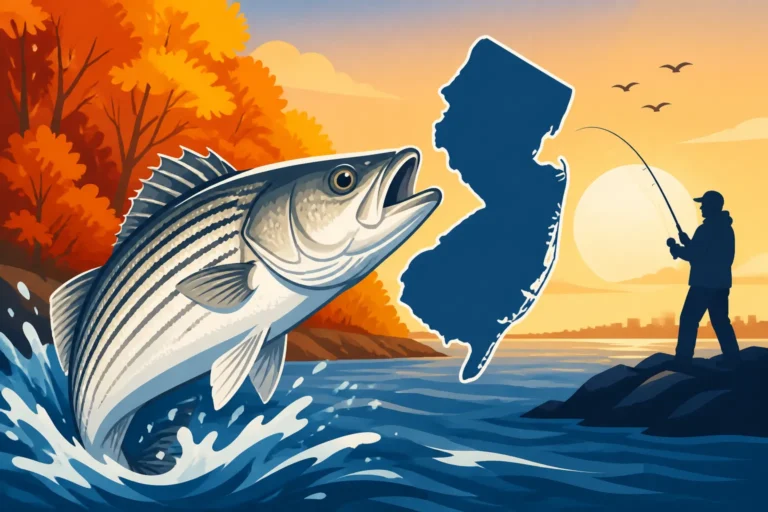
The fall run, from September through December, is perhaps the most beloved time for New Jersey striper anglers. This is when vast numbers of striped bass, having spent the summer gorging themselves in cooler northern waters, begin their southward migration. They follow enormous schools of baitfish, creating incredible feeding frenzies known as "blitzes" along the coastline. These blitzes can happen anywhere from Sandy Hook down to Cape May, with hotspots like Island Beach State Park, Barnegat Inlet, and Cape May Point drawing massive crowds of anglers.
Water temperatures in the fall start to drop, typically ranging from the low 60s down into the 40s, signaling to the fish that it’s time to head south and feed heavily. Baitfish like mullet, peanut bunker, and spearing are often plentiful, and the stripers will actively chase them, sometimes right up onto the sand! The best fishing often occurs on an incoming or outgoing tide, especially around inlets and jetties where currents concentrate bait. Pay close attention to fishing reports, as the bite can move quickly from one area to another as the baitfish schools migrate. Early morning and late evening are prime, but during a full-on blitz, they can hit all day long.
Tidal Movements and Optimal Times
Understanding tidal movements is absolutely critical for striped bass fishing, especially along the coast and in the bays. Stripers use current to their advantage, ambushing baitfish that are pushed along by the moving water. The two hours on either side of high tide and low tide are often the most productive, as the water movement is at its strongest. During slack tide, when the water isn't moving much, the bite often slows down significantly.
For surf anglers, an incoming tide can push bait closer to shore and into troughs, while an outgoing tide can pull bait out of backbays and rivers, concentrating them in inlets and mouths. In general, look for areas where moving water creates eddies, rips, or current seams, as these are natural holding points for stripers. Night fishing can be exceptionally good, especially for larger fish that become more confident predators under the cover of darkness. Reading tide charts and understanding how they interact with specific fishing locations is a skill that will dramatically improve your success rate. Our detailed guide on "How to Read Tide Charts for Better Fishing in New Jersey" offers invaluable insights into this often-overlooked aspect.
Essential Gear for Striped Bass Fishing
Having the right tackle is fundamental to successfully targeting striped bass. While you don't need the most expensive gear, you do need reliable equipment that can handle the power of these fish and the harsh saltwater environment. Let's break down the essentials for both boat and shore-based angling.
Rod and Reel Combinations
For surf fishing, a medium-heavy to heavy action spinning rod, typically 9 to 11 feet long, is ideal. This length allows for long casts over the waves and provides the leverage needed to fight fish in strong currents. Pair this with a durable, corrosion-resistant spinning reel in the 6000-8000 size range, capable of holding 250-300 yards of 30-50 lb braided line. Brands like Penn, Shimano, and Daiwa offer excellent options that you can often find on Amazon. The long rod helps absorb shock and keep the fish pinned, especially when battling bigger stripers in the wash.
For boat fishing, shorter, more powerful rods are preferred. A 7 to 8-foot medium-heavy conventional or spinning rod with a fast action is versatile for jigging, casting, or live lining. A 5000-6000 size spinning reel or a robust conventional reel like an Avet or Accurate, spooled with 30-40 lb braid, will handle most boat-caught stripers. The shorter rod provides better control and sensitivity when working lures or baits directly under the boat or casting to specific structures. The choice between spinning and conventional often comes down to personal preference and the specific technique you're employing, but having a versatile setup covers most situations.
Lines, Leaders, and Terminal Tackle
Braided line has become the standard for striped bass fishing due to its incredible strength-to-diameter ratio, minimal stretch, and excellent casting distance. For surf fishing, 30-50 lb braid is common, while 20-40 lb is usually sufficient for boat fishing. Always use a monofilament or fluorocarbon leader, as braid is visible to fish and can be easily chafed on rocks or teeth. A 30-50 lb fluorocarbon leader, typically 3 to 6 feet long, is a good starting point, connected to your main line with a strong knot like an FG knot or an Albright knot.
When it comes to terminal tackle, robust components are key. Heavy-duty swivels, snap swivels, and strong, sharp hooks (VMC or Gamakatsu are popular choices) are essential. For bait fishing, circle hooks are now a regulatory requirement in New Jersey when using natural bait for striped bass, so make sure you're stocked up on various sizes (3/0 to 8/0 depending on the bait). For lure fishing, ensure your treble hooks and split rings are saltwater-grade and can withstand the abuse of a powerful striper. Don't skimp on these smaller items; a cheap swivel or hook can be the weak link that costs you a trophy fish.
Essential Accessories
Beyond the core rod and reel setup, a few accessories are indispensable for striped bass fishing. A good pair of pliers designed for cutting braid and removing hooks is a must-have. A headlamp (with a red light option to preserve night vision) is crucial for those pre-dawn or after-dark trips. For surf anglers, a sturdy sand spike to hold your rod, and a surf bag to carry lures, leaders, and tackle, are highly recommended. A reliable cooler for keeping your catch fresh (if you plan to keep legal fish) and for carrying drinks and snacks is also important.
Don't forget safety gear: a first-aid kit, a sharp knife, and a pair of sturdy waders (for surf fishing) or waterproof boots. A comfortable, waterproof jacket is also a lifesaver on colder, windier days, which are common during the spring and fall runs. Finally, always have a measuring tape and a scale handy to quickly check if your catch meets the New Jersey Striped Bass Slot Limit: 28 to 38 Inches. Proper handling of fish, especially those you plan to release, is also critical for their survival; consider a BogaGrip or similar lip-gripping tool.
Top Techniques for Catching Striped Bass from Shore
Shore-based striped bass fishing in New Jersey offers incredible accessibility and excitement. From sandy beaches to rocky jetties, there are countless spots to target these fish. Mastering a few key techniques will significantly boost your chances of success.
Surf Fishing with Bait
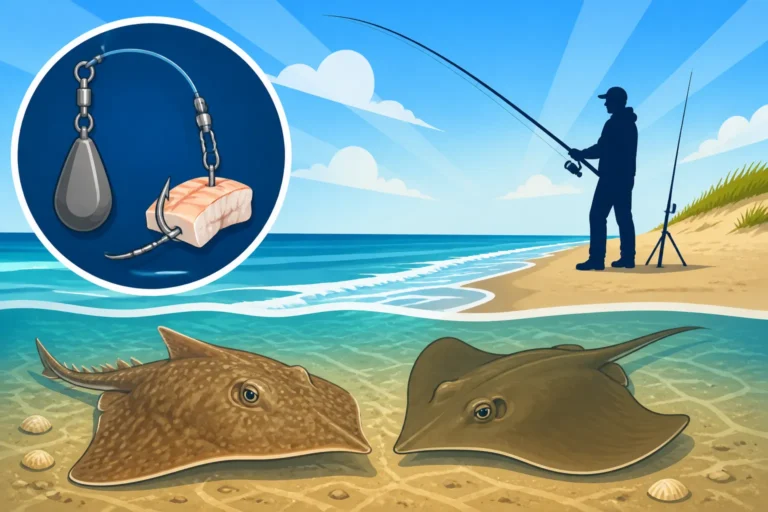
Surf fishing with bait is a classic and highly effective method for stripers, especially during the spring and fall migrations. The typical setup involves a heavy-duty surf rod (9-11 ft) with a spinning reel spooled with 30-50 lb braid. A fish-finder rig is one of the most popular setups: a pyramid or Sputnik sinker (3-6 oz depending on current) slides freely on your main line, followed by a strong swivel, then a 2-3 ft fluorocarbon leader (40-60 lb), and finally a circle hook (4/0-8/0). Live or fresh-cut bait is key.
Popular baits include fresh clam (especially during the spring run), fresh bunker chunks, mullet, and even whole shedder crabs. Cast your rig out beyond the breaking waves, into the troughs or sloughs where stripers often patrol. Set your rod in a sand spike, keep your drag set appropriately, and wait for that telltale tug. The key is to find the deeper water close to shore, often marked by calmer water between sandbars or by rips where currents pull water offshore. Pay attention to how to rig a Sinker for Surf Fishing in Windy Conditions, as current and wind can make or break your presentation.
Lure Casting from the Beach and Jetties
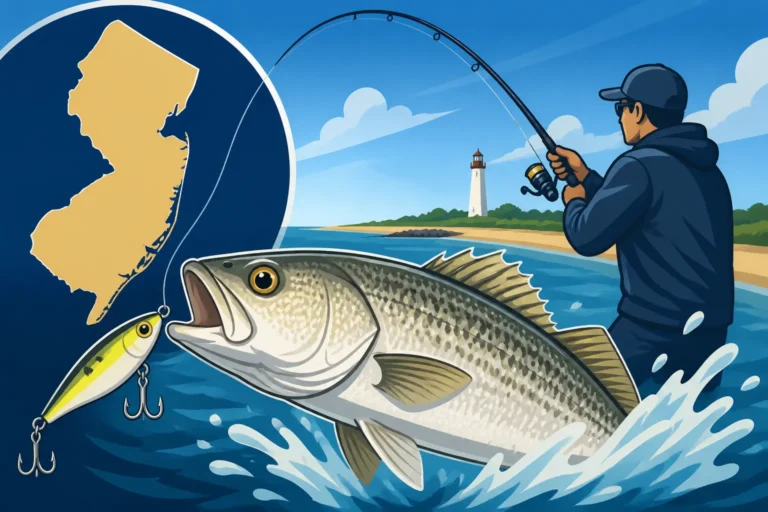
Casting artificial lures from the beach or jetties is an incredibly active and rewarding way to target striped bass. This method allows you to cover a lot of water and actively search for fish. Topwater lures like poppers and walk-the-dog baits are exciting when stripers are actively feeding on the surface, especially at dawn or dusk. Subsurface swimming plugs (like those from reputable brands often found on Amazon) imitate baitfish and are effective throughout the tide. Metal jigs and soft plastics, rigged on jig heads, are versatile for targeting fish deeper in the water column or when casting into strong currents around jetties.
When fishing jetties, approach with caution and wear appropriate footwear. These structures extend into deeper water and provide ambush points. Cast parallel to the jetty, into current seams, or where white water meets calmer water. Vary your retrieve speed and depth until you find what the fish are reacting to. For lure selection, consider the prevailing baitfish. If peanut bunker are around, a bunker-colored swimming plug is a good bet. If sand eels are present, a slim, silver jig or soft plastic will often draw strikes. Mastering "How to Cast Farther When Surf Fishing" will open up more productive water, allowing you to reach those hungry fish holding further out.
Fishing Inlets and Back Bays
New Jersey's numerous inlets and back bays are prime striped bass territory, offering calmer water and abundant structure compared to the open ocean. Inlets like Manasquan, Barnegat, and Shark River are natural funnels for baitfish and migratory stripers. Fishing from the rocks or bulkheads in these areas with bucktail jigs, soft plastics, and swimming plugs can be incredibly effective, especially on strong outgoing tides that flush bait from the bays. These locations often have deeper water and stronger currents, so heavier lures and baits may be necessary.
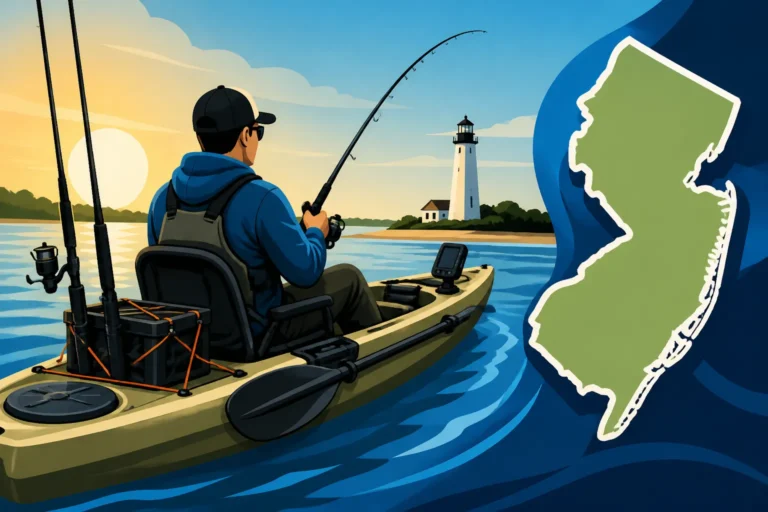
Back bays, with their sod banks, docks, and bridge pilings, hold resident stripers and migratory fish seeking calmer waters. Small swimming plugs, soft plastics, and live bait like spearing or grass shrimp are excellent choices. Light tackle can be a blast for these smaller schoolie stripers. Kayak fishing in these back bay areas is also gaining immense popularity, offering access to skinny water spots that bigger boats can't reach. Remember that fishing around bridge pilings requires precision casting and often a quick retrieve to avoid snags, but the rewards can be significant as stripers frequently hold tight to these structures, waiting to ambush prey.
Boat Fishing Strategies for Striped Bass
Boat fishing opens up a whole new world of opportunities for targeting striped bass, allowing you to access offshore reefs, deeper channels, and expansive bay systems. Whether you have your own boat or charter a trip, these strategies will put you on the fish.
Live Lining and Drifting
Live lining bait is hands down one of the most effective ways to catch large striped bass from a boat. The concept is simple: present a live baitfish, usually a bunker (Atlantic menhaden), herring, or eel, as naturally as possible. Typically, you'll bridle your live bait or hook it through the nose or back, using a large (6/0-8/0) circle hook. The key is to keep the bait lively. When a striper hits, resist the urge to set the hook immediately; let the fish turn and swallow the bait, allowing the circle hook to do its job and set itself in the corner of its mouth.
Drifting involves letting your boat move with the current or wind, presenting your live or chunk bait over productive structure or through schools of fish. This allows you to cover a lot of water and present a natural-looking bait. When drifting, it's crucial to match the weight of your sinker (if any) to the current to keep your bait in the strike zone without dragging too much. You can also troll live baits slowly along contour lines or around bait schools. Knowing "How to Rig Live Bait for Striped Bass" correctly is crucial for maximizing its natural presentation and hooking potential.
Trolling for Striped Bass
Trolling is a highly efficient method for covering large areas, especially in open bay waters or along the coastline, to locate active schools of stripers. This technique involves dragging artificial lures or rigged baits behind a moving boat at a controlled speed. Umbrella rigs, Mojo rigs, large swimming plugs, and tube-and-worm combinations are popular choices for trolling. These rigs can imitate schools of baitfish or larger, individual prey items.
The key to successful trolling is varying your depth and speed until you find what the fish prefer. Using planer boards can help spread out your lines and cover a wider path, while downriggers allow you to present lures at precise depths. Troll along contour lines, around prominent structure, or through areas where you mark bait or fish on your sonar. Trolling is particularly effective during the fall run when stripers are actively pursuing large schools of bunker. It's a great way to intercept migratory fish as they move through New Jersey's coastal zones.
Jigging and Casting to Blitzing Fish
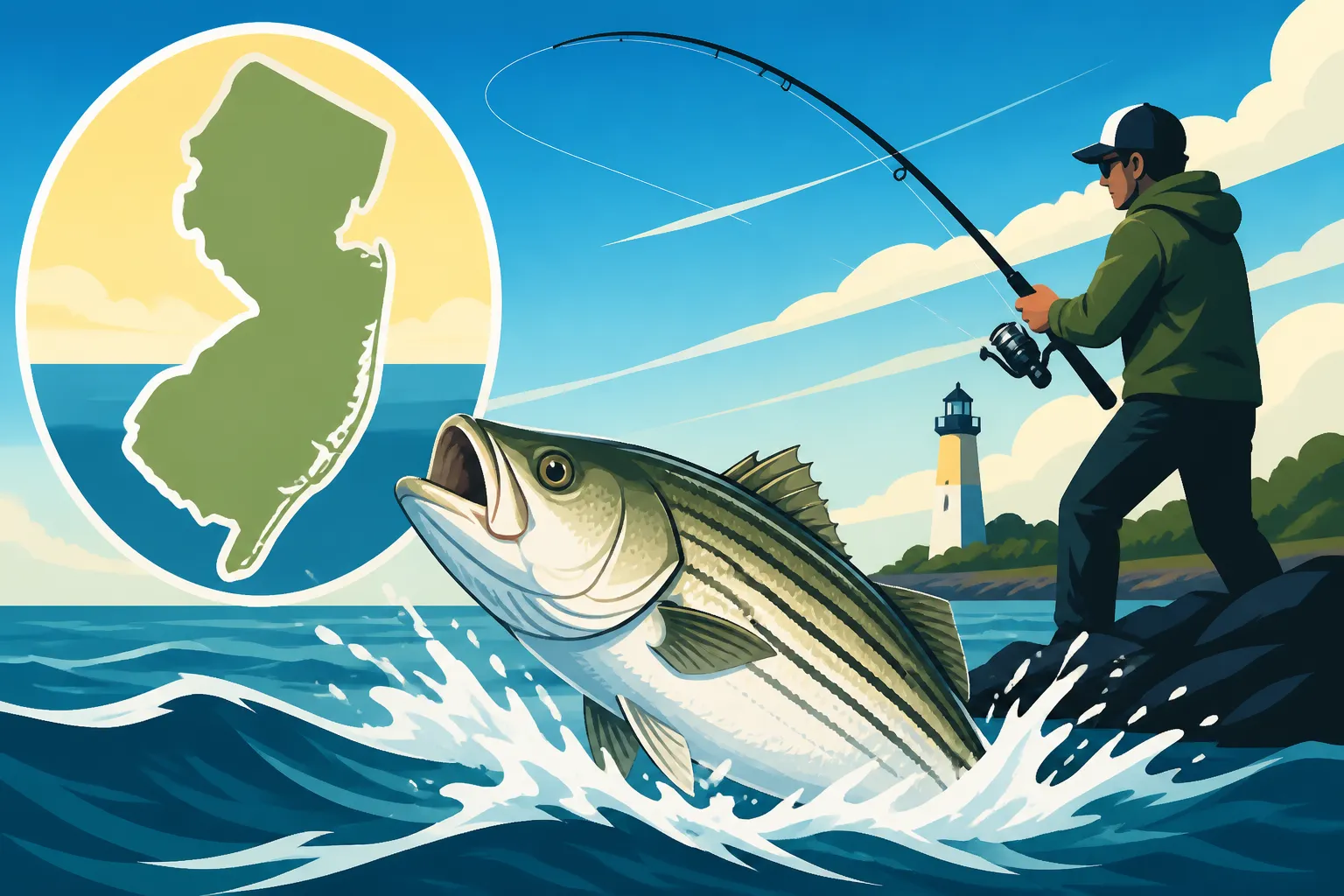
When you encounter blitzing striped bass – those spectacular feeding frenzies where fish are crashing bait on the surface – casting artificial lures is the most exhilarating and effective technique. Keep an eye out for diving birds, surface commotion, or even the tell-tale splash of stripers breaking water. Once you spot a blitz, motor upwind or upcurrent, cut your engine, and drift into casting range.
Metal jigs, soft plastics (like Fin-S Fish or Slug-Gos on jig heads), and topwater poppers or walk-the-dog baits are your go-to lures. Cast into the edges of the blitz, rather than directly into the middle, to avoid spooking the school. Retrieve your lure with varying speeds and actions to imitate a fleeing baitfish. For jigs, a vertical jigging presentation is effective when fish are holding deeper under the bait schools. This active style of fishing is incredibly exciting and can result in multiple hook-ups when the bite is hot. It’s also important to practice "New Jersey Catch and Release Striped Bass Handling Rules" when fish are biting quickly, to ensure the survival of released fish.
Bait and Lure Selection for Striped Bass
Choosing the right bait or lure is paramount to enticing a striped bass. Their diet is varied, but they are often highly selective based on what forage is most abundant. Matching the hatch, or imitating the prevalent baitfish, is a fundamental principle.
Natural Baits
Natural baits are often irresistible to striped bass, especially when they are not actively chasing artificials or when targeting larger, more cautious fish.
- Live Bunker/Menhaden: The king of live baits for stripers. Whether snagged and then live-lined, or purchased fresh, a frisky bunker is a top producer for trophy fish, particularly in bays like Raritan Bay and along the oceanfront.
- Clam: Especially potent in the early spring, fresh surf clams are a traditional favorite for shore anglers. They emit a strong scent that stripers find hard to resist. Rigged on a fish-finder setup, they are highly effective.
- Eels: Live eels are phenomenal baits for big stripers, especially at night or in areas with strong current. They are robust and present a tempting, snake-like profile.
- Mullet: These fatty baitfish are abundant during the fall run. Live-lined or used as fresh chunks, mullet are a striper staple.
- Worms: Bloodworms and sandworms are excellent for smaller schoolie stripers in the bays and rivers, particularly in early spring. Their scent trail drives fish wild.
| Bait Type | Best Season | Best Method | Target Size | Notes |
|---|---|---|---|---|
| Live Bunker | Spring/Fall | Live-lining, Trolling | Large | Highly effective, requires live bait. |
| Fresh Clam | Early Spring | Surf fishing | All sizes | Scent trail, great for cooler water. |
| Live Eels | Spring/Fall | Live-lining, Night | Large | Durable bait, excellent for big fish. |
| Bunker Chunks | Spring/Fall | Surf fishing, Drifting | All sizes | Easy to use, strong scent. |
| Fresh Mullet | Fall | Live-lining, Chunks | Medium/Large | Fatty bait, great for migratory fish. |
| Blood/Sandworms | Early Spring | Surf fishing, Inlets | Schoolie | Irresistible to smaller stripers. |
Artificial Lures
Artificial lures offer versatility and the ability to actively cover water, imitating fleeing or injured baitfish.
- Swimming Plugs: These are designed to mimic baitfish like bunker, mullet, or herring. Dives to various depths depending on the lip. Effective from shore or boat, especially when retrieved at a steady pace. Look for colors that match the local bait, or classic "chicken scratch" (yellow/white) and "chartreuse." You can find a vast selection of these on Amazon.
- Topwater Lures (Poppers, Walk-the-Dog): Explosive and exciting. Poppers create a splash and gurgle, while walk-the-dog lures glide side-to-side. Best for low light conditions (dawn/dusk) or when fish are actively feeding on the surface.
- Bucktail Jigs: A classic for a reason. Bucktails are incredibly versatile and can be fished effectively from shore or boat. Tipped with a pork rind, soft plastic, or strip of clam, they mimic a wide variety of prey. Varying retrieve and jigging action is key.
- Soft Plastics: Highly adaptable, soft plastics on jig heads (e.g., paddle tails, jerk shads, worm imitations) can be fished at any depth. They offer a natural feel and action, making them irresistible to stripers. The retrieve can be straight, jigged, or bounced along the bottom.
- Metal Lures (Spoons, Jigs): Excellent for long casting distance from shore or for reaching deeper fish from a boat. They imitate fleeing baitfish and can be retrieved quickly or jigged vertically.
Choosing "Best Lures for Striped Bass Fishing" depends heavily on the conditions, water depth, and current. Always carry a variety to adapt to what the fish are keying in on that day.
Conservation and Regulations for Striped Bass
Being a responsible angler means understanding and adhering to the regulations designed to protect our striped bass populations. These rules can change, so staying informed is crucial.
Current Bag and Size Limits
New Jersey's striped bass regulations are set by the New Jersey Department of Environmental Protection (NJDEP) Division of Fish and Wildlife, often in coordination with the Atlantic States Marine Fisheries Commission (ASMFC). The current recreational striped bass size limit in New Jersey is a "slot limit" of 28 to 31 inches. This means you can only keep fish that fall within this specific size range. Any fish shorter than 28 inches or longer than 31 inches must be immediately released. The bag limit is typically one fish per person per day.
These slot limits are put in place to protect the spawning stock (the larger, older fish that produce the most eggs) and to allow younger fish to reach maturity. It's incredibly important to know these numbers and measure your fish accurately. Having a reliable measuring device on hand is essential. Always double-check the latest regulations before you head out, as they can sometimes change annually. Our guide on "How Bag and Size Limits Work in New Jersey" provides a broader overview of these critical regulations.
Circle Hook Requirement
A significant regulation for striped bass fishing in New Jersey is the mandatory use of inline circle hooks when fishing with natural bait. This rule was implemented to reduce "gut hooking" and increase the survival rate of released fish, especially the larger, breeding-stock fish that must be released due to the slot limit. An inline circle hook is designed to hook fish in the corner of the mouth, rather than deep in the throat or stomach, making de-hooking easier and less damaging.
When using a circle hook, resist the urge to "set" the hook with a strong upward sweep of the rod. Instead, simply let the fish take the bait, and then slowly reel down until the line becomes taut, allowing the hook to pivot and set itself. This subtle technique takes some getting used to but is highly effective and dramatically improves the chances of survival for released fish. Ensure your tackle box includes appropriate sizes of inline circle hooks for the baits you plan to use. If you're unsure about the types of hooks or their proper use, there are many excellent tutorials online and available through fishing publications.
Catch and Release Best Practices
Because so many striped bass caught in New Jersey fall outside the legal slot limit, practicing proper catch and release techniques is vital for the health of the fishery.
- Minimize Fight Time: Use appropriate tackle that can bring the fish in relatively quickly. Prolonged fights exhaust the fish, reducing its chances of survival.
- Handle With Care: If possible, keep the fish in the water. Avoid dragging it onto sand or rocks. If you must remove it from the water for a quick photo, support its entire body horizontally, especially heavier fish, to prevent internal organ damage. Avoid holding it vertically by the jaw or tail only.
- Quick De-Hooking: Have your de-hooking tools (pliers, hook removers) readily accessible. Remove the hook as quickly and gently as possible. If the fish is deeply hooked (which should be rare with circle hooks), cut the line as close to the hook as you can and leave the hook in place; hooks will often corrode away.
- Revive the Fish: Hold the fish gently in the water, facing into the current, until it regains its strength and can swim away on its own. Never throw a lethargic fish back into the water.
These practices, along with knowing "New Jersey Conservation Police and License Checks" and understanding your personal responsibility, contribute significantly to the sustainability of this cherished species for future generations of anglers.
Common Mistakes and How to Avoid Them
Even experienced anglers make mistakes, but being aware of common pitfalls can help you avoid frustration and improve your catch rate. Striped bass fishing can be challenging, but often, small adjustments make a huge difference.
Fishing Too Fast or Too Slow
One of the most frequent errors anglers make is not adjusting their retrieve speed or bait presentation to match the conditions and the fish's mood. Sometimes, stripers want a fast, erratic retrieve that mimics a fleeing baitfish, triggering a reaction strike. This is often the case during an aggressive blitz. Other times, especially in colder water or when fish are lethargic, a slow, methodical retrieve or a subtle bait presentation is what it takes.
It's crucial to experiment. If you're not getting bites, try speeding up, slowing down, adding pauses, or changing your jigging cadence. If you're bait fishing, ensure your bait is presented naturally – not spinning unnaturally in the current or sitting motionless when it should be drifting. The ocean and bay environment are dynamic; fish behavior changes constantly, so your approach needs to be flexible. Don't be afraid to try something different if your initial strategy isn't producing results.
Overlooking the Importance of Tides and Current
Many anglers, especially newcomers, underestimate the immense influence of tides and current on striped bass behavior. Stripers are intimately tied to water movement, using it for feeding, migrating, and conserving energy. Fishing during slack tide when the water is barely moving can be incredibly slow, leading to frustration. Conversely, fishing prime moving water can often lead to a hot bite.
Always consult a tide chart for your specific fishing location before heading out. Pay attention to the strength of the current; strong currents might require heavier sinkers or jigs to stay in the strike zone, while weaker currents might allow for lighter presentations. Look for current breaks, eddies behind structure, and rips where different currents meet. These are conveyor belts of food for stripers. Ignoring the tide is like trying to catch fish in an empty swimming pool – you might get lucky, but the odds are heavily stacked against you. Remember our guide on "How to Read Tide Charts for Better Fishing in New Jersey" for a deeper dive into this vital skill.
Using Inappropriate Gear or Bait
Another common mistake is showing up with the wrong gear or bait for the conditions or the target species. Bringing a light freshwater bass rod to a heavy surf session trying to cast large plugs or heavy bait rigs is a recipe for disaster (and likely a broken rod). Similarly, using tiny freshwater hooks for large bunker chunks will lead to missed bites or pulled hooks. This also extends to bait selection. If stripers are gorging on schools of peanut bunker, trying to catch them on tiny sandworms might not yield results.
Before you go, do a little research. What size fish are typically being caught in the area? What baitfish are prevalent? What are the bottom conditions like (sandy, rocky)? This information will help you select the appropriate rod and reel, line strength, leader material, hook size, and most importantly, the right bait or lure. Don't be afraid to ask local tackle shops for advice; they're an invaluable resource for up-to-the-minute information on what's biting and what gear to use. Investing in quality, appropriate gear, available from retailers like Amazon, will save you money and frustration in the long run.
Disclaimer
The information provided in this guide is for general informational purposes only. Fishing regulations, seasons, and limits can change frequently. Always consult the official New Jersey Department of Environmental Protection (NJDEP) Division of Fish and Wildlife website or their current digest for the most up-to-date and accurate regulations before engaging in any fishing activities. Adherence to all local, state, and federal laws is the sole responsibility of the angler.