Do You Need a Guide to Fish the Delaware River in New Jersey?
The Delaware River in New Jersey is an incredible fishery, offering everything from hard-fighting smallmouth bass to migratory shad and even trout in its tributaries. However, its vastness and diverse ecosystems can feel incredibly intimidating, leaving many anglers wondering if they absolutely need a professional guide to unlock its secrets. This guide aims to demystify that question, helping you understand when a guide is an invaluable asset and when you can confidently tackle the river on your own terms.
Understanding the Delaware River's Fishing Landscape
The Delaware River isn't just one type of water; it's a dynamic, ever-changing environment stretching from the cold, clear waters of its northern reaches down to the tidal zones closer to the bay. This incredible diversity is what makes it so appealing to anglers, but it's also why many feel overwhelmed. From fast-flowing currents and rocky bottoms to wide, slower pools and numerous feeder creeks, each section presents its own challenges and opportunities. Understanding these nuances is often the first hurdle for any angler.
Diversity of Fish Species and Habitats
When you talk about fishing the Delaware, you're really talking about a multitude of distinct fisheries. Up north, in the sections that border New York and Pennsylvania, the river feels more like a mountain stream, teeming with smallmouth bass and offering prime conditions for trout in its colder tributaries. Here, you'll find riffles, runs, and deep pools that demand specific presentations and an understanding of trout behavior. As you move downstream into central and southern New Jersey, the river widens, the current slows in places, and the fish species shift. You'll encounter robust populations of largemouth bass, various panfish, catfish, and during certain times of the year, the impressive runs of migratory species like American shad and even striped bass pushing upriver from the bay. This variety is fantastic, but it means that what works in one section for one species might be entirely ineffective just a few miles downriver or for a different target. Trying to pinpoint the best spots for Delaware River Smallmouth Bass Fishing can feel like searching for a needle in a haystack without prior knowledge.
Each stretch of the river, with its unique blend of structure—from submerged rocks and fallen trees to deep channels and shallow flats—creates distinct habitats that different fish prefer. Knowing where to find these habitats, and how fish utilize them at various times of the day or year, is crucial. For instance, smallmouth bass will often relate to current breaks behind boulders or gravel bars, while largemouth might prefer the calmer, weed-lined backwaters of oxbows and feeder creeks. Without spending years on the water, or having someone share that hard-earned knowledge, it's easy to waste precious fishing time in unproductive areas.
Navigating the River's Unique Challenges
Fishing the Delaware River isn't always a walk in the park. The sheer size and power of the river can be daunting. Currents can be swift, especially after heavy rains or when water is released from upstream dams. This can make boat handling tricky and even wading dangerous in certain areas. You'll encounter everything from shallow rocky stretches that can damage props and lower units to deep, unforgiving holes. Understanding the river's flow, its submerged hazards, and safe boating practices is paramount. The river's character also changes dramatically with the seasons and even with daily weather patterns. Water levels can fluctuate, clarity can vary, and fishing patterns can shift overnight.
Beyond the physical challenges, there's the challenge of understanding the various regulations that apply. Fishing a boundary water like the Delaware River means you might be dealing with regulations that differ slightly between New Jersey and Pennsylvania. While your New Jersey Fishing License Guide for 2026 covers the basics, specific rules regarding reciprocal waters, bait restrictions, or even different daily limits can add a layer of confusion. Knowing which side of the river you're on, and therefore which state's rules apply, is not always immediately obvious, especially when drifting. A local guide lives and breathes these regulations and can ensure you're always fishing legally and responsibly, eliminating any guesswork or potential fines.
The Importance of Local Knowledge
There's simply no substitute for local knowledge when it comes to a complex fishery like the Delaware River. A seasoned guide brings years, if not decades, of experience on these waters. They know the subtle changes in structure that hold fish, the precise holes where a big smallmouth might be lurking, or the exact timing of the Delaware River Shad Run Fishing. They understand how the river behaves under different conditions – what happens after a rainstorm, how temperature swings affect fish activity, or where the fish move during different seasons. This isn't just about knowing "spots," it's about understanding the entire ecosystem and its rhythms.
Consider this: you've planned a trip specifically for smallmouth bass. A local guide won't just take you to a random stretch of river; they'll know which sections are holding the most active fish that day, what flies or lures are currently working best, and how to approach the water without spooking them. They'll instruct you on casting angles, presentation techniques, and even how to fight fish effectively in the river's strong currents. This kind of nuanced understanding comes from countless hours spent on the water, observing, experimenting, and refining strategies. Trying to gain this level of insight on your own can take many frustrating trips, often resulting in fewer fish caught.
When a Fishing Guide is a Game-Changer on the Delaware
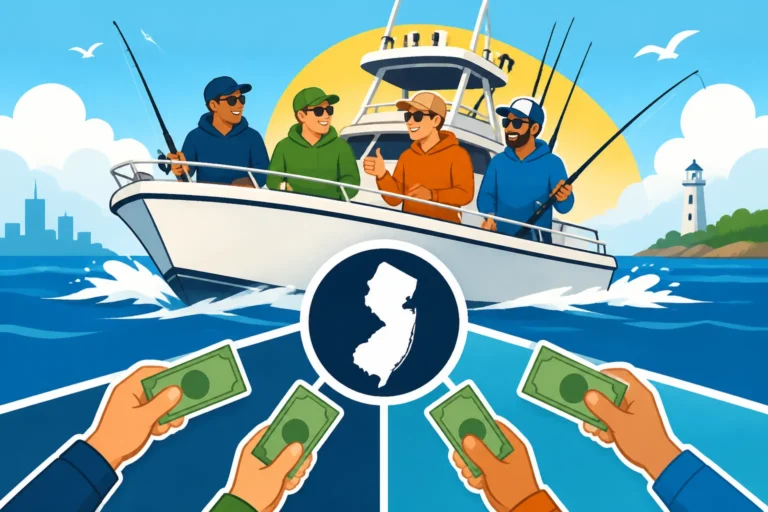
While going it alone certainly has its merits, there are undeniable situations where hiring a professional fishing guide on the Delaware River transforms an ordinary outing into an extraordinary one. For many, it's not just about catching fish, but about the learning experience, the efficiency, and the sheer joy of a well-executed trip.
Benefits for Beginners and Novice Anglers
If you're new to river fishing, or even new to fishing in general, a guide is practically a masterclass on the water. Imagine stepping onto a boat with someone who provides all the gear, knows every safe access point, and can immediately put you on fish, all while patiently teaching you the ropes. This is exactly what a good Delaware River guide offers. They'll teach you casting techniques specific to river environments, how to read the water to identify prime fish-holding structure, and the nuances of presenting bait or lures in current. You won't have to worry about buying expensive gear, untangling lines, or figuring out the latest New Jersey Freshwater Fishing Regulations Every Angler Should Know on the fly.
For families or groups with kids, a guide can be a godsend. They make the experience fun and accessible, focusing on catching "anything that bites" to keep spirits high, while also gently introducing proper fishing etiquette and conservation practices. They remove the stress of navigation, preparation, and problem-solving, allowing everyone to simply enjoy the act of fishing and being outdoors. This educational and stress-free introduction to fishing can foster a lifelong passion, far beyond what a frustrating solo trip might achieve. Many families book through platforms like FishingBooker to ensure they find guides with specific family-friendly offerings.
Targeting Specific, Elusive Species
Have you ever dreamt of catching a trophy smallmouth bass, or experiencing the explosive fight of a Delaware River shad during its spring run? While you can catch these fish on your own, the odds of consistently finding and hooking them significantly increase with a guide. Certain species, particularly larger or more elusive ones, require specialized knowledge and techniques. For example, How to Catch Smallmouth Bass on the Delaware River often involves precise lure choices, presentations, and knowing when and where they feed most aggressively. Guides spend their entire season focused on these patterns, tracking migrations, and understanding minute environmental changes that trigger bites.
They have the right equipment – specialized rods, reels, and a vast array of tackle that would be prohibitively expensive for a casual angler to acquire. More importantly, they know how to use it effectively. If you're passionate about fly fishing, a guide specializing in Delaware River Fly Fishing Conditions in New Jersey can teach you specific casting techniques for windy conditions, recommend the perfect dry fly or nymph pattern for the day, and even help you identify insect hatches. They might know a secluded bend in the river that holds a particularly robust population of a target species, or understand the exact feeding window for those larger, wary fish that rarely show themselves to the uninitiated.
Maximizing Limited Fishing Time
Let's face it, many of us don't have endless days to spend scouting new waters. If you're visiting New Jersey for a short vacation or you have a packed schedule, hiring a guide ensures you make the absolute most of your limited time on the water. Instead of spending hours driving around looking for access points, struggling to launch a boat, or trial-and-erroring different baits and techniques, a guide streamlines the entire process. You show up, hop on their boat, and you're typically fishing prime water within minutes.
This efficiency means more casts, more opportunities, and ultimately, a much higher chance of success. A guide has done all the legwork for you: checking water conditions, monitoring recent catches, and having a game plan before you even arrive. They know the current hotspots, the best tides or river flows, and what the fish are currently biting on. For a short trip, say a half-day or a full-day, this maximized efficiency can be the difference between a memorable, fish-filled experience and a frustrating, unproductive day. When time is precious, the investment in a guide often pays dividends in experience and fish caught.
Accessing Remote or Difficult Areas
Much of the Delaware River's prime fishing can be in areas that are challenging to access for the average angler. This might include stretches that require a specialized drift boat or raft, areas reachable only by navigating shallow riffles and rapids, or even private land access points that guides have established relationships to utilize. You might have seen stunning photos of anglers reeling in fish in incredibly pristine, secluded stretches of the river and wondered how to get there. Often, the answer is a guide.
Guides often have the specialized vessels and the expertise to safely navigate these more challenging sections of the river. They know the safe channels, how to handle rapids, and where to put in and take out without incident. This opens up entirely new fishing opportunities that would be impossible or unsafe to attempt on your own, especially if you're unfamiliar with the specific stretch of water. They possess the local knowledge of hidden launch spots and takeout points, transforming otherwise inaccessible water into a productive fishery. Exploring guide listings on sites like FishingBooker can help you find outfitters who specialize in these unique access opportunities.
Fishing the Delaware River Independently: When You Can Go It Alone
While guides offer incredible advantages, it's absolutely possible – and for many, deeply rewarding – to fish the Delaware River without one. The decision often comes down to your experience level, your goals for the trip, and your willingness to put in the research and effort.
Relying on Your Own Experience and Research
If you're an experienced angler, particularly one with a background in river fishing or similar freshwater environments, you likely possess many of the skills a guide would teach a novice. You know how to read currents, identify promising structure, and adapt your techniques based on conditions. Your existing tackle might be perfectly suitable, and you're comfortable with boat handling or wading safely. In this scenario, the cost of a guide might be an unnecessary expense, and the joy of figuring things out for yourself is part of the adventure.
Independent anglers often invest heavily in their own research. This means studying topographic maps, reviewing online forums and fishing reports, and spending time on Google Earth to identify potential access points and promising stretches of water. They might talk to local tackle shop owners, who are often a goldmine of current information. They also learn by doing, experimenting with different lures, baits, and techniques, and keeping detailed logs of their outings. Over time, this self-taught knowledge becomes just as valuable, if not more so, than any single guided trip could offer. Just be sure to always check the latest New Jersey Fishing Season Dates and Closures before heading out.
Shore Fishing and Accessible Spots
Not all great fishing on the Delaware requires a boat or a guide. There are numerous easily accessible areas along the river's banks that offer fantastic opportunities for shore anglers. Many public parks, natural areas, and bridge access points provide direct access to the water. These spots are often well-known and can be found with a little online research or by simply driving along the river. While they might see more pressure than remote sections, they still produce a variety of fish, especially if you visit during off-peak hours or seasons.
For example, many sections offer good bank access for targeting panfish, catfish, or even smallmouth bass from shore. During the spring shad run, specific stretches of river become prime spots for shore anglers, often with designated parking and easy wading. These accessible areas are perfect for a casual outing, a quick evening trip after work, or for introducing kids to fishing without the added complexity of a boat. You just need your rod, tackle, and a valid New Jersey Fishing License Guide for 2026 if required for freshwater.
Utilizing Public Access and Boat Ramps
For anglers with their own boats or kayaks, the Delaware River offers a robust network of public boat ramps and access points. The New Jersey Division of Fish and Wildlife, along with state parks and local municipalities, maintains numerous facilities that cater to various boat types, from small john boats to larger bass boats. These ramps provide the independence to explore vast sections of the river on your own terms. However, it's crucial to understand the capabilities of your vessel and your own boating skills when navigating this river. Some ramps lead to stretches of water that are very shallow, swift, or contain significant hazards.
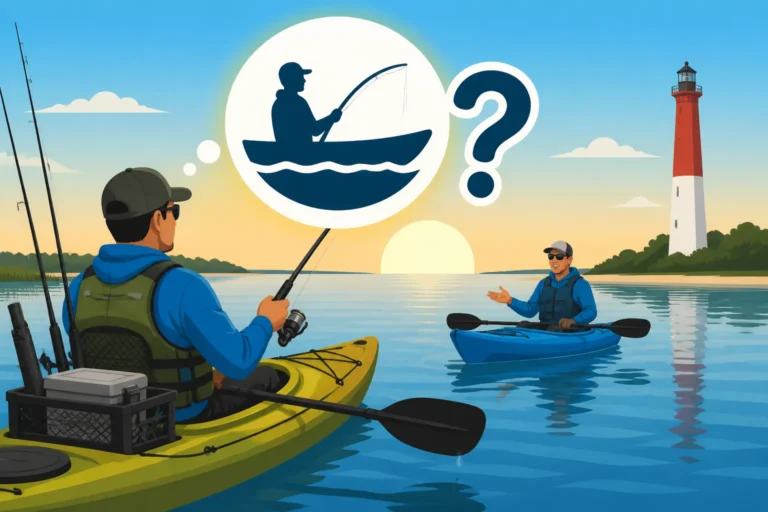
Kayak anglers, in particular, find the Delaware River incredibly rewarding for independent exploration. With numerous launch points, they can access areas that are too shallow for powerboats but still offer excellent fishing. Kayak fishing provides a unique blend of accessibility and stealth, allowing anglers to get close to fish-holding structure without spooking them. However, safety is paramount. Always wear a life vest, be aware of river conditions, and never paddle alone in unfamiliar or challenging waters. Knowing how to properly use public resources is key to a successful independent trip on the Delaware River Fishing in New Jersey.
Weighing the Costs and Rewards of a Guided Trip
Deciding whether to hire a guide really boils down to a personal choice, weighing the financial investment against the potential rewards. There's no single "right" answer; it's about what you want to get out of your fishing experience on the Delaware River.
Financial Considerations
Let's be realistic: hiring a fishing guide is an investment. The How Much Does a Delaware River Smallmouth Guide Cost? can vary significantly depending on the guide's experience, the length of the trip (half-day vs. full-day), and what's included (gear, bait, lunch, etc.). This cost can be a barrier for some, especially if you're on a tight budget or plan multiple fishing trips throughout the season. For a single angler, it's certainly a significant expense.
However, consider what that cost covers: a boat, fuel, specialized gear and tackle, bait, years of local expertise, and often, an educational experience that would take countless hours and personal expense to replicate. If you were to purchase all the specialized equipment a guide provides, and factor in the gas and time spent scouting, the guide's fee might not seem so extravagant for a single, high-quality outing. If you split the cost with a friend or two, the per-person expense becomes much more manageable. Platforms like FishingBooker often provide clear pricing structures, helping you budget effectively.
The Value of Education and Experience
Beyond simply catching fish, one of the greatest values of a guided trip is the educational aspect. A good guide doesn't just put you on fish; they teach you why those fish are there, how to catch them, and what to look for in the future. They'll share insights into local entomology for fly fishing, explain fish behavior, and offer tips on reading river currents. This hands-on learning can dramatically shorten your learning curve and improve your skills for future solo trips. It's like having a seasoned mentor by your side.
The experience itself can also be priceless. Imagine floating down a pristine section of the Delaware, surrounded by nature, learning from an expert, and hooking into a hard-fighting smallmouth. These are the memories that last a lifetime, often more vivid and rewarding than a solo trip where you spent half the day trying to figure out where the fish were. For a special occasion, a bucket list species, or simply to gain a deeper appreciation for the river, the unique experience offered by a professional guide can far outweigh the monetary cost. For fly fishing enthusiasts, specifically, finding Best Fly Fishing Guides for New Jersey Trout Streams might be worth the investment for an unmatched experience.
Making the Decision: Guide or Solo Adventure?
Ultimately, the choice to hire a guide for fishing the Delaware River is a personal one, heavily influenced by your individual circumstances and fishing aspirations. There are compelling reasons for both approaches.
| Feature | Guided Trip | Solo Adventure |
|---|---|---|
| Cost | Higher upfront investment | Lower direct cost (if you own gear) |
| Experience Level | Ideal for beginners; beneficial for all | Best for experienced anglers |
| Local Knowledge | Instant access to expert insights | Requires significant self-research and time |
| Equipment | All specialized gear provided | Must own or rent all necessary equipment |
| Time Efficiency | Maximized fishing time, less scouting | Time spent on research, scouting, and setup |
| Access | Access to remote/difficult areas, private lands | Limited to public access points and personal boat capabilities |
| Learning | Direct, hands-on instruction and tips | Self-taught, trial-and-error |
| Stress Level | Low; guide handles navigation, logistics | Higher; responsible for all aspects of the trip |
| Goal | High chance of success, specific targets, education | Independence, self-reliance, personal challenge |
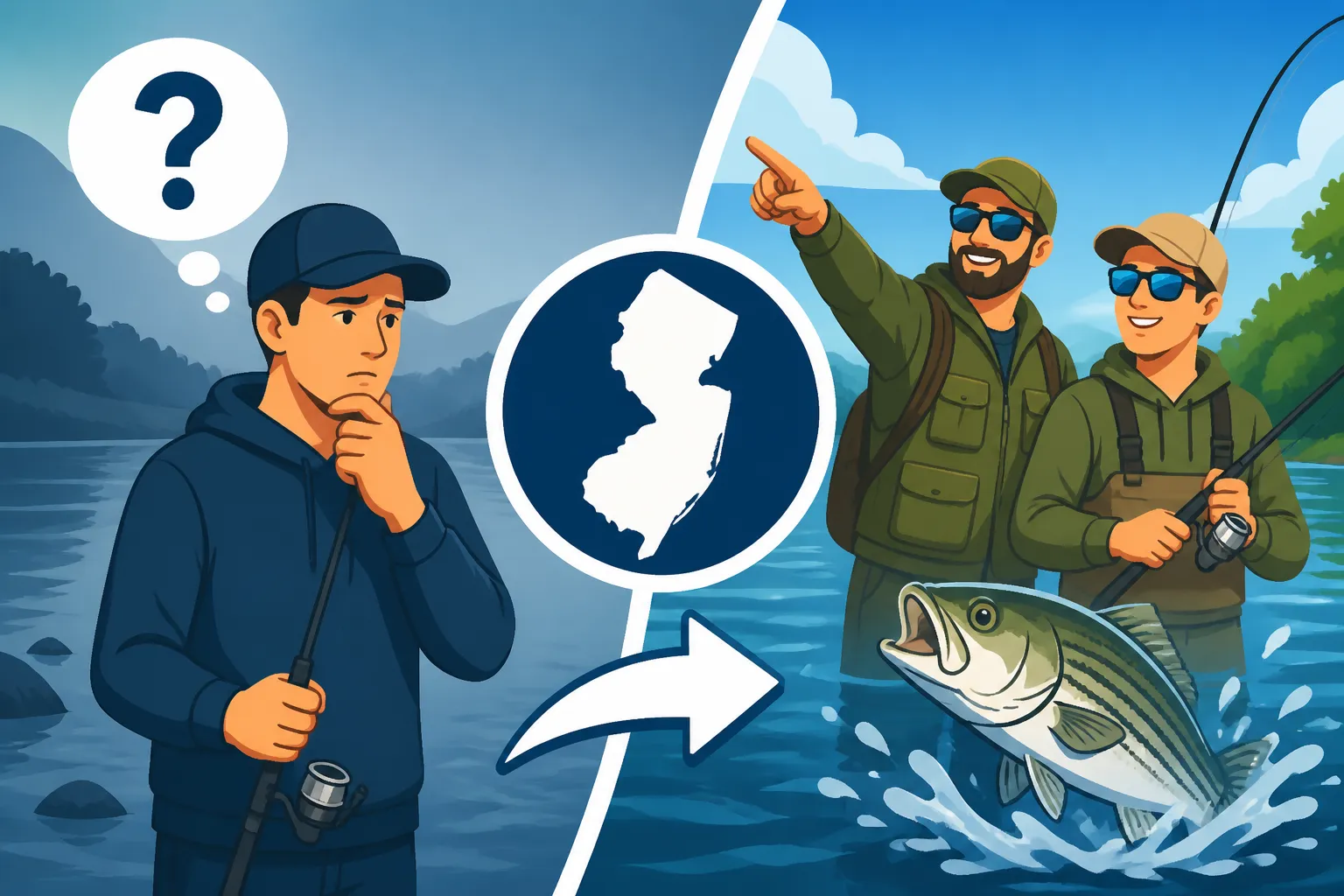
If you're new to the Delaware, targeting a specific challenging species, have limited time, or simply want a stress-free, educational experience with a high chance of success, a guide is an excellent investment. They can quickly elevate your skills and create lasting memories.
However, if you're an experienced angler who enjoys the challenge of figuring out new water, have the necessary gear, and value the independence of planning your own trip, the Delaware offers abundant opportunities for rewarding solo adventures. There's a profound satisfaction that comes from successfully navigating and catching fish on your own terms. Whichever path you choose, the Delaware River promises an unforgettable angling experience.
Disclaimer
This article is for general informational purposes only and does not constitute professional advice. Laws, prices and regulations vary by location and change over time. Consult a qualified professional for guidance on your specific situation.