Delaware River Shad Run Fishing
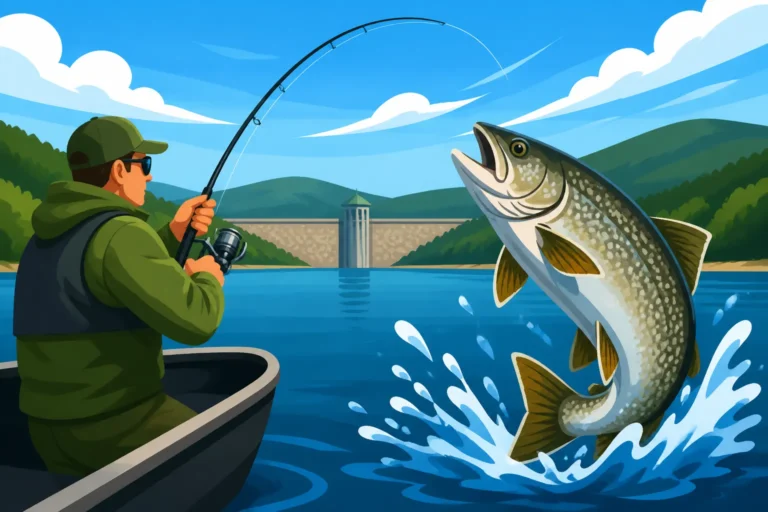
The annual Delaware River shad run is a phenomenon that gets many anglers absolutely buzzing, but if you've never experienced it, the sheer volume of information and the specific techniques involved can feel overwhelming. It's easy to get lost in the jargon or to feel like you're missing a crucial piece of the puzzle, leading to frustrating days on the water with empty nets. This comprehensive guide is here to demystify the exciting world of shad fishing on the Delaware, walking you through everything you need to know to successfully intercept these incredible migratory fish as they make their way upstream to spawn in New Jersey.
Understanding the Annual Delaware River Shad Run
For many New Jersey anglers, the arrival of the shad run marks the unofficial start of spring fishing. It’s a truly unique experience, offering fast-paced action and the chance to catch a fish known for its incredible fight. But what exactly drives these vast schools of fish to undertake such a journey, and what species are we really talking about? It's more than just a migration; it's a deeply ingrained biological imperative that has shaped fishing traditions along the Delaware for centuries.
What Drives the Shad Migration?
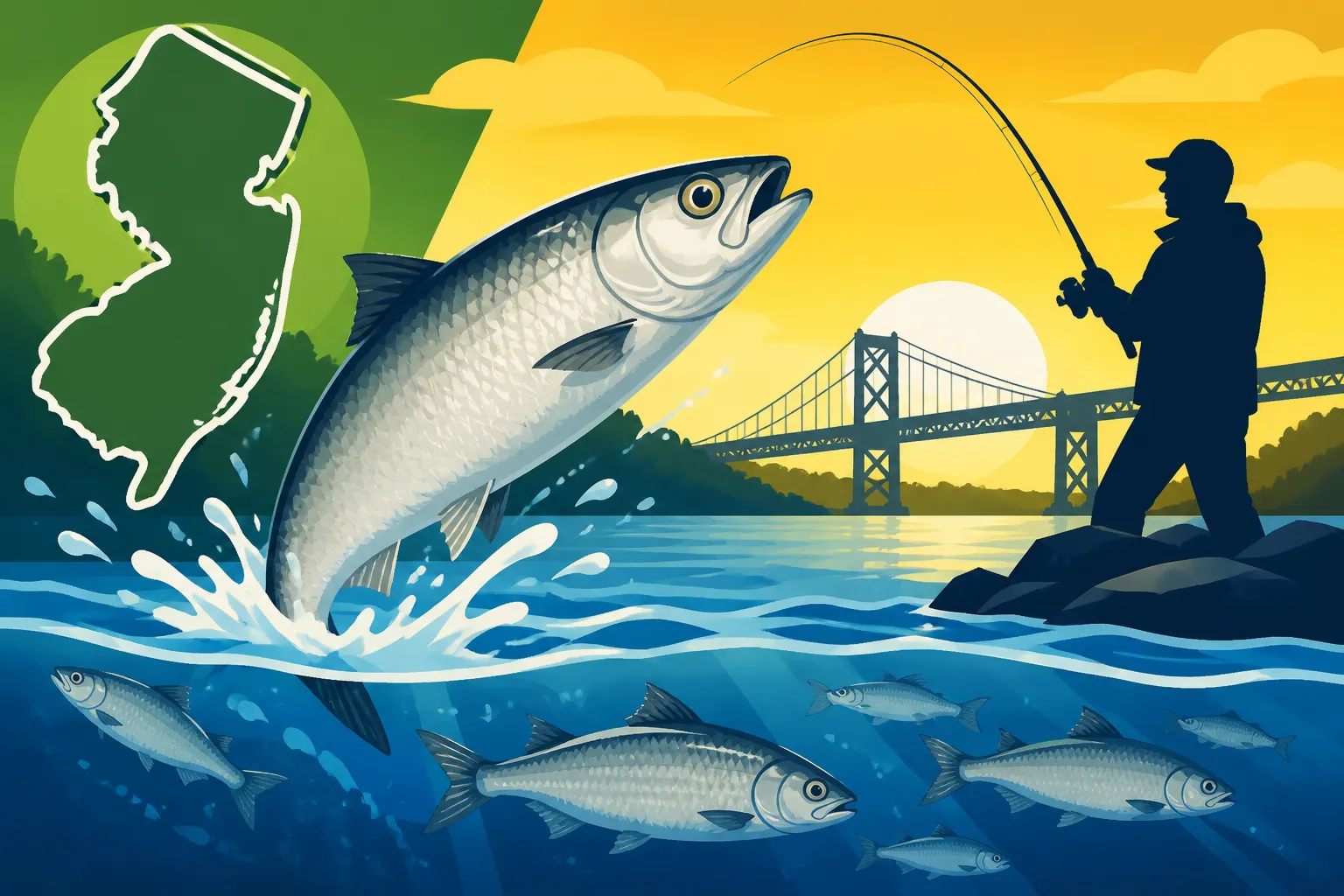
The American shad, often called the "poor man's salmon" due to its silvery appearance and powerful fight, is an anadromous fish. This means it spends most of its life in saltwater, out in the Atlantic Ocean, but returns to freshwater rivers to spawn. For the Delaware River population, this journey begins when water temperatures start to climb into the mid-40s Fahrenheit, usually around late March or early April in the lower river. The warmer water acts as a signal, telling them it's time to head upstream. As spring progresses, the migration moves steadily northward, reaching the upper stretches of the Delaware in late April and May.
The timing isn't just about temperature; it's also about river flow. Heavy rains can cause the river to swell and muddy, sometimes slowing the migration or making fishing difficult. Conversely, consistent moderate flows with stable temperatures create ideal conditions. Anglers often keep a close eye on water gauges and temperature reports, knowing that these factors dictate when and where the best fishing will be. The instinct to spawn is so strong that these fish will battle powerful currents and overcome obstacles to reach their ancestral breeding grounds, providing an incredible opportunity for those who understand their patterns.
Key Species: American Shad vs. Hickory Shad
When we talk about the Delaware River shad run, we're primarily talking about two distinct species: the American shad (Alosa sapidissima) and the hickory shad (Alosa mediocris). While both are members of the herring family and participate in the same general migration, they have some important differences that can impact your fishing strategy.
American shad are the larger of the two, often reaching lengths of 18 to 24 inches and weighing anywhere from 2 to 6 pounds, though larger specimens are certainly caught. They are known for their deep, compressed body, silvery sides, and a distinct row of spots along their lateral line, which fades as they spend more time in fresh water. These are the fish that truly test your tackle and offer a thrilling, drag-screaming fight, often leaping clear of the water. They are also considered excellent table fare by many, especially when planked or smoked.
Hickory shad, on the other hand, are generally smaller and more slender, typically ranging from 12 to 16 inches and weighing less than 2 pounds. They have a more pointed snout and their lower jaw typically protrudes beyond the upper jaw. While they don't reach the same size as their American counterparts, hickory shad are incredibly aggressive and put up a surprisingly strong fight for their size, making them a blast on light tackle. Sometimes they show up earlier in the run or prefer slightly different water conditions, adding another layer of excitement to the spring fishing season. Understanding the nuances of both species can help you fine-tune your approach and maximize your catch.
Prime Locations for Shad Fishing Along the Delaware River
The Delaware River stretches for miles along New Jersey's western border, offering a vast array of fishing opportunities. While shad can be found throughout a significant portion of the river during their run, certain areas consistently produce better results due to river structure, access, and historical migratory patterns. Knowing where to focus your efforts can drastically improve your chances of success.
Upper Delaware Hotspots
As the shad push further upstream to spawn, certain sections of the Upper Delaware River become true hotspots. These areas typically feature a mix of deeper pools, swift runs, and rocky bottom structures that create ideal holding and travel lanes for the migrating fish. One of the most famous and productive stretches is around the Lambertville and New Hope area. Here, the river narrows and quickens, creating excellent current breaks and eddies where shad tend to congregate. The Lambertville Wing Dam, though now mostly submerged and less prominent, historically channeled fish and still influences current patterns, making it a prime target. Anglers can often be seen wading the shallower sections or casting from shore access points near the towns. Public access can be found at various points along the Delaware & Raritan Canal State Park trail, which runs parallel to the river.
Further north, towns like Frenchtown and Stockton also offer fantastic opportunities. These areas provide a combination of public access points, boat launches, and favorable river conditions. Shoreline fishing is popular here, as is fishing from kayaks or small boats that can navigate the current. The key is to look for areas where the main current is present but also where there are seams or slower pockets that allow shad to rest. Fishing from bridges (where legal and safe) can also provide a bird's-eye view of the water and help identify concentrations of fish. Remember that river conditions can change daily, so scouting these areas ahead of time can be a huge advantage. If you're looking for an expert to show you the ropes in these sometimes tricky waters, you might consider booking a guided trip through services like FishingBooker, which can connect you with local experts who know these specific stretches inside and out.
Middle and Lower Delaware Opportunities
While the upper river gets a lot of attention, the middle and lower stretches of the Delaware River also provide excellent shad fishing, often earlier in the season due to warmer water temperatures. Areas around Trenton, including the various parks and boat launches, can be very productive as the initial waves of shad enter the freshwater. The river here is generally wider and can have more significant tidal influence further south, which is an important factor to consider. Understanding how tides affect the current and where fish might hold can be crucial for success in these sections. The article on How to Read Tide Charts for Better Fishing in New Jersey could be a helpful resource if you plan to explore the tidal areas.
Moving further south into Salem County and Cumberland County, the river becomes even wider and estuaries begin to form. While these areas are more commonly associated with saltwater species, the initial push of shad through these sections can be strong, especially in late March and early April. However, as the fish move upstream, the concentrations thin out in the lower river. Therefore, focusing on the main stem and its immediate tributaries that offer deeper channels and good current flow is generally more productive for shad. Public boat ramps and state park access points are your best bet in these wider, more navigable waters. Always consult the New Jersey Fish and Wildlife Digest for specific regulations that might vary slightly depending on the exact location, especially near the border waters with Pennsylvania, which might involve understanding reciprocal agreements, as covered in this piece: Do You Need Two Licenses to Fish the Delaware River Between New Jersey and Pennsylvania?
Essential Gear and Tackle for the Shad Run
One of the beauties of shad fishing is that you don't need a boatload of specialized, expensive equipment to be successful. In fact, many anglers prefer a minimalist approach, which only adds to the charm of the experience. However, having the right gear can make a significant difference in both your comfort and your catch rate. The key is to use light tackle that allows for sensitive presentations while still having enough backbone to handle a hard-fighting fish in current.
Rods, Reels, and Line Selection
For American shad, a light to medium-light spinning rod, typically 6 to 7 feet in length, is ideal. Look for a rod with a fast action tip, which allows for precise casting of light lures and excellent sensitivity to detect those subtle takes, while still having enough backbone to drive the hook home and battle a strong fish. Many anglers opt for rods designed for trout or panfish, which are perfectly suited for the task. The flexibility of a good trout rod will absorb the violent head shakes and acrobatic jumps that shad are famous for, preventing hook pulls.
Pair your rod with a small spinning reel, size 1000 to 2500, loaded with 4 to 8-pound test monofilament or fluorocarbon line. While braided line offers superior sensitivity and casting distance, the lack of stretch can sometimes lead to pulled hooks during the shad's explosive runs and jumps. Monofilament, with its inherent stretch, acts as a shock absorber, often keeping the fish pinned. Fluorocarbon can also be a good choice, offering a low visibility advantage, though it has less stretch than mono. For beginners, a simple, balanced setup will serve you well and provide hours of enjoyment. Remember, the goal is to feel the subtle bite and then enjoy the fight!
Lures and Baits of Choice
When it comes to lures for shad, simplicity reigns supreme. The undisputed king of shad lures is the shad dart. These small, weighted jigs typically range from 1/16 to 1/4 ounce and come in a dazzling array of colors. The dart’s compact profile and specific weighting allow it to cut through the current effectively, getting down to where the fish are holding. Popular color combinations include chartreuse and white, red and white, pink and white, yellow, and even solid white or black. Often, the fish will show a preference for a particular color on any given day, so carrying a variety is a smart move. Many anglers will fish two darts in tandem, tying one to the main line and then a dropper line below it, often using different colors or weights to see what the shad are reacting to.
Another highly effective lure, especially for hickory shad, are small spoons. These can be as small as 1/8 to 1/4 ounce, in silver, gold, or copper finishes. Their wobbling action is incredibly enticing to shad. Small inline spinners, similar to those used for trout, can also produce strikes, particularly in slower moving water or when shad are less aggressive. Some fly anglers also target shad using brightly colored flies that imitate small baitfish or insects, demonstrating the versatility of this fishery. Ultimately, the best lure is one that you have confidence in and that you can present effectively in the current. Don't be afraid to experiment with colors and sizes until you find what the shad are hitting on that day.
Effective Techniques for Catching Shad
Catching shad isn't just about showing up with the right gear; it's about understanding how to present your lure in a way that triggers a strike from these often-finicky fish. Shad are plankton feeders in saltwater, but they strike lures out of aggression or instinct during their spawn. The subtle nuances of your retrieve and presentation can make all the difference between a memorable day and a frustrating one.
Mastering the Shad Dart
The shad dart is incredibly effective because it's designed to be fished in current, mimicking small baitfish. The most common and productive technique involves casting upstream and across the current, allowing the dart to sink and then drift downstream naturally. The idea is to let the dart "swing" through the water column where the shad are holding, which is often near the bottom in the deeper parts of the runs or just behind current breaks. As the dart swings, you'll want to maintain a tight line, allowing you to feel the subtle taps or sudden weight that indicates a bite.
A slight retrieve, just enough to keep the line taut and give the dart some action, is all that's typically needed. You're not aggressively jigging or reeling; rather, you're letting the current do most of the work, guiding your lure into the strike zone. Sometimes a very slow, almost imperceptible lift-and-drop motion can entice a strike. The key is to get your dart down to the fish, which might mean adding a small split shot above your dart in heavier current or using a heavier dart. Finding the right depth and current seam is crucial. If you're not getting bites, try moving slightly up or downstream, or altering your cast angle to cover different parts of the water column. Persistence and slight adjustments often pay off.
Other Productive Methods
While the shad dart is a staple, other techniques can be incredibly effective, especially as conditions change or to target different species of shad. Small, brightly colored spoons, cast upstream and allowed to flutter down through the current, can be deadly. A slow, steady retrieve with occasional twitches will give the spoon an irresistible action. For hickory shad, which are often more aggressive, inline spinners can work wonders. Cast them out and retrieve them at a moderate pace, allowing the blade to spin and flash, drawing attention from across the current.
Fly fishing for shad is also a growing pursuit and offers a unique challenge. Anglers use 5 or 6-weight fly rods with sinking tip or full sinking lines to get their flies down to depth. Small, flashy streamers, often in chartreuse, pink, or white, are cast upstream and allowed to swing through the current, much like a conventional shad dart. The direct connection of fly tackle to a fighting shad is an experience unto itself, making for an incredibly exciting and visual battle. Whether you prefer spinning or fly fishing, the key to success lies in understanding the fish's behavior, presenting your lure naturally, and being prepared for a tenacious fight. If you're new to fly fishing, a general guide like How to Fly Fish for Trout in New Jersey Streams can offer some foundational knowledge that translates well to shad fishing.
Navigating Regulations and Conservation
Fishing the Delaware River shad run is not just about catching fish; it's also about doing so responsibly and legally. New Jersey has specific regulations in place to protect the shad population and ensure its sustainability for future generations of anglers. Understanding these rules and practicing good conservation habits is paramount.
New Jersey Fishing License and Shad Limits
First and foremost, any angler aged 16 and older planning to fish the freshwater portions of the Delaware River within New Jersey's jurisdiction must possess a valid New Jersey freshwater fishing license. It's a non-negotiable requirement, and conservation officers patrol these waters regularly. You can find comprehensive details on obtaining your license in guides like the New Jersey Fishing License Guide for 2026 or Where and How to Buy a New Jersey Fishing License. Remember, regulations can and do change, so it's always wise to consult the most current New Jersey Fish and Wildlife Digest before heading out.
When it comes to shad, there are specific bag and size limits designed to manage the fishery. These limits dictate how many fish you can keep in a day and sometimes what minimum or maximum size they need to be. For American shad, the daily creel limit in the Delaware River and its tributaries is typically six fish. Hickory shad often have a more generous limit, sometimes up to ten fish. These numbers are subject to change annually based on stock assessments and management decisions, so checking the New Jersey Fishing Season Dates and Closures and How Bag and Size Limits Work in New Jersey articles is a must. Violating these regulations can result in fines and even the loss of your fishing privileges, so knowing the rules is crucial.
Responsible Catch and Release Practices
While many anglers enjoy keeping a few American shad for the dinner table, practicing responsible catch and release is vital for the long-term health of the fishery, especially for those fish that are destined to spawn. Shad are a resilient species, but like any fish, they can be stressed during a prolonged fight, especially in warmer water later in the season.
Here are some tips for responsible catch and release:
- Use appropriate tackle: Light tackle is fun, but avoid going too light where you exhaust the fish excessively.
- Handle with care: If you plan to release a fish, try to keep it in the water as much as possible. If you must handle it, do so with wet hands and support its body horizontally. Avoid squeezing its belly or gills.
- Remove hooks quickly: Barbless hooks can make hook removal much easier and less traumatic for the fish. Pliers or a dehooking tool are indispensable.
- Minimize air exposure: The longer a fish is out of water, the lower its chances of survival. A quick photo is fine, but prioritize getting the fish back into the river.
- Revive properly: If a fish seems sluggish, hold it gently in the current, facing upstream, until it regains its strength and can swim away on its own.
By adhering to regulations and practicing these conservation-minded techniques, you contribute directly to the health of the Delaware River's shad population, ensuring that future generations can enjoy this incredible spring tradition. It's not just about what you catch, but how you protect what you catch.
Best Times and Conditions for a Successful Shad Trip
Timing is everything when it comes to the Delaware River shad run. The success of your trip can hinge heavily on being in the right place at the right time, and that means paying close attention to environmental cues. It's a dance with nature, where water temperature and flow rates are your partners.
Water Temperature and Flow Rates
The most critical factor dictating the timing and progression of the shad run is water temperature. Shad typically begin entering the freshwater sections of the Delaware when temperatures reach about 45-50°F in the lower river. As the spring progresses, the main body of fish will follow the rising temperatures upstream. The peak of the run, when the greatest numbers of fish are present, usually occurs when water temperatures are in the low to mid-50s F. In the central and upper Delaware, this might mean late April through May. Many experienced anglers track river temperatures meticulously using online resources or even a simple handheld thermometer.
River flow rates are equally important. After heavy rains, the river can become high and muddy, making fishing challenging. High water can scatter fish, reduce visibility, and make wading unsafe. Ideally, you want moderate and stable flows, often referred to as "normal" or "favorable" flows. These conditions concentrate fish into predictable channels and current seams, making them easier to locate. Conversely, extremely low and clear water can also make shad spookier, requiring a more subtle approach. Websites like the USGS National Water Information System provide real-time river data for various points along the Delaware, which can be an invaluable tool for planning your trip. A day with stable, moderate flow and water temperatures in the sweet spot for shad is often a recipe for epic fishing.
Tidal Influences on the Lower River
While the majority of the prime shad fishing on the Delaware occurs in non-tidal freshwater sections, the very lower stretches of the river, particularly below Trenton, do experience tidal influences. In these areas, understanding the tides can provide an additional advantage. Tidal swings can affect current speed, depth, and how fish position themselves. Often, an incoming or outgoing tide, when the water is moving, is more productive than the slack tide periods.
For example, an incoming tide might push baitfish (and therefore shad) further up into shallower areas, or it might concentrate them in certain channels as they follow the current. An outgoing tide, conversely, could draw them out of those areas. The specific "best" tide can vary depending on the exact location and conditions, but generally, moving water is preferred. If you find yourself fishing the lower, tidally influenced sections, it's worth checking a tide chart for the specific day and location you plan to fish. While not as critical as for purely saltwater species, knowing the tidal cycle can give you an edge and help you plan your fishing around the most active periods for migratory fish. If you plan to hire a guide for these areas, FishingBooker lists several captains specializing in the lower Delaware, and they'll certainly know the local tidal patterns.
| Factor | Ideal Conditions | Impact on Shad Fishing |
|---|---|---|
| Water Temperature | 48°F – 58°F (mid-50s is peak) | Triggers migration; optimal feeding/spawning activity. Too cold = slow, too warm = sluggish. |
| River Flow Rate | Moderate to normal (stable, not too high/low) | Concentrates fish, allows for safe wading and boat navigation, better water clarity. |
| Water Clarity | Slightly stained to clear | Allows fish to see lures without being overly spooky. Muddy water makes fishing tough. |
| Tide (Lower River) | Moving water (incoming or outgoing) | Current changes can position fish and bait; slack tide often less productive. |
| Time of Day | Early morning, late afternoon | Often when fish are most active, but shad can bite all day during peak run. |
This table provides a quick overview, but remember that nature always has its own agenda. Flexibility and adaptability are key to a successful shad outing.
Disclaimer
Always check the latest New Jersey Department of Environmental Protection (NJDEP) Division of Fish and Wildlife regulations before heading out to fish, as rules, bag limits, and seasons can change. This information is for general guidance only and should not replace official sources.