Delaware River Fishing in New Jersey
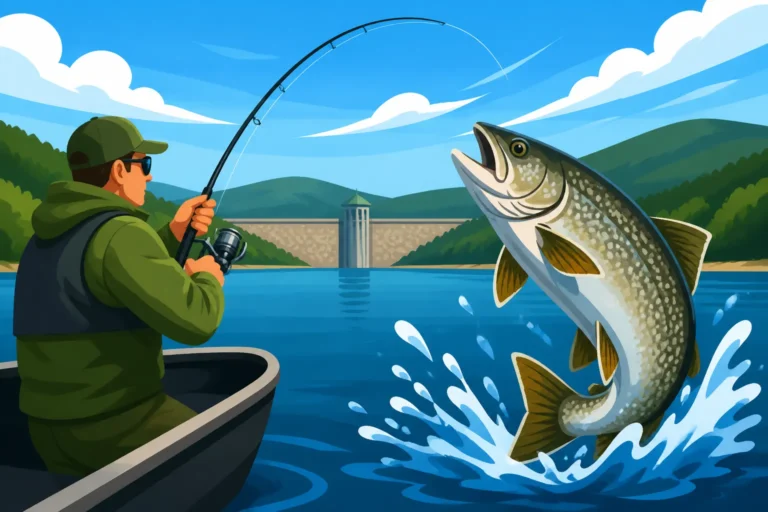
The Delaware River is a true gem for New Jersey anglers, yet it often presents a unique set of challenges compared to smaller, more predictable lakes or ponds. You might find yourself staring at its vast expanse, wondering where to even begin, or frustrated by confusing regulations that seem to change depending on which side of the river you’re fishing. This comprehensive guide is here to cut through that confusion, offering you an in-depth look at everything you need to know to successfully fish the New Jersey stretch of this incredible waterway, from understanding its diverse sections to mastering the techniques for its most sought-after species.
The Unrivaled Allure of the Delaware River for New Jersey Anglers
For those of us who call New Jersey home, the Delaware River isn't just a border; it's an ecosystem, a historical artery, and a fishing paradise all rolled into one. It’s a place where you can chase wild trout in crystalline upper reaches one day and battle powerful striped bass in tidal waters the next. This river offers such a diverse array of angling experiences that it truly stands out as a premier destination, often overlooked by those who stick to the more familiar local lakes or the Jersey Shore.
A River Steeped in History and Biodiversity
Imagine a waterway that has seen centuries of human history unfold along its banks, from Lenape tribes to the industrial revolution, and yet still teems with vibrant aquatic life. The Delaware River is precisely that. Its waters, fed by countless tributaries, support an incredible variety of fish species, some native, some anadromous (meaning they migrate between fresh and saltwater), and others introduced. This biodiversity is a huge draw for anglers. Unlike a simple pond, the Delaware is a living, breathing system with complex currents, varied bottom structures, and an abundance of forage that sustains healthy populations of game fish.
The river's journey from the Catskill Mountains to Delaware Bay carves out distinct habitats. You'll find rocky riffles and deep pools in its upper stretches, perfect for trout and smallmouth bass, transitioning to wider, slower currents, and eventually marshy, brackish zones further south. This environmental tapestry means that with a little knowledge, you can tailor your fishing adventure to almost any preference, whether you're a fly-fishing purist, a bait-and-wait enthusiast, or a power-fishing bass angler. The sheer scale and wildness of much of the river also offer a sense of escape, a feeling of truly being out in nature, which is increasingly rare in our densely populated state.
From Mountain Streams to Tidal Estuary: A Fishing Kaleidoscope
One of the most remarkable aspects of the Delaware River is its incredible ecological gradient. Starting far north where it forms New Jersey's border with Pennsylvania, it begins as a cold, oxygen-rich environment resembling a mountain stream. Here, the focus is often on trout and smaller, feisty smallmouth bass that thrive in cooler waters. As it flows southward, gathering volume and warmth, the river gradually transforms. You move from areas that feel distinctly Appalachian to broad, powerful stretches that accommodate larger warmwater species like channel catfish, largemouth bass, and various panfish.
Eventually, as the river nears Philadelphia and further south into southern New Jersey, the tidal influence from the Atlantic Ocean becomes undeniable. Here, the water becomes brackish, a mix of fresh and salt, and the species mix changes dramatically. This is where you encounter anadromous fish like striped bass and American shad during their migrations, alongside resident estuarine species. This transition provides an unparalleled "fishing kaleidoscope" – the ability to target such vastly different types of fish, using entirely different techniques, all within the same river system, depending on which segment you choose to explore. It’s truly a river that has something for everyone, from the intrepid explorer seeking remote stretches to the urban angler looking for a quick fix close to home.
Deciphering the Delaware River's Fishing Zones in New Jersey
The Delaware River is a long and winding beast, and understanding its different sections is absolutely crucial for a successful fishing trip. You can't approach fishing near Frenchtown the same way you would near Camden or Montague. Each zone has its own unique character, dominant species, and optimal fishing strategies. Trying to apply a one-size-fits-all approach will almost certainly lead to frustration.
The Upper Delaware: Coldwater Trout and Smallmouth Haven
The Upper Delaware River, roughly from the New York border down to about the Delaware Water Gap, is a coldwater paradise, especially for those who love fly fishing and chasing energetic smallmouth bass. This section of the river is characterized by its clearer, colder water, numerous riffles, rapids, and deep pools carved out by millennia of flow over bedrock. It truly feels like a wilderness experience, with dense forests lining much of its banks, particularly within the Delaware Water Gap National Recreation Area.
Here, you're primarily looking for trout – rainbow, brown, and even some wild brook trout in the feeder streams – and smallmouth bass. The smallmouth here are incredibly strong for their size, battling fiercely in the swift currents. Access can be a bit more challenging in some areas, often requiring a drift boat, canoe, or kayak to cover significant stretches. Popular towns like Dingmans Ferry, Milford, and Port Jervis (just over the border in NY, but influences NJ fishing) offer points of entry. For many, this is the quintessential "river fishing" experience, demanding precision casting and an understanding of current seams and structure.
The Middle Delaware: Mixed Bag for Warmwater Species
As you move south from the Delaware Water Gap, roughly from Belvidere down to Trenton, you enter the Middle Delaware. This stretch transitions into a wider, somewhat slower, and generally warmer river system. The dramatic elevation changes of the upper river begin to mellow out, and while there are still plenty of rocks and current, you'll also find more substantial flats and deeper, calmer pools. This is where the river really starts to open up, becoming more navigable for larger powerboats in some areas.
The Middle Delaware is a fantastic "mixed bag" fishery. While smallmouth bass are still prevalent, especially in the rocky areas, you'll also start to encounter a healthier population of largemouth bass, particularly in backwater coves and slower eddies. Channel catfish become a major target here, growing to impressive sizes. Panfish like sunfish and crappie are abundant, making it a great place for family outings or beginners. During the spring, this section also becomes a crucial highway for the anadromous American shad as they push upstream to spawn, offering some truly exhilarating light-tackle action. Popular spots like the area around Frenchtown, Stockton, and Washington Crossing offer varied access and a chance to catch multiple species in a single outing.
The Lower Delaware and Tidal Influence: Where Freshwater Meets Salt
The Lower Delaware, stretching from Trenton south through Philadelphia and into Delaware Bay, is a completely different animal. This is where the river truly becomes a major commercial and industrial waterway, and its character is heavily influenced by the tides. The water here is much wider, deeper, and often more turbid. As you move further south, the fresh river water begins to mix with the saltwater from the Atlantic, creating a dynamic brackish environment, a true estuarine zone. This is a critical habitat for migratory species and offers unique fishing opportunities distinct from the upper and middle river.
In this tidal stretch, the game changes dramatically. While you can still find some hearty populations of largemouth bass and catfish in the fresher upper parts of this zone and in its tributaries, the real stars are the anadromous fish. Striped bass are a major draw, with both resident fish and migratory populations moving through. The shad run, which starts further south and moves upstream, provides excellent fishing here in spring. You'll also encounter other estuarine species, and even freshwater species adapted to slightly brackish conditions. Access points can be more urban, with boat ramps and fishing piers found in places like Camden or around the Salem County area. Fishing here often revolves around understanding the tides, which dictate current flow, fish movement, and prime feeding times. It's a challenging but highly rewarding fishery for those who learn its rhythms.
Premier Fish Species of the New Jersey Delaware River
The diverse nature of the Delaware River means you can target an impressive roster of fish species. Each segment of the river hosts its own particular stars, offering unique challenges and rewards. Understanding what you're likely to encounter, and where, is key to packing the right gear and employing the right tactics.
Chasing the Mighty Smallmouth Bass
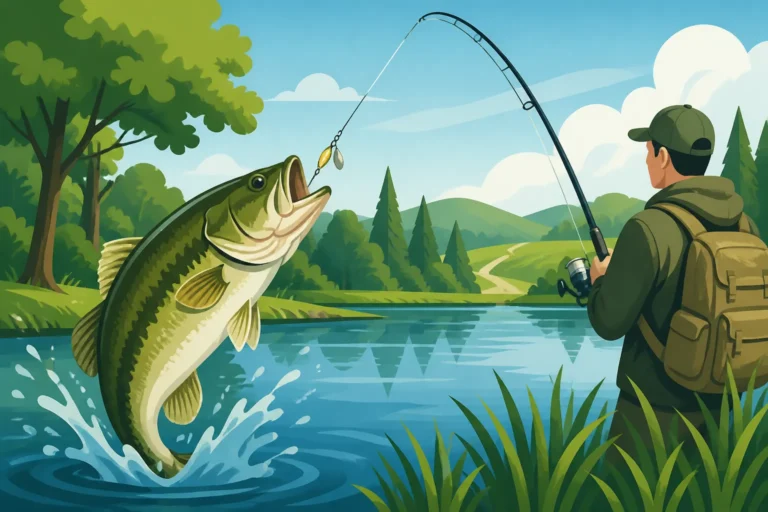
If there's one fish that truly defines the sportfishing of the central and upper Delaware River in New Jersey, it's the smallmouth bass. These bronze beauties are renowned for their incredible fighting spirit, often leaping clear of the water and pulling hard, even when they're not particularly large. Unlike their largemouth cousins, smallmouth prefer cooler, clearer water with good current and plenty of rocky structure, making the Delaware River a perfect habitat for them. They'll hold in eddies behind boulders, along current seams, and in the deeper pools, ambushing baitfish and crayfish.
To effectively target smallmouth, you'll want light to medium-light spinning gear or a fly rod. Lures like small crankbaits, spinnerbaits, tube jigs, grub tails, and soft plastic creatures rigged Texas-style or on a jig head are deadly. For fly anglers, clouser minnows, crayfish patterns, and poppers in low light can be incredibly effective. The key is to present your lure naturally in the current, often allowing it to drift before working it back. Fishing from a kayak or canoe allows you to quietly navigate the river and access prime holding spots that shore anglers might miss. For a deeper dive into these aggressive fighters, check out our guide on New Jersey Smallmouth Bass on the Delaware River.
The Thrill of the Shad Run
Every spring, typically from April through May, the Delaware River experiences one of nature's most spectacular migrations: the American shad run. These silvery, ocean-going members of the herring family surge upstream from the Atlantic Ocean to spawn in the freshwater reaches of the river, providing some of the most exciting light-tackle fishing available. The shad are often referred to as "poor man's tarpon" due to their acrobatic fights and surprising strength on appropriate gear. This migration is eagerly anticipated by anglers throughout the region, creating a vibrant, almost festival-like atmosphere at popular access points.
Catching shad requires specialized, but simple, tackle. Ultra-light spinning gear with light line (4-6 lb test) is ideal to maximize the fight. The most common and effective lures are small, brightly colored darts and tiny spoons, often weighing less than a quarter ounce. Anglers typically fish these by casting upstream and allowing the lure to drift naturally with the current, retrieving it slowly as it swings downstream. The takes can be subtle at first, then explode into a powerful fight. You'll find great shad fishing from the tidal stretches all the way up into the middle river. For more on this exhilarating phenomenon, including timing and specific techniques, take a look at our article on Delaware River Shad Run Fishing and How to Fish for Shad on the Delaware River.
Trout and Other Coldwater Gems
While smallmouth bass and shad dominate the headlines, the upper reaches of the Delaware and its numerous cold, clear tributaries are also fantastic for trout. The main stem itself holds some migratory brown and rainbow trout, particularly in the cooler months or in specific cold pockets, but it's the feeder streams where wild trout populations truly thrive. These smaller waterways, often overlooked, offer intimate fishing experiences for native brook trout, as well as stocked rainbows and browns.
To target trout in the Delaware system, especially in its tributaries, fly fishing is often the preferred method. Light fly rods (3-5 weight) with delicate presentations of dry flies, nymphs, or small streamers are effective. Spin anglers can also find success with small inline spinners, tiny spoons, or natural baits like worms and mealworms. These coldwater sections and streams require a stealthy approach and an understanding of trout behavior in moving water. It's a more serene, often solitary, pursuit compared to the bustling shad run, offering a peaceful connection with nature.
Largemouth Bass, Catfish, and Panfish: Warmwater Staples
As you move into the middle and lower, warmer sections of the Delaware River, the species mix shifts, and you'll encounter a robust population of warmwater fish. Largemouth bass, while not as dominant as smallmouth in the rocky main stem, thrive in the slower moving water, backwater coves, oxbows, and marshy areas found particularly in the tidal stretches and larger tributaries. Standard bass fishing techniques – throwing plastics, crankbaits, spinnerbaits, and topwater lures – can be very effective here.
Channel catfish are another major draw, especially in the middle and lower river. These powerful bottom dwellers grow to impressive sizes and offer a strong fight. They are often targeted with cut bait, chicken livers, or stink baits fished on the bottom, especially after dark. The Delaware also holds good numbers of panfish like bluegill, pumpkinseed, and crappie, which are perfect targets for young anglers or those looking for consistent action. Simple bobber rigs with worms, crickets, or small jigs will keep you busy. This variety ensures that there's always something biting on the Delaware, regardless of the season or your preferred fishing style.
Essential Tackle and Proven Techniques for Delaware River Success
Fishing the Delaware River effectively means understanding its diverse environments and tailoring your gear and techniques to match. What works for trout in a rocky upstream tributary won't necessarily cut it for striped bass in the tidal lower river. Having the right tools and knowing how to use them can make all the difference between a frustrating day and a memorable catch.
Rods, Reels, and Line: Matching Your Gear to the Quarry
When it comes to tackle, versatility is key, but so is specialization for your target species. For the aggressive smallmouth bass and fighting shad in the middle and upper river, a medium-light to medium power spinning rod, 6 to 7 feet in length, paired with a 2500 or 3000 series spinning reel, is a fantastic all-around choice. Spool this with 6-10 lb braided line, which offers sensitivity and casting distance, and add a fluorocarbon leader of similar breaking strength for abrasion resistance and stealth. This setup gives you enough backbone for powerful fish but is sensitive enough to feel subtle bites.
If you're heading to the upper river specifically for trout, especially with a fly rod, a 4-5 weight rod between 8.5 and 9 feet is ideal. For those targeting larger channel catfish in the lower or middle river, a medium-heavy spinning or baitcasting rod, 7 to 8 feet long, matched with a 4000 series spinning reel or a robust baitcaster, spooled with 15-20 lb monofilament or braid, will provide the necessary power to handle big cats and heavy sinkers. For the tidal striped bass, a medium-heavy surf rod or a heavy boat rod with a 4000-6000 series reel and 30-50 lb braid would be more appropriate. Always consider the potential size of your target and the strength of the current when making your choice.
Bait, Lures, and Flies: What Works Best and When
The Delaware River offers an endless array of choices when it comes to what you tie onto your line. For smallmouth bass, artificials shine. Small crankbaits (especially those mimicking crawfish), soft plastic tubes, grubs, and swimbaits on jig heads are consistently productive. Don't forget topwater lures like poppers and walk-the-dog baits during low light conditions or over shallow flats. For shad, tiny brightly colored darts (pink, chartreuse, red/white) and small spoon lures are the undisputed champions.
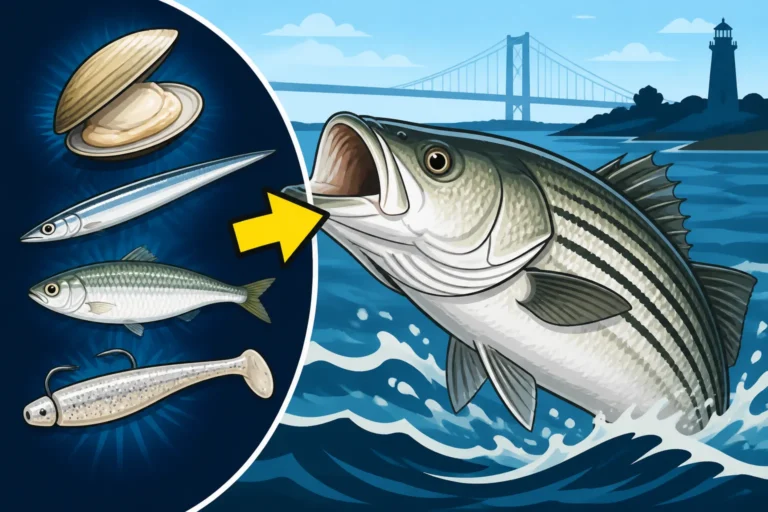
When targeting trout, live bait like worms and minnows can be effective in deeper pools, but artificials such as inline spinners (e.g., Mepps, Panther Martin) are also great. Fly anglers should carry a selection of nymphs (e.g., Hare's Ear, Pheasant Tail), dry flies (e.g., Caddis, Adams), and streamers (e.g., Woolly Bugger) to match the hatch or available forage. For the large and powerful channel catfish, nothing beats natural, smelly baits: chicken livers, cut bait (like pieces of bunker or herring), and commercial stink baits are highly effective. For striped bass in the tidal river, live bunker, chunked bunker, or large swimbaits and topwater plugs are go-to choices. Always check local tackle shops for the most up-to-date information on what the fish are biting on.
Shore, Boat, and Kayak Fishing Strategies
How you access the Delaware River will largely dictate your strategy. Shore fishing is popular, especially for shad in the spring and catfish year-round. You'll often find dedicated parking areas and paths leading to good bank access, particularly in state parks and along public stretches. When fishing from shore, focus on current breaks, deep holes near the bank, and any visible structure. A long casting rod can help you reach prime spots.
Boat fishing offers the ultimate flexibility, allowing you to cover vast stretches of the river and target structure far from the bank. However, boaters need to be acutely aware of currents, submerged hazards, and rapidly changing water levels, especially after heavy rains. Many public boat launches exist along the New Jersey side, from smaller ramps in the upper river to larger facilities closer to the tidal zone.
Kayak and canoe fishing have exploded in popularity on the Delaware, and for good reason. They offer a fantastic blend of access, stealth, and maneuverability. You can paddle into shallow eddies, navigate minor rapids, and drift quietly through prime fishing grounds. They are particularly effective for smallmouth bass and trout in the middle and upper river. Just remember proper safety gear, including a PFD, and always be aware of changing river conditions. Whether you're on foot, in a powerboat, or paddling a kayak, understanding your chosen access method is fundamental to developing effective fishing strategies on the Delaware.
Navigating New Jersey's Delaware River Fishing Regulations and Access
Fishing the Delaware River presents a unique regulatory landscape because it forms the border between New Jersey and Pennsylvania. This can be a source of confusion for many anglers, but understanding the rules is essential to avoid potential fines and ensure a pleasant, legal outing. Don't let the thought of bureaucracy deter you; with a little preparation, you'll be all set.
Understanding Licensing and Reciprocity
The most important thing to remember is that to fish any portion of the Delaware River from the New Jersey bank, or while launching from and returning to a New Jersey access point, you generally need a New Jersey fishing license. However, here's where it gets interesting: the New Jersey Fish & Wildlife agency has a reciprocal agreement with Pennsylvania for the main stem of the Delaware River. This means that if you possess a valid resident or non-resident fishing license from either New Jersey or Pennsylvania, you are legally entitled to fish the main stem of the Delaware River, from bank to bank. This reciprocity simplifies things considerably, but there are nuances.
This agreement applies only to the main stem of the Delaware River. If you venture into any tributary streams on the New Jersey side, you absolutely must have a New Jersey fishing license. The same goes if you're fishing from land within New Jersey and casting into the river. If you plan on fishing from a boat that launches in New Jersey, or are physically standing on New Jersey soil, having that New Jersey license is your safest bet. It's always a good idea to carry your license with you and be prepared for potential checks by conservation police. For a full breakdown of requirements, make sure to read our comprehensive New Jersey Fishing License Guide for 2026 and specifically check out Do You Need Two Licenses to Fish the Delaware River Between New Jersey and Pennsylvania?.
Key Bag and Size Limits for Popular Species
Beyond just the license, understanding bag and size limits for specific species is paramount. These regulations are put in place to manage fish populations sustainably and can change periodically, so staying informed is crucial. For instance, species like smallmouth bass, largemouth bass, and various trout species will have specific minimum size limits and daily creel (bag) limits. The American shad, while often caught in large numbers during their run, also have a daily bag limit.
It's vital to consult the current New Jersey Fish and Wildlife Digest, which is updated annually, for the most accurate and up-to-date information. Pay particular attention to special regulations that might apply to certain stretches of the river or specific species during spawning seasons. For example, some trout waters might have "catch and release only" designations, or special lure restrictions. Knowing these rules ensures you're fishing legally and contributing to conservation. Our guide on How Bag and Size Limits Work in New Jersey provides general principles, and for specific numbers, always refer to the official state digest or our New Jersey Freshwater Fish Size Chart 2026.
Public Access Points and Boat Launches on the New Jersey Side
Accessing the vast Delaware River can feel daunting, but New Jersey provides numerous public access points for both shore anglers and boaters. These range from developed state parks with multiple amenities to more rustic, informal access points.
Upper Delaware (north of Delaware Water Gap):
- Worthington State Forest (Columbia): Offers river access for shore fishing and smaller boat/kayak launches.
- Delaware Water Gap National Recreation Area: While much of it is in PA, there are NJ access points like the Dunnfield Creek parking area (for hiking/stream access) and several informal pull-offs along River Road (NJ Route 609) for shore fishing or hand-launching kayaks.
- Montague: Limited, often informal access points exist in this northernmost stretch.
Middle Delaware (Delaware Water Gap to Trenton):
- Belvidere Riverfront Park: Offers good shore access and a boat ramp.
- Frenchtown Borough Park: Provides shore access and a popular spot for launching kayaks and canoes.
- Bull's Island Recreation Area (Stockton): A fantastic spot with ample parking, shore fishing, and a boat launch for smaller craft. Great for access to the Delaware and the adjacent D&R Canal.
- Washington Crossing State Park (Titusville): Historical park with good shore access, especially for shad fishing in spring.
- Trenton: Various municipal parks offer shore access, though often in a more urban environment.
Lower Delaware (Trenton south):
- Burlington City Promenade: Offers waterfront access, primarily for shore fishing.
- Penns Grove Riverfront Park: Another spot for shore fishing in the lower tidal reaches.
- Fort Mott State Park (Pennsville): While primarily historical, it offers good access to the wider, lower river and Delaware Bay.
- Various County Parks: Check local county park websites (e.g., Salem County, Gloucester County) for specific boat ramps and fishing areas.
Always check the New Jersey Fish & Wildlife website or call local authorities for current conditions, parking availability, and any temporary closures before heading out. Some ramps may require a fee or permit, especially in state parks, so it's best to be prepared.
Seasonal Highlights: When to Fish the Delaware for What
The Delaware River is a year-round fishery, but what you target, and how you target it, changes dramatically with the seasons. Understanding these seasonal shifts in fish behavior and migration patterns is key to maximizing your success. Trying to catch shad in winter, for example, would be a fruitless endeavor!
Spring: Shad Runs and Waking Bass
Spring is arguably the most exciting time to fish the Delaware River, especially if you're an anadromous species enthusiast. As water temperatures begin to rise, typically from April into early June, the river comes alive with the highly anticipated American shad run. These powerful migrants push upstream from the Atlantic, offering incredible action on light tackle. Anglers flock to popular spots, and the energy is palpable. You'll also find some herring runs in the lower river and its tributaries at this time.
Simultaneously, as the river sheds its winter chill, smallmouth and largemouth bass become increasingly active. They move into shallower waters to feed and prepare for their spawning rituals. This is a prime time for targeting them with crankbaits, spinnerbaits, and slow-rolled jigs. The upper river's trout also become more active, feeding heavily after the long winter, making early spring a great time for fly fishing. Always be mindful of specific closed seasons or conservation measures during spawning, especially for bass, as these can vary. For an overview of how these seasons align, take a look at our guide on New Jersey Fishing Season Dates and Closures.
Summer: Consistent Action for Warmwater Species
When the dog days of summer hit, the Delaware River's warmwater species really take center stage. While the shad run tapers off, and trout fishing might slow down in the main stem due to higher water temperatures (pushing them into colder tributaries), bass fishing remains strong, particularly in the middle and lower river. Largemouth bass will relate to cover like lily pads, submerged timber, and docks, while smallmouth will still be found around rocky current breaks. Early mornings and late evenings are often the most productive times during hot weather.
Channel catfish are another excellent target throughout the summer. As water temperatures peak, these bottom dwellers become very active, especially during the low light hours or at night. Using smelly baits like chicken livers or cut bait will often lead to consistent action. Panfish are also abundant and eager to bite throughout the summer, making it a perfect time for family fishing trips or introducing beginners to the sport. The consistent action provided by these warmwater staples makes summer a reliable time for fishing the Delaware, even if the migratory species have moved on.
Fall: Striper Migrations and Trophy Smallmouth
Fall brings a renewed burst of energy to the Delaware River fishery, rivaling the excitement of spring. As water temperatures begin to cool, many fish species enter a "feeding frenzy" phase, fattening up for the lean winter months. This is a phenomenal time for trophy smallmouth bass, which become incredibly aggressive and can be found busting baitfish on the surface. They'll readily hit a variety of lures, including topwater plugs, crankbaits, and larger soft plastics.
Perhaps the biggest draw in the fall, especially in the tidal lower Delaware, is the striped bass migration. As the formidable striped bass move south along the coast, many enter the Delaware Bay and push up into the river, chasing baitfish like bunker and herring. This can provide exhilarating action for shore anglers and boaters alike. Casting large swimbaits, poppers, or fishing live or chunked bait can yield impressive results. The cooler weather, vibrant foliage, and aggressive fish make fall one of the most picturesque and productive times to be on the Delaware River.
Winter: Ice Fishing and Less-Pressured Waters
Winter fishing on the Delaware River can be challenging but also incredibly rewarding for the dedicated angler. While most of the main stem rarely freezes solid enough for safe ice fishing due to its size and current, certain backwater coves, protected eddies, and smaller tributary lakes and ponds connected to the system can offer ice fishing opportunities, depending on the severity of the winter. Always prioritize safety and verify ice thickness before venturing out.
For open water anglers, winter means targeting species that remain active in cold water, often with slower, more subtle presentations. Deep holes and slow eddies become prime holding spots for lethargic smallmouth bass, walleye (in some stretches), and especially channel catfish. Fishing soft plastics slowly along the bottom or jigging with vertical presentations can entice bites. One of the biggest advantages of winter fishing is the lack of crowds. You'll often have vast stretches of the river almost entirely to yourself, offering a tranquil and focused angling experience for those hardy enough to brave the cold.
Responsible Angling and Safety on the Delaware River
The Delaware River is a powerful, dynamic natural system, and enjoying it safely and responsibly is paramount. Its currents, depth variations, and changing conditions demand respect. As stewards of this incredible resource, anglers have a responsibility to protect it for future generations.
River Safety: Currents, Water Levels, and Hazards
Safety on the Delaware River cannot be overstated. Its size and flow mean that conditions can change rapidly. Strong currents are present throughout much of the river, even in seemingly calm stretches. Wading can be particularly hazardous; always use a wading staff, wear a PFD (personal flotation device) if in deeper or swifter water, and know your limits. Never wade alone, and always let someone know your float plan or fishing location.
Water levels can fluctuate dramatically due to rainfall, dam releases (further upstream), or tidal influence in the lower river. A rise in water level can create dangerous currents and submerge previously visible hazards. Before heading out, always check river gauges (available online from USGS) and local weather forecasts. Submerged rocks, logs, and other debris are common, especially in faster sections, posing risks to boaters and waders alike. Always wear appropriate footwear with good grip, and dress in layers to account for changing weather. Hypothermia is a real danger in colder months if you fall in.
Catch and Release Practices and Environmental Stewardship
Many anglers on the Delaware River practice catch and release, particularly for trophy smallmouth bass and striped bass, to help conserve these valuable fisheries. If you plan to release fish, handle them with care:
- Minimize air exposure: Keep the fish in the water as much as possible.
- Use wet hands or gloves to handle fish to protect their slime coat.
- Use barbless hooks or crimp down barbs for easier removal.
- Use appropriate tools like forceps or pliers to quickly remove hooks.
- Support larger fish horizontally, especially by the belly, to protect their internal organs.
- Revive exhausted fish by holding them gently in the current until they can swim away on their own.
Beyond fish handling, environmental stewardship means leaving no trace. Pack out everything you pack in, including fishing line, bait containers, and any other trash. Respect private property and stay on designated public access areas. Be mindful of wildlife and local flora. The health of the Delaware River ecosystem depends on the collective efforts of all who enjoy it. Keeping the river clean and healthy ensures that its incredible fishing opportunities will endure for years to come.
Hiring a Local Guide: Enhancing Your Delaware River Experience
While this guide offers a wealth of information, there's no substitute for local knowledge, especially on a river as complex and vast as the Delaware. Hiring a local fishing guide can dramatically enhance your experience, whether you're a beginner looking to learn the ropes or an experienced angler wanting to unlock new sections or target specific species. A guide knows the river's moods, its hidden hot spots, and the most effective techniques for current conditions. They'll also be intimately familiar with all the local regulations, ensuring you stay legal and safe.
A good guide will provide all the necessary gear, bait, and often transport (whether it's a drift boat, powerboat, or even a specialized kayak trip). They can teach you proper casting techniques, how to "read" the river, and the nuances of presenting a lure or fly in specific currents. For instance, if you're keen on landing a trophy smallmouth, a guide specializing in Delaware River Smallmouth Bass Guide Services will put you on fish much faster than trial and error. Websites like FishingBooker are excellent resources for finding reputable, licensed guides who operate on the New Jersey side of the Delaware River. They allow you to filter by species, location, and type of trip, and read reviews from other anglers, ensuring you pick the perfect fit for your angling adventure. Investing in a guided trip can turn a potentially frustrating day into an incredibly successful and educational one, creating lasting memories on the majestic Delaware.
Disclaimer
Fishing regulations, season dates, and access points can change. Always consult the most current New Jersey Fish & Wildlife Digest or their official website before planning your trip. This article is for informational purposes only and does not constitute legal advice or an endorsement of any specific fishing spot over another. Always prioritize safety and practice responsible angling.