Can You Keep the Fish You Catch on a New Jersey Charter?
One of the most exciting parts of going on a fishing charter in New Jersey is the anticipation of bringing home a delicious dinner. However, many anglers, especially those new to charter fishing, often wonder about the rules surrounding what they can actually keep. It's not always a straightforward "catch and keep" scenario, and navigating the regulations can feel a bit overwhelming before you even step on the boat. This guide is here to unravel those mysteries, helping you understand exactly when, why, and how you can keep the fish you catch on a New Jersey charter.
Understanding New Jersey's Fishing Regulations on Charters
When you head out on the water in New Jersey, whether it's for a quick trip in the back bays or an offshore adventure, you're entering a world governed by a specific set of rules. These aren't just arbitrary guidelines; they're in place to ensure the sustainability of our fish populations for generations to come. It’s easy to get lost in the details, especially since these regulations can change seasonally and sometimes even mid-year.
General Principles of Keeping Your Catch
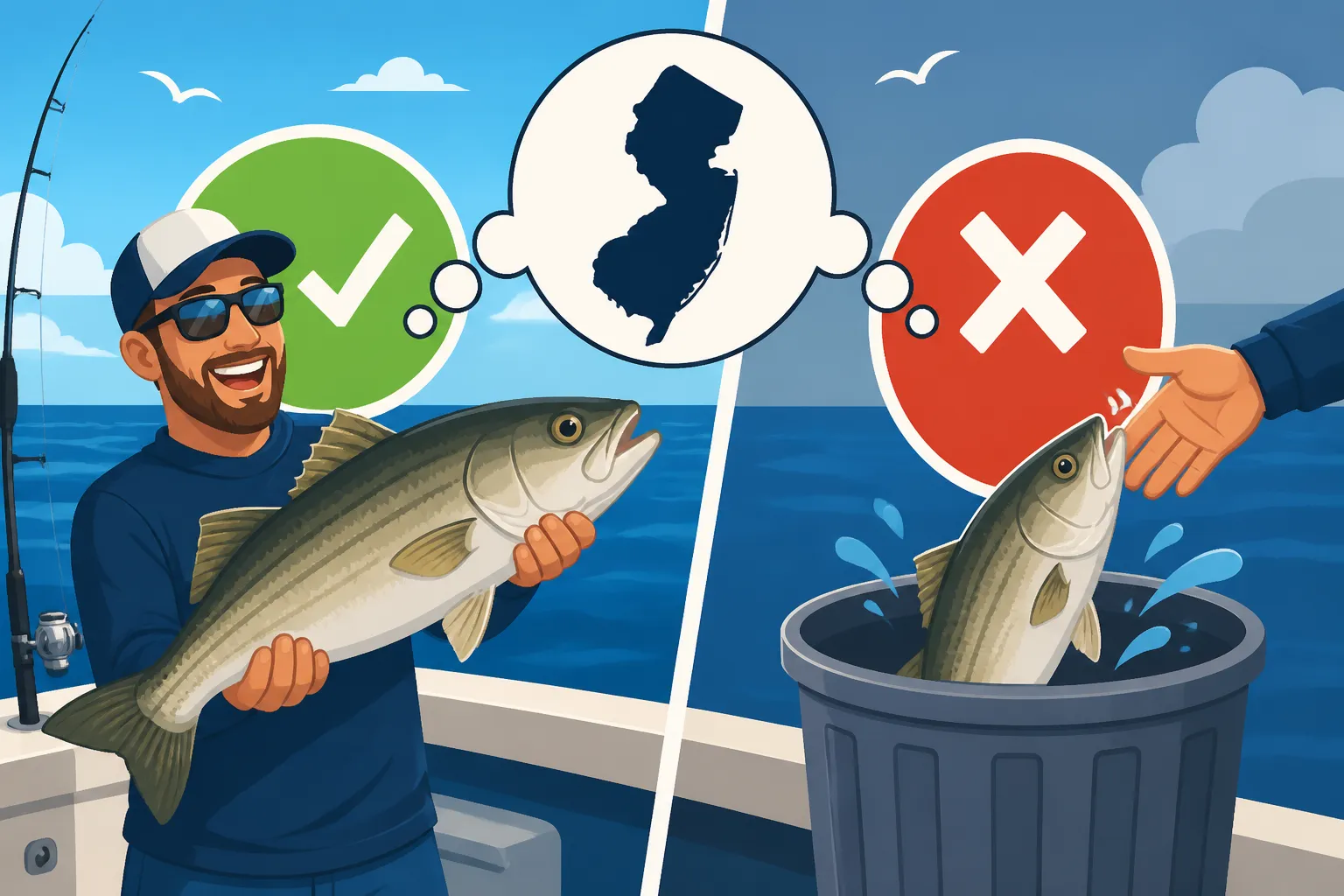
At its heart, the ability to keep a fish revolves around three main factors: species, size, and quantity. Every legal species has specific requirements. You might catch a magnificent fluke, but if it's even a fraction of an inch too short, it has to go back. Similarly, you could have a banner day landing a boatload of sea bass, but once you hit the daily bag limit, any additional fish of that species must be released, regardless of their size. These regulations apply equally to recreational anglers on their own boats, shore anglers, and those on a charter or party boat. It’s all about managing the resource.
It's also important to distinguish between freshwater and saltwater regulations. Most New Jersey charters operate in saltwater, but if you happen to book a specialized freshwater guide for a lake like Hopatcong or Round Valley, a different set of rules will apply. For comprehensive details on what species fall under which category, it's always a good idea to consult the New Jersey Fishing License Guide for 2026 and familiarize yourself with both New Jersey Freshwater Fishing Regulations Every Angler Should Know and the saltwater guidelines. The rules are designed to protect the fish when they are most vulnerable, such as during spawning seasons, and to allow younger fish to grow to maturity.
The Captain's Role in Regulation Compliance
One of the greatest advantages of fishing on a charter boat is that your captain and crew are absolute experts in the local fishing regulations. They literally stake their livelihoods on knowing these rules inside and out. From the moment you board, they are responsible for ensuring everyone on their vessel adheres to the current laws regarding bag limits, size limits, and season dates. This means if you're ever unsure about a fish you've caught, the first and best person to ask is the mate or captain. They’ll have measuring devices handy and an intimate knowledge of what's legal to keep.
Think of your captain as your on-water compliance officer. They are constantly monitoring the catch and guiding anglers to stay within the legal parameters. This is particularly helpful when rules are complex, such as the ever-changing striped bass slot limits or specific fluke regulations that might vary depending on whether you're in the ocean or a specific bay. They will often provide clear instructions at the beginning of the trip, explaining the target species for the day and the relevant rules. This allows you to focus on the fun of fishing, knowing that the regulatory burden is being expertly managed by the crew.
Why Regulations Can Be So Confusing
It’s completely understandable why anglers find New Jersey's fishing regulations to be confusing at times. There are several reasons for this complexity. Firstly, fishing regulations are not static; they change annually, and sometimes even within a season, based on scientific stock assessments, environmental factors, and interstate management plans. What was legal last year might not be legal today, and what's allowed in one bay might differ slightly from offshore waters. This dynamic nature means anglers need to constantly stay informed, which can be a chore.
Secondly, different species have different sets of rules. A single trip might target multiple species, each with its own size limit, bag limit, and open season. For instance, New Jersey Striped Bass Slot Limit Explained details a specific size range, while fluke might have a simple minimum size but also a daily bag limit. Add to this the fact that certain areas, like the Delaware Bay for fluke, can have slightly modified rules compared to the rest of the state, and you've got a recipe for potential confusion. Fortunately, the charter captain's expertise usually smooths over these complexities for you.
Species-Specific Rules: What You Can and Can't Keep
The type of fish you're targeting on your New Jersey charter will largely dictate whether you can take it home. Different species are under different management plans, leading to a wide array of specific rules. It's vital to know these before you even drop a line.
Common Saltwater Catches and Their Limits
New Jersey is a fantastic state for saltwater fishing, offering a diverse range of species that are popular targets for charter boats. Some of the most frequently caught fish that anglers often hope to keep include Summer Flounder (Fluke), Striped Bass, Black Sea Bass, and Tautog. Each of these comes with its own set of regulations. For example, New Jersey Fluke Size and Bag Limits Explained will show you the minimum size and how many you can take home. If you're heading out to catch striped bass, you'll encounter a "slot limit," meaning fish must fall within a specific size range, not just above a minimum. This slot is designed to protect both juvenile fish and the large, breeding adults.
Black Sea Bass also have specific size and bag limits, which can sometimes change depending on the time of year to protect spawning populations. Tautog, often found around rocky structures and wrecks, typically have a higher minimum size limit and a smaller bag limit due to their slower growth rate and vulnerability. It's truly a mixed bag of rules! Knowing the New Jersey Daily Bag Limits by Species is invaluable, and your charter captain will always ensure you're aware of the specific limits for the fish you're targeting on your trip. They often have laminated cards or quick reference guides right on the boat for easy consultation.
| Species Targeted | Typical Regulation Type | Common Size Constraint (General) | Common Bag Limit (General) | Notes |
|---|---|---|---|---|
| Summer Flounder (Fluke) | Minimum Size & Bag Limit | Minimum length (e.g., 18 inches) | X fish per person | Rules may vary by specific waterbody (e.g., Delaware Bay). |
| Striped Bass | Slot Limit & Bag Limit | Specific length range (e.g., 28-38 inches) | X fish per person | Designed to protect spawning stock; highly dynamic. |
| Black Sea Bass | Minimum Size & Bag Limit | Minimum length (e.g., 11 inches) | X fish per person | Regulations can change seasonally; check current rules. |
| Tautog (Blackfish) | Minimum Size & Bag Limit | Higher minimum length (e.g., 15 inches) | Small bag limit (e.g., 1-2 fish) | Best caught around rocky structure; slower growth. |
| Bluefish | Bag Limit | No minimum size (though larger fish are preferred) | Generous bag limit | Often abundant; check current numbers allowed. |
Disclaimer: The above table provides general examples. Actual limits are subject to change by New Jersey Fish and Wildlife and federal regulations. Always confirm current regulations with your captain or the official digest.
Freshwater Charter Considerations
While the bulk of New Jersey's charter fishing scene is centered on the expansive saltwater coastline, there are excellent opportunities for guided freshwater trips too. If you've booked a guide for a lake like Lake Hopatcong, Spruce Run, or one of the many trout-stocked rivers, the species and their regulations will be entirely different. You'll be looking at species like Largemouth Bass, Smallmouth Bass, various trout species (Rainbow, Brown, Brook), crappie, and perch.
Freshwater regulations often focus on protecting native species and managing stocked populations. For trout, there will be specific season dates, minimum sizes, and daily limits, especially for New Jersey Stocked Trout vs Wild Trout Streams. Bass often have size and bag limits aimed at promoting trophy fish or managing population health. The key takeaway here is that you absolutely cannot assume saltwater rules apply to freshwater, or vice-versa. Always clarify with your freshwater guide what species you can keep and under what conditions. Your guide will be well-versed in New Jersey Freshwater Fishing Regulations Every Angler Should Know and will advise you accordingly.
Protected Species and Catch-and-Release Only
Beyond the species you can keep, there are also species that are strictly off-limits, either because they are endangered, protected, or simply not legal to harvest at that particular time. For instance, certain species like Atlantic Sturgeon are federally protected and must be released immediately if caught. Shark fishing has specific regulations, and certain species of sharks might be catch-and-release only. Even fish that are typically fair game, such as Striped Bass, might fall outside legal keeping limits due to their size (too small or too large for the slot). In these cases, catch-and-release is not just a sporting choice; it's a legal requirement.
It’s crucial to handle these protected or out-of-season fish with the utmost care to ensure their survival upon release. Your charter crew will usually provide instructions on how to properly handle and release fish without causing undue harm. They’ll emphasize methods like using circle hooks when bait fishing for striped bass to reduce gut-hooking, or techniques for quickly dehooking and reviving fish before they go back into the water. This commitment to conservation is a cornerstone of responsible angling and something every charter boat practices.
Handling Your Catch: From Deck to Dinner Plate
So, you've landed a legal fish, and your captain gives you the nod—it's a keeper! Now what? Getting your fish home in prime condition for cooking is just as important as catching it within the regulations. A well-cared-for fish tastes much better, and there are standard practices on charter boats to ensure this.
Best Practices for Keeping Fish Fresh
The moment a fish is deemed a keeper, its quality for the dinner table starts to depend on how quickly and effectively it's processed. The gold standard on most charter boats is immediate chilling. This means your fish will typically go straight into a cooler or fish box filled with ice, often an ice-slurry mixture. This rapid temperature drop slows down enzymatic and bacterial activity, preserving the texture and flavor of the meat. The quicker the chill, the better the fish will taste.
Some boats might also bleed out certain species immediately after capture, a process that improves the color and taste of the meat by removing blood from the tissues. Don't be shy about asking the crew about their fish handling practices. They take pride in their catch, and ensuring it arrives fresh on your plate is part of their service. Proper chilling also helps to prevent spoilage, which is especially important if you have a longer drive home after your trip.
Fish Cleaning Services on Charters
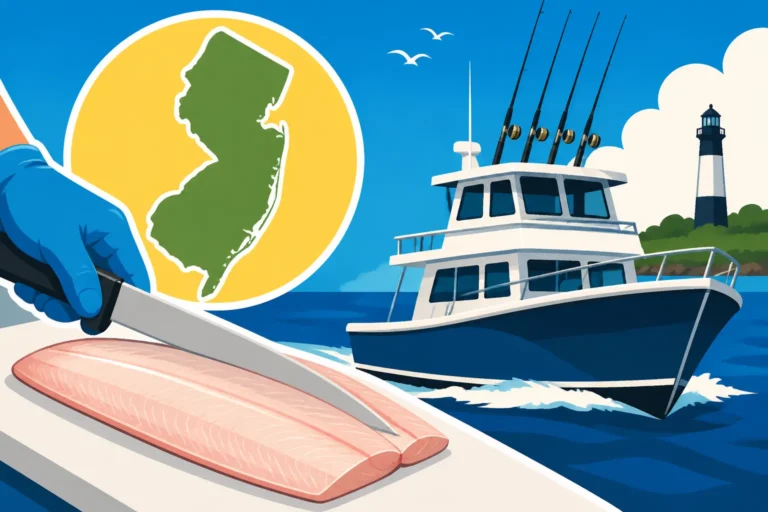
One of the fantastic perks of fishing on a charter or party boat is the availability of fish cleaning services. After a long day of battling fish, the last thing many anglers want to do is spend another hour scaling and filleting. Most charter boats offer this service, usually for a small fee paid directly to the mate. This convenience is incredibly valuable, as the mates are usually incredibly skilled and efficient at filleting, ensuring you get the most meat from your catch.
If you choose to have your fish cleaned onboard, it will typically be filleted, and the fillets will be rinsed and bagged, ready for your cooler. Be sure to bring a separate cooler for your cleaned fillets, packed with plenty of ice, to keep them cold for the journey home. Always confirm this service and any associated costs with the crew before they start cleaning. This is an excellent way to get straight to cooking when you get home, rather than facing a messy cleanup. To learn more about this service, you might want to check out Do New Jersey Charters Clean Your Fish for You?.
Transporting Your Catch Home
Once your fishing adventure is over and your fish are cleaned and packed, getting them home safely and freshly is the final step. A large, sturdy cooler is indispensable. Fill it generously with ice, ideally with some ice on the bottom, then your bagged fillets, and more ice on top. The goal is to keep the temperature as close to freezing as possible. Avoid stacking too many fillets in one bag, as this can impede cooling.
If you have a long drive ahead, consider bringing extra ice to replenish your cooler, especially on a hot day. The fillets should remain chilled throughout the journey to maintain their quality. Once home, plan to cook your fresh fillets as soon as possible, ideally within a day or two. If you can't cook them immediately, vacuum-sealing and freezing is the best option for longer-term storage. Properly handled and transported, your fresh New Jersey catch will be a culinary delight, a true testament to a successful day on the water. For more tips, refer to What to Do With Your Catch After a New Jersey Charter Trip.
Maximizing Your Charter Experience (Beyond Just Keeping Fish)
While bringing home fish for dinner is undoubtedly a highlight for many, a New Jersey fishing charter offers so much more than just a cooler full of fillets. It's an experience rich in excitement, learning, and connection to the marine environment.
The Joy of the Catch and Release
Sometimes, even if a fish is legal to keep, anglers might choose to release it. This could be for a variety of reasons: perhaps they've already caught enough for dinner, they're targeting a trophy fish for a photo, or they simply want to contribute to conservation efforts. The act of safely releasing a fish, watching it swim strongly back into the depths, can be just as rewarding as putting one in the cooler. It's a testament to good sportsmanship and a commitment to preserving the resource.
Many charters, which you can often find listed on platforms like FishingBooker, are also very supportive of catch-and-release, especially for certain species or when pursuing personal bests. The crew will show you how to handle the fish minimally, take a quick photo, and then gently return it to the water. This practice helps ensure that future generations of anglers will have the same opportunities to experience the thrill of the catch. It's a deeply satisfying feeling to know you've played a part in the health of the fishery.
Photography and Memories
In the age of smartphones, capturing the moment has become an integral part of any outdoor adventure, and fishing is no exception. Holding up a prized catch, whether it's destined for the dinner plate or a safe release, makes for an incredible photo opportunity. These images become lasting memories of your time on the water, the battle fought, and the beautiful fish encountered. Don't forget to take photos of the scenery, your friends and family, and even the boat itself—the entire experience is part of the fun.
Your crew members are often excellent photographers and can help you get that perfect shot with your fish, safely and quickly. They understand the importance of speed to minimize stress on the fish if you're releasing it. A good charter trip isn't just about the fish you keep; it's about the stories you tell and the moments you cherish. These memories are often more valuable than any fish in the cooler, and platforms like FishingBooker often feature photos from successful trips, inspiring future adventures.
Choosing the Right Charter for Your Goals
With so many charter and party boat options along the New Jersey coast, choosing the right one can make all the difference in your experience. Some charters specialize in specific species, others cater more to families and beginners, while some are geared towards serious anglers chasing trophy fish. Before you book, consider what your primary goal is. Do you want to fill the cooler? Learn new techniques? Target a specific species? Or simply enjoy a relaxing day on the water?
Reading reviews and checking the charter's website or their listings on sites like FishingBooker will often provide insight into their focus. For example, some may explicitly advertise "fluke trips" or "striped bass safaris," indicating their expertise and typical catch. If your main goal is to keep fish, make sure the charter's target species align with New Jersey's current seasons and bag limits. Asking these questions upfront will ensure you book a trip that perfectly matches your expectations, whether you're looking for a New Jersey Striped Bass Charter Guide or a New Jersey Fluke Charter Guide, ensuring you have the best possible chance of achieving your fishing dreams.
Disclaimer
This article is for general informational purposes only and does not constitute professional advice. Laws, prices and regulations vary by location and change over time. Consult a qualified professional for guidance on your specific situation.