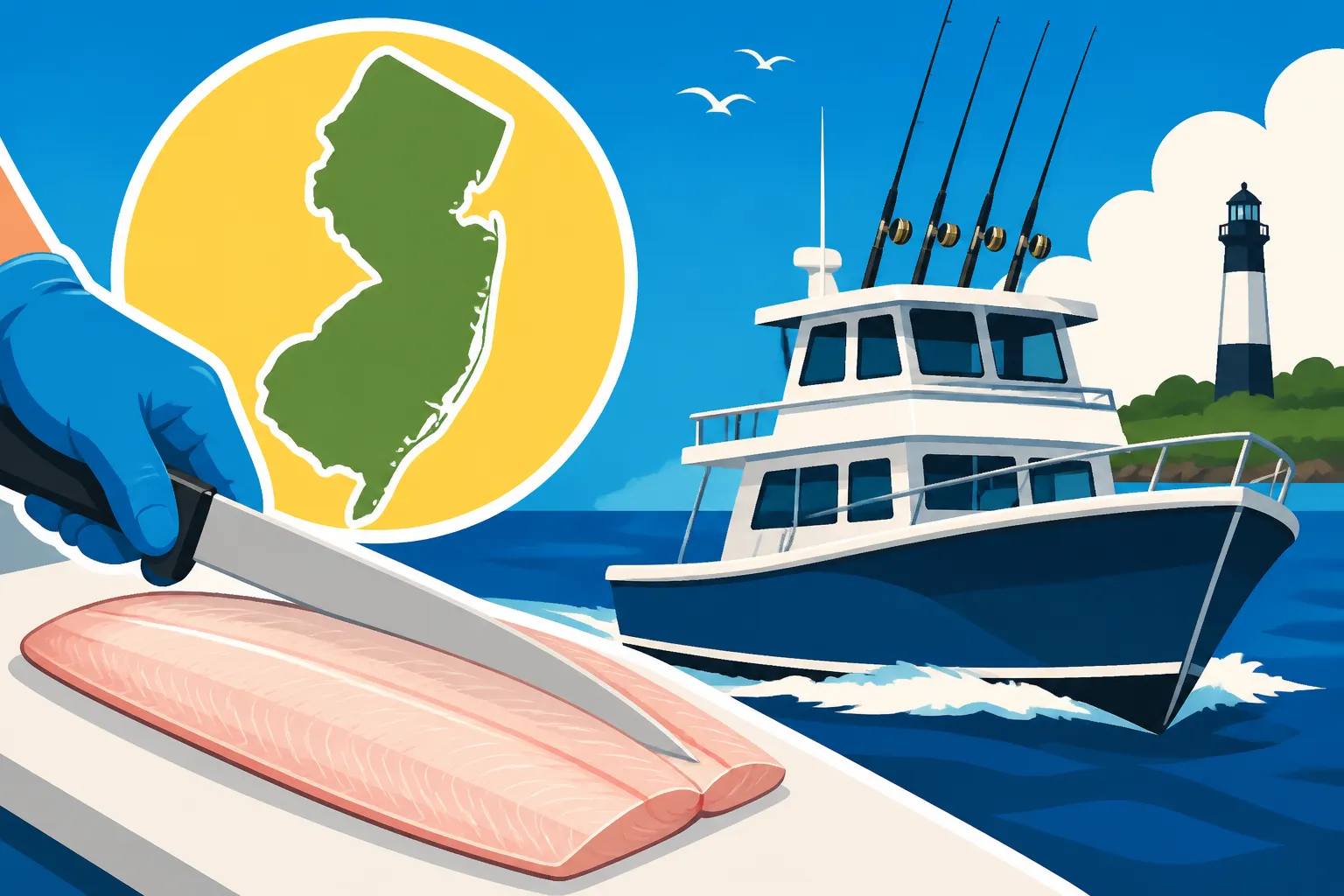
Fair Filet Fee on a New Jersey Charter
It’s a scenario many of us have faced after a successful day on the water: you've got a cooler full of beautiful fish, your arms are tired from reeling, and the thought of cleaning every single one feels like another full shift. You get back to the dock, and the captain or mate offers to fillet your catch for a fee. This often leaves anglers wondering what a "fair filet fee" really entails and why it's charged in the first place. This guide will help you understand the ins and outs of fish cleaning services on New Jersey fishing charters, so you're never caught off guard.
Why Do Charters Charge a Filet Fee?
Let's be honest, after a fantastic trip reeling in striped bass or fluke, the last thing most people want to do is spend another hour or two covered in scales and guts, meticulously turning whole fish into neat, ready-to-cook fillets. That's where the charter crew comes in. But this service isn't just a casual favor; it's a skilled, time-consuming job that adds significant value to your fishing experience. Think of it as specialized labor, much like any other service you might pay for.
The Hidden Costs of Fish Cleaning
When you hand over your catch to a seasoned mate, you're not just paying for the simple act of cutting a fish. You're paying for their expertise, their speed, and their dedicated equipment. A professional fish cleaner has honed their technique over countless hours, resulting in clean, boneless, skinless (if desired) fillets with minimal waste. They know exactly how to maximize the meat yield from each species, from a thick-bodied bluefish to a delicate weakfish.
Beyond the skill, there are also practical costs involved. The crew needs sharp, high-quality knives, cutting boards, and often specialized tools. They need access to fresh water for rinsing and a proper, sanitary area to work. Then there's the messy part: responsible disposal of the fish carcasses. Charters usually have arrangements for efficient and environmentally sound disposal, which isn't always cheap or easy, especially with large volumes of fish. These are all considerations that contribute to the overall fee. It’s a convenience that saves you mess, time, and ensures you get the most out of your catch, transformed into perfect portions ready for the grill or pan.
Different Approaches to Filet Services
Not all charter boats handle filleting in the same way, and it’s important to understand these differences before you book your trip. Some operations offer on-board filleting, where the crew might clean your fish right there on the deck as you steam back to the dock. This is often a great way to watch the process and ask questions, and your fillets are ready the moment you step off the boat.
Other charters might have a dedicated dockside filleting station. This means your fish are stored on ice during the ride back, and then professionally cleaned once the boat is secured. This approach can be more organized and might involve specialized equipment for larger catches. In some cases, especially on larger party boats, there might even be independent fish cleaners waiting at the dock who operate their own service. They’re not directly employed by the boat but work in conjunction with the returning charters. Regardless of the method, the goal is always to provide you with neatly prepared fish in a sanitary manner. It's a service designed to complement your hard-won catch, turning it into delicious meals with minimal effort on your part.
What's Considered a "Fair" Filet Fee?
Determining a "fair" filet fee can sometimes feel like a moving target, but it really boils down to several factors that account for the effort, skill, and resources involved. It's not just a random number; it's a reflection of the labor and logistics. The fee structure will often depend on the type of boat, the species caught, and the volume of fish. Just like you wouldn't expect a gourmet chef to prepare your meal for free, you shouldn't expect a professional angler to clean your fish as part of the basic charter price, especially given the amount of work involved.
Factors Influencing Filet Costs
Several variables come into play when charter operators set their filleting prices. The most obvious is the species of fish. Cleaning a large, thick-skinned striped bass is a much different task than filleting a delicate fluke. Some fish, like black sea bass, have a robust rib cage structure that requires more intricate knife work to maximize meat yield. The size of the fish also matters; breaking down several small fish takes more time and knife strokes than a single large one, even if the total weight of the meat might be similar.
Then there's the quantity of your catch. If you've had an epic day and the cooler is overflowing, that's a significant amount of work for the crew. While everyone loves a banner day, it translates directly into more time and effort for cleaning. Another factor can be the specific preparation requested. Do you want skin on or off? Bones in or out? Some anglers prefer whole, gilled, and gutted fish rather than fillets. Each request can subtly alter the time and skill required, impacting the overall cost of the service.
How Fees Are Typically Structured
Filet fees generally fall into a few common structures, and knowing these will help you understand what to expect.
| Fee Structure | Description | Pros | Cons |
|---|---|---|---|
| Per Fish | A set fee charged for each individual fish cleaned, regardless of its size or weight. | Simple and easy to understand. Good for trips with a variety of fish sizes. | Can feel less fair if you catch many small fish versus fewer large ones. |
| Per Pound | The fee is calculated based on the total weight of the cleaned fillets (or sometimes the whole fish weight). | Fairer for larger fish, as you pay for the actual amount of usable meat. | Requires weighing, which adds a step. Can be harder to estimate upfront. |
| Flat Fee | A single, inclusive price charged for the entire catch from your group, regardless of the number or size of fish. | Predictable cost, often good for groups splitting expenses. | Can feel disproportionate if your catch is very small. |
Many operations might also have a minimum charge, especially for smaller catches, or a tiered system where larger, more difficult-to-clean fish incur a slightly higher per-fish rate. On a popular platform like FishingBooker, you can often find information about these services and their general pricing noted in the charter's description, which helps set expectations before you even step on board. Remember, these fees are not just for the cut; they're for the professional handling and preparation of your valuable catch.
Navigating Filet Fees: What to Ask Before You Book
The best way to avoid any surprises when it comes to fish cleaning fees is to be proactive and ask questions before you even set foot on the boat. A reputable charter captain will always be transparent about their policies and pricing. It's much better to have a clear understanding upfront than to feel blindsided or confused at the end of a long day of fishing. This preparation ensures a smooth and enjoyable experience from start to finish.
Essential Questions for Your Captain
When you're booking your New Jersey fishing charter, whether it's for a half-day fluke trip or a full-day striped bass expedition, make sure to cover these points regarding fish cleaning:
- "Do you offer fish cleaning services?" This is the first and most basic question. While most do, some smaller, specialized charters might not.
- "What is your typical fee for cleaning the fish?" Ask for the specifics. Is it per fish, per pound, or a flat rate for the cooler? Don't be afraid to ask for an example or two. For instance, "If we catch our limit of striped bass, what would that generally cost to have them filleted?"
- "Is the fee paid directly to the captain, the mate, or a dockside cleaner?" Knowing who handles the transaction can clarify expectations, especially if you're also planning on New Jersey Charter Boat Tipping Etiquette.
- "What kind of preparation is included?" Will they be skinned and boneless? Will they be rinsed and bagged? This ensures you get your fish exactly how you prefer them for cooking.
- "Do you provide bags or containers for the fillets, or should I bring my own?" Some charters include zip-top bags, while others expect you to have a cooler with your own bags or containers ready for the cleaned fish.
Asking these questions beforehand, perhaps when you're making your reservation through a service like FishingBooker, ensures that everyone is on the same page. It helps build trust and avoids any awkwardness or misunderstandings at the end of a great fishing day.
When Fileting is Not Included
It's crucial to understand that fish cleaning is generally considered an additional service and not automatically included in the base price of your charter. This is a common practice across the fishing charter industry, not just in New Jersey. The charter fee covers the boat, the captain and crew's expertise in finding fish, fuel, bait, tackle (often), and the overall fishing experience itself. The actual preparation of your catch for consumption is a separate, post-fishing task.
There are a few reasons for this distinction. First, not every angler wants their fish filleted. Some prefer to take their whole fish home to clean themselves, perhaps because they have a specific way they like to prepare them, or they enjoy the process. Second, the amount of filleting can vary wildly from trip to trip. One day you might catch a few keepers; the next, you might limit out on several species. Charging a separate fee ensures fairness, as anglers only pay for the service they receive.
If you opt out of the professional cleaning service, be prepared to handle your catch yourself. This means having the right tools (knives, cutting board), a designated space, and knowledge of how to properly clean and dispose of fish waste according to local regulations. Remember that while the charter gets you to the fish, getting them ready for your plate is often a separate part of the adventure. Knowing this distinction helps manage expectations and plan accordingly for your trip. You'll definitely want to ensure you know Can You Keep the Fish You Catch on a New Jersey Charter? and understand what's legal to bring home!
DIY Fish Cleaning vs. Professional Service
After a successful day fishing in New Jersey, you're faced with a choice: clean your catch yourself or pay the charter crew to do it. Both options have their merits, and the "right" choice often depends on your personal preference, skill level, and how much time and effort you want to put in post-trip. There’s no shame in either decision, it’s all about what makes your angling experience more enjoyable.
The Benefits of a Professional Filet
Opting for the professional cleaning service on your charter offers a host of advantages, especially after a long and exciting day.
- Expertise and Efficiency: The crew members who offer filleting services are often incredibly skilled. They can clean a cooler full of fish with remarkable speed and precision, maximizing the meat yield and leaving you with perfectly cut, ready-to-cook fillets. If you've ever tried to fillet a fish with dull knives or an unsteady hand, you know how frustrating (and wasteful) it can be.
- Time-Saving: This is perhaps the biggest draw. Instead of spending valuable time cleaning fish, you can relax, head home, or even enjoy a meal at a local restaurant. This is particularly appealing after a full-day trip chasing New Jersey Striped Bass Charter Guide or a busy New Jersey Fluke Charter Guide outing.
- Cleanliness and Convenience: No mess to clean up at home! The charter crew handles all the scales, guts, and disposal. You simply receive your neatly bagged fillets, often packed on ice, ready for your cooler.
- Reduced Waste: Professionals are experts at getting the most meat off the bones, minimizing waste. This means more delicious fish for your dinner table and less going into the trash.
For many anglers, the filet fee is a small price to pay for the convenience, expertise, and quality of service. It allows you to fully enjoy the fishing aspect of your trip without the added chore.
Preparing for a DIY Clean-Up
If you prefer the hands-on approach and want to clean your own fish, more power to you! It's a satisfying skill to master, and there's a certain pride in preparing your own catch from start to finish. However, it requires some planning and understanding.
First, you'll need the right equipment. This includes a sharp filleting knife (or several), a sturdy cutting board that won't slide around, and plenty of clean water for rinsing. Don't forget bags or containers for your fillets and a separate bucket for the scraps.
Second, you need the knowledge. While watching online videos can help, there's nothing like hands-on practice. Be prepared for a learning curve, and don't get discouraged if your first few fillets aren't perfect. Learning about the anatomy of different fish species will also improve your technique.
Finally, and perhaps most importantly, understand regulations and disposal. You'll need to know what parts of the fish (like the head or tail) need to be retained until you're off the water or back on land if there are length or species identification rules. Always check the current How Bag and Size Limits Work in New Jersey rules. More importantly, you must have a plan for disposing of fish carcasses responsibly. Tossing them in your household trash can lead to unpleasant odors and attract pests, and improperly disposing of them in public areas is often illegal and harmful to the environment. Many municipalities have specific guidelines for organic waste, or you might need to seek out dedicated fish cleaning stations with proper disposal facilities.
Whether you choose to pay for the convenience of professional filleting or tackle the task yourself, knowing your options and being prepared will enhance your overall New Jersey fishing adventure. It’s all part of the journey from the water to your plate. Before you head out, think about what you'll bring for your day, from What to Wear on a New Jersey Fishing Charter to your cooler setup, and consider how you'll want your catch handled.
Disclaimer
This article is for general informational purposes only and does not constitute professional advice. Laws, prices and regulations vary by location and change over time. Consult a qualified professional for guidance on your specific situation.