What to Do With Your Catch After a New Jersey Charter Trip
So, you’ve just come back from an amazing day out on the water, reeling in some fantastic catches on a New Jersey charter trip. The sun is setting, you’re buzzing from the excitement, and your cooler is brimming with fresh fish. But now what? Many anglers, especially those new to charter fishing, find themselves wondering exactly what to do with all that delicious bounty once the lines are pulled in and the boat is headed back to the dock. This comprehensive guide is here to walk you through every step, from the moment your fish leaves the water to how you can best enjoy it at home, ensuring your hard-earned catch doesn't go to waste.
On the Boat: Initial Handling and Filleting Services
There’s nothing quite like the rush of a successful day of fishing. You’ve battled some awesome fish, maybe landed a beautiful fluke, a feisty striped bass, or even some chunky sea bass. The camaraderie on a charter boat is infectious, and as the trip winds down, that excitement often shifts to the anticipation of enjoying your fresh catch. However, before you even think about recipes, there are some crucial decisions to be made right there on the boat about how your fish will be handled.
The Post-Catch Buzz and Initial Decisions
As the boat motors back to shore, the deck often becomes a hub of activity. Anglers are showing off their biggest catches, taking photos, and comparing notes. But for many, the practical reality of a cooler full of fish quickly sets in. You have a few immediate options for your fish once they’re in the boat. Some anglers prefer to keep their fish whole, especially if they plan to clean them themselves at home or want specific cuts that a standard filleting service might not provide. Others, quite understandably, opt for the sheer convenience of having the crew handle the processing.
The type of fish you’ve caught, your personal preferences, and even how much ice is available on the boat can all influence this decision. Larger fish like striped bass might require more effort to fillet properly, making professional help very appealing. Smaller panfish, while still delicious, might seem less daunting to tackle yourself. Ultimately, the goal is always to maintain the quality and freshness of your catch, regardless of who does the initial work. Don't feel pressured; discuss your options with the mate if you're unsure.
Charter Boat Fish Cleaning Services
One of the greatest perks of booking a New Jersey charter trip is often the professional fish cleaning service offered by the crew. The mates on these boats are incredibly skilled and efficient, turning a pile of whole fish into neat, ready-to-cook fillets in a surprisingly short amount of time. This service is almost universally appreciated, especially after a long day battling the elements or for those who simply aren’t equipped or experienced enough to clean a large volume of fish themselves.
While the exact cost for fish cleaning can vary, it's generally an additional fee per fish or based on the size and quantity. This fee goes directly to the hardworking mates who put in long hours ensuring your trip is successful and your catch is prepared properly. It's also customary to tip your mate for this service, on top of their general tip for helping you fish all day. Many anglers find the convenience and professional quality of these services well worth the investment. You can find more details on what to expect regarding costs and etiquette in guides like New Jersey Charter Boat Fish Cleaning Services and Fair Filet Fee on a New Jersey Charter.
The advantages of having your fish cleaned on the boat are numerous. First and foremost is the convenience; you get to go home with clean fillets, saving you the mess and effort in your own kitchen or garage. Secondly, the mates are experts at getting the most meat off the bone with minimal waste, and they often do it in a sanitary environment on board, immediately chilling the fillets on ice. However, there are some minor trade-offs. You might not get specific cuts like fish collars or cheeks, which some gourmands love, as the focus is usually on standard fillets. But for the average angler, it’s an unbeatable service.
Transporting Your Catch Home Safely
So, you’ve decided whether to keep your fish whole or have it filleted on the boat. Now comes the crucial step of getting it home in pristine condition. All the effort of catching and cleaning will be wasted if your fish isn't properly handled during transport. The key to preserving that fresh-from-the-ocean taste and texture is maintaining a consistent, cold temperature.
Keeping Your Fish Fresh: The Importance of Ice
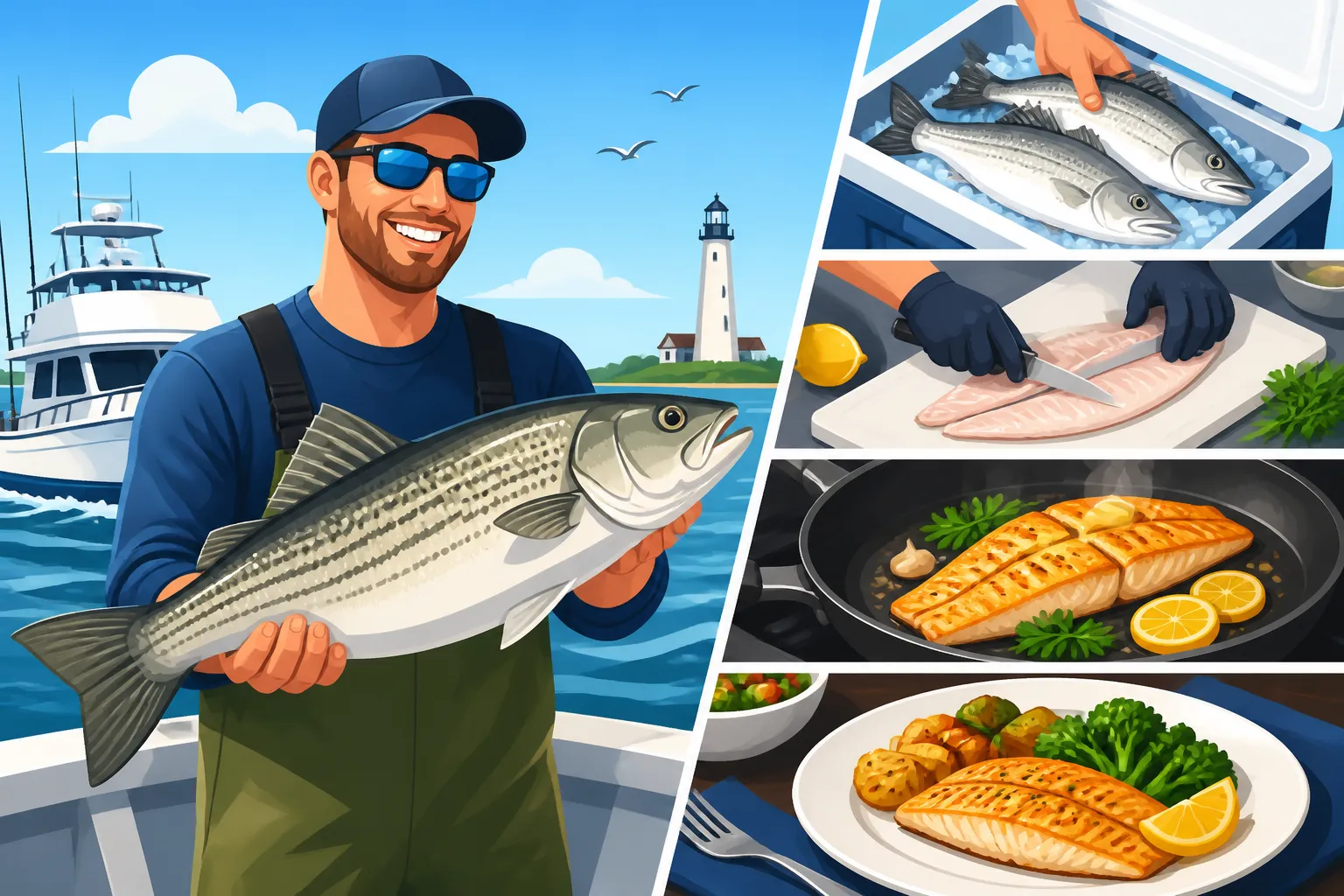
This really can't be stressed enough: ice is your best friend. Whether your fish is whole or filleted, it needs to be kept cold, ideally surrounded by ice, from the moment it’s caught until it reaches your kitchen. A good quality cooler is essential. Many anglers bring their own coolers on board, packed with ice, specifically for this purpose. If you're wondering what else to bring, check out What Should You Bring on a New Jersey Party Boat Trip?.
If your fish has been filleted on the boat, it’s best to place the fillets in sealed plastic bags before putting them directly on ice. This prevents the fresh water from the melting ice from soaking into the delicate fish meat, which can make it mushy and diminish its flavor. Crushed ice or ice cubes are generally good, as they conform to the shape of the fish, providing maximum contact for cooling. For longer drives, a mix of block ice and cubes can be excellent; the block ice melts slower, helping to maintain the chill, while the cubes fill in the gaps. Ensure your cooler has a drain, and periodically drain off any excess water as the ice melts. You want your fish cold, not swimming in lukewarm water.
Preparing for the Drive
Before you even pull away from the dock, take a moment to ensure everything is secure and ready for the journey home. If you have whole fish, make sure they are well-iced and that the cooler lid is sealed tight. For fillets, double-check those plastic bags to prevent leaks. The last thing you want is a fishy smell permeating your car or truck for days after your trip!
Consider the length of your drive. If you're facing a long journey back to North Jersey or even out of state, having extra ice is always a wise move. You might even want to pack a second cooler or a bag of reserve ice. Place a towel or an old blanket under your cooler in the car to catch any condensation or minor drips. It’s also a good idea to protect your car’s interior from any lingering fish odors. Some anglers use heavy-duty trash bags as a liner for their cooler's spot in the vehicle. The goal is to get your delicious catch from the dock to your home as quickly and cleanly as possible, maintaining that "just caught" quality every step of the way.
At Home: Processing and Preservation Methods
Once you’ve successfully transported your catch home, the next stage is all about preparing it for the table or for longer storage. This is where your individual preferences and cooking plans really come into play. Whether you prefer to do it all yourself or have already enjoyed the convenience of on-boat filleting, understanding your options for at-home processing and preservation is key to maximizing your enjoyment of the harvest.
DIY Filleting and Cleaning
For many seasoned anglers, filleting their own fish at home is a cherished ritual. It’s a chance to fully connect with the catch, practice a valuable skill, and ensure the fish is prepared exactly to their liking. If you opted to bring your fish home whole, or perhaps you're just keen to learn, the DIY route is for you. You'll need a few essential tools: a very sharp filleting knife (or several, for different sizes of fish), a sturdy cutting board, and possibly a scale scraper. Some anglers also find a pair of fish-handling gloves helpful for grip and protection.
The basic process generally involves scaling the fish (if desired and depending on the species), gutting it, and then carefully cutting the fillets away from the bone structure. For flatfish like fluke, which are so popular along the New Jersey coast, the technique is different than for round fish like striped bass. There are plenty of online tutorials, and with practice, you'll become quite proficient. Being able to identify a legal size fluke, for instance, is a skill learned on the water, but knowing how to fillet it comes at home. If you're fishing for fluke, remember to check resources like How Do You Identify a Legal Size Fluke? to ensure your catch meets the regulations.
The benefits of DIY filleting are clear: you have complete control over the size and shape of your fillets, you can ensure minimal waste by carefully extracting every bit of meat, and it's certainly a cost-saver. Plus, there's immense satisfaction in knowing you've handled the entire process from hook to plate. The challenges include the time commitment, the potential mess, and the learning curve involved in mastering the technique for various species. But for dedicated anglers, it's a rewarding part of the fishing experience.
Immediate Consumption vs. Long-Term Storage
Once your fish is cleaned and filleted, you face another decision: eat it fresh or preserve it for later? Freshly caught fish, cooked within a day or two of being landed, is an unparalleled culinary experience. There’s truly nothing like it. For immediate enjoyment, simply rinse your fillets, pat them dry, and store them in the coldest part of your refrigerator, ideally on a bed of ice (but not submerged) and loosely covered.
For those times when you’ve had a truly bountiful trip, or perhaps you’re planning a big dinner party weeks down the line, proper long-term storage is essential. Freezing is the most common and effective method. To minimize freezer burn and preserve quality, consider these methods:
- Vacuum Sealing: This is arguably the best method. A vacuum sealer removes all air from the package, preventing oxidation and freezer burn. Fish stored this way can last for many months in a deep freezer.
- Water Freezing (Ice Bath Method): For those without a vacuum sealer, place your fillet in a freezer-safe bag, add just enough water to cover the fish, and seal it, removing as much air as possible. The ice encasement protects the fish from air.
- Freezer Bags: Simply placing fillets in heavy-duty freezer bags, pressing out as much air as possible, can also work for shorter freezing periods (a few weeks to a couple of months).
No matter the method, label your packages with the type of fish and the date it was frozen. Generally, most fish maintain excellent quality for 3-6 months in a standard freezer, and even longer in a deep freezer if properly vacuum-sealed. Knowing you can savor the taste of your New Jersey charter trip months later is a wonderful feeling! If you're curious about the tastiest options, you might enjoy exploring Best Eating Fish Caught in New Jersey Waters?.
Creative Ways to Enjoy Your Harvest Beyond Fillets
After putting in all that effort, from scouting the right charter on platforms like FishingBooker to successfully landing your catch and getting it home, it would be a shame to limit your culinary creativity to just basic fillets. While a classic pan-seared fillet is always a winner, there are so many other delicious and interesting ways to enjoy your fresh New Jersey seafood. Don't be afraid to experiment and truly make the most of your entire catch!
Exploring Different Cuts and Preparations
Thinking beyond the standard boneless, skinless fillet opens up a world of flavor and texture. Many parts of the fish that might otherwise be discarded can be transformed into gourmet delights. For larger species like tuna (if you ventured offshore on a specialized charter) or a substantial striped bass, consider cutting thicker steaks directly from the loin. These hold up beautifully to grilling or broiling.
Don't overlook the collars and cheeks of larger fish. The meat in these areas is often incredibly rich, tender, and flavorful. Fish collars, especially from striped bass or cod, are fantastic grilled or roasted, offering a unique, often fattier texture than the main fillet. The cheeks, usually small but mighty, are a prized delicacy. Even the fish frames (the backbone and rib cage after filleting) can be simmered to create a rich, flavorful fish stock – an invaluable base for soups, stews, and sauces. For species commonly caught in New Jersey, like fluke, their delicate nature makes them perfect for light preparations, but don’t forget that you can grill them whole or pan-fry them for crispy skin. When planning your meals, always ensure you're aware of the New Jersey Daily Bag Limits by Species to fish responsibly.
For example, a big, healthy striped bass might yield beautiful thick steaks, savory collars for the grill, and a robust stock from the frame. Fluke, being a flatter fish, is ideal for light pan-searing or baking. Black sea bass offers delicate, flaky fillets perfect for any preparation. Exploring these different cuts and cooking methods can elevate your post-fishing feast and introduce you to new favorites. And of course, always be mindful of advisories when consuming fish. You can learn more about which species are generally recommended.
Sharing the Bounty and Community Etiquette
One of the most satisfying aspects of a successful fishing trip, beyond the thrill of the catch itself, is the opportunity to share your bounty with others. Whether it's gifting a few pristine fillets to a neighbor, cooking a grand meal for family and friends, or contributing to a community potluck, sharing your fresh catch is a wonderful way to spread the joy of your experience. There’s a special bond forged over a shared meal that started as a fresh catch from the ocean.
When gifting fish, it’s always a thoughtful gesture to provide it already cleaned and properly packaged, perhaps with a label indicating the type of fish and when it was caught. This makes it easy and convenient for the recipient to enjoy. Just remember that bag limits are set for a reason, and responsible anglers always adhere to these regulations. This ensures healthy fish populations for everyone to enjoy in the future.
Ultimately, the entire process, from finding the right charter (which you can easily do on platforms like FishingBooker, where you can read reviews about how well crews handle fish) to bringing home and enjoying your catch, is part of the rich tapestry of New Jersey fishing. It's about respecting the resource, appreciating the experience, and savoring the delicious results. So, next time you're heading out, consider all the delicious possibilities that await once your fish are in the boat! Knowing how to best handle, transport, and prepare your fish ensures that the adventure doesn’t end when the lines come in; it simply moves to the dinner table. It’s also wise to educate yourself on general charter practices, such as How to Choose a New Jersey Fishing Charter and How Much Should You Tip a New Jersey Charter Captain?, to ensure a smooth experience from start to finish. And of course, make sure you understand who needs a license on board by checking information like New Jersey Fishing License Requirements on a Guided Charter and Can You Keep the Fish You Catch on a New Jersey Charter?.
Disclaimer
This article is for general informational purposes only and does not constitute professional advice. Laws, prices and regulations vary by location and change over time. Consult a qualified professional for guidance on your specific situation.