New Jersey Fluke Size and Bag Limits Explained
For anglers venturing into New Jersey's diverse waterways, few things are as frustrating as the ever-changing and often confusing regulations, especially when it comes to popular species like fluke. It can be a real headache trying to keep up with the specific size and bag limits that seem to shift every season, leaving many wondering if they're even legal to keep their hard-earned catch. This guide is here to untangle the complexities of New Jersey's fluke (summer flounder) size and bag limits, ensuring you hit the water confidently and stay on the right side of the law.
Why Fluke Regulations Matter So Much
It’s easy to get caught up in the excitement of a hot fluke bite and think, "What's the big deal if I keep one fish that's a half-inch short?" But these regulations aren't just arbitrary rules designed to make your life difficult. They are crucial tools implemented by wildlife agencies to ensure the long-term health and sustainability of our precious fluke fishery. Without them, we'd quickly see a depletion of this incredibly popular gamefish, impacting not just our recreation but the entire marine ecosystem.
The Science Behind Size and Bag Limits
Behind every size and bag limit is a whole lot of science and careful calculation. Marine biologists and fisheries managers study fluke populations, looking at factors like spawning success, growth rates, mortality, and the overall health of the stock. They use this data to determine what's called a "sustainable harvest" – essentially, how many fish can be caught without harming the population's ability to reproduce and thrive for future years. Size limits, like the New Jersey Fluke Size Limit: 18 Inches, are typically set to protect juvenile fish, allowing them to reach maturity and spawn at least once before they are harvested. This ensures that new generations are constantly being added to the population.
Bag limits, on the other hand, manage the total number of fish an individual angler can keep in a single day. This prevents overfishing by limiting the aggregate catch across all anglers. Imagine if everyone could keep dozens of fluke; the population would be decimated in no time. These limits are adjusted based on scientific assessments and sometimes even political negotiations between states that share a common fish stock, like summer flounder along the Atlantic coast. It’s a delicate balance, trying to provide fishing opportunities while safeguarding the species. Understanding How Bag and Size Limits Work in New Jersey helps you appreciate the bigger picture of conservation.
Protecting Future Fluke Generations
The primary goal of these regulations is to protect the reproductive capacity of fluke. By letting smaller fish grow to a size where they've had a chance to spawn, we're essentially investing in the future of the fishery. A female fluke, especially a larger one, can lay millions of eggs in a season. Allowing these fish to contribute to the next generation is vital. When anglers adhere to the size and bag limits, they are directly contributing to the conservation effort. It's a collective responsibility.
Think of it this way: every undersized fluke that's carefully released back into the water has the potential to grow, spawn, and contribute to a healthier population down the line. This doesn't just mean more fish for us to catch next year, but also a more robust food web for other marine life. It's about preserving a natural resource that provides joy, food, and economic benefits to our state. This approach is fundamental to ensuring that New Jersey remains a premier destination for fluke fishing for years to come.
Understanding New Jersey's Current Fluke Size Limits
New Jersey's fluke regulations can sometimes be a bit of a moving target, so it’s crucial to understand the current rules before you even think about dropping a line. These limits are set to manage the recreational harvest of summer flounder, commonly known as fluke here in the Garden State. Always remember that regulations can change, sometimes even within a season, so a quick check of the latest New Jersey Fish and Wildlife Digest is always a good idea.
The Standard 18-Inch Rule for Most Waters
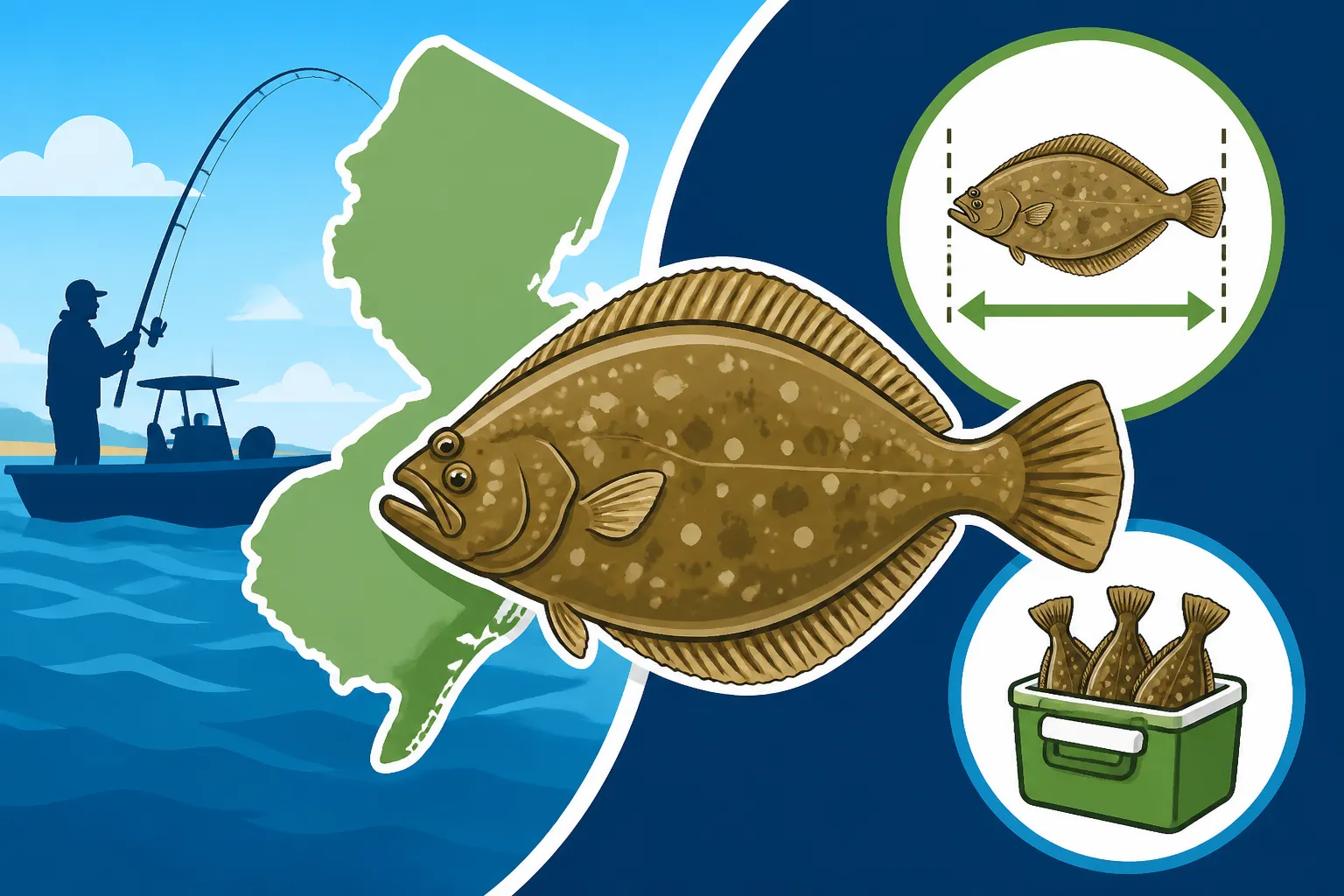
For the vast majority of New Jersey's marine waters, including the ocean, sounds, and most of the back bays, the current recreational minimum size limit for fluke is 18 inches. This means any fluke you catch must measure at least 18 inches from the tip of its snout to the end of its tail, with the tail compressed, to be legally harvested. If it's even a fraction of an inch short, it must be immediately and safely released. This rule applies whether you're surf fishing the beaches of Island Beach State Park, drifting the channels of Barnegat Bay, or fishing from a party boat out of Belmar.
This 18-inch minimum is a consistent benchmark for most of the state's popular fluke grounds. It’s designed to allow enough growth for fish to mature and spawn, as discussed earlier. Carrying a reliable measuring device, like a fish ruler or a measuring board (which you can often find on Amazon or at local tackle shops), is absolutely non-negotiable. Don't eyeball it; that's a sure way to end up with a violation. Knowing How Do You Identify a Legal Size Fluke? is paramount to a successful and compliant fishing trip.
The Unique Delaware Bay Fluke Rules
Now, here's where things get a little different and often cause confusion. The waters of the Delaware Bay and its tributaries have a separate set of regulations for fluke, which often differ from the rest of the New Jersey coast. Currently, for the Delaware Bay and its tributaries, the recreational minimum size limit for fluke is 17 inches. Yes, that's one full inch smaller than the standard 18-inch rule for the rest of the state. The geographical boundary for this special regulation is defined as south of a line from the mouth of the Cohansey River to the mouth of Stony Point Ditch.
This distinction is important for anglers fishing in areas like Fortescue, Port Norris, or those targeting fluke closer to the Delaware side of the bay. The reason for this difference often boils down to interstate agreements and how states like New Jersey and Delaware manage the shared resources of the bay. It reflects the unique biological characteristics and fishing pressure within that specific ecosystem. For a deeper dive into this, you might find our guide on Delaware Bay Fluke Rules vs the Rest of New Jersey very helpful. Failing to know which regulation applies to your specific fishing spot in the bay could easily lead to an accidental violation, which no one wants.
Decoding New Jersey's Fluke Bag Limits
Beyond size, another critical aspect of New Jersey's fluke regulations is the bag limit. This refers to the maximum number of fish you're allowed to keep per person per day. Just like size limits, these rules are in place to ensure that enough fluke remain in the water to sustain the population for years to come. Disregarding bag limits can have serious consequences, not just for you, but for the overall health of the fishery.
Daily Catch Limits and Your Responsibility
Currently, for most of New Jersey's waters, the recreational daily bag limit for fluke is 3 fish per person. This means that once you've landed three legal-sized fluke (18 inches or 17 inches in Delaware Bay, as applicable), you must stop fishing for fluke for the day. You cannot continue to catch and release after reaching your bag limit, as this practice, often called "high-grading" (releasing smaller legal fish in hopes of catching a bigger one), is generally prohibited and considered a violation. Each angler is personally responsible for adhering to their individual bag limit.
It’s a simple rule, but it requires discipline. Even if the bite is red hot and you're surrounded by keepers, once you have your three, the fluke rods need to go away. This limit, combined with the size restrictions, forms the backbone of the conservation strategy for this species. To learn more about these specific limits, check out our detailed guide on New Jersey Fluke Bag Limit Explained. Remember, these regulations are a crucial part of your obligation as a responsible angler in New Jersey, supporting the efforts outlined in the New Jersey Saltwater Registry Explained to manage marine resources.
Group Limits and Party Boat Considerations
While the general rule is "3 fish per person," there are specific considerations when fishing in groups, particularly on party or charter boats. On many for-hire vessels, the captain and crew might not keep fish, but everyone else on board, including passengers, is typically subject to their individual bag limits. So, if you're on a party boat out of Point Pleasant Beach, and there are 20 paying anglers, each one can keep 3 legal fluke. There isn't typically a single "boat limit" that supersedes individual limits for recreational fishing, though specific charters might have their own operational rules they ask passengers to follow (e.g., stopping fishing for a species once the boat has met a certain target).
However, it's always wise to clarify the rules with the captain or mate when you board, especially if there's any confusion. They are the experts on the water and will know the latest nuances. Additionally, it's important to differentiate between party/charter boat rules and private boat situations. On a private boat, each licensed angler on board is still subject to their individual bag limit. What's absolutely not allowed is pooling catches to exceed individual limits. For instance, if four people are fishing on a private boat, and only two of them catch fluke, those two individuals still cannot keep more than three fish each, even if the total boat catch is below what four people could have legally kept. It's about personal accountability, not a shared quota.
| Water Body | Minimum Size Limit (Recreational) | Bag Limit (Recreational) | Season Dates (Current Year) |
|---|---|---|---|
| Most NJ Marine Waters | 18 inches | 3 fish per person | May 4 – September 25 |
| Delaware Bay | 17 inches | 3 fish per person | May 4 – September 25 |
Note: These regulations are based on current 2024 New Jersey Fish and Wildlife rules. Anglers should always consult the most recent New Jersey Fish and Wildlife Digest for any potential updates, as regulations can change.
Essential Fluke Fishing Best Practices and Compliance
Fishing for fluke in New Jersey is a fantastic experience, but it comes with the responsibility of adhering to regulations. Beyond just knowing the numbers, how you actually measure your fish and handle those that need to be released can make a huge difference in compliance and conservation. Mastering these best practices ensures you're a truly ethical and responsible angler.
Accurate Measuring Techniques for Fluke
Measuring a fluke accurately is absolutely crucial. As we've discussed, being off by even a fraction of an inch can mean the difference between a legal catch and a violation. The standard method for measuring fluke (and most fish in New Jersey) is to measure from the tip of the snout (mouth closed) to the end of the tail, with the tail compressed. This means gently squeezing the tail lobes together to get the maximum length. Do not measure to the fork of the tail or without compressing it, as this will give you a shorter measurement than allowed, potentially leading to you keeping an undersized fish.
You need a reliable measuring device on board. A sturdy, flat fish ruler or a designated measuring board is ideal. Many anglers even mark their boat decks or coolers with permanent ruler lines for quick checks. Don't rely on flexible tape measures or approximations. If you're using a ruler, ensure the fluke's snout is firmly against the zero end. When in doubt, it’s always better to err on the side of caution and release a fish if it looks borderline. You can find excellent, durable fish rulers and measuring boards designed for marine environments on sites like Amazon or at your local tackle shop. Getting this right is a fundamental part of being a legal angler, just like understanding the New Jersey Freshwater Fishing Regulations Every Angler Should Know when you switch to inland waters.
Handling and Releasing Undersized Fluke
Catching an undersized fluke is incredibly common – it's part of the game! The key is how you handle it. The goal is to maximize the fish's chances of survival after release. First and foremost, minimize its time out of the water. Fluke are relatively hardy, but prolonged air exposure is stressful. Use a dehooking tool or needle-nose pliers to remove the hook quickly while the fish is still in the net or just over the side of the boat. Avoid touching the fish with dry hands, as this can remove its protective slime coat, making it vulnerable to disease. If you must handle it, wet your hands thoroughly.
If the fish has swallowed the hook deeply, it’s often best to cut the line as close to the hook as possible rather than trying to dig it out, which can cause internal damage. Many hooks will rust out over time, and the fish has a better chance of survival. Gently lower the fish back into the water, headfirst, and if necessary, hold it upright and move it back and forth to push water over its gills until it swims away under its own power. These careful handling techniques are vital for promoting a healthy fishery, complementing efforts like those discussed in New Jersey Catch and Release Striped Bass Handling Rules.
Consequences of Non-Compliance
Let's be blunt: getting caught with undersized fluke or exceeding your bag limit in New Jersey is not a minor infraction. New Jersey Conservation Police Officers are serious about enforcing these regulations, and ignorance of the law is not an excuse. Penalties can range from significant fines, often several hundred dollars per violation, to the forfeiture of your fishing equipment (rods, reels, even boats in severe cases). Repeat offenders can face even harsher penalties, including suspension or revocation of fishing privileges. For instance, the penalties for What Happens If You Get Caught Fishing Without a License in New Jersey? can be steep, and fishing with illegal fish falls into a similar category of seriousness.
Furthermore, getting caught can also lead to negative points on your fishing record, which can impact future license purchases. Beyond the legal ramifications, there's the ethical side. Failing to comply undermines the conservation efforts that all responsible anglers support. It jeopardizes the future of the fishery for everyone. The best way to avoid these unpleasant consequences is simple: know the rules, measure carefully, release responsibly, and always have your New Jersey Fishing License Guide for 2026 and saltwater registry in order.
Staying Informed on Fluke Season Changes
One of the biggest challenges for even seasoned anglers in New Jersey is keeping up with the constant changes in fishing regulations. Fluke regulations, in particular, are frequently updated, sometimes even annually or mid-season, based on scientific assessments and federal mandates. What was legal last year might not be this year, so staying informed is crucial.
How Regulations Get Updated Annually
New Jersey's fluke regulations don't just appear out of thin air; they are the result of a complex process involving state and federal agencies. Federally, summer flounder are managed by the Mid-Atlantic Fishery Management Council (MAFMC) and the Atlantic States Marine Fisheries Commission (ASMFC). These bodies develop management plans and recommend quotas and measures to individual states based on stock assessments conducted by NOAA Fisheries. New Jersey, as an individual state, then implements regulations that are consistent with these federal guidelines, though sometimes states can adopt more restrictive measures if they choose.
This often involves public hearings and comment periods, allowing anglers and stakeholders to provide input. The state's Division of Fish and Wildlife then finalizes the regulations, which are published. The entire process aims to balance the health of the fish stock with fishing opportunities. This is why you'll often see changes in the New Jersey Fluke Season Dates for 2026 or adjustments to size and bag limits from one year to the next. Understanding this dynamic process helps you appreciate why regulations shift and why staying current is so important.
Key Resources for Anglers
Given the dynamic nature of these rules, knowing where to get the most accurate and up-to-date information is paramount. There are several key resources every New Jersey angler should consult:
- The New Jersey Fish and Wildlife Digest: This is your bible for all fishing regulations. It's published annually and is available both online on the NJDEP Fish and Wildlife website and in print at most bait and tackle shops, and even places like Walmart that sell fishing licenses. The digest covers everything from species-specific rules to general regulations, seasons, and licensing requirements. Our article on Reading the New Jersey Fish and Wildlife Digest provides a helpful walkthrough.
- NJDEP Fish and Wildlife Website: The official website is often the first place to find emergency closures or last-minute regulation changes that might occur outside of the annual digest publication. It’s always a good habit to check this site before a major fishing trip.
- Local Bait and Tackle Shops: These local businesses are often on the front lines of regulation changes. The shop owners and staff are usually avid anglers themselves and stay incredibly current. They can offer practical advice and insight into local nuances.
- Fishing Forums and Social Media Groups: While not official sources, many reputable New Jersey fishing groups and forums can be great places to hear about changes quickly and discuss them with other anglers. Just be sure to always verify information with an official source.
By regularly checking these resources, you can ensure you’re always operating within the current legal framework, contributing to responsible fishing, and avoiding any unnecessary headaches or penalties.
Disclaimer
The information provided in this guide is for general informational purposes only and is based on the most current publicly available regulations at the time of writing (2026). Fishing regulations in New Jersey, particularly for species like fluke, can change frequently. It is the sole responsibility of each angler to consult the official New Jersey Department of Environmental Protection (NJDEP) Fish and Wildlife regulations, typically published in the annual New Jersey Fish and Wildlife Digest, before engaging in any fishing activity. The author and publisher are not responsible for any omissions, errors, or changes to regulations that may occur. Always check the official sources for the most current and accurate rules.