New Jersey Party Boat Fishing License Requirements
One of the most common questions I hear from folks planning a fun day out on the water is, "Do I need a fishing license if I'm going on a party boat in New Jersey?" It’s a completely fair question, and honestly, the answer isn't always as straightforward as it seems, leading to a lot of confusion and even some unnecessary anxiety. You want to enjoy your trip, not worry about getting in trouble with the New Jersey Conservation Police! This guide is here to clear up all that head-scratching, so you can focus on reeling in that big one.
Understanding New Jersey's Core Licensing Rules for Anglers
Before we dive into the specifics of party boats, it’s really important to get a solid grasp on New Jersey’s general fishing regulations. Think of these as the foundational rules that apply to most fishing situations across the state. Without this background, the party boat specifics might not make as much sense.
The Fundamental Requirement: Freshwater License and Saltwater Registry
For the vast majority of anglers in New Jersey, fishing involves two main components when it comes to official paperwork: a freshwater fishing license and a saltwater angler registry. It's a two-tiered system that sometimes catches newcomers off guard, especially if they're used to states with simpler regulations.
If you're planning to fish in any of New Jersey's beautiful freshwater lakes, rivers, or ponds, like Lake Hopatcong or the mighty Delaware River, you absolutely need a freshwater fishing license. This license helps fund the stocking programs, conservation efforts, and management of these vital freshwater ecosystems. It's a small investment that directly supports the fishing opportunities we all enjoy. You can easily purchase your New Jersey Fishing License Guide for 2026 online through the state's official portal or at various licensed vendors, including many bait and tackle shops.
Now, if your sights are set on the vast expanse of the Atlantic Ocean, whether you’re casting from a pier, wading in the surf, or heading out on a boat, that's where the saltwater registry comes in. New Jersey used to participate in a federal saltwater registry program, but they transitioned to their own system. This means that instead of a federal registration, you need to sign up for the New Jersey Saltwater Registry Program Requirements. The good news? The New Jersey Saltwater Registry Is Free to Join. It's not a license you "buy" in the traditional sense, but it is a mandatory registration that helps the state track recreational fishing effort and gather crucial data for managing saltwater species like fluke, striped bass, and bluefish. Many people wonder, "Why Does New Jersey Require Saltwater Registration Separately From a License?" and the simple answer is that the systems serve different conservation goals and fund different initiatives. It’s also important to note that a New Jersey Fishing License Renewal Rules are annual, typically expiring on December 31st of the year they were issued.
Who Needs What: Age and Residency Considerations
The requirements aren't a one-size-fits-all situation; they vary slightly depending on your age and whether you're a New Jersey resident. It’s crucial to understand these distinctions to avoid any unpleasant surprises.
For adult residents of New Jersey, generally those aged 16 to 69, you'll need both a freshwater license (if fishing freshwater) and the saltwater registry (if fishing saltwater). The costs for these licenses are pretty standard, but there are some nuances. For instance, if you're 70 years of age or older, you actually don't need a fishing license to fish in New Jersey's freshwaters. The state offers a wonderful exemption for our senior anglers. You can dive deeper into this topic by looking up New Jersey Fishing Is Free for Anglers Age 70 and Older. However, even if you’re 70+, you still need to register for the saltwater registry if you're fishing in marine waters. It's a common misconception that being license-exempt means you're exempt from all fishing-related paperwork.
What about the youngsters? Do Kids Need a Fishing License in New Jersey? The general rule is that anyone under 16 years of age does not need a fishing license to fish in New Jersey. This is fantastic for families looking to introduce their children to the joys of fishing without an extra hurdle or expense. However, if a child under 16 is fishing for trout, and the body of water requires a trout stamp for adults, it's generally a good idea to check the specific regulations, though usually, they are also exempt from this.
For our friends visiting from out of state, the rules are slightly different. Nonresidents Can Buy an Annual New Jersey Fishing License, but the cost is typically higher than for residents. If you're only visiting for a short period and plan to fish, New Jersey offers options like the New Jersey 7-Day Vacation Fishing License Explained or even a New Jersey 2-Day Vacation Fishing License Explained, which can be more cost-effective than an annual nonresident license. Again, whether resident or nonresident, if you're fishing in saltwater, that free saltwater registry is still a must-have.
Party Boats and the Federal Permit Exemption: A Closer Look
Now we get to the core of the matter: party boats. This is where the confusion really kicks in, and for good reason! There's a specific exemption that can apply, but it's not universal, and it’s critical to understand the details.
The Federal Highly Migratory Species Permit Explained
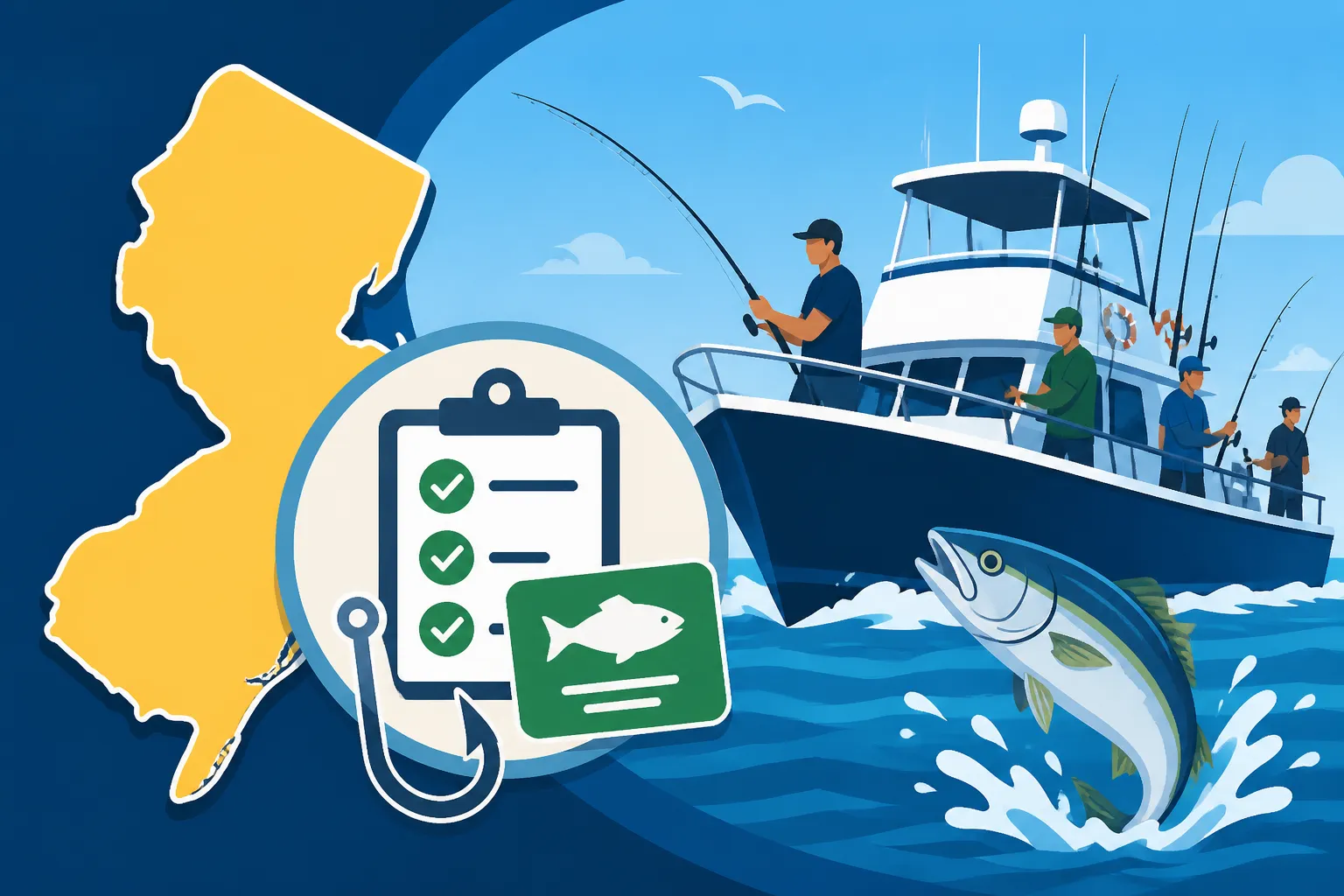
Here's the big one. If you're on a federally permitted party boat, sometimes called a "for-hire" vessel, you as an individual angler might not need your own personal New Jersey fishing license or even the state's saltwater registry. This exception applies when the vessel itself possesses a specific federal permit. These federal permits are often related to fishing for Highly Migratory Species (HMS) like tuna or sharks, or they might be a general federal for-hire permit that covers recreational fishing.
The idea behind this is that the vessel operator has already gone through a rigorous federal permitting process that includes reporting requirements and fees, which are considered to cover the passengers on board for certain types of fishing. This makes it super convenient for tourists or casual anglers who want to experience offshore fishing without the hassle of getting individual licenses or registrations.
However, it's absolutely vital to understand that this exemption is not a blanket rule for all party boats or charter boats. The specific federal permit held by the boat dictates what species are covered and under what circumstances. For example, some federal permits might cover certain offshore species but not inshore species that are primarily managed by the state. This is why you cannot assume you're covered without checking. This also generally applies to offshore fishing, not necessarily if the party boat is operating exclusively in state waters for species like fluke or striped bass where state regulations are paramount.
Confirming Your Party Boat's Coverage
So, how do you know if the party boat you're booking falls under this federal permit exemption? This is the most important takeaway for anyone planning a trip: You must ask the party boat operator directly.
When you're calling to book your trip, or even browsing their website, make it a point to ask them this exact question: "Does your vessel operate under a federal for-hire permit that covers its passengers, meaning I do not need my own individual New Jersey fishing license or saltwater registry?"
A reputable party boat or charter operation will be very clear about this. They want their customers to be compliant and enjoy their trip without legal worries. Many will explicitly state on their website or during booking that all tackle, bait, and necessary licenses are covered for passengers. For example, popular party boats operating out of ports like Belmar or Point Pleasant, such as the Miss Belmar Princess or the Gambler, are generally well-versed in these regulations and will advise you accordingly. If they say you do need your own, then you'll need to purchase your New Jersey Fishing License Guide for 2026 and register for the saltwater program before your trip. Don't leave it to chance or assume!
Remember, if the boat does not have such a permit, then the standard state rules apply: you’ll need a freshwater license if you're fishing freshwater, and the saltwater registry if you're fishing saltwater. Since most party boats are inherently saltwater operations, the saltwater registry will be your primary concern.
Practical Steps Before Boarding Your Party Boat
Okay, so you've done your homework and confirmed whether your specific party boat trip requires you to hold your own individual license or registry. Now, let’s talk about the practical steps to make sure you’re ready to go.
How to Secure Your New Jersey Fishing Credentials
If the party boat operator informed you that you do need your own license and/or saltwater registry, the process is pretty straightforward.
For Freshwater Licenses:
The easiest way to get your New Jersey freshwater fishing license is online. You can visit the New Jersey Fish and Wildlife website, navigate to their licensing section, and purchase it directly. It’s a quick process, and you can usually print your license right from home. If you prefer to do it in person, many bait and tackle shops, sporting goods stores (like some larger Amazon-affiliated retailers that sell outdoor gear), and even some Walmart locations are authorized agents for selling licenses. Make sure to bring a valid ID. For more details, you can check out How to Buy a New Jersey Fishing License Online or Retailers That Sell New Jersey Fishing Licenses, Including Walmart.
For Saltwater Registry:
The New Jersey Saltwater Registry is even simpler because it's free. Again, head to the New Jersey Fish and Wildlife website, find the saltwater registry section, and follow the prompts to register. You'll typically get a confirmation number or a printable card. The key here is to complete the process before you head out, as you don't want to be scrambling at the dock.
Here's a quick comparison of the two main types of credentials:
| Credential Type | Purpose | Cost (Resident) | How to Obtain | Validity Period |
|---|---|---|---|---|
| Freshwater Fishing License | Required for fishing in New Jersey's lakes, rivers, and streams. | Varies (e.g., $22.50 annual for adults) | Online (NJF&W website), authorized vendors | Calendar year (Jan 1 – Dec 31) |
| Saltwater Angler Registry | Required for recreational fishing in New Jersey's marine and estuarine waters. | Free | Online (NJF&W website) | Calendar year (Jan 1 – Dec 31) |
Costs are approximate for the 2026 season and subject to change; always check the official NJF&W website for the most current information.
What to Bring: Proof of License and ID
Whether the party boat covers you or you have your own credentials, there’s one non-negotiable item you should always have with you: identification.
If you are required to have your own license and registry, you need to carry proof of these documents while fishing. This can be a physical printout of your license and registry confirmation, or a digital copy displayed on your phone. Many anglers prefer to keep a laminated copy in their tackle box or wallet for easy access. The New Jersey Conservation Police conduct license checks, and you want to be able to present your documents immediately. This is a critical point covered in Carrying Proof of Your New Jersey Fishing License. It's not enough to simply have bought it; you must have it on your person or readily accessible.
Even if the party boat's federal permit covers you, you should still bring a valid government-issued photo ID (like a driver's license). In the rare event of a spot check by enforcement officers, being able to identify yourself is important. While your license might be covered, knowing who is on board is standard procedure for many official checks. It’s always better to be over-prepared than caught off guard.
Beyond the Basics: Important Considerations for Party Boat Anglers
Fishing from a party boat is usually a fantastic, relatively low-stress way to enjoy the sport. However, understanding a few extra details can make your experience even smoother and ensure you stay on the right side of the law.
Reciprocity and Border Waters: Delaware Bay and Beyond
New Jersey shares some key fishing grounds with neighboring states, most notably the Delaware Bay and portions of the Delaware River with Pennsylvania and Delaware. This can sometimes create questions about license reciprocity.
For party boats, especially those operating entirely within New Jersey's designated marine waters, reciprocity isn't typically a major concern for the angler. However, if a party boat ventured into, say, the Delaware side of the Delaware Bay, or if you were fishing on your own in those shared waters, the rules can get a bit more complex. Generally, for saltwater, your New Jersey Saltwater Registry is sufficient for New Jersey waters. For the Delaware Bay, there are specific agreements. For instance, New Jersey Fishing License Validity in Delaware Bay Waters provides clarity that a New Jersey license (and registry) is valid in the New Jersey portion of the bay. If you cross into Delaware waters, a Delaware license would usually be required. Again, the party boat captain will be the ultimate authority on where they are fishing and what permits cover the vessel and passengers.
For freshwater fishing, especially on the Delaware River, Do You Need Two Licenses to Fish the Delaware River Between New Jersey and Pennsylvania? explores the reciprocal agreements. While not common for party boats, it's a good example of how border water rules can differ. The main takeaway for party boat anglers is to always defer to the captain's knowledge about the specific waters they are fishing and what licenses are necessary.
Penalties for Non-Compliance: Don't Risk It
Fishing without the proper license or registration, or not being able to produce it when asked, can lead to fines and penalties. While conservation officers are often understanding, ignorance of the law is generally not an excuse.
The penalties for fishing without a license in New Jersey can vary, but typically involve fines that are significantly higher than the cost of the license itself. You can find more specific details on What Happens If You Get Caught Fishing Without a License in New Jersey?. Beyond the financial penalty, there's the inconvenience, the potential confiscation of gear or catch, and simply the embarrassment of being caught doing something illegal. It's just not worth the risk.
Consider the cost of a basic annual resident fishing license (around $22.50) and the free saltwater registry. Compare that to potential fines that can easily run into hundreds of dollars. It’s a no-brainer. Make sure you're covered. If you need any gear for your trip, like a new rod, reel, or tackle bag, you can find a huge selection on Amazon to get ready for your outing. Getting your gear in order well before your trip ensures you have everything you need, including your legal paperwork. Always have your license or proof of registration, along with your ID, securely stowed in your fishing bag or jacket pocket.
Disclaimer
Please note that fishing regulations in New Jersey, including licensing and registration requirements, can change. While this guide provides comprehensive and current information, it is always your responsibility to verify the most up-to-date rules and regulations by consulting the official New Jersey Department of Environmental Protection (NJDEP) Fish and Wildlife website or by calling their offices directly before you embark on any fishing trip.