Can I Fish a Private Pond in New Jersey Without a State License?
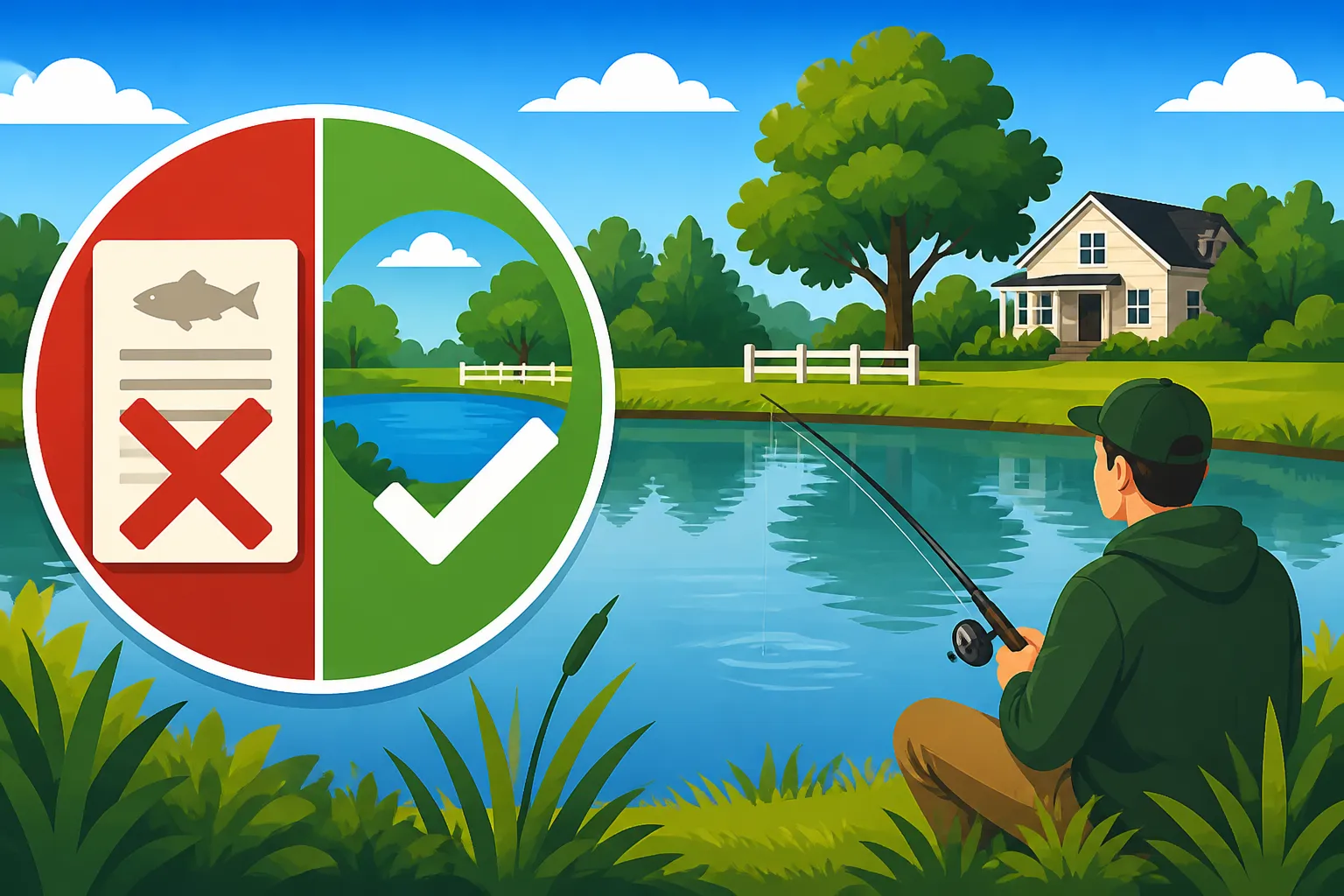
It's a common question that throws a lot of New Jersey anglers for a loop: if you're fishing in a completely private pond, one that doesn't seem to connect to any other waterways, do you still need a state fishing license? The thought of navigating complex regulations just to drop a line in a neighbor's backyard pond can be frustrating. This comprehensive guide is here to clear up that confusion, diving deep into the specifics of New Jersey's fishing license requirements for private ponds.
Understanding New Jersey's Fishing License Requirements
Let's start with the fundamental rule. In New Jersey, generally speaking, if you're fishing in public waters, or waters that connect to public waterways, you absolutely need a valid state fishing license. This applies to freshwater and often requires a separate registration for saltwater, though the focus here is freshwater ponds. The regulations are in place to help manage fish populations, conserve habitats, and fund the programs that keep our fisheries healthy and vibrant for future generations.
The New Jersey Division of Fish and Wildlife (NJDEP Fish & Wildlife) is the authority here, and their rules are pretty clear-cut, but sometimes the definitions can feel a bit murky to the average angler. The main distinction often comes down to whether the body of water is truly "landlocked" and privately owned, or if it has any connection, however small, to a larger system. This isn't just a technicality; it's the core of whether you need to worry about the annual fee and paperwork. You can find all the general information in the main guide, New Jersey Fishing License Guide for 2026, which is an excellent resource for anyone looking to get started or just refresh their memory.
What Constitutes a "Private Pond" in New Jersey?
When we talk about a "private pond" in the context of fishing licenses, we're not just talking about a pond that happens to be on private property. The legal definition is a bit more stringent. For a pond to be truly exempt from state licensing requirements, it generally needs to be:
- Completely Landlocked: This is the most critical factor. A landlocked pond has no inlet or outlet connecting it to any other stream, river, lake, or public waterway. Think of it as a bathtub on private property, filled only by rainwater or groundwater, with no drains or faucets linking it to the municipal water system. If a pond has a tiny trickle that eventually leads to a larger stream, or if it’s fed by a stream, it’s usually not considered truly landlocked for licensing purposes.
- Owned and Operated by a Private Entity: The pond must be entirely within the boundaries of privately owned land, and the fish within it must also be privately owned (often meaning they were stocked by the landowner and are not naturally occurring migratory fish). This is a tougher distinction to make for fish, but the water itself being completely contained is the primary factor.
Many people assume a pond on private property is automatically "private" for fishing purposes, but this isn't always true. I've heard countless stories of folks getting a stern talking-to, or even a ticket, because their "private" pond actually had an overflow pipe into a ditch that led to a creek. It's an easy mistake to make, but one that can be easily avoided by understanding the legal nuances.
Who Owns the Fish in a Private Pond?
This might sound like a philosophical question, but it has real legal ramifications. In a truly landlocked, privately owned pond, the fish within it are often considered the private property of the landowner, especially if they were stocked by the owner. This is similar to how livestock on a farm are owned by the farmer. Because these fish are not part of the greater public fishery system, the state typically doesn't require a license to harvest them.
However, if the pond is connected to public waters, even intermittently, then the fish are considered part of the public trust. This means they fall under the jurisdiction of the state, and catching them requires adhering to all state regulations, including having a valid fishing license. This is why you'll see rules about New Jersey Freshwater Fishing Regulations Every Angler Should Know applying to everything from the smallest streams to the largest lakes. It all comes back to protecting a shared resource.
When a New Jersey Fishing License IS Required for Private Ponds
While the general rule for truly landlocked private ponds is an exemption, there are many scenarios where you absolutely will need a New Jersey fishing license, even if the pond feels "private." It’s crucial to understand these distinctions to avoid any run-ins with conservation police.
Ponds with Connections to Public Waterways
This is the big one, and where most people get tripped up. If a pond, lake, or any body of water, regardless of who owns the land it sits on, has any connection to a public waterway, you need a fishing license. This connection can be:
- Inlets and Outlets: A stream flowing into or out of the pond.
- Seasonal Connections: A connection that only appears during heavy rains or high water levels.
- Underground Connections: Sometimes, seemingly isolated ponds have subsurface connections to groundwater or other systems that eventually lead to public waters. While harder to discern, conservation officers often know which bodies of water are truly isolated.
- Floodplains: Ponds located within a floodplain might be considered connected during flood events, even if they appear isolated most of the time.
Think of it this way: if a fish could, theoretically, swim into or out of that pond from a public lake or river, then that pond is considered part of the public fishery, and you need a license. This is a common situation with many "community lakes" in developments or ponds on larger estates that are fed by or drain into local rivers.
Fishing on Someone Else's Private Pond (Even if Landlocked)
Let’s say your friend owns a completely landlocked pond on their private property, and they invite you to fish. Do you need a license? The answer, in this specific scenario, is no, assuming it genuinely meets the "landlocked and privately stocked" criteria. The exemption applies to the body of water itself, not just the landowner.
However, you must have explicit permission from the landowner to be there. Trespassing is a separate legal issue, and fishing without permission, even if a license isn't required, can land you in serious trouble. Always get clear permission before stepping onto private property. A simple text message or written note can save a lot of headaches if a conservation officer or neighbor has questions.
Community Lakes and Private Club Ponds
These are often grey areas. Many residential communities have lakes or large ponds that are exclusively for residents. Similarly, private clubs, golf courses, or resorts might have their own fishing ponds. The key question remains: are these bodies of water truly landlocked from any public waterways?
- If truly landlocked and stocked by the community/club: A state fishing license is typically not required for members or residents fishing there, as long as they have the appropriate access rights from the community or club. The fish are essentially managed as private stock.
- If connected to public waterways: Even if access is restricted to members or residents, if the water body connects to a public stream or river, then a state fishing license is required. These waters are still considered part of the greater public fishery.
It's always best to check with the property management or the club's regulations, and if there's any doubt, assume you need a license. It’s better to be safe than sorry, especially since the penalties for What Happens If You Get Caught Fishing Without a License in New Jersey? can be significant.
The Importance of State Licensing for Fisheries Management
It might seem like a bureaucratic hassle, but the New Jersey fishing license system is crucial for the health and sustainability of our state's aquatic resources. The fees collected from licenses directly fund critical programs managed by NJDEP Fish & Wildlife.
Funding Conservation and Management Efforts
Every time you purchase a fishing license, those funds go towards:
- Fish Stocking Programs: New Jersey actively stocks millions of fish each year, particularly trout, in designated waters across the state. Without license fees, these popular programs simply wouldn't exist. You might want to learn more about New Jersey Trout Stamp Requirements Explained if you plan to target trout, as that's a separate fee on top of a base license.
- Habitat Restoration: Projects to improve water quality, restore degraded stream banks, and create healthier environments for fish and other aquatic life rely on these funds.
- Research and Monitoring: Biologists use license revenues to study fish populations, track migration patterns, and assess the overall health of our fisheries, allowing them to make informed decisions about regulations.
- Enforcement: The conservation police who patrol our waterways, ensure compliance, and investigate violations are also supported by these funds. Without them, regulations would be difficult to enforce, leading to overfishing and harm to our ecosystems. This applies to both freshwater and saltwater, and you can learn about the different considerations in Freshwater vs Saltwater Fishing Rules in New Jersey.
Ensuring Fair Access and Sustainable Harvesting
The licensing system helps ensure that fishing is an enjoyable and sustainable activity for everyone. By regulating who can fish and under what conditions, the state can manage pressure on fish populations, preventing depletion. It's a way for all anglers to contribute to the collective good, even if you’re just enjoying a quiet day fishing a local stream. The fees are typically quite reasonable, whether you're looking for a New Jersey Resident Fishing License Requirements or are an out-of-state visitor checking on New Jersey Nonresident Annual Fishing License Requirements.
Practical Steps to Ensure Compliance
Given the nuances, how can you, as an angler, be sure you're doing things by the book when fishing a pond in New Jersey? Here are some actionable steps.
Verifying Pond Status
If you're unsure whether a pond is truly landlocked and exempt, the best course of action is to:
- Ask the Landowner: If it's private property, directly ask the owner if the pond is completely isolated and if they stock it themselves. They should know the history of their property.
- Consult Local Authorities: If the landowner isn't sure, or if it's a community pond, contact the local municipal clerk's office or even the NJDEP Fish & Wildlife regional office. They often have maps or records of waterways and can advise you.
- Observe for Connections: Look closely for any visible inlets or outlets, even small ditches that might lead away from the pond. During heavy rains, these connections become much more apparent.
- Check Stocking Records: If the pond is regularly stocked by the state, it's definitely public water, and a license is required. The state publishes lists of stocked waters. For example, New Jersey State Park Ponds Stocked With Trout would definitely require a license.
When in Doubt, Get a License
The simplest and safest approach is this: if you have any doubt whatsoever about whether a pond requires a license, just get one. The cost of a New Jersey fishing license is far less than the potential fines and headaches of being caught without one. Plus, having a license means you're free to explore countless other public fishing opportunities across the state without worry. You can easily purchase one online or from a local vendor, and many anglers even use retailers like Retailers That Sell New Jersey Fishing Licenses, Including Walmart or easily find options on platforms like Amazon if they need specific gear or accessories.
Don't forget that age plays a role too! While adults generally need a license, rules differ for younger anglers. For example, Do Kids Need a Fishing License in New Jersey? clarifies exemptions for youth. Similarly, seniors have their own set of rules, with New Jersey Fishing Is Free for Anglers Age 70 and Older detailing exemptions for older anglers. Always check the specific age requirements before heading out.
Carry Your License and Identification
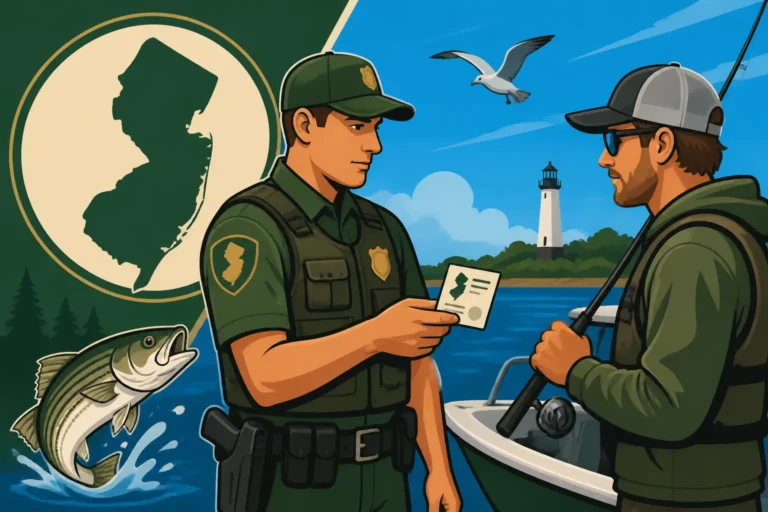
If you do have a license, always carry it with you when fishing, along with valid identification like a driver's license. Conservation officers conduct checks, and being able to present your documents promptly makes for a smooth interaction. It's not uncommon for officers from the New Jersey Conservation Police and License Checks to patrol popular and even lesser-known spots.
Comparing Private Pond Scenarios and License Needs
To summarize the various situations, here’s a quick table to help you determine if a New Jersey fishing license is required:
| Scenario | Pond Status | State Fishing License Required? | Why or Why Not |
|---|---|---|---|
| Your Own Truly Landlocked Pond | Private property, no public connections, self-stocked | NO | Fish are considered private property, not part of public fishery. |
| Friend's Truly Landlocked Pond | Private property, no public connections, self-stocked | NO (with permission) | Same as above, but explicit landowner permission is essential to avoid trespassing. |
| Pond with Any Public Water Connection | Feeds into/out of public waters, even intermittently | YES | Fish are considered part of the public trust fishery, subject to state management and conservation efforts. |
| Community Lake (Connected) | On private land, but connected to public waters | YES | Despite restricted access, the water and fish are part of the broader ecosystem. |
| Community Lake (Truly Landlocked) | On private land, no public connections, community-stocked | NO (with community permission) | Similar to a private pond, managed by the community as private stock. Permission from HOA/management is required. |
| State Park Pond | Public land, managed by state | YES | All state-managed waters require a license to fish, even if stocked specifically for recreation. |
Remember, this table provides a general overview. Always err on the side of caution and consult official sources or obtain a license if there's any uncertainty. When packing your gear for any pond, whether private or public, consider grabbing some reliable tackle organizers or a good fishing vest from Amazon to keep everything in order.
Final Thoughts and Moving Forward
Fishing in New Jersey offers incredible opportunities, from the vast Atlantic Ocean to serene mountain lakes and hidden ponds. While the idea of fishing a completely private, landlocked pond without a license is appealing and, in specific cases, entirely legal, it's those nuances and definitions that can catch an unaware angler off guard.
The core message is clarity: understand what constitutes a truly private, landlocked pond in the eyes of the law. If there's any doubt about a connection to public waters, or if you plan to fish anywhere beyond that very specific exemption, getting a state fishing license is not just about avoiding fines; it's about contributing to the health of New Jersey's incredible fishing heritage. It opens up a world of fishing opportunities, from targeting largemouth bass in our many freshwater lakes to chasing striped bass along the coast. And for any gear needs, from rods and reels to bait and tackle, a quick search on Amazon will get you ready for your next adventure. Enjoy your time on the water, and fish responsibly!
Disclaimer
The information provided in this guide is for general informational purposes only and does not constitute legal advice. Fishing regulations in New Jersey can change, and it is the angler's responsibility to consult the most current regulations published by the New Jersey Department of Environmental Protection (NJDEP) Division of Fish and Wildlife before engaging in any fishing activities. Always verify specific rules and requirements for any body of water you plan to fish.