New Jersey Trout Stamp Requirements Explained
There’s nothing quite like the thrill of a bending rod when a feisty trout hits your line in one of New Jersey’s crystal-clear streams or stocked lakes. But before you even cast your first lure, a common question often pops into anglers’ minds: "Do I actually need a New Jersey trout stamp?" It's a valid point of confusion for many, especially given all the different licenses and regulations. This comprehensive guide will walk you through exactly when and why you need this special stamp, who's exempt, and how to make sure you're fully legal and ready to enjoy our beautiful trout fishing opportunities.
What Exactly is a New Jersey Trout Stamp?
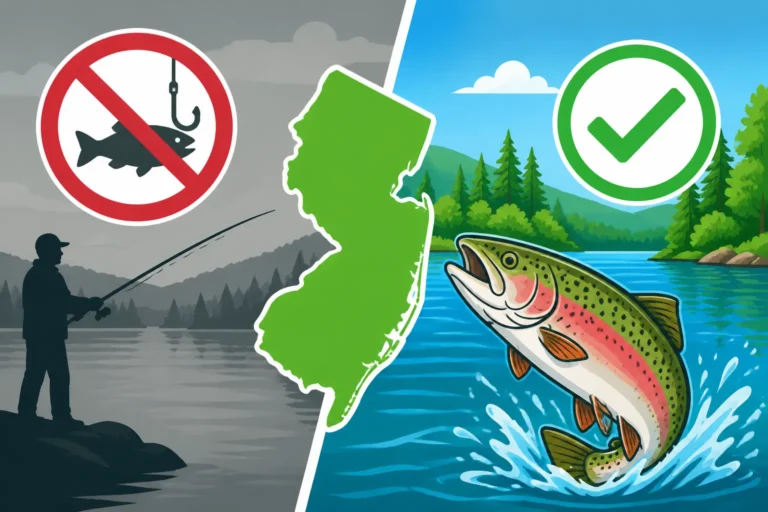
Let's start with the basics. The New Jersey trout stamp isn't a standalone fishing license; it's an endorsement that you add to your existing New Jersey fishing license if you plan to fish for, take, or possess trout. Think of it like an extra permit for a specific activity, much like a special endorsement on your driver's license for a motorcycle. It’s a dedicated fee that goes directly to supporting the state's extensive trout stocking program and critical conservation efforts. Without these funds, our trout streams and lakes wouldn’t be nearly as vibrant and well-stocked as they are.
This stamp is a crucial component of the state's freshwater fishing regulations, specifically targeting trout species like rainbow, brown, and brook trout that are regularly stocked across New Jersey. It's a common misconception that if you have a regular freshwater fishing license, you're all set for anything. Not so when it comes to trout! The state invests considerable resources in raising and distributing millions of trout each year, transforming ordinary waters into prime trout fishing destinations. The revenue generated from these stamps directly funds those efforts, ensuring that anglers like us have fantastic opportunities to pursue these beautiful fish season after season. It’s a small investment with a huge return for the angling community.
The Purpose Behind the Trout Stamp
At its heart, the New Jersey trout stamp is a conservation tool. The funds collected from its sale are earmarked specifically for the operation of the Pequest Trout Hatchery and Natural Resource Education Center, located in Oxford, New Jersey. This facility is the backbone of the state's trout stocking program, responsible for raising and releasing hundreds of thousands of trout annually into public waters. Without the financial support provided by the trout stamp, the sheer volume and quality of trout available to anglers across the state would be dramatically reduced.
Beyond the hatchery, the funds also support stream habitat improvements and vital research into trout populations. This means not only are fish being raised and put into the water, but the places where they live are being made healthier, and biologists are working to understand how best to manage these precious resources. When you purchase a trout stamp, you're not just buying a piece of paper; you're directly contributing to the ecological health of New Jersey's freshwater ecosystems and ensuring that future generations can enjoy the same fantastic fishing experiences we do today. It’s a testament to the dedication of the New Jersey Department of Environmental Protection's Division of Fish and Wildlife to maintain and enhance our natural resources.
Differentiating the Trout Stamp from a Regular Fishing License
It's really important to understand that the trout stamp is not your fishing license. It's an add-on. You absolutely still need a valid New Jersey freshwater fishing license to fish in New Jersey's inland waters, regardless of what species you're targeting. The trout stamp only comes into play if you specifically intend to fish for or keep trout. This distinction is often a source of confusion, especially for new anglers or those visiting from out of state.
For instance, if you're planning a trip to Round Valley Reservoir to fish for lake trout, you'll need both a valid fishing license and a trout stamp. However, if you're heading to Lake Hopatcong solely to chase largemouth bass, a regular freshwater license is all you need, assuming you don't accidentally catch a trout and decide to keep it. The key takeaway is this: if trout are on your target list, or if you're going to be fishing in waters known to hold trout, especially during stocking seasons, it’s always safest to have both. It's a small precaution that saves a lot of potential headaches and ensures you're supporting the very resource you're enjoying.
Who Needs a New Jersey Trout Stamp?
The requirements for needing a New Jersey trout stamp are fairly straightforward, but they do have specific age and residency stipulations that are worth going over in detail. Getting this right is crucial, as the conservation police do conduct checks, and you don't want your peaceful day on the water interrupted by a penalty.
Age and Residency Requirements for the Trout Stamp
Generally speaking, any angler who is 16 years of age or older and less than 70 years of age, and wishes to fish for, take, or possess trout in New Jersey's freshwaters, must purchase a trout stamp. This applies to both residents and nonresidents alike. So, if you're a New Jersey resident between these ages, or you're visiting from Pennsylvania or New York and plan to hit our trout streams, you'll need a state fishing license and the trout stamp.
For example, a 45-year-old resident angler heading to the Musconetcong River during trout season will definitely need both. Similarly, a 25-year-old nonresident visiting to experience the Pequest River’s famous trout fishing will also need to secure both a nonresident fishing license and a trout stamp. The age bracket is specific because certain exemptions apply outside of it, which we’ll discuss shortly. It’s not just about actively targeting them; if you possess trout, even if you caught them "by accident," you need the stamp. This is an important detail to remember if you’re fishing in mixed-species waters where trout might be present.
Fishing Stocked vs. Wild Trout Waters
The need for a trout stamp isn't exclusively tied to fishing in designated "stocked trout waters." While those are certainly the primary areas where you'll encounter trout, and thus where the stamp is most commonly required, the regulation applies to any freshwater where you intend to take or possess trout. This means if you're exploring a remote stream that happens to hold a population of wild brook trout, and you plan to keep one, you still need that stamp.
However, the vast majority of trout fishing opportunities in New Jersey revolve around the state's extensive stocking program. These are the lakes, ponds, and rivers that receive regular infusions of hatchery-raised trout, particularly in the spring and fall. These areas are clearly marked and well-known, drawing a significant number of anglers. Whether you're casting spinners in the Manasquan Reservoir for stocked rainbows or fly fishing the South Branch of the Raritan River, the trout stamp is your ticket to legally pursuing these fish. Always check the current New Jersey Freshwater Fishing Regulations Every Angler Should Know to stay informed about specific waters and any special rules that might apply.
Scenarios Where a Trout Stamp is Necessary
Let’s look at a few common situations to make it crystal clear:
- Scenario 1: Spring Trout Season Opener. You've marked your calendar for the big opening day. You're packing your gear, ready to hit your favorite spot on the Pequest River. You're 35 years old. In this case, you absolutely need your annual freshwater fishing license AND your trout stamp. Without both, you're not legally permitted to fish for or possess trout, and believe me, conservation officers are out in full force on opening day.
- Scenario 2: Fishing in a Trophy Trout Lake. You're planning a trip to a designated Trophy Trout Lake like Tilcon Lake, hoping to land a lunker brown trout. You're 50 years old. Yes, you need both your freshwater license and the trout stamp. These lakes are specifically managed for larger trout, and the stamp helps fund that specialized management.
- Scenario 3: Catch and Release. You only practice catch and release for trout, never keeping any fish. Do you still need the stamp? Yes, if you are actively fishing for trout, regardless of whether you intend to keep them or not, you need the stamp if you fall within the age requirements. The law covers "fishing for, taking, or possessing trout." "Fishing for" is key here.
- Scenario 4: Accidental Catch. You're fishing for smallmouth bass on a river that also holds trout, and you accidentally hook a beautiful rainbow trout that meets the size limits. You decide to keep it for dinner. If you don't have a trout stamp, you've just put yourself in a tricky situation. Even if the trout was not your primary target, possessing it without the stamp is a violation. It’s always better to be safe than sorry, especially if you’re fishing in waters where trout are known to be present.
Who is Exempt from the New Jersey Trout Stamp?
While the trout stamp is a widespread requirement, there are specific exemptions. These are important to understand, as they can save you from an unnecessary purchase or, conversely, prevent you from mistakenly fishing without the proper credentials.
Age-Based Exemptions
The most common exemptions are based on age. As mentioned, anglers under the age of 16 are not required to purchase a fishing license in New Jersey, and therefore, they also do not need a trout stamp. This is fantastic news for families and a great way to introduce younger generations to the joys of fishing without an extra financial burden. You can find more details on this in our guide, "Do Kids Need a Fishing License in New Jersey?"
On the other end of the spectrum, New Jersey residents who are 70 years of age or older are also exempt from needing a trout stamp. In fact, these seasoned anglers don't even need a general freshwater fishing license! This is a wonderful perk for those who have contributed to the state for many years and continue to enjoy its natural beauty. For a full breakdown of these exemptions, check out "New Jersey Fishing Is Free for Anglers Age 70 and Older." So, if your grandparent, who's 72, wants to join you on the spring trout opener, they can do so without worrying about either license or stamp. However, a 68-year-old resident would still need both.
Other Specific Exemptions
Beyond age, there are a few other, less common, but equally important exemptions:
- Private Ponds: If you are fishing in a private pond that is completely landlocked and not connected to any public waters, and you have permission from the landowner, you generally do not need a state fishing license or a trout stamp. This is because the state's regulations primarily cover public waters. However, verifying the "landlocked" status and obtaining clear permission is absolutely critical here to avoid misunderstandings.
- Disabled Anglers: New Jersey offers certain fishing license exemptions and reduced fees for disabled anglers. While the general fishing license might be waived or discounted, the trout stamp requirement typically still applies if they fall within the 16-69 age bracket and wish to fish for trout, unless specifically stated otherwise in their particular exemption. It's always best for disabled anglers to check the specific details of their individual license type or exemption to ensure full compliance. You can learn more about "Fishing License Options for Disabled Anglers in New Jersey" for more detailed information.
- Military Personnel: Active duty military personnel who are New Jersey residents might have certain benefits regarding fishing licenses. It's recommended to check directly with the NJDEP Division of Fish and Wildlife for the most current information regarding trout stamp requirements for military members, as rules can sometimes change or have specific conditions.
- Free Fishing Days: New Jersey hosts a couple of "Free Fishing Days" each year, typically in June and October. On these specific days, residents and non-residents alike can fish in the state's public freshwaters without needing a fishing license or a trout stamp. These days are designed to encourage participation and introduce new people to the sport. While these days offer a great opportunity to try trout fishing without the initial investment, they are limited, and any fishing outside of these designated days will require the appropriate licenses and stamps. Make sure to check the dates for "New Jersey Free Fishing Day Dates for 2026" if you plan to take advantage of them.
Table: New Jersey Trout Stamp Requirements at a Glance
To help consolidate this information, here’s a quick reference table outlining various scenarios and whether a trout stamp is typically required:
| Scenario | Age Range | Residency | Needs Fishing License? | Needs Trout Stamp? | Notes |
|---|---|---|---|---|---|
| Angler fishing for trout | 16-69 | Resident | Yes | Yes | Standard requirement. Funds Pequest Hatchery. |
| Angler fishing for trout | 16-69 | Nonresident | Yes | Yes | Nonresident annual or vacation licenses require the stamp for trout. See New Jersey Nonresident Annual Fishing License Requirements. |
| Angler fishing for trout | Under 16 | Resident/Non. | No | No | Great for introducing kids to fishing! |
| Angler fishing for trout | 70+ | Resident | No | No | Seniors are exempt from both fishing license and trout stamp. |
| Angler fishing for bass only | 16-69 | Resident/Non. | Yes | No | If you accidentally catch and keep a trout, you would be in violation without a stamp. |
| Angler fishing private, landlocked pond | Any | Any | No | No | Must be truly private and landlocked; always confirm with landowner. |
| Angler on Free Fishing Day | Any | Any | No | No | Limited to specific dates; check current year's schedule. |
| Disabled Angler (General Exemption) | 16-69 | Resident | Sometimes | Yes | While the general license may be waived, the trout stamp is generally still required for trout fishing unless specified by individual exemption. Refer to your specific exemption rules. |
How Much Does a New Jersey Trout Stamp Cost?
Understanding the cost of a New Jersey trout stamp is fairly straightforward, but it does vary slightly based on your residency status. These fees, as we've discussed, are vital for maintaining the state's robust trout stocking program, so think of it as a direct investment in your future fishing enjoyment.
Resident vs. Nonresident Trout Stamp Fees
For New Jersey residents aged 16 through 69 who hold a valid New Jersey freshwater fishing license, the trout stamp is a relatively modest additional fee. A resident trout stamp typically costs around $10.50. This fee is consistent whether you're buying it online, from a license agent, or directly from the Division of Fish and Wildlife.
Nonresidents, who also fall within the 16-69 age bracket and wish to fish for trout in New Jersey waters, will pay a slightly higher fee for their trout stamp, usually around $16.00. This difference helps account for the fact that nonresidents generally contribute less to the state's tax base that might indirectly support conservation efforts. It's a standard practice across many states to have tiered pricing for residents and nonresidents for various licenses and permits. Both of these costs are subject to change, so always check the official NJDEP Division of Fish and Wildlife website or a license agent for the most current pricing. Our guide on "New Jersey Trout Stamp Cost for Residents and Nonresidents" provides the latest figures.
Understanding Where Your Money Goes
When you pay for that trout stamp, it's not just disappearing into a general state fund. Every penny from trout stamp sales is dedicated to trout management. This means your $10.50 or $16.00 contributes directly to:
- Hatchery Operations: The daily feeding, care, and health management of hundreds of thousands of trout at the Pequest Trout Hatchery. This includes everything from fish food to veterinary care to facility maintenance.
- Stocking Efforts: The logistical challenge of transporting and distributing trout to over 200 different locations across New Jersey during the spring and fall stocking seasons. This involves specialized trucks and dedicated personnel to ensure the fish are released safely and efficiently.
- Habitat Improvement: Projects designed to enhance the natural environment for trout, such as stream bank stabilization, planting native vegetation, and removing obstructions. These efforts help create healthier, more resilient trout populations, both wild and stocked.
- Research and Monitoring: Scientific studies to track trout populations, assess environmental health, and inform management decisions. This ensures that the stocking program is effective and that regulations are based on sound ecological principles.
So, while it might feel like "just another fee," it's actually a direct pipeline to supporting the very resource you love to pursue. It's a fundamental part of sustainable angling in New Jersey.
Where to Buy Your New Jersey Trout Stamp
Purchasing your New Jersey trout stamp is an easy process, with several convenient options available. You can usually acquire it at the same time and place you purchase your general fishing license, making it a seamless transaction.
Online Purchase Options
For many anglers, the most convenient way to buy a New Jersey trout stamp is online through the official New Jersey Division of Fish and Wildlife's website. This platform allows you to purchase your annual fishing license, the trout stamp, and even a saltwater registry if needed, all from the comfort of your home. It’s a straightforward process: you simply log in (or create an account), select the licenses and stamps you need, pay with a credit card, and then you can immediately print out your license and stamp. You'll also receive an email confirmation, and often, your license details can be stored digitally on your phone, making it easy to carry proof.
The online portal is accessible 24/7, which is incredibly helpful if you suddenly decide on a spur-of-the-moment fishing trip and realize you need your stamp. Just make sure your printer is working! For detailed instructions on how to navigate this process, you might find our guide, "How to Buy a New Jersey Fishing License Online," particularly useful. This method has really streamlined the process, cutting down on trips to a physical store.
Authorized License Agents
If you prefer a more traditional approach, or if you need to pick up some last-minute bait and tackle anyway, you can purchase your New Jersey trout stamp from hundreds of authorized license agents located throughout the state. These agents typically include:
- Sporting Goods Stores: Larger chains like Bass Pro Shops or smaller local tackle shops are usually well-equipped to issue licenses and stamps. They often have knowledgeable staff who can answer questions about local regulations or fishing conditions.
- Walmart and Kmart: Many larger retail stores with sporting goods departments, such as Walmart, also serve as license agents. This can be a convenient option if you’re already running other errands. Our article, "Retailers That Sell New Jersey Fishing Licenses, Including Walmart," lists more of these locations.
- Bait and Tackle Shops: Your local bait and tackle shop is a classic spot. Not only can you get your stamp, but you can also get up-to-the-minute advice on what's biting, where to go, and what gear to use. It's a great way to support local businesses.
- County Clerk Offices: In some counties, the County Clerk's office might also be an authorized agent, though this is less common for fishing licenses compared to vehicle registrations.
When purchasing from an agent, remember to bring a valid form of identification, especially if you're a new customer or need to prove New Jersey residency for resident pricing. They'll print out your license and stamp right there for you. It's always a good idea to call ahead to confirm their hours and that they are actively issuing licenses, especially if it's a smaller shop.
Essential Documentation for Purchase
Regardless of whether you buy online or in person, you'll need certain information to complete your purchase:
- Proof of Identity: A valid driver's license, state ID card, or passport.
- Proof of Residency (for resident rates): If you're buying a resident stamp, you'll need to demonstrate that you meet New Jersey's residency requirements. This usually means having a New Jersey driver's license or state ID that has been valid for at least six months. For detailed specifics on what qualifies, consult "What Counts as New Jersey Residency for Licensing."
- Previous License Information (if renewing): If you're renewing an existing license, having your previous license number handy can speed up the process.
Once purchased, ensure you have your trout stamp (either printed or digitally on your phone) with you whenever you are fishing for or possessing trout. Conservation police officers conduct routine checks, and being unprepared can lead to penalties. Speaking of preparation, many anglers like to keep their printed license and stamp in a waterproof holder, which you can easily find on Amazon, to protect it from the elements while out on the water.
Understanding New Jersey's Trout Waters and Stocking Programs
The New Jersey trout stamp is intrinsically linked to the state’s extensive trout management efforts. Knowing a bit about these programs helps explain why the stamp is so important and how it contributes to your fishing experience.
New Jersey's Trout Stocking Schedule and Locations
The Division of Fish and Wildlife operates one of the most proactive trout stocking programs in the country. Each year, they release hundreds of thousands of brook, brown, and rainbow trout into over 200 streams, rivers, and lakes across the state. These stockings occur primarily during two peak seasons:
- Spring Stocking: This is the big one, starting right before the highly anticipated opening day of trout season, usually in early April. The state stocks fish for several weeks, often multiple times in popular waterways, to ensure excellent fishing throughout the spring. This is when many anglers eagerly consult the stocking schedules to plan their trips. Check out "New Jersey Spring Trout Stocking Start Date" for current details.
- Fall Stocking: A smaller, but still significant, stocking program takes place in the fall, typically from late September through November. These stockings provide fantastic opportunities for anglers to enjoy cooler weather and less crowded waters, often targeting larger, holdover fish. The fall trout season is a true hidden gem for those in the know.
The locations for these stockings range from small, easily accessible ponds ideal for children, to larger rivers and reservoirs that challenge experienced anglers. Some of the most popular trout waters include the Pequest River, Musconetcong River, Paulins Kill, and various sections of the South Branch of the Raritan River. Even large reservoirs like Round Valley Reservoir receive significant trout stockings, offering opportunities for trophy-sized fish. Our "New Jersey Trout Stocked Lakes Stay Open During New Jersey's Preseason Closure" article further details specific water bodies. These detailed schedules are available on the NJDEP website, allowing anglers to pinpoint where and when their favorite spots will be replenished.
Trout Conservation and Management Efforts
The revenue from trout stamps is a direct contributor to the health and sustainability of New Jersey’s trout resources. Beyond just stocking, the funds support a broader range of conservation and management activities:
- Habitat Restoration: Projects focus on improving water quality, stabilizing stream banks, and restoring riparian zones (the areas alongside rivers and streams). These efforts create healthier environments, not just for stocked trout, but also for native fish species and the entire aquatic ecosystem. For instance, planting native vegetation along a stream can reduce erosion, filter pollutants, and provide shade, keeping water temperatures cooler – vital for trout survival, especially in summer.
- Research and Monitoring: Biologists regularly assess trout populations, both wild and stocked, to understand their health, growth rates, and survival. They monitor water quality, insect populations, and other environmental factors that impact trout. This scientific data is crucial for making informed decisions about stocking numbers, locations, and fishing regulations like bag and size limits. Knowing how many trout survive through the summer, for example, helps determine future stocking strategies.
- Education and Outreach: A portion of the funds also supports educational programs aimed at teaching responsible angling practices, the importance of conservation, and how to identify different trout species. The Pequest Hatchery itself serves as an important educational center, drawing thousands of visitors each year. This outreach helps foster a sense of stewardship among anglers, ensuring they understand their role in protecting these resources.
These comprehensive efforts mean that when you purchase a trout stamp, you are directly investing in a well-managed, sustainable fishery that offers fantastic opportunities for all. It's more than just funding fish; it's funding the future of trout fishing in the Garden State.
Consequences of Not Having a Trout Stamp
It’s easy to overlook a small detail like a trout stamp, especially if you’re focused on preparing your gear and getting to your favorite spot. However, fishing without the required stamp, even unintentionally, can lead to unpleasant consequences. New Jersey's conservation police officers are dedicated to enforcing fishing regulations to protect the state’s natural resources, and they do conduct regular checks.
Penalties for Violations
Getting caught fishing for, taking, or possessing trout without a valid trout stamp can result in a fine. The exact amount can vary, but generally, it's considered a violation of the state's fishing code. Fines for such infractions can typically range from $20 to $100 or more, plus court costs and administrative fees. While this might not seem like a huge sum, it’s certainly more than the cost of the actual trout stamp, making it a penny-wise and pound-foolish mistake.
Beyond the immediate financial penalty, there’s also the inconvenience and stress of dealing with a citation. This can involve an appearance in municipal court, taking time out of your busy schedule. Furthermore, serious or repeated violations could potentially lead to the suspension of your fishing privileges in New Jersey. The conservation police are not out to ruin your day, but they are there to ensure everyone adheres to the rules that protect our shared natural resources. It's a system designed to deter non-compliance and ensure everyone contributes to the conservation efforts. Our article, "Penalties for Fishing Without a License in New Jersey," provides broader context on violations.
The Role of Conservation Police Officers
New Jersey’s Conservation Police Officers (CPOs) are the frontline enforcers of the state’s fish and wildlife laws. They patrol all public waters, from remote trout streams to bustling bays, ensuring anglers are compliant with all licensing, stamp, and bag limit regulations. These officers are trained professionals, often anglers themselves, who are passionate about conservation. Their job isn't just about handing out tickets; it's about educating the public and protecting our natural heritage.
When a CPO approaches you, they will typically ask to see your fishing license, your trout stamp (if you’re fishing for trout), and often, your catch. It’s important to be polite, cooperative, and have your documents readily accessible. Many anglers keep a printed copy of their license and stamp in a waterproof wallet or a dedicated fishing license holder, perhaps one they purchased from Amazon, to ensure it’s protected and easy to retrieve. Alternatively, having it readily available on your phone is usually acceptable, but always ensure your phone is charged and readable. Remember, these officers are doing a vital job, and your cooperation helps make their work more efficient and pleasant for everyone involved. For information on how these checks are conducted, read "New Jersey Conservation Police and License Checks."
Preventing Unintentional Violations
The best way to avoid any issues is simple: purchase your trout stamp if you fall within the required age range and plan to fish for, take, or possess trout. Here are a few tips to prevent unintentional violations:
- Double-Check Before You Go: Before heading out for a trout trip, always take a moment to ensure your fishing license is current and that your trout stamp is valid for the current season. New Jersey fishing licenses typically expire on December 31st of the year they are issued, so it’s easy to forget to renew everything in the new year.
- Understand the Water: Be aware of the types of fish present in the waters you’re fishing. If a stream or lake is known for trout, even if you’re targeting another species, consider getting the stamp just in case you accidentally catch a trout you wish to keep.
- Educate Yourself: Regularly review the current year’s New Jersey Fish and Wildlife Digest, either online or by picking up a physical copy from a license agent. This digest contains all the regulations, including any changes to trout stamp requirements, bag limits, and season dates.
- When in Doubt, Buy It: The cost of a trout stamp is minimal compared to the potential fine and hassle of a violation. If there’s any uncertainty about whether you need it, it’s always the safest bet to purchase one. It's a small investment in peace of mind and, more importantly, in the future of trout fishing in New Jersey.
Other Important Considerations for Trout Anglers
Beyond the stamp itself, there are several other regulations and practices that serious trout anglers in New Jersey should be aware of to ensure a successful and compliant fishing experience. It's all part of being a responsible steward of our natural resources.
New Jersey Trout Season Dates and Preseason Closures
New Jersey has a well-defined trout season, with a significant part of it centered around the spring stocking program. While the exact opening day can shift slightly year to year, it typically occurs in early April. However, a critical regulation to be aware of is the preseason closure for certain trout-stocked waters. Many of New Jersey's trout-stocked streams and rivers are closed to all fishing (not just trout fishing) for a period leading up to opening day. This closure allows the Division of Fish and Wildlife to conduct their initial, heavy stocking without angler interference, giving the fish time to acclimate and spread out.
Understanding this closure is vital, as fishing during this period, even if you're not targeting trout, can result in a violation. The specific dates and waters affected are always clearly outlined in the annual Fish and Wildlife Digest. For instance, you might find that many of the popular trout rivers in northern New Jersey are closed from mid-March until opening day. Conversely, many stocked lakes and ponds remain open during this preseason closure, though typically for catch-and-release only, or with specific gear restrictions. Make sure to consult "New Jersey Trout Season Preseason Closure Explained" to avoid any confusion and plan your trips accordingly. This nuanced approach helps distribute fishing pressure and ensures a quality experience for all.
Bag and Size Limits for Trout
Just like with other game fish, trout in New Jersey are subject to specific bag and size limits. These limits are put in place to manage the fishery sustainably and ensure that enough fish remain to reproduce or contribute to the angling experience. The daily creel (bag) limit for trout in most waters during the regular season is typically four trout per day, with a minimum size of 9 inches. However, these limits can vary in special regulation areas:
- Trophy Trout Lakes: Certain lakes are designated as "Trophy Trout Lakes" and may have different, often more restrictive, size and bag limits to promote the growth of larger fish. An example might be a higher minimum size or a reduced daily bag limit.
- Catch-and-Release Only Waters: Some sections of rivers or specific streams might be designated as "Catch-and-Release Only" for trout, meaning you cannot keep any trout, regardless of size. These areas are often managed for wild trout populations or to provide a unique fly-fishing experience.
- Fly Fishing Only Areas: Similarly, certain sections may be designated for "Fly Fishing Only," which sometimes comes with catch-and-release rules or specific gear restrictions.
It is absolutely crucial to check the current regulations for the specific body of water you intend to fish. These rules are detailed in the annual digest and on the NJDEP website. Keeping an undersized trout or exceeding the daily bag limit are serious violations that can lead to fines and other penalties. The goal is to allow for a reasonable harvest while protecting the overall health of the trout population. Understanding "How Bag and Size Limits Work in New Jersey" is key to legal and ethical fishing.
Safe Handling Practices for Trout
Whether you plan to keep your trout or release them, practicing safe handling is paramount, especially if you want to ensure the fish's survival after release. Trout, particularly in warmer water, can be quite delicate.
- Wet Hands: Always wet your hands before handling a trout. Dry hands can remove the protective slime layer (mucus) from the fish, leaving it vulnerable to infection.
- Minimize Air Exposure: Try to keep the fish in the water as much as possible, especially if you're releasing it. If you need to take a photo, do it quickly and hold the fish horizontally, supporting its belly. Avoid hanging fish vertically by the jaw or gills.
- Remove Hooks Carefully: Use needle-nose pliers or a hemostat to quickly and gently remove the hook. If the fish is deeply hooked, especially in the gills or gut, it might be best to cut the line as close to the hook as possible rather than trying to remove it, which could cause more harm. Using circle hooks can significantly reduce gut hooking when bait fishing.
- Revive the Fish: If a trout seems sluggish before release, hold it gently in the water, facing upstream, allowing water to flow over its gills until it regains its strength and can swim away on its own. Don't just toss it back.
By following these practices, you not only increase the chances of survival for released fish but also demonstrate respect for the resource that the trout stamp helps fund. Responsible angling is a blend of knowing the rules and practicing ethical behavior on the water.
Disclaimer
This article is for general informational purposes only and does not constitute professional advice. Laws, prices and regulations vary by location and change over time. Consult a qualified professional for guidance on your specific situation.