Resident vs Nonresident Fishing Rules in New Jersey
Navigating the myriad of fishing regulations in New Jersey can feel like trying to untangle a particularly stubborn bird's nest of fishing line, especially when you're trying to figure out if you're considered a resident or a nonresident. Many anglers, whether they've lived here for years or are just visiting for a weekend getaway, often find themselves scratching their heads over what license they truly need. This comprehensive guide is here to unravel those complexities, clearly outlining the distinctions between resident and nonresident fishing rules in the Garden State so you can cast your line with confidence and stay on the right side of the law.
Understanding New Jersey Residency for Fishing Licenses
Before you even think about buying a fishing license, the absolute first hurdle to clear is figuring out if New Jersey considers you a resident. This isn't just a casual distinction; it directly impacts the type of license you need, how much you pay, and even some of the specific regulations that might apply to you. Getting this wrong can lead to unnecessary fines or complications, and nobody wants their peaceful day on the water ruined by an unexpected run-in with a conservation officer. It's a common point of confusion, and for good reason, because "residency" isn't always as straightforward as it seems.
What Truly Defines a "Resident" in New Jersey's Eyes?
For the purposes of obtaining a fishing license in New Jersey, the state generally defines a "resident" as an individual who has maintained a dwelling place in New Jersey for at least six consecutive months immediately preceding the date of application. This isn't just about having a vacation home or a temporary rental; it's about establishing a genuine, permanent primary residence here. Think about it from the state's perspective: they want to ensure that those who primarily benefit from New Jersey's resources and contribute through taxes are afforded resident privileges.
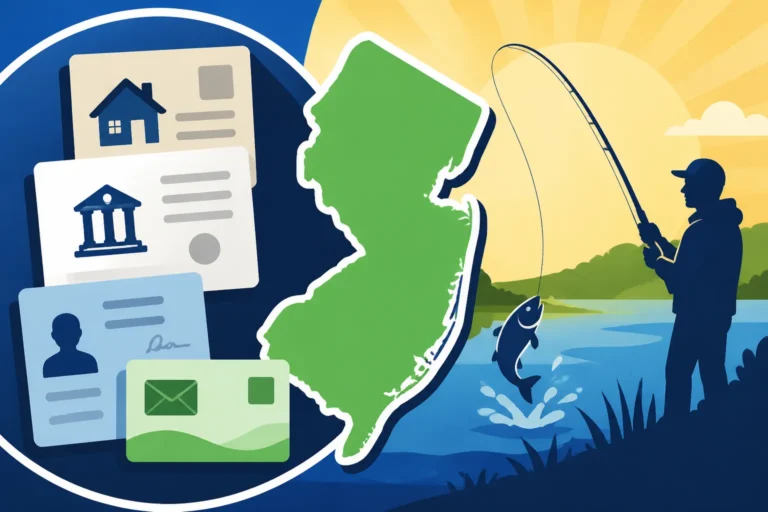
Proof of residency is key, and the New Jersey Division of Fish and Wildlife (NJDEP Fish & Wildlife) is quite specific about what they'll accept. You'll typically need to show documents like a valid New Jersey driver's license, a state-issued identification card, or voter registration. Utility bills, property tax statements, or a lease agreement showing a continuous six-month residency can also be helpful. It’s all about demonstrating a tangible, long-term connection to the state. Don't be surprised if they ask for multiple forms of identification to verify your claim. Understanding the specific What Documents Prove New Jersey Residency for a Fishing License? can save you a lot of hassle at the license agent.
The "intent" to reside permanently is also a crucial, albeit harder to prove, element. For instance, someone who just moved to New Jersey last month, even if they plan to stay indefinitely, might not yet qualify for a resident license because they haven't met the six-month continuous dwelling requirement. Conversely, someone who owns property in New Jersey but primarily lives in another state would still be considered a nonresident, as their primary dwelling is elsewhere. It's about where you lay your head down most nights and where your legal ties are established, not just where you own property or visit often.
Special Considerations for Military Personnel and College Students
New Jersey understands that life circumstances for military personnel and college students can make residency a bit blurry, and they have specific rules to address these situations. It's an area that causes a lot of frustration because it feels like there should be a simple answer, but often, individual situations vary wildly. Many people find themselves in a gray area, wondering if their unique status qualifies them for resident rates.
For active military personnel, the rules are generally quite favorable. If you are a member of the armed services of the United States and you are stationed in New Jersey, you (and often your immediate family members living with you) are usually considered residents for fishing license purposes, regardless of your official state of residency or how long you've been stationed here. This is a great benefit, acknowledging your service and temporary relocation. However, if you are a New Jersey resident serving elsewhere, you still maintain your New Jersey resident status. It’s important to always carry your military ID to verify your status when purchasing a license.
College students face a different set of challenges. If you are attending college in New Jersey but are originally from another state, you might not automatically qualify for a resident fishing license. Generally, you'd need to meet the same six-month dwelling requirement and establish the intent to make New Jersey your permanent home. Simply being enrolled in a New Jersey university isn't enough. However, if you are a permanent New Jersey resident attending college either in-state or out-of-state, you maintain your resident status. It’s always best to check the most current regulations or inquire with the NJDEP Fish & Wildlife directly if you're a student, as specific cases can sometimes lead to different interpretations. There's also guidance available specifically on New Jersey Fishing License for College Students From Out of State which can be quite helpful.
The Core Differences: Resident vs. Nonresident Licenses
Once you've nailed down your residency status, the next step is to understand the actual licenses themselves. The primary difference, as you might expect, often boils down to cost. New Jersey, like most states, offers a significant discount to its residents, acknowledging their contributions to the state's conservation efforts through taxes and fees. But it's not just about the price tag; there are different types of licenses available, and knowing which one suits your needs is crucial, whether you're planning a single fishing trip or a full year of angling adventures.
Annual Freshwater Fishing Licenses and Their Costs
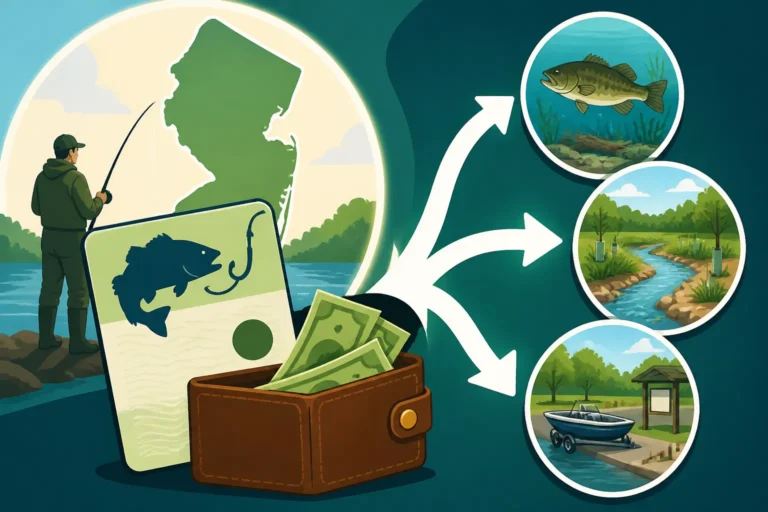
For those who love to explore New Jersey's vast network of lakes, rivers, and streams, an annual freshwater fishing license is a must. This is where the resident/nonresident distinction really comes into play regarding your wallet. Residents typically enjoy a substantially lower price, making a full year of fishing much more accessible. This encourages local participation in conservation efforts, as a portion of license fees directly funds fish stocking, habitat restoration, and enforcement.
For example, a typical annual freshwater fishing license for a New Jersey resident might cost around $22.50. This single purchase grants you access to freshwater fishing throughout the state for a full calendar year. For a nonresident, however, that same annual freshwater license can jump significantly, often hovering around $40. It's a noticeable difference that can influence how a visiting angler plans their trips. These costs are subject to change, so it's always wise to check the most current information. You can find detailed breakdowns of the New Jersey Resident Fishing License Cost 2026 and the New Jersey Nonresident Fishing License Cost 2026 for the upcoming year.
It's also worth noting that both residents and nonresidents often need to purchase additional stamps or permits for specific types of fishing. The most common example is the New Jersey Trout Stamp, which is required if you plan to fish for or possess trout in the state's freshwater systems. This stamp, too, will have a resident and nonresident price, though the difference is usually less pronounced than with the base license. Failing to have the correct stamps, even with a valid license, can lead to fines, so always double-check your needs before heading out.
| License Type | New Jersey Resident (Approx. Cost) | Nonresident (Approx. Cost) | Details |
|---|---|---|---|
| Annual Freshwater Fishing | $22.50 | $40.00 | Valid for one full calendar year. Required for all freshwater fishing. |
| Annual Trout Stamp (Add-on) | $10.50 | $10.50 | Required in addition to a freshwater license if fishing for or possessing trout. Price is typically the same for residents and nonresidents. |
| 7-Day Vacation Freshwater | N/A (residents usually buy annual) | $20.00 | Ideal for nonresidents on a short trip. Valid for 7 consecutive days. |
| 2-Day Vacation Freshwater | N/A (residents usually buy annual) | $9.00 | Perfect for a quick weekend trip. Valid for 2 consecutive days. |
| Saltwater Registry | Free | Free | Required for everyone (residents and nonresidents) fishing in saltwater or migratory freshwater. No cost, but mandatory registration. |
Note: Costs are approximate for 2026 and are subject to change by the NJDEP Fish & Wildlife. Always verify current prices before purchase.
The New Jersey Saltwater Registry for All Anglers
Here’s where a lot of anglers, especially those new to New Jersey, get tripped up: saltwater fishing. While freshwater fishing requires a traditional license with resident/nonresident pricing, saltwater angling operates under a slightly different system. Many folks assume if they have a freshwater license, they're good to go for everything, but that's a common mistake in New Jersey. The state takes its marine resources seriously, and tracking angler participation is a big part of conservation efforts.
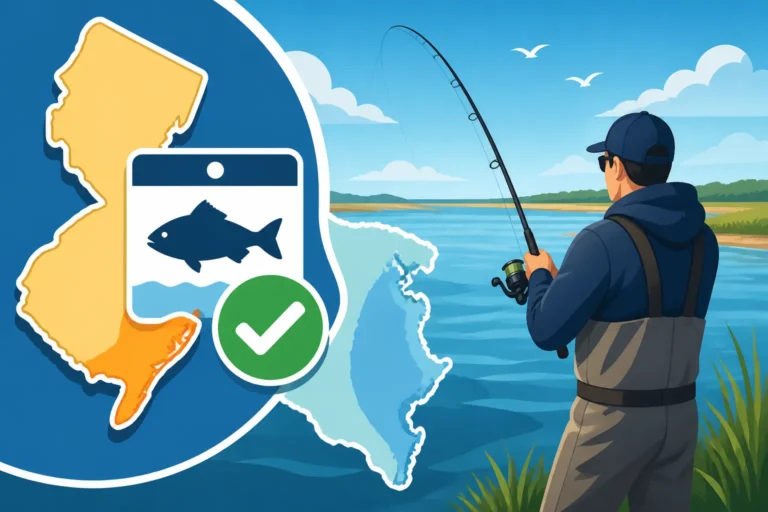
New Jersey does not have a traditional saltwater fishing license that you purchase. Instead, it operates a mandatory, free New Jersey Saltwater Registry Explained. The key takeaway here is that this registry is required for everyone who fishes in New Jersey's marine and tidal waters, or who fishes for anadromous species (like striped bass that migrate between fresh and saltwater) in migratory portions of freshwater rivers, regardless of whether you're a resident or a nonresident. Yes, that means your annual freshwater license doesn't cover your saltwater activities, and your residency status makes no difference for the registry itself.
The purpose of the Saltwater Registry is primarily for data collection. By registering, you help the state and federal agencies gather crucial information on recreational fishing effort, which is vital for managing fish populations sustainably. It replaced the federal registry requirement, streamlining the process for New Jersey anglers. Registering is straightforward and can typically be done online in just a few minutes. It's a quick, free step that many unfortunately overlook, leading to potential headaches if encountered by a conservation officer. So, whether you're a local chasing fluke in Barnegat Bay or a visitor hoping for a striped bass off Sandy Hook, make sure you complete your How to Register for New Jersey's Saltwater Registry Program before you cast into the ocean.
Navigating Vacation and Temporary Fishing Options for Nonresidents
For our friends visiting the Garden State, New Jersey offers some convenient temporary fishing license options that cater specifically to those who aren't planning to stay for the entire year. These are fantastic for vacationers, those on business trips with a little free time, or anyone simply passing through who wants to experience the state's diverse fishing opportunities without committing to a full annual license. It acknowledges that not everyone has the same fishing habits or residency status.
The 7-Day and 2-Day Vacation Licenses
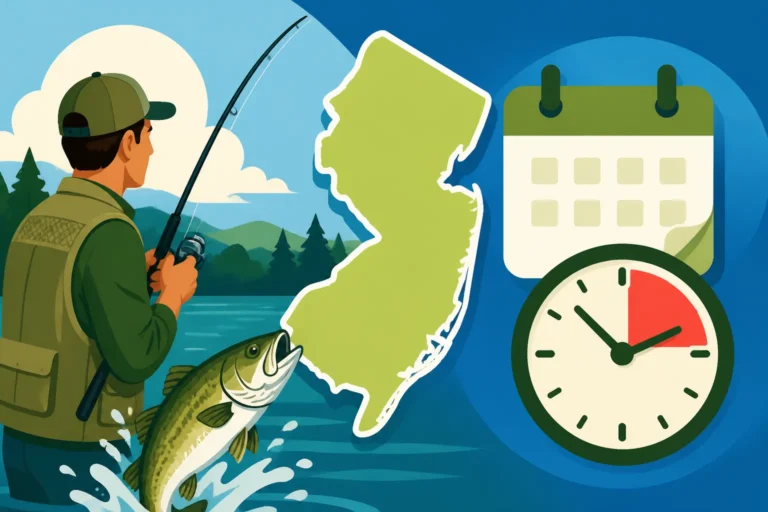
When you're just visiting New Jersey, buying a full annual nonresident license might not make financial sense. That's where the 7-day and 2-day vacation fishing licenses come in incredibly handy. These short-term options are designed with the nonresident in mind, offering flexibility and affordability for brief angling excursions. They are specifically for freshwater fishing, so remember, the saltwater registry is still a separate, free requirement for marine adventures.
The New Jersey 7-Day Vacation Fishing License Explained is perfect if you're planning a week-long trip to the state, perhaps to enjoy some trout fishing in the Musconetcong River or target bass in Lake Hopatcong. It provides coverage for seven consecutive days from the date of purchase, allowing ample time to explore different spots. The cost is significantly less than an annual nonresident license, making it a budget-friendly choice. For an even shorter visit, say a quick weekend getaway, the New Jersey 2-Day Vacation Fishing License Explained is your go-to. Valid for two consecutive days, it's ideal for a Saturday and Sunday fishing spree without overpaying. These options are easy to purchase online or from any authorized license agent.
These temporary licenses truly simplify things for the occasional visitor. Imagine you're staying at a vacation rental near a great freshwater lake for a few days; instead of shelling out for a full year, you can grab a 2-day pass and be on your way. It’s practical, convenient, and ensures that even short-term visitors can enjoy New Jersey’s freshwater bounty legally.
Short-Term Needs vs. Annual Commitment
Deciding between a short-term vacation license and an annual nonresident license boils down to how often you anticipate fishing in New Jersey throughout the year. For most nonresidents, the choice is fairly straightforward, but it's worth doing a quick calculation to ensure you're getting the best value. It's easy to jump to conclusions, but a moment of planning can save you money.
If you know for certain that you'll only be making one trip to New Jersey in a calendar year, and that trip will be less than seven days, then opting for the 2-day or 7-day vacation license is almost always the more economical choice. For example, if the annual nonresident license costs $40 and a 7-day license is $20, a single week-long trip clearly favors the short-term option. This is the beauty of having these flexible choices available; they prevent you from overspending for minimal use. You can easily find these options when you go to Where and How to Buy a New Jersey Fishing License.
However, if you're a nonresident who plans on making multiple trips to New Jersey throughout the year, perhaps a spring bass trip, a summer trout excursion, and a fall crappie chase, then purchasing an annual nonresident license upfront will likely save you money in the long run. Two 7-day licenses ($40 total) already equal the cost of a single annual license, so any third trip would mean you'd have saved by buying the annual pass. It's a simple break-even analysis that can guide your decision. Many experienced nonresident anglers who frequently visit New Jersey often opt for the annual pass right away to avoid repeated purchases and maximize their flexibility. Consider your fishing habits and plan accordingly to ensure your fishing adventures are both enjoyable and cost-effective.
Age, Senior, and Disabled Angler Exemptions
New Jersey's fishing regulations aren't just about residents versus nonresidents; they also take into account certain demographics, providing exemptions or reduced rates for specific groups. These considerations are a thoughtful way to encourage participation, support accessibility, and acknowledge the contributions of different members of the community. However, it's critical to understand that even within these special categories, residency can still play a role, creating another layer of detail for anglers to navigate.
Fishing License Requirements for Kids and Youth Anglers
This is probably one of the most frequently asked questions, and thankfully, it’s also one of the simplest to answer, regardless of residency: Do Kids Need a Fishing License in New Jersey? The good news is, generally speaking, no, kids and youth anglers under a certain age do not need a fishing license in New Jersey. This policy is fantastic for families, making it incredibly easy to introduce children to the joys of fishing without any bureaucratic hurdles or added costs. It's all about fostering a love for the outdoors from a young age.
Specifically, any person under the age of 16 is exempt from needing a freshwater fishing license or a trout stamp. This applies equally to both New Jersey residents and nonresidents. So, if you're visiting from out of state with your 12-year-old, they can fish alongside you in freshwater without any additional permits beyond your own. This exemption is a wonderful initiative to get more youngsters involved in the sport, making family fishing trips much more accessible. Just make sure that if you, the accompanying adult, are 16 or older, you have the proper licenses and stamps for yourself.
While kids don't need a license, they are still subject to all other fishing regulations, such as bag limits, size limits, and season dates. It's the adult's responsibility to ensure that any fish caught by a minor comply with these rules. It's also worth noting that while they don't need a license, the free New Jersey Saltwater Registry Program Requirements still apply to anyone fishing in saltwater, regardless of age. So, for a child heading out on a party boat for fluke, an adult should ensure they are registered, even if they don't need a formal license.
Senior Citizen Rules: Where Residency Matters Significantly
When it comes to senior citizens, New Jersey offers some truly beneficial programs, but this is an area where the resident vs. nonresident distinction becomes critically important again. Many states have senior discounts, but New Jersey's program is particularly generous for its long-time residents. This is often a source of frustration for nonresidents who may be seniors themselves but don't qualify for the same benefits.
For New Jersey residents who are age 65 through 69, the state offers a significantly reduced-cost annual fishing license. This is a fantastic perk for those who have spent years contributing to the state and now want to enjoy their golden years on the water. However, the real game-changer comes for New Jersey residents who are age 70 and older. These anglers are completely exempt from needing a freshwater fishing license or a trout stamp. Yes, you read that right: New Jersey Fishing Is Free for Anglers Age 70 and Older, provided they are state residents! They simply need to carry proof of age and residency, like a valid New Jersey driver's license.
Unfortunately, these generous senior exemptions do not extend to nonresidents. A nonresident senior, regardless of their age, must purchase the appropriate nonresident annual or vacation fishing license, as well as any necessary stamps like the trout stamp. This is often a point of disappointment for visiting seniors who might receive similar benefits in their home states. It emphasizes that these programs are designed to benefit New Jersey's own long-term residents. Therefore, if you're a senior planning a fishing trip to New Jersey from out of state, always factor in the nonresident license cost, as you won't qualify for the resident senior discounts or exemptions. You can learn more by reading about Do Seniors Need a Fishing License in New Jersey? and Fishing License Exemptions for Anglers 70 and Older in New Jersey.
Provisions for Disabled Anglers
New Jersey is committed to making fishing accessible to everyone, and that includes specific provisions for disabled anglers. These programs aim to reduce barriers and ensure that individuals with disabilities can enjoy the therapeutic and recreational benefits of fishing. Similar to senior benefits, these provisions are primarily directed towards New Jersey residents, though nonresidents should still be aware of what's available.
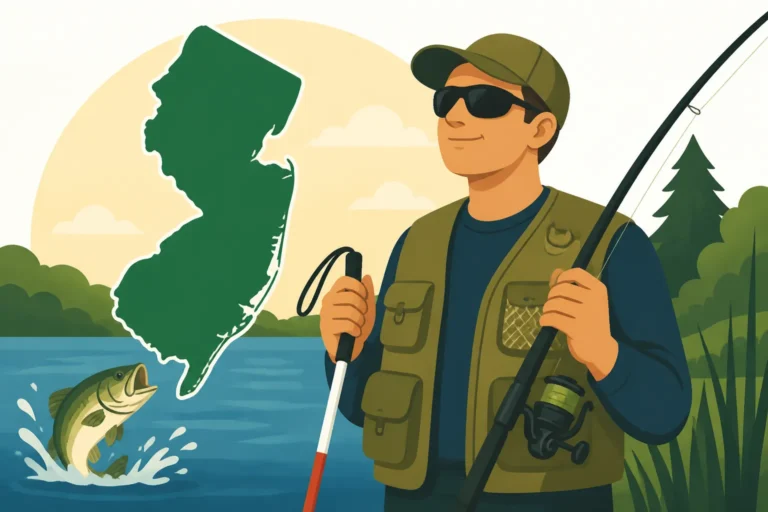
For New Jersey residents with certain permanent disabilities, the state offers discounted or even free fishing licenses. For instance, anglers certified as blind or visually impaired are eligible for a free license. There are also specific rules and benefits for disabled veterans. New Jersey Disabled Veteran Fishing License Rules offer significant advantages, often providing free licenses to residents who are honorably discharged veterans with a service-connected disability. To qualify, documentation from the U.S. Department of Veterans Affairs or the New Jersey Department of Military and Veterans Affairs is typically required.
While these generous benefits are mainly for New Jersey residents, it's worth noting for nonresidents that their home state might offer similar programs that could apply to them. However, when fishing in New Jersey waters, nonresident disabled anglers generally need to purchase the appropriate nonresident license. If you have a disability and are unsure about your eligibility for any special provisions, your best course of action is to contact the NJDEP Fish & Wildlife directly. They can provide the most accurate and up-to-date information based on your specific circumstances and help you ensure you have the correct documentation.
Common Pitfalls and How to Avoid Them
Even the most seasoned angler can occasionally overlook a regulation, leading to a frustrating and costly encounter with law enforcement. When you add the complexities of resident versus nonresident rules, plus the various stamps and registrations, it becomes even easier to make a mistake. Being aware of these common pitfalls can save you a lot of grief and ensure your time on the water remains enjoyable. Nobody wants their fishing trip to end with a fine, and a little knowledge goes a long way in preventing that.
The Dangers of Misrepresenting Residency
One of the gravest errors an angler can make is knowingly misrepresenting their residency status to purchase a cheaper license. This isn't just a simple mistake; it's a serious offense that can carry significant penalties. Whether you're a nonresident trying to pass as a resident or a new resident who hasn't yet met the six-month dwelling requirement, the consequences can be severe. It's a tempting shortcut for some, but the risks far outweigh any potential savings.
Conservation Police Officers (CPOs) are trained to spot discrepancies and verify residency. They conduct routine checks, and if you're found to have purchased a resident license without meeting the strict criteria, you could face hefty fines, court appearances, and potentially even the revocation of your fishing privileges in New Jersey for a period of time. These penalties can escalate, especially for repeat offenders. It's a prime example of why understanding New Jersey Conservation Police and License Checks is so important. It simply isn't worth the risk to save a few dollars. Always be honest and ensure you meet all the legal requirements for the license you purchase. If you're caught, the Penalties for Fishing Without a License in New Jersey extend beyond just the cost of the license you tried to save.
If you are genuinely unsure of your residency status, the best course of action is always to err on the side of caution and purchase a nonresident license, or contact the NJDEP Fish & Wildlife for clarification. It's far better to pay a little more than to face legal repercussions. The rules are in place to manage and conserve New Jersey's natural resources, and respecting them is part of being a responsible angler.
Forgetting Your Saltwater Registry or Trout Stamp
Even if you've got your primary fishing license sorted, it's easy to overlook the additional requirements like the saltwater registry or the trout stamp. These aren't always part of the main license purchase flow, leading many anglers to mistakenly believe they're fully compliant when they aren't. This oversight is incredibly common and often results in perfectly well-intentioned anglers receiving citations.
Forgetting your New Jersey Trout Stamp Requirements Explained is a frequent issue, especially for those who primarily fish for other species and then decide to try their hand at trout. If you're fishing for or are in possession of trout in freshwater, that stamp is mandatory, regardless of your residency. It's a separate purchase, typically a small fee, and without it, even with a valid freshwater license, you're in violation. It's like having a driver's license but forgetting your registration for a specific type of vehicle.
Similarly, the New Jersey Saltwater Registry Program Requirements often slips people's minds because it's free and not a traditional "license." However, it is mandatory for all saltwater fishing. Whether you're casting from a pier, surf fishing, or heading out on a charter boat, you need to be registered. Many anglers, especially nonresidents, might think their home state's saltwater license covers them, but New Jersey's registry is a separate, state-specific requirement. Make it a habit: if you're hitting freshwater, think "license + trout stamp if needed"; if you're heading to saltwater, think "saltwater registry." And always be ready to show proof, whether digital or physical, as detailed in Carrying Proof of Your New Jersey Fishing License.
Reciprocal Agreements with Neighboring States
Fishing doesn't always stop at state lines, especially in areas where rivers or large bodies of water form a natural boundary between New Jersey and its neighbors. Recognizing this, New Jersey has established reciprocal agreements with certain states, allowing anglers to fish in shared waters with a single, valid license from either state. These agreements are a blessing for anglers who live near borders, but they come with specific nuances that are crucial to understand. It’s not a blanket pass; there are defined boundaries and conditions.
Fishing the Delaware River with Pennsylvania
The Delaware River is a prime example of shared fishing waters, forming a significant border between New Jersey and Pennsylvania. For anglers, this presents a unique situation, as you might literally be casting into waters that belong to a different state. Thankfully, reciprocal agreements are in place to simplify things, but they don't cover the entire length of the river or all scenarios. Understanding New Jersey Reciprocal Fishing Waters With Pennsylvania is essential.
Generally, if you possess a valid fishing license from either New Jersey or Pennsylvania, you are legally permitted to fish from a boat or from either shoreline in the tidal and non-tidal main stem of the Delaware River that forms the boundary between the two states. This is fantastic news for anglers on both sides, making it easy to enjoy the river's abundant smallmouth bass, shad, and other species. For example, if you're a New Jersey resident with your state's freshwater license, you can fish the Pennsylvania side of the Delaware, and vice-versa. However, these agreements typically do not extend to the tributaries of these rivers. If you decide to venture into a creek or stream that flows into the Delaware River, you must have the license for the state that tributary is located in. So, if you're fishing a Pennsylvania tributary, you'll need a Pennsylvania license, even if you have a New Jersey one.
It’s also important to remember that while the license is reciprocal, other state-specific regulations like bag limits, size limits, and season dates might differ depending on which side of the river you are on or which state's regulations are enforced for that specific body of water. Always check the most current regulations for both states if you plan to fish near the border to avoid any surprises. The nuances are vital for a smooth experience.
Waters Shared with New York
Just like with Pennsylvania, New Jersey shares some waters with its northern neighbor, New York, and reciprocal agreements are in place to facilitate fishing for residents of both states. The most notable example is Greenwood Lake, a large, picturesque body of water that straddles the border. These agreements are designed to make fishing more accessible, but again, they have their specific conditions. For a deeper dive into these agreements, look into New Jersey Reciprocal Fishing Waters With New York.
For Greenwood Lake, if you have a valid fishing license from either New Jersey or New York, you are permitted to fish the entire lake, regardless of which side you launch from or where you intend to fish. This means a New Jersey resident with a New Jersey fishing license can fish the New York portion of Greenwood Lake, and a New York resident with a New York license can fish the New Jersey side. This simplifies things immensely for anglers who frequent this beautiful shared resource, known for its muskie, bass, and crappie fishing.
However, similar to the Delaware River, these reciprocal agreements generally do not apply to tributaries or other bodies of water entirely within one state. If you decide to fish a stream flowing into Greenwood Lake that is entirely within New Jersey, you'd need a New Jersey freshwater license. Likewise, a New York license wouldn't cover you for fishing in a lake entirely within New Jersey, even if it's just a few miles from Greenwood Lake. Always be mindful of the precise boundaries covered by these agreements. Additionally, while the license is reciprocal, fishing regulations for specific species (bag limits, size limits) might still vary between New Jersey and New York for Greenwood Lake, so it's always prudent to consult both states' fishing digests to ensure full compliance. This vigilance can prevent any misunderstandings with law enforcement.
Where to Purchase and How to Carry Your License
Once you've determined your residency, chosen the correct license, and accounted for any necessary stamps or registries, the final step is actually acquiring your license and understanding how to properly carry it. New Jersey has made the process increasingly convenient, offering multiple avenues for purchase. However, knowing how to properly display or present your license is just as important as having it in the first place. You don't want to get caught off guard when a Conservation Police Officer asks to see your paperwork.
Online, Retailers, and License Agent Locations
In today's digital age, obtaining your New Jersey fishing license has never been easier. The most convenient method for many anglers is purchasing it directly online through the NJDEP Fish & Wildlife website. This allows you to buy your license from the comfort of your home, 24/7, and immediately print it out or save it to your mobile device. It's quick, efficient, and often the preferred method for tech-savvy anglers. You can even find detailed instructions on How to Buy a New Jersey Fishing License Online.
For those who prefer a more traditional approach or need to pick up some bait and tackle at the same time, licenses are also available at hundreds of authorized license agents across the state. These typically include sporting goods stores, bait and tackle shops, and some larger retail chains. Popular spots like many Walmart locations and other local shops serve as convenient points of sale. It's a great opportunity to ask local experts for fishing tips and pick up any last-minute gear you might need. The staff at these locations are usually very knowledgeable about the various license types and can help you ensure you purchase exactly what you need. Many anglers appreciate the personal touch and immediate gratification of walking out with a physical license in hand. Before your trip, it's a good idea to check for Retailers That Sell New Jersey Fishing Licenses, Including Walmart near your fishing destination. While browsing for licenses, you might also find handy items like waterproof phone cases or compact first-aid kits on Amazon, which can be useful additions to your fishing pack.
Digital vs. Physical Proof and ID Requirements
Once you've purchased your license, the next critical step is ensuring you can properly present it if requested by a Conservation Police Officer. New Jersey offers flexibility here, recognizing the shift towards digital documentation. However, it comes with a few caveats that anglers should be mindful of.
You are generally permitted to carry either a printed copy of your license or a digital copy displayed on your smartphone or other mobile device. This flexibility is a huge convenience; no more worrying about losing a paper license or forgetting it at home. Many anglers prefer to keep a digital copy readily accessible on their phones, perhaps even a screenshot, as discussed in Showing a New Jersey Fishing License on Your Phone. However, if you opt for the digital route, ensure your phone is adequately charged, and the screen is clear and readable. A dead battery or a cracked screen that obscures information won't cut it. It's always a good practice to have a backup, whether it's a small printed copy or a portable charger for your phone.
Regardless of whether your license is digital or physical, you must also be able to provide photo identification to verify your identity. This is especially true when proving residency or age for special licenses like senior exemptions. Your valid driver's license or state-issued ID card is typically sufficient. The CPO needs to confirm that the person holding the license is, in fact, the person to whom it was issued. So, always keep your photo ID handy along with your fishing license. Some anglers even carry a small, waterproof pouch (which you can easily find on Amazon) to protect both their ID and any paper copies of their license and regulations. This dual requirement for license and ID helps maintain the integrity of the licensing system and ensures that everyone is fishing legally.
Disclaimer
Please remember that fishing regulations, costs, and requirements can change. While this guide is compiled with the most current information available, it is essential to always consult the official New Jersey Department of Environmental Protection (NJDEP) Fish & Wildlife website or their annual Fish and Wildlife Digest for the absolute latest regulations before heading out to fish. This guide is for informational purposes only and should not be considered legal advice.