New Jersey Trout Stamp Requirement for Stocked Lakes
It's incredibly frustrating when you're just trying to enjoy a peaceful day of fishing in New Jersey, but you're constantly worried if you have all the right paperwork. The rules around fishing licenses and stamps can feel like a tangled mess of lines, especially when it comes to something specific like a trout stamp for stocked lakes. This guide is here to untangle that confusion, clearly explaining exactly when and why you need a New Jersey trout stamp, particularly for those popular stocked waters, and what you need to do to stay compliant.
Understanding the New Jersey Trout Stamp and Its Purpose
Many anglers new to New Jersey's waters, or even seasoned veterans who haven't targeted trout specifically, often wonder why there's a separate "trout stamp" in addition to their regular fishing license. It feels like an extra hoop to jump through, doesn't it? Well, the truth is, it's a dedicated funding mechanism that directly supports the incredible trout stocking program here in the Garden State.
What Exactly is a Trout Stamp?
Think of the New Jersey trout stamp not just as another permit, but as your direct contribution to ensuring a vibrant and accessible trout fishery. Unlike a general fishing license which grants you permission to fish for most species in the state, the trout stamp is specifically required when you intend to fish for, take, or possess trout. This means if you're out there casting for trout, even if you plan to release every single one, you need this stamp. It's a small fee that goes a long way. The New Jersey Fish and Wildlife division relies heavily on these funds to purchase and raise hundreds of thousands of trout each year, which are then meticulously stocked into dozens of rivers, streams, and lakes across the state. Without these stamps, our robust trout program, which provides so many fantastic fishing opportunities, simply wouldn't be possible.
Why a Separate Stamp for Trout Fishing?
The reason for a separate stamp boils down to financial practicality and conservation. Trout stocking is an expensive endeavor. From the costs of operating hatcheries like the Pequest Trout Hatchery, to the feed, labor, and transportation involved in raising and distributing these fish, it all adds up. By having a dedicated trout stamp, the state ensures that the financial burden of this specific program is primarily borne by those who directly benefit from it – trout anglers. This allows the general fishing license fees to support a broader range of fisheries management and conservation efforts across all species and habitats. It's a system designed to keep the program self-sustaining and focused, directly linking your investment to the specific fishery you're enjoying. Plus, it helps regulate the pressure on these stocked waters by ensuring anyone targeting these fish is officially accounted for and contributing. This is part of the larger framework of the New Jersey Trout Stamp Requirements Explained, which details all aspects of this critical program.
Who Needs a New Jersey Trout Stamp for Stocked Lakes
This is where many anglers get tripped up, especially regarding specific bodies of water. The rule of thumb is quite clear: if you are fishing for trout in any designated "trout water" – and that absolutely includes the popular, often heavily stocked lakes and ponds – and you are 16 years of age or older, you need a trout stamp. There are a few nuances and exemptions, but let's dive into the common scenarios.
Anglers 16 and Older
For most adult anglers, the requirement is straightforward. If you're 16 years old or more and you're targeting trout in a stocked lake, a trout stamp is mandatory. This is true whether you're trying your luck at Lake Hopatcong, Round Valley Reservoir, or any of the numerous other lakes that receive regular trout stockings from the state. It doesn't matter if you're a seasoned fly fisherman with specialized gear you picked up from a local tackle shop or an online retailer like Amazon, or if you're just dropping a worm under a bobber for fun. The intention to fish for trout in those waters dictates the need for the stamp. It’s a distinct requirement from your general fishing license. If you're wondering, "Do Kids Under 16 Need a License to Fish in New Jersey?", the answer is generally no for the main license, and consequently, no for the trout stamp either, as it piggybacks on the main license age requirements.
It’s easy to forget about the stamp if you primarily fish for other species and then decide to try for trout on a whim. Always check the regulations for the specific waters you're fishing. Many lakes are designated as "Trout Stocked Lakes Stay Open During New Jersey's Preseason Closure," but this doesn't waive the stamp requirement once the season opens or during legal fishing times when trout are present and being targeted.
Resident vs. Non-Resident Requirements
The good news is that the requirement for a trout stamp applies equally to both New Jersey residents and non-residents. There's no special exemption for out-of-state anglers in this regard. If you're visiting from Pennsylvania or New York and plan to fish for trout in a New Jersey stocked lake, you'll need both a non-resident New Jersey fishing license and a non-resident trout stamp. The cost might differ slightly between resident and non-resident options, which is detailed in guides like New Jersey Trout Stamp Cost for Residents and Nonresidents, but the legal obligation to possess the stamp remains the same. It's crucial for non-residents to understand that their home state's fishing license or trout stamp is not valid in New Jersey waters, even if there's reciprocity for general fishing in certain border areas like the Delaware River.
Exemptions and Special Circumstances
While the general rule is clear, there are a few important exceptions and scenarios to be aware of:
- Anglers Under 16: As mentioned, if you are under 16 years of age, you are exempt from needing a trout stamp, just as you are exempt from needing a general fishing license. This is a wonderful initiative to encourage youth participation in fishing, making it easier for families to introduce kids to the sport without added financial barriers.
- Anglers 70 and Older: New Jersey offers significant exemptions for senior anglers. If you are 70 years of age or older, you are not required to purchase a New Jersey fishing license, and by extension, you do not need a trout stamp either. This means "New Jersey Fishing Is Free for Anglers Age 70 and Older", which is a fantastic benefit for our elder angling community, recognizing their years of contributions and supporting their continued enjoyment of the outdoors.
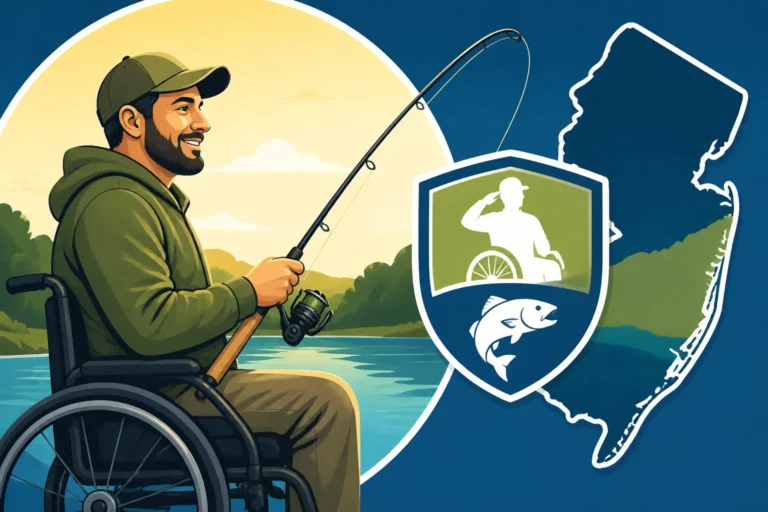
- Disabled Anglers: New Jersey also has provisions for disabled resident anglers, who may be eligible for a free fishing license, which would then also exempt them from the trout stamp requirement. Specific documentation of disability is required for these exemptions, and it's always best to contact the New Jersey Fish and Wildlife for the most up-to-date information on eligibility and application procedures.
- Private Ponds: If you are fishing a completely private pond that is not connected to public waterways and is not stocked by the state, you generally do not need a state fishing license or trout stamp. However, these situations are often rare and can be complex. If there's any doubt, or if the water is part of a larger system, it’s always safest to assume state regulations apply.
For a broader understanding of all the rules, refer to the New Jersey Freshwater Fishing Regulations Every Angler Should Know, which covers everything from general licenses to specific species regulations.
Here's a quick reference table to help clarify who needs a trout stamp in New Jersey:
| Angler Category | Age | General Fishing License Required? | Trout Stamp Required (for trout waters)? | Notes |
|---|---|---|---|---|
| Resident Adult | 16-69 | Yes | Yes | Most common scenario. |
| Non-Resident Adult | 16-69 | Yes | Yes | Requires non-resident general license and trout stamp. |
| Youth | Under 16 | No | No | Encourages youth participation. |
| Senior Resident | 70 and older | No | No | Fishing is free for this age group. |
| Disabled Resident | Any age (eligible) | No (with valid permit) | No (with valid permit) | Specific documentation required for free permit. |
| Private Pond | Any age | No (if truly private/non-stocked) | No (if truly private/non-stocked) | Verify pond status carefully; state waters almost always require. |
Where to Purchase and How to Carry Your Trout Stamp
Once you've determined you need a New Jersey trout stamp, the next step is getting one. It's a fairly simple process, thankfully, and there are several convenient ways to make your purchase. Making sure you have it properly on your person while fishing is just as important as having it in the first place, as New Jersey Conservation Police officers conduct regular checks to ensure compliance.
Convenient Purchase Options
The easiest and most common way to acquire your New Jersey trout stamp, along with your general fishing license, is online. The New Jersey Fish and Wildlife's website has a dedicated licensing portal where you can buy both licenses and stamps with just a few clicks. This allows you to print it right at home, which is incredibly convenient, especially if you decide on a last-minute fishing trip. You can also save a digital copy to your phone, though a physical copy is often preferred for proof. For a detailed walkthrough, check out "How to Buy a New Jersey Fishing License Online".
Beyond the digital realm, many local bait and tackle shops throughout New Jersey are authorized license agents. These are often invaluable resources, not just for licenses but for local fishing tips, bait recommendations, and the latest conditions. Big box retailers like Walmart often have sporting goods departments that can also issue licenses and stamps. When buying in person, you'll typically need to provide some form of identification.
Carrying Proof and Display Requirements
It’s not enough to simply purchase your trout stamp; you must have proof of it with you whenever you are fishing for trout. The easiest way to do this is to keep the printed copy of your license and stamp in a waterproof wallet or a secure pocket on your fishing vest. Many anglers find a small, waterproof holder, readily available on Amazon or at any tackle store, to be an essential piece of gear for protecting their documents. While some states allow showing a digital copy on your phone, having a physical printout is always the safest bet in New Jersey, particularly if your phone battery dies or you lose signal in a remote area.
Remember, the trout stamp is an endorsement on your primary fishing license. It's not a standalone document. So, when a conservation officer asks to see your license, they'll be looking for both your general fishing license and the trout stamp endorsement clearly visible on it. Failure to produce a valid license and stamp when required can result in penalties, which can include fines and even the suspension of fishing privileges. Understanding "What Happens If You Get Caught Fishing Without a License in New Jersey?" will certainly make you want to ensure you're always properly licensed and stamped.
The Impact of Your Trout Stamp: Conservation in Action
Beyond the legal requirements, it's important to understand the tangible positive impact your trout stamp has on New Jersey's aquatic ecosystems and recreational opportunities. It's more than just a fee; it's an investment in the future of fishing in the state.
Funding for Trout Stocking Programs
The primary and most direct benefit of trout stamp sales is the funding it provides for the state's extensive trout stocking program. Each year, the New Jersey Department of Environmental Protection (NJDEP), through its Division of Fish and Wildlife, stocks hundreds of thousands of trout across New Jersey. This includes various species, mainly rainbow trout, brown trout, and brook trout, ensuring a diverse and exciting fishery. These stockings occur in spring, fall, and even winter, providing year-round opportunities for anglers. Without the dedicated funds generated by trout stamps, the scale and success of these stocking efforts would be severely diminished, impacting fishing opportunities for countless enthusiasts. This vital program is often highlighted in the "New Jersey Trout Conservation Stamp Explained", emphasizing its role in maintaining our natural resources. Knowing "New Jersey Spring Trout Stocking Start Date" is exciting, and your stamp makes those dates possible!
Supporting Habitat and Management
While the most visible impact is the stocking of fish, the funds from trout stamps also indirectly support broader habitat management and research specific to coldwater fisheries. Maintaining healthy stream environments, monitoring water quality, and conducting scientific surveys to assess trout populations are all critical components of responsible fishery management. These efforts ensure that not only are there fish to catch, but that the environments they inhabit are healthy and sustainable. For instance, understanding "What Do Stocked Trout Eat?" helps biologists refine stocking strategies and evaluate the health of the aquatic food chain.
Your trout stamp, therefore, contributes to a holistic approach to trout management, ensuring that future generations of anglers can enjoy the same, if not better, fishing experiences. It’s a testament to the power of angler contributions directly impacting conservation outcomes, providing a clear example of how outdoor enthusiasts actively fund the resources they value. So, next time you're purchasing your trout stamp, remember you're not just buying a permit – you're investing in the vibrant future of New Jersey's trout fishing heritage. You can even find comprehensive fishing guides and detailed regulations manuals on Amazon that dive deeper into these conservation efforts.
Disclaimer
Please note that fishing regulations, including license and stamp requirements, can change. While every effort has been made to provide accurate and up-to-date information, it is ultimately the angler's responsibility to consult the official New Jersey Fish and Wildlife regulations prior to fishing. Always check the current year's New Jersey Fish and Wildlife Digest or their official website for the most precise and timely information.