New Jersey Boat Registration Requirements for Anglers
Getting out on the water in New Jersey, whether it's for a peaceful day of freshwater angling or a thrilling saltwater excursion, is a dream for many. But before you even think about dropping a line, there's a crucial step that often trips up even seasoned anglers: boat registration. Missing this vital piece of paperwork can turn a relaxing day into a frustrating encounter with law enforcement and costly fines. This comprehensive guide is here to unravel the complexities of New Jersey boat registration requirements, ensuring your vessel is legally ready for your next fishing adventure.
Why Boat Registration Matters for Anglers in New Jersey
It’s easy to feel like boat registration is just another bureaucratic hurdle designed to take your money, but for those of us who spend countless hours on New Jersey's beautiful waterways, it’s actually a pretty important system. It's not just about a sticker on your hull; it's about safety, accountability, and contributing to the very resources we cherish as anglers. The Division of Motor Vehicles (MVC) handles boat registration in the state, working in tandem with the New Jersey Department of Environmental Protection (NJDEP) and its Fish and Wildlife division to keep our waters safe and healthy.
More Than Just a Sticker: Safety and Law Enforcement
Imagine you're out on Barnegat Bay, the wind picks up, and suddenly you find yourself in a tricky situation. Or perhaps you witness another boat in distress. Registered vessels, with their unique identification numbers, are easily traceable. This helps the Coast Guard and local marine police respond quickly in emergencies, locating vessels and owners when every second counts. It's a system designed for everyone's safety, and while we all hope we never need it, it’s a comfort to know it's there.
Beyond emergencies, registration plays a critical role in enforcing maritime laws. Marine police can quickly identify vessels and their owners to address issues like reckless operation, environmental violations, or even fishing regulation infringements. As anglers, we want to ensure our waters are safe and respected, and proper registration helps maintain that order. It also ties into broader regulations; just like you need to understand the nuances of the New Jersey Saltwater Registry Explained, boat registration is another layer of responsibility that ensures everyone is playing by the rules.
Your Dollars at Work: Funding Waterways and Conservation
Let's face it, nobody loves paying fees, but the money collected from boat registrations in New Jersey goes right back into maintaining and improving our aquatic infrastructure. These funds help finance things like public boat ramps, navigation aids, environmental protection initiatives, and fish stocking programs. Think about the well-maintained ramps you use to launch your boat, or the clean waters where you hope to reel in a trophy striped bass or a hefty fluke. Your registration fee contributes directly to keeping those resources viable and accessible for all of us.
It’s a collective effort, really. By registering your boat, you’re not just complying with the law; you’re investing in the future of New Jersey fishing. These funds are crucial for the ongoing work of conservation agencies, ensuring that future generations can enjoy the same incredible fishing opportunities we do today. It's a small price to pay for the privilege of enjoying our state's diverse aquatic environments, from the serene freshwater lakes like Lake Hopatcong to the vast expanse of the Atlantic Ocean.
Do You Really Need to Register Your Angling Vessel in New Jersey?
This is where a lot of confusion can creep in. You might see someone on the lake in a small jon boat without numbers, or a kayaker paddling along a coastal bay. "Do I really need to register my boat?" is a question many New Jersey anglers ponder, especially if they have smaller vessels. The short answer is: it depends on your boat and how you propel it. The rules are pretty specific, and it's best to know them inside and out to avoid any unexpected trouble.
The Motorized Rule: When a Motor Means Registration
In New Jersey, the general rule of thumb is quite clear: any vessel that is mechanically propelled, regardless of its size, must be registered with the New Jersey MVC. This means if you have an outboard, inboard, stern drive, or even an electric trolling motor on your boat, it needs to be registered. It doesn't matter if it's a massive offshore center console or a tiny 10-foot jon boat that you use to fish for crappies in a local pond. If it has a motor, it needs a registration. This includes personal watercraft (PWCs) as well.
This can sometimes catch people off guard, especially those who primarily rely on paddling but occasionally attach a small electric motor for convenience. That little electric motor, as helpful as it is, instantly puts your vessel into the "must register" category. So, before you head out, double-check your setup. Ignorance of the law is not an excuse, and marine police officers in New Jersey are vigilant about ensuring all motorized vessels are properly documented. This includes ensuring your registration is current, much like understanding your New Jersey Fishing License Renewal Rules.
Common Exemptions and What They Mean for Kayak and Canoe Anglers
Now, for the good news for some of our more human-powered fishing friends! Not every vessel on New Jersey's waters needs to be registered. Generally, non-motorized vessels are exempt from registration requirements. This means if you're solely paddling a kayak, canoe, rowboat, or stand-up paddleboard, you typically do not need to register your vessel with the MVC. This is a huge relief for many kayak anglers, who appreciate the simplicity of just being able to launch and go.
However, there's a crucial caveat that we touched on earlier: if you add any form of mechanical propulsion to an otherwise exempt vessel, it then becomes subject to registration. So, if you decide to equip your fishing kayak with a small electric motor to cover more water or fight currents, you've just crossed the line into needing to register that kayak. Similarly, sailboats are exempt unless they also have an auxiliary motor. Understanding these nuances is essential, especially when you consider questions like Do Kayak Anglers Need a License in New Jersey? The answer for the license is typically yes if they're fishing, but for registration, it hinges on the motor. Always check the latest regulations to be certain, as rules can occasionally be updated.
Navigating the New Jersey Boat Registration Process
So, you've determined your boat needs to be registered. Don't worry, it's not as daunting as it might seem. The process is pretty straightforward if you know what to expect and have all your documents in order. The New Jersey MVC is the agency responsible for boat registrations, and they've streamlined the process as much as possible, offering both online and in-person options. Just like learning How to Buy a New Jersey Fishing License Online, familiarity with the digital process can save you a trip.
Getting Your Ducks in a Row: Essential Documents and Information
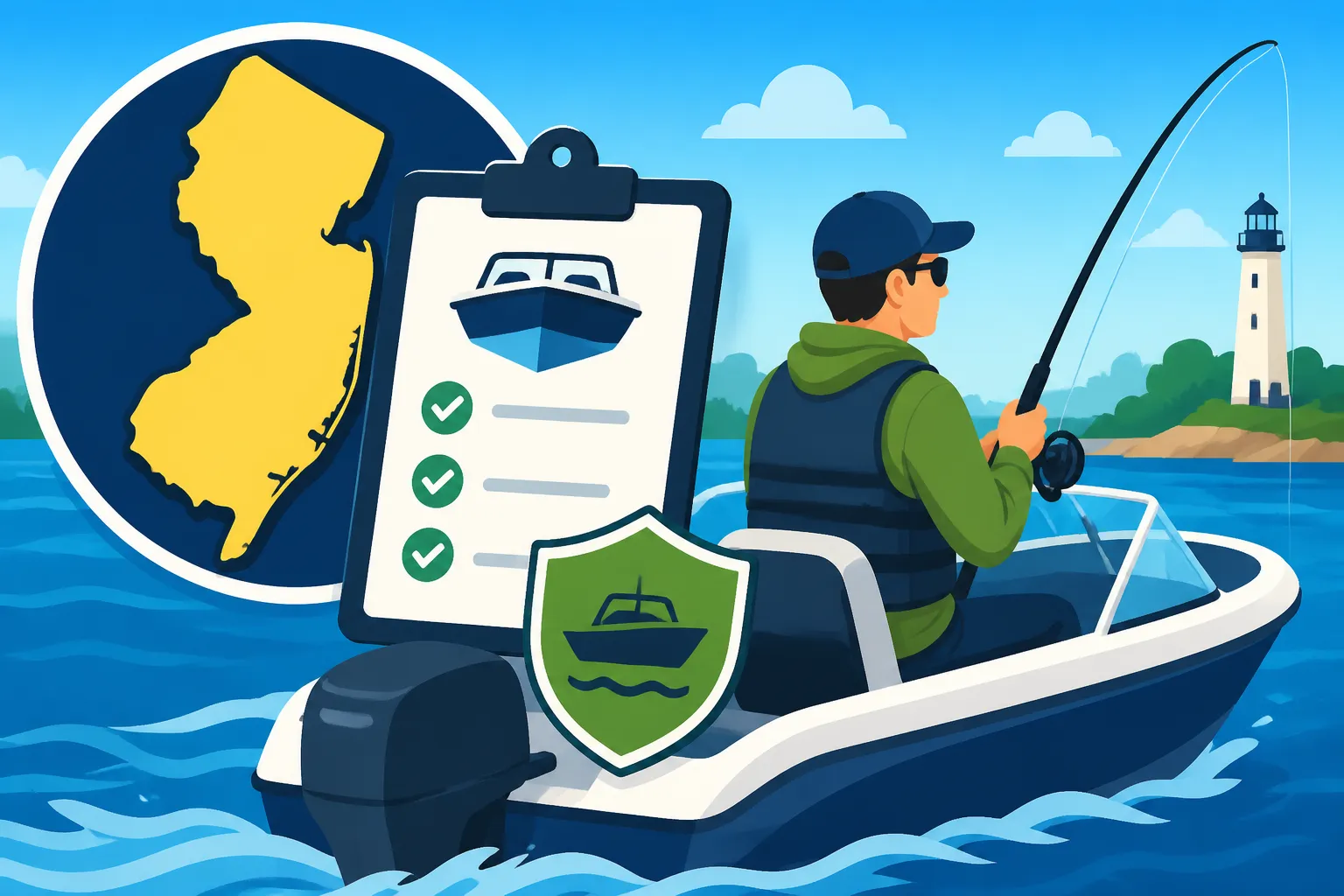
Before you even think about filling out forms, gather all the necessary paperwork. This will save you a ton of time and prevent frustrating delays. Here’s a checklist of what you'll typically need:
- Proof of Ownership: This is paramount. If it’s a new boat, you’ll need a Manufacturer’s Statement of Origin (MSO) or Certificate of Origin. For a used boat, you’ll need the original title, or a bill of sale if the boat isn’t titled (which is common for smaller vessels). Ensure the bill of sale includes the hull identification number (HIN), make, model, year, and purchase price, along with the buyer's and seller's signatures.
- Proof of Sales Tax Payment: If you purchased the boat from a dealer, sales tax is usually handled at the point of sale. If it was a private sale, you might need to pay the sales tax directly to the MVC.
- Identification: A valid driver's license or state-issued ID.
- Vessel Information: You'll need the boat's length, make, model, hull identification number (HIN), year of manufacture, and engine details (make, horsepower, and serial number).
- Fees: Be prepared for the registration fee, which varies based on the length of your boat.
It’s always a good idea to visit the official New Jersey MVC website or call them directly for the most current list of required documents, as requirements can sometimes change. Having everything organized in advance will make the application process much smoother. Many boaters find it helpful to keep all their boat-related documents, including their registration, insurance, and fishing license, in a waterproof bag on board. You can find excellent waterproof document bags on Amazon that keep everything safe and dry.
The Application Journey: From Online to In-Person
Once you have your documents ready, you have a couple of options for applying for your New Jersey boat registration.
Online Application: For many, the most convenient method is through the NJ MVC's online portal. This is often available for renewals and sometimes for initial registrations if all conditions are met, such as if your boat has been previously registered in the state or you are simply renewing. You'll upload your documents, pay the fees, and await your registration. This method is quick and efficient, assuming you have good scans of all your required papers.
In-Person at an MVC Agency: If it's your first time registering a boat, especially if it's a new purchase or transferred from out-of-state, you'll likely need to visit a New Jersey Motor Vehicle Commission agency in person. This allows MVC staff to review all original documents and ensures everything is processed correctly. While it might take a bit longer, it guarantees accuracy, and you can ask any questions you might have about the process. They'll issue you a temporary registration right away, and your permanent registration and decals will be mailed to you. Make sure to check the MVC website for agency locations and hours, and consider going during off-peak times to minimize wait times.
Displaying Your Registration: Numbers, Decals, and the Law
Once your boat is registered, you'll receive a registration certificate, registration numbers, and a validation decal. These aren't just for show; they are legally required to be displayed correctly.
Registration Numbers: Your unique registration numbers must be displayed on both sides of the forward half of the hull. They need to be in block letters, at least three inches high, and in a contrasting color to the hull. There must be a space or hyphen between the letters and numbers (e.g., NJ 1234 AB or NJ-1234-AB). This ensures they are easily readable by marine police from a distance. You can buy pre-cut vinyl numbers on Amazon, or at most marine supply stores, that comply with these requirements.
Validation Decal: The annual (or biennial) validation decal indicates that your registration is current. This decal must be displayed on the port (left) side of the boat, preceding the registration numbers. The placement is crucial for quick visual verification by authorities.
Registration Certificate: You must carry the actual registration certificate onboard your vessel whenever it is in operation. This is similar to needing to carry proof of your New Jersey Fishing License. Keep it in a waterproof container, easily accessible, as marine police frequently conduct compliance checks. Not having it on board can lead to a fine, even if your boat is properly numbered and decaled.
Having your vessel clearly marked and carrying your documents demonstrates responsible boat ownership and helps avoid unnecessary interactions with law enforcement. It’s all part of ensuring a smooth and enjoyable time on the water.
Keeping Your New Jersey Boat Registration Shipshape
Just like any other official document, your boat registration isn't a one-and-done deal. It requires periodic renewal to remain valid. Staying on top of your renewal cycle and understanding potential penalties for non-compliance are critical for continuous, worry-free boating and fishing in New Jersey. Don't let an expired registration ruin an otherwise perfect day on the water.
Understanding the Two-Year Renewal Cycle
Unlike fishing licenses which are typically annual, New Jersey boat registrations are generally valid for two years. This biennial cycle means you don't have to think about it quite as often, but it also makes it easier to forget. The expiration date is printed on your registration certificate and decal. The MVC usually sends out renewal notices well in advance of the expiration date, often through postal mail or email if you've opted for electronic communications.
It’s a good practice to mark your calendar or set a reminder on your phone for your boat registration renewal date. Don't rely solely on the MVC's reminder, as mail can sometimes get lost, or emails might end up in spam folders. Renewing your registration is typically a simpler process than the initial application, often handled online or by mail, especially if none of your vessel's information has changed. Keeping your personal contact information up-to-date with the MVC is also important to ensure you receive those vital renewal notices.
Avoiding Unwanted Trouble: Penalties for Non-Compliance
Operating an unregistered or improperly registered vessel in New Jersey can lead to some significant headaches and financial penalties. The New Jersey Conservation Police and other marine law enforcement agencies are authorized to issue citations for violations of boating regulations.
Fines: The specific fine for an unregistered boat can vary, but it's generally a pretty hefty sum, easily costing hundreds of dollars. This is a lot more than the actual registration fee, so it really pays to stay current. These penalties can escalate if there are multiple offenses or if the unregistered vessel is also involved in other violations, like reckless operation or fishing without the proper licenses or adhering to bag and size limits.
Court Appearances: In some cases, you might not just get a ticket; you could be required to appear in municipal court, adding further inconvenience and potential legal costs. Just like the potential Penalties for Fishing Without a License in New Jersey, it's a situation you definitely want to avoid.
Safety Inspections: An unregistered vessel might also attract closer scrutiny from law enforcement, leading to more frequent safety inspections. While safety checks are generally a good thing, they can cut into your fishing time. Ensure you have all required safety gear aboard your vessel, such as life jackets for everyone, fire extinguishers (if required for your boat's size and type), sound-producing devices, and visual distress signals. You can purchase essential marine safety equipment from reputable retailers like Bass Pro Shops or even directly through Amazon for convenience. Remember, a well-prepared and legally compliant boater is a happy boater.
By staying informed and adhering to these registration requirements, you're not just avoiding fines; you're contributing to a safer, more sustainable New Jersey fishing experience for everyone. Happy boating, and even happier fishing!
Disclaimer
The information provided in this guide is for general informational purposes only and does not constitute legal advice. While we strive to keep the information accurate and up-to-date, regulations can change. Always consult the official New Jersey Motor Vehicle Commission (MVC) website or contact them directly for the most current and specific boat registration requirements and regulations.