Why Does New Jersey Require Saltwater Registration Separately From a License?
It's a question many New Jersey anglers, especially those new to the state or just getting into fishing, find themselves asking: why do I need a separate saltwater registration when I already have a freshwater fishing license? It feels like extra paperwork, maybe even a bit redundant, and it can certainly be confusing trying to keep all the rules straight. The truth is, there are some very important, albeit sometimes complex, reasons behind this dual system, and understanding them can help you appreciate how New Jersey manages its diverse fisheries.
Understanding New Jersey's Dual System for Anglers
The core of the matter lies in the fundamentally different ways freshwater and saltwater ecosystems are managed, both biologically and historically. New Jersey, with its extensive coastline and numerous inland lakes, rivers, and streams, has a lot of ground to cover, or rather, water to manage!
The Core Difference: Freshwater vs. Saltwater Fishing
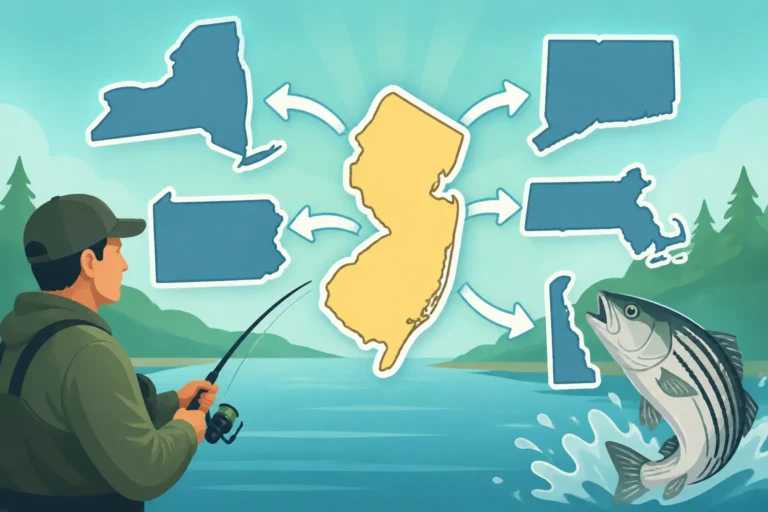
Think about it: the fish you're chasing in a quiet mountain stream or a sprawling lake are entirely different from the ones you're targeting off a pier in the Atlantic Ocean or in the bustling Barnegat Bay. These distinct environments support different species, face different ecological pressures, and require different conservation strategies. Freshwater fish like trout, largemouth bass, and perch live in environments that are often self-contained or part of specific river systems, making their populations relatively easier to monitor and manage within state borders. Saltwater species, on the other hand, like striped bass, fluke, and bluefish, are often highly migratory, traversing vast distances across state and even international waters. Their populations are influenced by a much broader range of factors, and their management often involves coordination with other states along the Atlantic coast.
Historically, fishing regulations in most states, including New Jersey, started with a focus on freshwater. Local populations and resources were the primary concern. Over time, as recreational saltwater fishing grew and technology advanced, the need for better data on marine species became glaringly apparent. This recognition is a major driver behind the separate systems we see today.
The Purpose of a Freshwater Fishing License
When you purchase a New Jersey freshwater fishing license, that fee isn't just a bureaucratic hurdle; it's a direct investment in the health and future of the state's inland fisheries. The funds generated from these licenses are primarily dedicated to supporting the New Jersey Department of Environmental Protection's (NJDEP) Division of Fish and Wildlife programs specifically tailored for freshwater environments. This includes critical initiatives like:
- Trout Stocking Programs: A significant portion of license fees goes towards raising and stocking hundreds of thousands of trout into New Jersey's streams and lakes each year. Without these funds, the vibrant spring and fall trout seasons, which bring so much joy to anglers, simply wouldn't be possible. If you've ever enjoyed a day fishing for trout, you've seen your license dollars at work!
- Habitat Restoration and Protection: Funds support projects that improve water quality, restore riparian buffers, and create better spawning grounds for species like bass and panfish. This ensures that the fish have healthy places to live and reproduce naturally.
- Biological Surveys and Research: Biologists regularly conduct surveys to assess fish populations, monitor their health, and understand their reproductive success. This scientific data is essential for setting appropriate catch limits and seasons, preventing overfishing, and ensuring sustainable angling opportunities.
- Public Access and Infrastructure: License fees also contribute to maintaining public access points, boat ramps, and fishing piers on freshwater bodies, making it easier for everyone to enjoy the sport.
In essence, your freshwater license fee directly sustains the very resources and infrastructure that make freshwater fishing in New Jersey possible and enjoyable. This is why when you check out at your local tackle shop or even on Amazon for new fishing gear, you might see books on New Jersey trout streams or bass lakes—these resources highlight the rich freshwater fishing opportunities supported by your license. If you're wondering about specific requirements, articles like New Jersey Freshwater Fishing Regulations Every Angler Should Know can provide a deeper dive into these rules.
Why Saltwater Registration Became Necessary in New Jersey
The shift towards requiring saltwater angler registration came about for very different reasons than the freshwater license. It wasn't primarily about generating revenue through fees, but rather about collecting crucial data to manage migratory marine species effectively.
The Federal Mandate and State Takeover
Back in 2010, the federal government established the National Saltwater Angler Registry. The intent was to collect recreational fishing effort data from all anglers fishing in federal waters (generally beyond three miles from shore) or for anadromous species like striped bass. This was a direct response to a recognized lack of comprehensive data on recreational saltwater fishing catches and effort, which made it incredibly difficult to accurately assess fish stocks and set sound management policies. Without good data, it's like trying to navigate a ship in a dense fog—you're just guessing where you're going.
New Jersey, like many other coastal states, faced a choice: either let the federal government manage the registry for its residents, or create its own state-run program. The state opted for the latter, launching the New Jersey Saltwater Recreational Registry Program. Why? Because New Jersey believed it could collect more granular, state-specific data that would be more relevant to its unique marine environment and angler base. They also had concerns about potential federal registry fees being imposed on their recreational anglers. By establishing its own free registry, New Jersey gained more local control and could better tailor the data collection to its specific needs, while also avoiding charging its residents a federal fee. You can learn more about this transition in Why New Jersey's Saltwater Registry Replaced the Federal Registry.
Data Collection for Marine Fisheries Management
This is where the saltwater registry truly shines and differs fundamentally from a fishing license. The primary purpose of the New Jersey Saltwater Recreational Registry Program is data collection. When you register, you become part of a vital information network that helps fisheries managers understand the scope and impact of recreational fishing along the Jersey Shore. This data isn't used to charge you more money; it's used to inform decisions that directly affect the seasons, size limits, and bag limits for popular species.
Here's what kind of data is collected and why it’s so important:
- Angler Effort: Knowing how many people are fishing and how often provides a clearer picture of the overall pressure on fish populations. Are more people fishing for fluke this year than last? This helps managers understand trends.
- Catch Rates: Through voluntary angler surveys (sometimes you might even get a call!), the state collects data on what species anglers are catching, how many, and how many they keep or release. This directly feeds into stock assessments.
- Species Targeted: Understanding which species are most popular helps allocate research and management efforts appropriately.
- Geographic Distribution: Where are anglers fishing? This helps identify key fishing grounds and potential areas of high impact.
This detailed, localized data is absolutely crucial for:
- Stock Assessments: Scientists use this information, combined with commercial catch data, to estimate the total number of fish in a particular stock (e.g., how many striped bass are out there). These assessments are the bedrock of sustainable fisheries management.
- Setting Regulations: Based on stock assessments, management bodies (like the Atlantic States Marine Fisheries Commission, or ASMFC, for migratory species) can then make informed decisions about bag limits, size limits, and season dates. This is how we get rules like the New Jersey Striped Bass Slot Limit Explained or the New Jersey Fluke Size Limit: 18 Inches. Without accurate recreational data, these regulations would be based on incomplete information, potentially leading to overfishing or unnecessary restrictions.
- Conservation and Sustainability: Ultimately, the goal is to ensure that marine fish populations remain healthy and abundant for current and future generations of anglers. The registry provides a tool to achieve this by giving managers the data they need to protect these precious resources. If you're a passionate angler, you probably want to ensure your kids and grandkids can enjoy fishing just as much as you do. The registry is a piece of that puzzle.
Benefits and Criticisms of the Separate Registration System
Like any regulatory system, New Jersey's dual approach to freshwater licenses and saltwater registration has its advantages and, of course, its fair share of angler frustrations.
How the System Benefits New Jersey Anglers and Fish Stocks
Despite the initial confusion, the separate saltwater registry offers several tangible benefits to New Jersey's fishing community and its marine ecosystems:
- Tailored Management: By running its own program, New Jersey can collect data that is highly specific to its local waters and unique fishing patterns. This allows state biologists to present a stronger case for regulations that truly reflect conditions off the Jersey coast, rather than being lumped in with data from, say, Florida or Maine. This local insight can lead to more appropriate and flexible management decisions for species like summer flounder (fluke), which can have different population dynamics in different regions.
- Enhanced State Control: Having a state-run registry means New Jersey has more direct control over how the data is collected, analyzed, and used. This can lead to a more responsive management system, where the state can react more quickly to local changes in fish populations or angler effort. It also means that New Jersey anglers contribute directly to New Jersey's management efforts, fostering a sense of ownership and responsibility.
- No Direct Cost to Anglers (for the registry itself): Crucially, the New Jersey Saltwater Recreational Registry is free. While a freshwater license requires a fee, the saltwater registry does not. This was a deliberate choice by the state to avoid burdening saltwater anglers with an additional cost on top of any federal mandates, while still achieving the critical data collection objective.
- Better Conservation Outcomes: Ultimately, the most significant benefit is improved conservation. Accurate data leads to better stock assessments, which in turn leads to more effective regulations. This helps prevent overfishing, protects vital marine habitats, and ensures that iconic New Jersey species like striped bass and fluke continue to thrive. This means more fish for everyone to catch in the long run.
Common Frustrations and Misconceptions
Despite the underlying benefits, it's completely understandable why anglers might feel frustrated by the separate registration system. Many common sentiments arise from a lack of clarity about why the system exists:
- "Double Dipping" Perception: The most common complaint is the feeling that the state is "double-dipping" or creating unnecessary bureaucracy by requiring both a license and a registration. Anglers often think, "If I already have a fishing license, why isn't that enough?" The key distinction, as we've discussed, is the purpose of each: one is a fee for freshwater management, the other is a free registration for saltwater data.
- Confusing Requirements: Navigating the rules can be a headache. Do you need one, the other, or both? Are there age exemptions? These questions lead to anxiety about accidentally breaking the law. For example, some might confuse the saltwater registry with the federal registry, or think it applies only to those on boats.
- "It's just more government bureaucracy": Some anglers view it as yet another layer of government oversight without understanding the crucial scientific data collection aspect. It's easy to get lost in the paperwork and miss the bigger picture of sustainable resource management.
It's important to remember that while the freshwater license costs money and supports specific programs, the saltwater registration is fundamentally about gathering intelligence to protect the fish populations we all love to pursue. It's designed to ensure long-term fishing opportunities, not just to add hurdles to your day on the water.
Navigating the New Jersey Fishing and Registry Requirements
Understanding the "why" helps, but knowing the "how" is just as crucial. Here's a practical breakdown to ensure you're always compliant, whether you're targeting brook trout in a mountain stream or stripers in Raritan Bay.
Who Needs What: Licenses and Registrations
The requirements depend entirely on where and for what species you plan to fish. It’s not one-size-fits-all, so pay attention!
Freshwater Fishing:
- License Required: If you are 16 years of age or older, you need a valid New Jersey freshwater fishing license to fish in any of the state's freshwater lakes, rivers, or streams. This includes catching species like largemouth bass, smallmouth bass, trout, crappie, catfish, and sunfish.
- Exemptions: There are specific exemptions, such as those fishing during New Jersey Free Fishing Days Explained or certain age categories. For instance, anglers 70 years of age and older are exempt from the freshwater fishing license requirement, though they still need a trout stamp if fishing for trout and some ID showing their age. Be sure to check Fishing License Exemptions for Anglers 70 and Older in New Jersey for full details. Also, young anglers under 16 generally do not need a license. See Do Kids Need a Fishing License in New Jersey? for more.
- Additional Stamps: If you plan to fish for trout, you'll also need a New Jersey Trout Stamp, regardless of your age (unless you're in an exempt category for the license itself, though the stamp rule for ages 16-69 typically still applies). Read up on New Jersey Trout Stamp Requirements Explained to make sure you're covered.
Saltwater Fishing:
- Saltwater Registry Required: If you are 16 years of age or older, you need to register with the New Jersey Saltwater Recreational Registry Program if you are:
- Recreationally fishing for marine fish species in New Jersey's marine and tidal waters.
- Fishing in federal waters (beyond three miles from shore) from a New Jersey port.
- Spearfishing, crabbing (using specific gear like crab pots or dredges, not just hand-lines), or harvesting baitfish in marine or tidal waters.
- Exemptions:
- Anglers under 16 years of age are exempt.
- Anyone fishing on a for-hire vessel (like a charter or party boat) that has already obtained a federal Highly Migratory Species (HMS) permit or a federal fishing permit that includes the NOAA Fisheries Angler Registry requirements is usually covered by the vessel's registration. However, it's always wise to confirm with the captain beforehand.
- Those who possess a valid marine fishing license from another state or federal registry that New Jersey recognizes as reciprocal are also exempt from registering with NJ.
Fishing Both Freshwater and Saltwater:
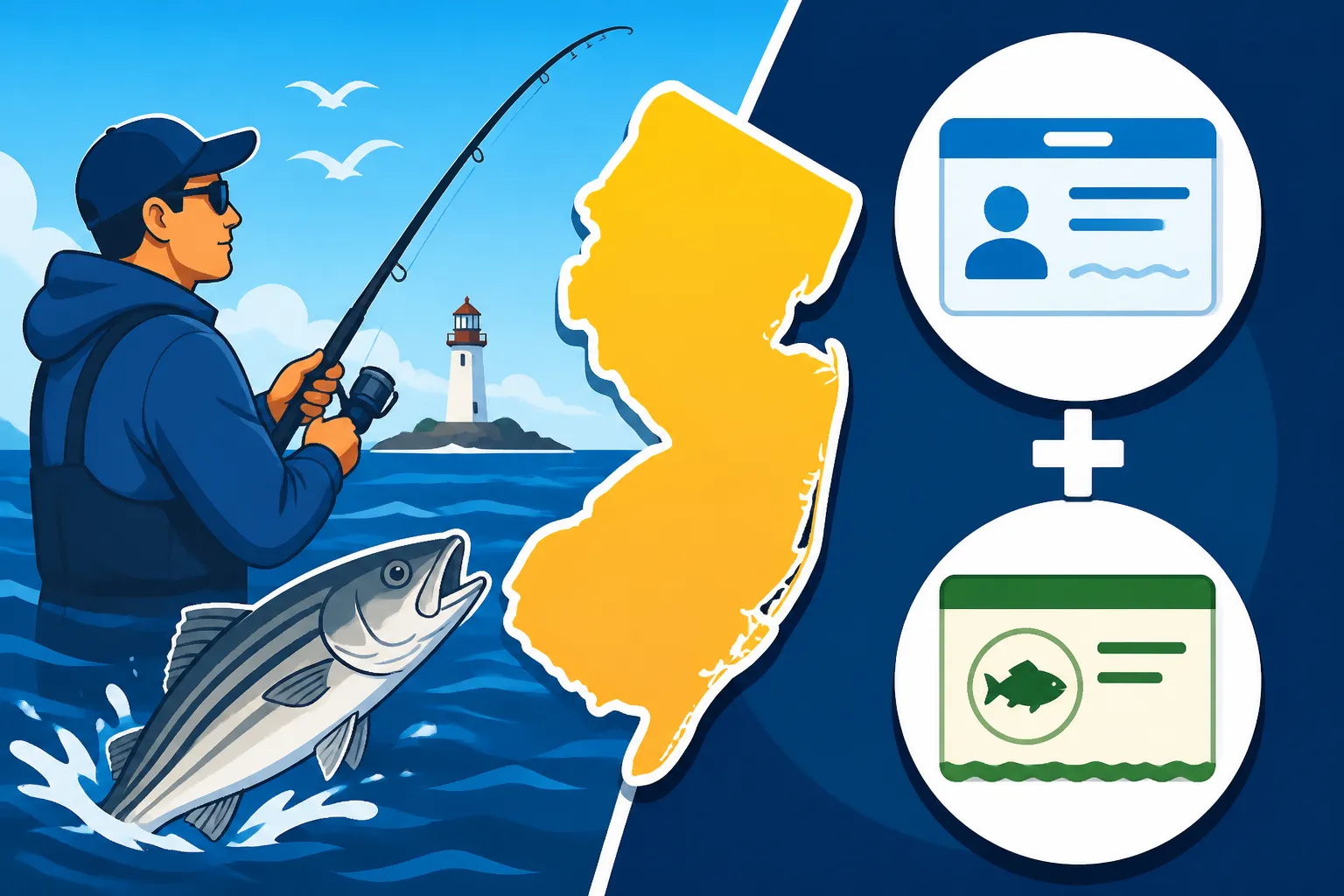
- If you're like many dedicated anglers and enjoy both freshwater and saltwater angling in New Jersey, then you'll need both a freshwater fishing license (if you're 16 or older and not exempt) AND a New Jersey Saltwater Recreational Registry (if you're 16 or older and not exempt). There is no "combination" license that covers both aspects in New Jersey; they are two distinct requirements for two distinct purposes. This is a common point of confusion, but understanding the separate management goals makes it clear why.
Here's a quick comparison table:
| Feature | New Jersey Freshwater Fishing License | New Jersey Saltwater Recreational Registry |
|---|---|---|
| Purpose | Funding freshwater fisheries management | Collecting data for marine fisheries management |
| Cost | Fee-based (varies by residency/age) | Free |
| Age Requirement | 16 and older (with exemptions) | 16 and older (with exemptions) |
| Waters Covered | Non-tidal freshwater lakes, rivers, streams | Tidal rivers, bays, estuaries, Atlantic Ocean |
| Required for | Catching freshwater fish (bass, trout, panfish) | Catching marine fish (striped bass, fluke, bluefish) |
| Additional Requirements | Trout Stamp for trout fishing | None (covers all marine species) |
| Proof Required | Yes (physical or digital) | Yes (physical or digital) |
Getting Your Saltwater Registry and Keeping Compliant
Fortunately, getting registered for saltwater fishing in New Jersey is a straightforward and free process. There's no cost, and it can be done quickly online.
- Head Online: The easiest way to register is through the New Jersey Division of Fish and Wildlife's website. They have a dedicated portal for the Saltwater Recreational Registry Program. Simply search for "NJ Saltwater Registry" and you'll find the official link.
- Provide Information: You'll be asked for basic information, including your name, address, date of birth, and contact details. This is the demographic data that helps paint a picture of who is fishing.
- Receive Confirmation: Once completed, you'll receive a confirmation, often in the form of a printable certificate or an email. It's essential to keep this proof of registration with you whenever you're saltwater fishing. This can be a printout, a screenshot on your phone, or a digital copy on an app. Conservation Police Officers will often check for this during routine inspections. You can read more details in How to Register for New Jersey's Saltwater Registry Program.
- No Expiration Date (for now): Unlike the annual freshwater license, the saltwater registry typically does not have a specific expiration date, but it's always good practice to verify the current regulations each year or if you receive a reminder from the state. The critical thing is that The New Jersey Saltwater Registry Is Free to Join, making it accessible to all.
- Stay Informed: Regulations, especially for migratory marine species like striped bass and fluke, can change. It’s always a good idea to check the NJ Fish and Wildlife website annually or consult the current Reading the New Jersey Fish and Wildlife Digest to stay updated on any new rules or requirements. You can also pick up a physical copy of the digest at bait and tackle shops, where you might also find handy gear like terminal tackle or a new fishing hat from a brand you saw on Amazon.
- Consequences of Non-Compliance: Just because it's free doesn't mean it's optional. If you are caught fishing in New Jersey's marine or tidal waters without being properly registered (and are not exempt), you could face penalties. While usually not as severe as fishing without a freshwater license, it can still result in fines. The Conservation Police Officers patrol both freshwater and saltwater areas, and they do conduct license and registry checks. Ignorance of the law is generally not considered an excuse, so it’s always best to be prepared.
By understanding the distinct purposes and requirements of both the freshwater fishing license and the saltwater recreational registry, you can enjoy all the incredible fishing opportunities New Jersey has to offer, confident that you're doing your part to support and sustain these valuable resources for years to come.
Disclaimer
Please note that fishing regulations in New Jersey can change frequently. This guide is intended for informational purposes only and should not be considered legal advice. Always consult the official New Jersey Department of Environmental Protection (NJDEP) Division of Fish and Wildlife website or the most current New Jersey Fish and Wildlife Digest for the most up-to-date and accurate regulations before you head out on the water.