Delaware River Fly Fishing Conditions in New Jersey
For many fly anglers, the very mention of the Delaware River conjures images of pristine waters, challenging trout, and some truly magnificent fishing opportunities. But let's be honest, the sheer scale and complexity of this incredible waterway, especially trying to pin down its ever-changing conditions, can feel incredibly daunting. You might wonder when the hatches are best, what the water levels should be, or even where to safely wade on the New Jersey side without running into trouble. This comprehensive guide aims to demystify the nuances of fly fishing the Delaware River in New Jersey, giving you the insights you need to confidently plan your next unforgettable trip.
Understanding the Dynamic Nature of Delaware River Fly Fishing
The Delaware River isn't just one type of water; it's a vast, dynamic system that changes dramatically from its cold headwaters down to its tidal estuary. For fly anglers, understanding these distinctions and the factors influencing the river's conditions is absolutely paramount to success. It's not like fishing a small, predictable local stream – this is a major interstate waterway, and it demands respect and careful preparation.
Tailwater Versus Freestone Sections: A Critical Distinction
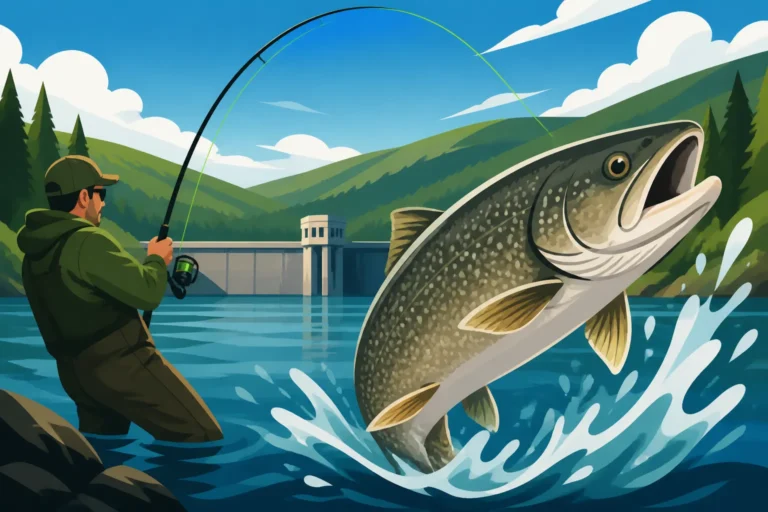
On the New Jersey side, particularly in the upper stretches that form the border with New York and Pennsylvania, you're primarily dealing with a magnificent cold-water fishery. This "Upper Delaware" is largely a tailwater system, meaning its flow and temperature are heavily influenced by releases from upstream reservoirs, namely Cannonsville, Pepacton, and Neversink Reservoirs in New York. These dam releases maintain consistently cold water temperatures even through the summer, which is vital for supporting robust wild trout populations, particularly brown and rainbow trout, and even some native brook trout.
Below this prime trout water, as the river widens and moves further south towards Trenton and beyond, it gradually transitions into more of a freestone river. Here, its temperature and flow are dictated much more by ambient weather and natural rainfall. While these lower sections still hold fish, including smallmouth bass and various panfish, the conditions are markedly different for trout-focused fly fishing. Recognizing which type of water you're on dictates your entire approach, from fly selection to leader length and even the time of day you choose to fish. It’s a common pitfall for new anglers to assume the entire river fishes the same way, leading to frustration when techniques that worked up north fail miserably downstream.
The Impact of Water Flow and Level on Your Success
One of the biggest variables, and often the most frustrating to monitor, is the river's flow and water level. Too much water, usually after heavy rains or significant snowmelt, can make wading dangerous, obscure holding lies, and reduce water clarity to the point where fish can't see your fly. Conversely, excessively low water can make fish incredibly spooky, expose extensive rocky streambeds, and make long, delicate casts necessary to avoid alarming your quarry.
For serious fly anglers, consulting USGS stream gauges is an absolute must-do before heading out. Websites like the USGS National Water Information System provide real-time data on cubic feet per second (cfs) at various points along the river. For the Upper Delaware trout sections, many experienced anglers prefer flows between 500-2,000 cfs for wading, with optimal conditions often around 800-1,500 cfs. If the flow jumps significantly higher, like above 3,000 cfs, wading becomes hazardous, and fishing from a drift boat or raft might be your only safe option. Local knowledge is key here, and if you’re unsure, a quick call to a local fly shop or guide service found through platforms like FishingBooker can provide invaluable, up-to-the-minute advice.
Decoding Water Temperature for Optimal Trout Activity
Water temperature is the pulse of any trout fishery, and the Delaware River is no exception. Trout are cold-water species, thriving in temperatures generally below 68°F. Their activity levels, feeding habits, and even their preferred holding lies are all governed by temperature.
In the colder months of winter, trout become lethargic. You'll find them in deeper, slower pools, conserving energy, and you'll need to present flies very slowly and deeply. As spring arrives and water temperatures begin to climb into the 40s and 50s, trout become more active, and major insect hatches begin, bringing fish to the surface. During the peak of summer, while the tailwater sections of the Upper Delaware remain cold enough for trout, the lower freestone sections can warm up significantly, pushing trout into thermal refuges near cold springs or feeder creeks. It's during these warmer periods that prioritizing the safety of the fish through careful handling and even choosing to target other species like smallmouth bass becomes crucial. Always carry a thermometer and be mindful of the conditions, especially when handling wild trout. This understanding is key to implementing effective New Jersey Trout Fishing Techniques.
Seasonal Shifts and Their Fly Fishing Implications
Just like the leaves change color on the trees surrounding the river, the conditions and opportunities for fly fishing on the Delaware transform with each passing season. What worked in April might be completely ineffective in August, so adapting your strategy is essential.
Spring Hatches and Run-Off Challenges
Spring on the Upper Delaware is legendary for its prolific insect hatches and the eager trout they bring to the surface. Starting in late March or early April, depending on water temperatures, you'll often see the first significant mayfly hatches like the Quill Gordons and Blue Quills. As April progresses, the mighty Hendrickson hatch typically kicks into gear, a highlight for many dry fly enthusiasts. Following closely are the March Browns and various species of Caddisflies. To really know when to hit the water, keeping an eye on local hatch reports is crucial.
However, spring also brings the challenge of snowmelt and rain-induced run-off. Melting snow from the Catskills and Poconos, combined with frequent spring showers, can lead to elevated and sometimes murky water conditions. While some turbidity can actually be good, offering fish a sense of security, truly blown-out conditions will make fly fishing nearly impossible. During these times, focus on finding slower seams, eddies, or the clearer water of feeder streams. Don't forget, spring also marks the incredible Delaware River Shad Run, offering a completely different, fast-paced fly rod experience.
Summer Strategies for Tricky Conditions
Summer on the Delaware, particularly in July and August, presents a unique set of challenges and rewards. While the consistent cold-water releases from the reservoirs keep the Upper Delaware prime for trout, lower river sections can become quite warm. Low water flows can make trout exceptionally wary, requiring long, accurate casts and delicate presentations.
Hatches in summer tend to shift to smaller insects like Tricos, which often hatch in massive numbers early in the morning, creating a challenging yet rewarding miniature dry fly experience. Sulphurs are another common summer staple. When the air is hot, terrestrials like hoppers, ants, and beetles become incredibly important, as they often fall into the water from streamside vegetation. Many anglers also turn their attention to streamer fishing, especially in the early mornings or late evenings, to target larger, more aggressive trout. For the sections below the tailwater, or when trout are stressed, the river offers fantastic opportunities for Delaware River Smallmouth Bass Fishing, providing hard-fighting action on poppers, Clouser minnows, and crawfish patterns.
Fall Fishing and the Glorious Olive Hatch
For many, autumn is the quintessential season for fly fishing the Delaware. As air temperatures cool and water temperatures stabilize in the sweet spot for trout, the fish become incredibly active, feeding aggressively in preparation for winter. The vibrant fall foliage makes for a breathtaking backdrop, adding to the overall experience.
The most anticipated hatch of the fall is often the Blue Winged Olive (BWO), which can appear in waves throughout the day, providing excellent dry fly opportunities. Other mayflies and caddis can also be active. Fall is also prime time for streamer fishing, as larger brown trout become more predatory and territorial as their spawning season approaches. Swinging or stripping baitfish patterns through deeper runs and around structure can elicit explosive strikes. The cooler, more stable conditions generally make for easier wading and more comfortable days on the water. This is truly the Best Time to Fly Fish New Jersey's Trout Streams.
Winter Persistence and Midge Fishing
While many anglers pack away their fly rods when the snow flies, the dedicated few know that winter offers its own quiet rewards on the Delaware. Fishing can be challenging, but also incredibly peaceful and often productive for those willing to brave the cold. Trout are still there, but their metabolism slows considerably, meaning they won't chase flies far.
The primary food source in winter is often tiny midges, which hatch even on the coldest days. Nymphing with very small midge patterns (size 20-24), presented slowly and deeply under an indicator, is the most effective tactic. Streamers can also work on warmer days, especially for larger trout seeking a substantial meal. Focus on the deepest, slowest pools where trout can expend minimal energy. Good layering, warm waders, and hot beverages are absolute necessities. Remember, understanding New Jersey Fishing Season Dates and Closures is always important, even for winter fishing, to ensure you're compliant with any specific regulations or open sections.
Key New Jersey Access Points and River Sections
The Delaware River is a long border, and the fishing conditions and target species can vary widely depending on where you drop in on the New Jersey side. Knowing your access points and what to expect from each section is vital.
The Upper Delaware: Trout Heaven (and Regulation Zones)
When we talk about prime fly fishing for trout on the Delaware River from the New Jersey bank, we're primarily referring to the Upper Delaware. This begins roughly from the area near Port Jervis, NY/Milford, PA, and extends upstream into the truly wild, cold-water tailrace sections that border New York state, often referred to as the Upper Mainstem Delaware. The specific regulations here are crucial; many stretches are designated "Special Regulation" waters, often demanding artificial lures only and strict catch-and-release rules to protect the robust wild trout populations.
Key access points from the New Jersey side in this region, especially as you head further north towards Hancock, NY, include areas around the historic town of Frenchtown, then up to Lambertville, and further still to Phillipsburg. While many of the most famous trout pools like the "Junction Pool" (where the Beaver Kill meets the Delaware) are technically on the New York or Pennsylvania side, the shared waters mean you can access similar conditions from the New Jersey bank. For example, areas around Callicoon or Skinners Falls offer excellent wading opportunities. Always consult the New Jersey Freshwater Fishing Regulations Every Angler Should Know for the most current rules, as they can differ slightly from neighboring states even in shared waters. Many anglers use resources like FishingBooker to locate guides who specialize in these particular sections, ensuring they navigate the complex access and regulations correctly.
The Middle Delaware: Smallmouth and Mixed Bag Opportunities
As you move downstream, roughly from the Trenton area south towards Philadelphia, the character of the Delaware River shifts considerably. The gradient lessens, the river widens, and the water temperatures generally rise, especially in summer. This "Middle Delaware" section, while not ideal for cold-water trout, becomes excellent habitat for warm-water species, most notably smallmouth bass.
Access points are numerous and often involve state parks or public boat launches. These sections are fantastic for float trips in canoes or kayaks, allowing you to cover more water and access prime smallmouth habitat like rocky ledges, current breaks, and eddy lines. Fly anglers will find success with poppers, streamers mimicking baitfish, and crawfish patterns. You'll also encounter a variety of panfish, catfish, and carp, all of which can be a blast on a fly rod. This section is less about delicate dry fly presentations and more about aggressive retrieves and targeting structure.
The Lower Delaware: Tidal Influence and Warm-Water Pursuits
Further south, below Philadelphia, the Delaware River becomes increasingly tidal and brackish. The influence of the Atlantic Ocean is undeniable, and the ecosystem shifts dramatically. Here, fly fishing for traditional trout is effectively non-existent.
Instead, anglers will find opportunities for warm-water species that can tolerate brackish conditions, such as striped bass (especially migratory ones in spring and fall), white perch, catfish, and sometimes even carp. The techniques here lean more towards saltwater fly fishing, with heavier rods, larger flies, and an understanding of tidal currents. If you're interested in tidal influence, you might want to learn how to read a tide chart when planning a fishing trip. While this guide focuses on fly fishing, it's a good reminder of how varied the river truly is. For those looking for a different kind of challenge, hiring a guide through platforms like FishingBooker who specializes in these tidal areas can open up unique opportunities.
Essential Gear and Tactics for Delaware River Fly Fishing
Equipping yourself correctly and knowing the right tactics will significantly enhance your chances of success and enjoyment on the Delaware River. It's a big river that demands a bit more than your standard backyard pond setup.
Selecting the Right Rod, Reel, and Line
Given the Delaware's varied conditions and potential target species, a versatile rod setup is essential. For the prime trout sections of the Upper Delaware, a 9-foot, 5-weight or 6-weight fly rod is a fantastic all-around choice. This provides enough backbone to handle larger trout, cast heavier nymph rigs, and deliver streamers, while still being delicate enough for dry fly presentations. If you're specifically targeting smallmouth bass in the middle river or larger migratory striped bass in the lower tidal sections, consider bumping up to a 7-weight or even an 8-weight rod. These heavier rods will handle larger, wind-resistant flies and give you more fighting power.
Pair your rod with a reliable reel that has a smooth drag system. While trout typically won't strip much line, a good drag is crucial for larger fish like smallmouth or any unexpected lunkers. For line, a weight-forward floating line is the most versatile for most trout and smallmouth applications. You might also consider carrying a spare spool with a sinking-tip line for streamer fishing or getting nymphs down quickly in faster, deeper water.
Leader and Tippet Wisdom for Tricky Fish
Delaware River trout, especially in the clear, often low-water conditions of summer, can be incredibly "leader shy." This means they'll spook at thick, heavy leader material. For dry fly fishing, a long leader (9 to 12 feet) tapering down to a fine tippet (5X or 6X) is often necessary. The longer leader helps to present your fly naturally, allowing it to drift drag-free over wary fish.
When nymphing, you can often get away with slightly heavier tippet (4X or 5X), but still prioritize stealth. For streamer fishing or targeting smallmouth bass, a shorter, heavier leader (7.5 feet, 0X-2X) is usually sufficient, as these fish are less leader shy and you're often targeting them more aggressively. Always check your leader and tippet for nicks and abrasion, especially after fishing around rocky areas – a small imperfection can cost you a big fish.
Fly Box Essentials for Delaware River Success
Your fly box needs to be well-stocked for the diverse conditions of the Delaware. Here’s a basic breakdown of must-have categories:
- Dry Flies: Have a good selection of various mayfly patterns (Hendricksons, March Browns, Sulphurs, Blue Winged Olives, Tricos) in different sizes to match the prevalent hatches. Don't forget caddis patterns (Elk Hair Caddis, X-Caddis) and terrestrial patterns (Hopper patterns, Ant patterns, Beetle patterns) for summer.
- Nymphs: This is often the bread and butter. Bring an assortment of Hare's Ear Nymphs, Pheasant Tail Nymphs, Prince Nymphs, Stoneflies, and various midge patterns. Have them in different sizes (from size 12 down to 24) and with varying amounts of weight (bead heads are great).
- Streamers: Essential for targeting larger, predatory trout and smallmouth bass. Woolly Buggers (black, olive, white), Clouser Minnows, and other baitfish imitations are excellent choices. Bring them in various sizes and colors.
- Smallmouth Specifics (for middle river): Poppers, Gurgler patterns, and larger crawfish imitations will trigger aggressive strikes from smallmouth.
Many local fly shops along the Delaware River are fantastic resources. They can provide current hatch charts, recommend specific patterns that are fishing well, and offer invaluable advice on river conditions.
Wading Safety and River Etiquette
Wading the Delaware River, especially the upper sections, requires caution. The bottom can be very rocky, slippery, and uneven, with sudden drop-offs. Always wear studded wading boots for maximum grip and consider using a wading staff for added stability. Never wade alone, and always let someone know where you're going and when you expect to return. Be especially mindful of rising water levels, which can happen quickly due to dam releases or heavy rain. Your safety should always be your top priority.
Beyond safety, practicing good river etiquette is crucial. Be respectful of other anglers, giving them plenty of space. Avoid walking through or disturbing water that others are actively fishing. Pack out everything you pack in, leaving no trace behind. If you're floating, be mindful of private property along the banks and only access the river at designated public points. Understanding and respecting these unspoken rules ensures a pleasant experience for everyone. These responsible practices are part of being a well-informed angler, just like knowing about specific regulations like the New Jersey Striped Bass Slot Limit Explained or New Jersey Fluke Size and Bag Limits Explained.
| Season | Primary Target | Typical Water Temp (Upper River) | Key Fly Patterns/Tactics | Recommended Rod Weight |
|---|---|---|---|---|
| Spring | Trout, American Shad | 45-60°F | Mayfly dries (Hendrickson, March Brown), Caddis, Streamers, Shad darts/flies | 5-7 weight |
| Summer | Trout (Upper), Smallmouth Bass (Middle/Lower) | 55-70°F (trout), 70-80°F (bass) | Tricos, Sulphurs, Terrestrials (dries); Poppers, Streamers (bass) | 5-8 weight |
| Fall | Trout, Smallmouth Bass | 50-65°F | Blue Winged Olives (dries), Streamers, Nymphs | 5-7 weight |
| Winter | Trout | 35-45°F | Small Nymphs, Midges (deep & slow), Streamers (warm days) | 4-6 weight |
Disclaimer
The information provided in this guide is for general informational purposes only and is subject to change. Fishing conditions, regulations, and access points on the Delaware River can vary. Always consult the most current regulations published by the New Jersey Department of Environmental Protection, Division of Fish and Wildlife, and relevant state agencies in New York and Pennsylvania before your trip. Always prioritize safety on the water.