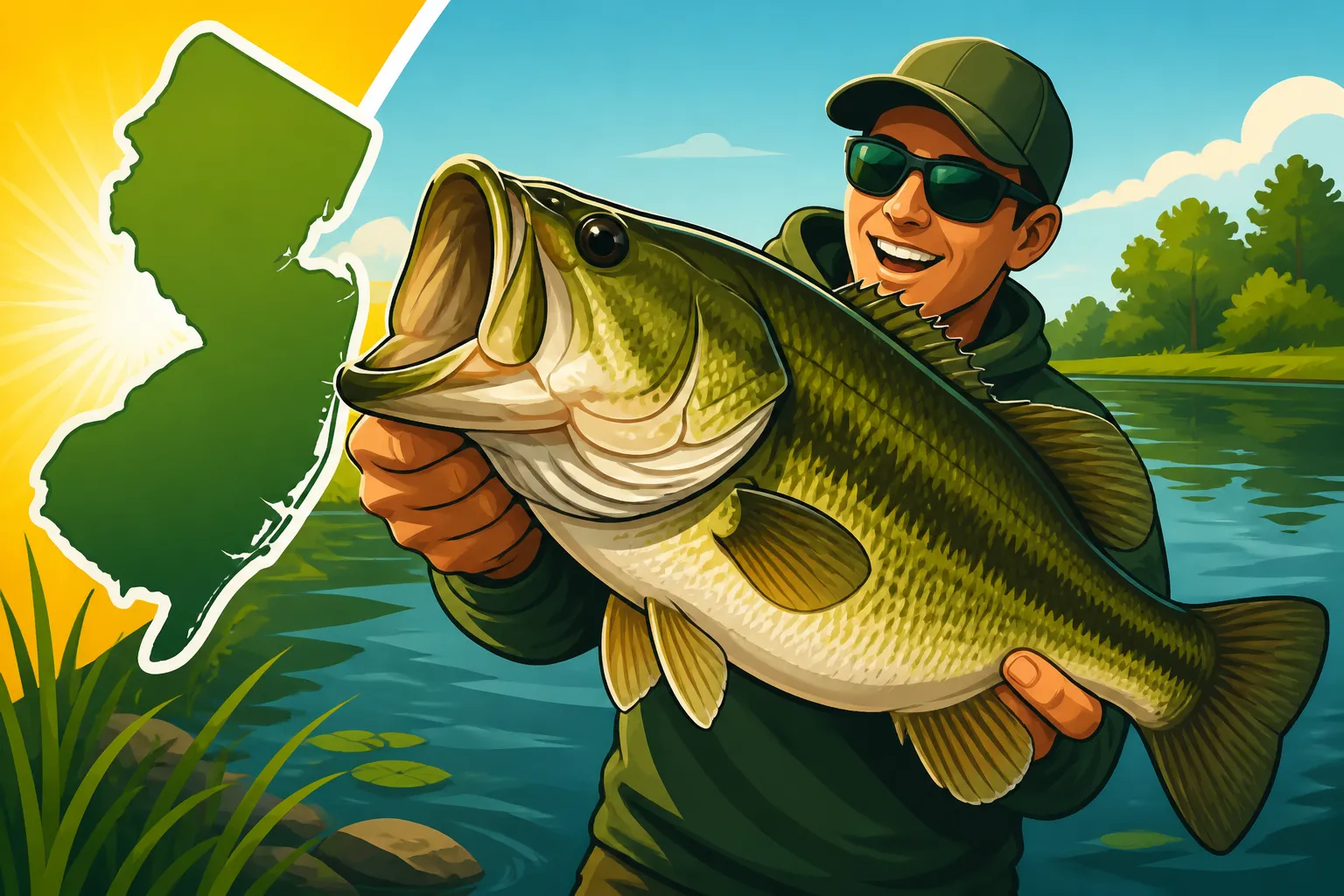
How New Jersey’s Record Largemouth Bass Was Caught at Menantico Sand Wash Pond
For many anglers in New Jersey, the dream of catching a true trophy fish feels like a distant fantasy, especially when you consider the sheer number of folks who cast a line in our waters every year. It’s easy to get discouraged when you’re consistently catching smaller fish, or worse, coming home empty-handed. But there are moments in our state's angling history that serve as powerful reminders that those monster fish are out there, waiting for the right presentation and the right moment. This guide dives deep into one such legendary tale: the story behind New Jersey's standing record largemouth bass, a behemoth caught decades ago in a unassuming pond, and what makes that catch so remarkable.
The Legendary Catch at Menantico Sand Wash Pond
Imagine the pure adrenaline, the heart-stopping moment when you realize the fish on the other end of your line isn't just a good one, but potentially the fish of a lifetime. That's precisely what Robert E. Williams experienced on October 3, 1980, when he hauled in a monumental largemouth bass from the waters of Menantico Sand Wash Pond. This isn't just any fish story; it's the kind that gets whispered around tackle shops and campfires for generations, a benchmark for every serious bass angler in the Garden State.
Who Caught the Record Bass and When?
The angler forever etched into New Jersey's fishing history is Robert E. Williams. On that crisp autumn day in 1980, armed with his fishing gear and an angler's intuition, he set out to Menantico Sand Wash Pond in Cumberland County. What he brought back wasn't just dinner; it was a jaw-dropping largemouth that tipped the scales at an incredible 10 pounds, 14 ounces. To this day, over four decades later, that fish remains the undisputed state record for largemouth bass. It speaks volumes about the rarity and magnitude of that catch, a true testament to Williams' skill and the potential of New Jersey's waters. It wasn't about fancy electronics or high-tech boats; it was about being in the right place at the right time with the right approach.
The Menantico Sand Wash Pond Enigma
What makes Menantico Sand Wash Pond so special, and why did it produce a record-breaking fish? Well, it's not a bustling, well-known lake that everyone talks about. In fact, it's part of the Menantico Ponds Wildlife Management Area, a network of old sand and gravel quarries that have filled with water over time. These aren't your typical placid farm ponds. They are often characterized by deep, clear water, sharp drop-offs, and an abundance of submerged structure like old tree stumps, brush piles, and even remnants of the old mining operations. These unique features create incredibly rich and complex habitats for largemouth bass, allowing them to grow to immense sizes without constant pressure. The "sand wash" in its name hints at its origins, but beneath the surface lies a world teeming with life, a perfect breeding ground for monster bass. To truly appreciate its potential, you need to understand its unique environment, which we'll explore in more detail. For those who want to chase their own personal best, understanding these kinds of secluded, rich habitats is key, and sometimes a local guide found on platforms like FishingBooker can offer invaluable insight into lesser-known productive spots.
Understanding Menantico Sand Wash Pond
Menantico Sand Wash Pond, nestled in the pinelands of Cumberland County, is far from your typical fishing destination. Its origins as an industrial site transformed it into a unique aquatic ecosystem that, for decades, has been celebrated among local anglers for its potential. When you talk about trophy bass in New Jersey, Menantico invariably comes up in conversation, and for good reason. It’s a place that holds secrets, and Robert E. Williams managed to unlock one of its greatest.
Geography and Habitat of the Pond
Menantico Sand Wash Pond is located just outside of Millville, New Jersey, forming a part of the larger Menantico Ponds Wildlife Management Area. This area is a patchwork of lakes and ponds, many of which are former sand mining pits. What does this mean for fishing? It means these waters are often much deeper than natural lakes of similar size, with significant underwater contours and structures. The water can be exceptionally clear, a characteristic often found in sand quarry lakes. This clarity can be a double-edged sword; on one hand, it allows for sight fishing, but on the other, it makes bass warier and more challenging to approach, demanding stealth and precise presentations.
The pond's bottom composition is largely sand and gravel, but over the years, decaying vegetation has created pockets of muck and soft sediment, attracting baitfish and, consequently, predator species. Critically, the old mining operations left behind a treasure trove of underwater structure. We're talking about old equipment, submerged timber, sharp ledges, and drop-offs that transition from shallow flats to depths of 30 feet or more. These intricate habitats provide perfect ambush points and refuge for large bass, allowing them to grow unmolested. Understanding these unique characteristics is vital for anyone hoping to catch a significant fish here or in similar quarry lakes. When considering where to cast a line, remember that New Jersey has many Best New Jersey Lakes for Largemouth Bass that offer diverse fishing experiences, but Menantico holds a special place due to its distinctive environment.
Key Features That Hold Big Bass
Big bass, particularly record-setting ones, aren't usually found roaming aimlessly in open water. They are ambush predators, and they prefer to hold tight to structure, where they can surprise their prey and expend minimal energy. At Menantico Sand Wash Pond, these key features are abundant. Deep water access is paramount; large bass often retreat to deeper, cooler water during the day, especially as summer progresses. The presence of steep banks and ledges provides vertical cover, allowing bass to move quickly between different depths. Submerged brush piles and timber are also crucial, acting as condominiums for baitfish and crawfish, which in turn attract hungry bass.
Furthermore, areas with emergent vegetation, even if sparse, can concentrate baitfish and provide critical shade and cover for bass, especially during bright conditions. Anglers who excel in these waters often focus their efforts on targeting these specific zones. They meticulously cast to every visible and invisible piece of structure, knowing that a patient, thorough approach is often rewarded. Sometimes, just knowing these specific features and how to approach them can make all the difference, whether you're fishing on your own or relying on the local knowledge of a guide found through a service like FishingBooker. This deep understanding of habitat is key, regardless of whether you're pursuing a record or just a great day on the water.
Strategies and Conditions for a Record Bass
Catching a record-setting largemouth bass is not solely about luck; it's a culmination of understanding the fish's behavior, knowing the water, and employing the right techniques under optimal conditions. While Robert E. Williams' specific tactics on that fabled day in 1980 might be guarded closely, we can infer a great deal from common wisdom about targeting trophy bass in challenging waters like Menantico Sand Wash Pond.
Lures and Techniques Employed
For a fish that weighed almost 11 pounds, it's highly probable that Robert E. Williams was using a presentation designed to attract a large, predatory bass. Large bass are often less interested in chasing down small, erratic bait. Instead, they prefer a substantial meal that looks easy to catch. While the exact lure isn't widely publicized, many sources point to a plastic worm as the bait of choice. This makes perfect sense for a deep, clear water quarry with abundant structure. Plastic worms, especially larger ones, can be fished slowly and meticulously along the bottom, mimicking natural forage like injured baitfish or crawfish.
Here are some common techniques that would be highly effective in a pond like Menantico:
- Jigging Soft Plastics: Texas-rigged or Carolina-rigged plastic worms and creature baits are fantastic for probing deep structure. Their slow, deliberate fall and subtle movements can entice a wary trophy bass. The key is to feel for the lightest tap or an unusual weight on the line, indicating a bite.
- Deep-Diving Crankbaits: These lures are excellent for covering water and identifying structure. While perhaps not the record-setter in this instance, they can be effective in triggering reaction strikes from larger bass holding to ledges or submerged timber.
- Swimbaits: Larger, realistic soft plastic swimbaits, either weighted or rigged weedless, are another prime choice for targeting big bass. They accurately imitate larger baitfish, a preferred meal for a truly giant largemouth.
- Slower Presentations: Regardless of the lure, big bass in clear, deep water often demand a slow, methodical approach. Patience is a virtue, as these fish often need time to inspect a bait before committing. Often, the strike might be a subtle "thump" rather than an aggressive tug.
For those looking to explore different bait options for different seasons, remember that Best Bait for Round Valley Reservoir Trout in Spring or Best Bait for Fluke Fishing offers insights into other species, but for largemouth bass, matching the forage and presenting it subtly is often the winning strategy.
Optimal Conditions for Trophy Largemouth
The day Robert E. Williams made his legendary catch was October 3, 1980. This timing isn't accidental; autumn is widely regarded as one of the best seasons for catching trophy largemouth bass. As water temperatures begin to drop, bass start their "fall feed," gorging themselves in preparation for winter. They become more aggressive and actively seek out larger meals, making them more susceptible to angler presentations.
Here are some factors that often contribute to optimal conditions for trophy largemouth:
- Fall Transition: As mentioned, declining water temperatures signal bass to feed heavily. This is when they are most likely to take a larger bait.
- Stable Weather: While a passing cold front can sometimes trigger a bite, prolonged periods of stable, moderate weather are often ideal. Sudden drops in barometric pressure can make bass lethargic.
- Cloud Cover: Overcast skies can reduce light penetration into the clear water of Menantico, making bass feel more comfortable venturing out from heavy cover and becoming more active throughout the day.
- Early Morning/Late Evening: Even in fall, low light conditions are often prime. Bass use the cover of darkness or twilight to hunt, especially in clearer waters. For more general advice on timing, check out guides like Best Time of Day for Bass Fishing.
- Water Levels: Stable or slightly rising water levels can often push baitfish into new areas, bringing bass with them. However, rapidly fluctuating levels can make fishing tough.
It’s crucial to remember that while the state record largemouth was a magnificent specimen, many anglers across New Jersey also reel in impressive bass that, while not state records, are personal bests. Knowing What Is the Biggest Largemouth Bass Ever Caught in New Jersey? certainly sets a high bar, but focusing on personal achievement is just as rewarding. You can also explore How Big Do Largemouth Bass Get? to set realistic expectations for your own trophy hunt.
What Made This Record Catch Endure?
The longevity of Robert E. Williams' record for over four decades is a testament to the monumental size of that particular fish and the unique conditions that allowed it to thrive. It’s not just a number on a scale; it's a symbol of what's possible in New Jersey's freshwater ecosystems when all the elements align.
The Ecosystem's Role in Growing Giants
Menantico Sand Wash Pond, like many other reclaimed quarry lakes, possesses characteristics that are ideal for growing exceptionally large bass. The deep, clear water offers a stable thermal environment, crucial for older, larger fish that are more sensitive to temperature fluctuations. The complex underwater structure provides vast areas for concealment, reducing predation on juvenile bass and allowing them to mature. More importantly, these waters often support a robust forage base. Large bass need abundant food sources to reach such weights. This could include a healthy population of baitfish like alewives or shiners, as well as crayfish and other aquatic invertebrates. The isolation and limited pressure in certain parts of these ponds can also contribute, allowing bass to live longer and grow larger without being caught repeatedly.
It’s a delicate balance, and maintaining these habitats is crucial for future trophy potential. Protecting the unique ecology of places like Menantico is a priority for organizations like the New Jersey Division of Fish and Wildlife, which oversees programs like the New Jersey Fishing License Guide for 2026 and ensures New Jersey Freshwater Fishing Regulations Every Angler Should Know are in place to safeguard our resources.
The Angler's Patience and Skill
While the environment provides the opportunity, it takes a skilled and patient angler to capitalize on it. Catching a 10-pound, 14-ounce largemouth is not a feat of random luck. It involves countless hours on the water, understanding seasonal patterns, knowing how to interpret subtle bites, and mastering specific techniques. Robert E. Williams undoubtedly possessed this dedication. He likely spent significant time studying the pond, understanding where big fish would hold, and presenting his lure in a way that was irresistible to a wary, mature bass.
Often, record-setting catches occur when an angler is using a slower, more deliberate presentation, targeting areas where large bass are known to ambush. The ability to cast accurately, feel the subtle tap of a bite, and execute a flawless hookset and fight are all critical. This type of fishing often requires specialized gear, but more importantly, a keen sense of observation and an unshakeable belief that the next cast could be the one. When you're looking for guidance to hone these skills, sometimes consulting local experts, perhaps even those found through FishingBooker, can shorten the learning curve and help you target larger fish more effectively.
Here's a comparison of the Menantico record with typical large bass:
| Characteristic | Robert E. Williams' Record Bass | Large New Jersey Bass (Average) | Typical Angler's Catch (Average) |
|---|---|---|---|
| Weight | 10 lbs, 14 oz | 5-7 lbs | 1-3 lbs |
| Length | Est. 25-27 inches | 20-22 inches | 14-18 inches |
| Location | Menantico Sand Wash Pond | Various lakes/rivers | Widespread |
| Date Caught | October 3, 1980 | Varies seasonally | Varies seasonally |
| Rarity | Extremely Rare | Uncommon | Common |
| Likely Age | 10+ years | 5-8 years | 2-4 years |
What Can Anglers Learn From This Achievement?
The Menantico record bass stands as a beacon for aspiring trophy anglers. It teaches us several valuable lessons:
- Seek Out Unique Habitats: Don't just stick to the most popular, easily accessible lakes. Sometimes, the less pressured, more unique environments like old quarry ponds or hidden oxbows can hold the biggest surprises.
- Patience Pays Off: Chasing monster bass is not about frantic casting. It's often about slow, meticulous presentations in specific high-percentage areas.
- Timing is Key: Understanding seasonal patterns, especially the fall feed, can dramatically increase your chances of hooking into a truly large fish.
- Master Your Technique: Whether it's jigging a plastic worm or working a swimbait, precision and confidence in your chosen method are paramount.
- Respect the Resource: Every fish, especially a trophy, is a product of its environment. Practicing catch and release for larger fish, particularly those in the breeding prime, helps ensure that these genetics can continue to thrive. You can find more information about New Jersey Largemouth Bass State Record: 10 Pounds 14 Ounces and How Old Was New Jersey's Record Largemouth Bass? to understand the incredible journey such a fish takes. Even if you're targeting other species, the principles of responsible angling apply, and you can learn about New Jersey Fluke Size and Bag Limits Explained for saltwater species or New Jersey Striped Bass Slot Limit Explained for another popular game fish.
The story of the Menantico Sand Wash Pond record largemouth bass is more than just a recounting of a big fish. It's an inspiring tale that underlines the enduring potential of New Jersey's waters and the dedication required to achieve angling greatness. So, the next time you're out on the water, remember Robert E. Williams and his legendary catch – it just might inspire you to pursue your own personal best.
Disclaimer
Please note that fishing regulations, season dates, and license requirements in New Jersey are subject to change. Always consult the latest New Jersey Fish and Wildlife Digest or their official website before heading out to fish. The information provided in this guide is for general informational purposes only and does not constitute legal advice.