Where to Catch Pike in New Jersey
Finding Northern Pike in New Jersey can feel like searching for a needle in a haystack for many anglers. While our state is celebrated for its incredible bass, trout, and saltwater species, the toothy northern pike often takes a backseat, leaving many local fishing enthusiasts wondering if these formidable predators even exist in our waters. If you've ever felt that frustration, this comprehensive guide is for you, revealing the best spots and strategies to finally land one of these exciting fish.
Understanding New Jersey's Pike Population
Many anglers, even seasoned ones, are surprised to learn that Northern Pike actually call a few of New Jersey's waterways home. They’re not as widespread as, say, largemouth bass, and they certainly don't get the same fanfare as a spring trout stocking, but they are here. The key is knowing where to look and understanding their habits, which differ quite a bit from some of our more common freshwater species. They’re often the apex predators in their ecosystems, bringing a thrilling challenge to anyone targeting them.
The Elusive Nature of Northern Pike in NJ
The reason Northern Pike might seem so elusive in New Jersey is twofold: their preferred habitat and the limited areas where they thrive. Unlike some fish that can adapt to a wider range of conditions, pike are quite particular. They prefer cooler, clear waters with abundant aquatic vegetation, which provides both ambush points for hunting and cover from the sun. These specific conditions aren't universally found throughout the state, concentrating pike populations into a handful of prime locations. For years, the state's stocking programs have been relatively limited for pike compared to other species, so many of the populations are either naturally occurring or sustained through successful, targeted stockings. This limited distribution often leaves anglers scratching their heads, wondering why they never encounter them in their usual fishing holes.
It’s completely understandable to feel a bit lost when trying to track down these fish. Most general fishing reports or guides tend to focus on trout streams, the robust bass populations in central and southern New Jersey lakes, or the incredible saltwater action along the coast. Pike often don't make the headline, making it feel like a secret society of anglers is the only one in on the action. But trust me, with the right knowledge, you can absolutely join their ranks and experience the thrill of a pike strike. Many anglers planning trips might use services like FishingBooker to scout out guides who specialize in these less common species, precisely because they are so localized and require specific expertise.
Identifying Northern Pike and Their Habits
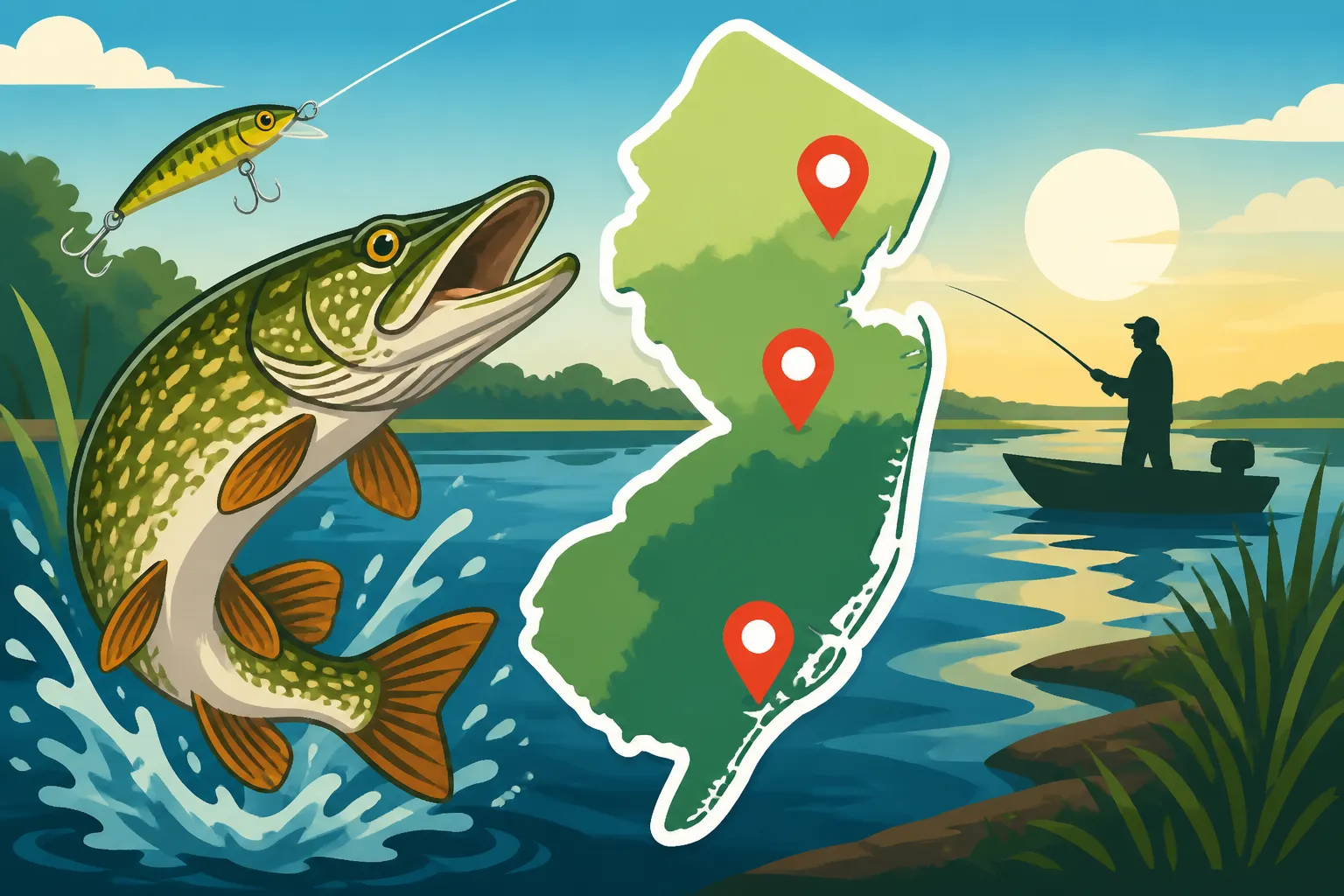
Before you even cast a line, knowing what you're looking for is crucial. Northern Pike (scientific name Esox lucius) are distinct from their smaller cousins, the pickerel, which are much more common throughout New Jersey. Pike are known for their elongated, torpedo-shaped bodies, a broad, duck-bill shaped snout, and a mouth full of razor-sharp teeth—seriously, these teeth are no joke, always carry pliers! Their coloration is typically olive green to dark green on the back, fading to a lighter, yellowish belly, and they are adorned with distinctive light, bean-shaped spots along their flanks. A key identifier to distinguish them from pickerel is their gill covers: a pike's entire gill cover is scaleless, while a pickerel's is only partially scaleless. Another tell-tale sign is the dark, vertical bar or "teardrop" mark below their eye, which is usually absent or much fainter on a pickerel. If you want a more detailed look at the differences, our guide on New Jersey Pickerel Fishing Guide offers a good comparison.
As ambush predators, pike are masters of camouflage and surprise attacks. They love to lurk in thick weed beds, submerged timber, or along sharp drop-offs, waiting for an unsuspecting baitfish, frog, or even a smaller duckling to swim by. They're incredibly aggressive feeders, especially during cooler water temperatures in the spring and fall. Their metabolism slows down in the peak heat of summer, making them a bit more sluggish, and they'll often retreat to deeper, cooler waters. In winter, they remain active under the ice, offering fantastic opportunities for ice fishing enthusiasts. Understanding these behaviors is fundamental to successfully targeting them in New Jersey's specific waters, which brings us to our next point: where exactly do these toothy critters reside?
Top Lakes and Reservoirs for Northern Pike in New Jersey
While Northern Pike aren't found in every pond and lake across the Garden State, there are a few standout locations that consistently produce these exciting fish. These aren't just random spots; they possess the specific environmental conditions that pike need to thrive, from ample forage to the right kind of cover and water temperature. Knowing these prime locations will drastically improve your chances of success.
Lake Hopatcong: New Jersey's Premier Pike Fishery
When you talk about Northern Pike in New Jersey, Lake Hopatcong almost always comes up first. As New Jersey's largest freshwater lake, covering roughly 2,685 acres, it offers an incredible diversity of habitat that is absolutely perfect for pike. The lake boasts extensive weed beds, especially in shallower bays and coves, as well as a mix of rocky points, submerged structures, and varying depths that pike utilize throughout the year. These diverse features provide the perfect blend of ambush points and deeper, cooler retreats.
Anglers often find success targeting pike in the weed lines of areas like Crescent Cove, Pickerel Point, and near the numerous docks and boat slips around the lake. Early spring and late fall are particularly productive when pike are more actively feeding in shallower waters before retreating to deeper sections during the summer heat. Access to Lake Hopatcong is excellent, with multiple public boat ramps available, making it easy for boat anglers to explore its vast expanse. Shore anglers can also find opportunities, particularly around public access points that offer access to vegetated edges. Our dedicated guide on Fishing Lake Hopatcong: New Jersey's Largest Lake dives even deeper into what makes this lake such a fantastic fishery, not just for pike, but for many other species too. For those who prefer a guided experience, looking up Lake Hopatcong fishing guides on platforms like FishingBooker can provide expert insight into the best pike grounds.
Greenwood Lake: A Shared Resource for Pike Anglers
Greenwood Lake, straddling the border of New Jersey and New York, is another fantastic option for Northern Pike. This long, narrow lake offers a unique fishing experience, where you need to be mindful of regulations from both states if you cross the invisible boundary. The New Jersey side, primarily in Passaic County, presents ample opportunities. Like Lake Hopatcong, Greenwood Lake is characterized by significant weed growth, rocky shores, and drop-offs, all of which are classic pike habitat. Its depths vary, providing those crucial cooler water refuges for pike during warmer months.
Many anglers target the extensive weed beds along the New Jersey shoreline, particularly in the northern sections. Pike here are often found relating to submerged structure and points that jut out into deeper water. While it can be busy, especially on weekends, the lake is large enough to find quieter stretches where pike feel comfortable. The fishing here can be quite rewarding, often producing some impressive sizes. Always make sure you're aware of the specific state's regulations for wherever you are on the lake, as the rules can change as you cross into New York. For more in-depth information about this unique fishery, check out our Greenwood Lake Fishing Guide.
Monksville Reservoir: A Smaller, Productive Option
Don't let its size fool you; Monksville Reservoir, nestled in the picturesque hills of Passaic County, is a gem for Northern Pike fishing. While smaller than Lake Hopatcong or Greenwood Lake, its rich, dark waters and abundant structure make it a highly productive pike fishery. The reservoir is known for its irregular shoreline, numerous coves, and submerged timber, which create ideal ambush points for pike. The deep, clear sections also provide excellent thermal refuge during the summer.
Anglers typically target the areas with submerged brush, rocky ledges, and the edges of weed beds. Pike in Monksville tend to be aggressive, often striking a variety of lures. Because it's a smaller body of water, it can feel more intimate and less overwhelming than larger lakes. While it doesn't have the sheer volume of pike that some other waters might, the quality of the fish caught here can be exceptional. Access is managed, with specific boat launch points available. Our detailed Monksville Reservoir Fishing Guide provides even more insights for planning your trip to this excellent pike destination.
Other Notable Pike Waters
While Lake Hopatcong, Greenwood Lake, and Monksville Reservoir are the undeniable stars for Northern Pike in New Jersey, a few other locations occasionally yield surprising results, though they may not be as consistently productive or offer the same numbers of trophy fish. These spots often have smaller, more localized populations, or they might be fringe habitats for pike.
One such area can be portions of the Delaware River. While primarily known for its smallmouth bass and shad runs, the slower-moving, deeper sections with some submerged vegetation or structure can occasionally hold pike. This is less of a dedicated pike fishery and more of a "bonus catch" situation, but it's worth keeping in mind if you're already fishing the river. Similarly, some smaller, lesser-known reservoirs or even specific stretches of larger creeks in the northern part of the state might hold isolated populations, often passed down through word-of-mouth among local anglers. However, without confirmed, consistent reports, these remain more speculative. For anyone considering fishing any freshwater body in New Jersey, it's always wise to consult the latest New Jersey Freshwater Fishing Regulations Every Angler Should Know to ensure you're compliant with all rules, as size and bag limits can change.
| Location | Key Characteristics | Best Time to Fish | Access & Notes |
|---|---|---|---|
| Lake Hopatcong | Large, diverse habitat, extensive weed beds, varied depth | Spring, Fall, Winter | Multiple public ramps, shore access limited in spots |
| Greenwood Lake | Border lake (NJ/NY), abundant weeds, rocky shores | Spring, Fall, Winter | Public ramps, check both state's regulations |
| Monksville Res. | Smaller, clear, deep, submerged timber, coves | Spring, Fall, Winter | Managed access, specific boat launch, electric motors only |
| Delaware River | Slower sections with vegetation/structure | Opportunistic | Primarily boat access for best spots, bonus catches |
Strategies for Catching Pike in New Jersey
Once you’ve identified your target water, the next step is understanding how to tempt these aggressive predators onto your line. Pike fishing requires a bit of specific knowledge regarding baits, lures, and seasonal approaches. They are not shy eaters, but they are smart, and their powerful jaws and sharp teeth demand particular attention to your tackle setup.
Best Baits and Lures for Pike
Northern Pike are notoriously aggressive and will strike a wide variety of offerings. For artificial lures, spoons are perhaps one of the most classic and effective options. Large, flashy spoons in silver, gold, or brass, especially those with some red or orange accents, mimic injured baitfish and trigger their predatory instincts. Popular brands like Dardevle or Johnson Silver Minnow are always good choices. Jerkbaits are another excellent option, particularly suspending models that can be worked slowly with pauses, mimicking a struggling fish right in the pike's face. Look for sizes from 4 to 7 inches. Inline spinners, like Mepps or Blue Fox, with large, thumping blades, create a lot of vibration and flash, which can draw pike out of cover.
When it comes to live bait, it's hard to beat large shiners, suckers, or even small perch. Pike, being opportunistic, find the natural movement and scent of live bait irresistible. You can rig them under a bobber near weed lines or slow-troll them along drop-offs. Dead bait, particularly oily fish like herring or large smelt, can also be very effective, especially through the ice or when fished on the bottom in cooler water. Just make sure your bait is legal for the waters you're fishing. Regardless of your choice, remember to use a wire leader. Pike have incredibly sharp teeth that can easily slice through monofilament or fluorocarbon line, resulting in a lost fish and a lost lure. Our guide on Best Lures for Muskie Fishing can also offer some crossover insights, as pike and muskie share similar predatory behaviors and often respond to similar lure presentations.
Seasonal Tactics and Preferred Structures
Pike behavior changes significantly with the seasons, so adjusting your tactics is crucial.
- Spring: As the ice recedes and water temperatures begin to rise, pike become very active and move into shallower areas for spawning and feeding. Focus on shallow bays, weed edges, and tributary mouths. This is a prime time for casting spoons, jerkbaits, and large spinnerbaits close to cover. The fish are often hungry and aggressive after a long winter.
- Summer: During the heat of summer, pike will retreat to deeper, cooler waters. Look for them along weed edges that border deep water, around submerged humps, deep rock piles, or drop-offs. Trolling large crankbaits or deep-diving jerkbaits can be effective, as can fishing live bait on a Carolina rig near the bottom. They’ll still come shallow at dawn and dusk, but the midday bite will be slow.
- Fall: This is arguably one of the best times to fish for pike. As water temperatures drop, pike become incredibly active, feeding aggressively to build up fat reserves for winter. They move back into shallower weed beds, coves, and points. Large spoons, jerkbaits, and even topwater lures (early fall) can be deadly. They're often putting on the "feed bag" and will hit almost anything.
- Winter (Ice Fishing): Pike remain active under the ice and provide excellent opportunities for ice fishing. Focus on large baitfish (shiners or suckers) rigged on tip-ups, set around weed lines, points, and drop-offs. Jigging with larger spoons or blade baits can also entice strikes. Ice fishing for pike is a unique experience, offering a chance to catch truly large fish. If you're new to the game, our article on How to Ice Fish in New Jersey can give you a solid foundation.
Always pay attention to structure. Weed lines, whether emergent or submerged, are critical. Pike are masters of ambush, and heavy cover is their preferred hunting ground. Submerged timber, rock piles, and points that extend into deeper water are also prime locations. Using contour maps or a good fish finder can help you locate these critical structures.
Gear Essentials for Pike Fishing
To effectively and safely target Northern Pike, you'll need the right gear. Their sharp teeth and powerful runs demand equipment that can handle the abuse.
- Rod and Reel: A medium-heavy to heavy power spinning or baitcasting rod, typically 6'6" to 7'6" in length, is ideal. This provides the backbone needed to cast larger lures and handle strong fish. Pair it with a sturdy reel spooled with 20-30 pound braided line. Braid offers excellent sensitivity and strength, crucial for feeling subtle bites and pulling fish out of heavy cover.
- Leaders: This is non-negotiable. You must use a wire leader. Pike will chew through monofilament or fluorocarbon in a second. Pre-made steel or titanium leaders are readily available and come in various lengths (6-12 inches) and strengths (20-50 lb test). Attach your lure directly to the leader with a strong snap swivel.
- Pliers and Hook Removers: Again, non-negotiable for safety. Large, long-nosed pliers are essential for safely removing hooks from a pike’s toothy maw. A jaw spreader can also be helpful to keep their mouth open while you work. Never put your fingers near a pike's mouth.
- Net: A large landing net with rubberized mesh is highly recommended. This helps protect the fish from injury, making catch-and-release easier, and keeps you safer during the landing process.
- Other Essentials: Always carry your valid New Jersey fishing license. You can learn about how to carry proof of it in our guide Carrying Proof of Your New Jersey Fishing License. Also, consider a tackle box stocked with a variety of lures, extra leaders, and spare line. A good pair of polarized sunglasses will help you spot weed lines and subsurface structure. If you are ever unsure about the specific dates and closures for fishing in certain areas, our guide on New Jersey Fishing Season Dates and Closures is an invaluable resource. When planning your trips, remember that FishingBooker can be a great way to find guides who not only know the spots but also carry all the specialized gear needed for a successful pike outing.
Fishing for Northern Pike in New Jersey offers a unique and exciting challenge. While they might be less common than some other species, the reward of landing one of these aggressive predators is well worth the effort. By focusing on the right locations, understanding their behavior, and gearing up appropriately, you'll be well on your way to a memorable pike fishing experience.
Disclaimer
Please be aware that fishing regulations in New Jersey can change. Always consult the latest New Jersey Fish and Wildlife Digest or their official website before heading out to fish. This guide is for informational purposes only and does not supersede state regulations.