Fishing Lake Hopatcong: New Jersey’s Largest Lake
Trying to navigate the vast expanse of New Jersey's largest lakes for a successful fishing trip can feel like a daunting task, leaving many anglers wondering where to even begin. You've heard the legends, seen the photos of impressive catches, but turning those aspirations into reality requires more than just a rod and reel – it demands local knowledge, understanding the waters, and knowing which species bite when. This comprehensive guide is here to cut through the confusion and equip you with everything you need to know about fishing Lake Hopatcong, transforming your next outing into a truly rewarding experience.
Why Lake Hopatcong is a Premier Fishing Destination
Lake Hopatcong, nestled in Morris and Sussex counties, isn't just New Jersey's largest freshwater lake; it's a true angler's paradise, boasting diverse fish populations and stunning scenery. Its sheer size, covering approximately 2,685 acres, along with its varied depths and intricate structure, creates an incredibly rich and productive ecosystem for a wide array of game fish. For generations, this lake has been a magnet for those seeking both trophy catches and a peaceful day on the water.
Size and Depth Overview
Lake Hopatcong is a sprawling body of water, offering miles of shoreline and plenty of open water to explore. What truly makes it interesting for fishing, however, is its varied topography. While the average depth hovers around 9 feet, there are significant pockets that plunge much deeper, reaching up to 30 feet in certain areas. This depth variation is crucial because it provides different thermal layers and oxygen levels, allowing various fish species to thrive in their preferred environments throughout the year. Imagine the satisfaction of exploring these deeper channels with a fish finder, knowing you're uncovering prime spots where larger game fish might be lurking during the hotter summer months, or seeking out shallower flats where bass might be bedding in the spring.
The lake's irregular shape, featuring numerous coves, points, and islands, only adds to its complexity and allure. These features create natural ambush points for predatory fish and offer sheltered areas for baitfish, establishing a vibrant food chain. Understanding these underwater contours, often with the help of a good marine map or a fish finder, is key to consistently finding fish. It's a game of hide-and-seek, and Lake Hopatcong has plenty of places for its inhabitants to hide! For those just starting to get a feel for the electronics, learning how to Read a Fish Finder for Beginners can make a huge difference in cracking the code of a lake this size.
Ecological Health and Fish Habitats
Over the years, efforts by the Lake Hopatcong Commission and local conservation groups have focused on maintaining and improving the lake's ecological health. This dedication translates directly into a more robust and diverse fishery. Healthy aquatic vegetation, like lily pads and submerged grasses, provides critical habitat for baitfish, panfish, and juvenile game fish, offering both food and protection from predators. These weed beds are often teeming with life and are excellent places to target species like largemouth bass.
Beyond the vegetation, Lake Hopatcong features a variety of other fish-holding structures. There are rocky outcroppings, submerged timber, old cribs, and even bridge pilings from causeways that cross parts of the lake. Each of these structures acts as a magnet for fish, providing cover, shade, and feeding opportunities. A keen eye for reading the water and identifying these subtle changes in structure can lead to incredible fishing success. The presence of abundant forage, like alewives, sunfish, and various minnows, ensures that the predatory fish have a consistent food supply, contributing to their healthy growth and impressive sizes, making the lake a truly exciting destination for anglers.
Top Fish Species to Target in Lake Hopatcong
Lake Hopatcong is a renowned multi-species fishery, offering something for almost every type of angler. Whether you're chasing the thrill of a hard-fighting bass, the elusive power of a muskie, or the steady action of panfish, this lake delivers. Knowing what's biting when, and where, is half the battle, and Lake Hopatcong does not disappoint in its variety.
Largemouth and Smallmouth Bass
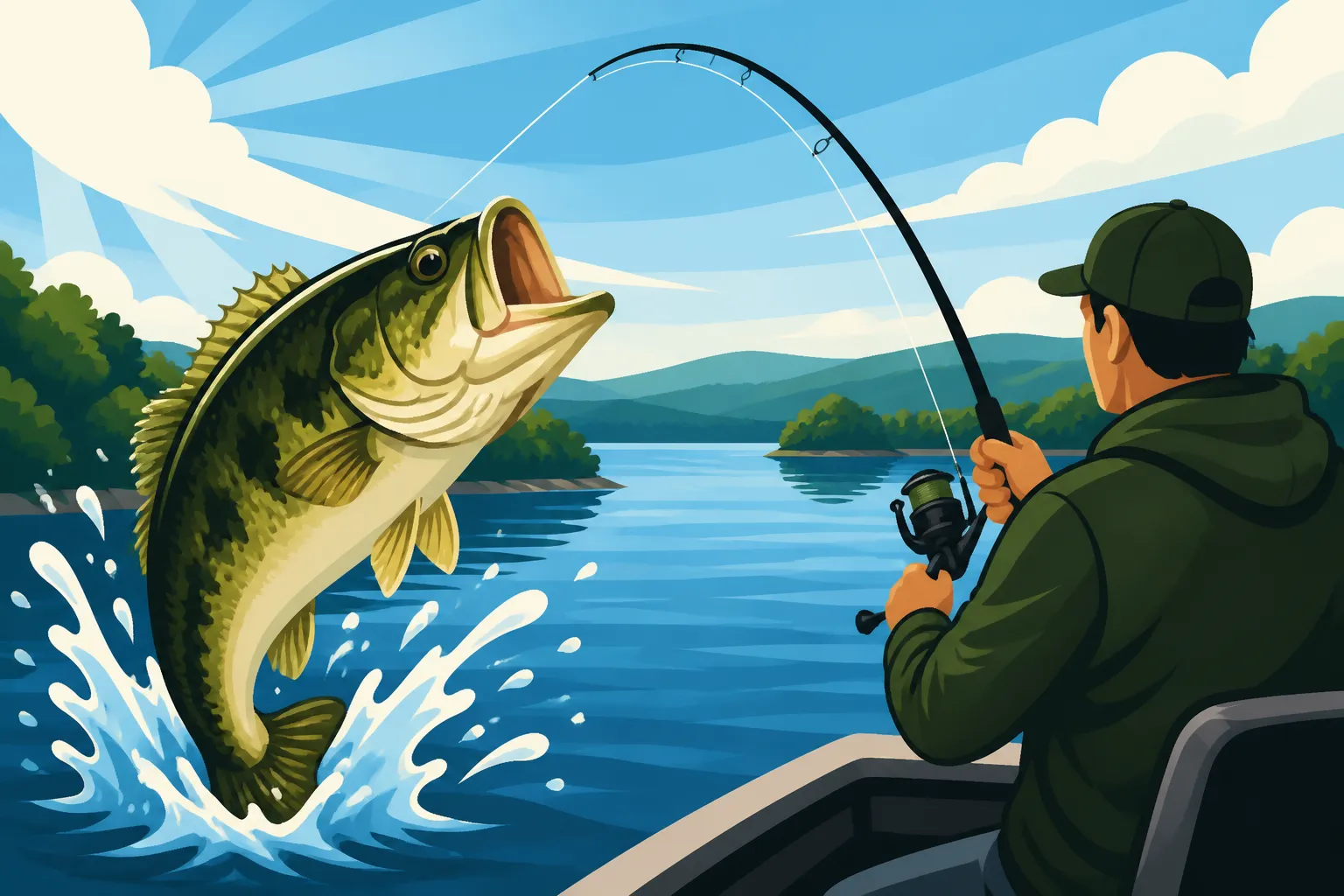
Bass fishing in Lake Hopatcong is phenomenal, attracting anglers from all over the region. The lake is home to both largemouth and smallmouth bass, each offering a unique challenge and thrill. Largemouth bass tend to prefer the shallower, weedy coves and areas with plenty of submerged structure like docks, fallen trees, and lily pads. They are ambush predators, often lurking in cover, waiting to strike at an unsuspecting baitfish or frog. Target these areas with soft plastics, spinnerbaits, or topwater lures, especially during the early morning or late evening. The feeling of a big largemouth blowing up on a frog bait in the pads is something every angler should experience! For dedicated bass anglers, exploring some of the specific Lake Hopatcong Bass Fishing Hotspots can greatly increase your chances of landing a lunker.
Smallmouth bass, on the other hand, typically prefer cleaner, deeper, and rockier areas of the lake. They are known for their powerful fights and acrobatic jumps once hooked. Look for them around rocky points, ledges, and humps in the main lake basin. Drop-shot rigs, tube jigs, and crankbaits that mimic crawfish or small baitfish are often highly effective for smallmouth. The fight of a smallmouth, often pulling hard and diving deep, is absolutely exhilarating. Lake Hopatcong is considered one of the Best Lakes for Largemouth Bass in New Jersey, and its smallmouth population only adds to its reputation.
Muskellunge and Northern Pike
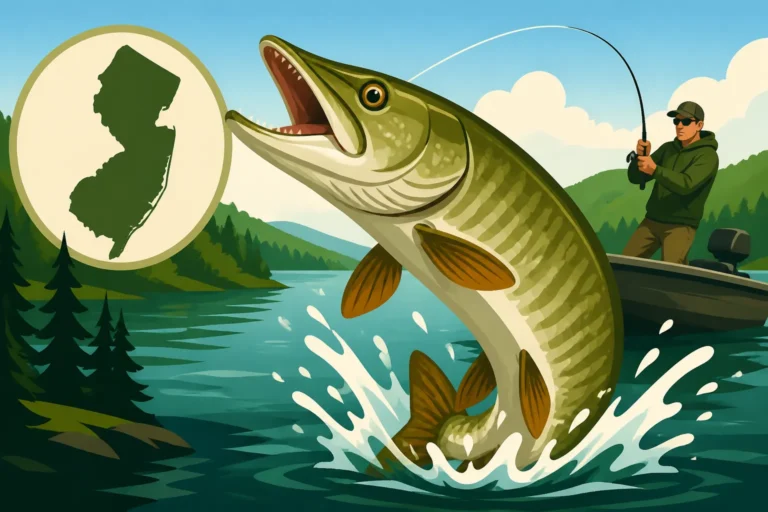
For anglers seeking a true freshwater challenge, Lake Hopatcong is a must-visit for muskellunge and northern pike. These apex predators are known for their aggressive strikes, impressive size, and formidable teeth. Muskies, often referred to as the "fish of a thousand casts," are notoriously elusive but incredibly rewarding when caught. They require patience, heavy tackle, and large baits or lures, such as oversized jerkbaits, glide baits, or bucktail spinners. The sheer power and speed of a muskie strike will get your heart pounding. New Jersey Muskellunge Waters are limited, making Lake Hopatcong a prime destination for targeting these magnificent fish.
Northern pike share similar habits, often found lurking in weed beds or around submerged timber, ready to ambush prey. While generally not as large as muskies, pike can still grow to impressive sizes in Lake Hopatcong and offer a fantastic fight. Spinnerbaits, spoons, and large swimbaits are effective for pike. Remember, both muskies and pike have razor-sharp teeth, so wire leaders are essential, and always handle them with extreme care, using a net and long-nosed pliers for hook removal, especially if practicing catch and release.
Walleye and Panfish
Lake Hopatcong also offers excellent opportunities for walleye and a variety of panfish. Walleye are highly sought after for their delicious table fare and their tricky, subtle bite. They are often found in deeper water, especially around humps, ledges, and rock piles. Fishing for walleye is often best at dawn, dusk, or even at night, when they move shallower to feed. Jigging with minnows or nightcrawlers, or trolling with crankbaits, are popular and effective methods. It’s a great lake to explore for those who enjoy the challenge of catching these elusive fish, solidifying its place among New Jersey Walleye Fishing Waters.
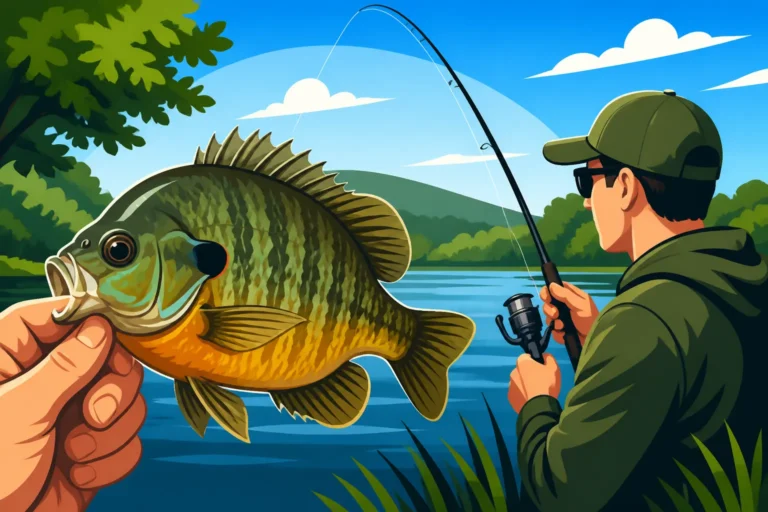
For consistent action and a great day with family, the lake's panfish population is robust. Crappie, bluegill, perch, and sunfish are abundant, providing fantastic fishing for anglers of all skill levels. These species are often found around docks, weed lines, and shallow cover. A simple setup with a bobber, a small hook, and live bait like worms or maggots, or tiny jigs, will usually result in plenty of bites. Crappie in particular can grow to impressive sizes in Lake Hopatcong, offering a surprisingly strong fight on light tackle. Checking out a New Jersey Crappie Fishing Guide can provide even more specialized tips for targeting these tasty fish. Panfish are an excellent way to introduce kids to fishing, guaranteeing smiles and plenty of action.
Essential Gear and Tackle for Lake Hopatcong
Heading out onto a large lake like Hopatcong without the right gear is like showing up to a fancy dinner in sweatpants – you might get by, but you won't feel truly prepared. Having the appropriate rods, reels, lines, and a selection of lures and baits is crucial for maximizing your success, no matter which species you're targeting.
Rod and Reel Setups for Different Species
Given the diverse fishery in Lake Hopatcong, it's wise to have a few different rod and reel setups if you plan to target multiple species. For bass fishing, a medium-heavy power, fast-action spinning rod (6'6" to 7'2") paired with a 2500-3000 size spinning reel spooled with 10-15 lb braided line (with a fluorocarbon leader) is a versatile choice. This setup can handle a wide range of lures, from soft plastics to spinnerbaits, and provides enough backbone to pull a bass out of heavy cover. For throwing larger swimbaits or jigs for bigger bass, a baitcasting setup in a similar power rating might be preferred for accuracy and control.
When targeting the toothy muskellunge or pike, you'll need to step up your game considerably. A heavy or extra-heavy power baitcasting rod (7'6" to 9'0") designed specifically for muskie fishing is essential. Pair this with a robust baitcasting reel capable of handling heavy lines (50-80 lb braid) and the immense strain of casting large lures and fighting powerful fish. A wire or heavy fluorocarbon leader (80-100 lb test) is non-negotiable to prevent bite-offs from their sharp teeth. For walleye, a sensitive medium-light to medium power spinning rod (6'6" to 7'0") with a fast tip is ideal for detecting their subtle bites, spooled with 6-10 lb fluorocarbon or braided line with a fluorocarbon leader. Panfish can be caught on ultra-light spinning gear, which makes even a small bluegill feel like a trophy.
Recommended Lures and Baits
The tackle box for Lake Hopatcong should be well-stocked with a variety of lures and baits to cover different conditions and target species. For largemouth bass, consider carrying plastic worms (Texas-rigged or Carolina-rigged), jig-and-trailer combos, spinnerbaits, chatterbaits, and topwater frogs or poppers. Crankbaits in various diving depths are also excellent for covering water and finding active fish. Smallmouth bass often respond well to tube jigs, drop-shot rigs with small plastics, small crankbaits, and finesse jigs that mimic crawfish.
Muskie and pike demand large, aggressive presentations. Think big bucktail spinners (like Musky Frenzy or Mepps Muskie Killers), oversized jerkbaits (like those from Rapala or Livingston Lures), glide baits, and large swimbaits. These lures are designed to provoke a reaction strike from these dominant predators. For walleye, live bait is often king – fathead minnows, shiners, or nightcrawlers fished on a jig head or a slip bobber rig are highly effective. Small crankbaits and blade baits can also tempt them. Panfish, being less finicky, will readily hit small worms, wax worms, grubs, tiny jigs, and micro-plastics fished under a bobber. Having a diverse selection ensures you're ready for whatever Lake Hopatcong throws your way.
Best Fishing Techniques for Lake Hopatcong
Success on Lake Hopatcong, like any large body of water, often comes down to employing the right techniques at the right time. Whether you're covering vast stretches of water from a boat or quietly working the shoreline, having a game plan for how you present your baits and lures will make a significant difference.
Trolling and Jigging Strategies
Trolling is an incredibly effective technique for covering large areas of Lake Hopatcong, especially when searching for pelagic species like walleye or even patrolling muskies and pike. By slowly moving your boat and dragging lures behind you at various depths, you can present your bait to a wide range of fish. For walleye, trolling crankbaits that dive to different depths (depending on the water temperature and time of year) along main lake points, breaks, and submerged humps can be highly productive. Experiment with speed and lure color to find what the fish prefer on any given day. For muskies and pike, trolling large crankbaits or even oversized spoons near weed edges or deep structure can entice a strike from a big predator.
Jigging, on the other hand, is a more vertical presentation that excels when fish are holding tight to structure or when you've located a school on your fish finder. For walleye, vertical jigging with a spoon or a jig-and-minnow combination over deep rock piles or channel edges can be deadly, especially during low light conditions or through the ice. Bass anglers often use jigging techniques with soft plastics (like Ned rigs or tubes) or football jigs around rocky bottoms, docks, and submerged timber. The key to successful jigging is feeling the bottom, detecting subtle bites, and varying your retrieve to mimic injured baitfish.
Shore Fishing and Kayak Tactics
Not everyone has access to a large boat, and thankfully, Lake Hopatcong offers fantastic opportunities for shore anglers and kayak enthusiasts. Shore fishing allows access to numerous points, public parks, and jetties that line the lake. Focus your efforts around any visible structure like docks, fallen trees, or transition areas where shallow water drops off into deeper sections. Casting soft plastics, spinnerbaits, or even live bait under a bobber can yield excellent results for bass, panfish, and even pike near the shoreline. Early morning and late evening are often the most productive times for shore anglers as fish move closer to the banks to feed. Be sure to check local regulations for specific access points and any restrictions.
Kayak fishing on Lake Hopatcong is an increasingly popular way to access areas that larger boats might struggle with, or to simply enjoy a more intimate fishing experience. Kayaks allow you to quietly sneak into shallow coves, work tight to weed lines, and explore back channels where big bass and pike often hide. You can easily cast jigs, worms, or topwater lures into prime spots without spooking the fish. For those looking to get into kayak fishing, remember safety first: always wear a PFD, carry a whistle, and be aware of boat traffic, especially on a busy lake like Hopatcong. Kayaks are also perfect for ice fishing, offering easy transport of gear once the lake freezes over.
Navigating Lake Hopatcong: Access and Regulations
Fishing New Jersey's largest lake comes with certain responsibilities and practical considerations. Understanding where you can access the water and, more importantly, adhering to all state and local regulations, is paramount to enjoying a safe and legal fishing trip. Nothing ruins a day faster than an unexpected run-in with the authorities due to a simple oversight.
Public Access Points and Boat Ramps
Lake Hopatcong offers several excellent public access points and boat ramps, making it relatively easy for anglers with boats or kayaks to get on the water. Some of the most popular ramps include those at Hopatcong State Park in Landing and Lee's County Park Marina in Mount Arlington. These ramps typically have ample parking and good facilities. However, during peak season, especially on weekends, they can get very busy, so plan accordingly for potential wait times. There are also smaller, municipal ramps and private marinas that offer launch services, sometimes for a fee.
For shore anglers, Hopatcong State Park provides significant shoreline access, including fishing piers and jetties. Other public parks and small, designated access points around the lake also offer opportunities to cast from the bank. It's always a good idea to scout these locations beforehand, perhaps using online maps or local fishing forums, to ensure they meet your needs. Remember to be respectful of private property and adhere to any posted signs regarding access. The more you know about these access points, the smoother your day on the water will be. For those with boats, it's also important to remember that New Jersey has boat registration requirements for anglers, so make sure your vessel is compliant.
Understanding State Regulations and Lake-Specific Rules
Before you even think about wetting a line, it's absolutely critical to familiarize yourself with New Jersey's fishing regulations. This includes statewide rules that apply to all freshwater bodies, as well as any specific regulations that might pertain uniquely to Lake Hopatcong. First and foremost, anyone aged 16 through 69 needs a valid New Jersey fishing license to fish freshwater. You can find detailed information in the New Jersey Freshwater Fishing Regulations Every Angler Should Know.
Beyond the license, you must also pay close attention to bag and size limits for specific species. These limits are put in place to manage fish populations sustainably. For instance, bass, walleye, muskie, and pike all have specific size restrictions and daily creel limits that can change from year to year. A quick glance at the How Bag and Size Limits Work in New Jersey guide will give you a general overview, but always consult the most current New Jersey Fish and Wildlife Digest for the precise rules. It’s freely available online and at bait and tackle shops. There might also be specific rules about bait use, particularly for muskie and pike, to prevent the spread of diseases or invasive species. Always carry a copy of your license and the regulations with you, either physically or digitally, to ensure you're compliant.
Seasonal Fishing Guide for Lake Hopatcong
Lake Hopatcong is a year-round fishery, offering unique opportunities as the seasons change. The fish's behavior, their preferred depths, and their feeding patterns will shift dramatically with water temperature and available forage. Understanding these seasonal changes is key to consistent success.
Spring Spawning Action
Spring is a time of renewal and intense activity on Lake Hopatcong. As water temperatures rise into the 50s and 60s Fahrenheit, many fish species begin their annual spawning rituals, moving into shallower waters. This is prime time for largemouth bass, which can be found in bays and coves with softer bottoms and aquatic vegetation, often guarding nests. Flipping jigs, soft plastics, or throwing spinnerbaits into these areas can be incredibly effective. Smallmouth bass will also move shallow, often spawning on rocky bottoms and points.
Walleye become more active in the spring as well, congregating near rocky areas and river inlets to spawn. Trolling or casting stickbaits and suspending jerkbaits can be highly productive during this period, especially during low light. Pike and muskie, while having slightly different spawning times, also become more accessible as they move into shallower, warmer waters to feed aggressively after the long winter. Spring is also when panfish populations become very active and hungry, providing excellent opportunities for family fishing outings. Be mindful of fishing pressure during this sensitive spawning period and consider practicing catch and release, especially for breeding fish, to protect the fishery.
Summer Heat and Deep Water
When the scorching New Jersey summer arrives and water temperatures soar, fishing on Lake Hopatcong shifts. Many species, particularly larger game fish, will move to deeper, cooler waters where oxygen levels are more stable. This means targeting thermoclines, submerged humps, deep points, and offshore structure becomes critical. For bass, early morning and late evening topwater action can still be fantastic, but during the day, focus on fishing docks, deep weed edges, and brush piles with Texas-rigged worms, shaky heads, or deep-diving crankbaits.
Walleye fishing in summer often means working those deep ledges and rock piles, either by vertical jigging with spoons or live bait, or by slow trolling with bottom-bouncing rigs. Muskies and pike might be found suspended over deeper water or tight to the thickest weed beds, requiring patient presentation of large baits. Panfish can still be found in shallower, shaded areas, especially early and late, but also move into slightly deeper parts of coves during midday. Adapting your techniques to target these deeper haunts is crucial for summer success on Lake Hopatcong.
Fall Feeding Frenzy
Fall is arguably one of the best times to fish Lake Hopatcong, as cooling water temperatures trigger a massive feeding frenzy across nearly all species. Fish are aggressively bulking up for the lean winter months, making them more willing to strike. Largemouth and smallmouth bass move shallow again, often schooling up on baitfish. Crankbaits, jerkbaits, and spinnerbaits that imitate baitfish can be incredibly effective. The colors of the foliage reflecting on the water only add to the beauty of a fall fishing trip.
Muskies and pike become very active in the fall, making it a prime time to pursue these trophy fish. They will patrol weed edges and rocky points, devouring anything in their path. Large bucktails, glide baits, and big crankbaits should be your go-to lures. Walleye fishing also picks up significantly in the fall; they can be found in their deeper haunts but will often move shallower during low light to feed voraciously. Trolling or jigging with live bait or aggressive crankbaits will often produce big walleye. The vibrant fall colors, fewer crowds, and hungry fish make autumn an irresistible time to be on Lake Hopatcong. Check out New Jersey Fishing Season Dates and Closures for any specific fall regulations.
Winter Ice Fishing Opportunities
When the bitter cold finally descends and Lake Hopatcong freezes over, a whole new world of fishing opens up: ice fishing. This unique discipline allows anglers to access parts of the lake that are often unreachable by boat during open water seasons. However, safety is paramount. Always ensure the ice is thick enough (at least 4 inches of clear, solid ice for foot travel) before venturing out, and always go with a buddy. For more on this, consult the Lake Hopatcong Ice Fishing Guide to prepare thoroughly.
Popular targets through the ice include yellow perch, crappie, bluegill, and even walleye. Using small ice jigs tipped with live bait like wax worms or spikes, or tiny plastic baits, is highly effective for panfish. Drill multiple holes and move around until you find a school of active fish. For walleye, tip-ups with live shiners or jigging spoons often do the trick. Even pike and muskie can be caught through the ice using larger tip-ups with hefty shiners. Ice fishing offers a serene and often productive way to extend your fishing season on Lake Hopatcong, but never compromise on safety.
Hiring a Guide or Charter on Lake Hopatcong
While this guide offers a solid foundation, there's no substitute for the nuanced expertise of a local fishing guide, especially when tackling a large and complex lake like Hopatcong. Many anglers, myself included, have found that a guided trip can fast-track their learning curve and significantly increase their chances of success, especially on the first few visits.
Benefits of a Local Expert
A local fishing guide on Lake Hopatcong brings an invaluable wealth of knowledge to your trip. They spend countless hours on the water, observing patterns, tracking fish movements, and experimenting with different techniques. This means they know the current hotspots, what baits are working best right now, and how the fish are reacting to the prevailing weather and water conditions. Instead of spending half your day searching for fish, a guide puts you directly on them.
Beyond just finding fish, a good guide can teach you specific techniques tailored to Lake Hopatcong's unique structure and species. They can help you refine your casting, improve your jigging presentation, or even introduce you to methods you've never tried. This hands-on learning can dramatically improve your skills, making you a more effective angler in the long run. They also provide all the necessary gear, ensuring you have the right rods, reels, and tackle for the job, eliminating the guesswork and expense of buying specialized equipment for a single trip.
How to Choose a Reputable Service
Choosing the right guide service is crucial for a positive experience. Start by looking for guides who specialize in Lake Hopatcong and the specific species you want to target. A quick online search for "Lake Hopatcong fishing guides" will yield several options. Read reviews and testimonials to get a sense of other anglers' experiences. You want a guide who is not only skilled at finding fish but also patient, knowledgeable, and enjoyable to spend a day with.
Another excellent resource is online booking platforms dedicated to fishing charters and guides. Websites like FishingBooker allow you to browse multiple local guides, compare prices, read verified reviews, and check availability all in one place. They often have detailed profiles of captains, outlining their experience, boat specifics, and what species they target. When booking, don't hesitate to ask questions: What's included in the price? Do they provide bait and tackle? What's their cancellation policy in case of bad weather? For a more general overview on what to look for, checking out How to Choose a New Jersey Fishing Charter can give you great insights into vetting services, even for freshwater. A reputable guide will be happy to answer all your questions and ensure you feel confident and excited about your trip. Whether you're chasing the elusive muskie or just want a productive day of bass fishing, a guide can make all the difference, and platforms like FishingBooker make finding that perfect guide much easier.
Conservation and Responsible Angling in Lake Hopatcong
Lake Hopatcong is a precious natural resource, and it's up to all of us to ensure its health and vitality for future generations of anglers. Responsible angling practices and a commitment to conservation are not just good ideas; they are essential for preserving the incredible fishing opportunities this lake provides.
Catch and Release Practices
While keeping a legal catch for dinner is a cherished part of fishing, practicing catch and release, especially for larger breeding fish, is vital for maintaining healthy fish populations. Larger, older fish are often the most prolific spawners, contributing significantly to the genetic strength of the fishery. When you do practice catch and release, do so responsibly:
- Minimize Fight Time: Bring the fish in as quickly as possible to reduce exhaustion.
- Handle With Care: Avoid touching the fish's eyes or gills. Use wet hands or a wet net. If possible, keep the fish in the water while unhooking.
- Proper De-hooking: Use needle-nose pliers or a de-hooking tool to remove hooks quickly and cleanly. Barbless hooks can make this much easier.
- Revive Gently: If the fish seems stressed, hold it upright in the water and gently move it back and forth to force water over its gills until it swims away on its own. Never throw a fish back into the water.
This mindful approach ensures that those trophy-sized bass, muskie, and walleye can continue to contribute to the lake's ecosystem and provide future anglers with the same thrill you just experienced.
Protecting the Lake's Ecosystem
Beyond responsible fish handling, our actions on and around the lake have a profound impact on its overall health. Always practice "leave no trace" principles. Pack out everything you pack in, including all fishing line, bait containers, and food wrappers. Monofilament fishing line, in particular, can be incredibly harmful to wildlife if left behind.
Be mindful of boat wakes, especially in sensitive shallow areas or near shorelines where erosion can be a problem. If you use live bait from outside the lake, ensure it's free of any invasive species or diseases that could be introduced. Never release unused baitfish into the lake. Even small actions, like cleaning your boat and trailer thoroughly before launching to prevent the spread of aquatic invasive species, make a huge difference. By being good stewards of Lake Hopatcong, we help protect the delicate balance of its ecosystem, ensuring it remains a premier fishing destination for years to come.
TABLE: Lake Hopatcong Key Species & Fishing Snapshot
| Fish Species | Best Season | Preferred Habitat | Recommended Baits/Lures | Notes |
|---|---|---|---|---|
| Largemouth Bass | Spring, Fall | Shallow coves, weed beds, docks, submerged timber | Plastic worms, spinnerbaits, topwater frogs, jigs | Aggressive bites, often found in cover. |
| Smallmouth Bass | Spring, Fall | Rocky points, deep ledges, humps, clean bottoms | Tube jigs, drop-shot rigs, small crankbaits | Hard fighters, acrobatic jumps. |
| Muskellunge (Muskie) | Fall, Spring | Weed edges, open water, submerged structure, deep breaks | Large bucktails, jerkbaits, glide baits | Elusive, trophy fish; require heavy tackle. |
| Northern Pike | Spring, Fall | Weed beds, fallen trees, shallow cover | Spinnerbaits, spoons, large swimbaits | Toothiest predator, similar habits to muskie. |
| Walleye | Spring, Fall, Ice | Deep humps, ledges, rocky bottoms, channel edges | Minnows, nightcrawlers, jigging spoons, crankbaits | Subtle bite, excellent table fare, active at night. |
| Crappie | Spring, Winter | Docks, brush piles, submerged trees, deep weed lines | Small jigs, minnows, wax worms | Panfish, can grow to good size, often school. |
| Yellow Perch | Year-round | Weed lines, deeper flats, open water schools | Small jigs, worms, minnows | Consistent action, good for kids, popular ice fish. |
Disclaimer
The information provided in this guide is for general informational purposes only and is subject to change. Fishing regulations, season dates, and limits are set by the New Jersey Department of Environmental Protection (NJDEP) and can be updated annually or even mid-season. Always consult the most current New Jersey Fish and Wildlife Digest or the official NJDEP website before heading out to fish, to ensure you are fully compliant with all applicable laws and regulations.