Spruce Run Reservoir Striped Bass Fishing
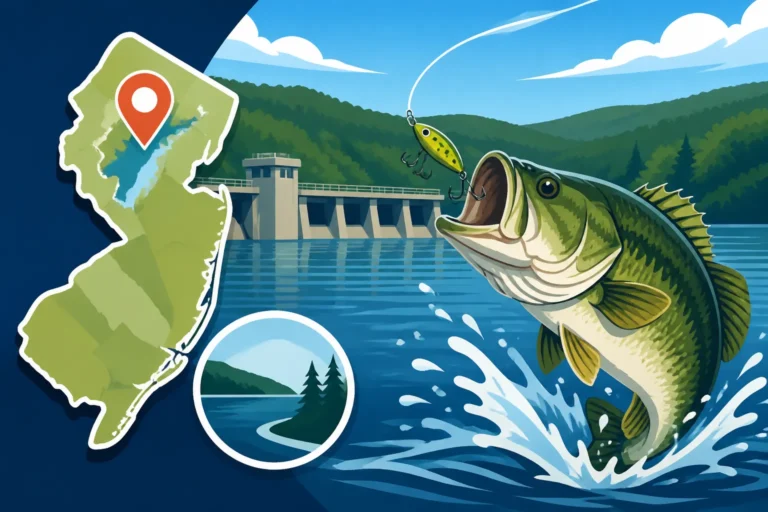
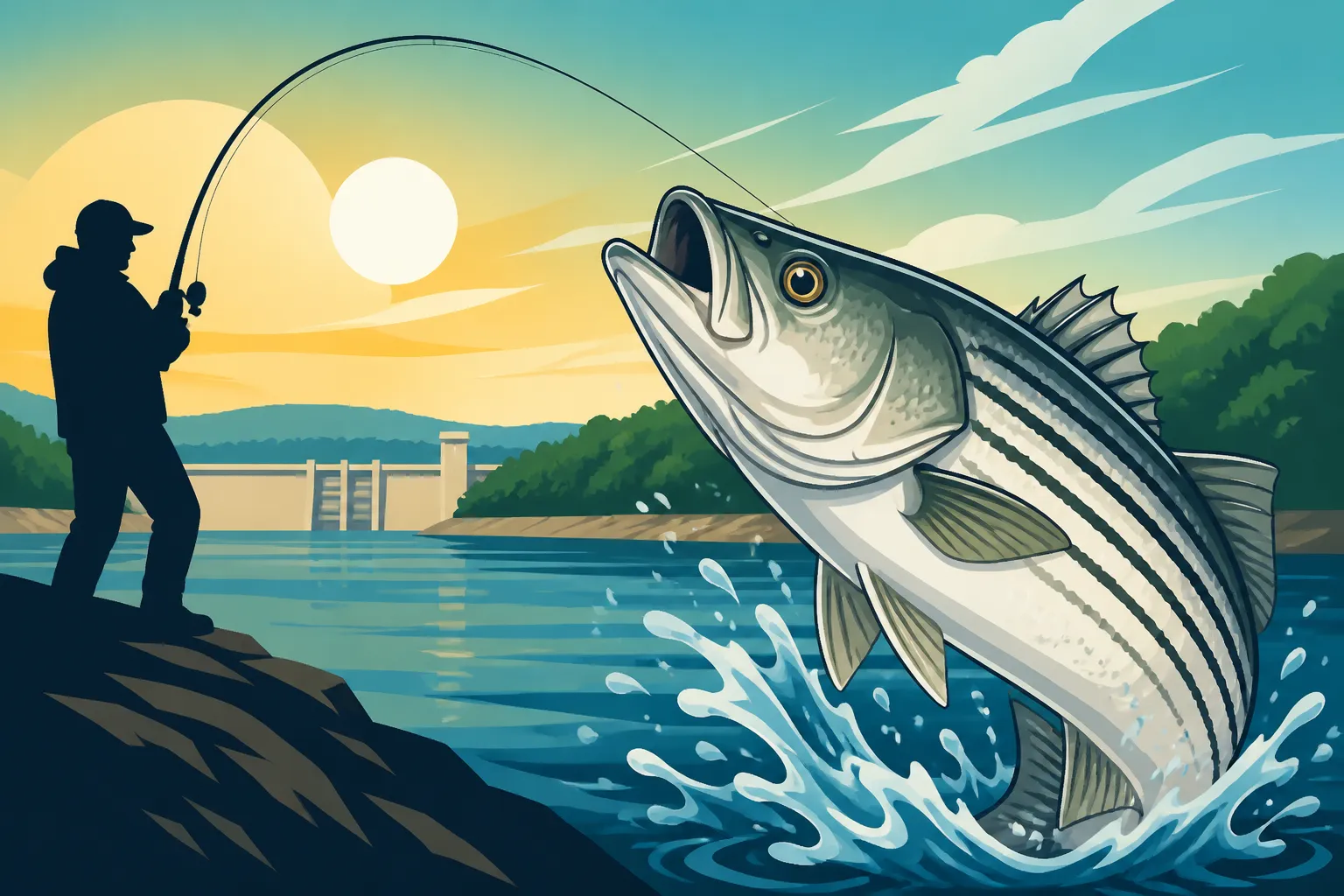
There's a special thrill that comes with chasing striped bass in freshwater, a unique challenge that sets it apart from the often-chaotic surf or bustling bay. If you've been dreaming of that freshwater striper fight in New Jersey, you might feel a bit lost on where to start. Many anglers think of stripers as strictly saltwater creatures, but our state actually offers some incredible opportunities to hook into these hard-fighting fish far from the ocean. This comprehensive guide is dedicated to unlocking the secrets of Spruce Run Reservoir, one of New Jersey's premier destinations for targeting striped bass, providing you with all the insights you need for a successful trip.
Understanding Spruce Run Reservoir's Unique Appeal for Striped Bass
Spruce Run Reservoir, nestled in Hunterdon County, isn't just any body of water; it's a pristine, deep, and challenging environment that holds a thriving population of striped bass, often hybridized with white bass to create a super-charged fighting machine. For many, the idea of catching a striper without a hint of salt in the air is a fascinating prospect, and Spruce Run truly delivers on that front.
The Allure of Freshwater Stripers in New Jersey
Freshwater striped bass, or hybrid stripers, offer an exciting angling experience distinct from their ocean-dwelling cousins. They tend to be incredibly powerful for their size, with a tenacious fight that will test your gear and your resolve. The appeal here isn't just the novelty; it's the raw power and the chance to target a top-tier predatory fish in a serene, freshwater setting. Unlike the vastness of the ocean or a wide-open bay, a reservoir presents a more contained environment, yet its depths and structures provide ample hiding spots and hunting grounds for these impressive fish. The frustration for many anglers is knowing these fish exist but not knowing how to approach them in such a different habitat. We're here to help bridge that gap.
Key Characteristics of Spruce Run Reservoir
Spruce Run Reservoir is a substantial body of water, covering approximately 1,290 acres with depths reaching over 70 feet in some areas. This depth is crucial, especially during warmer months, as it allows striped bass to retreat to cooler, more comfortable waters. The reservoir is known for its relatively clear water, which means fish can be more wary, requiring a stealthier approach and often longer casts or subtler presentations.
The bottom structure is varied, featuring old creek channels, humps, points, and submerged timber, all of which provide excellent ambush points and holding areas for baitfish and, consequently, stripers. Understanding these contours is key to success. The water clarity and deep sections mean that light penetration goes further down, which can influence how and when stripers feed. Early mornings, late evenings, and overcast days often prove most productive, as the reduced light can make the fish feel more secure in shallower water. For those used to fishing murky rivers or ocean fronts, this clarity can be a significant adjustment, demanding a different set of skills to consistently hook up with these impressive fish.
Prime Times and Seasonal Patterns for Spruce Run Striped Bass
Knowing when to fish can be just as important as knowing where. Spruce Run Reservoir experiences distinct seasonal changes that dramatically influence striped bass behavior, dictating their movements and feeding patterns throughout the year.
Spring and Fall: The Best Seasons for Action
Hands down, spring and fall are the golden seasons for striped bass fishing at Spruce Run. As the water temperatures begin to moderate after the extremes of winter and summer, these fish become much more active and accessible.
In spring, typically from April through June, after the ice recedes and the water warms into the 50s and low 60s Fahrenheit, stripers move shallower. They’ll be actively chasing baitfish like alewife and shiners, which also become more active with the rising temperatures. This is often when you'll find them cruising points, submerged humps, and along the reservoir's edges, particularly in the northern sections and near the dam outflow. Look for signs of baitfish schools or even surface activity, especially early in the morning or late in the afternoon. Anglers often find success casting swimbaits, jerkbaits, or even topwater plugs around these active areas. It's a time of renewed energy for both the fish and the anglers.
Fall, usually from September through November, offers a similar, if not sometimes more intense, period of activity. As temperatures drop back into that optimal range, stripers embark on a feeding frenzy to fatten up for the coming winter. They'll actively pursue baitfish, often herding them into open water or against structure. The cooler temperatures make them less lethargic, and they'll readily strike a variety of presentations. This is when some of the biggest fish of the year are often caught. Just like in spring, focus on areas with baitfish concentrations, using your electronics to find schools in deeper water or watching for surface busts.
Summer and Winter Challenges and Opportunities
While spring and fall are prime, don't write off summer and winter entirely – they just require different tactics.
During the summer months, from July through August, Spruce Run's surface water can get quite warm. This pushes the striped bass into deeper, cooler thermoclines, typically 20-40 feet down or more. Locating them becomes more of a challenge, as they’re less likely to be cruising the shallows. This is when good electronics become invaluable, helping you pinpoint bait balls and the stripers holding beneath them. Trolling deep-diving crankbaits or presenting live bait on downriggers or weighted lines are often the most effective methods to reach these suspended fish. Early mornings before the sun gets high, or late evenings into the night, can also see stripers temporarily move shallower to feed under the cover of darkness. It's tough fishing, but incredibly rewarding when you crack the code.
Winter brings its own set of conditions, with Spruce Run often freezing over. Ice fishing for striped bass is a less common pursuit here, but it's not unheard of. If the ice is safe and thick enough (always check local conditions and prioritize safety, as How Thick Should Ice Be Before You Fish on It? is crucial knowledge), stripers will be lethargic and holding in the deepest sections of the reservoir. Vertical jigging spoons, blade baits, or presenting small live shiners or fathead minnows through the ice can tempt a strike. Remember, fish metabolism slows down significantly, so subtle presentations and patience are key. Always prioritize safety on the ice; no fish is worth the risk.
Effective Techniques and Baits for Spruce Run Stripers
Catching striped bass in a freshwater reservoir like Spruce Run requires a blend of traditional striper tactics and specific freshwater adjustments. What works in the surf won't necessarily translate directly here, so let's dive into the strategies that truly shine.
Live Bait Presentations for Trophy Fish
When you're serious about landing a trophy-sized striped bass at Spruce Run, live bait is often your best bet. The reservoir is home to a good population of alewife, which are a primary forage for these stripers, so "matching the hatch" with similar bait is highly effective. Shiners, small herring (if legal to use and acquire), or even larger fathead minnows can also entice strikes.
There are a few ways to present live bait effectively:
- Freelining: This is perhaps the most natural presentation. Simply hook a lively baitfish through the nose or dorsal fin with a light wire hook (e.g., a 2/0 to 4/0 circle hook) and let it swim freely. This works best when stripers are actively feeding higher in the water column or cruising shallower points. The natural movement of the bait is often irresistible. This tactic is particularly effective in spring and fall.
- Weighted Rigs: When stripers are holding deeper, you'll need to get your bait down to them. A simple Carolina rig or a three-way swivel rig with a bell sinker can do the trick. For a Carolina rig, use an egg sinker (1/2 oz to 1 oz, depending on depth and current) above a swivel, with a 2-3 foot fluorocarbon leader to your hook. For the three-way swivel, tie your main line to one eye, a leader to your hook to a second eye, and a shorter leader (6-12 inches) with a sinker to the third eye. This allows your bait to swim enticingly just above the bottom or at a specific depth.
- Drifting: On windy days, or if you have a trolling motor, drifting live bait over submerged humps, along old creek channels, or over deep structure can cover a lot of water and present your bait naturally to active fish. Pay close attention to your rod tip for the tell-tale thump or sudden drag pull.
Remember to use fresh, lively bait. Dedicating time to catching your own baitfish with a cast net or sabiki rig (where legal) can significantly increase your chances, as freshly caught local bait often outperforms store-bought alternatives. You can find more insights on selecting bait in our guide on the Best Bait Fish for Freshwater Predator Species.
Artificial Lures for Active Stripers
While live bait is a powerhouse, artificial lures can be incredibly effective, especially when stripers are aggressive and actively hunting. They also allow you to cover much more water and target different depths quickly.
- Topwater Plugs: These are pure excitement! Poppers, walk-the-dog baits (like Heddon Super Spook), and prop baits can draw explosive strikes when stripers are feeding on the surface, often during low light conditions or over shallow flats in spring and fall. The key is to work them with erratic, enticing movements that mimic a struggling baitfish.
- Swimbaits and Jerkbaits: Soft plastic paddle tail swimbaits rigged on a weighted swimbait hook or a jig head (e.g., Keitech Swing Impact Fat, Bass Assassin Sea Shad) are incredibly versatile. They can be cast and retrieved steadily, jigged along the bottom, or burned just under the surface. Jerkbaits (like Rapala X-Rap, Lucky Craft Pointer) are excellent for mimicking injured baitfish with a "twitch, twitch, pause" retrieve. These are great choices for targeting cruising fish or working structure.
- Spoons and Blade Baits: Metal spoons (like Kastmaster, Little Cleo) and blade baits (like Silver Buddy) are fantastic for vertical jigging over deeper schools of stripers, especially in summer or winter. Drop them to the desired depth and work them with sharp lifts and drops, allowing them to flutter on the fall. The flash and vibration can trigger strikes from even hesitant fish.
- Jigs: Bucktail jigs (like Andrus Jetty Caster) or soft plastic jigs (like Gulp! Swimming Mullet on a jig head) are tried-and-true producers. They can be bounced along the bottom, swam mid-water, or retrieved with a lift-and-drop motion. Vary your retrieve until you find what the fish prefer. Our article on Best Lures for Striped Bass Fishing offers even more choices and techniques.
Trolling and Downrigging Strategies
For covering vast expanses of water and consistently presenting baits at specific depths, trolling is a highly effective method, particularly in a large reservoir like Spruce Run. This technique is invaluable when stripers are suspended in open water or scattered.
- Trolling with Crankbaits: Deep-diving crankbaits (like Rapala Deep Diver, Bomber Long A) are excellent for trolling. Choose models that are designed to reach the depth where you're seeing fish on your sonar. Vary your speed until you find the sweet spot, typically 2-3 mph. You can run multiple lines with different lure colors and depths until you discover a pattern.
- Downrigging for Precision: When stripers are holding in very specific, deep thermoclines, downriggers become indispensable. A downrigger allows you to present a live bait or an artificial lure (like a spoon, swimbait, or even a smaller bucktail) at a precise depth, regardless of your boat speed. This takes the guesswork out of getting your offering into the strike zone. Many anglers who target deep-holding species like lake trout (which also reside in some New Jersey reservoirs) use similar setups, as detailed in our guide on Trolling Techniques for New Jersey Lake Trout. It's about putting your bait right in front of the fish's nose.
- Umbrella Rigs and Spreader Bars: While more commonly used in saltwater, smaller versions of umbrella rigs or spreader bars can also be adapted for freshwater trolling, especially for aggressive stripers. These rigs simulate a school of baitfish, which can be highly effective in drawing in a feeding striper. However, be mindful of New Jersey's regulations on How Many Fishing Rods Can You Use at Once in New Jersey? and the number of hooks allowed per line.
No matter which technique you choose, having good sonar and GPS mapping is crucial. You'll want to mark productive areas, identify baitfish schools, and understand the bottom contours to maximize your time on the water.
| Lure/Bait Type | Ideal Conditions | Retrieve/Presentation Tip | Target Depth |
|---|---|---|---|
| Live Bait | Spring/Fall, low light, wary fish | Freelined, weighted rigs, drifted over structure | Varied, adjust with weight |
| Topwater Plugs | Spring/Fall, low light, calm water, surface activity | Erratic "walk-the-dog," popping, pausing | Surface |
| Swimbaits | All seasons, active feeding, covering water | Steady retrieve, jigged, bounced off bottom | Shallow to Mid-Depth (0-20 ft) |
| Jerkbaits | Spring/Fall, clear water, imitating injured bait | "Twitch, twitch, pause" | Shallow to Mid-Depth (0-15 ft) |
| Spoons/Blade Baits | Summer/Winter, deep water, lethargic fish | Vertical jigging, sharp lifts and drops | Deep (20+ ft), suspended fish |
| Deep-Diving Crankbaits | Summer, open water trolling, specific depths | Trolled at consistent speed, find fish on sonar | Mid to Deep (10-35 ft) |
Access, Regulations, and Local Tips for Spruce Run
Planning a trip to Spruce Run for striped bass involves more than just knowing what bait to use. You need to understand how to access the reservoir, what rules apply, and some general wisdom that can make your outing more enjoyable and successful.
Navigating Access Points and Launch Ramps
Spruce Run Reservoir offers good public access for anglers. The primary access point is the Spruce Run Recreation Area, managed by the New Jersey State Park Service.
- Boat Launch: There are excellent boat launch facilities available. You'll typically find multiple ramps that can accommodate various boat sizes. Keep in mind that there are often fees associated with boat launching, especially during peak season, and specific rules regarding motor size or boat types may apply (e.g., limitations on two-stroke engines or speed limits on the water). Always check the latest park regulations before you go. Having your boat registered and displaying a valid New Jersey Boat Registration Requirements for Anglers sticker is essential.
- Shore Fishing: For those without a boat, Spruce Run offers numerous opportunities for shore fishing. Designated areas along the reservoir provide bank access, and while you might not be able to reach the deep-water haunts of the stripers as easily as from a boat, you can still find success by targeting points, coves, and areas where baitfish congregate closer to shore, particularly in spring and fall. These areas can be excellent for casting swimbaits or presenting live bait under a bobber.
- Kayak and Canoe Access: Kayak and canoe anglers will also find Spruce Run accommodating. These smaller vessels offer excellent maneuverability and can access areas that larger boats might avoid. They're also great for a stealthy approach in the clear waters. Just ensure you follow all safety guidelines and have proper flotation devices.
Remember that parking can fill up quickly on weekends and holidays, so arriving early is always a good strategy.
Essential Regulations and Gear Considerations
Fishing in any New Jersey public water, including Spruce Run Reservoir, requires adherence to specific regulations. Ignorance of the law is no excuse, and wardens do patrol these waters.
- Fishing License: A valid New Jersey freshwater fishing license is absolutely mandatory for anglers aged 16 and older. If you're a New Jersey resident, you'll need a New Jersey Resident Fishing License Requirements. Non-residents will need a New Jersey Nonresident Annual Fishing License Requirements. You can easily purchase your license online or from various retailers; our guide on Where and How to Buy a New Jersey Fishing License can walk you through the process. Always carry proof of your license while fishing, whether it's a physical copy or a digital one on your phone.
- Saltwater Registry (Not Applicable for Spruce Run): Because Spruce Run is a freshwater reservoir, you do not need to register with the New Jersey Saltwater Registry Explained. This is a common point of confusion for anglers transitioning between freshwater and saltwater.
- Trout Stamp: While primarily a striper destination, Spruce Run is also stocked with trout. If you plan to keep trout or fish for them, you might need a New Jersey Trout Stamp Requirements Explained in addition to your freshwater license. It's always a good idea to check the current New Jersey Freshwater Fishing Regulations Every Angler Should Know for all species, as bag and size limits can change.
- Gear Selection: For striped bass in Spruce Run, you'll want medium-heavy to heavy spinning or baitcasting gear. A 7-foot medium-heavy rod paired with a reel spooled with 15-20 lb braided line and a 15-30 lb fluorocarbon leader is a good starting point. This setup provides the power to handle larger fish while maintaining sensitivity. For those new to fishing, our guide on Best New Jersey Fishing Gear for Beginners offers excellent advice on selecting appropriate tackle without breaking the bank.
Before you head out, always consult the current New Jersey Fish and Wildlife Digest for the most up-to-date regulations regarding striped bass in freshwater. While there isn't a specific statewide freshwater striped bass slot limit, the general freshwater limits for any species you might incidentally catch still apply, as detailed in New Jersey Daily Bag Limits by Species.
If you're considering hiring a local guide to help you navigate Spruce Run's intricacies, especially if you're targeting striped bass for the first time in this environment, platforms like FishingBooker can be an excellent resource. They allow you to browse experienced guides who specialize in freshwater striper fishing and understand the unique challenges and opportunities that Spruce Run presents. These guides often have the latest local knowledge, tackle, and boat setups to put you on fish.
Remember, the New Jersey Conservation Police routinely conduct license checks and ensure compliance with all fishing regulations. Being prepared and informed will help ensure a stress-free and enjoyable day on the water.
Disclaimer
Please note: Fishing regulations, season dates, and access policies in New Jersey can change. Always consult the official New Jersey Department of Environmental Protection (NJDEP) Fish and Wildlife website or their current Fishing Digest before planning your trip to ensure you have the most up-to-date information.