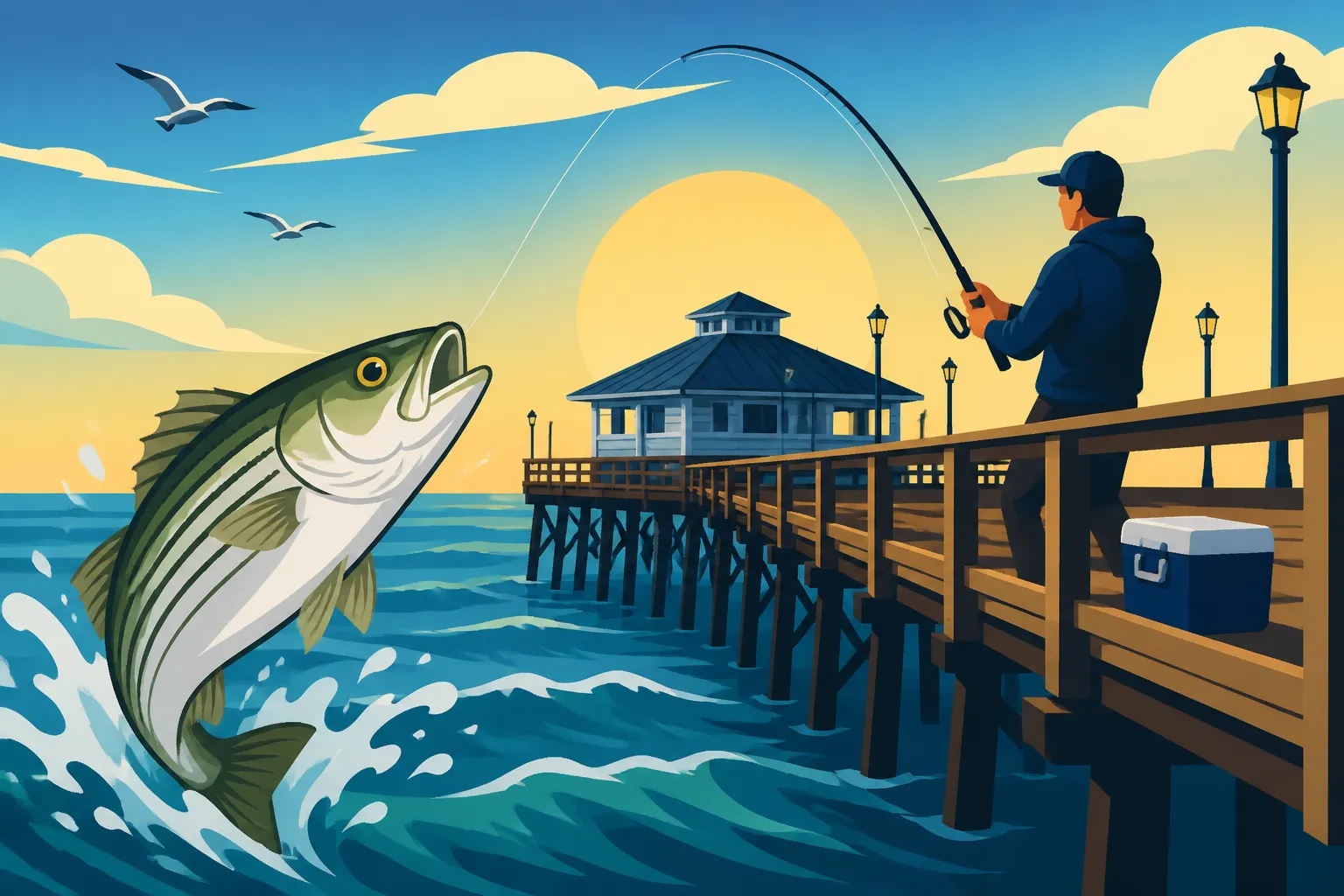
Belmar Fishing Pier Guide
Finding truly productive fishing spots that don't require a boat can often feel like searching for a needle in a haystack, especially along New Jersey's busy coastline. Many anglers, myself included, yearn for accessible places where they can simply cast a line from shore, enjoy the ocean breeze, and actually have a good shot at catching something worthwhile. If you've been dreaming of such a place, then look no further than the Belmar Fishing Pier. This comprehensive guide is designed to walk you through everything you need to know to make your next pier fishing adventure in Belmar a resounding success, from the gear to the glorious fish you might encounter.
The Enduring Appeal of Belmar Fishing Pier for Anglers
The Belmar Fishing Pier isn't just a wooden structure extending into the Atlantic; it's a beloved institution for New Jersey anglers. Standing proudly after being rebuilt and reinforced over the years, it provides unparalleled access to the deeper, fish-rich waters of the open ocean without the need for a vessel. It's a place where seasoned pros and eager beginners alike can share the rail, swap stories, and enjoy the communal spirit of fishing.
Unbeatable Accessibility and Convenient Amenities
One of the biggest draws of the Belmar Fishing Pier is its sheer accessibility. Located right on the Belmar beachfront at 100 Ocean Avenue, it's easy to find and offers ample parking in the surrounding municipal lots. You can simply walk on, set up your gear, and start fishing. The pier itself is impressively long, stretching over 1,300 feet into the ocean, providing plenty of room for everyone without feeling overcrowded on most days.
For those moments when you realize you forgot something crucial, or just need a fresh supply of bait, the pier often hosts a bait and tackle shop right on site. This is a huge convenience, saving you a trip off the pier. Imagine reeling in a beautiful fluke, only to realize you're out of your favorite Gulp! bait – having a shop right there is a lifesaver. Plus, for comfort, restrooms are readily available, making it easy to spend an entire day out on the water. For anglers who might be considering a different kind of fishing adventure, perhaps a guided trip, resources like FishingBooker can offer a wide array of options for charter boats or guides in the general area, though the pier itself is a self-sufficient experience.
Year-Round Potential for Diverse Catches
While many fishing spots in New Jersey are highly seasonal, the Belmar Fishing Pier offers productive angling opportunities throughout much of the year. The pier's unique position, extending far offshore, allows it to tap into different migratory patterns and hold resident fish species across various seasons.
In the warmer months, especially from late spring through early fall, the pier really comes alive. Summer flounder, affectionately known as fluke, are a primary target, and big ones are regularly caught. Striped bass also make their presence known, particularly during their spring and fall migrations. The pier often becomes a hotspot during what's known as the "fall run" when striped bass are actively feeding along the coast. Anglers can also expect to encounter bluefish, especially during their blitzes, as well as croakers, kingfish, porgies, and even weakfish on occasion.
As the weather cools in late fall and into winter, the fishing might slow down a bit, but it doesn't stop entirely. Hardier species like tautog (blackfish) and even occasional cod or ling can be found around the pilings and deeper structure, offering a challenging but rewarding experience for dedicated winter anglers. This year-round potential means you can almost always find something biting, making the Belmar Pier a consistent choice for your fishing calendar. To understand specific timing, it’s always helpful to check out the broader guide on New Jersey Fishing Seasons Explained for a general overview of what's active when.
Popular Target Species and What You'll Catch
The variety of fish you can realistically expect to catch from the Belmar Fishing Pier is impressive, making every trip a bit of a surprise. Here's a rundown of the usual suspects:
- Fluke (Summer Flounder): These flatfish are a staple, especially from May through September. They love to ambush bait as it drifts past, and the pier offers excellent drift opportunities. Knowing the New Jersey Fluke Size and Bag Limits Explained is crucial here.
- Striped Bass: The king of the surf, stripers frequent the pier during their spring and fall migrations. Anglers often target them with chunks of bunker, clams, or various lures. Be sure to be up-to-date on the New Jersey Striped Bass Slot Limit Explained before heading out.
- Bluefish: Known for their aggressive strikes and sharp teeth, bluefish are present throughout the warmer months. They can put up a fantastic fight and often show up in large schools.
- Kingfish: A smaller, but delicious panfish, kingfish are abundant close to shore during summer. They are a great target for lighter tackle and a favorite for family fishing.
- Porgies (Scup): Another excellent panfish, porgies gather around structure and are eager biters.
- Weakfish: Though their populations have seen fluctuations, weakfish can still be caught from the pier, especially in certain tides or seasons.
- Tautog (Blackfish): These tough fighters are found around the pier pilings and other structures, particularly in cooler water. They require specific bait (crabs) and a quick hookset.
- Winter Flounder: While not as common as fluke, they can be targeted in colder months closer to the bottom.
This diverse fishery means you can often switch tactics and target different species throughout the day, keeping things exciting and productive.
Essential Gear and Techniques for Pier Success
Having the right gear and understanding effective techniques are paramount for consistent success on the Belmar Fishing Pier. Unlike fishing from a boat or even some calmer jetties, pier fishing presents its own set of challenges and opportunities.
Rods, Reels, and Line Recommendations
When fishing from a pier like Belmar's, versatility is key, but so is having enough power to handle larger fish and the sometimes-strong currents.
- Medium-Heavy to Heavy Spinning Rods: For general-purpose pier fishing, a 7 to 10-foot spinning rod with a medium-heavy to heavy action is ideal. This length provides good casting distance to reach beyond the immediate wash and enough leverage to control larger fish. Shorter rods (6-7 feet) can be useful for lighter tackle and smaller fish like kingfish or croakers closer to the pier.
- Robust Spinning Reels: Pair your rod with a reliable spinning reel in the 4000 to 6000 size range. Look for reels with smooth drags and good line capacity. Saltwater-rated reels are a must, as the corrosive environment will quickly degrade freshwater gear. Brands like Penn, Shimano, and Daiwa offer excellent options for pier fishing that can withstand the rigors of the ocean.
- Braided Line with Fluorocarbon Leader: Load your reel with 20 to 40-pound braided line. Braid offers superior casting distance, sensitivity, and strength-to-diameter ratio, which is crucial for cutting through current and feeling subtle bites. Attach a 2 to 4-foot section of 20 to 50-pound fluorocarbon leader using an FG knot or a Double Uni knot. The fluorocarbon leader is less visible to fish and more abrasion-resistant, protecting your main line from structure and sharp teeth.
Bait and Lure Strategies That Work
What you put on your hook can make all the difference. The fish around Belmar Pier have diverse diets, so it pays to have a few options.
- Natural Baits:
- Clams: Fresh surf clams are an absolute killer for striped bass, kingfish, croakers, and even fluke. They emit a strong scent that attracts a wide range of species.
- Bunker (Menhaden): Both fresh and frozen bunker chunks are irresistible to striped bass and bluefish. Cut them into 1-2 inch pieces for optimum scent and hook presentation.
- Squid: A versatile bait for nearly everything. Strips of squid are great for fluke, sea bass, and can even entice a hungry striper or bluefish.
- Bloodworms/Sandworms: Excellent for smaller species like kingfish and porgies, and sometimes even smaller fluke or stripers.
- Live Bait: If you can catch your own peanut bunker, spearing, or killifish, these are incredibly effective for fluke and striped bass. A small sabiki rig can help you catch these live baits right from the pier.
- Artificial Lures:
- Bucktail Jigs: A classic for fluke and striped bass. Tip them with a strip of Gulp! or a piece of squid for added attraction. Vary your retrieve speed and jigging motion.
- Soft Plastics: Specifically, Berkley Gulp! swimbaits and grub tails are incredibly effective for fluke. Their scent trail is legendary.
- Metal Lures (Spoons/Casting Jigs): For bluefish and striped bass, especially during a blitz, casting metal spoons or diamond jigs can be deadly. Sizes from 1 to 3 ounces are usually appropriate.
- Plugs and Poppers: Topwater plugs and poppers can be exhilarating for striped bass and bluefish, particularly during low light conditions or when fish are actively feeding on the surface.
When considering what bait and tackle to bring, it’s worth checking with local tackle shops, which sometimes offer specific advice or stock certain items based on current fishing conditions. Many of these local businesses might be listed on platforms like FishingBooker if you're trying to find contact details or reviews.
Pier-Specific Rigging Techniques
Fishing from a pier means you're casting into an open environment with currents and potential snags. Your rigs need to be robust and effective.
- High-Low Rig: This is perhaps the most common and versatile pier rig. It consists of two hooks (usually 1/0 to 4/0, depending on target species) snelled onto dropper loops, with a sinker (2-6 oz pyramid or bank sinker) at the bottom. It allows you to present two baits at different depths and is excellent for kingfish, croakers, porgies, and even smaller fluke.
- Fluke Rig (Sinker Slide Rig): For fluke, a standard fluke rig with a ¾ to 2-ounce egg sinker above a swivel, then a 2-foot fluorocarbon leader to a bucktail jig or hook (size 3/0-5/0) is highly effective. You can also add a teaser hook above the main hook. Drift fishing with this rig is key, letting the current carry your bait. For more specific insights on rigging, especially when targeting flatfish, learning How to Tie a Fluke Rig can be incredibly helpful.
- Fish Finder Rig: For larger fish like striped bass, especially when using larger chunks of bait, a fish finder rig is ideal. It uses a sinker slide above a barrel swivel, with a 2-3 foot leader (40-60 lb test) leading to a sturdy circle hook (5/0-8/0). This allows the fish to pick up the bait and run without feeling the weight of the sinker immediately. Circle hooks are mandatory for bait fishing for striped bass to ensure higher survival rates for released fish.
Always carry extra terminal tackle (hooks, swivels, sinkers) because snags are an unfortunate reality of fishing near structures like piers.
Navigating the Pier: Best Practices and Local Knowledge
Fishing the Belmar Pier effectively goes beyond just having the right gear; it involves understanding the dynamics of the ocean, adhering to common courtesies, and knowing where to position yourself for the best chances.
Understanding Tides, Currents, and Weather Patterns
The ocean is a constantly moving body of water, and its rhythms directly impact fishing success.
- Tides: The ebb and flow of the tide are critical. A moving tide, whether incoming or outgoing, generally means better fishing. This movement stirs up baitfish and crustaceans, making them available to predator species. Slack tide (the period of minimal water movement at high or low tide) is often the slowest, though it can sometimes be productive for certain bottom dwellers. Many anglers swear by the last hour of an incoming tide and the first two hours of an outgoing tide as prime times. Knowing How to Read Tide Charts for Better Fishing in New Jersey will give you a significant advantage.
- Currents: Strong currents can make fishing challenging, requiring heavier sinkers to hold bottom, but they can also concentrate bait and actively feeding fish. The Belmar Pier, extending far out, is exposed to strong rips. Learn to cast slightly up-current and let your bait or lure drift naturally.
- Weather: Wind direction and strength are huge factors. An offshore wind can make casting a breeze and flatten the surf, but an onshore wind can create challenging conditions, making casting difficult and stirring up too much sediment. A light breeze or calm conditions are often ideal. Cloud cover can also extend prime bite times, as fish are less wary than under bright sun. Always check the marine forecast before heading out.
Pier Etiquette and Safety Guidelines
A busy pier requires courtesy and a commitment to safety from all anglers.
- Give Space: Try to maintain a reasonable distance from other anglers. Don't cast over someone else's line.
- Be Mindful of Casting: Before casting, always look behind you to ensure no one is in your backcast zone. This is especially important with longer rods and heavier rigs.
- Keep It Clean: Pack out everything you pack in. Dispose of all trash, including discarded fishing line (which can be a hazard to wildlife), in appropriate receptacles.
- Share Information: Don't be shy about asking what's biting or what tackle is working. Most anglers are friendly and willing to share tips, especially if you approach them respectfully. Conversely, be ready to share your own insights if asked.
- Safety First: The pier can be slippery, especially when wet. Wear appropriate footwear. Be aware of your surroundings, particularly when others are casting or reeling in. If you hook a large fish, try to avoid running with your rod and potentially tripping.
- Respect Fish: If you're practicing catch and release, handle fish gently and release them quickly. Be aware of catch and release rules, especially for species like striped bass.
Prime Fishing Spots Along the Belmar Pier
The Belmar Fishing Pier is long, and different sections offer different opportunities.
- The End of the Pier: This is often the most coveted spot, as it provides access to the deepest water and farthest casting range. Larger migratory fish like striped bass, bluefish, and even some pelagics can be found here. This area is also excellent for targeting black sea bass and tautog if there's sufficient structure on the bottom.
- Mid-Pier: The middle sections offer a balance of depth and proximity to shore. This is a great area for fluke drifting, especially if there's a good current. You'll also find kingfish, croakers, and smaller blues here.
- Closer to Shore: The sections nearer the beach can be excellent for targeting kingfish, croakers, and even some panfish. During certain tides or conditions, smaller striped bass may also forage closer to the beach.
- Around the Pilings: The pilings themselves are structures that attract baitfish and provide cover for predator species. Tautog are particularly fond of the pilings, but you'll need to fish directly next to them, which can be challenging due to snags.
Always observe where others are catching fish, and don't be afraid to move around until you find a productive spot.
Planning Your Perfect Belmar Fishing Pier Excursion
A successful and enjoyable fishing trip to the Belmar Pier starts with a little preparation. Thinking ahead about logistics, what to bring, and local resources can make all the difference.
Understanding Licensing and Regulations
Before you even think about casting a line, make sure you're properly licensed and registered. New Jersey has clear requirements for anglers.
- New Jersey Fishing License: If you're 16 years of age or older and fishing for freshwater species or even using bait in saltwater, you'll need a New Jersey fishing license. While the Belmar Pier is primarily saltwater, having a license covers all bases. You can learn more about securing one in the New Jersey Fishing License Guide for 2026.
- New Jersey Saltwater Registry: All saltwater anglers in New Jersey, regardless of age, must register with the state's free saltwater recreational registry program. This is separate from a freshwater license and is mandatory. This is a great resource to check out: New Jersey Saltwater Registry Explained. It's a quick and free process that helps the state monitor recreational fishing effort. Always carry proof of your license and registry, either digitally on your phone or a printed copy.
Regulations, including bag limits and size restrictions, can change. It's always a good idea to consult the most current New Jersey Fish and Wildlife Digest before your trip. This document, available online, contains all the rules you need to know, from striped bass slot limits to fluke minimum sizes.
What to Bring Beyond Your Tackle Box
While your rods, reels, and tackle are essential, a comfortable and productive day on the pier requires more than just fishing gear.
- Cooler with Ice: Crucial for keeping your bait fresh and your catch chilled. If you plan to keep fish, bringing a scale and measuring tape is also smart to ensure compliance with size limits.
- Water and Snacks: Fishing can be thirsty and hungry work, especially during a long day under the sun.
- Sun Protection: A wide-brimmed hat, sunglasses, and high SPF sunscreen are non-negotiable. The sun's rays reflect off the water, increasing your exposure.
- Comfortable Chair: A lightweight folding chair can make a world of difference for a long day of waiting for a bite.
- Small Knife/Pliers: For cutting line, removing hooks, and general utility.
- Towels/Rags: Handy for cleaning up bait, fish slime, or drying your hands.
- Trash Bag: Even if the pier has bins, it's always a good idea to have a small bag for your personal trash. Let's keep our beautiful pier clean!
- Cart/Wagon: To transport all your gear from the parking lot to your preferred spot on the pier. Trust me, you'll appreciate it!
- Appropriate Clothing: Dress in layers, as conditions can change rapidly on the oceanfront. Even on a warm day, a windbreaker can be a blessing.
Local Resources and Complementary Experiences
Belmar itself is a vibrant beach town with plenty to offer. After a successful day of fishing, you might want to explore.
- Local Bait & Tackle Shops: Beyond the pier's own shop, several excellent bait and tackle shops are in the general Belmar area, such as The Reel Seat in Brielle or fisherman's Den in Point Pleasant Beach, offering expert advice and specialized gear. They are invaluable for hyper-local reports on what's biting.
- Restaurants: Belmar boasts a fantastic array of eateries, from casual boardwalk fare to more upscale dining. What better way to end a day of fishing than with a delicious meal?
- Accommodations: If you're planning a multi-day fishing trip, Belmar offers various hotels, motels, and rental properties.
- Party Boats & Charters: While pier fishing is fantastic, if you ever want to venture further offshore or target different species, Belmar is a hub for party boats and private charters. Looking into a New Jersey party boat or exploring options on sites like FishingBooker can open up a whole new world of offshore fishing possibilities, complementing your pier experiences.
The Belmar Fishing Pier is truly a gem for anglers in New Jersey, offering fantastic access, diverse fishing opportunities, and a vibrant community feel. With a little preparation and respect for the ocean, you're sure to have a memorable and productive fishing experience.
Belmar Fishing Pier Target Species at a Glance
To help you plan your trip and know what to expect, here's a quick reference table for some of the most common species targeted from the Belmar Fishing Pier:
| Fish Species | Primary Season | Typical Bait/Lure | Average Size (from pier) | Key Regulation Note |
|---|---|---|---|---|
| Fluke | May – September | Squid strips, Gulp! artificials, spearing, bucktail jigs | 15-22 inches | Strict size and bag limits; check current regs. |
| Striped Bass | April – June, Sept – Dec | Bunker chunks, clams, metal jigs, plugs | 20-40 inches | Slot limit applies; circle hooks for bait fishing. |
| Bluefish | June – October | Metal lures, bunker chunks, poppers | 1-10 lbs | Bag limit in place. |
| Kingfish | June – September | Bloodworms, clam strips, small pieces of squid | 8-14 inches | No size or bag limit generally. |
| Porgies | June – October | Clam pieces, squid strips, bloodworms | 8-12 inches | No size or bag limit generally. |
| Tautog | Oct – Dec, April – May | Green crabs, fiddler crabs, clam chunks | 12-20 inches | Strict size and bag limits; check current regs. |
Remember that fishing success varies daily and seasonally, but this table gives you a good starting point for what to expect during your visits. For more detailed information on specific species, such as Best Time of Year to Fish for Striped Bass in New Jersey or Best Time of Year to Fish for Fluke in New Jersey, exploring those specific guides can be incredibly beneficial for fine-tuning your pier fishing strategy.
Disclaimer
Please be aware that fishing regulations in New Jersey, including size limits, bag limits, and season dates, can change. It is always the angler's responsibility to check the latest New Jersey Fish and Wildlife Digest or the official NJDEP Fish & Wildlife website before heading out to fish. The information provided here is for general guidance only and should not be considered a substitute for official regulations.