Cape May Point Surf Fishing Guide
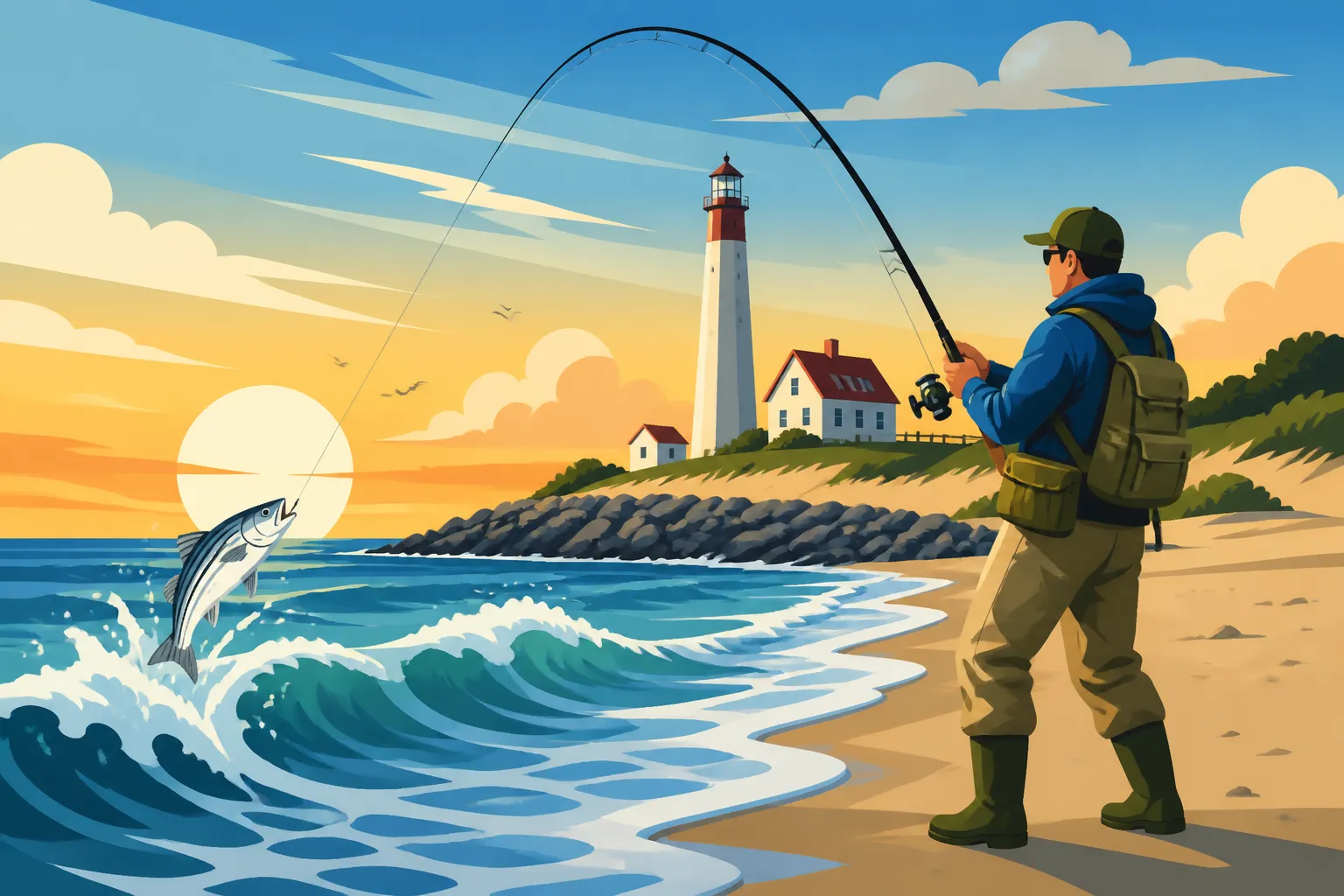
The shifting sands and powerful currents where the Delaware Bay meets the vast Atlantic Ocean at Cape May Point create a truly exhilarating, yet often challenging, surf fishing experience. Anglers frequently find themselves scratching their heads, wondering which tide is best, what bait to use, or how to navigate the specific rules for such a unique location. This comprehensive guide will unravel the mysteries of surf fishing at this iconic New Jersey destination, offering insights into its unique conditions, prime target species, essential gear, and effective techniques, ensuring your next outing is both productive and enjoyable.
Understanding the Unique Dynamics of Cape May Point Surf Fishing
Cape May Point isn't just another stretch of beach along the Jersey Shore; it's a geological and hydrological anomaly that profoundly impacts the fishing. The southernmost tip of New Jersey, this area marks the literal confluence of two massive bodies of water, creating conditions unlike almost anywhere else on the East Coast. This unique environment is precisely what makes it such a phenomenal fishing spot, but also one that demands a bit of local knowledge.
The Convergence of Bay and Ocean Waters
Imagine two powerful rivers colliding, and you'll get a sense of what happens at Cape May Point. The Delaware Bay, a vast estuary, funnels an immense volume of water into the Atlantic Ocean here, and vice-versa. This constant ebb and flow generates incredibly strong currents and rips, particularly around the jetties and shoals. These currents act like a conveyor belt, carrying a rich diversity of baitfish, crabs, and other marine life right past the shoreline. This abundance of forage is a huge draw for predatory fish, making it a prime feeding ground. The varying salinity and water temperatures from the bay meeting the ocean also contribute to a diverse ecosystem, attracting a wider range of species than a typical oceanfront beach might. For anglers, this means a dynamic environment where conditions can change rapidly, and understanding the tide is paramount. If you're looking to really dial in your success, learning how to read tide charts for better fishing in New Jersey is an absolute game-changer, especially at the Point.
Key Structures and Features
The visible and submerged structures at Cape May Point are critical elements that hold fish and create fishing opportunities. Ignoring them is like ignoring a roadmap to success.
- The Jetties (Sunset Beach): The most prominent feature is the series of rock jetties stretching out from Sunset Beach. These structures create current breaks, eddies, and ambush points for fish. They also offer shelter for smaller baitfish and marine organisms, making them magnets for larger predators. Anglers can fish directly from these rocks (with extreme caution, as they can be slippery and dangerous) or cast into the rips and troughs adjacent to them. The ends of the jetties, where the current is often strongest, are particularly productive, but also the most challenging to fish safely.
- The Concrete Ship (S.S. Atlantus): Just offshore from Sunset Beach lies the historic remains of the S.S. Atlantus, a concrete ship that ran aground in 1926 and has since broken apart. What was once a ship is now a series of broken concrete sections acting as an artificial reef. While you can't cast onto it, the structure itself creates a fantastic habitat for black sea bass, tautog, and even larger migratory fish that lurk in its vicinity. The currents around it are strong, and it provides a significant amount of bottom structure that other beaches simply don't have. Knowing its location and casting into the "shadows" or current breaks it creates can be incredibly effective.
- Sandbars, Troughs, and Cuts: Like any surf fishing location, Cape May Point has its ever-shifting topography of sandbars, troughs (deeper channels between sandbars and the shore), and cuts (breaks in the sandbar). These features are crucial because they dictate where fish will travel and feed. Troughs, especially, are like highways for fish, offering deeper water and protection from the breaking waves. Identifying these through observation (looking for darker water, calmer spots, or different wave patterns) or by slowly wading (again, with extreme caution given the currents) is a fundamental skill. The dynamic nature of the Point means these features can change with every major storm, so what was a hot spot last week might be barren today.
Prime Target Species and Best Times to Fish
One of the great joys of surf fishing at Cape May Point is the incredible diversity of fish you can encounter. The unique environment supports a wide array of species throughout the year, but knowing when to target what is key to a successful trip. The New Jersey Fishing Season Dates and Closures guide can provide the essential timeline for your angling adventures here.
Seasonal Migrations and Target Fish
The Atlantic Ocean is a highway for migratory fish, and Cape May Point is a major rest stop and feeding ground. Understanding these patterns is critical for any serious surf angler.
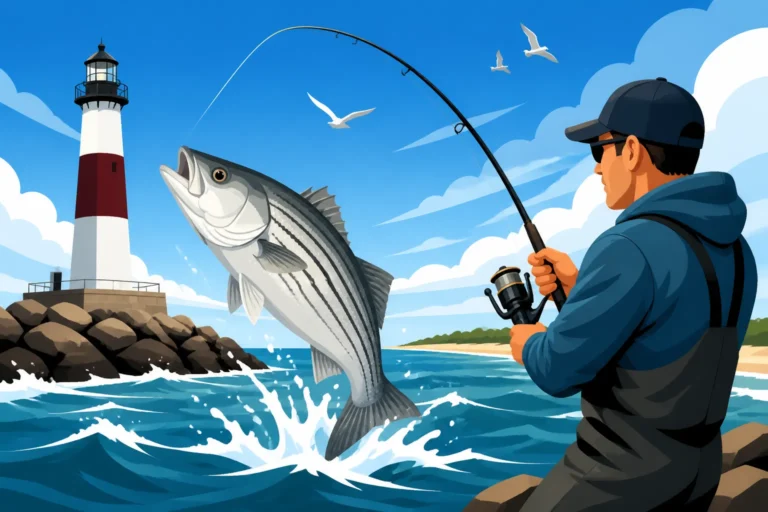
- Spring (April – June): This is when the action really kicks off. As water temperatures rise, the first major push of migratory striped bass begins moving north from their wintering grounds. They're often hungry after spawning and are readily caught on clams, bloodworms, and various artificial lures. Bluefish also arrive in force, often chasing baitfish right into the wash, providing thrilling, aggressive bites. Weakfish, with their delicate mouths and beautiful coloration, are another spring staple, often found in the calmer troughs and sloughs. Don't be surprised if you hook into a drum species as well, as red drum and black drum make appearances, especially in the Delaware Bay entrance.
- Summer (July – August): While the beaches get crowded, the fishing remains excellent, albeit for different species. Fluke (summer flounder) become a primary target, especially along the edges of the jetties and in the deeper cuts. They love bucktail jigs tipped with Gulp! or squid. Kingfish, croakers, and small bluefish are abundant and provide consistent action, particularly for families or those looking for a steady bite. Crabs are also prolific, and anglers can often catch blue claws right from the surf line using snares or hand lines. This is a great time for light tackle fun, and many anglers enjoy fishing for these panfish species. Be sure to check the New Jersey Fluke Size and Bag Limits Explained to stay compliant.
- Fall (September – November): This is arguably the most exciting time to surf fish at Cape May Point, as the legendary "Fall Run" kicks into high gear. Striped bass return in massive numbers, gorging themselves on baitfish (like bunker and mullet) before their southern migration. Bluefish are often mixed in, creating chaotic and exhilarating "blitzes" where fish are busting the surface everywhere. This period can offer incredible action, with opportunities for large fish on a variety of baits and lures, from poppers to swim shads. Tautog can also be targeted around the jetties and the Concrete Ship, requiring specific techniques and baits like green crabs. This is truly the peak season for many dedicated surf casters, and knowing the best time of year to fish for striped bass in New Jersey can help you plan your pilgrimage.
- Winter (December – March): While less active, winter can still offer surprises. When conditions allow, and water temperatures haven't completely plummeted, hardy anglers might find lingering resident striped bass or even cod and ling, especially after a period of stable weather. This is generally a much slower period, but for the dedicated, the solitude and potential for a unique catch can be rewarding.
Optimal Tides and Conditions
Timing your trip to coincide with optimal tides and conditions is perhaps the most crucial aspect of surf fishing at Cape May Point. The currents here are no joke, and they heavily influence fish behavior.
- Tidal Influence: For many species, especially migratory striped bass and bluefish, the incoming tide and the first few hours of the outgoing tide are often the most productive. The incoming water brings fresh bait into the feeding zones, and the strong currents around the Point create excellent ambush opportunities for predators. However, for fluke, sometimes a slack tide or the beginning of a slower current can allow for better bait presentation and drift fishing. It's often said that the tide change itself, whether from slack low to incoming or high to outgoing, is when fish are most active as the water movement shifts. Consult a local tide chart for the Cape May Point area, paying attention to the specific timings for the bay entrance versus the oceanfront, as they can differ slightly.
- Dawn and Dusk: These low-light periods are universally recognized as prime fishing times. Predators use the diminished light to their advantage, making them more aggressive and less wary. The first hour after sunrise and the last hour before sunset often yield the most consistent bites for a wide range of species. Night fishing can also be incredibly productive for striped bass, especially during the fall run, as they become bolder under the cloak of darkness.
- Weather and Water Conditions: A slight chop on the water can actually improve fishing, as it breaks up the surface and makes it harder for baitfish to see predators. However, strong winds can make casting difficult and stir up too much sand, reducing visibility. Overcast days are often better than bright, sunny ones, especially for species sensitive to light. Water clarity is also important; excessively muddy or turbid water after a heavy rain might slow the bite, but a slight discoloration can be good, indicating churned-up bait. Keeping an eye on weather forecasts and sea conditions is paramount for safety and success.
Essential Gear and Techniques for Cape May Point
Fishing at Cape May Point requires gear that can withstand robust currents and handle strong fish. This isn't the place for ultra-light tackle, unless you're specifically targeting panfish. Having the right tools for the job will not only increase your chances of success but also make your experience much more enjoyable.
Rod, Reel, and Line Selection
The gear you choose needs to be up to the challenge of powerful currents and potentially large, hard-fighting fish.
- Surf Rods: For general surf casting at Cape May Point, a medium-heavy to heavy action surf rod in the 9- to 12-foot range is ideal. This length allows for long casts over breaking waves and helps manage heavier sinkers needed to hold bottom in strong currents. Brands like St. Croix, Tsunami, and Penn offer excellent options that can stand up to the rigors of saltwater. If you're focusing on smaller species like kingfish or croakers closer to shore, an 8-foot medium action rod might suffice, but for reaching those outer sandbars or fishing the rips, longer is better.
- Reels: Pair your surf rod with a durable, corrosion-resistant spinning reel in the 5000 to 8000 size class. A good sealed drag system is crucial, as you'll be battling fish in sandy, salty conditions. Look for reels with ample line capacity. Shimano Spinfisher and Penn Battle or Slammer series are popular choices among Jersey Shore anglers for their reliability and saltwater performance.
- Line: Braided line is almost a necessity for surf fishing at Cape May Point. Its thin diameter for its strength means longer casts, and its lack of stretch provides excellent sensitivity to feel even subtle bites in the current. A 30 to 50 lb test braided mainline is a good starting point. Always use a fluorocarbon leader (30-60 lb test, 2-4 feet long) tied to your braid with a strong knot like an FG knot or a Double Uni-Knot. The fluorocarbon is less visible to fish and more abrasion-resistant against structure and rough bottom. You can find more in-depth advice on what pound test line for surf fishing in general.
Effective Baits and Lures
Fish are opportunists, and at Cape May Point, they have a smorgasbord of natural food items. Matching your bait or lure to what they're actively feeding on is key.
- Natural Baits:
- Clams: Fresh surf clams are a striped bass favorite and can be incredibly effective when bottom fishing.
- Bunker (Menhaden): Fresh or frozen cut bunker is a go-to bait for striped bass and bluefish. Whole bunker can be used for larger fish if you're targeting trophies.
- Bloodworms: Excellent for weakfish, kingfish, and smaller striped bass, especially in the spring. They are a bit pricey but often worth it.
- Mullet: Live or fresh cut mullet are fantastic for bluefish and larger striped bass, especially during the fall run.
- Sand Fleas (Mole Crabs): A natural food source for many surf species, sand fleas can be dug directly from the beach and are deadly for kingfish, pompano, and even striped bass.
- Squid Strips: Versatile and durable, squid can catch almost anything that swims in the surf, from fluke to bluefish.
You can delve deeper into the best bait for surf fishing in New Jersey to ensure you're always prepared.
- Artificial Lures:
- Metal Jigs: Tins like Deadly Dicks or Kastmasters are great for imitating baitfish like spearing or peanut bunker and are effective for bluefish and striped bass, especially when they're actively feeding on small bait.
- Poppers: Topwater lures like poppers are exhilarating to use, triggering aggressive strikes from bluefish and striped bass during low-light conditions or when fish are busting on the surface.
- Swimming Plugs: Dive-and-rise plugs or minnow-imitating lures are excellent for striped bass and bluefish, particularly during the twilight hours or at night. Yo-Zuri and SP Minnows are perennial favorites.
- Bucktail Jigs: These are a surf fishing staple, incredibly versatile, and particularly effective for fluke. Tipping them with a strip of Gulp! artificial bait (like a grub or swimming mullet) or a natural strip of squid or bunker can be irresistible. This technique is often used when fishing New Jersey Surf Fishing Techniques.
Rigging Strategies for the Point
Given the strong currents and varied bottom, having the right rig is crucial to present your bait effectively.
- Fish-Finder Rigs: This is a classic bottom fishing rig. It consists of a sliding sinker (like an egg sinker or a pyramid sinker from 2-6 ounces, depending on current strength) on your mainline, a swivel, a leader (2-4 feet of 30-50 lb fluorocarbon), and a hook (octopus or circle hook, size 4/0 to 7/0 depending on bait and target species). The sliding sinker allows the fish to take the bait without feeling immediate resistance, which can be key for finicky biters. This rig excels at presenting bait naturally on the bottom.
- Hi-Lo Rigs: Also known as a two-hook rig, this setup allows you to present two baits at different depths. It uses two dropper loops tied into a leader, with a sinker at the bottom. This is great for targeting multiple species or simply increasing your chances of a bite. You might use a clam on one hook and a bloodworm on the other, for example. This rig is particularly good when targeting smaller species like kingfish or croakers that tend to travel in schools.
- Bucktail Jigging Rigs: For fluke, a bucktail jig is often fished directly on the mainline with a short, stiff leader, sometimes with a teaser fly tied a foot or so above the jig. The key is to impart action to the jig, bouncing it along the bottom or slowly sweeping it. Tipping the bucktail with a scent-infused artificial bait like Berkley Gulp! or a strip of natural bait (like squid or mackerel) significantly increases its effectiveness. When fishing around structure like the Concrete Ship or the jetties, ensure your knots are strong and your leader is robust.
- Special Considerations for Structure: When fishing close to the jetties or the Concrete Ship, you'll need heavier sinkers to hold bottom and be prepared for snags. Sometimes, a "breakaway" rig, where the sinker is tied with lighter line than your main leader, can save your more expensive tackle if you get hung up. Always be mindful of other anglers and boat traffic, especially around these high-traffic areas. If you're not confident in your ability to fish these challenging spots from shore, consider a guided trip; platforms like FishingBooker often list local surf guides or inshore charters that specialize in navigating these unique structures.
Navigating Regulations and Responsible Angling
Before you even make your first cast at Cape May Point, it's essential to understand and adhere to New Jersey's fishing regulations. Not only does this keep you out of trouble, but it also contributes to the conservation of our precious fish stocks. Every angler has a role to play in protecting these resources for future generations.
Licensing and Registry Essentials
New Jersey has specific requirements for anyone fishing in its waters, both freshwater and saltwater. It's not complicated, but it is mandatory.
- New Jersey Fishing License: If you plan to fish in any freshwater (lakes, rivers, ponds) while you're visiting or living in New Jersey, you will need a valid New Jersey Fishing License Guide for 2026. This applies even if you're primarily surf fishing but decide to try a local pond. You can easily purchase these online through the NJ Fish and Wildlife website, at licensed agent locations like bait and tackle shops, or at certain chain retailers. Remember that even if you're just visiting, non-residents also need a license.
- New Jersey Saltwater Registry: This is a crucial, yet often overlooked, requirement for anyone recreationally fishing in New Jersey's marine and estuarine waters, which includes all surf fishing at Cape May Point. The good news? The New Jersey Saltwater Registry Is Free to Join. It's a quick, simple online registration process that helps the state monitor fishing effort and comply with federal reporting requirements. Even if you're fishing from a private boat, a party boat, or simply from the beach, if you're in saltwater, you need to be registered. There's no physical license for saltwater; your confirmation number is your proof. Make sure you understand why New Jersey's Saltwater Registry Replaced the Federal Registry.
- Staying Up-to-Date on Regulations: Fishing regulations, especially for popular species like striped bass and fluke, can change annually, sometimes even mid-season, based on stock assessments and management decisions. It's your responsibility to know the current rules regarding bag limits, size limits, and open seasons. The best resource is the current New Jersey Fish and Wildlife Digest. It's available online as a PDF and also at tackle shops. Always check it before you head out. For instance, understanding how Bag and Size Limits Work in New Jersey is vital for compliance.
Ethical Practices and Conservation
Responsible angling goes beyond just following the rules; it encompasses a mindset of respect for the environment, the fish, and fellow anglers.
- Catch and Release Best Practices: For species with slot limits, like striped bass (New Jersey Striped Bass Slot Limit Explained), or for fish you don't intend to keep, practicing proper catch and release is paramount. This means minimizing handling time, keeping the fish in the water as much as possible, using wet hands to reduce slime coat damage, and using appropriate dehooking tools. Avoid dragging fish onto dry sand or rocks. Strong, healthy releases ensure the fish can continue to thrive and contribute to future populations. You can find detailed advice on New Jersey Catch and Release Striped Bass Handling Rules.
- Leave No Trace: Our beaches and fishing spots are precious resources. Always pack out everything you pack in, and if you see litter, consider picking it up. Monofilament line and braided line are particularly harmful to wildlife, so make sure to dispose of any discarded line in designated receptacles (often found at tackle shops or boat ramps) or take it home. Fish carcasses should be disposed of properly, away from bathing beaches and sensitive areas, or donated if they are legal to keep.
- Respect for Wildlife and Other Anglers: Cape May Point is home to a diverse array of shorebirds and other wildlife. Always give them space and avoid disturbing them. When fishing, be courteous to other anglers. Don't crowd someone's fishing spot, and be mindful of your casting arc. Share the beach, and if you see someone struggling, offer a hand. Remember, we're all out there to enjoy the natural beauty and the thrill of the catch.
- Reporting Violations: If you witness a blatant fishing violation, such as someone keeping undersized fish or exceeding bag limits, it's important to report it to the New Jersey Division of Fish and Wildlife's Conservation Police. Their enforcement efforts are critical to maintaining healthy fish stocks and fair fishing for everyone.
By understanding these dynamics, preparing with the right gear, timing your trips wisely, and adhering to responsible angling practices, your surf fishing adventures at Cape May Point can be truly unforgettable. While exploring fishing opportunities, remember that resources like FishingBooker can offer a gateway to experienced local guides and charters, providing invaluable insights and increasing your chances of a successful day, whether you're sticking to the surf or venturing further offshore.
| Target Species | Best Season | Recommended Bait/Lure | Preferred Tide | Typical Structure |
|---|---|---|---|---|
| Striped Bass | Spring, Fall (Peak) | Clams, Bunker, Plugs, Poppers | Incoming, Outgoing (early) | Jetties, Troughs, Rips |
| Bluefish | Spring, Summer, Fall | Bunker, Metal Jigs, Poppers | Incoming, Outgoing | Jetties, Outer Bars, Blitzes |
| Fluke (Summer Flounder) | Summer | Bucktail Jigs (Gulp!), Squid Strips | Slack, Slow Drift | Troughs, Eddy Lines, Concrete Ship |
| Weakfish | Spring, Early Summer | Bloodworms, Soft Plastics | Incoming, Slack | Deeper Troughs, Calm Water |
| Kingfish | Summer | Sand Fleas, Small Bait Shrimp | Incoming, Slack | Nearshore Trough, Inner Bar |
Disclaimer
The information provided in this guide is for general informational purposes only and is not intended as legal advice. Fishing regulations, seasons, and licensing requirements are subject to change. Always consult the official New Jersey Division of Fish and Wildlife website or the current New Jersey Fish and Wildlife Digest for the most up-to-date and accurate information before planning your fishing trip. The author and publisher are not responsible for any incidents, accidents, or regulatory violations that may occur.