Asbury Park Fishing Pier Guide
Trying to find a fantastic, accessible fishing spot at the Jersey Shore that doesn't require a boat can feel like searching for a needle in a haystack. Many anglers get frustrated with crowded beaches or hard-to-reach inlets, especially if they're bringing family along or just want a relaxing day. This comprehensive guide is here to take the guesswork out of planning your trip to the iconic Asbury Park Fishing Pier, offering insider tips on what to catch, when to go, and how to make the most of your time there.
A Closer Look at the Asbury Park Fishing Pier
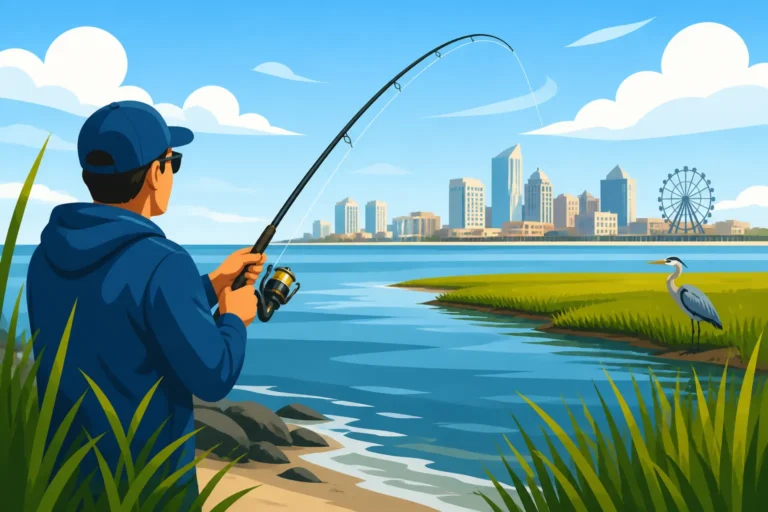
The Asbury Park Fishing Pier isn't just a place to cast a line; it's a vibrant part of the iconic Asbury Park boardwalk scene, offering a unique blend of urban charm and coastal fishing opportunities. Stretching out over the Atlantic Ocean, it provides anglers with direct access to deeper water than they might typically reach from the beach, opening up possibilities for a wider variety of species. It’s a popular spot for both serious anglers and casual visitors, making it a lively hub of activity, particularly during warmer months. Understanding its layout and amenities is key to enjoying your fishing experience.
Pier Access and Amenities for Anglers
Getting to the Asbury Park Fishing Pier is relatively straightforward, but parking, like with any popular shore town, can sometimes be a bit of a challenge, especially on busy summer weekends or during major events. There are metered street parking options nearby and several paid parking lots within walking distance. It's always a good idea to arrive early if you're aiming for a prime spot, both for parking and on the pier itself.
Once you’re there, you'll find that access to the pier for fishing typically comes with a small daily fee, which helps with the pier's maintenance and ensures a pleasant experience for everyone. This fee is usually paid at a booth or designated spot near the pier entrance. For those who frequent the pier, sometimes seasonal passes are available, which can be a cost-effective option. The pier itself is quite wide and well-maintained, offering plenty of room to spread out, though it can still get packed during peak fishing seasons or on sunny days. You'll find railings along the length, providing a secure place to lean your rod or simply enjoy the view. Restrooms are usually available right on the boardwalk, a short walk from the pier entrance, which is a major convenience when you're settling in for a long day of fishing. While there aren't dedicated bait shops directly on the pier, several excellent local tackle shops are just a short drive away, and some boardwalk vendors might carry basic bait supplies during the busiest times.
The Best Times to Visit for Fishing Success
Timing is everything when it comes to fishing the Asbury Park Pier. While you can certainly catch fish year-round, certain seasons and times of day offer significantly better chances. Spring and fall are often considered the prime seasons, especially for migratory species like striped bass. During these times, the water temperatures are just right, and many fish are moving along the coast, feeding actively. Summer can also be productive, particularly for fluke and bluefish, but the pier can get very crowded with tourists and swimmers, which sometimes impacts fishing conditions closer to shore. Winter can be hit-or-miss, with fewer species but opportunities for hardy anglers targeting tautog or bundled-up striper enthusiasts.
Beyond the seasons, paying attention to the tides is crucial. For most pier fishing, a moving tide – either incoming or outgoing – tends to be the most productive. The moving water stirs up baitfish and creates currents that predatory species use to ambush their prey. Many experienced pier anglers swear by fishing around dawn or dusk, regardless of the tide, as these low-light conditions often bring fish closer to shore. Checking a local tide chart before you head out, and perhaps even checking local fishing reports or asking around at a tackle shop, can drastically improve your chances. If you’re planning a trip, consider looking at resources like FishingBooker for local charter captains' insights; even if you're not booking a boat, their reports often give a good indication of what's biting in the area.
What You Can Expect to Catch and When
The Asbury Park Fishing Pier offers a diverse fishing experience thanks to its direct access to the Atlantic Ocean. Depending on the season, you can find a wide array of popular game fish passing through or taking up residence near the pier structure. Knowing which species are likely to be present and what they prefer to eat can really elevate your success rate.
Target Species by Season
Let's talk about the stars of the show! In the spring, especially from April through early June, the big draw is often the striped bass run. These powerful fish migrate north, and many pass right by the pier. You might also encounter some winter flounder if the water is still chilly, and as things warm up, the first waves of bluefish often arrive, bringing their aggressive bites. Heading into summer, from June through September, fluke become a primary target. These delicious flatfish hug the bottom, often near structure. Bluefish are usually plentiful throughout the summer, often in larger sizes, and you can also find kingfish, weakfish, and various panfish like porgies and blowfish. The fall, typically September through November, brings another fantastic striped bass run, as fish migrate south, often feeding heavily. Bluefish are usually still around, sometimes in impressive numbers, and tautog (also known as blackfish) become a popular target as the water cools, as they tend to congregate around the pier pilings and other structure.
| Season | Primary Target Species | Secondary Species |
|---|---|---|
| Spring | Striped Bass, Bluefish | Winter Flounder, Ling |
| Summer | Fluke, Bluefish, Kingfish | Weakfish, Blowfish, Porgies |
| Fall | Striped Bass, Bluefish, Tautog | Weakfish, Black Sea Bass |
| Winter | Tautog, occasional Striped Bass (resident) |
Understanding these seasonal patterns will significantly boost your chances of a successful outing. For instance, if you're heading out in July, you'd be wise to focus your efforts on fluke and bluefish rather than hoping for a trophy striper. Remember to always check the most current New Jersey Fishing Season Dates and Closures, as these can change annually based on conservation efforts.
Recommended Gear and Bait for Pier Fishing
When you're fishing from a pier, versatility in your gear is key because you don't know exactly what might swim by. For general-purpose pier fishing, a medium-heavy spinning rod between 7 to 9 feet in length, paired with a reliable 4000-6000 series spinning reel, is an excellent choice. This setup gives you enough backbone to handle a decent-sized striped bass or bluefish, while still being sensitive enough for fluke or kingfish. Spool your reel with 20-30 lb braided line, which offers superior casting distance and sensitivity, and add a 20-40 lb fluorocarbon leader for abrasion resistance and invisibility underwater.
For bait, bunker (menhaden), whether fresh or frozen, is a go-to for striped bass and bluefish. You can use whole chunks or cut it into strips. For fluke, live killifish or spearing are fantastic, but Gulp! swimming mullet or grub baits, often tipped with a piece of clam or squid, are incredibly effective and easier to manage. Sandworms and bloodworms are excellent for kingfish, porgies, and smaller bottom fish. When targeting tautog around the pier pilings in cooler months, green crabs or fiddler crabs are the absolute best choice. Always bring a variety of baits if you can, to see what the fish are hitting on that day. Don't forget a net with a long handle or a pier gaff for landing larger fish safely; trying to lift a 30-inch striped bass by the line from 20 feet up is usually a recipe for disaster!
Navigating the Regulations and Pier Etiquette
Fishing in New Jersey, whether from a boat, beach, or pier, means adhering to specific rules and regulations designed to protect our marine and freshwater resources. Beyond the official laws, there's also an unwritten code of conduct that helps everyone enjoy their time on the water, especially in shared spaces like a popular pier.
Understanding New Jersey Fishing Regulations and Licenses
First and foremost, if you're 16 years of age or older and plan to fish the freshwater areas of New Jersey, or even certain areas that might blend fresh and saltwater influence, you'll need a valid New Jersey Fishing License. For saltwater fishing from the Asbury Park Pier, the good news is that typically you do not need a specific saltwater fishing license if you are fishing recreationally from a public pier, pier-like structure, or from the shore. This is because these publicly accessible sites are usually covered under a general federal permit. However, you are still required to register with the New Jersey Saltwater Registry Program. The great thing is, the New Jersey Saltwater Registry Is Free to Join and helps the state monitor fishing effort and populations.
It's critical to know the current bag and size limits for the species you're targeting. These rules, which are detailed in the annually updated New Jersey Fish and Wildlife Digest, are in place to ensure sustainable fishing. For example, if you're chasing striped bass, you need to be aware of the New Jersey Striped Bass Slot Limit: 28 to 38 Inches. This means any striper you catch outside that size range must be immediately released. Similarly, for fluke, there's a specific New Jersey Fluke Size Limit: 18 Inches and a daily bag limit. Failure to comply with these regulations can lead to penalties for fishing without a license or exceeding limits, so always check the latest rules before you head out. These regulations can change rapidly, sometimes even mid-season, so staying informed is crucial.
Unwritten Rules of the Pier: Being a Good Neighbor
Beyond the official regulations, there are some unspoken rules of pier fishing that make the experience better for everyone. Space is often at a premium on a busy pier, so be mindful of your casting. Avoid casting over other people's lines or directly into their fishing zones. A simple "Heads up!" before a long cast can go a long way. When reeling in a fish, try to do so efficiently to avoid tangling with nearby lines. If you do get tangled, a polite and patient approach to untangling is always appreciated.
Another crucial aspect of pier etiquette is managing your trash. Fishing generates a lot of waste – bait containers, old line, snack wrappers, and coffee cups. Always pack out everything you pack in, and use the trash receptacles provided. Leaving discarded fishing line or bait containers not only litters our beautiful shore but can also be harmful to wildlife. Finally, be respectful of others using the pier for reasons other than fishing, like strolling, sightseeing, or enjoying the view. They have just as much right to be there as you do. Sharing the space courteously makes for a more pleasant and harmonious environment for all.
Enhancing Your Asbury Park Pier Experience
Fishing the Asbury Park Pier isn't just about the fish; it's about soaking in the unique atmosphere of a truly iconic Jersey Shore town. While angling is the main event, there's so much more to see and do that can turn a simple fishing trip into a memorable family outing or a relaxing day away.
Beyond the Fish: What Else Asbury Park Offers
Asbury Park is renowned for its vibrant boardwalk, rich history, and lively arts and music scene. Even if the fish aren't biting, there's plenty to keep you entertained. Just steps from the pier, you'll find an array of fantastic restaurants, from casual boardwalk fare like pizza and hot dogs to upscale dining experiences. Grab a famous mufaletta at Tony Boloney's or a classic burger at Wonder Bar. The iconic Convention Hall and Paramount Theatre often host concerts, markets, and events, so check their schedules before you visit.
Strolling along the boardwalk, you can explore unique shops, art galleries, and even vintage arcade games. The Splash Park is a hit with kids during the warmer months, and the beautiful beach itself is perfect for relaxing or taking a swim, especially if your fishing efforts have tired you out. Asbury Park has successfully blended its historic charm with a modern, artistic flair, making it a destination that appeals to a wide range of interests. Taking a break from fishing to explore these other offerings can truly enrich your visit.
Planning Your Trip: Local Tips and Resources
A little bit of planning can go a long way in ensuring a successful and enjoyable trip to the Asbury Park Fishing Pier. Before you head out, always check the local weather forecast. High winds can make casting difficult and uncomfortable, and thunderstorms are a definite no-go on an exposed pier. As mentioned earlier, reviewing the tide charts is crucial; understanding how to Read Tide Charts for Better Fishing in New Jersey will give you a significant advantage. The pier's direct exposure to the ocean means conditions can change quickly, so dress in layers and be prepared for anything, even on a sunny day.
Connecting with local resources is another smart move. Pop into one of the tackle shops in the area, like the Tackle Box in Hazlet or local spots closer to Asbury. The folks working there are often anglers themselves and can provide invaluable, up-to-the-minute information on what's biting, what bait is working best, and any recent changes in fish behavior. They might even share tips on how to fish around jetties safely if you plan to explore nearby. Online forums or local fishing groups on social media can also be great for getting real-time reports. Even if you're a seasoned angler, don't hesitate to engage with other fishermen on the pier itself; a friendly chat can often yield valuable insights or even just a good story. For those looking to potentially explore further or even book a guided trip to truly learn the local waters, platforms like FishingBooker can connect you with experienced captains who know the Asbury Park area intimately.
Disclaimer
The information provided in this guide is for general informational purposes only and is subject to change. Fishing regulations, season dates, and size/bag limits are set by the New Jersey Department of Environmental Protection (NJDEP) and can be modified at any time. Always consult the official New Jersey Fish and Wildlife Digest or the NJDEP website for the most current and accurate regulations before fishing.