Fishing Prospertown Lake for Bass
For anglers in Central New Jersey, finding a reliable bass fishing spot that isn't completely overrun or overly complicated can feel like a constant struggle. We've all been there, driving to a promising lake only to find it packed or realize the access is a nightmare. Thankfully, Prospertown Lake, nestled in Jackson Township, Ocean County, offers a fantastic, often-overlooked opportunity for solid bass fishing, providing both accessible shorelines and great boat opportunities. This guide will walk you through everything you need to know to make your next bass trip to Prospertown a success.
Why Prospertown Lake is a Great Spot for Bass Anglers
Prospertown Lake isn't one of those massive, sprawling reservoirs that can intimidate new anglers or make finding fish a monumental task. Instead, it's a wonderfully manageable 90-acre impoundment that punches above its weight when it comes to healthy populations of largemouth bass. Its relatively smaller size means you can effectively cover a lot of water in a day, whether you're fishing from shore, a kayak, or a small jon boat. The lake is fed by tributaries that help maintain good water quality and flow, contributing to a vibrant ecosystem that supports plenty of forage for growing bass.
What truly sets Prospertown apart is its balance of accessibility and productive habitat. It's not a secret spot by any means, but it doesn't get the same crushing pressure as some of the state's larger, more famous lakes. This often translates to a better overall fishing experience, with less competition and more opportunities to land some quality fish. Plus, its location makes it a convenient option for many anglers in the central and southern parts of the state, cutting down on those long, early-morning drives.
Understanding the Lake's Layout and Habitat
Prospertown Lake boasts a diverse range of habitats that largemouth bass absolutely love. The lake features plenty of shallow coves and weed beds, particularly along the eastern and southern shores, which become prime ambush points as the water warms. These areas are fantastic for throwing topwater lures in the early morning or evening, or flipping jigs into thick cover during the heat of the day. You'll often find lily pads and emergent vegetation that provide excellent shade and structure for bass to hide in.
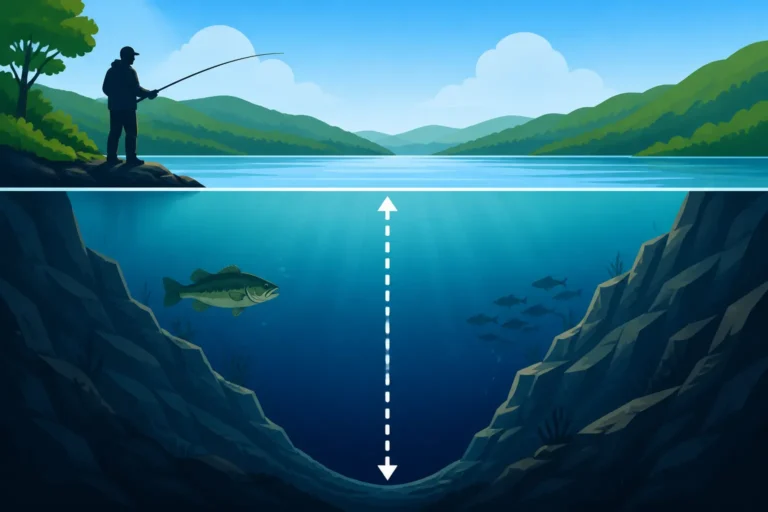
Beyond the shallow vegetated areas, the lake also has deeper channels and structure, especially near the dam and in the main lake basin. These deeper zones become crucial during the colder months or when bass retreat from intense summer heat. Submerged timber, old stumps, and subtle changes in bottom contour can hold impressive fish that are often less pressured than those hugging the obvious shoreline cover. Exploring these transitions with a good depth finder on a boat or by carefully fanning casts from shore can reveal hidden gems.
Key Bass Species and Forage in Prospertown Lake
The primary target species at Prospertown Lake is undoubtedly the largemouth bass. These aggressive predators thrive in the lake's warm, fertile waters and abundant cover. You can expect to encounter largemouths of various sizes, from energetic "footballs" to impressive bucketmouths that can provide a real fight. While not typically known for smallmouth bass, it's not unheard of to encounter other panfish species like crappie and sunfish, which serve as excellent forage for the bass.
The health of the bass population at Prospertown is largely due to the robust forage base available to them. The lake is teeming with smaller baitfish, including various minnows and shiners, as well as a healthy population of bluegill and other sunfish. These smaller fish provide a consistent food source, allowing bass to grow quickly and maintain their fighting strength. Knowing what the bass are likely feeding on can give you a significant advantage when selecting your baits and presentations. Understanding the food chain at play is key to mimicking natural prey effectively.
Essential Techniques and Gear for Prospertown Lake Bass
Fishing for bass in Prospertown Lake doesn't require an arsenal of highly specialized gear, which is great news for beginners and seasoned anglers alike. A medium-heavy action rod paired with a baitcasting reel spooled with 12-17 lb fluorocarbon or monofilament line will handle most situations. For those preferring spinning gear, a medium action rod with 8-10 lb braid or fluorocarbon will also work well, especially for lighter baits. The key is to have versatile setups that can handle various presentations, from finesse techniques to power fishing.
Don't forget the essentials beyond your rod and reel. A good pair of polarized sunglasses will help you spot subtle changes in structure and even cruising bass, especially in the shallower, clearer areas. Pliers or a dehooker are crucial for safely releasing fish, and a small tackle box stocked with a variety of lures suitable for bass will ensure you're prepared for whatever the lake throws at you. A net is always a good idea, particularly if you're targeting larger fish, to ensure a smooth landing and release.
Top Baits and Lures to Try
When it comes to tempting the bass in Prospertown Lake, having a diverse selection of baits will serve you well. Here's a breakdown of some tried-and-true options that consistently produce:
- Soft Plastics: These are arguably the most versatile and effective bass baits. Texas-rigged or Carolina-rigged worms and creatures baits are excellent for probing weed lines, submerged timber, and brush piles. Consider colors like green pumpkin, junebug, or black and blue, which imitate various natural prey and stand out in the water. Senkos, especially wacky-rigged, are fantastic for their subtle fall and can entice even finicky bass.
- Jigs: Flipping and pitching jigs into heavy cover is a classic bass tactic that works wonders in Prospertown's vegetated areas. A black and blue jig with a matching trailer is a perennial favorite, as are jigs in natural crawfish patterns. Swim jigs are also effective when bass are more active, allowing you to cover water and fish faster.
- Crankbaits and Spinnerbaits: For covering open water and quickly locating active bass, crankbaits and spinnerbaits are invaluable. Square bill crankbaits in shad or crawfish patterns are great for bumping off submerged logs and rocks. Spinnerbaits, especially those with willow leaf blades for vibration and flash, are excellent for fishing through sparse weeds and along drop-offs.
- Topwater Lures: When conditions are right – typically early morning, late evening, or on overcast days – topwater lures can provide some of the most exciting bites. Poppers, walk-the-dog style baits, and hollow-body frogs (especially over lily pads) can draw explosive strikes from aggressive largemouths. Nothing beats the thrill of seeing a bass blow up on your surface lure!
Remember to match your lure size and presentation to the prevailing conditions and what the bass seem to be feeding on. Sometimes a subtle approach is key, while other times, a more aggressive power fishing technique will trigger strikes.
Best Times and Conditions to Fish
Just like any body of water, timing is everything at Prospertown Lake. Understanding the seasonal patterns and daily conditions can significantly improve your chances of success.
- Spring: As water temperatures rise into the 50s and 60s Fahrenheit, bass begin to move into shallower waters for their spawning ritual. This is a fantastic time for active fish, often found around emergent vegetation and submerged structure in coves. Look for areas protected from wind. Post-spawn, bass will be recuperating and feeding aggressively. This is a prime time for a variety of lures, from soft plastics to spinnerbaits. If you're looking for how to catch largemouth bass in early spring, focusing on sunny, warming banks is always a good bet.
- Summer: During the hot summer months, bass will often seek cooler, deeper water during the day, or retreat into dense shade provided by lily pads and overhanging trees. Early mornings and late evenings offer the best topwater action. During midday, target deeper structure with jigs or Texas-rigged plastics, or flip frogs into the thickest cover you can find. Remember, the best lures for largemouth bass in summer heat often include those that can be worked slowly in dense cover.
- Fall: As water temperatures cool, bass become incredibly active, feeding heavily in preparation for winter. This "fall bite" can be phenomenal, with bass pushing baitfish into shallower coves. Crankbaits, spinnerbaits, and swim jigs are highly effective as bass chase down migrating forage. It's a great time to cover a lot of water.
- Winter: Fishing can be slower, but not impossible. Bass will school up in deeper parts of the lake, often near subtle structure or drop-offs. Slow presentations with jigs, spoons, or blade baits can entice sluggish fish. Understanding how to catch largemouth bass in cold water means patience and precise bait placement are key.
Beyond the seasons, paying attention to daily conditions like cloud cover, wind, and barometric pressure can also make a difference. Overcast days often keep bass active for longer periods, while stable high pressure can sometimes make them a bit more lethargic. Knowing the best time of day for bass fishing usually means focusing on dawn and dusk, but don't count out midday if you adapt your tactics.
Shore Access and Boat Fishing Strategies
One of Prospertown Lake's major advantages is its excellent access for all types of anglers. Whether you prefer to fish from the bank or launch a boat, you'll find options here.
The lake has several public access points, notably within the Prospertown Lake Wildlife Management Area. There are sections of shoreline that are easily walkable, allowing anglers to fan cast to weed lines and submerged cover. This makes it a fantastic spot for beginners or those who just want to spend a few hours without the hassle of a boat. You can often find areas with good bank access near the main parking areas, which are typically well-maintained. Just be respectful of any posted signs and private property boundaries. For those interested in family outings, Prospertown Lake is one of the many best New Jersey State Park ponds for family fishing, often offering easy, kid-friendly access points.
For those with boats, there's a paved public boat ramp available. This ramp is suitable for launching small powerboats, jon boats, canoes, and kayaks. Kayak anglers, in particular, will find Prospertown Lake to be a fantastic paddle, allowing access to virtually all corners of the lake, including those shallower, weed-choked coves that shore anglers might struggle to reach effectively. Just remember to check for any specific horsepower limitations or other regulations before you head out, as these smaller lakes sometimes have restrictions. You can find more details on New Jersey Boat Ramp Rules and Access Fees to ensure you're prepared.
When fishing from a boat, systematically work different types of structure. Start by casting to obvious visible cover like lily pads and fallen trees, then move to exploring drop-offs and humps with your electronics. If you're new to the area, consulting a local fishing guide or even checking online resources like FishingBooker can sometimes offer insights into current hot spots or preferred techniques for Prospertown Lake. Many guides often list their services on platforms like FishingBooker, making it easy to connect with local experts.
Navigating Regulations and Lake Access
Even for a relatively straightforward lake like Prospertown, it's absolutely crucial to be aware of and abide by New Jersey's fishing regulations. These rules are in place to protect the fishery and ensure sustainable angling for everyone. Ignoring them can lead to significant penalties, so it's always better to be informed.
The New Jersey Division of Fish and Wildlife (NJFW) is the authority, and they regularly update their regulations. You can usually find the most current information on their website or by picking up a copy of the New Jersey Fish and Wildlife Digest, which is often available at bait and tackle shops.
New Jersey Fishing License and Other Requirements
First and foremost, anyone aged 16 or older needs a valid New Jersey freshwater fishing license to fish Prospertown Lake. There are different types of licenses available, including annual resident and non-resident options. For a comprehensive overview, check out our guide on the New Jersey Fishing License Guide for 2026. Make sure your license is current before casting your first line. It’s also wise to carry physical or digital proof of your license while fishing, as conservation officers do check regularly.
Beyond the general license, be mindful of specific regulations for bass. While largemouth bass are quite common, there are often minimum size limits and daily bag limits in place. These can change year to year, so always consult the latest NJFW regulations. For example, there might be a slot limit on bass, meaning you can only keep fish within a certain size range to protect larger breeding fish. This helps maintain a healthy population for future angling enjoyment. Knowing the New Jersey Freshwater Fishing Regulations Every Angler Should Know will ensure you're always on the right side of the law.
Boat Launching and Kayak/Canoe Considerations
The public boat ramp at Prospertown Lake is generally well-maintained and accessible. However, it's always a good idea to scout it out beforehand, especially if you have a larger boat. As mentioned, smaller lakes often have restrictions on boat size or motor horsepower, so confirm these details with the NJFW or local signage at the launch. For instance, some lakes might have a 10 horsepower limit, or even restrict motors entirely to electric trolling motors.
For kayak and canoe anglers, launching is usually a breeze, and you don't need to worry as much about horsepower. Remember to bring your personal flotation device (PFD) and ensure it's properly fitted. Even on calm lakes, unforeseen circumstances can occur, and safety should always be your top priority. While you technically don't need a specific license for your kayak or canoe itself, if you plan to use an electric trolling motor, you may need to register your vessel, as specified in "Do you need a license to fish from a private boat in New Jersey?".
Also, be courteous at the ramp. There's nothing worse than a clogged boat launch during prime fishing hours. Prepare your boat and gear before backing down the ramp, and clear the ramp as quickly as possible once your boat is in the water. This ensures a smooth experience for everyone, keeping frustrations to a minimum.
Conservation and Responsible Angling Practices
As passionate anglers, we all have a responsibility to be good stewards of our natural resources. Practicing catch-and-release, especially for larger breeding bass, is highly encouraged at Prospertown Lake. If you do choose to keep fish within the legal limits, only take what you'll realistically eat. Proper handling of fish you intend to release is also critical. Minimize their time out of water, use wet hands, and support their body weight to avoid internal injury. Using appropriate tackle and circle hooks when fishing with bait can also reduce harm to released fish.
Beyond fish handling, remember to leave no trace. Pack out everything you pack in, including any discarded fishing line, bait containers, and food wrappers. Litter not only detracts from the beauty of the lake but can also be harmful to wildlife. Report any suspicious activity or poaching to the New Jersey Conservation Police. Protecting the health of Prospertown Lake ensures that future generations of anglers can enjoy the same fantastic bass fishing opportunities that we do today. Platforms like FishingBooker often also promote responsible angling practices, connecting with their ethos of sustainable sport.
Prospertown Lake is truly a gem for bass fishing in New Jersey. With a little preparation and respect for the environment and regulations, you can have some truly memorable days on the water.
Disclaimer
The information provided in this guide is for general informational purposes only and is subject to change. Fishing regulations, license requirements, and access rules are set by the New Jersey Division of Fish and Wildlife and may be updated periodically. Always consult the official New Jersey Division of Fish and Wildlife website or the current year's Fish and Wildlife Digest for the most accurate and up-to-date regulations before planning your fishing trip. The author and publisher are not responsible for any errors or omissions in this information.