Best Time to Fish Manasquan Inlet
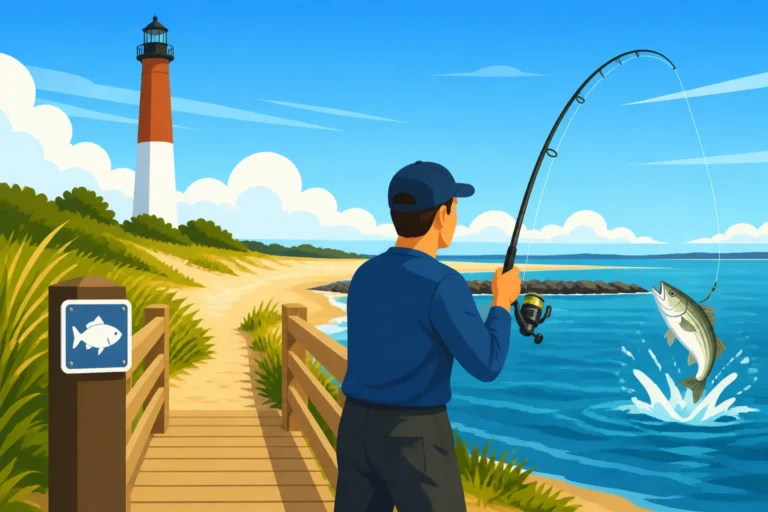
If you've ever stood on the rocks at Manasquan Inlet, watching the powerful currents and wondering why some anglers seem to be hauling in fish while you're getting skunked, you're not alone. It's a common frustration, especially at such a dynamic and productive fishing spot. Pinpointing the absolute "best time" to fish Manasquan Inlet isn't a simple answer, but this comprehensive guide will break down all the crucial factors, from tides and seasons to species behavior, helping you plan your next trip for optimal success and a much more rewarding experience.
Understanding the Tidal Dance: Why Tides Rule Manasquan Inlet Fishing
Fishing Manasquan Inlet without paying attention to the tides is like trying to bake a cake without an oven – you're simply missing the most critical element for success. The powerful ebb and flow of water through the inlet are the lifeblood of its fishery, dictating when bait moves, where fish position themselves, and ultimately, whether your lines will go tight. Neglecting this fundamental aspect is a sure-fire way to spend your day untangling lines or staring at a motionless rod tip.
The Critical Role of Moving Water
Think of the inlet as a giant funnel, connecting the calm waters of the Manasquan River and its back bay system with the vast Atlantic Ocean. As the tide pushes in (flood tide) or pulls out (ebb tide), it creates strong currents that act like a conveyor belt for baitfish, crabs, and other forage. Game fish, from striped bass to fluke, are opportunistic predators, and they instinctively know that moving water brings food directly to them. This is why you'll rarely find consistent action during a complete slack tide, as the lack of current means less natural movement of prey and less incentive for predators to actively feed. The current also oxygenates the water, which is vital for fish health and activity, especially during warmer months.
Different species, and even different sizes of the same species, might prefer slightly different current speeds or directions. For example, smaller baitfish often struggle against strong currents, making them easy targets for larger predators. Learning to "read" the water and understand how the current flows around the jetties, rocks, and sandbars is a skill that takes time, but it's invaluable at Manasquan. Observing other successful anglers can offer clues, but truly internalizing the relationship between current and fish behavior will elevate your fishing game dramatically. This understanding is key to navigating the complex and often powerful waters that make the Manasquan Inlet such a premier fishing destination along the Jersey Shore.
Best Tidal Stages for Striped Bass and Fluke
When it comes to the two most popular game fish at Manasquan Inlet – striped bass and fluke – their preferred tidal stages can vary, but both generally thrive on moving water. For striped bass, many seasoned anglers will tell you that the last two hours of the outgoing (ebb) tide and the first two hours of the incoming (flood) tide are often prime time. This is when the current is typically at its strongest, creating ideal ambush points for stripers hiding behind structure. During the outgoing tide, baitfish are flushed out of the river and bays, making them vulnerable as they pass through the inlet. Conversely, the incoming tide brings fresh ocean bait into the system, and stripers will be waiting at the mouths of deeper channels and along the jetties to intercept them. If you’re targeting these powerful fish, understanding these nuances is critical, and for a deeper dive, check out our Manasquan Inlet Striped Bass Fishing Guide.
Fluke, or summer flounder as they're also known, often prefer a steady drift, which usually means they're most active on a good, strong moving tide as well. Many anglers find the mid-stages of both the incoming and outgoing tides to be highly productive for fluke. The steady current allows them to sit patiently on the bottom, camouflaged in the sand, waiting for bait to be swept over their heads. When the current is too slow, fluke might be less active, and when it's too fast, they might struggle to hold their position and ambush prey effectively. Mastering techniques like How to Drift Fish for Fluke during these specific tidal stages can dramatically increase your catch rate. Whether you're focused on the relentless push of an incoming tide, detailed in our guide on How to Fish a Rising Tide, or the powerful pull of an outgoing tide, which we explore in How to Fish a Falling Tide, knowing the nuances of each phase is paramount for success at Manasquan Inlet.
Navigating Slack Tide Challenges
While moving water is generally king at Manasquan Inlet, there are those inevitable periods of slack tide – the brief windows between the incoming and outgoing tides when the water movement slows considerably, sometimes almost to a standstill. Many anglers view slack tide as a time to take a break, re-rig, or even pack up, and for good reason: fishing can indeed be incredibly tough during these periods. The very conveyor belt that brings food to the fish has paused, and with it, often their feeding enthusiasm wanes. Fish that were actively ambushing prey might now be holding deeper, conserving energy, or simply not as interested in chasing a meal.
However, writing off slack tide entirely might mean missing some subtle opportunities, especially if you understand how to adapt your approach. During slack tide, fish might move away from the main current lines and seek out deeper pockets or areas with less turbulent water where they can rest. This is a time when finesse tactics can sometimes pay off. Instead of fast-moving lures, consider slowing down your presentation significantly. Live bait fished on a minimal weight, allowing it to move very naturally, or soft plastics slowly jigged along the bottom might entice a less aggressive strike. Moreover, some species, particularly bottom dwellers like tautog, might remain active even during slack water, especially if they are nestled in structure where they aren't as dependent on current to bring them food. While challenging, don't completely abandon hope during slack water, but be prepared to drastically change your strategy from what works during peak current flows.
Seasonal Species Rundown: What's Biting When at Manasquan
Manasquan Inlet is a true year-round fishery, but what you can expect to catch changes dramatically with the seasons. Just like the trees shed their leaves and grow new ones, fish migrate in and out of our waters, following bait, water temperatures, and their ancient spawning urges. Understanding these seasonal patterns is essential for any angler hoping to consistently find success here, rather than showing up with the wrong gear at the wrong time of year.
Spring Awakening: Stripers, Fluke, and Blues
Ah, spring! The air gets milder, the days get longer, and the fishing at Manasquan Inlet truly kicks into gear. Starting around April, sometimes even late March if the waters warm quickly, migratory striped bass begin to push up the coast, making their way into and around the inlet. These early-season stripers are often eager feeders, having just completed a long journey, and they'll readily hit a variety of baits and lures. They're often found hugging the jetties or patrolling the rips, and can provide some fantastic light-tackle action. As spring progresses into May, the bite intensifies, with both resident and migratory fish staging in the area.
Beyond the beloved stripers, spring also heralds the opening of fluke season in New Jersey. Generally kicking off in May, this marks the start of some fantastic flatfish action. These tasty bottom dwellers will move into the bays and around the inlet, seeking out baitfish. Early season fluke can often be found in the shallower, warmer waters of the back bay, but the inlet serves as a highway for them, attracting larger fish as well. Don't forget about bluefish either! Often arriving shortly after the stripers, these aggressive predators can show up in numbers, providing exhilarating, hard-fighting action. Their arrival typically signals that the baitfish populations are exploding, drawing in all the heavy hitters. For a comprehensive overview of the various species and their timings, our New Jersey Fishing Seasons Explained article offers a great resource.
Summer's Bounty: Fluke, Blues, and More
As the warm embrace of summer settles over the Jersey Shore, Manasquan Inlet continues to be a bustling hub of fishing activity. This is truly peak season for fluke, with consistent catches throughout June, July, and August. Anglers will be actively drifting bucktails and Gulp! baits, or fishing with live spearing and killies, targeting the legal-sized fish that now roam the deeper channels and the main inlet itself. It's a fantastic time for boat anglers to motor up and down the channels, but shore-based anglers can also do well casting from the jetties and bulkheads. Remember to keep an eye on those New Jersey Fluke Size Limit: 18 Inches regulations to ensure you’re only keeping legal fish.
Bluefish remain a strong presence throughout the summer, often in larger sizes than those seen in early spring. They can explode into frenzies, known as "bluefish blitzes," chasing schools of bait to the surface, offering spectacular sight fishing opportunities. Beyond the dominant fluke and bluefish, summer at the inlet can also yield surprises. Weakfish, though their numbers have seen a decline over the years, might still make an appearance, particularly during the early summer. You might also encounter black sea bass and tautog around the deeper rocks and structure, though the dedicated seasons and specific techniques for these species often favor cooler months. The sheer variety of fish available makes summer a prime time for anglers who enjoy switching tactics and pursuing multiple species in a single outing.
Fall Run Frenzy: Stripers and Blues Dominate
For many New Jersey anglers, the fall run isn't just a season, it's a pilgrimage. And Manasquan Inlet is undeniably one of the premier locations to experience this incredible natural phenomenon. As water temperatures begin to drop in September and October, vast schools of baitfish, like peanut bunker and mullet, migrate south along the coast. Hot on their tails are enormous numbers of migratory striped bass and bluefish, creating a feeding frenzy that can last for weeks. This is when the biggest stripers of the year are often caught right from the jetties, making it an irresistible draw for surf casters and boat anglers alike. The sheer power of these fish in the strong inlet currents makes for truly memorable battles. You can learn more about this epic event by checking out our guide on the Best Time of Year for New Jersey's Fall Run.
During the fall, the strategy at Manasquan is often about "matching the hatch" – figuring out what baitfish the predators are keying in on and presenting a lure or natural bait that imitates it. Plugs, poppers, metals, and live bunker are all incredibly effective. Bluefish, often in truly colossal sizes, are also part of this run, adding another layer of excitement and chaos to the mix. Later into the fall, as temperatures continue to plummet, you'll also see a resurgence in tautog activity, with these tenacious fighters moving into the inlet's rocky structure before winter truly sets in. This period is not just about catching fish; it's about being part of a vibrant, thrilling spectacle of nature. If you're looking for the most action-packed fishing of the year, this is it.
Winter's Chill: Tautog and Ling
When the biting winds of winter sweep across the Jersey Shore and many anglers have packed away their gear, Manasquan Inlet still offers a unique and challenging fishery, particularly for those targeting tautog, also known as blackfish. These incredibly strong, structure-oriented fish remain active in the colder months, making winter one of the best times to target them. They hold tight to the rocky jetties, submerged wrecks, and rubble piles within and just outside the inlet, feeding on crabs and mussels. While the conditions can be harsh – cold, often windy, and sometimes icy – the rewards of landing a hefty tog are well worth the effort for dedicated anglers. You’ll need specialized gear, tough hooks, and a good supply of green crabs or white crabs, which are their preferred bait. Remember to be aware of the specific New Jersey Tautog Season Dates as they can have multiple open and closed periods.
Beyond tautog, winter at Manasquan Inlet can also yield catches of ling, particularly for those fishing deeper channels with bait. These bottom-dwelling fish, while not as glamorous as a striper or fluke, are excellent eating and provide some action when other species have moved offshore. Occasionally, a hearty cod or pollock might even surprise an angler during the coldest parts of the season, especially on the ocean side of the inlet. Fishing in winter demands patience, warm clothing, and a realistic understanding that the bite can be slower, but the fish you do catch are often of high quality. For those who brave the elements, the quiet solitude of winter fishing at Manasquan, punctuated by the thump of a big tog, can be incredibly rewarding.
Beyond Tides: Other Factors Influencing Your Manasquan Success
While tides are undeniably the paramount factor at Manasquan Inlet, focusing solely on them would be a mistake. A truly successful angler understands that a confluence of environmental conditions plays a role in whether the fish are biting. Ignoring these additional elements is like having a perfect tide chart but forgetting to check the weather or the water temperature – you're simply not giving yourself the best possible chance at a productive day. Mastering these nuances can be the difference between a good day and an epic one.
Time of Day and Light Conditions
The time of day, and critically, the light conditions, significantly impact when fish decide to feed at Manasquan Inlet. For many predatory species, especially striped bass, dawn and dusk are often magic hours. During these low-light periods, stripers feel more comfortable moving into shallower waters to hunt, as they are less exposed to predators themselves and have an advantage over their prey, which might rely more on sight. This is why many hardcore striper anglers are on the jetties well before sunrise or stay until long after sunset, often getting their best bites when the sky is just transitioning from dark to light or vice versa. How to Catch Striped Bass From the Beach at Night is a testament to how these low-light periods can turn on the bite. Overcast days can sometimes extend these prime low-light feeding windows into midday.
For species like fluke, daytime is often more productive, particularly when the sun is up and the water warms. Fluke are ambush predators that rely on their camouflage to blend into the bottom, and they need enough light to spot their prey moving overhead. Bright, sunny days can be excellent for fluke, especially if there's a good current to keep the bait moving. However, even for fluke, extreme midday sun can sometimes push them into deeper, cooler water. Understanding these preferences and aligning your fishing schedule with the target species' typical feeding times, combined with the ideal tidal stage, creates a powerful combination for success.
Water Temperature and Clarity
Water temperature acts as a master switch for many fish species, dictating their activity levels, metabolism, and migratory patterns. At Manasquan Inlet, a few degrees of temperature change can make all the difference. Striped bass, for instance, have a preferred temperature range, and if the water is too cold (early spring, late fall) or too hot (mid-summer), their feeding habits can become sluggish or they might move out of the area altogether. Our guide on the Best Water Temperature for Striped Bass Fishing delves into this in detail. Knowing the current water temperature can help you decide if it's even worth targeting certain species. You can often find up-to-date water temperature readings from local marine forecasts or even dedicated fishing apps.
Water clarity is another crucial factor. While some fish, like bluefish, are less bothered by murky water, many sight-feeding predators, including fluke and striped bass, prefer clearer conditions. After heavy rains, the Manasquan River can discharge a significant amount of freshwater and sediment into the inlet, creating turbid, off-color water. This can scatter baitfish and make it harder for predators to locate food, often slowing the bite. Conversely, extremely clear water can sometimes make fish wary, especially on bright, sunny days, necessitating lighter lines and more subtle presentations. Finding that "sweet spot" of clear-enough-to-see but not-too-clear water often coincides with good fishing, especially for species that hunt by sight.
Weather Patterns and Their Impact
Never underestimate the power of weather patterns on fishing success at Manasquan Inlet. Wind, in particular, plays a monumental role. A strong wind from a specific direction can create rough conditions, making it difficult to cast, hold bottom, or even safely fish from the jetties. However, wind can also be your friend. A consistent breeze can create current, push baitfish closer to shore, or create a natural drift for boat anglers. For instance, a west or northwest wind often brings clearer, cooler water and can be favorable for striped bass in the fall. An east or northeast wind, while often making for rougher seas, can sometimes push in warmer ocean water and bait.
Barometric pressure is another subtle yet impactful factor. Fish can sense changes in pressure, and often, stable or slowly falling pressure before a storm can trigger a feeding frenzy, as fish instinctively feed heavily before adverse weather. Conversely, rapidly dropping pressure or the high, stable pressure after a cold front can often shut down the bite as fish feel uncomfortable and less inclined to feed. You can explore this further in our article How Barometric Pressure Affects Fishing. Before you even head out, checking localized marine forecasts on apps or websites, or even browsing through recent reports on platforms like FishingBooker, can give you a significant edge in understanding how these various weather elements might influence the fish on any given day. A little homework on the forecast can save you a lot of frustration.
Gear and Tactics for Manasquan Inlet Success
Having the right gear and employing the correct tactics are just as important as knowing when to fish Manasquan Inlet. The strong currents, rocky bottom, and diverse species demand a versatile and robust approach. Going into this dynamic environment with flimsy gear or a one-size-fits-all strategy is a recipe for broken lines, lost tackle, and missed opportunities. Equipping yourself properly and understanding the nuances of inlet fishing will significantly increase your chances of hooking up with some of the excellent fish that call Manasquan home.
Essential Gear for Inlet Anglers
For the powerful currents and potentially large fish at Manasquan Inlet, robust tackle is non-negotiable. For jetty fishing, a medium-heavy to heavy action spinning rod, typically between 9 to 11 feet in length, is ideal. This length provides the necessary casting distance to reach outside the jetties and enough leverage to control hard-fighting fish in strong currents. Pair this with a durable spinning reel in the 5000-8000 size range, capable of holding 20-40 lb braided line. Braid is preferred for its strength, sensitivity, and lack of stretch, which is crucial for feeling subtle bites and setting hooks effectively in deep water or strong current. A 30-50 lb fluorocarbon leader is also essential for abrasion resistance against the sharp rocks and invisibility to fish.
Boat anglers working the inlet can often opt for slightly shorter, but equally powerful, medium-heavy rods around 7-8 feet, either spinning or conventional, depending on their preferred technique. The key is balance – a rod and reel combo that can handle heavy weights (often 2-6 ounces for bucktailing or bait fishing in the current), withstand the shock of powerful runs from striped bass or bluefish, and stand up to the corrosive saltwater environment. Don't skimp on quality, especially when it comes to reels and line, as Manasquan Inlet will put your gear to the test. If you're looking to gauge the local bite or even book a guided trip to truly learn the ins and outs, resources like FishingBooker can offer a glimpse into current conditions and available charters, helping you prepare your gear accordingly.
Best Baits and Lures for Manasquan
The beauty of Manasquan Inlet is its versatility, and that extends to bait and lures. For live bait fishing, bunker (menhaden) are a top choice, especially during the spring and fall runs for striped bass and bluefish. Peeler crabs or green crabs are absolute killers for tautog, particularly when fished tight to the jetty rocks. Live or fresh-dead spearing, killies, or shedder crabs can also be highly effective for fluke and smaller stripers, often fished on a hi-lo rig or a jig head. These natural baits, when presented correctly, are often irresistible to hungry predators.
When it comes to artificials, bucktail jigs are arguably the most iconic and effective lure for Manasquan Inlet, particularly for fluke and striped bass. White, chartreuse, and pink are perennial favorites. Learning How to Jig for Striped Bass with a bucktail can be incredibly productive. Pair them with a Gulp! Swimming Mullet or a Fishbites strip for added scent and visual appeal. Soft plastics, such as paddle tails or swim shads, rigged on a jig head, are also excellent for stripers and bluefish, particularly during low light. For topwater action, pencil poppers and spooks can draw explosive strikes from bluefish and striped bass during active blitzes. During the fall run, heavy metals like Hopkins or Kastmaster lures, or larger swimming plugs, are perfect for imitating fleeing baitfish. While this guide provides general advice, nothing beats real-time intel, which you can often gather from local tackle shops or by looking at recent charter success stories on sites like FishingBooker for the latest hot baits and lures.
Mastering Inlet Casting and Presentation
Fishing Manasquan Inlet isn't just about having the right gear; it's about mastering the art of presentation in challenging conditions. The powerful currents require anglers to cast upstream or up-current of their target zone, allowing the bait or lure to drift naturally into the strike zone. This means constantly adjusting your retrieve speed or the amount of weight you're using to ensure your offering stays in the productive zone without getting swept away or snagged. For bottom fishing, using enough weight to hold bottom, but not so much that your bait is lifeless, is a delicate balance. Heavy sinkers like pyramid or bank sinkers are often necessary.
Safety is paramount when fishing the jetties. The rocks can be slippery, especially when wet, and the waves crashing against them can be powerful and unpredictable. Always wear appropriate footwear with good grip, pay attention to the incoming waves, and never turn your back on the ocean. Knowing How to Fish Around Jetties Safely is not just good advice, it's essential for your well-being. From a casting perspective, understanding the prevailing wind and tide, and adjusting your angle to minimize line bow, will prevent snags and allow for a more effective drift. For boat anglers, positioning your vessel to allow for a proper drift through the productive rips and channels is crucial. It’s a dynamic environment, and continuous learning and adaptation are the hallmarks of a successful Manasquan Inlet angler.
Here's a quick reference table to help visualize the best times for different species:
| Species | Peak Seasons | Best Tidal Stages | Preferred Light Conditions | General Location in Inlet |
|---|---|---|---|---|
| Striped Bass | Spring, Fall (esp. Fall) | Last 2 hrs Outgoing, First 2 hrs Incoming | Dawn/Dusk, Overcast, Night | Jetties, Rips, Mouth of River |
| Fluke | Spring (late), Summer | Mid-Incoming, Mid-Outgoing (steady drift) | Daytime, Overcast | Deeper Channels, Sandy Bottom, Rips |
| Bluefish | Spring, Summer, Fall | Moving Tides (often strong current) | Daytime, Dawn/Dusk | Surface (blitzes), Channels, Rips |
| Tautog | Fall (late), Winter, Spring | All Tides (often slack for structure) | Daytime | Rocky Jetties, Bridge Pilings |
| Weakfish | Spring (late), Summer | Moving Tides (Incoming often good) | Dawn/Dusk, Overcast | Deeper Channels, River Mouth |
Disclaimer
The information provided in this guide is for general informational purposes only and is subject to change. Fishing regulations, season dates, and size limits can vary by year and species in New Jersey. Always consult the latest New Jersey Division of Fish and Wildlife Digest or their official website before heading out to fish. Personal safety should always be your top priority when fishing, especially in dynamic environments like Manasquan Inlet.