Fishing Colliers Mills Wildlife Management Area Ponds
There’s a special kind of peace that comes from finding a fishing spot where the only sounds are the rustle of leaves and the splash of a rising fish. If you’ve been feeling the itch to escape the crowded boat ramps and overfished lakes of more popular New Jersey destinations, then the ponds tucked away within the vast Colliers Mills Wildlife Management Area might just be the quiet, natural retreat you're looking for. This guide will walk you through everything you need to know to make your trip to these unique Central Jersey ponds a success, from what to expect when you get there to the best techniques for hooking some fish.
Getting to Know Colliers Mills WMA and Its Unique Ponds
Colliers Mills Wildlife Management Area, often just called Colliers Mills by locals, is a sprawling natural wonderland covering thousands of acres in Ocean County, primarily in Jackson Township and New Egypt. It’s a place that feels a world away from the busy Parkway or the Jersey Shore boardwalks, offering a rugged, authentic outdoor experience that can be a pleasant surprise for those who think New Jersey is all urban sprawl. Here, the focus is squarely on conservation and providing natural habitats for a diverse range of wildlife, including white-tailed deer, wild turkeys, and countless bird species. For anglers, it’s a hidden gem, providing access to several ponds that are rich in freshwater species and steeped in tranquility.
The Landscape and General Access
When you first drive into Colliers Mills, you'll immediately notice the difference from developed state parks. The roads are often unpaved, winding through dense pine forests and open fields. It can feel a bit like stepping back in time, or at least a few decades, to a simpler, wilder New Jersey. Don't be surprised if your cell service gets a little spotty in certain areas, which, for many, is part of the charm. This isn't a place with manicured lawns or brightly painted signs at every turn; it's raw, natural beauty.
Access to the various ponds typically involves navigating these gravel and dirt roads, so a vehicle that can handle a bit of rough terrain isn't a bad idea, especially after heavy rains. Parking areas are usually just pull-offs or small designated spots near pond access points. It’s crucial to pay attention to where you are going and to download offline maps, as relying solely on GPS can sometimes lead you astray deep within the WMA. Most anglers access the area off Route 537, near the Jackson/New Egypt border, but exploring within the WMA itself is part of the adventure. The sense of isolation and immersion in nature is a huge draw, but it also means you need to be self-sufficient and prepared for a more rustic outing.
A Variety of Pond Experiences
One of the best things about fishing Colliers Mills is that it's not just one body of water. The WMA is home to several distinct ponds, each offering a slightly different fishing experience. While some are larger and more well-known, like Success Lake and Little Success Lake, there are also numerous smaller, unnamed impoundments and beaver ponds scattered throughout. These smaller ponds can be real treasures for those willing to do a bit of walking and exploring.
Success Lake is arguably the most popular, offering a mix of open water and structure along its edges. It’s relatively shallow in many areas but has deeper pockets that attract larger fish. Little Success Lake, as its name suggests, is smaller but equally productive, often featuring lily pads and submerged timber that create excellent cover. The other ponds vary greatly in size and character; some are barely more than large puddles, while others are substantial enough to hold good populations of fish. Many of these ponds are shallow, tannin-stained waters, characteristic of the Pinelands ecosystem, which can make for interesting fishing conditions. The presence of ample shoreline vegetation, fallen logs, and lily pads means you’ll often be casting into heavy cover, which can be challenging but incredibly rewarding when you pull a nice fish out of the muck.
What You Can Expect to Catch: Species and Seasons
The ponds at Colliers Mills WMA are primarily freshwater fisheries, teeming with popular species that provide consistent action for anglers of all skill levels. While you won't find trout here, the warmwater species thrive in these environments. Understanding what you're likely to encounter and when they're most active can greatly improve your success.
Freshwater Favorites: Bass, Pickerel, and Panfish
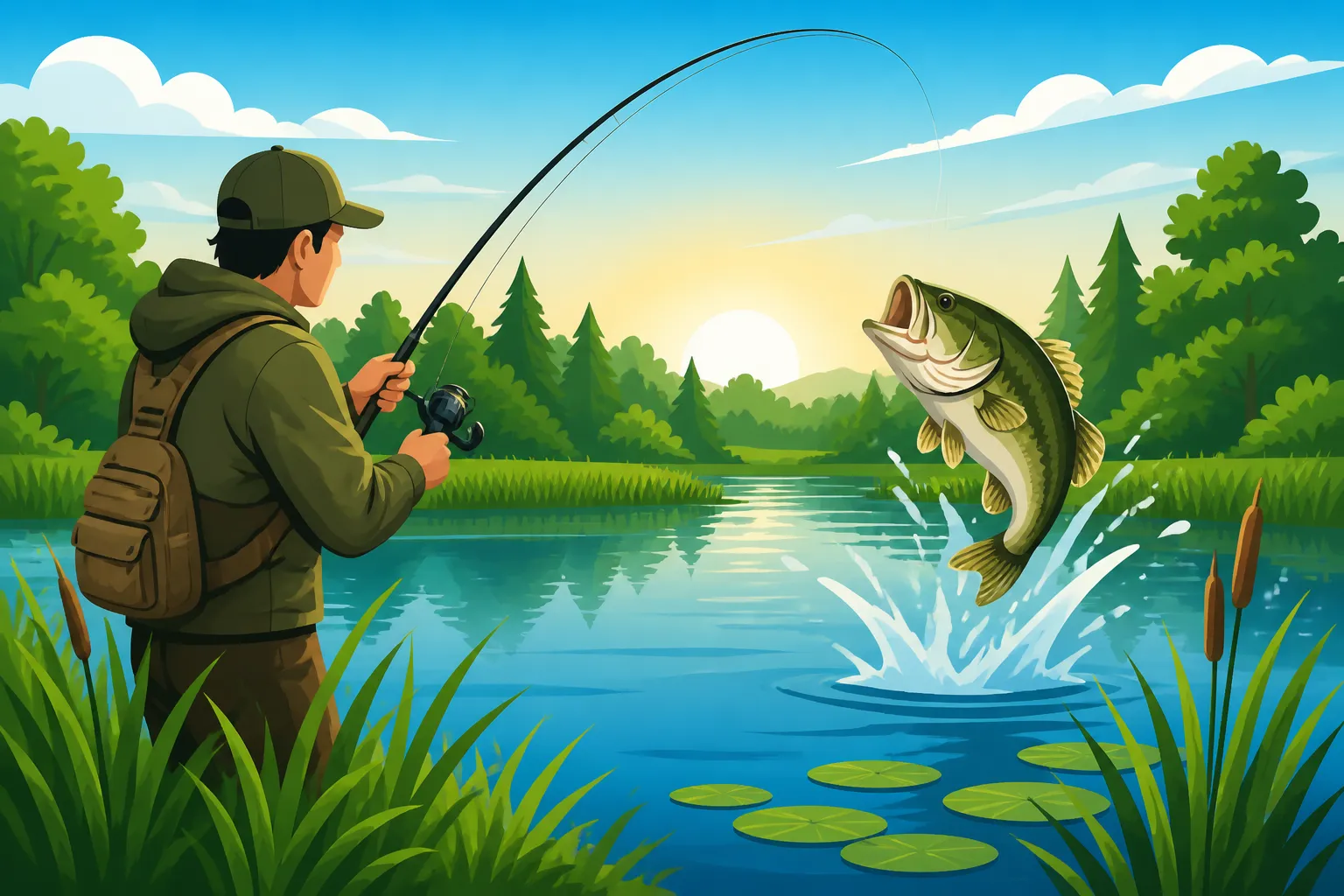
The star of the show for many anglers at Colliers Mills is the Largemouth Bass. These aggressive predators absolutely love the heavy cover found in these ponds. You'll find them lurking in the dense lily pads, hiding under submerged logs, and tucked into weed beds, waiting to ambush unsuspecting prey. While trophy-sized bass are always a possibility, you can expect to catch a good number of healthy, feisty bass in the 1-3 pound range, with bigger ones requiring more patience and skill. For tips on targeting these green giants, check out our guide on Largemouth Bass Fishing in New Jersey.
Another exciting, and often underestimated, species you'll encounter is the Chain Pickerel. These elongated, toothy predators are abundant in the WMA's ponds. They are incredibly aggressive and will readily strike at lures and baits, putting up a surprisingly strong fight. Pickerel are often found in similar habitats to bass, preferring weedy areas and submerged structures. They can be a lot of fun, especially on days when other species are less active.
And of course, no freshwater pond fishery would be complete without a healthy population of Panfish. The ponds at Colliers Mills are home to various panfish species, including Crappie, Bluegill, and Yellow Perch. These smaller fish are perfect for beginners, kids, or anyone just looking for consistent bites. They are plentiful, relatively easy to catch, and can provide hours of entertainment. If you’re planning a family outing, targeting panfish is a fantastic way to introduce new anglers to the sport. Learn more about targeting crappie in our New Jersey Crappie Fishing Guide or discover the thrill of chasing pickerel by reading our New Jersey Pickerel Fishing Guide.
Best Times to Visit for Different Species
Like any fishing spot, timing is key at Colliers Mills. The seasons dictate fish behavior and activity levels, so planning your trip around these patterns can make a huge difference.
- Spring (April-May): As water temperatures rise, fish become incredibly active. This is arguably the best time to target largemouth bass as they move into shallower waters for their spawning rituals. Panfish also become very aggressive during this period. The weather is generally pleasant, and the biting insects aren't yet at their peak.
- Summer (June-August): Fishing in the summer months can be productive, but you'll often need to adjust your strategy. Early mornings and late evenings are prime times for bass, as they retreat to deeper, cooler water or denser cover during the heat of the day. Panfish, however, can provide steady action throughout the day, especially if you focus on shady areas. Be prepared for heat and an increase in insect activity.
- Fall (September-November): Many experienced anglers consider fall to be another fantastic time to fish Colliers Mills. As water temperatures begin to drop, bass and pickerel enter a pre-winter feeding frenzy, trying to fatten up before the cold sets in. They become more aggressive and can be found actively chasing baitfish. The foliage also offers a beautiful backdrop for your fishing adventures. You can learn more about general seasonal patterns in our guide on New Jersey Fishing Seasons Explained.
- Winter (December-March): While much of the WMA's ponds are shallow and prone to freezing, Ice Fishing can be an option during periods of sustained cold. When the ice is safe, targeting panfish and even pickerel can be a fun, albeit chilly, experience. However, exercise extreme caution and always check ice thickness thoroughly before venturing out. Safety should always be your top priority. If you're interested in trying it, be sure to read up on How to Ice Fish in New Jersey.
| Fish Species | Typical Size Range | Preferred Habitat | Best Baits/Lures | Season Peak |
|---|---|---|---|---|
| Largemouth Bass | 1-3 lbs (up to 5+ lbs) | Lily pads, weed beds, submerged logs | Plastic worms, jigs, spinnerbaits, topwater | Spring, Fall |
| Chain Pickerel | 1-2 lbs (up to 3+ lbs) | Dense weeds, shallow ambush points | Spinnerbaits, spoons, live shiners | Spring, Fall |
| Black Crappie | 6-10 inches | Submerged brush, deeper pockets | Small jigs, minnows, tiny soft plastics | Spring, Fall |
| Bluegill | 4-7 inches | Shallow cover, lily pads | Worms, crickets, small poppers | Spring, Summer |
| Yellow Perch | 6-10 inches | Open water, near weeds | Small worms, minnows, tiny spoons | Spring, Fall |
Essential Tips and Regulations for Anglers
Fishing in a wildlife management area comes with its own set of rules and considerations, all designed to protect the natural environment and ensure a sustainable resource for everyone. Being prepared with the right gear and knowledge of the regulations is crucial for a smooth and enjoyable trip.
Gear Up: What to Bring for Colliers Mills
Since you'll primarily be targeting bass, pickerel, and panfish in these unique, often shallow and weedy ponds, your gear choices should reflect that.
- Rod and Reel: A medium-light to medium power spinning rod, anywhere from 6 to 7 feet long, paired with a reliable spinning reel spooled with 6-10 lb monofilament or braided line, is a versatile setup. This will give you enough power to handle a good-sized bass but still be sensitive enough for panfish.
- Lures and Baits:
- For Bass: Soft plastic worms (Texas-rigged to be weedless), creature baits, jig-and-trailer combos, spinnerbaits, and even topwater frogs or poppers (especially around lily pads) are highly effective. Don't forget some weedless spoons for heavy cover.
- For Pickerel: Anything flashy and fast-moving will usually get their attention. Small spinnerbaits, spoons, and suspending jerkbaits are great choices. Live shiners under a bobber are also deadly.
- For Panfish: Keep it simple! Small hooks (#8 or #10) tipped with a piece of worm, a live cricket, or small minnow will work wonders. Tiny jigs, often called "micro jigs," dressed with a small plastic grub or hair, are also very effective, especially for crappie.
- Other Essentials:
- Waders or Waterproof Boots: Many of the ponds have soft, mucky banks or require wading to reach prime casting spots. Good waterproof footwear is a game-changer.
- Bug Spray: This is non-negotiable, especially from late spring through fall. Ticks and mosquitoes can be prevalent.
- Water and Snacks: You'll be off the beaten path, so bring plenty of hydration and fuel.
- Sun Protection: Hat, sunglasses (polarized are a must for spotting structure and fish), and sunscreen.
- Pliers/Forceps: Essential for removing hooks, especially from toothy pickerel.
- Map: A physical map or a downloaded offline map of the WMA is highly recommended, as cell service can be spotty.
- Small Watercraft (Optional but Recommended): While motor restrictions apply, a canoe, kayak, or even a small inflatable boat can open up many more fishing opportunities on the larger ponds, allowing you to access areas unreachable from shore. Remember to check specific pond rules regarding boats.
Navigating Regulations and Ethical Angling
Fishing in New Jersey, especially in a Wildlife Management Area, means adhering to specific regulations designed to protect the environment and wildlife. Always remember: ignorance of the law is not an excuse.
- New Jersey Fishing License: This is the most fundamental requirement. Anyone aged 16 and over needs a valid freshwater fishing license to fish at Colliers Mills WMA. You can easily purchase one online or from authorized vendors. Ensure you understand the New Jersey Fishing License Guide for 2026 before you head out, and clarify New Jersey Resident Fishing License Requirements if you're unsure.
- Bag and Size Limits: While these ponds don't usually have specific local rules, statewide freshwater regulations apply. Always consult the current New Jersey Freshwater Fishing Regulations Every Angler Should Know and the New Jersey Fish and Wildlife Digest to stay informed about daily bag limits and minimum size requirements for species like bass, pickerel, and panfish. Remember, How Bag and Size Limits Work in New Jersey is crucial for responsible harvesting.
- Catch and Release: Many anglers at Colliers Mills practice catch and release, especially for larger bass and pickerel, to help maintain the quality of the fishery. If you do plan to release fish, handle them carefully and minimize their time out of the water. Our guide on Catch and Release Rules in New Jersey offers valuable tips.
- WMA Specific Rules:
- Motors: Many ponds within WMAs, including those at Colliers Mills, have restrictions on motor usage. Typically, only electric motors are allowed, or sometimes no motors at all. Always check the specific rules for the pond you plan to fish.
- No Swimming: Swimming is generally prohibited in WMA ponds.
- No Littering: This should go without saying, but it's especially important in natural areas. Pack out everything you pack in, and leave no trace.
- Respect Wildlife: You're in a wildlife management area for a reason. Give animals their space, observe from a distance, and avoid disturbing their habitats.
- Check for Closures: Occasionally, parts of WMAs might be closed for hunting seasons or management activities. Always check the NJ Fish & Wildlife website before your trip.
Planning Your Trip and Making the Most of It
A successful fishing trip to Colliers Mills WMA isn't just about the fishing; it's about the planning and appreciation of the unique natural environment. Since it's a bit more rugged, a little extra preparation goes a long way.
Pre-Trip Checklist and Considerations
Before you even load your gear into the car, take a few moments to ensure you're fully prepared for the Colliers Mills experience.
- Weather Watch: Check the forecast meticulously. Sudden thunderstorms can make unpaved roads tricky to navigate, and extreme heat or cold will impact both your comfort and fish activity. Dress in layers, as conditions can change quickly in shaded forest areas.
- Maps, Maps, Maps: As mentioned, cell service can be spotty or non-existent in much of the WMA. Download detailed maps to your phone (Google Maps allows offline areas, or use a dedicated outdoor mapping app like Avenza PDF Maps with NJ Fish & Wildlife WMA maps). A good old-fashioned paper map tucked into your bag is also a wise backup. This isn’t the place to get lost after dark!
- Wildlife Awareness: This is prime habitat for ticks, especially from spring through fall. Wear long pants and sleeves, use tick repellent, and perform thorough tick checks after your outing. Black bears are present in New Jersey, though rare in this specific area, but always be aware of your surroundings. Snakes, including venomous species like timber rattlesnakes and copperheads, can also be found. Watch where you step and place your hands.
- Leave No Trace Ethic: This isn't just a rule; it's a principle. Anything you bring in, you must take out. This includes fishing line, bait containers, and any food wrappers. Keeping this wild space clean is up to all of us.
- Share Your Plan: Because of the remote nature of some areas, it’s always a good idea to let someone know where you’re going and when you expect to return. This is just a good safety practice for any backcountry outing.
- Leverage Local Insights: While Colliers Mills is less commercialized than other spots, you can sometimes find valuable local intelligence. Resources like FishingBooker, while often focused on saltwater charters, can occasionally list freshwater guides for nearby lakes or provide reports from local anglers that might give you an idea of what's biting in similar regional waters. It's always worth checking for broader regional fishing reports or guide services if you're looking for an expert to show you other nearby spots that are more accessible by boat.
Beyond the Ponds: Other Activities in the Area
A trip to Colliers Mills doesn't have to be solely about fishing, though it's certainly the main draw for many. The WMA offers a wealth of other outdoor activities, making it a great destination for a full day or even a weekend adventure.
- Hunting: During designated seasons, Colliers Mills is a popular spot for hunting deer, turkey, and small game. If you plan to fish during hunting seasons (especially fall), wear bright orange clothing to ensure your visibility and safety. Always check the New Jersey Fish & Wildlife website for specific hunting season dates.
- Hiking and Nature Walks: Miles of unmarked trails and dirt roads crisscross the WMA, offering fantastic opportunities for hiking and exploring. It's a great place to stretch your legs and immerse yourself in the Pinelands ecosystem.
- Bird Watching: With its diverse habitats, Colliers Mills is a haven for bird watchers. Keep an eye out for raptors, waterfowl, and various songbirds.
- Photography: The natural beauty and quiet solitude make it an excellent spot for nature photography, from macro shots of wildflowers to sweeping landscapes of pine forests.
- Nearby Towns: While Colliers Mills itself is undeveloped, the nearby towns of Jackson and New Egypt offer amenities like gas stations, convenience stores, and local eateries if you need to resupply or grab a bite after your adventure. You won’t find a tackle shop right at the entrance, so bring everything you need with you.
Fishing Colliers Mills Wildlife Management Area is a unique New Jersey experience. It's not about luxury or amenities; it's about reconnecting with nature, enjoying the peace and quiet, and the thrill of the catch in a truly wild setting. Pack smart, fish responsibly, and you're sure to have a memorable time in this special corner of the Garden State. For more family-friendly options that might offer easier access, consider looking into Best New Jersey State Park Ponds for Family Fishing.
Disclaimer
The information provided in this guide is for general informational purposes only and is subject to change. Fishing regulations, season dates, and access policies for Colliers Mills Wildlife Management Area and other New Jersey fishing locations are set by the New Jersey Department of Environmental Protection (NJDEP) Division of Fish and Wildlife and can be updated at any time. It is the angler's responsibility to consult the most current official NJDEP Fish and Wildlife Digest and local regulations before engaging in any fishing activities. Always prioritize safety and respect wildlife and the environment.