Fishing Budd Lake for Bass
Oh, the quest for bass in New Jersey! It’s a challenge many of us anglers know well, especially when trying to pinpoint a lake that offers consistent action without being overly complicated to access or navigate. You've probably spent countless hours researching, hoping to uncover those sweet spots where a trophy largemouth might be lurking. Well, if you're looking to tackle a promising freshwater gem in the northern part of the state, Budd Lake holds some real potential, and this guide is here to unravel its bass fishing secrets for you.
Why Budd Lake is a Bass Angler's Hotspot (and How to Crack Its Code)
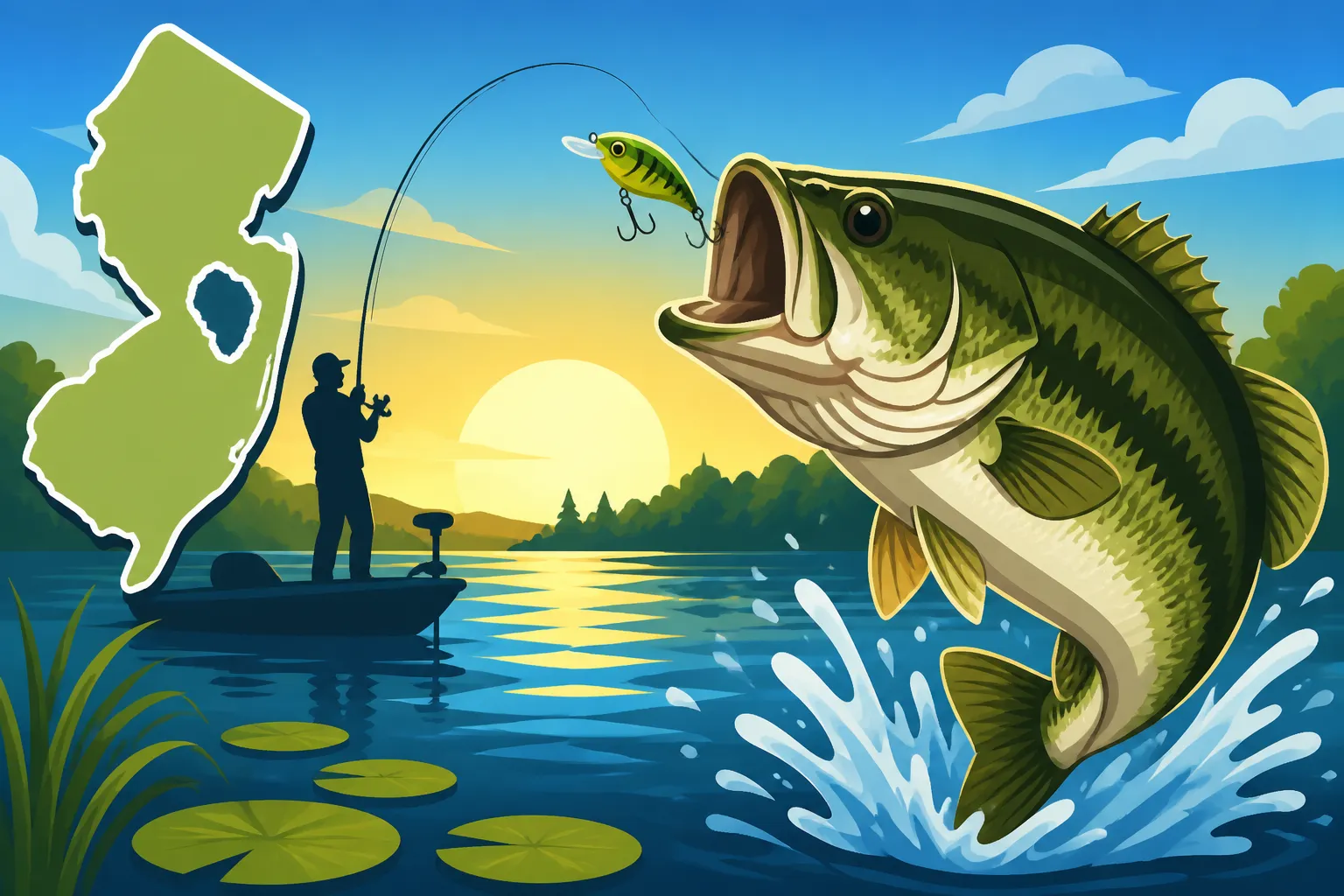
Budd Lake, nestled in Mount Olive Township, Morris County, is a prime example of a New Jersey lake that truly delivers for bass anglers. It’s got a bit of everything: shallow, weedy flats, surprising depth changes, and plenty of cover. But don't let its relatively straightforward appearance fool you; fishing Budd Lake for bass requires more than just casting and hoping. It demands an understanding of its unique underwater landscape and the seasonal patterns of its resident largemouth.
The Lake's Unique Structure and Habitat for Bass
Budd Lake isn't just any old pond; it's a natural glacial lake, which gives it some interesting characteristics. While much of it averages around 9-12 feet deep, there are deeper pockets, especially towards the center, dropping down to about 25 feet. This variation in depth is crucial for bass, allowing them to move between shallow feeding grounds and deeper, cooler refuge during different times of the day or year.
The real key to Budd Lake's bass population lies in its abundant aquatic vegetation. Weeds are king here – lily pads, submerged grasses, and hydrilla create a dense jungle that provides endless ambush points and protective cover for bass. These weed beds are not just random patches; they form intricate patterns along drop-offs, around points, and in the numerous coves. Understanding how to "read" these weed lines and identify transitions from sparse to dense growth is like finding a hidden map to where the bass are holding. During the warmer months, these weed beds are alive with baitfish and insects, making them irresistible dining areas for hungry largemouth. They offer shade, oxygen, and a perfect place for bass to hide from predators, including us anglers, making presentation key.
Prime Seasons and Conditions for Targeting Bass
Like most fisheries, Budd Lake has its seasonal sweet spots for bass. Knowing when to target them and what behaviors to expect can dramatically increase your success rate. The lake is open year-round, but specific times of the year truly shine for bass.
The spring, especially from April through early June, is a phenomenal time to chase bass in Budd Lake. This is when the water temperatures begin to rise, signaling the start of the spawn. Largemouth bass move into the shallower, warmer coves and protected areas, often near docks, fallen trees, or dense lily pads, to build their nests. During this prespawn phase, they're aggressively feeding to bulk up for the energy-intensive spawning process. Post-spawn, they might be a bit lethargic, but they'll quickly resume feeding to recover. During this period, slower presentations and subtle baits often work best around their beds, but remember to practice responsible catch and release, especially with spawning fish, to protect the fishery. Many anglers find the information in this guide on How to Catch Largemouth Bass in Early Spring particularly helpful for this time of year.
Summer on Budd Lake, from late June through August, sees the bass establish more predictable patterns, often relating to the denser weed beds and deeper areas during the heat of the day. Early mornings and late evenings can be fantastic for topwater action over the flats, as bass move out of deeper cover to feed. Once the sun is high and the temperatures soar, the bass will retreat into the coolest, shadiest, and most oxygenated parts of the weed beds or find comfort in those deeper pockets. You’ll need to adjust your tactics to penetrate the thick cover or fish the deeper edges of the weeds. Finding the right spots often means patiently working your way through different types of structure until you hit a honey hole.
As autumn arrives, bringing cooler temperatures in September and October, Budd Lake offers another fantastic bass bite. The bass become increasingly active, feeding heavily in preparation for winter. They'll often school up and aggressively chase baitfish, moving between deeper humps and shallower points. This is a great time to cover water with reaction baits like crankbaits or spinnerbaits. The fall bite can be some of the most exciting fishing of the year, as bass are in peak condition and willing to hit a wide variety of lures. Before you head out, make sure your New Jersey Fishing License Guide for 2026 is up to date, as regulations are always important to follow.
Essential Techniques and Baits for Budd Lake Bass
Fishing Budd Lake successfully isn't just about knowing where the bass should be; it's about knowing how to present your bait to them in a way they can't resist. The diverse habitat of Budd Lake means you need a versatile toolkit of techniques and baits to adapt to the conditions you encounter.
Lure Selection for Different Depths and Cover
Budd Lake's structure dictates your lure choices. You can't just throw the same old thing everywhere and expect consistent results.
For those shallow, dense weed beds and lily pads, especially in the warmer months, flipping and pitching jigs or Texas-rigged soft plastics are absolute game-changers. A creature bait or a bulky worm in green pumpkin or black/blue, paired with a heavy tungsten weight (3/8 oz or 1/2 oz), allows you to punch through the thick cover and get right into the bass's living room. Once it breaks through the canopy, let it fall slowly and work it with subtle twitches. Bass tucked away in these dense areas are looking for an easy meal falling right into their laps. Consider looking up some details on How to Fish Topwater Lures for Largemouth Bass if you're interested in the explosive strikes over the shallower pads, especially at dawn or dusk.
When bass are holding along the edges of weed lines or around deeper points, crankbaits and spinnerbaits become incredibly effective. Medium-diving crankbaits that bump off the top of submerged weeds or deflect off structure can trigger aggressive reaction strikes. Colors that mimic bluegill or perch are often productive. Spinnerbaits, especially those with willow leaf blades, can be retrieved just above the weed tops, creating flash and vibration that bass can't ignore. For deeper humps or drop-offs, a lipless crankbait can be excellent for covering water quickly and locating active schools.
Don't forget about topwater lures for those magical low-light hours. Frogs, poppers, and walking baits thrown over lily pads or sparse weeds near shore can lead to heart-stopping blow-ups. There’s truly nothing quite like watching a largemouth explode on a topwater lure, especially on a calm Budd Lake morning. For more tips on summer action, check out our guide on the Best Lures for Largemouth Bass in Summer Heat.
Adapting Your Approach to Budd Lake's Pressured Waters
Budd Lake is a popular destination, and with popularity comes fishing pressure. This means the bass can be wary, and you often need to employ a more finessed approach, especially during peak times. Simply bombing casts with loud lures might work occasionally, but consistent success often comes from being subtle and thoughtful.
One key adaptation is to lighten your line and downsize your baits when the bite gets tough. Instead of a heavy jig, try a wacky-rigged Senko or a Ned rig pitched around isolated cover or boat docks. These subtle presentations can entice bites from bass that have seen every loud crankbait and flashy spinnerbait imaginable. Think about natural presentations – a bait that looks like it's effortlessly drifting or fluttering is often more appealing to a pressured bass than something erratically jerking through the water.
Another critical aspect is understanding boat positioning and stealth. Try to approach your target areas quietly, using your trolling motor sparingly or even drifting if the wind allows. Making long casts to keep your boat away from the fish can also make a big difference. If you're using a sonar unit, pay close attention to depth changes, baitfish schools, and isolated cover that might not be visible above the surface. Sometimes the bass are holding in overlooked spots, just a few feet away from the obvious weed lines, precisely because those areas receive less pressure. When planning your trip, consider checking out resources like FishingBooker, where you can often find local insights or even guides who specialize in pressured lake tactics if you feel you need to up your game. They might have a guide who can teach you the subtle art of working these waters.
Remember that Budd Lake also holds panfish, crappie, and even some tiger muskies, so you might stumble upon other exciting catches while bass fishing!
Navigating Budd Lake: Access, Regulations, and Local Tips
Getting on and around Budd Lake is relatively straightforward, but like any body of water in New Jersey, there are specific access points and regulations you need to be aware of. Being prepared ensures a smooth and legal day on the water.
Public Access Points and Boat Launch Information
The most prominent public access point for Budd Lake is the state-owned boat ramp located on the south side of the lake, off Lakeside Boulevard. This ramp is well-maintained and offers ample parking, making it a convenient spot for launching trailered boats. It's a busy ramp, especially on weekends during prime fishing season, so arriving early is always a good idea. There are restrooms available, which is always a plus for a full day of fishing.
For those without a full-sized boat, or who prefer a quieter approach, kayak and canoe launching is also accessible from this area. Kayak fishing has become increasingly popular on Budd Lake, allowing anglers to quietly slip into shallower coves and navigate tighter weed lines that larger boats might struggle to reach. If you’re a kayak enthusiast, you might find some useful tips in our guide on the Best Kayak Fishing Spots on Barnegat Bay, even though it's saltwater-focused, many kayak techniques translate.
Shore access on Budd Lake is a bit more limited, primarily due to private properties surrounding much of the shoreline. However, there are some small public areas, particularly near the boat ramp and along some portions of the public park areas, where anglers can cast from shore. These spots can be great for beginners or those just looking to wet a line for a few hours. Just be mindful of posted signs and respect private property boundaries. Remember that if you're looking for a guided trip to explore the lake, you can often find experienced captains on platforms like FishingBooker who know all the best spots and access points.
Key Regulations and Conservation Efforts
When fishing Budd Lake, you must adhere to New Jersey's freshwater fishing regulations. This includes having a valid New Jersey Fishing License Guide for 2026 if you are 16 years of age or older. It's not just about avoiding penalties; it's about supporting conservation efforts that keep our fisheries healthy. Always carry proof of your license, whether it's a physical copy or easily accessible on your phone, because New Jersey Conservation Police and License Checks are a real thing.
Specific to bass, New Jersey typically has statewide size and bag limits for largemouth and smallmouth bass. For largemouth bass, the current regulations generally allow for a daily harvest of five fish, with a minimum size of 12 inches. However, these regulations can change, so it's absolutely crucial to consult the most current New Jersey Fish and Wildlife Digest before your trip. You can usually find the digest online or pick up a physical copy at a license agent. Knowing your New Jersey Daily Bag Limits by Species is paramount to fishing responsibly.
Conservation is a big deal on Budd Lake, especially for its prized bass fishery. Many local anglers, and even those who travel to fish here, practice catch and release, particularly for larger bass. Releasing those big breeders ensures a healthy population for future generations. If you do decide to keep fish within the legal limits, make sure you know the proper handling techniques to minimize stress on the fish you release.
Navigating the Weeds and Other Local Tips
The extensive weed beds in Budd Lake can be both a blessing and a curse. They hold fish, but they can also make fishing challenging. Invest in stout tackle, including braided line (30-50 lb test) with a fluorocarbon leader (15-20 lb test) when flipping or pitching heavy cover. This setup helps you muscle bass out of the weeds and prevents line abrasion. If you're new to the area, FishingBooker can connect you with local guides who can offer invaluable, up-to-the-minute advice on conditions and weed patterns.
Another tip: pay attention to water clarity. Budd Lake can experience varying water clarity throughout the season. After heavy rains, it might be a bit murkier, which can sometimes push bass tighter to cover or make them less visual. In clearer conditions, long casts and natural lure colors become even more important. Always adapt your lure colors and presentation speed based on the water clarity you observe.
Lastly, remember that other activities take place on Budd Lake, especially in summer. Boating, jet skiing, and swimming can be prevalent, particularly during the middle of the day. Early mornings and late evenings will often provide the most peaceful and productive fishing opportunities, allowing you to avoid the busiest times on the water. By understanding the lake's rhythms and respecting its environment, you're well on your way to a successful bass fishing adventure at Budd Lake.
| Season | Prime Bass Locations | Recommended Lure Types | Key Techniques |
|---|---|---|---|
| Spring | Shallow coves, spawning flats, docks, fallen trees | Jigs, soft plastics (Senkos, creature baits), spinnerbaits, chatterbaits, shallow crankbaits | Flipping/Pitching, Slow rolling, Texas-rigging, Wacky rigging |
| Summer | Dense weed beds, lily pads, deeper weed lines, shaded structure | Frogs, poppers, heavy jigs, Texas-rigged worms, Carolina rigs, deep crankbaits | Topwater, Punching, Flipping, Dragging/Strolling |
| Fall | Main lake points, deeper humps, baitfish schools, transitioning weed lines | Crankbaits (medium-deep), spinnerbaits, jerkbaits, swimbaits, jigs | Covering water, Reaction strikes, Jigging, Trolling |
Disclaimer
Please note that fishing regulations, including bag and size limits, can change. Always consult the latest New Jersey Fish and Wildlife Digest or visit the official NJDEP Fish & Wildlife website before heading out on your fishing trip to ensure you are compliant with current regulations. This guide is for informational purposes only and should not replace official sources.