Fishing Lake Shenandoah for Panfish
It can be incredibly frustrating when you just want to enjoy a relaxing day fishing, especially with family, but you’re constantly searching for a spot that promises a good chance of catching something without being overly complicated. Many anglers, myself included, have spent too much time chasing elusive trophy fish when sometimes all you want is the simple joy of a bending rod. This comprehensive guide is here to introduce you to Lake Shenandoah in Lakewood, New Jersey, a true gem for panfish enthusiasts, making your next outing enjoyable and productive.
Why Lake Shenandoah is a Panfish Paradise
Nestled in the heart of Ocean County, Lake Shenandoah offers a fantastic opportunity for anglers of all skill levels, particularly those chasing panfish. This relatively shallow, easily accessible lake is managed by Ocean County Parks and Recreation, ensuring it remains a clean and welcoming environment for outdoor enthusiasts. Its calm waters and varied shorelines make it an ideal location for a relaxed day of fishing, free from the crowds and complexities often found at larger, more popular fishing destinations.
Accessibility and Family-Friendly Environment
One of the biggest advantages of Lake Shenandoah is its superb accessibility. Situated within Lake Shenandoah County Park, anglers have ample parking, well-maintained pathways, and plenty of open shoreline access points. This isn't one of those spots where you have to bushwhack your way to the water; it's designed for public enjoyment. This ease of access makes it particularly appealing for families with young children or anglers with mobility challenges, allowing everyone to get right to the action without a strenuous trek. The park itself provides amenities like playgrounds and picnic areas, turning a fishing trip into a full-day family outing. For newcomers to the area, or those planning a weekend visit, platforms like FishingBooker might even offer local insights or connect you with freshwater guides who know the lake well, making it easier to plan your initial trip.
Natural Productivity and Panfish Abundance
Lake Shenandoah boasts a healthy ecosystem that naturally supports a robust population of panfish. Unlike some highly managed waters, the lake's environment provides excellent forage and habitat for species like bluegill, sunfish, crappie, and yellow perch. The presence of submerged vegetation, fallen timber, and varying depths creates perfect hiding and feeding grounds for these smaller fish. What this means for you, the angler, is a higher likelihood of consistent bites. It’s a place where you can typically expect to catch fish, which is a huge confidence booster, especially for beginner anglers or kids. The thrill of a constant nibble or a small fish tugging on the line is often what sparks a lifelong passion for fishing, and Lake Shenandoah delivers on that promise.
Understanding Lake Shenandoah's Prime Panfish Species
To truly enjoy your time at Lake Shenandoah, it helps to know a little about the finned friends you're likely to encounter. While panfish might not offer the same brute strength as a trophy bass or striped bass, their sheer numbers and willingness to bite make them incredibly fun to target. Understanding their habits can significantly increase your success rate.
Bluegill and Other Sunfish
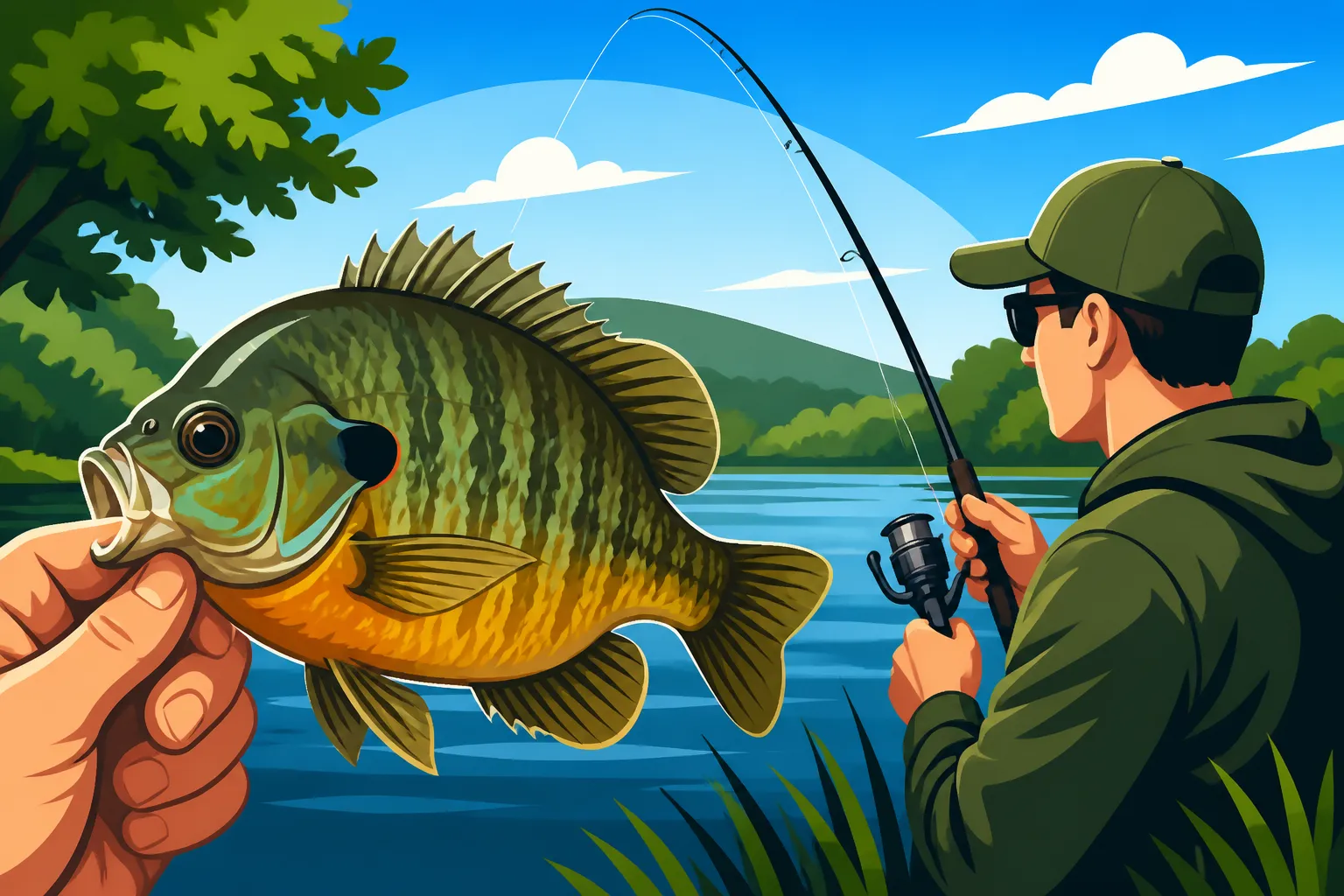
Bluegill are arguably the most common and cooperative panfish in Lake Shenandoah, making them an excellent target for new anglers. These vibrant fish, easily identified by their deep blue-black ear flap and iridescent scales, are often found in schools, especially around structure and weed beds. They're notorious for their aggressive bites, even on the smallest offerings, which is exactly what you want when fishing with kids or just looking for continuous action. Beyond bluegill, you'll also find other sunfish species like pumpkinseed and redbreast sunfish, all sharing similar habits and preferences, adding variety to your catch. Knowing What Do Sunfish Eat? can really dial in your bait choice, but generally, they aren't too picky!
Crappie and Yellow Perch
While bluegill are plentiful, Lake Shenandoah also holds respectable populations of crappie (both black and white) and yellow perch. These species tend to grow a bit larger than bluegill and can offer a more challenging, yet rewarding, fight. Crappie often hang out in deeper water, especially around submerged brush piles or drop-offs, and prefer slightly larger baits or jigs. Yellow perch, with their distinctive vertical stripes, are also schooling fish that can be found cruising weed lines or deeper flats. They often prefer live bait but will readily hit small lures. Targeting these species requires a bit more finesse than bluegill, but the reward of pulling in a platter-sized crappie or a fat perch is well worth the effort.
Here's a quick look at common panfish and their preferences in Lake Shenandoah:
| Species | Typical Size (inches) | Preferred Habitat | Favorite Baits/Lures | Best Times |
|---|---|---|---|---|
| Bluegill | 4-8 | Weeds, docks, shallow structure | Worms, crickets, small jigs, corn | All day, especially morning/evening |
| Crappie | 8-12 | Submerged timber, brush piles, drop-offs | Minnows, small jigs, tiny spinners | Dawn, dusk, overcast days |
| Yellow Perch | 6-10 | Weed lines, deeper flats, open water | Small minnows, worms, jigging spoons | Morning, cooler parts of the day |
| Pumpkinseed | 4-7 | Shallow weeds, lily pads, shorelines | Worms, bread, small flies | All day, sunny spots |
Essential Gear and Tactics for Panfish at Lake Shenandoah
One of the beautiful things about panfishing is that you don't need a boatload of expensive gear. Simplicity is often key, making it accessible and enjoyable for everyone. However, having the right basic setup and understanding a few tactics can dramatically improve your catch rate.
Simple Rigs and Baits That Always Work
For panfish in Lake Shenandoah, an ultralight spinning rod and reel combo is your best friend. This setup allows for light lines (4-6 lb test monofilament or fluorocarbon), which are crucial for detecting subtle bites and making small lures come alive. A light action rod will make even a small bluegill feel like a monster, adding to the fun! For beginners, something similar to a Best Beginner Rod and Reel Combo for Saltwater Fishing but scaled down for freshwater will do wonders.
Your terminal tackle can be as basic as it gets:
- Bobber Rig: A small slip bobber or clip-on bobber, a split shot sinker, and a small hook (size 8-12). This is perfect for suspending your bait at a specific depth near structure.
- Bottom Rig: A small weight (1/8 to 1/4 oz) tied directly to the end of your line, with one or two small hooks (size 8-12) tied on droppers above the weight. This is great for keeping bait near the bottom where many panfish forage.
When it comes to bait, panfish are not generally picky, but some offerings are tried and true:
- Live Worms: Hands down, the most effective bait. Nightcrawlers or red wigglers are irresistible to nearly all panfish.
- Small Live Minnows: Excellent for crappie and larger perch. Use them on a bobber rig.
- Corn and Bread: Believe it or not, these pantry staples can be incredibly effective, especially for sunfish and bluegill, when fished under a bobber.
- Small Jigs and Spinners: Tiny curly-tail jigs (1/32 to 1/16 oz) in bright colors (chartreuse, white, pink) or small inline spinners like a classic Mepps or Panther Martin can be deadly, particularly for crappie and perch. Tip them with a small piece of worm for added appeal.
Remember, New Jersey allows anglers to use a reasonable number of fishing rods. While some larger bodies of water might have specific restrictions, typically you can use How Many Fishing Rods Can You Use at Once in New Jersey? up to two or three, especially from the shore, which means you can experiment with different baits or depths simultaneously.
Prime Fishing Locations and Timing at Lake Shenandoah
Understanding where and when to fish can be as important as what to use. Lake Shenandoah, like many freshwater bodies, has certain hotspots that consistently produce.
- Weed Lines and Lily Pads: These areas provide cover, shade, and ambush points for panfish. Cast your bobber rigs or small jigs just to the edge of the vegetation.
- Fallen Trees and Submerged Brush: Any kind of woody structure in the water is a magnet for crappie and larger sunfish. Fish vertically around these structures, being prepared for snags.
- Docks and Pilings: If there are any docks or bridge pilings (though fewer public ones at Lake Shenandoah), these man-made structures provide excellent cover and concentrate baitfish, attracting panfish.
- Shallow Coves: Especially in spring and early summer, panfish move into shallow coves for spawning and feeding. These can be incredible spots for fast action.
As for timing, panfish are generally active throughout the day, but you'll often find the best bite during the cooler parts of the day:
- Early Morning: Just after sunrise, as the water begins to warm up, fish are often actively feeding.
- Late Afternoon/Evening: As the sun starts to drop and the heat dissipates, panfish become more comfortable moving into shallower areas to feed.
- Overcast Days: Cloud cover can keep panfish active longer throughout the day, as they are less sensitive to bright sunlight.
While you don't necessarily need advanced electronics for panfish, even learning How to Read a Fish Finder for Beginners can help you identify subtle depth changes or schools of fish if you decide to use a kayak or small boat.
Seasonal Considerations for Panfish
Fishing for panfish at Lake Shenandoah remains consistent for much of the year, but understanding seasonal shifts can help you fine-tune your approach:
- Spring: As water temperatures rise, panfish become incredibly active, moving into shallow areas to spawn. This is arguably the best time for sheer numbers, with bluegill and crappie readily biting. Focus on warmer, protected coves.
- Summer: During the heat of summer, panfish might move to slightly deeper, cooler waters during midday, returning to shallower weed beds and structure during early morning and late evening. Fishing around shade is key.
- Fall: As temperatures drop, panfish feed aggressively to fatten up for winter. They'll often school up in slightly deeper water near drop-offs. This can be a great time to target larger crappie and perch.
- Winter: While Lake Shenandoah doesn't typically freeze thick enough for consistent ice fishing, if conditions allow, panfish can be caught through the ice. They'll be slow, but often grouped up in deeper holes.
Planning Your Lake Shenandoah Fishing Adventure
Before you head out to Lake Shenandoah, a little preparation goes a long way to ensure a smooth, enjoyable, and legal fishing trip. Being informed about regulations and best practices will help you and others make the most of this wonderful resource.
Navigating Licenses and Regulations
First and foremost, unless you fall into specific exempt categories (like very young children or seniors over 70), you'll need a valid New Jersey freshwater fishing license. It's a fundamental requirement, and conservation officers do check. You can find all the details in the New Jersey Fishing License Guide for 2026. For families, it's particularly important to know Do Kids Need a Fishing License in New Jersey? as the age requirements can sometimes be a little confusing. Generally, residents under 16 and over 70 are exempt, but it's always best to verify.
Beyond the license, it’s crucial to familiarize yourself with the statewide New Jersey Freshwater Fishing Regulations Every Angler Should Know. While panfish typically have generous or no specific size and bag limits, other species in the lake might have them. Ignorance of the rules is not an excuse for violations. The official New Jersey Fish and Wildlife Digest is your go-to source; you can learn more about Reading the New Jersey Fish and Wildlife Digest to ensure you're always up-to-date. Also, while Lake Shenandoah is a county park, it's wise to double-check for any specific New Jersey State Park Fishing Permit Fees or unique local rules that might apply to fishing within the park boundaries, though for Lake Shenandoah, a state fishing license is usually sufficient.
Respecting the Environment and Fellow Anglers
Lake Shenandoah is a shared resource, and practicing good angling etiquette is vital for everyone's enjoyment and the health of the fishery.
- Leave No Trace: Always pack out everything you pack in, and then some. This means no discarded fishing line, bait containers, or trash. A clean park benefits everyone and protects wildlife.
- Practice Catch and Release Responsibly: While you might want to keep some panfish for a tasty dinner – and yes, Are Bluegill Good to Eat?, they absolutely are! – consider releasing larger fish to maintain healthy populations. If you do keep fish, only take what you need and can legally possess.
- Share the Space: Lake Shenandoah can attract many visitors. Be mindful of other anglers, especially those with children. Give everyone enough room to cast and enjoy their experience.
- Protect the Shoreline: Avoid trampling sensitive vegetation or causing erosion. Stick to established paths and access points.
Maximizing Your Experience at Lake Shenandoah
A successful day of panfishing at Lake Shenandoah isn't just about catching fish; it's about the experience. To truly maximize your time:
- Pack Smart: Bring essentials like sunscreen, insect repellent, plenty of water, and snacks. A small cooler for your catch (if you plan to keep any) is also a good idea.
- Dress Appropriately: Layers are always a good idea in New Jersey, as weather can change quickly. A hat and polarized sunglasses will protect you from the sun and help you spot fish or structure under the water.
- Embrace the Simplicity: Don't overthink it. Panfishing is about fun and consistent action. Sometimes the simplest bait and rig will outperform the most complicated setup.
- Consider a Guide (Even for Panfish): If you're completely new to fishing or the area, you might consider booking a short guided trip. While FishingBooker is more commonly used for saltwater charters, some local freshwater guides, especially those focused on teaching beginners or kids, might be listed or found through local tackle shops. A guide can teach you local nuances, casting techniques, and help you land your first fish.
- Explore Other Waters: Once you've mastered Lake Shenandoah, consider exploring other similar spots. New Jersey has many fantastic Best New Jersey State Park Ponds for Family Fishing and Best New Jersey Ponds for Kids to Catch Their First Fish that offer similar opportunities for panfish and family fun.
Lake Shenandoah truly is a fantastic place to unwind, introduce someone to the joys of fishing, or simply enjoy a day of consistent bites targeting panfish. It embodies the accessible, rewarding nature of freshwater angling in New Jersey, reminding us that sometimes, the simplest pleasures are the best.
Disclaimer
Fishing regulations and conditions can change rapidly. Always consult the most current New Jersey Fish and Wildlife Digest or visit the official NJDEP Fish & Wildlife website before heading out to ensure you have the latest information on licenses, seasons, and bag limits. This guide is for informational purposes only and should not be considered a substitute for official regulations.