Round Valley Reservoir Shore Fishing Conditions
Many of us dream of landing a trophy fish, especially in a place as legendary as Round Valley Reservoir. But if you're like me, with limited boat access, you're left wondering if shore fishing at this deep, clear lake is even worth the effort. The truth is, it absolutely can be, but it presents a unique set of challenges that need a thoughtful approach. This guide will walk you through everything you need to know to make your shore fishing adventures at Round Valley Reservoir successful and enjoyable, tackling the unique conditions head-on so you can maximize your time on the water.
Unraveling the Shore Fishing Puzzle at Round Valley Reservoir
Round Valley Reservoir is an anomaly in New Jersey – a massive, deep, cold-water impoundment known for its exceptional trout and smallmouth bass. But what makes it great for fish also makes it notoriously tough for shore anglers. Don't get discouraged; understanding these characteristics is your first step to success.
The Unique Challenges of Round Valley's Shoreline
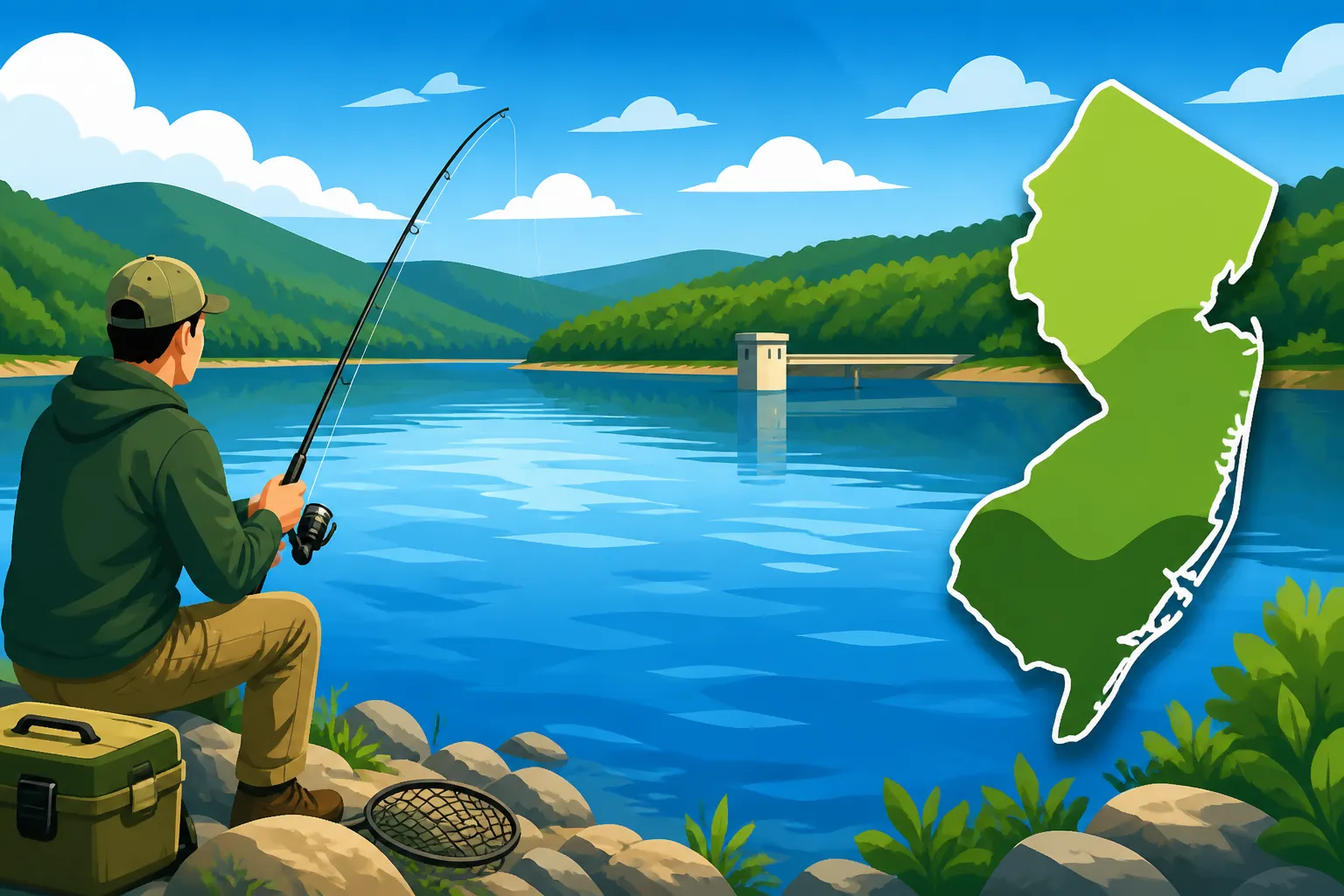
When you first lay eyes on Round Valley, you're immediately struck by its vastness and the sheer clarity of the water. It’s a breathtaking sight, but that beauty comes with a price for shore anglers. The reservoir was designed as a pumped-storage facility, meaning much of its shoreline drops off quickly and steeply, making natural wading or easy access to deeper water a real challenge. You're often casting into what feels like a bottomless pit just a few feet from shore.
The incredibly clear, oligotrophic (nutrient-poor) water is another double-edged sword. On one hand, it's pristine and beautiful. On the other, it makes fish incredibly spooky. Any shadows, sudden movements, or even bright clothing can send wary trout and bass scurrying for cover. This means stealth and long casts are paramount. Wind can also be a significant factor, whipping across the open expanses and making casting difficult, particularly if you're using lighter tackle or trying to present a delicate bait. Furthermore, the rocky, uneven terrain along many sections of the shoreline can be tough on your feet and gear, demanding good footwear and careful navigation. For a more comprehensive look at the reservoir, you might want to check out our New Jersey's Round Valley Reservoir Fishing Guide.
Navigating Access Points and Restrictions
Getting to the shore at Round Valley isn't always straightforward. As a drinking water supply, there are strict regulations in place to protect its purity and the surrounding environment. This means no motors over 10 horsepower, no swimming in most areas, and designated access points that limit where you can even get close to the water's edge. Much of the reservoir is encircled by the Cushetunk Mountain Natural Area, which means miles of hiking trails but often steep, challenging descents to the water.
The main boat launch area off Route 629 is one of the most accessible spots, offering parking and a gradual slope to the water, although it’s primarily for boaters. For shore anglers, this area can still yield some results, especially for panfish or stocked trout right after releases. The South Beach area, while offering access to the water, often has restrictions on where fishing is permitted, so always check local signage. There are also specific "Round Valley Reservoir Shore Access Points" that anglers often seek out, which are usually small pull-offs or trailheads that require a hike. Always be mindful of "No Trespassing" signs and private property, and respect the natural beauty of the area by packing out everything you pack in.
Prime Locations for Shore Anglers at Round Valley
Even with the challenges, Round Valley offers some fantastic shore fishing opportunities if you know where to look and what to target. It's not about finding easy access everywhere, but rather strategic spots that maximize your chances.
Key Shoreline Hotspots for Different Species
For those targeting stocked trout, especially rainbow and brown trout, your best bet will often be closer to the main access points, particularly around the boat launch area and any designated fishing spots where the state performs stockings. These areas might be busier, but the fish are there. Try casting parallel to the shore in these areas during the cooler months of spring and fall. The shallower coves and points, particularly those with some submerged structure like fallen trees or rocky outcrops, are prime real estate for smallmouth bass and chain pickerel. Smallmouth love rocky bottoms and drop-offs, while pickerel lurk in any available weed beds or woody debris.
Lake trout, the true giants of Round Valley, are notoriously difficult to target from shore. They prefer the deep, cold, oxygen-rich waters found far from the bank. However, during the coldest parts of early spring and late fall, they might venture slightly shallower, making them a long-shot possibility for very dedicated shore anglers employing specialized techniques. Knowing Where Do Lake Trout Hold at Round Valley Reservoir can give you a slight edge even from shore. You won't consistently hook the lakers from the bank, but the possibility keeps things exciting. For panfish like perch and sunfish, virtually any accessible cove with some cover will hold them, making for a great family fishing experience.
Scouting Less-Traveled Paths for Hidden Gems
Sometimes, the best fishing is found where others aren't willing to go. Round Valley's extensive trail system, part of the Cushetunk Mountain Natural Area, offers opportunities to discover less-pressured shore fishing spots. The trails typically follow the contours of the reservoir, often a significant distance above the water, but various spurs and game trails might lead down to the bank. These paths can be steep, rocky, and slippery, so good hiking boots are non-negotiable.
Focus on points and coves that jut out into deeper water or offer some form of cover like submerged timber or large boulders. These areas often attract fish seeking shelter or ambush points. Using satellite maps or apps like Google Maps or OnX Hunt (which shows public land boundaries) can help you identify potential access points and promising looking shoreline features before you even leave home. Just remember that what looks like a short walk on a map can be a strenuous hike with gear in tow. These hidden gems can yield surprising results, but they demand preparation and a willingness to explore off the beaten path. Always tell someone your plans when venturing into these more remote areas for safety.
Strategies and Gear for Successful Round Valley Shore Fishing
Tackling Round Valley from shore requires more than just throwing a line in the water; it demands a tactical approach tailored to its unique conditions.
Adapting Your Approach to Clear, Deep Water
The crystal-clear waters of Round Valley mean you need to be stealthy. Fish have excellent vision in these conditions, making them acutely aware of their surroundings. This means avoiding bright clothing, moving slowly and deliberately along the bank, and keeping a low profile. Long casts are crucial to get your bait or lure away from the immediate shoreline, where fish are most likely to be spooked by your presence. A longer rod (7-9 feet) paired with a good quality spinning reel spooled with light, sensitive line (6-8 lb fluorocarbon or monofilament for trout/smallmouth, maybe slightly heavier for pickerel) will help you achieve the distance needed.
When fishing for trout, especially during the spring and fall, focus on fishing deeper sections or areas where the bank drops off quickly. Smallmouth bass will relate to rocky points and submerged structure. If you’re not getting bites, don't be afraid to change your retrieve speed, depth, or even move to a new spot. Sometimes, just a slight adjustment can make all the difference. Understanding How to Fish Clear Water Lakes Like Round Valley Reservoir is paramount here.
Best Baits and Lures for Round Valley's Shoreline Targets
For the abundant stocked trout, classic baits like PowerBait (especially in bright colors like chartreuse, orange, or rainbow), corn, and live worms are often irresistible. Rig them on a small hook (size 10-14) with a light split shot or a sliding sinker rig to allow for a natural presentation. For lures, small spoons (like Kastmasters or Little Cleos in silver, gold, or blue/silver combinations), inline spinners (like Mepps or Rooster Tails), and small trout magnets can be very effective. Work these slowly and erratically to mimic injured baitfish or insects.
When targeting smallmouth bass, jigs with soft plastic trailers (like tube jigs or small creature baits), drop-shot rigs with small worms or minnow imitations, and jerkbaits can be highly productive. Focus on retrieving them near rocky structure and drop-offs. For chain pickerel, which are ambush predators, try using brightly colored spoons, spinnerbaits, or even small live minnows under a bobber in shallower, weedier coves. Remember to use a wire leader or heavy fluorocarbon leader when targeting pickerel, as their sharp teeth can easily cut through lighter line. If you're looking for more specific guidance, our article on Best Bait for Round Valley Reservoir Trout in Spring has some great tips.
Essential Tackle and Local Know-How
Beyond your rod, reel, and terminal tackle, there are a few other items that will significantly enhance your Round Valley shore fishing experience. A good quality pair of polarized sunglasses is indispensable for cutting glare and spotting submerged structure or even cruising fish in the clear water. A small tackle box or backpack that’s easy to carry while hiking is also key, as you’ll likely be on the move. Don't forget a pair of pliers for hook removal, a tape measure for checking legal sizes, and a small net or lip gripper for safely handling your catch.
Bringing a portable chair or cushion can be a godsend if you plan on settling into a spot for a while, as the shore is often rocky and uncomfortable. And, of course, a valid New Jersey fishing license is always required. Understanding the specific rules and regulations for Round Valley, which sometimes vary slightly from general state rules, is also crucial. For example, knowing if What New Jersey Fishing License Do You Need for Round Valley Reservoir is different from other bodies of water is important. You can find detailed information in the latest New Jersey Fish and Wildlife Digest or on their website. For those who eventually want to explore beyond shore fishing, perhaps considering a guided boat trip, platforms like FishingBooker offer a convenient way to find experienced local captains who specialize in Round Valley, even if it’s for boat-based experiences that might give you access to deeper lake trout haunts.
Planning Your Round Valley Shore Fishing Trip
A successful day of shore fishing at Round Valley often comes down to careful planning and knowing what to expect.
Understanding Seasonal Opportunities
Round Valley offers distinct fishing opportunities throughout the year, even from the shore. Spring is arguably the best time for shore anglers, especially for trout. The water is cold, and the trout (both stocked and holdovers) are more active and often closer to the surface and shorelines as they feed on emerging insects. This is also when the state performs its major trout stockings, increasing your chances. Smallmouth bass also become more active as water temperatures rise, moving into shallower rocky areas.
Summer can be challenging. As the water warms, the trout retreat to the deepest, coldest parts of the reservoir, making them virtually impossible to reach from shore. Smallmouth bass might still be accessible in the mornings and evenings around structure, but they become much more lethargic during the heat of the day. This is a good time to target panfish. Fall sees a resurgence in activity, particularly for trout and smallmouth, as water temperatures cool. Trout again move shallower, and smallmouth feed aggressively before winter. It's another prime time for shore anglers. Even in winter, if ice conditions allow for safe ice fishing (though this is rare and usually only in very specific, sheltered coves on Round Valley), you might find opportunities. Always prioritize safety over catching fish when it comes to ice fishing.
Licensing, Regulations, and Responsible Angling
Before you even step foot on the shore, make sure you have your current New Jersey fishing license. You can purchase these online, at licensed agents, or through the state's mobile app. It’s also wise to keep a digital or printed copy of the latest Reading the New Jersey Fish and Wildlife Digest with you, as it details all the current bag limits, size restrictions, and specific regulations for different species. For instance, there are often specific trout season dates and slot limits for different species, and Round Valley might have unique rules. Our comprehensive New Jersey Fishing License Guide for 2026 has all the details you need.
Beyond the regulations, practicing responsible angling is paramount, especially at a sensitive resource like Round Valley. This means practicing catch and release for fish you don't intend to keep, minimizing stress on the fish by handling them gently, and using appropriate gear to avoid gut-hooking. Always dispose of your trash properly and avoid leaving any fishing line or tackle behind, as it can be harmful to wildlife. Remember that Round Valley is a public drinking water supply, so maintaining its pristine condition is everyone's responsibility. If you're serious about increasing your chances, especially for the larger species, and want to explore the reservoir by boat, considering a guided trip found on platforms like FishingBooker can offer a different perspective and access to areas simply unreachable from shore. These guides have the local knowledge and equipment to target the deeper species.
| Access Point/Area | Primary Target Species (Shore) | Typical Shore Conditions | Best Season | Tips for Anglers |
|---|---|---|---|---|
| Main Boat Launch | Stocked Trout, Panfish | Gradual slope, some rocky areas, often busy | Spring, Fall | Cast parallel to shore, try PowerBait or worms. |
| East Dam Area | Smallmouth Bass, occasional Trout | Steep, rocky, deeper water access, wind exposed | Spring, Fall | Requires long casts, use jigs or spoons. |
| South Beach Trails | Panfish, Pickerel, limited Smallmouth | Varied access, some shallower coves, can be hike-in | Spring, Summer, Fall | Look for submerged timber, use small spinners or worms. |
| Cushetunk Trail Access | Smallmouth Bass, Pickerel, Trout (deep) | Remote, steep hikes to water, less pressured spots | Spring, Fall | Stealth is key, explore points and coves. |
Disclaimer
Fishing regulations and conditions in New Jersey can change. Always consult the official New Jersey Department of Environmental Protection (NJDEP) Fish and Wildlife website or the current Fish and Wildlife Digest for the most up-to-date information before planning your fishing trip. This guide is for informational purposes only and does not supersede official regulations.