New Jersey’s Best Bank Fishing Spots for Beginners
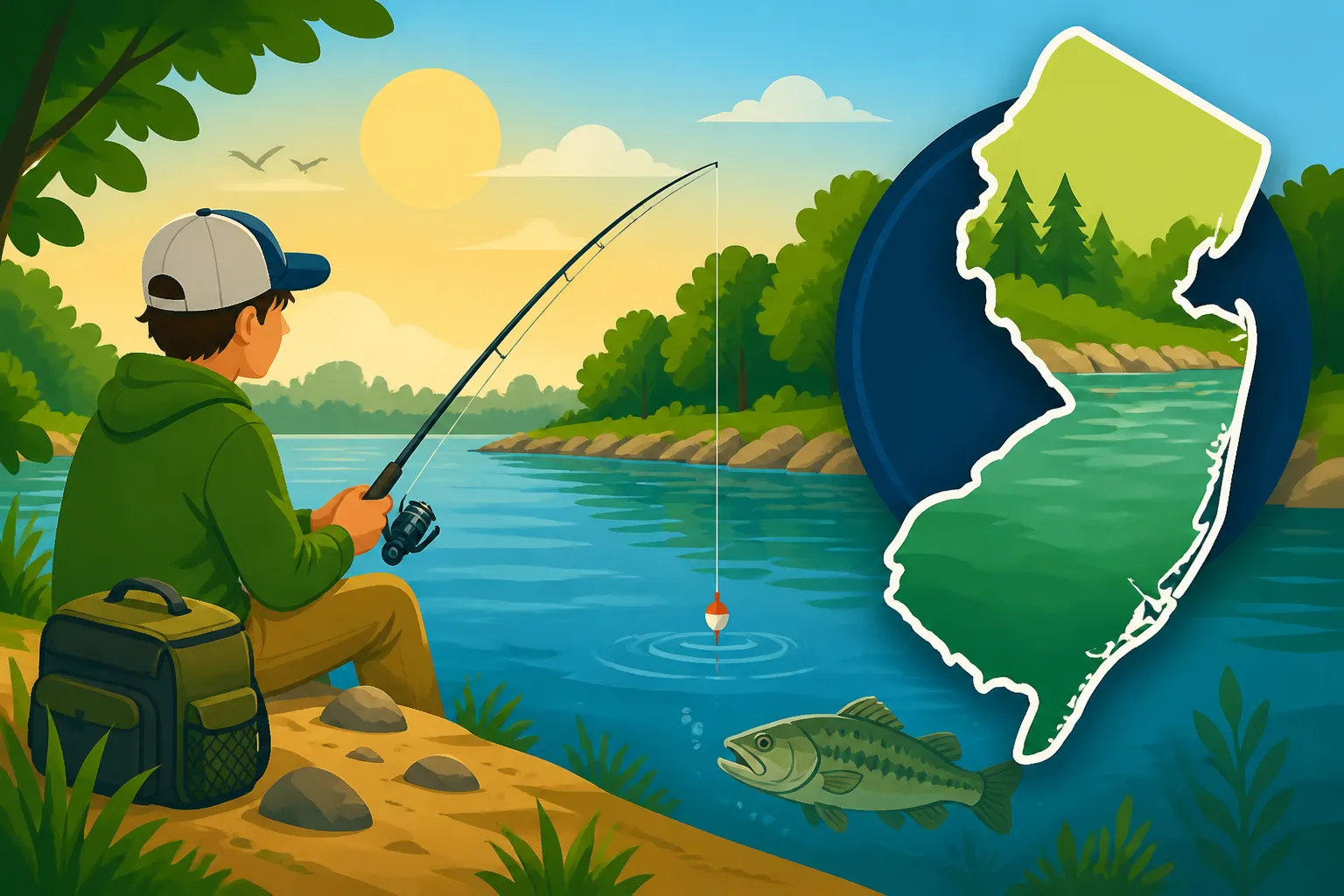
Feeling that itch to cast a line into the beautiful waters of New Jersey, but don't have a boat, a fancy kayak, or even a clue where to start? You're definitely not alone. Many aspiring anglers get intimidated by all the gear and perceived complexity. This guide is dedicated to easing those worries by showing you the absolute best, most accessible bank fishing spots across the Garden State, perfect for beginners looking to simply enjoy the peace and thrill of catching a fish from solid ground.
Why Bank Fishing is Your Best Friend for Learning the Ropes in New Jersey
When you're just dipping your toes into the world of fishing, the idea of buying a boat, launching it, navigating complex waterways, and even just maintaining the vessel can be incredibly overwhelming. Bank fishing, by contrast, strips away all that fuss, allowing you to focus on the pure joy of the sport. It’s an inviting entry point that emphasizes accessibility and simplicity, which is exactly what a beginner needs.
Accessibility and Ease for New Anglers
One of the biggest hurdles for new anglers is often the perceived barrier to entry – all that expensive equipment and the need for a watercraft. Bank fishing completely removes that obstacle. You don't need a boat, a trailer, or even special parking. All you need are your basic fishing supplies, which can be quite minimal, and a spot on the shore where you can legally and safely cast. This simplicity means you can spend more time actually fishing and less time on logistics. Think about it: no boat ramps, no dealing with crowded marinas, no worrying about tides or currents from a vessel perspective. You can literally walk up to a spot, set up your gear, and start fishing. It’s perfect for a spontaneous outing after work or a relaxed weekend afternoon with the family.
Cost-Effectiveness Makes Fishing Approachable
Let's be real, hobbies can get expensive, and fishing is no exception, especially if you get into boat ownership or specialized gear. Bank fishing, however, keeps your initial investment refreshingly low. You can get a solid, basic fishing setup for a fraction of the cost of outfitting a boat. We're talking about a decent spinning rod and reel combo, a handful of hooks, sinkers, bobbers, and some basic bait or lures. This cost-effectiveness makes it an incredibly appealing option for individuals, families, or anyone on a budget who wants to experience the outdoors without breaking the bank. It means more money for bait, snacks, or even another trip, rather than for fuel or boat maintenance. If you're wondering about the initial investment, check out our guide on the Basic Fishing Setup Cost to get a clear picture.
Surprising Variety of Fish Species from Shore
Despite what some seasoned boat anglers might tell you, you absolutely do not need to be miles offshore or in the middle of a lake to catch a wide variety of fish in New Jersey. Many popular game fish, both freshwater and saltwater, spend significant time in shallower waters, close to structure, or along the banks where they forage for food. From feisty panfish and bass in freshwater lakes to hard-fighting striped bass, fluke, and bluefish in our bays and along the coast, there's a surprising bounty waiting for bank anglers. Learning the habits of these species and where they like to hang out close to shore is a key part of the fun and challenge. Many of the fish you'd target from a boat can often be caught from a pier or jetty, or even a quiet riverbank.
Essential Considerations When Choosing a New Jersey Bank Fishing Spot
Before you pack your tackle box and head out the door, there are a few important things to keep in mind to ensure your bank fishing adventure is not only productive but also safe and legal. New Jersey has a ton of great spots, but knowing what to look for and what rules apply can make all the difference.
Safety and Public Access Rules
Safety should always be your number one priority when fishing. When choosing a bank fishing spot, look for areas with clear, unobstructed access. Avoid slippery banks, steep drop-offs, or areas with dense, overgrown vegetation that might hide hazards. Always be aware of your surroundings, especially if you're near busy roads or popular walking paths. Public access is also crucial; not all shorelines are open to anglers. State parks, county parks, and municipal access points are usually safe bets, but always look for signs indicating fishing access or restrictions.
For saltwater fishing, many beaches, especially those associated with state parks like Island Beach State Park, may require specific permits or have designated fishing zones. Similarly, piers and jetties are often public, but some might have specific hours or fees. Always double-check local regulations before you go. Remember, knowing New Jersey Freshwater Fishing Regulations Every Angler Should Know and How Bag and Size Limits Work in New Jersey is critical, no matter where you fish.
Understanding Fish Habits Near Shore
To maximize your chances of catching fish from the bank, it helps to think like a fish. What attracts them to certain areas? Typically, fish will congregate around structure, drop-offs, or areas with current that bring food to them.
- Freshwater: Look for submerged logs, weed beds, rocky areas, docks, or points where the bottom contour changes. These spots offer cover, ambush points, and food sources for species like largemouth bass, sunfish, and pickerel. Areas where feeder creeks enter a larger lake or river are also fantastic, as they often concentrate baitfish.
- Saltwater: Think about jetties, pilings, bridges, rocky shorelines, and channel edges in bays. These structures provide shelter from currents, ambush points for predators like striped bass, and a home for baitfish and crabs. For surf fishing, look for "holes" or "gutters" – deeper troughs parallel to the beach – where fish travel and feed. Reading the water and understanding these features can significantly improve your success. If you're looking for guidance, sometimes checking a service like FishingBooker can help you find a local guide who can point out these nuanced spots, even for bank fishing.
Simple Gear Recommendations for Bank Anglers
One of the beauties of bank fishing is that you don't need a ton of specialized gear. Keeping it simple is often best, especially when you're just starting out.
- Rod and Reel: A medium-action spinning rod (6 to 7 feet long) paired with a matching spinning reel spooled with 8-12 lb monofilament or braided line is a versatile choice for most freshwater and light saltwater bank fishing. This setup is easy to cast and handle.
- Tackle Box Essentials:
- Hooks: A variety of sizes, from small (size 8-10) for panfish to larger (size 1/0-3/0) for bass or fluke.
- Sinkers: Split shot, egg sinkers, or pyramid sinkers in various weights to get your bait down.
- Bobbers: For suspending bait at a specific depth, especially for panfish.
- Swivels and Snaps: To prevent line twist and easily change lures.
- Lures: A few soft plastic grubs, small spinners, and perhaps a weedless jig for freshwater. For saltwater, a bucktail jig or a spoon can be very effective.
- Bait: Live worms, minnows, or scented artificial baits like Gulp! are always reliable. For saltwater, fresh clam, squid, or bunker chunks are excellent.
- Accessories: Pliers (for removing hooks), line cutters, a small cooler for bait and drinks, a rag, and a ruler or tape measure to check fish sizes against regulations. A small folding chair can also make your outing much more comfortable!
Top Freshwater Bank Fishing Havens for Beginners in New Jersey
New Jersey is dotted with countless lakes, ponds, and rivers that offer fantastic freshwater bank fishing opportunities. These spots are usually calm, often scenic, and perfect for a relaxed day of casting.
Accessible Lakes and Ponds for Easy Casting
Many of New Jersey's lakes and ponds are incredibly beginner-friendly, featuring ample shoreline access, picnic areas, and often stocked fish.
- Mercer Lake (West Windsor): Part of Mercer County Park, this large lake offers extensive shoreline access, jetties, and plenty of room to cast. It's stocked with trout seasonally and holds a healthy population of largemouth bass, crappie, bluegill, and catfish. The park itself is very well-maintained, with restrooms and plenty of parking, making it an ideal family destination. You can target panfish close to shore with worms under a bobber, or try casting soft plastics for bass.
- Assunpink Lake (Robbinsville): Located within the Assunpink Wildlife Management Area, this lake is known for its excellent bass and catfish fishing. It offers numerous access points from the bank, including some designated fishing areas. The surrounding natural environment makes for a peaceful experience, and it's a great spot to practice casting without worrying about crowds. Many anglers here have success with live shiners or worms. It's truly one of New Jersey's Best Freshwater Lakes for Fishing.
- Manasquan Reservoir (Howell): This massive reservoir boasts a paved perimeter path that offers fantastic bank fishing access along much of its shoreline. It's known for its robust populations of largemouth bass, smallmouth bass, crappie, and even some muskie. The reservoir is also regularly stocked with trout, making it a diverse fishery. The paths are well-maintained, and there are facilities available, ensuring a comfortable trip for beginners and families.
- Lake Hopatcong (Morris/Sussex Counties): While a massive lake often associated with boats, Lake Hopatcong still offers numerous public access points for bank anglers. State Park marinas, Bertrand Island Park, and various municipal docks provide ample casting opportunities for diverse species like bass, pickerel, perch, and walleye. It's a great place to try different techniques from shore, though some spots might require a short walk.
Trout-Stocked Rivers and Streams with Shoreline Access
For those who enjoy the challenge and beauty of stream fishing, New Jersey's trout stocking program provides excellent opportunities for bank anglers.
- Musconetcong River (Various Locations): This scenic river, particularly the sections that flow through parks and public lands, is a prime trout fishery. Areas around Hackettstown and Waterloo Village offer good bank access. The river is heavily stocked with rainbow, brown, and brook trout, especially in the spring and fall. A simple worm or powerbait setup, or even a small spinner, can yield great results. It’s a wonderful spot to experience the tranquility of flowing water.
- Pequest River (Pequest Trout Hatchery and Natural Resource Education Center): The sections of the Pequest River that run through the hatchery grounds and surrounding public access areas are fantastic for trout fishing. These areas are specifically managed for anglers and provide easy, well-maintained access points. It’s an ideal place for beginners to try their hand at catching stocked trout, as the fish are usually plentiful and eager to bite.
- South Branch Raritan River (Various Parks): Many sections of the South Branch Raritan River, especially those winding through towns like Clinton and parks like Ken Lockwood Gorge (though some parts of the gorge are more challenging for beginners), provide good bank access. This river is known for its excellent trout fishing and also holds smallmouth bass. Look for areas adjacent to roads or public parks for the easiest entry.
Premier Saltwater Bank Fishing Spots Along the Jersey Shore
The Jersey Shore isn't just for beaches and boardwalks; it's a treasure trove of saltwater fishing opportunities for those who prefer to keep their feet on solid ground. From bustling piers to serene bay shores, there's a spot for every beginner to taste the excitement of saltwater angling.
Piers, Docks, and Jetties for Easy Deep Water Access
Piers, docks, and jetties are like natural extensions into deeper water, giving bank anglers access to fish that might otherwise be out of reach. They're often well-maintained and provide a social fishing environment.
- Asbury Park Fishing Pier (Asbury Park): This iconic pier is open year-round and offers fantastic access to the ocean. Anglers regularly catch striped bass, fluke, bluefish, and even some tautog and black sea bass here. It’s a bustling environment, perfect for learning by watching others, and often has bait shops nearby. The pier offers safety and convenience, allowing you to cast into varying depths without the need for a boat. This is one of the Best New Jersey Piers and Jetties for Shore Fishing.
- Belmar Fishing Pier (Belmar): Similar to Asbury Park, the Belmar pier is a vibrant hub for saltwater anglers. It’s well-lit for night fishing and offers great opportunities for stripers, fluke, bluefish, and various bottom fish. There’s a bait and tackle shop right on the pier, which is incredibly convenient for beginners who might need supplies or advice. The social atmosphere makes it easy to ask questions and learn from more experienced anglers.
- Manasquan Inlet (Point Pleasant Beach/Manasquan): The jetties on both sides of the Manasquan Inlet are renowned fishing hotspots. While the rocks can be slippery and require caution, the fishing can be phenomenal. Striped bass, bluefish, tautog, and fluke are commonly caught here. Beginners should stick to the calmer areas and wear appropriate footwear, but the accessibility to fish holding structure is unparalleled from shore. Always be mindful of boat traffic when casting.
Calm Back Bays and Estuaries
New Jersey's extensive network of back bays and estuaries provides sheltered waters ideal for beginners, offering diverse species and generally calmer conditions than the open ocean.
- Barnegat Bay (Various Access Points): With numerous public docks, small parks, and bridges, Barnegat Bay offers endless bank fishing possibilities. Head to places like Bay Front Park in Berkeley Township, where you can cast for fluke, bluefish, striped bass, and even catch blue claw crabs. The calmer waters are perfect for learning how to cast and retrieve, and the bay is incredibly productive. You can even find specific spots for Barnegat Bay Bluefish and Fluke Spots.
- Great Egg Harbor Bay (Near Somers Point/Ocean City): This expansive bay system offers excellent bank access in various locations, especially around bridges, bulkheads, and small parks. It's a prime location for catching fluke, striped bass, and weakfish. The water tends to be shallower and warmer, attracting baitfish and, consequently, predator species. A simple high-low rig with a piece of clam or squid can be very effective here.
- Raritan Bay (Various Access Points like Keyport, South Amboy): While parts of Raritan Bay are very industrialized, there are public access points, particularly around municipal docks and small parks in towns like Keyport and South Amboy. This bay is a famous striped bass fishery, especially during their migratory runs. You can also find fluke and bluefish. Using a FishFinder app or asking local bait shops can reveal specific productive bank fishing spots. Using a service like FishingBooker to look up fishing reports from the area can also give you a good sense of what's biting where.
Surf Fishing Beaches with Easy Access
Surf fishing is a quintessential Jersey Shore experience, and while it might seem daunting, there are several beaches that are quite beginner-friendly, especially during less crowded times.
- Island Beach State Park (Seaside Park): This undeveloped barrier island is a surf fishing paradise. While a 4×4 permit is often used for driving on the beach, there are numerous pedestrian access points with parking that allow you to walk to the beach and fish the surf. Here, you can target striped bass, bluefish, fluke, and even kingfish. The park offers an incredible natural setting, though you’ll need to carry your gear. Make sure to understand the specific Island Beach State Park Fishing Access rules before you go.
- Long Beach Island (Various Town Beaches): Many of the town beaches along LBI, particularly during the shoulder seasons (spring and fall) or early mornings, offer excellent surf fishing opportunities. Look for public access points with parking. The varying sandbars and sloughs create natural feeding grounds for migratory fish. A sturdy surf rod and a basic sinker rig with bait are all you need. Learning New Jersey Surf Fishing Techniques will greatly enhance your experience here.
- Cape May Point (Cape May): The beaches around Cape May Point, especially near the lighthouse, offer unique surf fishing conditions due to the confluence of the Atlantic Ocean and Delaware Bay. It's a fantastic spot for striped bass, drum, and various bottom fish. The scenery is beautiful, and while it can be windy, the fishing can be superb.
Table: Beginner-Friendly Bank Fishing Spots in New Jersey
Here's a quick reference table summarizing some great beginner bank fishing spots in New Jersey, categorized by water type and common species.
| Location Type | Specific Spot | Primary Fish Species Targeted | Ease of Access Rating (1-5, 5 being easiest) | Key Gear/Bait Recommendation |
|---|---|---|---|---|
| Freshwater Lake | Mercer Lake (West Windsor) | Largemouth Bass, Crappie, Sunfish, Catfish | 5 | Worms, Minnows, Small Spinners, Soft Plastics |
| Freshwater Lake | Assunpink Lake (Robbinsville) | Largemouth Bass, Catfish, Crappie | 4 | Live Shiners, Worms, Jigs, Crankbaits |
| Freshwater River | Musconetcong River (Hackettstown) | Rainbow Trout, Brown Trout, Brook Trout | 4 | Worms, PowerBait, Small Spinners |
| Saltwater Pier | Asbury Park Fishing Pier | Striped Bass, Fluke, Bluefish, Tautog | 5 | Clam, Squid, Bucktail Jigs, Spoons, Metal Lures |
| Saltwater Bay | Barnegat Bay (Bay Front Park) | Fluke, Bluefish, Striped Bass, Crabs | 4 | Gulp!, Live Minnows, Clam, Crab Traps |
| Saltwater Surf Beach | Island Beach State Park (Walk-in Areas) | Striped Bass, Bluefish, Fluke, Kingfish | 3 (need to carry gear) | Cut Bait (Bunker, Clam), Sand Fleas, Pyramid Sinkers, Spoons |
Tips for a Successful Bank Fishing Trip in New Jersey
Once you’ve picked your spot and packed your gear, a few extra pointers can really help make your trip enjoyable and successful. Remember, fishing is about enjoying the outdoors, so don’t get too hung up on catching a trophy every time!
Check Regulations and Licenses Before You Go
This is perhaps the most critical tip for any angler, especially beginners. New Jersey has specific regulations regarding fishing licenses, bag limits, and size limits for various species, both freshwater and saltwater.
- Freshwater: Anyone 16 years or older needs a valid New Jersey Fishing License Guide for 2026 to fish in freshwater. There are different licenses for residents and non-residents, and special stamps (like the trout stamp) may be required for certain species or areas.
- Saltwater: While a general saltwater license isn't required in New Jersey, all anglers 16 and older must register with the New Jersey Saltwater Registry Explained, which is free. This helps the state track fishing effort and manage fish populations.
- Bag and Size Limits: These vary significantly by species and can even change seasonally. Always consult the current New Jersey Fish and Wildlife Digest (available online) before you head out. Ignorance of the law is no excuse, and penalties for violations can be steep.
Learn the Basics of Knot Tying and Rigging
You don't need to be a knot-tying master to start, but learning a few basic knots and common rigs will save you a lot of frustration.
- Knots: The improved clinch knot is excellent for tying line to hooks and swivels. The Palomar knot is another strong and reliable option. Practice these at home!
- Rigs:
- Bobber Rig (Freshwater): A simple rig for panfish. Tie a hook to your line, add a sinker a few inches above it, and a bobber a foot or two above that. Easy!
- Bottom Rig (Freshwater/Saltwater): For getting bait to the bottom. Tie a swivel to your main line, then a leader with a hook, and a sinker below that. A classic high-low rig for saltwater is also very effective, using two hooks and a sinker at the bottom.
- Lure Attachment: Many lures simply tie directly to your main line with a clinch or Palomar knot. For some, a small snap swivel allows for quick changes.
If you're targeting specific species, like fluke, understanding How to Tie a Fluke Rig can be incredibly helpful for maximizing your chances.
Patience is a Virtue, Especially for Beginners
Fishing is called "fishing," not "catching" for a reason! Some days the fish bite like crazy, and other days they seem to vanish. Don't get discouraged if you don't catch something right away, or even if you get skunked on your first few outings. Every trip is a learning experience. Pay attention to what worked (or didn't), observe other anglers, and enjoy the scenery. The fresh air, the sounds of nature, and the simple act of being outdoors are often the best parts of fishing, regardless of the catch. Sometimes, simply knowing What Fish Can You Catch Year-Round in New Jersey? can help manage expectations.
Respect the Environment and Practice Good Etiquette
As stewards of our natural resources, all anglers have a responsibility to protect the environment.
- Leave No Trace: Pack out everything you pack in, including fishing line, bait containers, and any other trash.
- Handle Fish Responsibly: If you're practicing catch and release, handle fish gently with wet hands, minimize their time out of water, and release them carefully.
- Be Mindful of Others: When bank fishing, you'll often be sharing space with other anglers, hikers, or park-goers. Give others space, keep noise levels down, and be considerate with your casting.
- Support Conservation: Remember that your fishing license fees directly contribute to New Jersey's fish stocking programs, habitat restoration, and enforcement efforts.
By following these simple guidelines, you'll not only have a more enjoyable and successful time bank fishing in New Jersey but also contribute to keeping our waters healthy and accessible for future generations of anglers. And if you ever feel like you want a little more insight into local patterns or different techniques, remember that resources like FishingBooker can sometimes connect you with local experts, even for learning bank fishing specifics.
Disclaimer
The information provided in this guide is for general informational purposes only and does not constitute legal advice. Fishing regulations, license requirements, and access rules in New Jersey can change frequently. It is the responsibility of every angler to consult the most current New Jersey Fish and Wildlife Digest or visit the official NJDEP Fish & Wildlife website before engaging in any fishing activity. Always prioritize safety and adhere to all local, state, and federal laws and regulations.