Best Depth to Drift for Fluke in New Jersey Bays
If you've ever spent a beautiful day drifting the bays of New Jersey, casting for fluke, only to come up empty-handed while the boat next to you seems to be hauling them in, you know the frustration. It often comes down to one critical factor: depth. Fluke are masters of camouflage and ambush, and finding that perfect depth where they're lying in wait for an easy meal can feel like cracking a secret code. This guide is all about demystifying that code, helping you understand how to pinpoint the best depth to drift for fluke in New Jersey's diverse bay environments.
Understanding Fluke Behavior and Preferred Habitats
Before we even talk about specific depths, it's crucial to get inside the head of a fluke, or at least understand their general tendencies. Fluke, also known as summer flounder (and for the record, there really isn't much difference between fluke and summer flounder, it's the same fish!), are opportunistic predators. They love to lie camouflaged on the bottom, often partially buried in the sand or mud, waiting for an unsuspecting baitfish or crustacean to swim by. Their eyes are on top of their head, giving them excellent upward visibility. This ambush strategy is central to understanding why depth matters so much.
They aren't just lying anywhere, though. Fluke have preferred hangouts. They gravitate towards areas with structure, transitions in bottom composition, and, most importantly, moving water that brings food to them. Think about it: why would a lazy predator expend energy chasing food when it can just sit and wait for the buffet to come to its doorstep? That's the fluke mentality.
The Importance of Bottom Structure and Transitions
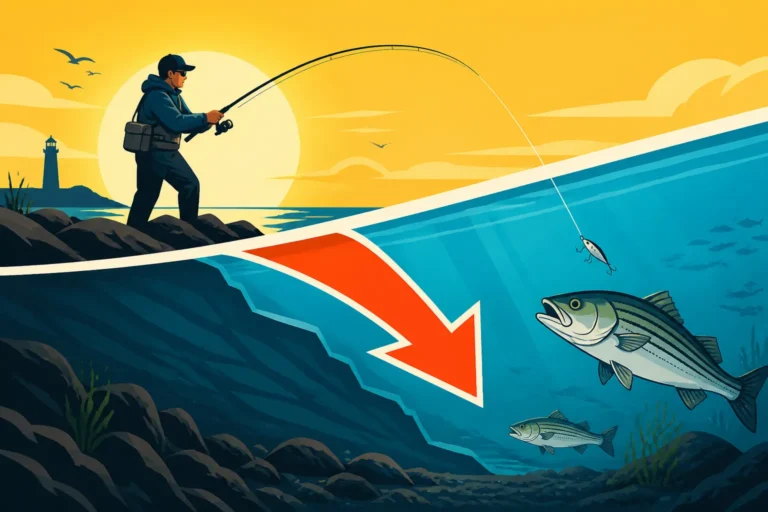
When you're drifting through a bay, paying attention to what's beneath you is just as important as the depth itself. Fluke love edges. This could be where a sandy bottom meets a muddy patch, the drop-off from a shallow flat into a deeper channel, or even subtle undulations in the seabed. These transitions provide cover and funnel baitfish. For example, if you're fishing in Barnegat Bay, you might find fluke stacked up along the edges of the main channels or where smaller creeks empty into the larger bay, creating a current seam. These areas, regardless of their exact depth, concentrate bait and offer prime ambush points.
Your fish finder becomes your best friend here. It's not just about seeing individual fish, but about reading the bottom contour. Look for those subtle changes, the bumps, the slight inclines or declines. That 2-foot drop from 8 feet to 10 feet might not seem like much on the screen, but to a fluke, it's a perfect hideout. Learning to interpret these signals will greatly improve your success.
Water Temperature and Oxygen Levels
Another often-overlooked aspect is water temperature and oxygen. Fluke, like most fish, are sensitive to these environmental factors. During the scorching New Jersey summer, for instance, very shallow water can become too warm and have lower dissolved oxygen levels, driving fluke into slightly deeper, cooler waters. Conversely, in the cooler shoulder seasons, they might push into shallower, sun-warmed flats to feed.
This means the "best depth" isn't a fixed number; it's dynamic. A depth that's hot in June might be barren in August. Always consider the ambient air temperature, recent weather patterns, and the time of year. A good rule of thumb is to start your drift in a variety of depths and let the fish tell you where they're comfortable. You'll often find a specific temperature range where they are most active. This is especially true when considering the New Jersey Fluke Season Dates for 2026, as conditions can vary wildly from spring to late fall.
Key Factors Influencing Fluke Depth While Drifting
Pinpointing the ideal depth for fluke isn't a "set it and forget it" kind of deal. Several variables are constantly in play, and a successful fluke angler is always adjusting. It's like a constant puzzle, and the more pieces you can recognize, the clearer the picture becomes.
Tidal Movement and Current Speed
Tide is probably the single most important factor when it comes to fluke fishing in New Jersey bays. Fluke actively use the current to their advantage, positioning themselves facing into the flow, ready to grab whatever comes drifting by. The speed and direction of the current directly impact where they'll set up shop and at what depth.
During a strong incoming or outgoing tide, fluke might move into deeper channels or along the edges of those channels, using the stronger current to funnel bait. They'll hug the bottom more tightly to avoid fighting the current too much. Conversely, during slack tide, when the current slows down, they might spread out onto shallower flats or move closer to structure, as the bait is no longer being swept along in predictable lanes. This is why learning how to read tide charts for better fishing in New Jersey is so vital. A rapidly moving tide will often position fish in different depths than a sluggish one.
Think about drifting over a particular hump or drop-off. If the current is ripping, fluke might be right on the lip of the drop-off, where the current brings food right to their noses, but they can still conserve energy. If the current is barely moving, they might be scattered across the flat top of the hump. It's all about energy conservation and opportunity.
Time of Day and Light Conditions
Just like us, fluke react to the sun. While they don't get sunburned, light penetration affects their visibility and how visible they are to their prey. On bright, sunny days, especially in clear water like some parts of the Raritan Bay, fluke might retreat to slightly deeper water or areas with more overhead cover (like docks or moored boats) to avoid intense sunlight. This also gives them a better ambush advantage, as their camouflage works better in slightly lower light.
Conversely, on overcast days or during low light conditions like dawn and dusk, fluke might be more aggressive and move into shallower water to feed. The diminished light gives them more confidence to hunt in open areas. Early morning drifts often produce well in shallower bay areas, while midday in high summer might push them deeper. This doesn't mean you can't catch fluke in bright sun, but you might need to target different depths or more structured areas.
Baitfish Presence and Water Clarity
"Match the hatch" isn't just for trout anglers. Knowing what baitfish are in the area is critical. If spearing, mullet, or peanut bunker are prevalent, fluke will follow them. These baitfish often congregate in specific depths or near certain types of structure. For example, if you see schools of baitfish flickering on your sonar at 15 feet, it's a good bet the fluke won't be far below them.
Water clarity also plays a significant role. In murky water, fluke rely more on scent and vibrations. They might hold tighter to the bottom or structure, or spread out more, since their visual range is limited. In crystal clear water, they might be a bit spookier and require longer casts or more subtle presentations. If the water is particularly stained, don't be afraid to try some of the shallower depths, as the low visibility can sometimes make them bolder. Using high-contrast baits or those that create more vibration can also be effective in these conditions.
Practical Drifting Strategies for New Jersey's Varying Depths
So, you're on the water, you've considered the tide, the time of day, and the bait. Now, how do you put it all together to find that sweet spot? The key is an adaptive, systematic approach to your drifting. Don't just pick a depth and stick with it all day.
The "Fan Cast" and Depth Progression Approach
One of the most effective strategies for finding fluke is to start with a "fan cast" approach combined with a gradual depth progression. When you begin a drift, especially in a new area, start by casting to different depths. If you're drifting parallel to a channel, cast one rod into the shallower flats, another directly down the channel edge, and a third into the deeper part of the channel.
As you drift, pay close attention to where the bites are coming from. If all the action is on the shallow side, focus your subsequent drifts and casts there. If the deep rod is getting hit, adjust. It's a continuous process of elimination and refinement. Don't be afraid to make small adjustments to your boat's position or your cast angle to target slight changes in depth as your drift progresses. This is particularly useful when fishing in bays like the Great Egg Harbor Bay, which has diverse bottom contours.
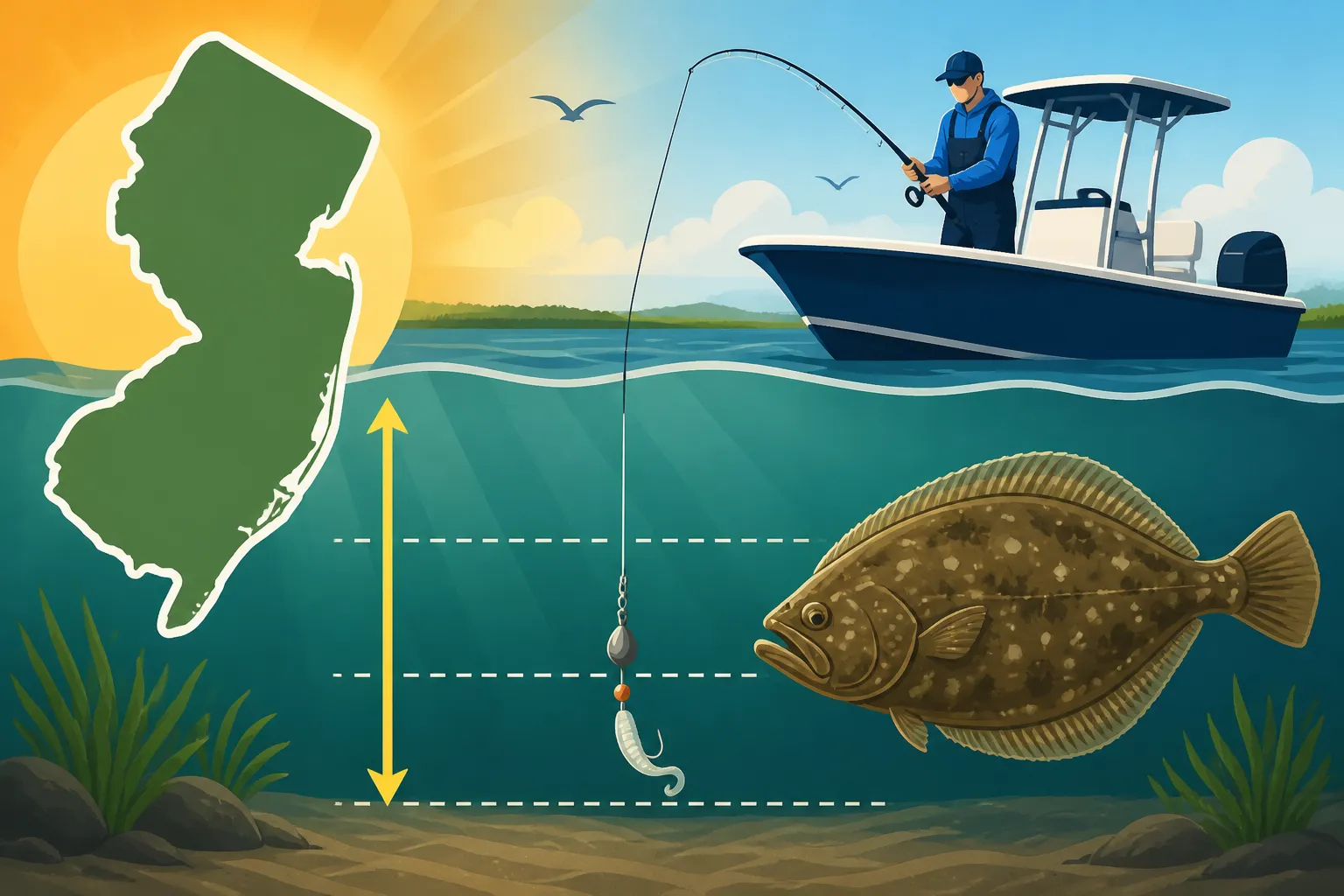
Remember the goal is to present your bait (whether it's live bait for fluke fishing or a Gulp bait) right on the bottom, or just a few inches above it. If you're constantly snagging, you're too heavy or too slow. If you're not touching bottom at all, you're too light. Finding that balance for the current speed and depth is crucial.
Targeting Specific Depth Ranges Based on Conditions
While fluke can be anywhere, there are general guidelines for different conditions. Here’s a quick table to help you think about starting depths:
| Condition | Recommended Starting Depth Range (Bays) | Notes |
|---|---|---|
| Early Morning/Overcast | 5-15 feet | Lower light encourages fluke into shallower feeding grounds. Look for edges of flats. |
| Midday Sun (Summer) | 10-25 feet | Brighter light and warmer surface temps push fluke deeper for comfort and better ambush positions. Focus on channels and deeper holes. |
| Strong Current (Tide) | 12-30 feet | Fluke will hug deeper channel edges or structure to avoid fighting strong currents, letting food come to them. Adjust weight to stay on bottom. |
| Slack Tide/Weak Current | 5-18 feet | Less current means fluke might spread out on shallower flats or near structure, as bait isn't being funneled as aggressively. |
| Murky Water | 5-15 feet (can go deeper) | Reduced visibility can make fluke less skittish in shallower water. They rely more on scent and vibration, so presentation is key. |
| Clear Water | 10-25 feet (or structure) | Fluke may be more wary in clear, shallow water. Deeper water or strong structure provides better camouflage. |
| Post-Storm | 5-15 feet (near outflows) | Runoff can bring food into shallower areas, especially near creek mouths and inlets. The water might be murky, providing cover. |
Remember, these are starting points. The most important thing is to be flexible and let the fish guide you. If you're not getting bites, change your depth, change your drift, or change your bait. For example, if you're targeting Fluke in Delaware Bay, the currents can be quite strong, so you'd likely start deeper during peak tide.
Gear and Rigging for Effective Deep and Shallow Drifting
Having the right gear makes all the difference when you're trying to precisely target specific depths. It's not just about getting bait to the bottom, but getting it there naturally and maintaining contact.
Rods, Reels, and Line Choices
For fluke fishing in New Jersey bays, you want a rod with a sensitive tip but enough backbone to handle a good-sized fish and the necessary sinker weight. A 6'6" to 7' medium-light to medium power spinning rod is a popular choice. It allows for accurate casting and good feel for those subtle fluke taps. Pair it with a 2500-4000 series spinning reel spooled with 15-20 lb braided line.
Braid is a game-changer for fluke fishing because it has virtually no stretch. This means you feel every bump, every nibble, and every time your sinker touches the bottom, even in deeper water or strong currents. The thin diameter of braid also cuts through the water better, allowing you to use lighter sinkers. For a leader, a 20-30 lb fluorocarbon leader is ideal. Fluorocarbon is nearly invisible underwater and more abrasion-resistant, which is crucial when fishing around structure. You can find excellent options for all these components on Amazon, often at competitive prices.
Sinker Weights and Rigging Options
This is where depth control really comes into play. You need enough weight to get your bait to the bottom and keep it there, but not so much that it's dragging excessively or hindering the natural drift of your bait. The general rule is to use the lightest sinker possible that still allows you to maintain bottom contact.
For shallower drifts (5-15 feet) in moderate current, you might get away with a 1/2 oz to 1 oz Slinky sinker or a bell sinker. As you move into deeper water (15-30+ feet) or encounter stronger currents, you'll need to increase your weight, possibly to 2 oz, 3 oz, or even 4 oz in some of the deeper channels. Keep a variety of sinker weights on hand. The classic "How to Tie a Fluke Rig" often involves a Slinky or egg sinker above a swivel, then a leader with a bucktail or Gulp bait on one hook and a teaser fly or traditional bait hook on a dropper loop.
Many anglers find great success with bucktail jigs when fishing deeper, especially when paired with a Gulp! grub. The jig gets to the bottom quickly and gives off attractive vibrations. For traditional bait rigs, a simple three-way swivel rig or a high-low rig works well. Make sure your hook sizes are appropriate for the bait you're using. If you're using live spearing, a smaller hook is fine, but for larger baits like a whole squid strip or a small spot, you'll need a bigger hook.
Advanced Strategies for Maximizing Your Fluke Catches
Once you've got the basics down, there are always ways to refine your approach and put more fluke in the cooler. It's about paying attention to the details and being willing to experiment.
Reading the Water and Interpreting Your Sonar
Your fish finder isn't just for depth; it's a window into the underwater world. Learn to interpret the signals. Look for "nervous bait" – dense schools of baitfish that are acting erratically, indicating a predator might be nearby. Mark any structure you see, especially drop-offs, wrecks, or rock piles. Fluke love to congregate around these features.
Also, pay attention to current lines, eddies, and even subtle changes in water color. These visible cues on the surface often indicate changes in bottom structure or current patterns below, which are prime areas for fluke to set up. If you're drifting and suddenly feel your boat speed up or slow down, that's often an indication of a current seam or a depth change, and it's a good spot to really focus your efforts.
The Importance of Bait Presentation and Scent
No matter the depth, your bait presentation needs to be appealing. Whether you're using the Best Bait for Fluke Fishing like spearing, squid, or mackerel strips, or relying on artificials like Berkley Gulp!, ensure your bait is fresh and lively. For Gulp, charging it with scent spray can enhance its appeal. The discussion of Gulp Bait vs Live Bait for Fluke Fishing is ongoing, but both are highly effective when presented correctly.
A common mistake is letting your bait drag lifelessly. You want a subtle jigging motion as you drift, lifting the rod tip a foot or two and then letting the sinker settle back to the bottom. This imparts action to your bait, mimicking an injured baitfish, and stirs up a puff of sand or mud, attracting attention. This is especially important when you're fishing a specific depth; the subtle action keeps the bait in the strike zone and makes it more enticing.
Knowing the Rules and Being a Responsible Angler
Always be aware of the New Jersey Fluke Size and Bag Limits Explained. Regulations can change, so it’s essential to check the latest New Jersey Fish and Wildlife Digest before heading out. Knowing how to tell if a fluke is legal size is critical to avoid penalties. Practicing proper catch and release techniques for undersized fish ensures their survival and contributes to a healthy fishery.
By combining a deep understanding of fluke behavior with adaptive drifting strategies and appropriate gear, you'll significantly increase your chances of finding those flatfish at their preferred depths in New Jersey's bays.
Disclaimer
Fishing conditions and regulations in New Jersey can change frequently. Always consult the latest New Jersey Department of Environmental Protection (NJDEP) Fish and Wildlife regulations before heading out on the water. This guide is for informational purposes only and should not replace official guidance.