New Jersey Fluke Season End Date
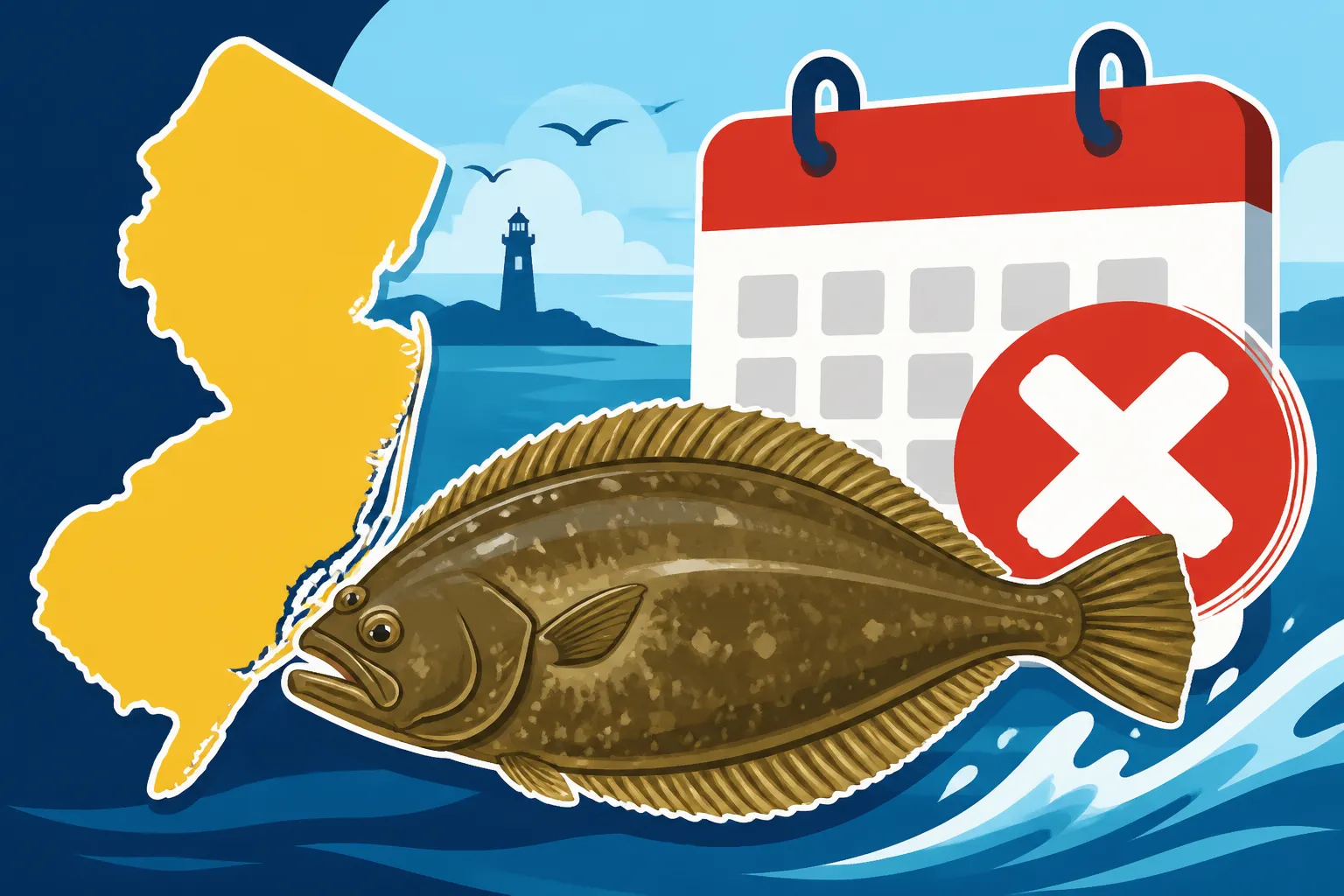
It's always a bittersweet feeling when the summer days start to shorten, and anglers across New Jersey begin to wonder how much time they have left to chase those beloved fluke. The fear of missing out on those last few golden opportunities before the season closes can be a real source of anxiety for many of us. This comprehensive guide will walk you through the specifics of the New Jersey fluke season end date, what it means for your fishing plans, and how to make the most of those final days on the water.
Understanding the New Jersey Fluke Season Calendar
For many of us who live and breathe fishing along the Jersey Shore, targeting summer flounder, more commonly known as fluke, is a quintessential part of our warmer months. We spend countless hours meticulously choosing our Best Bait for Fluke Fishing, perfecting our How to Drift Fish for Fluke techniques, and sharing stories of epic catches. But just like all good things, the fluke season has a definitive end, and knowing that date is crucial for planning your final outings and staying within the law.
The Official Fluke Season Duration in New Jersey
New Jersey's fluke season isn't just a casual timeframe; it's a carefully managed period set by the New Jersey Department of Environmental Protection (NJDEP), Division of Fish and Wildlife, in collaboration with federal guidelines established by the Atlantic States Marine Fisheries Commission (ASMFC). These bodies work tirelessly to ensure the sustainability of the fluke population, balancing recreational fishing opportunities with conservation needs. While the exact dates can see minor tweaks from year to year based on scientific assessments and stock health, the season typically runs from early May through late September.
Historically, the season has often concluded around September 27th or 30th. However, it is absolutely paramount to consult the most current New Jersey Fish and Wildlife Digest or the official NJDEP website for the precise closing date of the current year. Sometimes, due to shifts in management strategies or the need to meet specific harvest targets, the dates might shift by a few days. For example, in recent years, anglers might have enjoyed a season running from May 17th right up until September 27th. That final date isn't just a suggestion; it's a hard stop. Once that clock strikes midnight on the season's last day, retaining any fluke becomes illegal, regardless of its size. Missing this detail can turn a fantastic day on the water into a costly mistake.
Why the Season End Date Matters for Anglers
The end date isn't just an arbitrary line in the sand; it carries significant implications for every angler. First and foremost, fishing for and retaining fluke outside the designated season is a violation of state regulations. The penalties for fishing without a license or for violating bag and size limits can be steep, often involving fines and potentially confiscation of gear. Conservation Police Officers are out there, especially during transition periods, ensuring everyone adheres to the rules. It's not just about avoiding a ticket; it's about respecting the resource and contributing to sustainable fishing for future generations.
Beyond the legal aspect, the season end date often coincides with natural changes in fluke behavior and availability. As the waters of the bays and nearshore ocean begin to cool in late September and October, fluke typically start their migration offshore to deeper, warmer waters for the winter. This means that even if the season were open longer, your chances of encountering them in their usual summer haunts would diminish significantly. Anglers might notice that the bite slows down, and the fish become harder to locate. It’s a natural signal for us to start thinking about what other species will be on the chew. Understanding this migratory pattern helps you make informed decisions about when and where to focus your efforts, making those last trips of the season even more precious. It’s also a good reminder to shift your focus to other species that become more active in the cooler months.
Navigating Fluke Regulations Beyond Just Dates
While knowing the fluke season end date is critical, it's just one piece of the regulatory puzzle that New Jersey anglers need to master. Successful and legal fluke fishing requires a deep understanding of all the rules that govern this popular species. Ignoring any of these can lead to unfortunate encounters with enforcement and undermine conservation efforts.
Size and Bag Limits Through the Season
The size and bag limits for fluke in New Jersey are just as important as the season dates themselves, and they apply from the moment the season opens until it officially closes. These limits are designed to protect the breeding stock and allow enough fish to reach maturity, ensuring a healthy population for years to come. For instance, New Jersey typically has a New Jersey Fluke Size Limit: 18 Inches for most waters, meaning any fluke caught under that length must be immediately and carefully released. Along with the size, there's a daily bag limit, which dictates New Jersey Fluke Bag Limit Explained. This usually means you can keep a certain number of legal-sized fluke per angler per day.
It's crucial to understand that these rules are not static across the entire state. There are sometimes specific regulations for certain areas, such as the Delaware Bay Fluke Rules vs the Rest of New Jersey. Anglers fishing in the Delaware Bay might find slightly different size or bag limits, reflecting unique ecological considerations or agreements with neighboring states. Always check the official New Jersey Fish and Wildlife Digest for the most up-to-date and location-specific information. These details are not just bureaucratic hurdles; they are science-backed measures to manage a shared resource. They influence how you fish, where you fish, and what you do once a fish is brought to the boat or shore. Being able to quickly and accurately determine if a fluke is legal-sized and knowing your current bag count are essential skills for any responsible angler.
Identifying and Releasing Fluke Properly
Beyond just knowing the rules, understanding the fish itself is paramount, especially when it comes to proper identification and handling. While most experienced anglers can easily spot a fluke, it's not uncommon for other flatfish species, like winter flounder or even small skates, to be caught, particularly by those just starting out. Fluke are characterized by their left-eyed orientation (when looking at them from above, both eyes are on the left side of their head) and often have distinctive spots. If you're ever unsure if your catch is truly a fluke, especially if it's borderline legal size, it's always best to err on the side of caution and release it.
The importance of proper catch-and-release techniques cannot be overstated, particularly for undersized fish or any fluke caught unintentionally after the season has closed. When a fluke is caught, especially if it's going to be released, handle it as little as possible. Use wet hands to avoid removing their protective slime coat, and try to keep them in the water if possible while removing the hook. Using a dehooking tool can be incredibly effective for quick release, minimizing stress and injury. Barbless hooks can also make removal much easier. Remember, every released fish is a potential future trophy, and practicing responsible angling ensures the health and vitality of New Jersey’s fluke population. This care is crucial to give those smaller fish the best chance of survival and growth for another season.
Strategies for Extending Your Fluke Fishing Enjoyment
Even as the season winds down and the official closing date looms, there are still plenty of ways to enjoy your fluke fishing and make those last trips count. The late season can often provide some of the best fishing, as the fluke are actively feeding before their offshore migration.
Maximizing Your Last Days of Fluke Season
As the calendar pages turn towards the end of September, the fluke often start to feel the urge to feed aggressively in preparation for their journey offshore. This can mean some fantastic late-season action if you know where to look and what techniques to employ. During this time, fluke will often congregate in deeper channels, around structure, and near the mouths of inlets and bays where they can ambush baitfish migrating out to sea. Spots like the Point Pleasant Canal, Manasquan Inlet, and Shark River Inlet can be prime locations as the fluke stage up before heading to deeper ocean waters. You might find them stacked up in depths of 20 to 50 feet, particularly on structure like wrecks and artificial reefs.
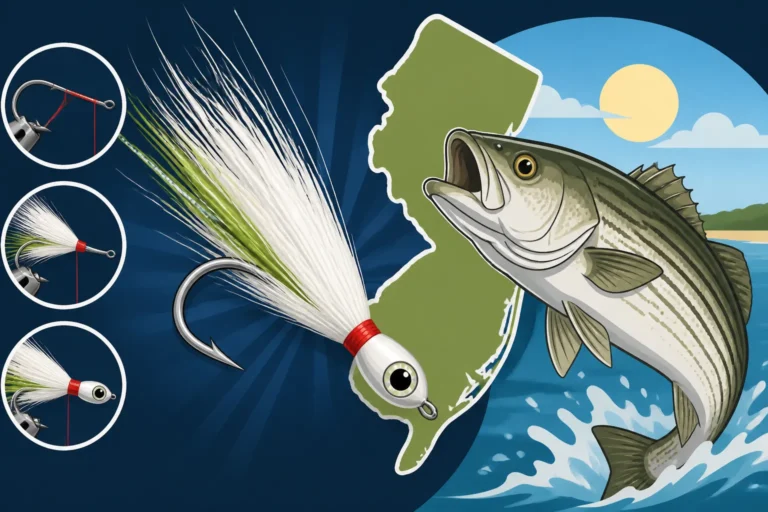
Drifting with bait remains a highly effective technique. Live killifish, spearing, or even larger strips of squid and Gulp! Swimming Mullets on a traditional How to Tie a Fluke Rig will still entice bites. However, don't overlook Bucktail Jigging Techniques for New Jersey Anglers. Many experienced anglers swear by bucktail jigs tipped with a long strip of Gulp! or natural bait during the late season. The colder water can sometimes make fish less willing to chase, so a slower, more deliberate jigging motion can be incredibly effective. Pay close attention to the tides; a strong incoming or outgoing tide can concentrate bait and, consequently, fluke. Always check your local marine forecast before heading out, as late September and early October can bring unpredictable weather patterns. Making use of a reliable tide chart is essential for optimizing your time on the water, ensuring you’re fishing when the currents are most favorable.
Transitioning to Other Fall Fishing Opportunities
Once the fluke season officially closes, it doesn't mean your New Jersey fishing adventures have to end! Fall in New Jersey is arguably one of the most exciting times to be an angler, with a wide array of species becoming more active. Many anglers pivot their focus to the highly anticipated Striped Bass Fishing in New Jersey fall run. Striped bass begin their southward migration along the coast, often feeding voraciously on bunker and other baitfish. You'll find anglers lining the beaches for New Jersey Surf Fishing Techniques, casting large poppers, swimming plugs, or chunking bait. In the bays and inlets, trolling or casting soft plastics and jigging for striped bass can also be incredibly productive.
Another excellent option as the water cools is targeting Tautog Fishing in New Jersey. Often called "blackfish," tautog are structure-oriented fish that provide a strong fight and excellent table fare. They can be found around rocky areas, wrecks, and jetties, and are typically caught using green crabs or white leg crabs as bait. You'll need sturdy gear for tautog, as they are notorious for trying to break you off in structure. Don't forget about other species like black sea bass, which can be found on offshore wrecks and reefs, offering another exciting target. For freshwater enthusiasts, fall can also mean excellent trout fishing, as the state conducts New Jersey Fall Trout Stocking Dates in many streams and lakes, offering a fresh challenge once the fluke have headed out. It’s a seamless transition that keeps us on the water, adapting our techniques to what nature provides next.
Essential Gear for Late-Season Fluke and Beyond
Having the right equipment is crucial for successful fishing, especially as you transition from fluke to other fall species. The choices you make in rods, reels, line, baits, and lures can significantly impact your catch rate and overall enjoyment on the water.
Rods, Reels, and Line for Fluke
For late-season fluke fishing, a versatile medium-light to medium action spinning rod, typically in the 6'6" to 7'6" range, is often ideal. This length provides good casting distance from shore or a boat while offering enough sensitivity to detect subtle fluke bites. Paired with a 2500 to 4000 series spinning reel, you'll have a balanced setup that can handle decent-sized fluke. For those who prefer conventional gear, a smaller conventional reel (like a Penn Squall or a Shimano Tekota) on a medium action conventional rod around 6' to 7' is excellent for jigging and drifting.
When it comes to line, braided line is a game-changer for fluke. A 15 to 30-pound test braided line offers superior sensitivity, minimal stretch, and a thinner diameter, allowing you to use lighter sinkers and feel even the slightest tap. Always tie a fluorocarbon leader (20-30 lb test) of about 3-6 feet to your braid. Fluorocarbon is nearly invisible in water, more abrasion-resistant, and provides a crucial buffer between your main line and the business end of your rig. If you're looking to upgrade your setup or get a reliable backup, checking out options on Amazon can reveal a wide range of reputable brands like Shimano, Penn, or Daiwa, often with competitive pricing and convenient delivery right to your door.
Baits and Lures That Perform
For fluke, nothing beats natural bait, and during the late season, this holds true. Live killifish or spearing are always top choices, especially when drifting. Strips of fresh squid or fresh fish like mackerel, bluefish, or sea robin belly cut into long, thin strips (about 4-6 inches) are also incredibly effective. When tipping bucktail jigs, these natural baits add scent and visual appeal that can be irresistible to fluke.
However, artificial baits have become increasingly dominant, with Gulp! products often out-fishing natural bait on certain days. The Gulp! Swimming Mullet (4 or 5-inch in chartreuse, white, or nuclear chicken) and the Gulp! Grub are perennial favorites. These scented baits are incredibly durable and don't require refrigeration, making them super convenient for a day on the water. Many anglers will tip their bucktails with a Gulp! bait or use them on a How to Tie a Fluke Rig. As the water cools, sometimes a slightly slower retrieve or a longer pause can trigger a strike. It’s always a good idea to have a variety of colors and sizes on hand, which you can easily stock up on through online retailers like Amazon, ensuring you’re ready for whatever the fish prefer that day. Having a diverse tackle box will give you an edge right up until the final hours of the season.
| Fluke Season Key Regulations (Typical) | General New Jersey Waters | Delaware Bay Specific Rules |
|---|---|---|
| Season Start Date | Mid-May (e.g., May 17th) | Mid-May (e.g., May 17th) |
| Season End Date | Late September (e.g., Sept 27th) | Late September (e.g., Sept 27th) |
| Minimum Size Limit | 18 inches | Varies (e.g., 17 inches) |
| Daily Bag Limit | 3 fish per angler | Varies (e.g., 4 fish per angler) |
| Important Note | Always verify with current NJ Fish & Wildlife Digest for exact dates and limits. | Always verify with current NJ Fish & Wildlife Digest for exact dates and limits. |
Disclaimer
Fishing regulations, including season dates, size, and bag limits, are subject to change. While we strive to provide the most current and accurate information, it is the angler's responsibility to consult the official New Jersey Department of Environmental Protection (NJDEP) Division of Fish and Wildlife website or the latest New Jersey Fish and Wildlife Digest before every fishing trip. This guide is for informational purposes only and should not be considered a substitute for official regulatory publications.