How to Catch Largemouth Bass in Cold Water
The chill in the air doesn't mean your largemouth bass fishing season has to end! Many anglers pack up their gear once the leaves fall, convinced that cold water makes these feisty fish impossible to catch. But trust me, while bass behavior certainly changes with dropping temperatures, they are still very much catchable if you adapt your approach. This comprehensive guide will arm you with the knowledge and strategies to successfully target largemouth bass in New Jersey's colder months, extending your time on the water and helping you land some impressive winter hogs.
Understanding Cold Water Bass Behavior
When the mercury dips, everything in the underwater world slows down, and largemouth bass are no exception. Their survival instincts kick in, shifting their focus from aggressive feeding to energy conservation. This isn't just a slight change; it's a fundamental rewrite of their daily routine, and understanding it is the first step to success.
Why Bass Slow Down in Winter
Think about it like this: just as we bundle up and move a little slower in the cold, so do the fish. A largemouth bass's metabolism is directly linked to water temperature. As the water cools, their internal processes slow dramatically. This means they don't need to eat as frequently or exert as much energy to digest food. The once aggressive, chase-oriented strikes of summer give way to more subtle, almost lethargic feeding patterns. They're still hungry, but they're not going to burn precious calories chasing down a fast-moving meal. Their movements become sluggish, and their bites can be incredibly light, often feeling like a mere "thump" or spongy weight on the line rather than a violent tug. It's a real frustration for many New Jersey anglers who are used to the explosive strikes of warmer months, leading them to believe the fish have simply vanished.
Prime Locations for Cold Water Bass
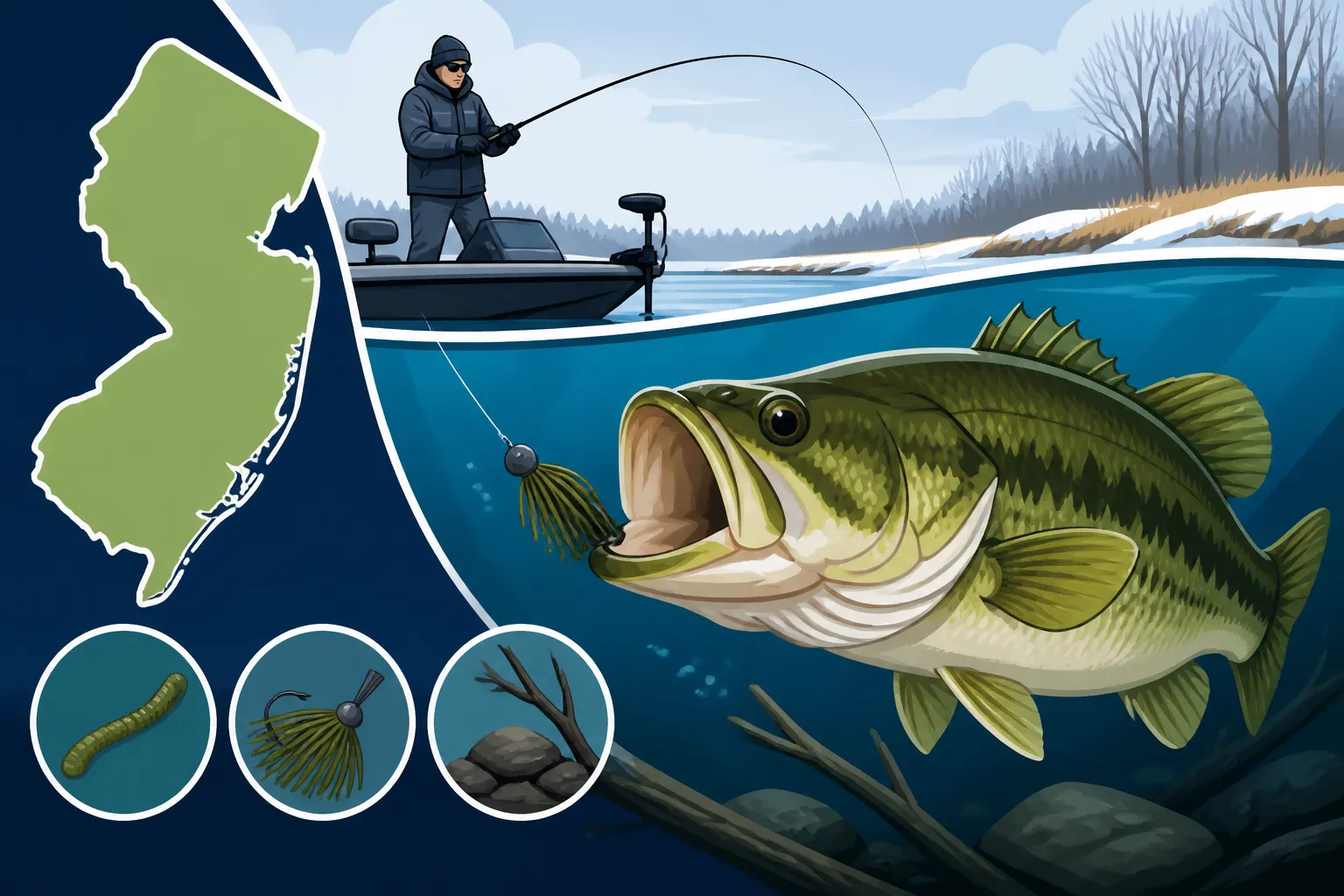
Even though their activity levels drop, bass still need to eat and find comfort. In cold water, "comfort" usually means stable temperatures and easy access to food without expending much energy. This drives them to specific areas that act as winter sanctuaries. You'll want to focus your efforts on deeper water haunts where temperatures are more stable. This often includes well-defined creek channels, deep drop-offs, humps, and submerged points. These areas provide vertical relief, allowing bass to move up or down a few feet to find their preferred temperature zone without traveling far.
Structure is also absolutely critical. Look for dense cover like rock piles, thick timber, brush piles, and even man-made structures like deep dock pilings or bridge abutments. These features offer ambush points and protection from currents and predators. In some of New Jersey's larger lakes and reservoirs, like Lake Hopatcong or Manasquan Reservoir, finding these deep-water structures is key. Don't overlook sun-drenched areas on shallower lakes and ponds, especially those with dark, mucky bottoms. These areas absorb sunlight, warming the water by a degree or two, which can be enough to draw in bass during a sunny winter afternoon.
Optimal Water Temperatures for Cold Water Tactics
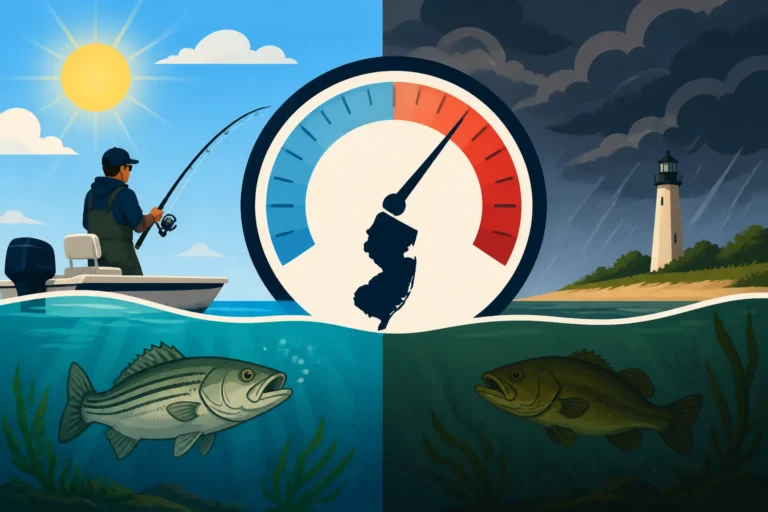
Understanding the "cold water" range is crucial. Generally, cold water fishing for largemouth bass begins when water temperatures drop below 55°F and can extend down to around 35-40°F before ice forms. Within this broad range, bass behavior can vary significantly.
- 55-50°F (Late Fall/Early Winter): Bass are transitioning. They might still chase a moving bait, but they're starting to gather in deeper staging areas. This is often an excellent time for jerkbaits or slow-rolled crankbaits near deep breaks.
- 50-45°F (Mid-Winter): This is where the true "slow down" begins. Bass are tightly schooled, often relating to the deepest available structure. Finesse techniques become paramount, and bites will be subtle.
- 45-40°F (Deep Winter): Activity is minimal. Bass are in their deepest, most stable wintering holes. Presentations need to be painstakingly slow, and finding the fish is often the biggest challenge. A sudden cold front can push water temperatures down rapidly, causing bass to become even more lethargic and harder to tempt for several days. Conversely, a prolonged period of sunshine can slightly warm shallow, dark-bottomed coves, offering a brief window of opportunity.
Essential Lure and Bait Choices for Cold Water
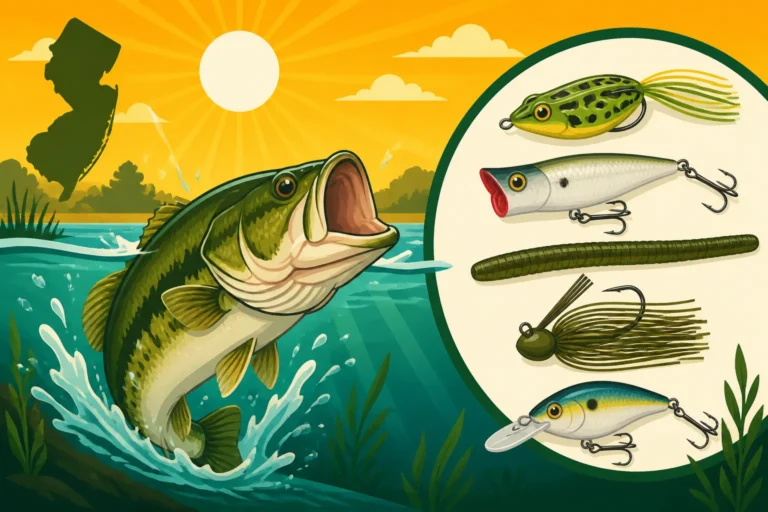
Forget the big, splashy topwater lures or fast-moving spinnerbaits you used in summer. Cold water bass demand different offerings. Your tackle box needs to lean heavily on subtle, slow, and realistic presentations designed to entice a reluctant bite rather than trigger an aggressive chase.
Subtle Presentations: Jigs and Soft Plastics
When bass are lethargic, you need to bring the meal directly to them and make it easy to eat. This is where jigs and various soft plastics truly shine. A jig and trailer combo is a cold-water staple. Think football jigs for hard bottoms or finesse jigs for working through sparse cover. The key is to select a jig that is heavy enough to maintain bottom contact in deeper water but not so heavy that it falls unnaturally fast. Pair it with a small, subtle plastic trailer that adds just a touch of bulk and lifelike movement. Darker, natural tones like black, blue, green pumpkin, or brown tend to be most effective, mimicking crayfish or small baitfish in murky depths. The retrieve should be excruciatingly slow – a tiny hop, a drag along the bottom, or just leaving it motionless for extended periods.
Beyond jigs, soft plastics rigged in various ways are incredibly versatile. The Ned rig, for instance, with its small mushroom-shaped jig head and short, buoyant soft plastic, stands straight up on the bottom, offering a tempting, easy meal. Drop shot rigs are fantastic for suspending a bait directly in the face of deep, suspended bass, and the subtle quivering action can often trigger a strike when nothing else will. Small creature baits, paddle-tail worms, or straight-tail worms on a shaky head or Texas rig can also be deadly. The trick with all these is patience and subtle, lifelike movements. If you're looking for more details on drop-shotting, even though it's typically for smallmouth, many of the techniques for finesse fishing in cold water are similar and can be applied to largemouth, so check out our guide on how to drop shot for smallmouth bass.
Crankbaits and Jerkbaits for Reaction Strikes
While finesse is often the name of the game, there are times when a reaction strike can still be provoked, especially during brief warming trends or if bass are slightly more active. This is where diving crankbaits and jerkbaits come into play.
Deep-diving crankbaits are excellent for covering water and locating bass grouped on deep structure. The strategy here isn't a fast retrieve, but a slow roll, letting the bait "crawl" along the bottom, deflecting off rocks and timber. This deflection can often trigger a reaction strike from a bass that wasn't actively feeding. Look for crankbaits that can reach the depth where you expect the bass to be. When shopping on sites like Amazon, you can find many reputable brands offering deep divers.
Jerkbaits are another fantastic cold-water tool. Unlike crankbaits that rely on a steady retrieve, jerkbaits are all about the pause. You cast them out, twitch them erratically a few times, and then let them suspend motionless in the water column for an extended period – sometimes 10, 20, or even 30 seconds. This suspended vulnerability is often too much for a lethargic bass to resist. Brands like Rapala, Lucky Craft, and Berkley make excellent jerkbaits. Natural baitfish patterns like shad, chrome, or ghost minnow are usually the most effective, mimicking the primary forage.
Live Bait and Less Conventional Options
Sometimes, when the bite is exceptionally tough, you just can't beat live bait. If legal in your chosen New Jersey waterway, suspending a lively shiner or minnow near deep structure can be incredibly effective. The natural scent and subtle, constant movement are often irresistible to cold-water bass that are otherwise ignoring artificials. You can rig them under a bobber to keep them at a specific depth or on a simple Carolina rig to present them on the bottom.
While less common for bass, don't completely discount nightcrawlers or similar worms, especially if you're fishing smaller ponds or during an unusually warm spell. A slowly twitched worm on a light jig head can sometimes tempt a bass that's looking for an easy, readily available meal. Always check local regulations regarding live bait usage before heading out.
Mastering Cold Water Techniques and Angler Mindset
Success in cold water fishing isn't just about the right lure; it's about refining your technique, understanding your equipment, and adopting a patient, focused mindset. This is where many anglers get frustrated and give up, but those who persist often find rewarding results.
The Art of the Slow Retrieve
If there's one mantra for cold water bass fishing, it's this: "Slow down, then slow down some more." This cannot be emphasized enough. Whatever lure you're using, whether it's a jig, a Ned rig, or a jerkbait, your retrieve speed needs to be drastically reduced compared to warmer months. Those long, extended pauses are often when the bite occurs. A bass might take several seconds to decide if it wants to eat your bait, and if it's constantly moving, they'll just let it pass.
This extreme slowness demands heightened sensitivity from you. You won't feel those jarring strikes; instead, you'll be looking for subtle cues: a slight twitch in your line, a sudden feeling of weight, or your line just stopping when it should be moving. Using braided line with a fluorocarbon leader is a fantastic combination for sensitivity. The no-stretch braid transmits every tap, while the fluorocarbon leader provides invisibility in often clear, cold water. Pay attention, develop a feel for your lure, and be ready to set the hook on anything that feels "different."
Precision Casting and Boat Control
In cold water, bass often school tightly in specific locations, often relating to very precise pieces of structure. This means random casting and covering large areas quickly won't be nearly as effective. Instead, you need precision. Identify the structure you want to fish – a submerged rock pile, a channel edge, a brush pile – and cast directly to it, often making multiple casts from different angles to thoroughly work the zone.
This is where good electronics become invaluable. A quality fish finder can help you locate those deep structures, identify baitfish schools, and even mark individual bass. If you're new to using them, our guide on how to read a fish finder for beginners can help you get started. Once you've pinpointed a spot, good boat control is essential, whether you're using a trolling motor to hold your position against the wind or anchoring up. Stealth is also key; cold water is often clearer, and bass are more skittish. Avoid loud noises, bumping the boat, or casting shadows over productive areas.
Dressing for Success and Maintaining Comfort
Let's be realistic: fishing in cold water in New Jersey can be downright brutal if you're not prepared. Being cold and uncomfortable will quickly lead to decreased focus and a desire to cut your trip short. Dressing in layers is absolutely non-negotiable. Start with a moisture-wicking base layer, add insulating middle layers (fleece or down), and top it off with a waterproof and windproof outer shell. A good pair of insulated boots, waterproof gloves, and a warm hat are just as important.
Beyond clothing, consider bringing hand warmers, a thermos of hot coffee or tea, and plenty of snacks. Staying hydrated and fueled helps your body regulate its temperature. Remember, the longer you can stay focused and comfortable on the water, the higher your chances of success. If you're looking for tips on staying warm, even our guide on what to wear ice fishing has valuable information that applies to any cold-weather fishing scenario, even if you're not on the ice.
Location-Specific Strategies in New Jersey
New Jersey offers a diverse range of fishing environments, and while the general principles of cold-water bass fishing remain constant, specific tactics can be tailored to different types of waterways. Understanding these nuances will put you ahead of the curve.
Deep Reservoirs and Quarry Lakes
New Jersey boasts several deep reservoirs and quarry lakes that become prime largemouth bass territory in the colder months. Lakes like Round Valley Reservoir, Merrill Creek Reservoir, Monksville Reservoir, and Spruce Run Reservoir are fantastic examples. These bodies of water are typically very deep, often with clear, cold water, and feature extensive submerged structure.
When fishing these areas, your focus should be on those steep drop-offs, deep creek channels, submerged timber, and humps. Bass will often suspend along these vertical features or hug the deepest contours. Use your electronics to find these structures. Vertical jigging a spoon or a heavy jig can be effective for bass holding directly beneath the boat, while deep-diving crankbaits or Carolina-rigged soft plastics can work well for covering deep points and ledges. For an in-depth look at one of these gems, check out our Round Valley Reservoir fishing guide. While you might be targeting other species, the principles of locating deep structure for fish in cold, clear water are transferable. You can also find relevant strategies in our guide to Merrill Creek Reservoir lake trout fishing, particularly concerning deep-water tactics.
Shallow Lakes and Ponds with Dark Bottoms
While deep water is a common cold-water theme, don't overlook shallower lakes and ponds, especially those with dark, mucky bottoms. Places like the various ponds within the Colliers Mills Wildlife Management Area or Assunpink Lake can hold surprisingly good cold-water bass populations. These darker bottoms absorb more sunlight, leading to slightly warmer water temperatures, particularly on sunny days.
Focus on wind-protected coves and north-facing banks that receive prolonged sun exposure. These subtle temperature increases can draw bass into shallower water, sometimes just a few feet deep, where they might be more willing to feed. Slow-rolling a spinnerbait or a bladed jig can work here, as can a slow retrieve with a suspending jerkbait. Finesse jigs and Ned rigs fished excruciatingly slow along the bottom are also highly effective. For more insights into these types of locations, our guide on fishing Colliers Mills Wildlife Management Area Ponds offers valuable context.
Tidal Rivers and Backwaters
New Jersey's tidal rivers, such as the Delaware River and its various backwaters, or even smaller tidal creeks like parts of the Mullica River and Toms River, present a unique cold-water challenge and opportunity. The current and tidal fluctuations play a significant role here, influencing both water temperature and bass movement.
In these environments, largemouth bass will often seek out current breaks and deeper, slower-moving sections of the river. Look for deep bends, areas behind islands or large structures, and around docks and pilings. These spots offer refuge from the main current and can hold slightly warmer, more stable water. The tide's influence is critical: bass might move shallower on a rising tide as water floods into backwater areas, and then pull back into deeper channels as the tide falls. A slow-moving jig or a Carolina-rigged soft plastic fished along channel edges can be very productive. For broader strategies, consult our comprehensive Delaware River fishing in New Jersey guide and for specific insights into productive backwaters, our Mullica River largemouth bass fishing guide is a great resource.
Here's a quick comparison of some effective cold-water lures:
| Lure Type | Best Use Case | Retrieval Style | Common Colors | Target Depth |
|---|---|---|---|---|
| Finesse Jig | Heavy cover, slow presentations | Drag, hop, twitch, long pauses | Black, Blue, Green Pumpkin | Bottom/Structure |
| Ned Rig | Open water, rocky bottoms, finicky fish | Drag, slight hops, long pauses | Green Pumpkin, Smoke, Brown | Bottom |
| Drop Shot | Suspended fish, deep water, clear water | Static, subtle shakes | Natural baitfish, transparent | Mid-column |
| Jerkbait | Reaction strikes, suspended fish | Twitch, twitch, long pause | Chrome, Natural Baitfish, Shad | Mid-column |
| Deep Diving Crank | Covering water, bumping deep structure | Slow roll, bottom contact | Crayfish, Natural Baitfish | Bottom/Deep |
No matter where you choose to fish for largemouth bass in New Jersey's cold waters, remember that patience and persistence are your greatest assets. The bites will be fewer and far between, but the satisfaction of landing a healthy cold-water bass is a truly rewarding experience. Don't be afraid to experiment, stay warm, and enjoy the peace and quiet of the winter fishing season!
Disclaimer
Please remember that fishing regulations, including size and bag limits, can change. Always consult the latest New Jersey Fish and Wildlife Digest before heading out to ensure you are compliant with all current rules. This guide provides general information and recommendations.