Best Bait for Fluke Fishing
There’s nothing quite as frustrating as hitting your favorite New Jersey fluke spot, seeing the boats around you pull in fish after fish, while your line remains stubbornly still. It often comes down to one critical factor: your bait. Finding the best bait for fluke fishing in New Jersey isn't just about what's in your tackle box; it's about understanding what these tricky flatfish are looking for, and this guide will break down all the best options and techniques to help you land more doormats.
Understanding Fluke Behavior and Diet
Before we even talk about specific baits, it's really helpful to get inside the head of a fluke, or as they're officially known, summer flounder. These aren't actively chasing fish all over the water column like a striped bass might; they’re ambush predators that prefer to lie in wait, perfectly camouflaged on the bottom. Knowing this helps you choose and present your bait in a way that triggers their predatory instincts.
What Fluke Eat Naturally in New Jersey Waters
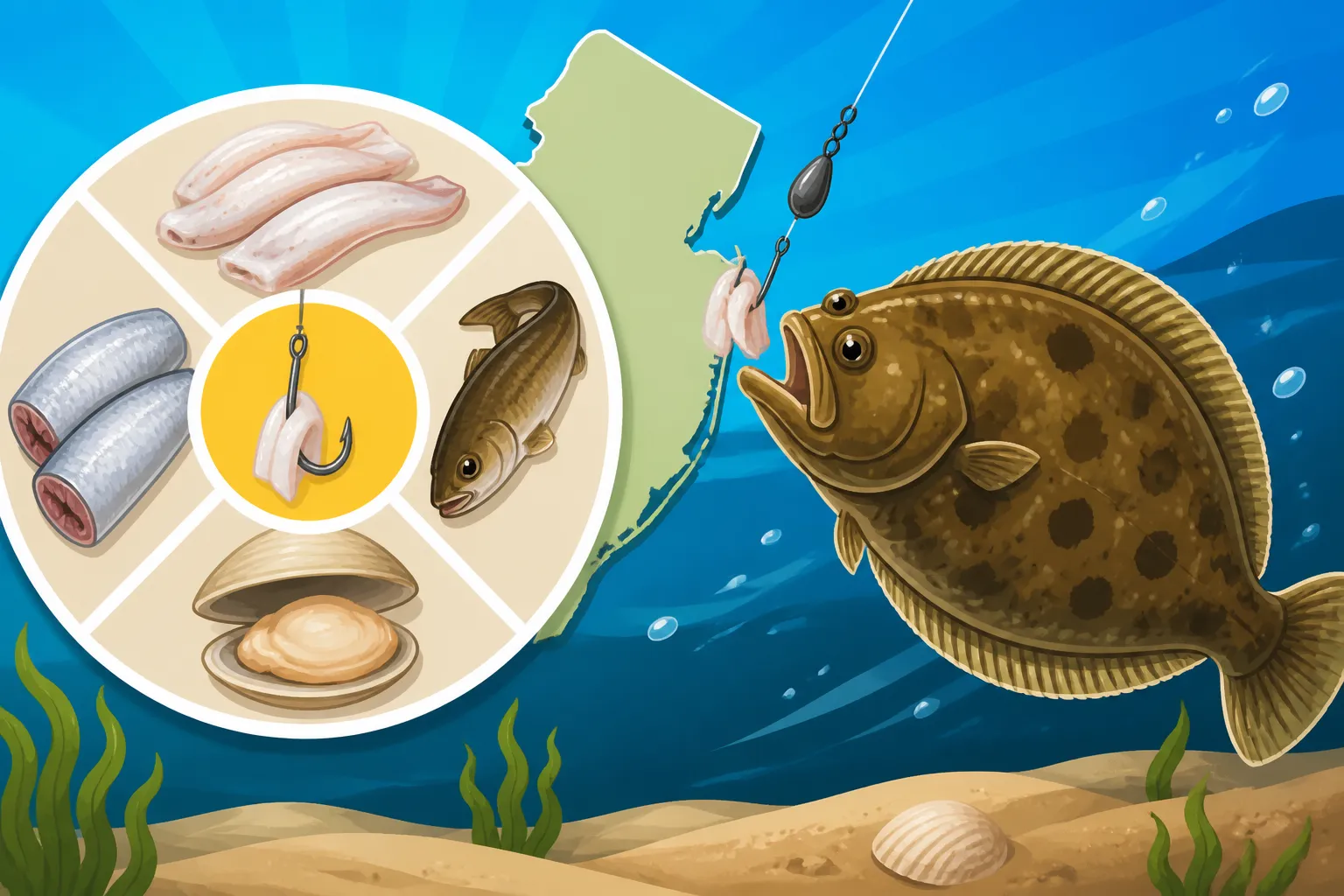
Fluke are opportunistic feeders, meaning they'll pretty much eat anything that comes their way and fits in their mouth, provided it looks vulnerable. Their natural diet in New Jersey's bays and nearshore ocean environments primarily consists of smaller baitfish like spearing, sand eels, peanut bunker, and juvenile snapper blues. They also feast on squid, crabs, shrimp, and even other smaller fluke. This diverse menu gives us a lot of clues about what baits will be most effective. If you’re curious about their general diet, you might want to read more about what does a fluke eat?
How Fluke Hunt
Imagine a dinner plate with eyes on one side – that’s basically a fluke. They lie flat on the bottom, often partially buried in the sand or mud, with only their eyes protruding, scanning for prey. When a baitfish or crustacean swims overhead, they burst upwards with surprising speed, engulfing their meal in a lightning-fast strike. This tells us a couple of important things: your bait needs to be presented near the bottom, and it needs to mimic something alive, injured, or easily catchable to entice that explosive strike. Think about how to effectively present your bait, especially when drifting. Understanding how to drift fish for fluke can drastically improve your catch rate.
Top Live Baits for New Jersey Fluke
When it comes to fluke fishing, many seasoned anglers will tell you that live bait is king. There's just something about the natural movement and scent that artificials sometimes struggle to replicate.
Live Minnows and Killifish
These small, lively baits are a staple for fluke fishermen across New Jersey, especially in the shallower bays and backwaters where smaller fluke congregate. Killifish (also known as mummichogs) are incredibly hardy and stay alive on a hook for a long time, making them a fantastic choice. Minnows, particularly spearing, are another top contender.
- Availability: You can usually find these at any local bait and tackle shop along the Jersey Shore. It's wise to call ahead, especially during peak season, to ensure they have a fresh supply.
- Rigging: The most common way to rig a live minnow or killifish is to hook it gently through both lips, or just behind the dorsal fin if you want it to swim a bit deeper. A simple hi-lo rig with a small snelled hook (size #1 or 1/0) or a single hook teaser rig works wonders. The key is to allow the bait to swim naturally.
- Effectiveness: Their natural darting action is irresistible to fluke. They're particularly good for catching a lot of fish, though sometimes the size of the bait can dictate the size of the fluke you attract.
Live Peanut Bunker and Spearing
For anglers targeting larger fluke, often called "doormats," scaling up your live bait is a smart move. Peanut bunker are juvenile Atlantic menhaden, and spearing are a slightly larger minnow. These baits put out a stronger scent trail and their larger profile can deter smaller, nuisance fish while attracting the trophy-sized fluke.
- Availability: Peanut bunker can be a bit more seasonal, typically appearing in good numbers from late spring through fall. Many tackle shops will have them, or you can catch your own with a cast net in certain areas of the bays. Spearing are almost always available.
- Rigging: For peanut bunker, hook them through the nose or lightly in the back for maximum swimming action. Spearing can be hooked through the lips. A slightly larger hook, like a 2/0 or 3/0, is appropriate for these baits.
- Effectiveness: The oily nature of bunker leaves a great scent trail, and their larger size is perfect for fooling those bigger fluke that are looking for a substantial meal. When you're fishing areas where trophy fluke might be lurking, these are hard to beat. Remember to check the New Jersey fluke size limit: 18 inches to ensure your catch is legal.
Other Live Bait Options
While minnows and bunker are primary, don't overlook other live options when they're available and legal.
- Live Squid: If you can get your hands on small live squid, they are absolutely phenomenal fluke bait. Their natural pulsations and subtle movements are deadly. Rig them with a nose hook to keep them alive and swimming.
- Snapper Blues: Small snapper blues (juvenile bluefish) can be incredibly effective, especially if you're in an area where bluefish are already prevalent. These are hearty baits, but make sure they're legal to use as bait and within size limits if you catch them yourself.
- Shrimp and Crabs: While less common for drifting, small live shrimp or pieces of crab can be very effective when fishing around structure or piers, especially for fluke that are foraging on the bottom.
Effective Cut Baits and Artificials for Fluke
Sometimes live bait isn't readily available, or you just prefer the action of working an artificial lure. Luckily, there are many incredibly effective cut baits and artificial options that can rival live bait on a good day.
Strip Baits
Cut baits, often called "strip baits," leverage the natural scent and flash of real fish to attract fluke. They're a fantastic alternative or complement to live bait.
- Squid Strips: This is arguably the most popular and consistently effective cut bait for fluke. Squid is readily available, relatively inexpensive, and holds up well on the hook. Cut a strip about 4-6 inches long and ½-inch wide, making sure to leave a little triangle at one end for the hook to go through. The strip should flutter enticingly in the current.
- Bunker Strips: If you have access to fresh bunker, cutting strips from the belly or side can be incredibly productive. The oily nature of the bunker creates a strong scent slick in the water. Cut them similarly to squid, ensuring a good flutter.
- Spearing or Mackerel Strips: These can also be effective. The key is to cut the strip so it has some natural taper and movement in the water.
- Rigging: Strip baits are usually fished on a simple bottom rig, like a hi-lo, or a single hook rig. The strip should be hooked through one end so it trails behind the hook, giving it a natural, undulating action. You can combine these with artificial teasers or bucktail jigs.
Gulp! and Other Scented Soft Plastics
Berkley Gulp! has revolutionized fluke fishing for many anglers. These scented artificial baits release a powerful scent trail that often outperforms natural bait. It’s not uncommon to hear tales of anglers outfishing those with live bait using Gulp!
- Effectiveness: The scientific formulation of Gulp! truly works. Fluke pick up the scent and are often fooled into holding onto the bait longer, giving you more time to set the hook.
- Popular Styles and Colors:
- Swimming Mullet: A classic, versatile option. Colors like Chartreuse, White, Pink Shine, and Nuclear Chicken are go-to choices.
- Grub/Curley Tail: These provide a great fluttering action. Again, bright colors often work best.
- Shrimp/Jigging Shrimp: Excellent for mimicking natural crustaceans, especially in calmer bay waters.
- You can find a wide variety of Gulp! products and other scented soft plastics on platforms like Amazon, making it easy to experiment with different options without running to a tackle shop.
- Rigging: Gulp! can be fished in countless ways. They're frequently paired with bucktail jigs, teaser rigs, or even a plain jig head. For jig heads, match the weight to the current and depth. For example, a 1/2 to 1 oz jig head in the bay, or 2-4 oz offshore. The debate of gulp bait vs live bait for fluke fishing is ongoing, but both are highly effective.
Bucktail Jigs and Teasers
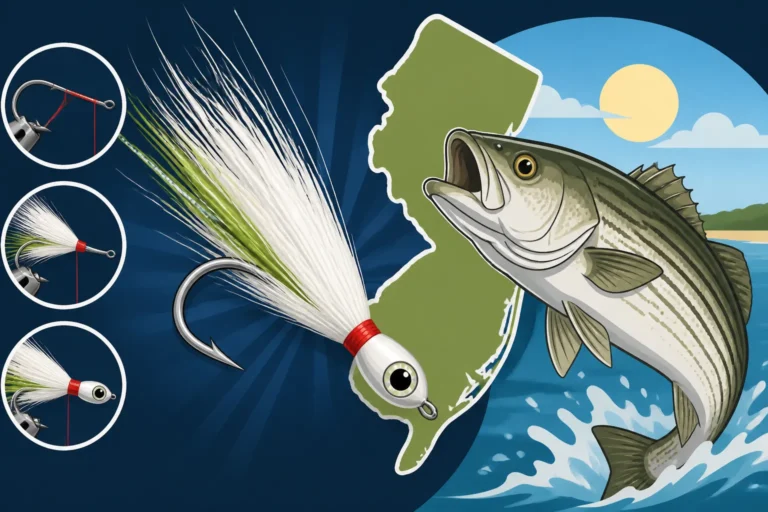
Bucktail jigs are a time-honored classic for fluke and a must-have in any New Jersey angler’s tackle box. Their versatility and ability to imitate various baitfish make them incredibly effective.
- Why They Work: The pulsing action of the deer hair, combined with a jigging retrieve, can perfectly mimic a fleeing baitfish or a foraging crab. Fluke often can't resist the quick, erratic movement.
- Popular Sizes and Colors:
- Sizes: Vary from 1/2 oz for shallow bays to 6 oz or more for strong currents and deeper ocean spots. Always match the jig weight to the conditions to ensure it reaches the bottom and stays there.
- Colors: White, Chartreuse, Pink, and combinations thereof are perennial favorites. However, don’t shy away from natural colors like olive or brown, especially in clearer water.
- Rigging: Bucktail jigs are often fished alone, "bounced" along the bottom. However, they are incredibly effective when tipped with a strip of real bait (squid, bunker, spearing) or a Gulp! artificial. Adding a small teaser fly about 12-18 inches above the bucktail jig can also double your chances. This is where a small grub or a colorful fly on a short leader can make a huge difference, enticing a second fluke if one misses the main jig. You can often find a great selection of bucktail jigs and teasers for sale on Amazon.
Combining Baits for Maximum Success
Often, the most successful fluke anglers don't rely on just one bait. They combine elements to create an irresistible offering that appeals to both sight and scent.
The Classic Bucktail-Gulp! Combo
This is a deadly combination that many experienced New Jersey anglers swear by. You get the weight and jigging action of the bucktail, paired with the powerful scent and natural movement of the Gulp! soft plastic.
- Why It Works: The bucktail provides the bulk, flash, and enables proper presentation near the bottom, while the Gulp! adds an unmatched scent and a lively tail action. It’s like presenting a visually appealing meal that also smells fantastic.
- Rigging: Simply thread a Gulp! Swimming Mullet or Grub onto the hook of your bucktail jig. Make sure it's straight so it swims correctly. Some anglers also add a small squid or spearing strip over the Gulp! for even more scent and texture. This allows you to effectively bounce or drift the bait along the bottom, mimicking an injured baitfish. When fishing in areas like Barnegat Bay, this setup can be particularly effective.
Live Bait and Teaser Rigs
Another powerful combo involves using live bait on the main hook, and a small, colorful artificial teaser hook positioned above it.
- Adding Scent and Flash: The live bait provides natural movement and scent, while the teaser adds an extra visual attraction. This can sometimes provoke a fluke that might be hesitant to hit the larger live bait.
- Rigging: A simple hi-lo rig works well. Tie your main hook (with live bait) to the bottom dropper loop, and then tie a small teaser fly or a Gulp! grub to the upper dropper loop. The teaser should be about 12-18 inches above the main hook. This allows both baits to swim somewhat independently in the current. Learning how to tie a fluke rig properly is crucial for these setups to work effectively.
Techniques for Presenting Your Bait to Fluke
Even the best bait won't catch fish if it's not presented correctly. Fluke fishing is often about covering ground and keeping your bait where the fish are hiding.
Drifting
This is the quintessential New Jersey fluke fishing technique. You let the boat (or your bait if fishing from shore) drift with the tide and wind, allowing your bait to cover a wide area of the bottom.
- Importance of Weight: Use enough weight (sinkers or jig heads) to ensure your bait stays in contact with the bottom. You want to feel it occasionally ticking the sand or mud. Too light, and it will just rise in the water column; too heavy, and you'll snag up.
- Drift Speed: Pay attention to your drift speed. A slower drift often allows the fluke more time to locate and strike your bait. If the drift is too fast, you might need to use a drift sock or try lighter tackle in shallower water. The best depth to drift for fluke in New Jersey bays often dictates the amount of weight you’ll need.
- Active vs. Passive: Even when drifting, stay active. Lift and drop your rod tip every few seconds to give your bait some enticing movement. This "bouncing" action can make a huge difference.
Jigging and Bouncing
When you're fishing from an anchored boat, a pier, or even the shore, active jigging can be incredibly effective.
- Mimicking Prey: The goal is to make your bait look like an injured or startled baitfish. Lift your rod tip sharply, then let the bait flutter back down, keeping just enough tension to feel the bite.
- Varying Retrieval: Don't just stick to one rhythm. Experiment with short, sharp jigs, long sweeps, pauses, and quick drops. Fluke can be finicky, and finding the right cadence can turn a slow day into a hot one.
- Shore Fishing: For shore anglers, particularly those surf fishing at spots like Island Beach State Park, fluke can be caught right in the wash. While most surf fishing for fluke involves casting and retrieving bucktails or bait rigs, understanding the nuances of how to catch striped bass from the beach at night or other species can provide crossover skills. When fishing from shore, remember to check the Island Beach State Park fluke rules for shore anglers.
Shore Fishing Considerations
Fishing for fluke from the shore presents unique challenges, mainly getting your bait out to where the fish are holding and dealing with waves and currents.
- Longer Casts: You'll need tackle capable of longer casts. Bucktail jigs tipped with Gulp! or strip baits on a high-low rig are excellent choices.
- Reading the Water: Look for deeper troughs, sloughs, and areas around jetties or structure where fluke might be ambushing prey.
- Weight Management: Use sufficient weight to hold the bottom, but not so much that you can't work your bait effectively. A pyramid sinker or sputnik sinker is often preferred in the surf to minimize movement in the wash.
Comparing Fluke Baits
To help you decide what to bring on your next outing, here's a quick comparison of the most popular fluke baits.
| Bait Type | Pros | Cons | Best Used When… |
|---|---|---|---|
| Live Minnows/Killifish | Natural action, strong scent, very effective, hardy | Can be expensive, require aeration, can attract smaller fish | Early season, bay fishing, when fluke are finicky |
| Live Peanut Bunker | Excellent for larger fluke, strong scent, good action | Seasonal, require aeration, larger profile might deter small fluke | Targeting trophy fluke, mid-summer to fall |
| Squid Strips | Widely available, affordable, durable, consistent producer | Less natural action than live bait, can be picked at | All season, combining with jigs, when live bait isn't an option |
| Bunker Strips | High oil content for scent, good for larger fish | Messy to cut, can be soft, not always available | Mid-summer to fall, when fluke are feeding aggressively |
| Gulp! Soft Plastics | Incredible scent, durable, no live bait hassle, versatile | Can be expensive, texture sometimes gets picked at | All season, active jigging, when experimenting with colors |
| Bucktail Jigs | Highly versatile, durable, covers water quickly, attracts big fish | Requires active presentation, can snag easily | All season, drifting, jigging, exploring new spots |
Getting Ready for Fluke Season
Remember, the New Jersey fluke season start date usually kicks off in late spring, and the season extends through the summer and into the fall. It's a fantastic time to be on the water. Make sure you're always aware of the current New Jersey fishing license requirements and any specific regulations for fluke, including bag and size limits, which can vary from year to year. For example, the New Jersey Fluke Season Dates for 2026 will be crucial knowledge. Also, be sure to know how many fishing rods can you use at once in New Jersey to stay compliant.
Whether you choose live bait, fresh cut bait, or highly effective artificials like Gulp! and bucktails, understanding the fluke's behavior and presenting your offering properly will lead to a more successful and enjoyable fishing experience along the beautiful Jersey Shore.
Disclaimer
Fishing regulations in New Jersey can change. Always consult the latest New Jersey Fish and Wildlife Digest or visit their official website before heading out to ensure you are compliant with all current rules and regulations. This guide is for informational purposes only.