New Jersey Bluefish Season Peak Timing
There’s nothing quite like the thrill of a bluefish hitting your line – that aggressive strike, the powerful fight, and the sheer energy these fish bring. But for many anglers, knowing exactly when to target these toothy critters in New Jersey can feel like chasing a moving target. Are they here yet? Is the bite on? This guide is going to clear up that confusion, diving deep into the seasonal patterns and peak timings for bluefish along our diverse New Jersey coast, so you can plan your trips with confidence and maximize your chances of hooking into some choppers.
Understanding New Jersey's Bluefish Migration Patterns
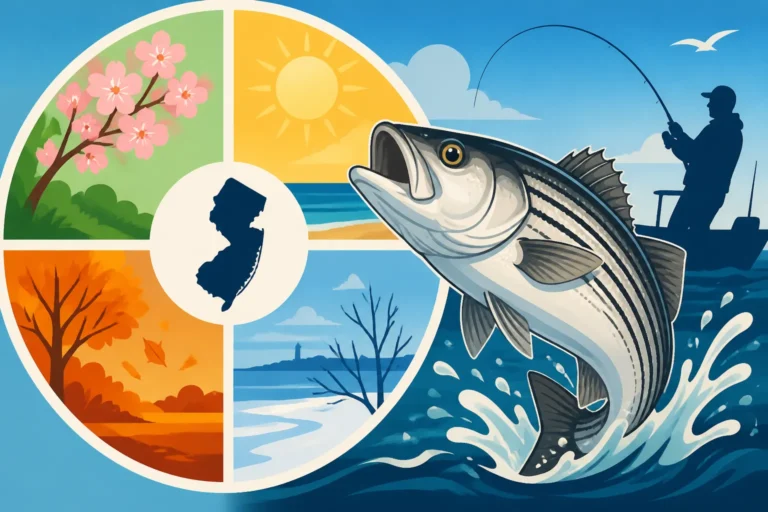
Bluefish are truly migratory predators, moving with the seasons and following their primary food sources, like bunker (menhaden), spearing, and mullet, along the Atlantic coast. Their presence in New Jersey waters isn't a constant; rather, it’s a dynamic dance dictated by water temperature and bait availability. Understanding these broader movements is key to anticipating their arrival and departure.
The Spring Run: Arrival of the Choppers
As the waters along the Jersey Shore begin to warm, typically from late April into May, we start to see the first signs of bluefish. These are often the larger, more powerful "choppers" making their way north from their overwintering grounds further south. They're usually quite hungry after their migration, eager to feed on the schools of baitfish that are also pushing north. This initial push can be incredibly exciting, as these fish are aggressive and often willing to hit a wide variety of lures and baits. You might find them in the larger bays, like Raritan Bay and Barnegat Bay, or just off the beaches and around the inlets.
This spring arrival isn't always a massive blitz, but it signals the start of the season. Anglers often keep a close eye on water temperatures, knowing that when the mercury consistently hits the mid-50s to low 60s Fahrenheit, it's time to start looking for those tell-tale signs of bluefish activity. They're not always found in huge, visible schools during this time; sometimes it's more about blind casting into promising areas or trolling near structure. The focus here is often on quality over sheer numbers, as those larger fish are highly sought after.
Summer Months: Resident Fish and Schoolie Action
Once summer fully settles in, from June through August, New Jersey's waters become home to a more consistent population of bluefish. While some of the larger migratory fish continue their journey north, many remain, and a new wave of smaller "schoolie" bluefish arrive or grow to a catchable size. These schoolies, generally ranging from 1 to 5 pounds, are abundant and provide fantastic action, especially for those fishing from shore, piers, or smaller boats.
During these warmer months, bluefish can be found almost everywhere – in the surf, in the back bays, around inlets, and further offshore on reefs and wrecks. The key is finding the bait. When bunker schools are thick in the bays or along the beaches, the bluefish won't be far behind. This is a great time for families or beginners to experience the thrill of bluefish fishing, as the bite can be fast and furious. You might witness spectacular "Bluefish Blitzes Along the Jersey Shore" where birds dive, and the water erupts with feeding fish. It's a fantastic time for light tackle fun, and you don't necessarily need heavy gear to get in on the action.
The Fall Blitz: Peak Excitement and Preparation
Without a doubt, the true "peak timing" for bluefish in New Jersey, in terms of sheer intensity and numbers, is the fall run. Starting in September and often lasting through October and even into early November, this is when bluefish, often larger ones, migrate south, gorging themselves on baitfish as they prepare for their journey to warmer waters. This is the time of the legendary "fall blitz," where immense schools of bluefish relentlessly chase huge schools of bait, primarily bunker, creating a spectacle that every angler dreams of witnessing.
During the fall blitz, the bluefish are in a feeding frenzy, and if you can find a blitz, you'll often have non-stop action. They become incredibly aggressive, hitting almost anything thrown their way – metal jigs, poppers, swimming plugs, or fresh chunk bait. The fish are often fat and feisty, providing some of the best fights of the year. This period requires anglers to be nimble and ready to move, as the bait and fish can shift locations quickly. Many anglers will follow bird plays, looking for diving gulls and terns, which are a sure sign of bluefish pushing bait to the surface. For many, this is the most anticipated part of the "New Jersey Fishing Seasons Explained".
Pinpointing Peak Bluefish Timing Along the Jersey Shore
While the general seasonal patterns hold true, the precise timing and intensity of the bluefish bite can vary quite a bit depending on where you are along New Jersey’s extensive coastline. From the northern bays to the southern tip, local conditions often dictate when the action is truly red hot.
Northern New Jersey Coasts
In the northern reaches of New Jersey, areas like Sandy Hook and Raritan Bay often see the first substantial pushes of bluefish in the spring. These protected bays warm up a bit faster than the open ocean, drawing in baitfish and, consequently, the bluefish. You might find them chasing spearing and peanut bunker in the shallows or schooling up around structure. The "Raritan Bay and Sandy Hook Bay Fishing Guide" offers excellent insights into these productive areas.
As summer progresses, bluefish can be found throughout these northern waters, offering consistent action. However, the fall run often brings some of the most spectacular events here. The baitfish, especially adult bunker, tend to gather in large schools in these areas before heading south, and the bluefish pile in to feed on them. Anglers fishing from boats or along the beaches of Sandy Hook can experience incredible blitzes during this time. The inlets like Manasquan and Shark River also become prime ambush points for hungry bluefish, as bait gets funneled through the currents.
Central and Southern Jersey Hotspots
Moving down to the central and southern portions of the Jersey Shore, including areas like Island Beach State Park, Long Beach Island, Atlantic City, and Cape May, the bluefish timing largely mirrors the statewide patterns but with some local nuances. Spring bluefish will arrive a bit later than in the northern bays, typically late May into June, often hugging the beaches and feeding in the wash.
During the summer, the back bays like Barnegat Bay and Great Egg Harbor Bay are teeming with schoolie bluefish. These smaller fish provide fantastic light tackle opportunities, especially for those casting from kayaks or small boats. Surf anglers also have excellent chances along the beaches of Long Beach Island and Ocean City. When the fall run kicks into high gear, these areas truly shine. The vast stretches of beach at places like Island Beach State Park become legendary for surf fishing during the bluefish blitzes. Anglers will often see acres of bunker being destroyed by hordes of bluefish, sometimes with striped bass mixed in. The inlets and offshore reefs also become incredibly productive for larger bluefish as they stage their migration. Check out our "Barnegat Bay Bluefish and Fluke Spots" guide for more localized details.
Key Environmental Factors Influencing the Bite
While the general seasonal timing is crucial, several environmental factors play a huge role in the daily and weekly bluefish bite:
- Water Temperature: This is perhaps the most critical factor. Bluefish prefer water temperatures generally between 60°F and 75°F. Too cold, and they won't be present; too hot, and they might become sluggish or move to deeper, cooler water. Their migrations are directly linked to seeking optimal temperatures.
- Bait Presence: Bluefish are voracious predators, and they go where the food is. If there are large schools of bunker, spearing, or mullet, the bluefish will be nearby. Understanding baitfish migration, often visible by birds working the water, is paramount.
- Tides and Currents: Strong moving water, especially around inlets, jetties, and shoals, creates ambush points where bluefish can easily feed on baitfish being swept by. Fishing during a moving tide, particularly the first few hours of the incoming or outgoing tide, can be highly productive. Our guide on "How to Read Tide Charts for Better Fishing in New Jersey" can provide more in-depth information.
- Weather Conditions: Overcast days or periods of choppy water can sometimes trigger more aggressive feeding. Conversely, flat, calm, sunny days might make them a bit more finicky, especially in clear, shallow water.
Gearing Up for New Jersey's Peak Bluefish Season
Bluefish, with their aggressive nature and sharp teeth, demand specific tackle. Going unprepared can lead to broken lines, lost lures, and even injuries. Having the right gear, from rods to safety equipment, makes all the difference in successfully landing these feisty fighters.
Essential Tackle and Lures
When targeting bluefish, you need gear that can withstand a beating. For rods, a medium to heavy action spinning or conventional rod, typically 7 to 10 feet in length, is ideal for casting lures from shore or boat. Pair this with a robust spinning reel in the 4000-6000 size range or a conventional reel with a good drag system. Spool it up with 30-50 pound braided line, which offers superior casting distance and strength. Because of their teeth, a heavy monofilament or fluorocarbon leader (40-80 lb test) is essential, and many anglers even opt for a short wire leader, especially when they're really chewing. You can find excellent quality braided lines and sturdy leaders on platforms like Amazon, offering a wide selection for various fishing styles.
As for lures, bluefish aren't particularly picky when they're on the bite, but certain types are consistently effective. Metal jigs, like the classic A.C. Plug, Hopkins Shorty, or Crippled Herring, are fantastic for long casts and imitate fleeing baitfish. Poppers and walk-the-dog style topwater lures create a commotion that drives bluefish wild, especially during surface blitzes. Swimming plugs, often mimicking bunker or mullet, are also highly effective, particularly when retrieved quickly. Don't forget to have a few extra, as bluefish can destroy soft plastics and even hard baits with their sharp choppers! For a good selection of durable lures, checking out fishing tackle sections on Amazon can give you a lot of options to start with.
Best Bait Options for Bluefish
While artificial lures are incredibly effective, natural bait also plays a significant role, especially when bluefish are a bit less aggressive or when fishing from anchor. Fresh bunker (menhaden) is hands down the king of bluefish baits in New Jersey. Whether you're using whole bunker, large chunks, or even live bunker, bluefish find it irresistible. Other effective baits include cut mackerel, spearing, or squid.
When using bait, presentation is key. For chunk bait, a fish-finder rig with a circle hook (which aids in conservation by typically hooking the fish in the jaw, making release easier) is a popular choice. For live bait, free-lining a bunker or suspending it under a bobber can be deadly. Remember to match your hook size to your bait and target fish – usually a 5/0 to 8/0 octopus or circle hook works well for bluefish. Keep your bait fresh, and if possible, chumming with ground bunker can sometimes draw fish to your location, making the bite even better. Our guide on "How to Chum for Bluefish in New Jersey Waters" provides more detailed strategies.
Safety Considerations When Fishing for Bluefish
Fishing for bluefish isn't just about catching them; it's also about staying safe. These fish have incredibly sharp teeth, capable of inflicting serious cuts, so handling them with care is paramount. Always use a pair of long-nosed pliers or a fish gripper to remove hooks, keeping your fingers well away from their mouths. A de-hooker can also be invaluable, allowing you to release fish quickly without ever touching them directly.
Beyond their bite, bluefish are powerful fighters. Be mindful of your surroundings, especially if fishing from a crowded pier or boat, to avoid tangling lines or getting hit by a thrashing fish. If you're on a boat, ensure all safety equipment is on board and accounted for, including life jackets. When fishing from the surf, be aware of waves, tides, and potential rip currents. It’s always a good idea to fish with a buddy, especially in less familiar areas. Some good quality fishing gloves can also protect your hands when handling fish or line. You can easily find robust gloves designed for anglers on Amazon, which offer both protection and grip.
Maximizing Your Chances During Peak Season
When bluefish are in their peak season, especially during the fall run, the opportunities can be incredible. But even then, some strategic thinking can help you stand out from the crowd and consistently find success. It's about more than just showing up; it's about observing, adapting, and understanding the subtleties of the environment.
Reading the Water and Identifying Bluefish Activity
One of the most thrilling aspects of peak bluefish season is witnessing a bluefish blitz. These are unmistakable events where bluefish push baitfish to the surface, creating a feeding frenzy that can span acres. Look for diving birds, especially gulls and terns, which are often the first indicators of a blitz. If you see them circling and diving into the water, it's a strong sign that bluefish (or striped bass) are driving bait up from below. You might also see disturbances on the water's surface, like boils, splashes, or even the shimmering backs of baitfish trying to escape.
Beyond the visible blitzes, pay attention to current lines, eddies, and structure. Bluefish, like many predators, will use these features to ambush prey. Inlets, jetty tips, and bridge pilings are classic spots where currents concentrate bait, making them prime bluefish habitat. Also, keep an eye on your fish finder if you're boating; dense schools of bait with larger arches below them are often a dead giveaway. Sometimes, just scanning the horizon with binoculars can help you spot activity before others do.
Timing Your Trips with Tides and Weather
While bluefish are aggressive, certain times can be more productive than others. As mentioned before, moving tides are often the best, particularly around inlets and river mouths. The first two hours of an incoming tide and the last two hours of an outgoing tide tend to be prime feeding windows. However, during a full-blown fall blitz, they can bite non-stop regardless of the tide! Understanding "Best Tide for Surf Fishing Striped Bass" can also be applied to bluefish, as they often feed under similar conditions.
Weather also plays a role. Overcast days with a light chop on the water can sometimes ignite a hot bite, as the reduced light makes fish feel more comfortable feeding closer to the surface. Avoid the dead calm, bright sunny afternoons if possible, as bluefish might be less active, especially in clear water. However, if bait is abundant and the water temperature is right, bluefish will often feed enthusiastically regardless of the sky above. Being flexible with your schedule and monitoring local marine forecasts can significantly improve your success rate.
Conservation and Responsible Angling
New Jersey anglers are fortunate to have a healthy bluefish population, but it's vital to practice responsible angling to ensure this continues. Always be aware of the current "New Jersey Daily Bag Limits by Species" and size limits for bluefish. These regulations are in place to manage fish stocks and protect the species for future generations. It’s important to only keep what you need and can eat, releasing the rest carefully.
When practicing catch and release, minimize handling time, use wet hands when touching fish, and use de-hooking tools to ensure a quick and clean release. Avoid dragging fish on dry surfaces, as this can remove their protective slime layer. Bluefish are a blast to catch, but their long-term health depends on all of us doing our part. Even if you're not planning to keep fish, make sure to have your "New Jersey Saltwater Registry Explained" in order, as it's a legal requirement for most saltwater anglers in the state.
New Jersey Bluefish Peak Timing Summary
| Season | Typical Timing | Key Characteristics |
|---|---|---|
| Spring Run | Late April – May | First arrival of larger migratory "choppers" pushing north. Aggressive but less concentrated. Often in bays and nearshore. |
| Summer Months | June – August | Consistent presence of smaller "schoolie" bluefish. Widespread action in bays, surf, and nearshore reefs. Great for light tackle. |
| Fall Blitz | September – October (early Nov) | ABSOLUTE PEAK. Massive schools of larger bluefish migrating south, feeding voraciously on bunker. Intense "blitzes" with non-stop action, often seen from shore and boat. |
| Environmental Triggers | Water Temp 60-75°F | Abundant baitfish (bunker, spearing), moving tides around inlets and structure. |
Disclaimer
The information provided in this guide is for general informational purposes only and is subject to change. Fishing regulations, seasons, and limits are set by the New Jersey Department of Environmental Protection (NJDEP) Fish and Wildlife and can be updated annually or even mid-season. Always consult the most current New Jersey Fish and Wildlife Digest or the official NJDEP website before heading out to fish.