How to Fish for Shad on the Delaware River
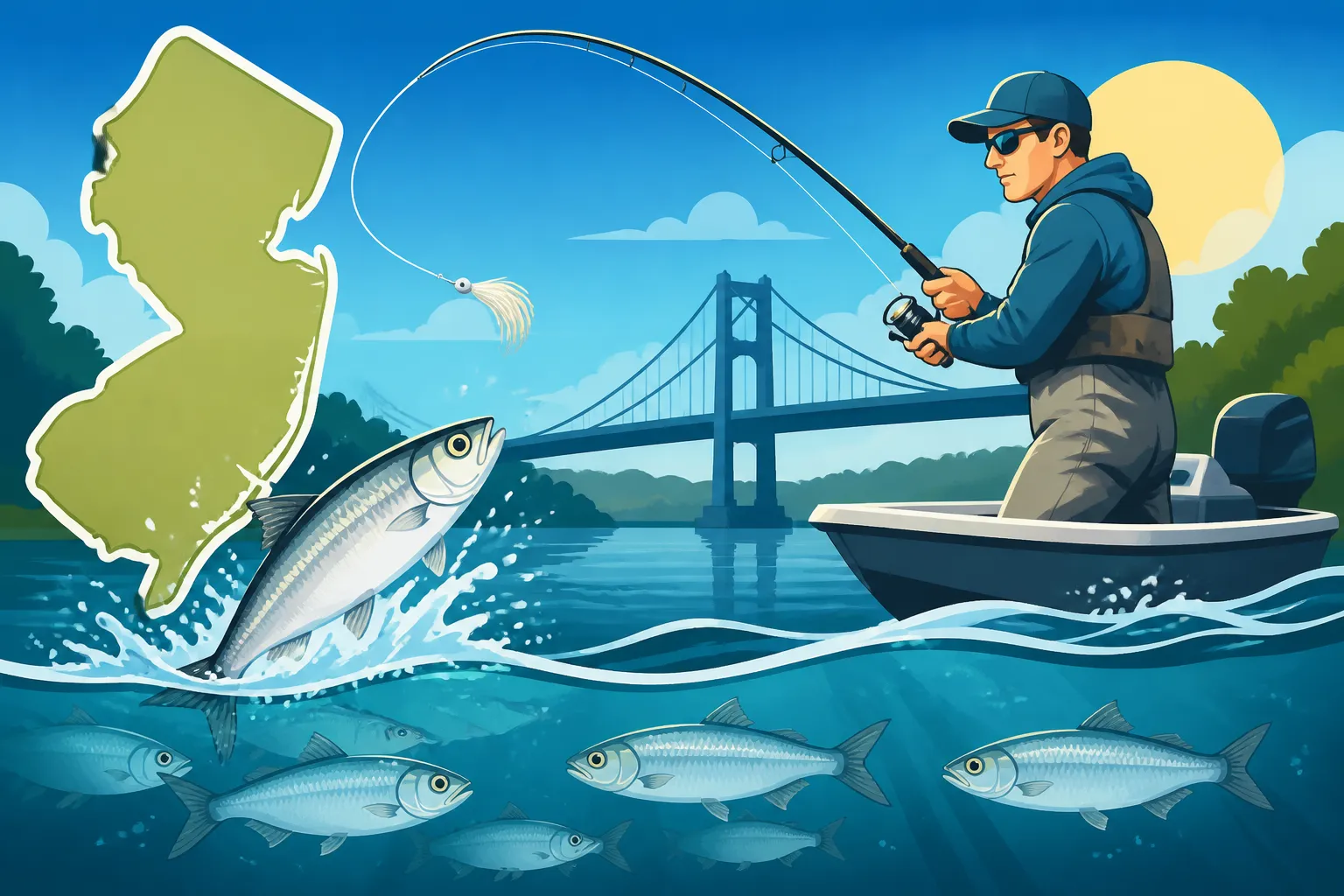
There's something truly special about the spring shad run on the Delaware River – it's an annual pilgrimage for so many anglers, a sign that winter's chill is finally behind us. But if you've ever tried to catch these feisty, silver-sided fish without a game plan, you know it can feel like chasing ghosts in a vast, fast-moving current. This guide is here to demystify Delaware River shad fishing, covering everything from understanding their migration patterns to the best techniques and gear, so you can experience the thrill of hooking into these incredible fish.
Understanding the Delaware River Shad Run
The American Shad, often called the "poor man's salmon" due to its powerful fight and delicious taste, undertakes an incredible journey up the Delaware River each spring. Knowing when and why they move can make all the difference in your success. It's not just about showing up; it's about understanding the rhythm of the river and the fish.
The Annual Shad Migration and Timing
Every spring, usually from late March through May, American Shad leave the Atlantic Ocean and swim upstream into freshwater rivers like the Delaware to spawn. This migration is triggered primarily by water temperature. Historically, anglers look for water temperatures to hit the mid-40s to low 50s Fahrenheit to signal the start of the run. Early in the run, you'll find them in the lower sections of the river, pushing further north as the water warms. Peak fishing often occurs when the water temperature is consistently in the high 50s.
It’s not just a single wave of fish, though. There are typically early arrivals, the main body of the run, and then stragglers. The timing can vary a week or two year to year based on snowmelt, rainfall, and overall temperature trends, so keeping an eye on local conditions is key. A sudden cold snap can slow things down, while a few warm, sunny days can really kick the run into high gear. Knowing When Does the Delaware River Shad Run Start in New Jersey? is crucial for planning your trips.
Identifying American Shad and Hickory Shad
While American Shad are the main target for most anglers, their smaller cousins, the Hickory Shad, also make an appearance. Both are members of the herring family and share a similar, streamlined body shape and iridescent silver scales, but there are distinct differences. American Shad are generally larger, often reaching 3 to 6 pounds, with some specimens exceeding 8 pounds. They have a deeper body and a more pronounced jaw, where the lower jaw fits neatly into a notch in the upper jaw when closed.
Hickory Shad are smaller, usually topping out around 1 to 2 pounds, and have a more elongated, slender body. Their most distinguishing feature is a lower jaw that protrudes noticeably beyond the upper jaw, even when closed. While both put up a fantastic fight, American Shad are typically preferred for their size and meat. Understanding these distinctions helps you appreciate the biodiversity of the Delaware and manage your expectations for catch size.
Essential Gear for Shad Anglers
Fishing for shad requires a specific approach to tackle that balances sensitivity with the ability to handle strong currents and feisty fish. You don't need a boatload of expensive equipment, but having the right tools for the job will dramatically improve your experience.
Rods, Reels, and Line Selection
For shad fishing, many experienced anglers prefer a light to ultralight spinning setup. A rod between 6 to 7.5 feet long with a fast or moderate-fast action is ideal. This length allows for decent casting distance without being unwieldy on the riverbanks, and the action provides the sensitivity needed to detect subtle bites while still having enough backbone to fight a strong current-dwelling fish. A good quality 1000 to 2500 series spinning reel, smoothly operating and balanced with your rod, is perfect. You can find some excellent combos on Amazon that are specifically designed for lighter freshwater applications, which often translate well to shad.
When it comes to line, a light monofilament or fluorocarbon line in the 4 to 8-pound test range is usually sufficient. Some anglers even go as light as 2-pound test for maximum sensitivity and casting distance, especially in clearer water. Braided line in the 6 to 10-pound test range is also popular for its zero-stretch properties, which give incredible sensitivity, though you'll want to add a fluorocarbon leader of about 3 to 6 feet to make it less visible to the fish and offer some abrasion resistance against rocks. The key is balance – a light enough setup to feel the subtle taps, but strong enough to prevent break-offs when a big shad decides to put on the brakes in the current.
Lures and Terminal Tackle
Shad are not typically caught on bait; instead, they are almost exclusively targeted with artificial lures designed to provoke a reaction strike during their spawning migration. The most iconic and effective lure for shad are shad darts. These small, brightly colored lead-head jigs usually range from 1/16 to 1/4 ounce. Pink, chartreuse, white, and yellow are classic colors, often with contrasting tails.
Small spoons are another highly effective option. Silver, gold, or brass spoons, often with a hint of red or orange, in sizes from 1/16 to 1/4 ounce, are excellent for imitating baitfish. Popular brands like Little Cleo or Kastmaster in their smaller sizes work wonders. Some anglers also have success with tiny inline spinners, similar to those used for trout. Having a good selection of these lures in various weights and colors is a smart move, as shad can be particular about what they'll hit on any given day. Remember, it's not about catching them for food on the way up, but triggering that aggressive, instinctual strike.
Here's a quick comparison of common shad lures:
| Lure Type | Weight Range (oz) | Common Colors | Action/Retrieve | Best Conditions |
|---|---|---|---|---|
| Shad Darts | 1/16 – 1/4 | Pink, Chartreuse, White, Yellow | Jigging, bouncing bottom, steady retrieve | Versatile, fast currents, deep pockets |
| Small Spoons | 1/16 – 1/4 | Silver, Gold, Copper | Steady retrieve, flutter, drop-and-lift | Clear water, sunny days, varying currents |
| Inline Spinners | 1/16 – 1/8 | Silver, Gold, Black | Steady retrieve, slow current | Slower moving water, calm days |
Waders and Safety Gear
Fishing the Delaware River for shad often means wading into the river to reach prime casting lanes, especially when fishing from shore. A good pair of breathable chest waders is essential. They allow you to get away from bankside brush and reach deeper seams where shad hold. Make sure your waders fit well and are comfortable, as you might be spending hours standing in the water. Wading boots with good traction are also a must, as the Delaware River bottom can be rocky and slick. Consider investing in a pair that accepts studs for extra grip.
Beyond waders, safety is paramount. The Delaware can be a powerful river, with swift currents and unpredictable depths. Always wear a wading belt to prevent your waders from filling with water in case of a fall, and a personal flotation device (PFD) is highly recommended, especially if you're venturing into deeper or faster water. A wading staff can provide extra stability, particularly when crossing uneven terrain or strong currents. Remember, no fish is worth risking your safety. Always be aware of your surroundings, water levels, and weather conditions.
Best Techniques for Catching Shad
While shad fishing can sometimes feel like a puzzle, mastering a few key techniques will significantly increase your chances of success. It's often about presentation and understanding how shad react to the current.
Jigging with Shad Darts
Jigging with shad darts is by far the most popular and effective method for catching shad on the Delaware River. The technique involves casting your dart upstream and slightly across the current, allowing it to sink and drift naturally downstream. As the dart drifts, you want to maintain a tight line, feeling for any taps or sudden weight changes that indicate a bite. The "jigging" part comes in with a subtle lift-and-drop motion of your rod tip, which gives the dart an enticing darting action.
The goal is to get your dart down to where the shad are holding, which is often near the bottom in deeper pockets or seams of current. This often means using enough weight to tick the bottom occasionally without getting snagged constantly. Sometimes, a faster retrieve works, while other times, a slow, methodical bounce off the bottom is what they want. Don't be afraid to experiment with your retrieve speed and depth until you find what triggers a strike. Remember, a shad dart looks like easy prey moving erratically in the current, and that's precisely what you're trying to imitate.
Drifting Small Spoons and Spinners
While darts are king, drifting small spoons and spinners can also be incredibly effective, especially on brighter days or in slightly slower moving water. The key with spoons is to use their natural fluttering action to your advantage. Cast your spoon upstream and across, letting it sink and tumble with the current. Maintain a sensitive feel on your line as the spoon drifts, allowing it to flutter and flash enticingly. Unlike darts, which are often jigged, spoons often work best with a slow, steady retrieve, just fast enough to impart their wobbling action.
Inline spinners, on the other hand, create a lot of flash and vibration. These are excellent when shad are aggressive or when you need to cover water. Cast them out and retrieve them steadily, just fast enough for the blade to spin. The vibration can draw fish from a distance, and the flash can trigger a strike. It's important to match the weight of your spoon or spinner to the current; too light, and it won't get down to the fish; too heavy, and it will constantly snag. Both spoons and spinners can be fantastic for targeting shad that are holding a bit higher in the water column or in areas with slightly less turbulent flow.
Fly Fishing for Shad
For the fly fishing enthusiast, targeting shad on the Delaware River offers an exhilarating challenge and a fantastic light-tackle fight. You'll want a 5 or 6-weight fly rod, paired with a matching reel and a weight-forward floating or intermediate sinking line. A sinking tip or full sinking line can also be beneficial, especially in deeper, faster currents where you need to get your fly down quickly. Long leaders (9-12 feet) with a 3x-5x tippet are generally suitable.
The flies themselves are typically small, brightly colored streamers or "shad flies." Common patterns include small chartreuse and white clouser minnows, pink-and-white streamers, or custom shad flies with Mylar bodies and brightly colored tails, often in sizes #6 to #10. The technique involves casting across and slightly upstream, allowing the fly to swing naturally downstream and deep in the current. As the fly swings, often called a "swing nymphing" or "wet fly swing" technique, strip in line intermittently to impart movement. The strike can be sudden and powerful, leading to an incredible fight on light fly tackle. Fly fishing for shad demands precision in casting and an understanding of Fly Selection for Trout Streams in Spring which can often be adapted for shad.
Finding the Prime Shad Fishing Spots
Knowing where to find shad in the vastness of the Delaware River is as important as knowing how to fish for them. Shad aren't everywhere at once; they follow specific pathways and hold in certain types of water.
Productive River Sections and Access Points
The Delaware River offers numerous excellent spots for shad fishing as they make their way upstream. Early in the run, areas further south, closer to Trenton, might be productive. As the run progresses and water temperatures rise, popular stretches include the area around Lambertville and New Hope, which offers both shore and boat access. Upstream from there, towns like Frenchtown, Milford, and Easton also become hotspots. Further north, the stretch near Phillipsburg and Belvidere sees heavy action.
When scouting for access points, look for public parks, boat launches, or designated fishing areas. Many small towns along the river have riverside parks that provide good shore access. For boat anglers, various public and private ramps are scattered along the river. Always check local regulations regarding parking and access. Knowing Delaware River Fishing in New Jersey access points can save you a lot of time and scouting.
Identifying Shad Holds and Current Seams
Shad are migratory fish, and they tend to follow specific "lanes" or "highways" in the river as they travel upstream. These lanes are often found along current seams – the edges where fast-moving water meets slower water. Look for visible seams, particularly near submerged rocks, wing dams, bridge pilings, or sudden changes in bottom contour. These areas offer shad a place to rest out of the main current while still being in a position to continue their journey.
Deep pockets, eddies behind obstructions, and the mouths of tributaries can also be productive. Shad will often hug the bottom in these deeper areas, conserving energy. Overcast days or periods of low light might see them move into slightly shallower water, but generally, targeting the deeper, current-defined areas is your best bet. A good pair of polarized sunglasses can help you spot subtle changes in water depth and current, giving you an edge in identifying these prime holding spots.
Handling Your Catch and Regulations
Once you've successfully hooked into a hard-fighting shad, proper handling, and adherence to regulations are crucial. While many anglers enjoy the thrill of the catch, some also appreciate the culinary aspect of these fish.
Catch and Release Best Practices
For many, shad fishing is purely about the sport, and catch and release is the preferred method, especially as some populations face conservation concerns. If you plan to release your catch, minimize handling time. Try to keep the fish in the water as much as possible, using a landing net to secure it. Avoid touching the fish's gills or eyes, and use wet hands if you need to handle it. A pair of pliers or a dehooking tool can help remove hooks quickly and safely, especially if the fish has swallowed the lure.
When releasing, hold the fish gently facing upstream in a mild current until it regains its strength and swims away on its own. Don't simply toss it back; ensure it's fully revived. Shad can be delicate, and proper handling ensures their survival to continue their spawning journey. Always be mindful of the stress you put on the fish, and try to make the release process as smooth and swift as possible. For general guidelines, refer to Catch and Release Rules in New Jersey.
Keeping Shad for Consumption
American Shad are prized for their flavor, particularly during the spring run. Their flesh is rich and oily, similar to salmon, but they are notoriously boney. Many anglers learn specialized filleting techniques or prepare them whole, often baked or smoked, which helps soften the bones. If you plan to keep shad, ensure you are well within the legal creel limits set by the New Jersey Department of Environmental Protection (NJDEP) Division of Fish and Wildlife.
It's also a good idea to bring a cooler with ice to keep your catch fresh if you're taking them home. Prompt cooling helps maintain the quality of the meat. Be aware that during the spawning run, some anglers find the flesh of shad, particularly those that have been in freshwater for a while, to be less palatable as they divert energy towards reproduction. However, a fresh, early-run shad can be a delicious meal. Always consult the most current New Jersey Daily Bag Limits by Species to ensure you are compliant with all regulations.
New Jersey Shad Regulations
Fishing for shad on the Delaware River, like all angling in New Jersey, is subject to specific regulations designed to manage fish populations and ensure sustainable fishing. These regulations can include daily creel limits (the number of fish you can keep), size limits (minimum or maximum lengths), and specific season dates. While shad runs are generally open throughout their migration period, it’s vital to check the latest New Jersey Fish and Wildlife Digest before you head out.
In New Jersey, you will need a valid New Jersey freshwater fishing license to fish for shad on the Delaware River. Even if you're primarily a saltwater angler, the Delaware River is considered freshwater in these stretches. If you are fishing from the Pennsylvania side, you'll need a Pennsylvania fishing license. There are also specific rules about Fishing License Reciprocity Between New Jersey and Neighboring States when fishing shared waters like the Delaware River. It is your responsibility as an angler to know and follow all current rules. Conservation Police Officers regularly patrol the river, and ignorance of the law is not an excuse for violations.
Tips for a Successful Shad Fishing Trip
Shad fishing can be incredibly rewarding, but it often requires patience and adaptability. A few seasoned tips can make your time on the Delaware more productive and enjoyable.
Adapting to River Conditions
The Delaware River is a dynamic environment, and conditions can change rapidly. Water levels, clarity, and temperature are all critical factors that influence shad behavior. After heavy rains, the river might be high and muddy, making fishing challenging as shad can spread out or become less visible to lures. In such cases, brighter lures, heavier darts to get through the turbid water, and focusing on slower eddies might be more effective. If the water is unusually clear and low, shad can become skittish, requiring lighter lines and more subtle presentations.
Always check river gauges and weather forecasts before you go. The U.S. Geological Survey (USGS) provides real-time data on river levels and flows, which can be invaluable. Adjusting your lure weight, color, and retrieve based on these conditions is crucial. For instance, if the current is raging, a lighter dart will simply wash away; you'll need to go heavier to maintain contact with the bottom. Conversely, in slower water, a heavy dart will snag constantly. Being flexible and willing to change tactics is a hallmark of a successful shad angler. Learning How to Fish New Jersey's Rivers After Rain can be a game-changer.
Essential Gear Beyond Rods and Reels
Beyond your core fishing tackle, a few additional items can significantly enhance your shad fishing experience. A good quality pair of polarized sunglasses is indispensable for cutting glare off the water, helping you spot subtle current seams and even individual fish moving through clear sections. A comfortable backpack can carry extra lures, leaders, snacks, and water, which are essential for long days on the river. Many anglers find a small tackle box or vest useful for keeping their shad darts and spoons organized and easily accessible.
Don't forget the small but mighty details: a good pair of line clippers, a hook file to keep your hooks razor-sharp, and a measuring tape to quickly check any fish you might consider keeping against size limits. Finally, insect repellent can be a lifesaver, especially during warmer spring evenings when mosquitoes and gnats can emerge. Having these minor essentials packed and ready means less fumbling and more focused fishing time. If you're looking to stock up efficiently, check Amazon for fishing accessories and organizational solutions.
The Importance of Patience and Persistence
Perhaps the most crucial tip for shad fishing on the Delaware River is to cultivate patience and persistence. Shad fishing isn't always a non-stop bite. There will be slow periods, days when the fish seem to have lockjaw, or times when you're casting perfectly but just not getting any action. It's easy to get frustrated, especially when you see other anglers hooking up.
Don't let it get you down. Keep experimenting with different lure colors, retrieve speeds, and depths. Move to different spots along the river; sometimes a slight change in location can make all the difference. Talk to other anglers (respectfully, of course) and learn from their experiences. The reward for this patience is the exhilarating jolt of a shad strike and the powerful fight of these magnificent migratory fish. Every cast is a new opportunity, and sometimes, that monster shad is just waiting for your next presentation.
Disclaimer
Please remember that fishing regulations, including licensing requirements, bag limits, and season dates, can change. Always consult the latest New Jersey Fish and Wildlife Digest or visit the official NJDEP website before your fishing trip to ensure you are fully compliant with all current rules and regulations.