Best Panfish Jigs for Ice Fishing
Winter in New Jersey can be a real challenge for anglers, especially when the ice sets in and the bite gets incredibly subtle. Those tiny, almost imperceptible nibbles from panfish can be immensely frustrating if you’re not using the exact right gear. It's easy to feel like you're just staring at a hole in the ice for hours. This guide is all about cutting through the cold to help you select the absolute best panfish jigs for ice fishing across New Jersey's frozen lakes and ponds, turning those frustrating nudges into successful catches.
Understanding Panfish Behavior Under the Ice
When the mercury drops and a solid cap forms over New Jersey's lakes and ponds, the world beneath the ice transforms dramatically. This change profoundly impacts how panfish like crappie, perch, and bluegill behave, and understanding it is crucial for choosing the right jig. It's not like open-water fishing where fish might chase a rapidly retrieved lure. Patience and precision become your best friends.
Metabolism and Feeding Habits in Cold Water
Think about it: when it's freezing outside, do you want to run a marathon or cozy up with a warm drink? Fish are no different. Their metabolism slows down significantly in cold water. This means they're not as active, they don't expend as much energy, and they certainly aren't chasing down fast-moving prey. Instead, they become lethargic, conserving energy, and any feeding they do is often opportunistic and requires minimal effort on their part.
For us anglers, this translates to needing smaller, more subtle presentations. A large, aggressively worked jig that might attract a monster bass in summer will likely just spook a winter crappie. Panfish in winter prefer to sip their meals, not engulf them. They're often suspended or hugging the bottom, barely moving, and their strikes can be incredibly light—sometimes just a slight tic on your line or a momentary stop in your jig's fall. This is why a highly sensitive rod and the right jig are paramount. You’re trying to tempt them with an easy, irresistible morsel rather than provoke an aggressive strike.
Locating Panfish: Structure and Depth
Just because they’re sluggish doesn’t mean they’re everywhere. Panfish, even under the ice, still relate to structure, but their preferred zones might shift. They often congregate in areas that offer thermal refuge, shelter from currents (if any), or proximity to food sources. This could mean deep holes, breaks, the edges of weed beds, or submerged timber.
For example, on a lake like Hopatcong, crappie might suspend over deeper basins near old creek channels, while perch often hug the bottom near subtle humps or rocky areas. Bluegills might be found closer to remaining green weed patches, especially in shallower ponds. The key is to be mobile and use electronics (like a flasher or fishfinder) to pinpoint these concentrations. When you find a school, your choice of jig then needs to match the depth and their current feeding mood. If they’re deep, a heavier jig will get down to them faster. If they're tight to cover, a snag-resistant design might be better. Knowing where these fish hold can dramatically improve your success rate and helps you decide on the right jig to present to them effectively. For more details on finding these hotspots, check out our guide on New Jersey's Best Spots for Ice Fishing.
Key Characteristics of Effective Ice Jigs for Panfish
Choosing the right panfish jig for ice fishing isn't just about grabbing the prettiest lure off the shelf. It's about understanding how small details make a monumental difference when fishing through a small hole in the ice for finicky fish. These subtle elements combine to create a presentation that panfish, with their slowed metabolism, can't resist.
Size and Weight: The Tungsten Advantage
This is perhaps the most critical factor. When panfish are less active, they're not going to expend a lot of energy to chase down a big meal. They want a small, easy target. That's why micro jigs, often ranging from 1/32 to 1/100 of an ounce, are king. These tiny offerings perfectly mimic the small insects, larvae, and zooplankton that constitute much of a panfish's winter diet.
However, a small jig can be a nightmare to get down to depth, especially if there's any current or if you're fishing in deeper water. This is where the "tungsten advantage" comes into play. Tungsten is significantly denser than lead, meaning a tungsten jig of the same weight as a lead jig will be much smaller. Conversely, a tungsten jig of the same size as a lead jig will be much heavier. This allows you to fish a tiny profile lure, which is ideal for lethargic panfish, but still have enough weight to quickly cut through the water, reach the desired depth efficiently, and maintain a sensitive feel. When fish are deep in a lake like Round Valley Reservoir, that quick drop time can make a huge difference, especially when you're trying to stay on a moving school. Many anglers find a fantastic selection of these specialized tungsten jigs on platforms like Amazon, offering a wide array of options to choose from.
Color and Presentation
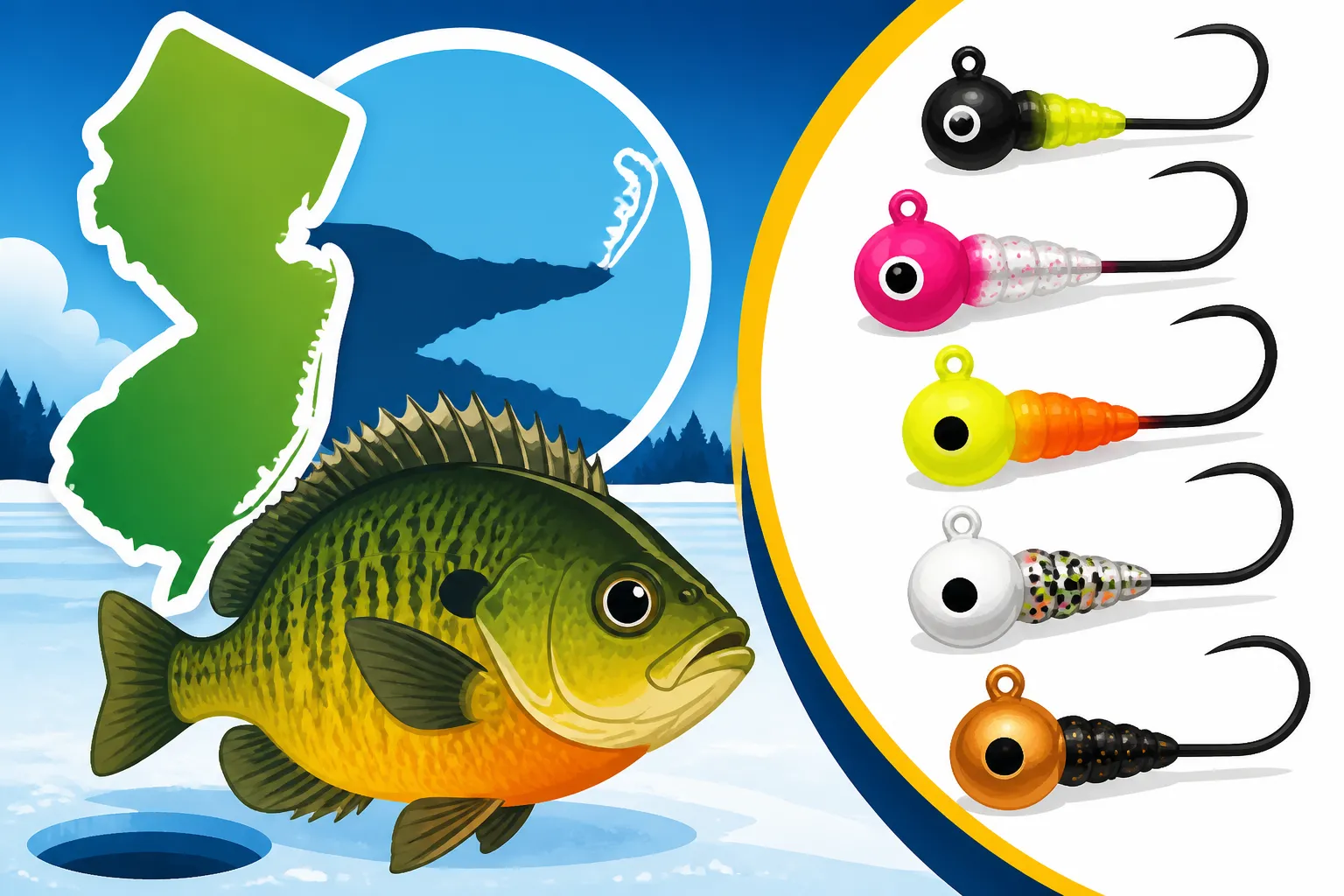
Just like in open water, color matters under the ice, but perhaps even more so due to reduced light penetration. On bright, sunny days, or in clear water, natural colors like greens, browns, and silver can be incredibly effective. They mimic the subtle hues of natural prey. However, in low light conditions, stained water, or when fish are particularly stubborn, bright colors like chartreuse, orange, or hot pink can trigger strikes.
Glow-in-the-dark jigs are an absolute game-changer, especially when fishing deeper water or during low-light periods at dawn and dusk. A quick charge with an LED flashlight can make your jig highly visible, acting like a beacon to curious panfish. Many anglers swear by a glow jig tipped with a maggot. The combination of visual attraction and natural scent is often irresistible.
Presentation is equally vital. A jig that hangs horizontally is generally preferred, as it looks more natural. Imagine a small insect or minnow swimming; they don't typically orient themselves vertically head-down. Many modern tungsten jigs are designed with this horizontal presentation in mind, allowing your bait to flutter and dance enticingly with minimal rod movement.
Hook Design and Tipping
A panfish's mouth is small, and their bite can be incredibly light. This means the hook on your jig needs to be small, super sharp, and have an appropriate gape to ensure solid hookups. Many ice jigs feature "sticky sharp" hooks right out of the package, but it's always a good idea to check and perhaps even give them a quick sharpen. A dull hook will result in missed bites, leaving you wondering if you even had a fish on.
Tipping your jig is almost always a good idea for panfish. Live bait like wax worms, spikes (maggots), or small mealworms add scent, natural movement, and an irresistible texture that can convince a wary panfish to commit. You only need a tiny piece—just enough to cover the hook point and add a little wiggle. Soft plastic tails, often referred to as micro plastics, are another excellent option. These come in a myriad of shapes, sizes, and colors, providing artificial scent and incredible action with even the slightest twitch of the rod. They're convenient, mess-free, and you can find a vast assortment on Amazon, often in multi-packs that let you experiment with different shapes and colors.
Top Panfish Jigs for New Jersey Ice Fishing
With so many options out there, it can feel overwhelming to pick the right jig. But certain styles and brands have proven their worth year after year on New Jersey's hardwater. These are the workhorses that consistently put fish on the ice, from the small farm ponds of South Jersey to the larger, deeper lakes up north.
Tungsten Drop Jigs
These are arguably the most popular and effective jigs for panfish ice fishing right now, and for good reason. Their density allows them to be incredibly small yet heavy, meaning they drop fast and you can feel even the lightest bites. They are the go-to for many anglers who are trying to target deep-suspended crappie or bottom-hugging perch.
- VMC Tungsten Drop Jig: VMC is a household name in hooks, and their tungsten drop jigs live up to the reputation. They come in an array of colors and often feature a small, almost horizontal presentation. Paired with a wax worm, they're deadly for bluegill and crappie alike. You can find many size and color variations on Amazon, which makes stocking up before the season starts quite easy.
- Clam Drop-Kick Jig: Clam is another leader in ice fishing gear, and their Drop-Kick jig is designed with an aggressive 45-degree hook angle that supposedly increases hook-up ratios. This design is particularly effective when fish are just lightly mouthing the bait, as it helps the hook penetrate quickly.
- Northland Tungsten Ice Jig: Northland offers several variations, including the Tungsten Ice Worm Jig and the Tungsten Bro Bug Jig, which are excellent for mimicking small insects. Their compact size and vibrant colors make them irresistible to finicky panfish.
The pros of tungsten jigs are their fast drop speed, excellent sensitivity, and small profile. The main con is often their higher price point compared to lead jigs, but many anglers find the performance boost worth every penny. For those wondering about the best conditions for fishing these, remember our guide on How Cold Does It Need to Be to Ice Fish in New Jersey? – the colder and deeper, the more these jigs shine.
Spoon Jigs for Flash and Vibration
While often associated with bigger fish, micro spoon jigs have a definite place in the panfish ice angler's arsenal, especially for attracting fish from a wider radius. The flash and vibration they create on the drop can often draw in curious crappie and perch that might not respond to a subtle drop jig.
- Northland Forage Minnow Spoon: This iconic spoon jig mimics a small baitfish, and its darting action on the fall is incredibly enticing. They come in various sizes, with the smallest ones (1/16 oz and 1/8 oz) being perfect for larger panfish like crappie and aggressive perch. Tipping it with a small minnow head or a grub can make it even more effective.
- Acme Kastmaster: The Kastmaster, a classic for a reason, is also effective in its smallest sizes for ice fishing. Its erratic flutter as it drops simulates a struggling baitfish, and the flash from its polished metal can be seen from a distance.
- Custom Jigs & Spins RPM Spoon: Designed specifically for ice fishing, these spoons have a unique shape that gives them an irresistible wounded-baitfish action. They're effective for a variety of panfish, especially when tipped.
Spoon jigs excel at attracting fish and can be a great search bait, especially if you're jigging through a fresh hole. However, their larger profile can sometimes be less effective for extremely finicky or heavily pressured fish.
Jigs with Soft Plastic Baits
Sometimes, the most natural presentation involves pairing a simple lead or tungsten jig head with a micro soft plastic bait. These plastics come in incredible detail, mimicking everything from tiny worms to insect larvae and even small minnows. They offer incredible versatility in terms of color, action, and scent.
- Berkley Gulp! Ice: The Gulp! line is famous for its scent dispersion, and their ice fishing specific versions are no exception. Small Gulp! minnows, maggots, or larvae can be threaded onto tiny jig heads, providing a scent trail that can pull in fish even when they're not actively feeding.
- Maki Plastics: A smaller, specialized brand, Maki offers incredibly detailed and soft plastics that produce lifelike action with minimal effort. Their 'Jiggy Worms' and 'Pill Bugs' are favorites among serious panfish anglers.
- Custom Poured Micro Plastics: Many smaller, independent tackle makers offer custom-poured micro plastics with unique shapes and exceptional softness. These often outperform mass-produced options due to their superior action.
The advantage of soft plastics is their incredible action and the ability to customize your presentation. The downside can be durability, as a few aggressive bites might tear them up. Nevertheless, they are a staple in most serious ice anglers' tackle boxes. If you're looking for gear that pairs well with these, consider our recommendations on Best New Jersey Fishing Gear for Beginners, as many of the rods and reels suited for panfish will also work perfectly with these jig types.
Here's a quick comparison of popular panfish jig types:
| Jig Type | Primary Material | Key Advantage | Best Use Case | Ideal for Species | Typical Presentation |
|---|---|---|---|---|---|
| Tungsten Drop Jig | Tungsten | Small profile, heavy, fast drop | Deep water, subtle bites, finicky fish | Crappie, Perch, Bluegill | Vertical jigging, slight quivers, paused |
| Spoon Jig | Metal (lead/brass) | Flash, vibration, attracts from distance | Searching for active fish, slightly aggressive bites | Larger Crappie, Perch, aggressive Bluegill | Lift-drop motion, flutter on the fall |
| Plastic Jig | Lead/Tungsten head, Soft Plastic Body | Natural action, scent (if impregnated), customizable | Versatile, mimics various prey, often tipped | Crappie, Perch, Bluegill | Subtle twitches, deadsticking, slow retrieve |
Techniques and Tips for Success with Panfish Jigs
Having the right jigs is only half the battle. Knowing how to present them effectively, combined with the right supporting gear, is what truly separates successful ice anglers from those who just shiver over a hole. The nuances of ice fishing require a delicate touch and a strategic approach.
The Right Rod, Reel, and Line for Panfish Jigs
When you’re dealing with ultra-light jigs and incredibly subtle bites, your tackle setup becomes hyper-critical. You need gear that enhances sensitivity and allows for delicate presentations.
- Rod: An ultralight or light action ice fishing rod, typically 24 to 32 inches long, is ideal. Look for a rod with a very soft, sensitive tip that can detect those almost imperceptible bites, but with enough backbone to set the hook. Many anglers prefer rods with a spring bobber or a highly visible colored tip (often fiberglass) integrated into the blank, which acts as a visual strike indicator for those times when you literally can’t feel the bite. Brands like St. Croix, Fenwick, and Clam all make excellent panfish-specific ice rods.
- Reel: A small spinning reel (500 or 1000 series) provides smooth drag and easy line management. You don't need a heavy-duty reel for panfish. Smoothness is key, especially if you're battling a larger crappie on light line.
- Line: This is where many people make mistakes. For panfish, you need incredibly light line, usually 2 to 4 lb test monofilament or fluorocarbon. Monofilament offers a bit more stretch, which can be forgiving with powerful runs, while fluorocarbon offers greater sensitivity and is nearly invisible underwater. Some anglers even use micro-braided lines with a fluorocarbon leader for maximum sensitivity, especially when fishing deep for species like those found in the deep lakes listed in our New Jersey's Round Valley Reservoir Fishing Guide. The thinner the line, the less resistance in the water, allowing your tiny jig to sink naturally and present better.
Jigging Cadence and Subtle Movements
Panfish in winter are rarely going to chase a jig vigorously. Your presentation needs to be subtle, seductive, and often, extremely slow.
- The "Deadstick": Sometimes, the most effective technique is to do almost nothing at all. Lower your jig to the desired depth, then place your rod in a holder or simply hold it absolutely still. Even the slightest current or your breathing will impart a tiny bit of movement. This "deadsticking" method can be deadly, especially when fish are incredibly finicky.
- Subtle Twitches: Instead of aggressive lifts, try tiny, almost imperceptible twitches of your wrist. Think about vibrating the rod tip just enough to make the jig dance in place, then pause for several seconds. Often, the strike will come on the pause.
- Slow Lifts and Falls: A very slow, gentle lift of a few inches, followed by an even slower, controlled fall, can mimic a dying insect or a struggling minnow. The key is to watch your line carefully on the fall, as many strikes happen when the jig is dropping. Any hesitation, tic, or sudden slack could indicate a bite. Remember, you're targeting fish whose metabolism is in slow motion, so your cadence should match.
Hole Hopping and Electronics for Finding Fish
Sitting over a barren hole for hours is a common frustration for ice anglers. The truth is, fish move, even under the ice. This is where "hole hopping" and utilizing electronics become your superpower.
- Hole Hopping: Don't be afraid to drill multiple holes (safely!) across different depths and structures. If you don't get a bite within 10-15 minutes, move to the next hole. Especially on larger bodies of water like Lake Hopatcong, you might have to drill many holes to find where the fish are concentrating. Our guide on New Jersey's Best Lakes for Ice Fishing often points to larger areas where this approach is most effective. Always prioritize safety, and make sure to read up on New Jersey Ice Fishing Safety Basics before venturing out.
- Flashers and Fish Finders: These are invaluable tools for ice fishing. A good flasher (like a Vexilar or Marcum) will show you exactly what's beneath your hole in real-time. You'll see your jig, the fish, and how they react to your presentation. This allows you to adjust your depth and jigging cadence instantly. If fish approach your jig but don't commit, you know to try a different color, a smaller size, or a more subtle movement. It truly transforms ice fishing from guessing to actively engaging with the fish. You can find many popular models of flashers and portable fish finders, as well as their accessories, on Amazon.
By combining the right jigs with a sensitive setup and smart angling techniques, you'll dramatically increase your chances of finding and catching panfish on New Jersey's frozen waters. It's a rewarding experience, and with a little practice, you'll be putting fish on the ice consistently.
Conclusion
Tackling the ice in New Jersey for panfish is a unique and deeply satisfying challenge. It demands patience, a keen eye, and most importantly, the right tools for the job. By understanding how panfish behave in the frigid depths, focusing on micro jigs—especially those dense tungsten wonders—and refining your presentation, you're setting yourself up for success. Remember, it's those tiny, almost invisible details, from the size of your jig to the subtle twitch of your rod tip, that make all the difference when coaxing a wary crappie or bluegill to bite. So bundle up, head out to your favorite frozen lake, and put these tips into practice. You might just surprise yourself with how much fun a day on the hardwater can be!
Disclaimer
Please remember that fishing regulations, including bag and size limits, and ice safety conditions, can change. Always consult the latest New Jersey Division of Fish and Wildlife regulations and check local ice conditions before venturing out onto any frozen body of water. Safety should always be your top priority.