New Jersey Ice Fishing Safety Basics
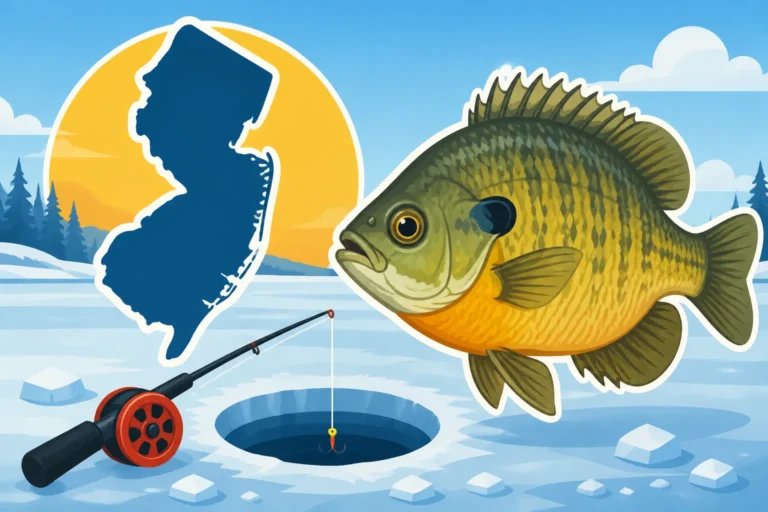
The thrill of ice fishing in New Jersey is undeniable – the crisp air, the quiet solitude, and the unique challenge of pulling fish from beneath a frozen surface. But that excitement can quickly turn to grave danger if you don't treat the ice with the respect it demands. Many anglers, eager to get out on the hard water, underestimate the real and present risks of fluctuating temperatures and unpredictable ice conditions. This comprehensive guide is here to equip you with the essential knowledge and practices to ensure your New Jersey ice fishing adventures are not only fruitful but, most importantly, safe.
Understanding Ice Safety: The Foundation of Your Winter Angling
Before you even think about drilling your first hole, you need to understand the fundamental principles of ice safety. It’s not just about a number; it’s about a dynamic, ever-changing environment where conditions can vary wildly even on the same body of water. Rushing onto untested ice or relying solely on what you think is safe is a recipe for disaster.
Ice Thickness Requirements for Safe Passage
One of the most common questions we hear from new ice anglers is, "How much ice do I need?" It's a critical question, and the answer isn't always as simple as a single number. The general rule of thumb provided by the New Jersey Division of Fish and Wildlife and other ice safety experts is to follow conservative guidelines.
For walking out onto the ice and fishing alone, you're generally looking for a minimum of 4 inches of clear, solid ice. This isn't just a suggestion; it's a safety standard. Imagine stepping onto ice that feels firm right near the shore, only to find it progressively thinner as you move towards deeper water or over a submerged spring. That initial feeling of security can be dangerously misleading. Always remember, 4 inches is a minimum for foot travel. When you start adding a snowmobile or ATV to the mix, those requirements jump significantly, often to 5-7 inches for snowmobiles and 8-12 inches for cars or small trucks, though driving vehicles onto New Jersey ice is generally discouraged and often prohibited. It’s crucial to understand that ice isn't uniformly strong. A clear, blue ice sheet is far more stable than white, slushy, or honeycombed ice.
Factors That Affect Ice Strength
Many anglers mistakenly believe that a few cold nights guarantee safe ice. Unfortunately, that's rarely the case. Ice strength is a complex calculation influenced by a multitude of factors, and understanding these can literally save your life. For instance, if you're wondering, "How Cold Does It Need to Be to Ice Fish in New Jersey?", remember that prolonged cold snaps are necessary, not just a couple of chilly evenings. Water currents, particularly in river systems like sections of the Delaware River, can thin ice from below, creating treacherous pockets of weak ice that are invisible from the surface. Even seemingly placid lakes can have hidden currents or springs that introduce warmer water, significantly compromising ice integrity in localized areas.
Snowfall is another major factor. A thick blanket of snow, while pretty, acts as an insulating layer, slowing down the freezing process. It also hides potential hazards like cracks, open water, or areas of dangerously thin ice. The weight of snow can also depress the ice, causing water to seep up through cracks and create slush, which then freezes into weaker, opaque ice. Furthermore, fluctuations in air temperature—a common occurrence in New Jersey winters—can lead to thawing and refreezing cycles. This process, known as "honeycombing," weakens the ice structure, making it brittle and prone to sudden collapse, even if it appears thick. Always be suspicious of ice that looks opaque or white, as it generally contains air pockets or has been subjected to freeze-thaw cycles, making it less stable than clear, black ice.
Essential Safety Gear for Ice Fishing Expeditions
You wouldn't go boating without a life vest, and you shouldn't step onto the ice without the right safety gear. This isn't about being overly cautious; it's about being prepared for the worst-case scenario. Even the most experienced ice anglers carry these items, because even they know that ice can be unpredictable.
Critical Life-Saving Equipment
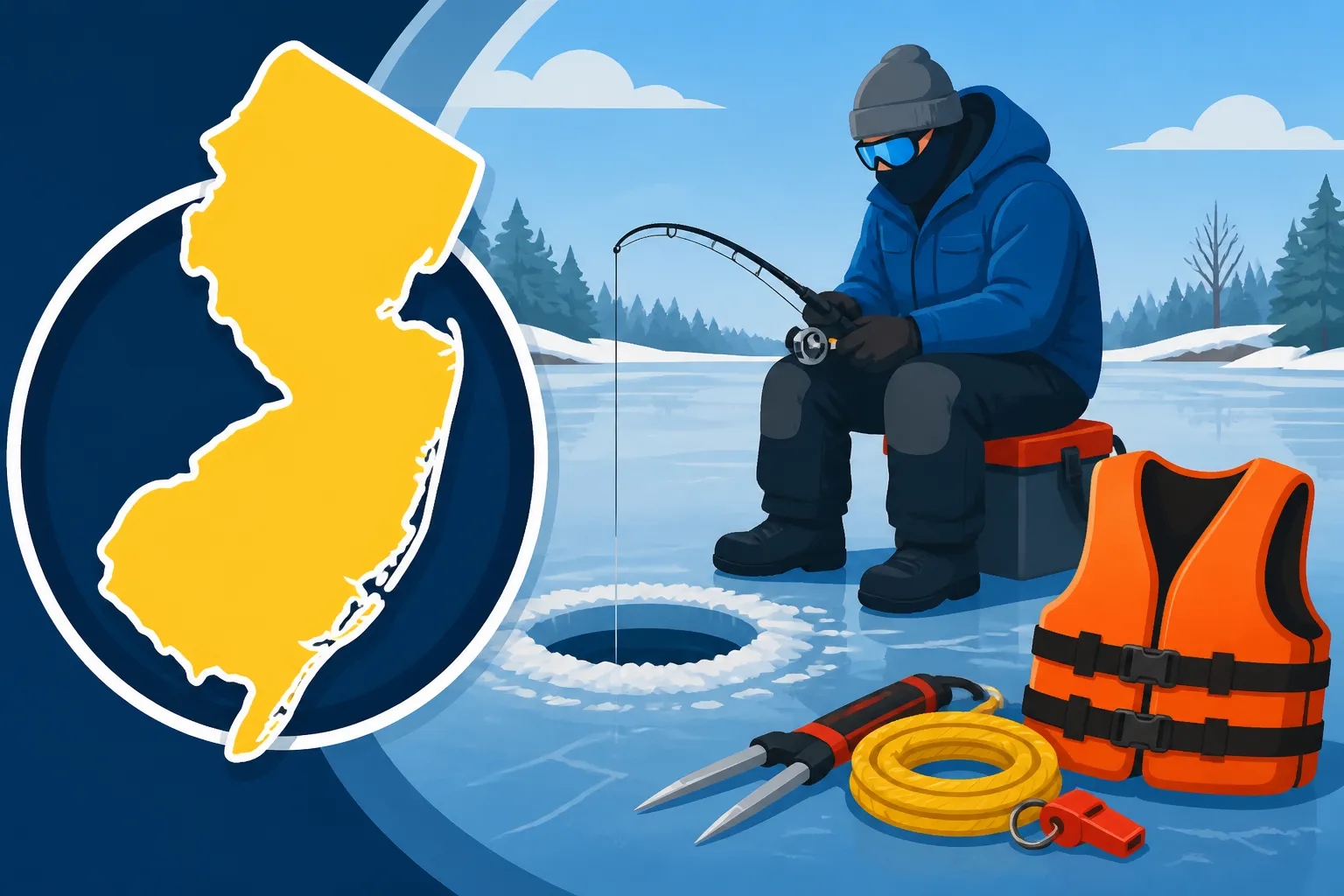
First and foremost, every single angler on the ice should be wearing a personal flotation device (PFD), often called a life vest. This might seem cumbersome, especially with all your winter layers, but it is absolutely non-negotiable. If you fall through, the shock of the cold water can instantly incapacitate you, making it impossible to stay afloat or even think clearly. A PFD will keep your head above water, buying you precious time. You can find excellent, lightweight fishing-specific PFDs on Amazon that are designed to be less restrictive.
Another essential item is a set of ice picks. These are two short, pointed handles connected by a cord, worn around your neck. If you plunge into the water, these picks give you the grip needed to pull yourself out onto the slick ice. Without them, trying to claw your way out of an ice hole is incredibly difficult, almost impossible, especially with numb hands. Carry a whistle to signal for help, and a fully charged cell phone in a waterproof case is also a smart addition. For a more detailed breakdown of what to wear for maximum safety and comfort, check out guides like "What to Wear Ice Fishing."
Navigation and Emergency Signaling Tools
Beyond personal flotation and self-rescue tools, having the right navigation and signaling equipment is crucial, especially if you venture far from shore or in low visibility conditions. A GPS device or a reliable GPS app on your smartphone can help you mark safe routes, open holes, and potential hazards, ensuring you don't wander into unknown territory. Many apps allow you to preload maps, so you're not relying on cell service in remote areas.
Carry a bright headlamp or flashlight, even during daylight hours, as conditions can change rapidly, or you might find yourself out longer than planned. In a whiteout or fog, it's easy to get disoriented, and a powerful light source can help others spot you. Flares or signaling mirrors are also excellent additions for attracting attention in a true emergency, especially if cell service is spotty, which it can be in some of New Jersey's more remote fishing locations. A small, waterproof first-aid kit, easily accessible, is also vital for dealing with minor injuries, cuts from hooks, or even early signs of frostbite.
Safe Practices on the Ice
Having the right gear is only half the battle; knowing how to behave on the ice is equally important. It's about developing a safety mindset and treating every ice fishing trip as a serious undertaking, not just a casual stroll.
The Buddy System and Communication
Never, ever ice fish alone. The buddy system isn't just for kids at summer camp; it's a fundamental safety rule for ice anglers. If you fall through, a companion can raise the alarm, throw you a rescue rope, or go for help. Even if you're just fishing a few yards apart, regular communication is key. Let someone on shore know your plans: where you're going, who you're with, and when you expect to return. This simple act creates an accountability check that can be life-saving.
Beyond verbal communication, establish non-verbal signals, especially if you're in a larger group spread out across the ice. A wave, a whistle, or a specific signal can alert others to a potential issue or a need for assistance. Keep your fishing hole locations in mind relative to each other, especially if you're drilling multiple holes. Avoid congregating too closely in one spot, as the combined weight can stress the ice, particularly if it's borderline thin. Spreading out distributes the load and reduces the risk of a localized collapse.
Avoiding Dangerous Areas and Monitoring Conditions
Understanding where not to fish is just as important as knowing where the fish are biting. Areas around inlets, outlets, bridge pilings, submerged logs, or rocky outcroppings are notorious for having weaker ice due to currents, warmer water flow, or localized heat absorption. Always approach these areas with extreme caution, or better yet, avoid them entirely. If you're exploring new territory, use an ice spud bar or auger to test the ice every few steps. A spud bar is a heavy chisel-like tool that allows you to strike the ice, feeling for weaknesses before committing your full weight. This is a practice many seasoned anglers swear by when venturing onto new or unfamiliar ice.
Keep a constant eye on the weather and listen for changes in the ice. Cracks, groans, and pops are normal as ice expands and contracts, but loud, sudden reports or visible widening of cracks could indicate serious stress. If you hear suspicious noises or see water pooling on the surface, it's time to pack up and head for shore. Pay attention to local reports from the New Jersey Division of Fish and Wildlife and other trusted sources. They often provide updates on ice conditions for popular spots like Lake Hopatcong or Round Valley Reservoir, giving you valuable insights on where to find "Best New Jersey Reservoirs for Ice Fishing Safety."
Emergency Preparedness and Response
Even with the utmost caution and all the right gear, accidents can happen. Knowing what to do in an emergency, particularly if someone falls through the ice, is paramount. Panic is your biggest enemy; a clear head and decisive action can be the difference between a close call and a tragedy.
What to Do If Someone Falls Through the Ice
The first rule is to stay calm. Yelling and panicking won't help. Immediately call for help if you have a phone, dialing 911 or the local emergency number. Do not run towards the hole, as this can put you at risk of falling through as well. Instead, extend a rescue device to the person in the water. This could be a throw rope, a long branch, a ladder, or even your fishing auger. Lie flat on your stomach to distribute your weight, and slowly crawl towards the edge of the hole, pushing the rescue device ahead of you.
Encourage the person in the water to kick their legs and try to pull themselves out with the help of the extended item. Once they are out of the water, help them crawl or roll away from the weak ice and move quickly towards shore. Time is of the essence due to the rapid onset of hypothermia. Even if they seem fine, get them immediate medical attention. Remember, your safety comes first: don't become a second victim.
Self-Rescue Techniques
If you are the one who falls through the ice, fighting panic is the hardest part. The cold water will steal your breath, and your muscles will immediately cramp. The first thing to do is control your breathing. Don't shed your clothes; layers actually help trap some body heat, and a PFD will keep you afloat. Orient yourself back towards the direction you came from, as that is usually where the ice was strongest.
Use your ice picks to get a grip on the ice edge. Kick your feet vigorously to propel yourself horizontally onto the ice, much like a seal. Once you get your chest onto the ice, roll away from the hole, spreading your weight as much as possible, until you reach stronger ice. Once clear, immediately head for shore and seek warmth. Changing into dry clothes is critical. Carrying a waterproof bag with a full change of clothes, especially wool socks and thermal layers, in your sled is always a smart move. Many quality dry bags and thermal base layers are readily available on Amazon.
Advanced Safety Considerations and Risk Mitigation
For those who regularly venture onto New Jersey's frozen lakes and ponds, it's worth considering advanced safety measures and ongoing risk mitigation strategies. This includes understanding the nuances of local ice conditions and investing in more specialized safety equipment.
Understanding New Jersey's Unique Ice Challenges
New Jersey's geography means highly variable ice conditions. From the deep, clear waters of Round Valley Reservoir to the shallower, often snow-covered lakes in the northern highlands, the characteristics of the ice will differ significantly. Southern New Jersey's milder winters mean ice fishing seasons are often shorter and less reliable, making ice conditions even more unpredictable. It's not uncommon to find areas of strong ice adjacent to dangerously thin patches, especially on larger, wind-swept bodies of water.
Rivers and streams pose a particular challenge due to constant currents that erode ice from below. Even seemingly still sections of rivers can have surprisingly strong subsurface flow. Familiarize yourself with the specific characteristics of the bodies of water you plan to fish. Talk to local bait shops, wardens, and experienced anglers for up-to-date ice reports, but always verify conditions yourself. Never rely solely on another person's assessment; personal inspection is critical. This hyper-local approach to understanding conditions is why seasoned anglers in New Jersey often prefer specific areas known for consistent ice, making sure they’re aware of any "New Jersey Fishing Regulation Changes for 2026" that might impact access or safety.
Specialized Gear and Practices for Enhanced Safety
For those who frequently ice fish, investing in specialized equipment can significantly enhance safety. An ice suit, for instance, is a purpose-built flotation device designed to provide warmth and, crucially, keep you afloat if you fall in. Unlike a traditional PFD worn under or over a heavy coat, an ice suit integrates flotation directly into the garment, making it less bulky and more effective. Brands like Frabill and Striker offer excellent ice suits that can be found at local outdoor retailers or on Amazon.
Consider carrying a satellite messenger device for remote locations where cell service is non-existent. Devices like the Garmin inReach Mini allow you to send SOS signals and communicate via text message, even when miles from civilization. Always carry extra rope, a fully charged portable power bank for your phone, and multiple sources of fire (waterproof matches, lighter, fire starter) in case you need to build a warming fire ashore. Remember, ice safety isn't a one-and-done check; it's an ongoing commitment to vigilance, preparedness, and common sense every time you step onto the hard water.
Here's a quick look at recommended ice thickness for various activities:
| Activity | Recommended Ice Thickness (Clear, Solid Ice) | Notes |
|---|---|---|
| Individual Ice Angler (Foot) | 4 inches | Minimum for safe foot travel. Always test as you go. |
| Small Group (Foot) | 5-6 inches | For two or three anglers spread out; avoid congregating. |
| Snowmobile or ATV | 5-7 inches | Check local regulations; often discouraged or prohibited. |
| Small Car or Light Truck | 8-12 inches | Rarely recommended on New Jersey lakes; always verify conditions. |
| Ice Shanty (Permanent) | 12-15 inches | Requires significant, consistent ice; check local permits. |
Please keep in mind that these are general guidelines. Ice conditions can vary dramatically across a single body of water, and no ice is ever 100% safe. Always exercise extreme caution.
Disclaimer
The information provided in this guide is for general informational purposes only and is not a substitute for professional advice or local regulations. Ice conditions can be highly unpredictable and dangerous. Always consult the New Jersey Division of Fish and Wildlife for the most current regulations, ice advisories, and safety guidelines before venturing onto the ice. Engaging in ice fishing carries inherent risks, and personal safety is the responsibility of each individual.