How to Fish for Skate and Ray From the Beach
Many anglers hitting the beautiful beaches of New Jersey often find themselves reeling in something a little different than the stripers or fluke they might have been targeting: skates and rays. While these unique bottom dwellers are sometimes seen as an accidental catch, they offer a fantastic fight and consistent action, especially when other more popular species are playing hard to get. If you're tired of slow days and want to learn how to intentionally hook into these fascinating creatures right from the surf, this comprehensive guide will equip you with all the knowledge you need.
Understanding Skates and Rays in New Jersey Waters
Before you can effectively fish for skates and rays, it helps to know a bit about them. They're both cartilaginous fish, meaning their skeletons are made of cartilage rather than bone, just like sharks. They're built for life on the bottom, with flattened bodies perfectly adapted for camouflaging themselves in the sand and navigating the currents close to the seabed.
Common Species You'll Encounter
When you're casting your lines into the New Jersey surf, you're most likely to come across a few specific species of skates and rays. Skates are generally distinguished by having a more pronounced, often thorn-covered tail that lacks a stinging barb, and they often lay egg cases that look like rectangular, leathery pouches. Rays, on the other hand, typically have whip-like tails that can possess a venomous barb, though not all species you encounter will have one.
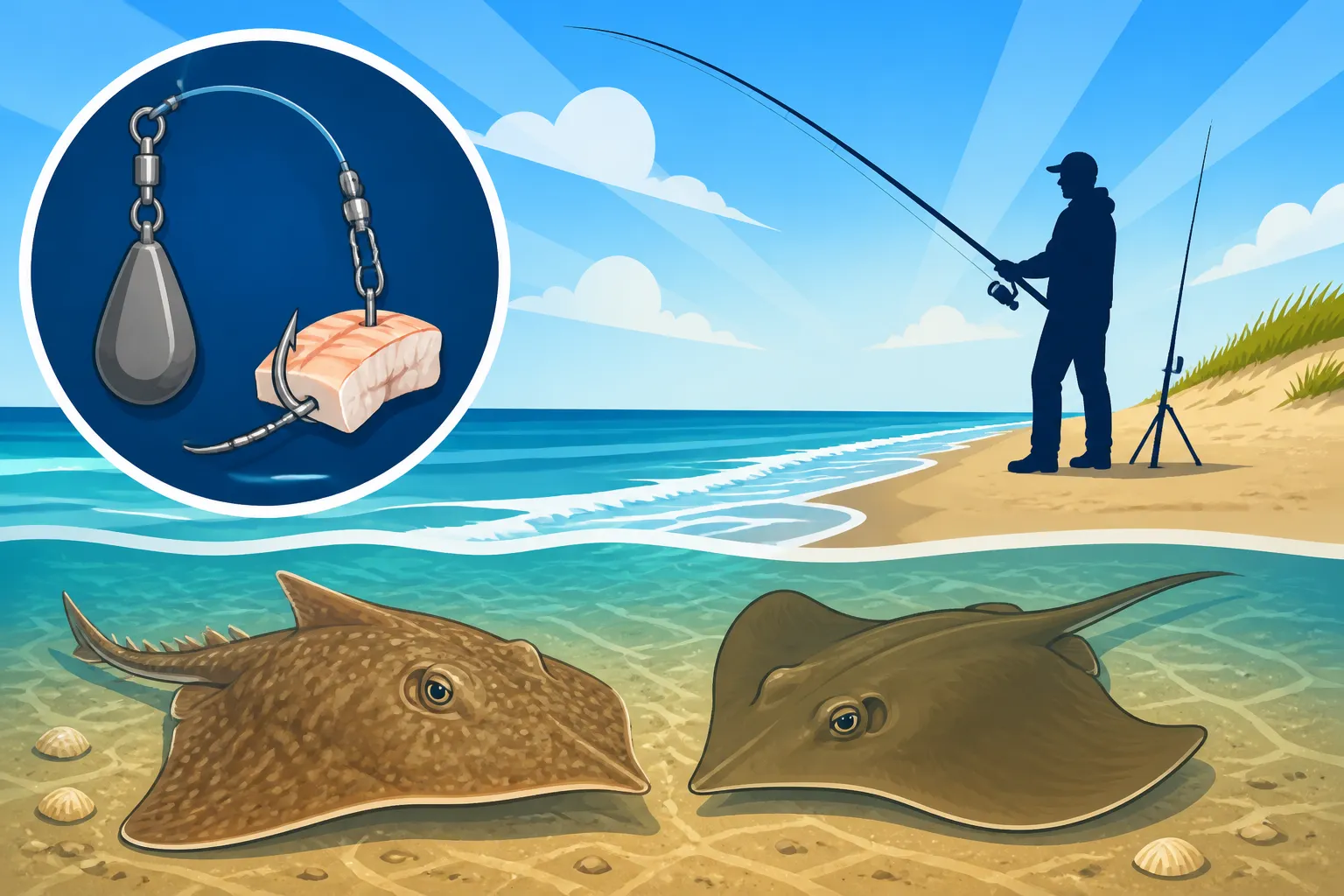
For skates, the Little Skate and Clearnose Skate are very common in our waters, especially near the shore. You might also encounter Winter Skates, particularly in cooler months, which can grow quite a bit larger. Rays include species like the Smooth Dogfish (often mistaken for a small shark, but it's a type of ray), the Cownose Ray with its distinctive, almost wing-like head, and less commonly, Southern Stingrays. It's easy to mistake them for other species, especially if you're not used to their unique shape. A skate, for example, often has two small dorsal fins near the tip of its tail, while rays usually lack these and have a much longer, thinner tail, often with that infamous barb closer to the body.
Why They're a Great Target for Beach Anglers
While some seasoned anglers might grumble about skates and rays being "trash fish" or bycatch, I've always found them to be an incredibly rewarding species to target, especially for those newer to surf fishing or looking for consistent action. For starters, they're generally abundant along the New Jersey coast, meaning you're often rewarded with bites even on days when the striped bass or fluke seem to have lockjaw. They’re accessible, too—you don't need a boat or specialized equipment beyond a solid surf fishing setup.
Moreover, skates and rays put up a surprisingly strong fight. They're not speed demons, but they're incredibly powerful, often digging into the sand or using their broad bodies to catch the current, making for a heavy, sustained pull that tests your tackle and your technique. This makes them excellent practice for fighting bigger, more sought-after species, and a great way to hone your New Jersey Surf Fishing Techniques. Catching one of these unique fish also offers a fantastic educational opportunity, allowing you to observe their fascinating anatomy up close before a careful release.
When and Where to Find Them Along the Jersey Shore
Just like any other fish, skates and rays have preferences when it comes to the time of year and the specific spots they like to hang out. Knowing these patterns will significantly increase your chances of hooking up.
Prime Seasons for Skate and Ray in New Jersey
Skates and rays are present in New Jersey waters year-round, but their activity near the beaches peaks during specific seasons. You'll generally find the best action from spring through early fall. As the water temperatures rise in late spring and early summer, many species move closer to shore, making them more accessible to surf anglers. This pattern continues through the warmer months, with excellent opportunities often presenting themselves during the summer heat and into the pleasant days of early autumn.
During the colder winter months, many species of skates and rays will move offshore into deeper, more stable temperature zones. While you might still catch a few stragglers, especially if the weather stays mild, the consistent action you find in summer tends to diminish. Therefore, planning your trips for the spring, summer, and fall will give you the best shot at a productive day chasing these bottom dwellers.
Identifying Ideal Beach Locations
Skates and rays are primarily bottom feeders, so they prefer sandy or muddy bottoms where they can easily burrow and hunt for small invertebrates, crabs, and baitfish. When you're standing on a New Jersey beach, looking out at the surf, you're trying to identify those subtle features that create ideal feeding grounds. Think about areas with sloughs (deeper cuts parallel to the beach), troughs, and sandbars. Fish often congregate in these areas because they act as natural pathways and ambush points for bait.
You'll find these features on almost any stretch of the Best New Jersey Beaches for Surf Fishing. For instance, iconic locations like Island Beach State Park, known for its extensive undeveloped coastline, offer plenty of these prime bottom structures. When you're there, look for darker water or areas where waves are breaking differently, indicating changes in depth. Understanding how to "read the beach" for these subtle clues is a skill that will pay dividends not just for skates and rays, but for all surf species. Don't forget, you might need an Island Beach State Park Surf Fishing Permit Cost if you plan to drive your 4×4 on the beach.
The Role of Tides and Structure
Tides play a crucial role in surf fishing, and targeting skates and rays is no exception. Generally, the incoming tide and the beginning of the outgoing tide are excellent times to fish. As the tide comes in, it pushes baitfish and crabs closer to shore, stirring up the bottom and creating a feeding frenzy for skates and rays. High tide can also be productive, especially if you can reach deeper sloughs that become accessible closer to the beach. However, don't overlook a slow, steady bite during the last hour or two of the outgoing tide, as fish might be funneling out of certain areas.
Structure, whether natural or man-made, is also a magnet for skates and rays. Jetties, rock piles, and even submerged debris create currents and eddies that concentrate food and provide cover. While you need to be careful fishing near rocks, as snags can be common, these areas can be incredibly productive. Learning How to Fish Around Jetties Safely will definitely enhance your success, as these structures often create deeper pools and current breaks where bottom feeders love to hang out. Always pay attention to how currents are moving around these structures, as this will tell you where the food is likely being concentrated.
Essential Gear for Your Beach Setup
Having the right equipment makes all the difference when you're targeting strong, bottom-dwelling fish from the surf. You don't need anything overly complex, but sturdy, reliable gear is key to both casting effectively and handling your catch.
Rods and Reels for the Job
For surf fishing for skates and rays, you're going to want a substantial setup. A long, heavy-action surf rod, typically between 10 to 12 feet, is your best friend. This length isn't just for casting those heavy sinkers far out into the surf; it also provides the leverage you need to fight a powerful fish that wants to dig into the sand. The longer rod helps lift the fish over breaking waves and prevents your line from getting tangled in the surf. For more details on rod selection, check out our guide on Best Rod Length for Jersey Shore Surf Fishing.
Pair your surf rod with a large, durable spinning reel, in the 6000 to 8000 series size range. You need a reel with a robust drag system, as skates and rays will definitely test it with their powerful, sustained runs. High line capacity is also important, not necessarily because these fish will strip all your line, but because you'll likely be casting heavy sinkers a good distance, and you want plenty of main line for shock absorption and margin for error. A quality reel from a trusted brand will stand up to the corrosive saltwater environment and the demands of fighting big fish.
Line Selection and Leader Material
When it comes to your main line, you've got a couple of choices: braided line or monofilament. I personally lean towards braided line for surf fishing because its thinner diameter allows for longer casts with the same breaking strength, and its lack of stretch provides incredible sensitivity, letting you feel even the subtle nudges of a skate or ray. A 30 to 50 lb test braided line is usually sufficient for these species. However, because braid has no stretch and can sometimes snap under extreme casting force, you'll need a shock leader. This is a section of heavier monofilament line, typically 50 to 80 lb test, tied to the end of your main line, about twice the length of your rod. It absorbs the shock of casting heavy weights and provides extra abrasion resistance.
Your terminal leader, the part of your rig closest to the hook, should also be a stout material. I recommend 50 to 80 lb fluorocarbon or heavy monofilament. Skates and rays aren't known for sharp teeth like bluefish, but they can still abrade lighter lines with their rough skin or when they roll on the line. Strong swivels are essential for connecting different parts of your rig and preventing line twist. For more insights into line choices, consult our article on What Pound Test Line for Surf Fishing.
Must-Have Terminal Tackle
This is where your specific setup for skate and ray fishing really comes into play.
- Hooks: For skates and rays, I highly recommend using circle hooks, ranging from 5/0 to 8/0 in size. Circle hooks are fantastic because they are designed to hook the fish in the corner of the mouth, which is much safer for the fish and makes for easier release. They also greatly reduce the chance of gut-hooking, which is a major concern for catch-and-release fishing.
- Sinkers: You'll need pyramid, sputnik, or coin (pancake) sinkers. The weight will depend on the current and wave action, but generally, 3 to 6 ounces will do the trick. Pyramid and sputnik sinkers are excellent for holding your bait in place on the sandy bottom, preventing it from drifting in strong currents. The sputnik sinker, with its deployable wires, is particularly effective at anchoring in rough conditions. For tips on choosing the right sinker, check out How to Rig a Sinker for Surf Fishing in Windy Conditions.
- Swivels, Snaps, and Beads: These small but mighty components are crucial for constructing effective rigs. High-quality barrel swivels prevent line twist, snap swivels make changing sinkers easy, and beads can protect knots from the abrasion of sliding sinkers or provide visual attraction.
You can find a wide variety of pre-made surf fishing rigs on platforms like Amazon, which can save you time and ensure you have a reliable setup if you're not keen on tying your own from scratch.
Other Handy Beach Essentials
Beyond your rod, reel, and terminal tackle, there are a few other items that will make your beach fishing experience much more comfortable and efficient.
- Rod Holders (Sand Spikes): These are absolute necessities. Long, sturdy sand spikes keep your rods upright and secure in the sand, preventing your expensive reel from getting gritty and saving your back from constantly holding a heavy surf rod.
- Cooler: Essential for keeping your bait fresh and your drinks cold. If you plan on keeping any legal fish, it’s also crucial for preserving your catch.
- Pliers and Knife: Long-nose pliers or a dedicated dehooker are vital for safely removing hooks, especially from larger skates or if a ray presents its barb. A sharp knife is indispensable for cutting bait and line.
- Rag or Towel: Skates and rays can be quite slimy, and a rag helps with handling, especially for photo opportunities and quick, safe releases.
- Sun Protection: Hat, sunglasses, and sunscreen are non-negotiable for a long day on the beach.
- Beach Cart: Let's be real, hauling all this gear across soft sand can be a workout. A good beach cart or wagon with large, wide wheels is a serious back-saver. You can find many excellent options for robust beach carts on Amazon that will make transporting your tackle box, cooler, and rods a breeze.
Having these essentials organized and ready will ensure a much more enjoyable and productive outing chasing skate and ray.
Rigging, Bait, and Techniques for Success
Now that you've got your gear sorted, let's talk about how to put it all together and effectively present your bait to those hungry bottom dwellers.
The Best Rigs for Skate and Ray
For targeting skates and rays from the beach, two main rig types stand out:
- The Fish-Finder Rig (Sliding Sinker Rig): This rig is incredibly effective for bottom feeders. It consists of a sliding sinker (like a pyramid or sputnik) on your main line, followed by a swivel, and then a leader (18-36 inches) with your hook. The beauty of this rig is that the line can slide freely through the sinker, allowing the fish to pick up the bait and swim off without feeling the resistance of the weight. This often leads to more confident bites and better hook-ups. It's especially good for species that might "mouth" the bait before committing.
- The Two-Hook Bottom Rig (Hi-Lo Rig): This rig features two hooks tied at different heights above the sinker, allowing you to present two baits simultaneously, perhaps at slightly different levels in the water column or with different bait types. It's a classic for surf fishing and very effective for any bottom feeder. To tie it, you'd typically have your sinker at the very bottom, and then two snelled hooks tied into dropper loops at intervals up the leader. While it's sometimes used for fluke, learning How to Tie a Fluke Rig provides a great foundation for understanding bottom rigs generally, and you can easily adapt it for skate and ray.
Both rigs are relatively simple to tie, and practice will make perfect. You can even find pre-tied versions at many tackle shops and online retailers.
Top Bait Choices and Presentation
Skates and rays are opportunistic feeders, and they love anything smelly and readily available on the bottom. Here are some of the most effective baits:
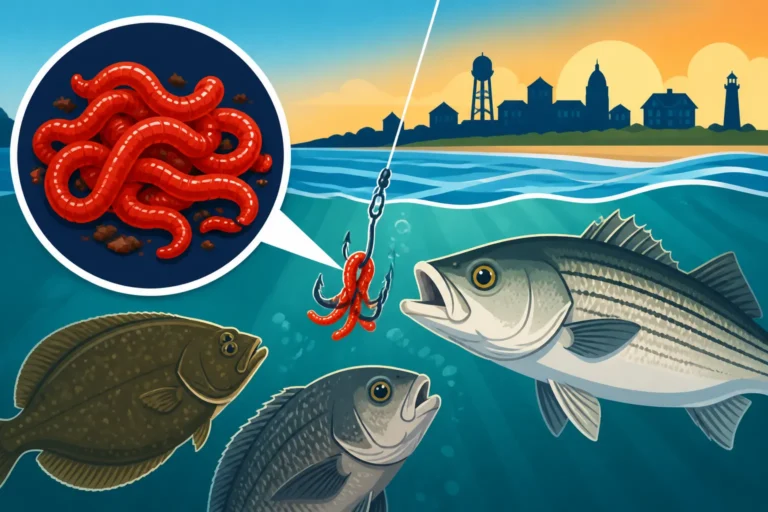
- Bunker (Menhaden): Fresh or frozen, cut bunker is a top choice. Its oily, strong scent disperses well in the water, attracting fish from a distance. Cut it into chunks or long strips, making sure it's securely hooked.
- Clam: Fresh clam is a classic for a reason. It's incredibly smelly and attractive to almost all bottom fish. Use a bait thread or elastic to secure it firmly to your hook, as it can be soft.
- Squid: Durable and effective, squid can be cut into strips or left whole (for larger hooks) and is another excellent all-around bottom bait.
- Mullet, Mackerel, Spot: These oily fish, cut into chunks or strips, also make fantastic baits, especially when fresh.
The key to presentation is to ensure your bait is securely fastened to the hook so it withstands the cast and the current, staying enticing for as long as possible. Don't be shy about using a generous chunk of bait; skates and rays have big mouths! You can often pick up frozen bunker or other baits at your local tackle shop, or even buy larger quantities online from Amazon if you plan on frequent trips. For more general advice on baits, our guide on Best Bait for Surf Fishing in New Jersey is a great resource.
Casting and Fishing Strategy
Once your rig is baited, it's time to cast. The goal is often to get your bait out beyond the immediate wash of the waves, into those deeper troughs and channels where fish are feeding. A powerful, overhead cast is usually required for this. Try to fan cast—making casts to different areas (left, right, and straight out) to cover more water and locate where the fish are holding.
Patience is a virtue when fishing for skates and rays. Once your bait is out there, put your rod in a sand spike and watch the tip carefully. A bite can be anything from a subtle tap-tap to a slow, heavy bend of the rod tip. Skates and rays often "mouth" the bait or swim off slowly before really committing. If you're using circle hooks, resist the urge to violently "set" the hook. Instead, when you feel a steady pull, just lift the rod tip gently and start reeling. The circle hook is designed to turn and catch the corner of the fish's mouth as pressure is applied. Re-bait frequently, especially if you haven't had a bite in 20-30 minutes, to ensure fresh scent is in the water.
Fighting and Handling Your Catch
When you hook into a skate or ray, be prepared for a heavy, determined fight. They won't make blistering runs like a striped bass, but they will use their broad bodies to catch the current, making it feel like you've hooked a stubborn log. Keep a steady bend in your rod and use a slow, pumping motion to gain line. Reel down when you drop the rod tip, then lift again. Be ready for strong head shakes and sudden bursts of resistance as they try to dig into the sand.
Once you get the fish close to shore, exercise caution. For rays, always be aware of the potential for a venomous barb on their tail. While not all species have one, it's best to treat them all with respect. Skates, though lacking a barb, can be rough-skinned and have sharp spines or thorns on their bodies and tails. Use a wet rag or heavy gloves when handling them. If you're planning to release the fish, try to keep it in the water as much as possible. A long-nose pliers or dehooker is essential for a quick and safe hook removal. Gently slide the hook out, ensuring minimal stress to the fish. For detailed guidelines on proper release, refer to our Catch and Release Rules in New Jersey article.
Many anglers choose to release skates and rays, but some species of skates are considered excellent table fare by those in the know. Before keeping any fish, always double-check the current New Jersey Daily Bag Limits by Species to ensure compliance with regulations.
Disclaimer
This article is for general informational purposes only and does not constitute professional advice. Laws, prices and regulations vary by location and change over time. Consult a qualified professional for guidance on your specific situation.