Absecon Bay Fishing Access Near Atlantic City
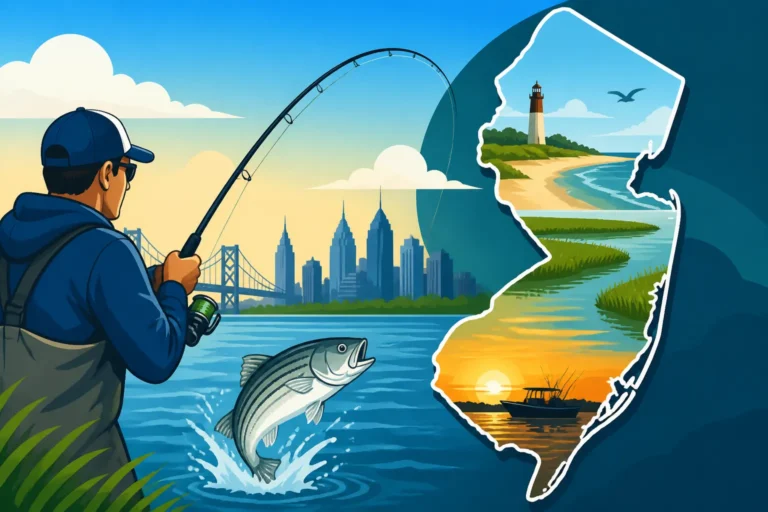
If you've ever stood on the Atlantic City boardwalk, gazing out at the vast expanse of water, you might feel a mix of excitement and overwhelm, especially if you're thinking about fishing. Knowing where to start, where you can actually access the water, and what species are biting can feel like solving a complex puzzle. Absecon Bay, nestled right behind the glitz and glamour, offers incredible fishing opportunities often overlooked by those just focused on the ocean. This guide will take you by the hand and walk you through every accessible nook and cranny of Absecon Bay, helping you unlock its fishing potential.
Understanding Absecon Bay's Unique Charm for Anglers
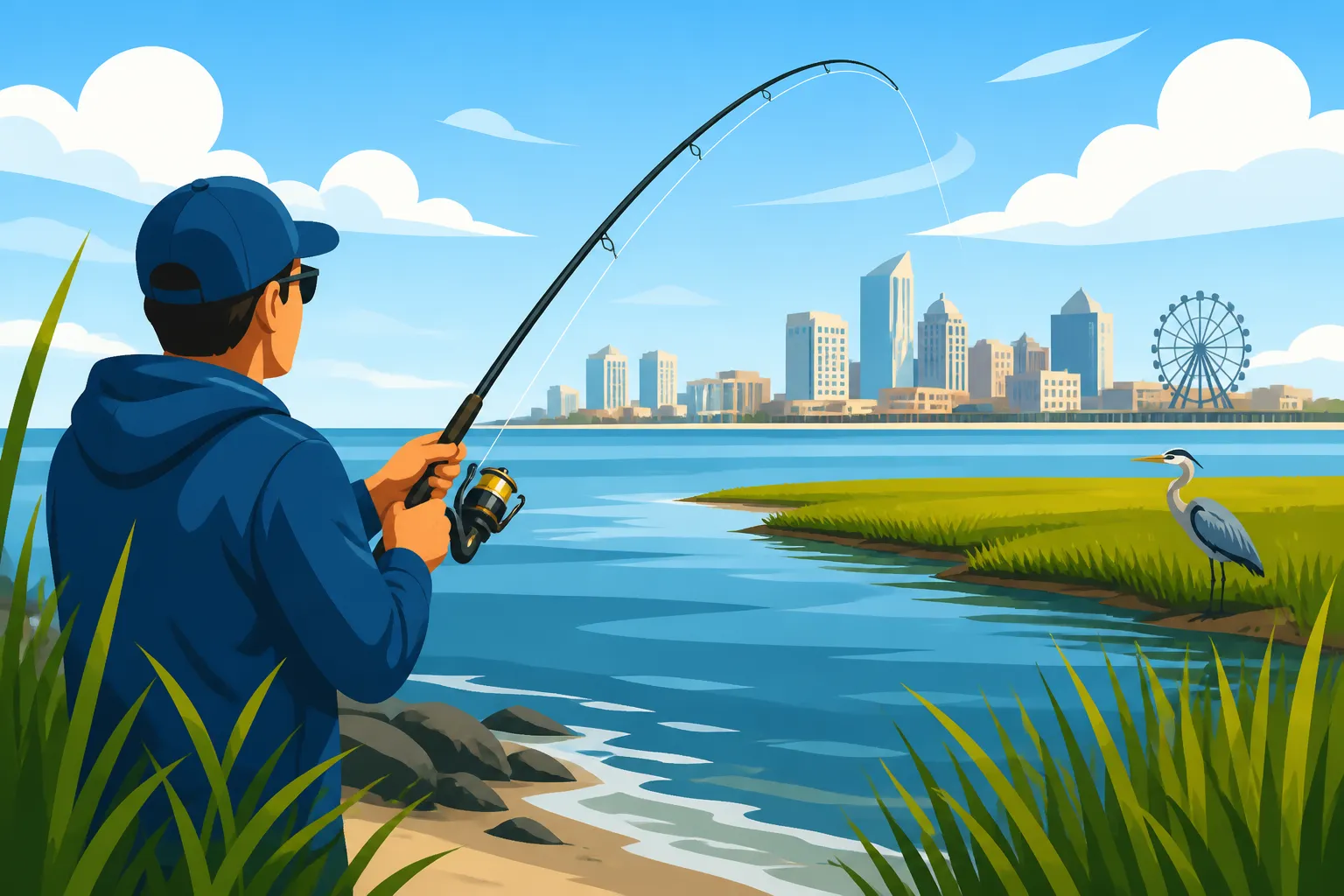
Absecon Bay isn't just a watery backdrop to Atlantic City; it's a vibrant, dynamic estuary system that provides fantastic fishing for a variety of species. What makes it so special is its intricate network of channels, mud flats, sod banks, and marsh islands, all protected from the full force of the open ocean. This sheltered environment, coupled with its close proximity to the inlets, creates a rich feeding ground that attracts baitfish and, consequently, a wide array of game fish. It’s a truly diverse ecosystem, supporting everything from migratory giants to resident panfish.
It’s easy to get caught up in the allure of offshore fishing or the big waves of the surf, but the bay offers a different, often more consistent, challenge. It's particularly welcoming for those who prefer calmer waters, whether they're fishing from shore, a kayak, or a small boat. The sheer amount of structure—docks, bridge pilings, mussel beds, and grass flats—provides endless ambush points for predatory fish. Don't underestimate the productivity of these waters; many local anglers consider the bay their secret weapon, especially when the ocean is too rough or the fish are moving closer to shore to feed.
The Bay's Geography and Ecosystem
Absecon Bay is part of a larger coastal bay system in New Jersey, interconnected with other waterways like Reeds Bay and Great Egg Harbor Bay. Its geography is characterized by relatively shallow waters, often averaging just a few feet deep, but with deeper dredged channels that serve as highways for both fish and boats. These channels, like the main Intracoastal Waterway (ICW), are crucial fishing grounds, providing cooler water and easier navigation for fish during extreme tides or temperature changes. The marshlands bordering the bay are not just pretty scenery; they're vital nurseries, teeming with juvenile fish, crabs, and shrimp, forming the base of the food chain.
The depth changes rapidly in many areas, going from ankle-deep flats to 15-foot channels in a matter of yards. This topography creates current funnels and eddies where baitfish concentrate, making them prime targets for game fish. The bottom composition varies from soft mud in the marsh creeks to sand and shell in the main channels, each attracting different types of forage and, in turn, different fish. Understanding these subtle shifts in the underwater landscape is key to consistent success in Absecon Bay. The constant ebb and flow of the tides further enriches this ecosystem, pushing bait in and out of the creeks and stimulating feeding frenzies.
Primary Fish Species You'll Encounter
Absecon Bay is a year-round fishery, though the target species change with the seasons. Depending on when you visit, you could be chasing a variety of popular game fish. Here’s a rundown of what you’re likely to find:
- Fluke (Summer Flounder): These flatfish are a staple of Absecon Bay fishing, especially from late spring through early fall. They love to ambush baitfish from sandy or muddy bottoms near structure or channel edges. If you're looking to catch some dinner, learning how to fish for fluke in New Jersey is a must.
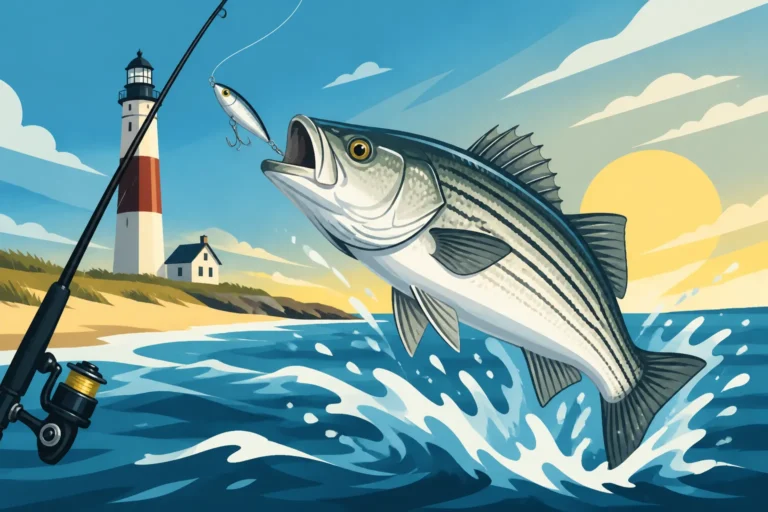
- Striped Bass: The "king of the surf" also loves the bay. You'll find them in the spring and fall migrations, often moving into the shallower creeks and around bridge pilings to chase bait. Resident stripers can be caught all summer, especially around lights at night. For more details on these magnificent fish, check out our guide on how to fish for striped bass in New Jersey.
- Weakfish: Though their numbers have fluctuated over the years, weakfish make a strong showing in the bay during warmer months. They're known for their beautiful iridescent colors and the "drumming" sound they make. They prefer soft plastics and small jigs.
- Bluefish: These aggressive fighters are present throughout the warmer months, often in huge schools, creating thrilling "bluefish blitzes" as they tear through baitfish. Be warned, they have razor-sharp teeth! If you’re interested in when these fish are most active, our guide on New Jersey Bluefish Season Peak Timing can provide valuable insights.
- Tautog (Blackfish): Found primarily around rocky structures, bridge pilings, and wrecks within the bay, tautog are hard-fighting and delicious. They are a cold-water species, so the best time to target them is usually in the cooler shoulder seasons.
- Black Sea Bass: While often associated with offshore wrecks, you can find black sea bass around some of the deeper structures and artificial reefs within the bay, especially during their open season. Our article on New Jersey Black Sea Bass Season and Limits details when and where to find them.
- Crabs: Not just fish! Absecon Bay is fantastic for blue claw crabbing, a popular family activity. You'll find them in abundance, especially during the summer. All you need is a hand line, a trap, and some bait like chicken necks.
Each of these species requires slightly different approaches, but the beauty of Absecon Bay is that you often don't have to travel far to encounter several on the same trip.
Public Access Points for Shore and Kayak Fishing
One of the greatest assets of Absecon Bay is the sheer number of public access points, particularly if you're keen on shore or kayak fishing. You don't always need a fancy boat to get in on the action. From bustling city parks to quieter marsh edges, there are plenty of spots to cast a line. However, some areas offer better opportunities and more amenities than others, so knowing where to go can save you a lot of frustration.
When scouting for shore fishing spots, always look for areas with current, structure, or access to deeper water. Bridge pilings, docks (where public fishing is permitted), and jetty tips are often hot zones. For kayak anglers, shallow back bays and marsh creeks provide fantastic, often undisturbed, fishing for species like fluke and small striped bass. Just remember to be mindful of private property and respect local signage.
Atlantic City and Ventnor City's Shoreline Spots
Even within the urban landscape of Atlantic City, there are several prime locations to wet a line in Absecon Bay. These spots often offer the convenience of being close to amenities, though they can sometimes be a bit crowded, especially during peak season.
- Gardner's Basin: This is arguably the most well-known and accessible spot for bay fishing in Atlantic City. Located at the northern end of the city, Gardner's Basin offers a public fishing pier that extends into the bay. It's a fantastic spot for catching fluke, stripers, and bluefish, particularly on a moving tide. The surrounding waters are relatively deep, and there's plenty of structure from the docks and boats. You'll often see anglers using bloodworms or clam for stripers and bucktails or Gulp! for fluke. There are also bait and tackle shops nearby, making it super convenient. Plus, it’s a great spot for families, with attractions like the Atlantic City Aquarium.
- Frank S. Farley Marina (Golden Nugget Area): While primarily a marina for private boats, there are often areas around the perimeter or near the inlet that offer shore access. It's worth exploring the edges, especially where the marina meets the natural bay. Striped bass and bluefish can often be found chasing bait around the dock lights at night. Just be respectful of private property and boaters.
- Kennedy Plaza / Albany Avenue Bridge: The area around the Albany Avenue Bridge, which connects Atlantic City to Ventnor, offers some bank fishing opportunities, especially on the Atlantic City side. The bridge pilings themselves can hold fish, and the currents around the bridge are excellent for drift fishing from a kayak or small boat. Shore anglers might find success casting lures or bait into the deeper channels created by the bridge. Parking can be a bit tricky here, so plan ahead.
- Ventnor City Fishing Pier: Although often associated with ocean fishing, the Ventnor City pier actually extends out into the ocean. However, for those willing to venture just a bit further south, the bay side of Ventnor and Margate offers numerous street ends with bay access. While not as developed with piers, these spots can be excellent for launching a kayak or casting into shallow grass flats for fluke and smaller stripers. It's quieter than Atlantic City and provides a more serene fishing experience.
These urban and suburban spots offer a blend of convenience and productive fishing, making them ideal for both quick trips and longer, more dedicated outings.
Brigantine Island Access and Boat Ramps
Just across the bridge from Atlantic City, Brigantine offers a different vibe entirely – more relaxed, more focused on outdoor recreation. This island is a gem for bay anglers, with numerous points of access that cater to both shore-bound and small-boat fishermen. The bay side of Brigantine is a labyrinth of productive creeks and channels, making it a favorite among locals.
- Brigantine Boulevard (Bay Side): Along Brigantine Boulevard, which runs parallel to the bay, you'll find numerous pull-offs and street ends that provide direct access to the water. These are fantastic for wade fishing, kayak launching, or simply casting from the bank. The shallow grass flats here are prime ambush spots for fluke and provide excellent cover for juvenile striped bass. Many of these areas are unmarked, offering a true "local spot" feel. Look for areas with slight depressions or outflows from the marsh, as these can concentrate baitfish.
- Brigantine Municipal Marina (Brigantine Blvd): This marina offers a public boat ramp that's a perfect launching point for exploring the Brigantine side of Absecon Bay. It's usually well-maintained and provides ample parking, though there may be a launch fee during peak season. From here, you can easily access the deeper channels and marsh islands that dot the bay. It’s an ideal starting point if you’re planning a day of drifting for fluke or targeting stripers around structure.
- Free Launch Areas (Various Street Ends): Beyond the main marina, many street ends on the bay side of Brigantine offer small, informal spots to launch a kayak or canoe. These are generally unpaved and might require a bit of effort to get your craft in the water, but they provide access to some truly serene and productive backwaters. These hidden gems are perfect for those seeking solitude and a more intimate fishing experience, away from the crowds. Always check local regulations regarding parking and access at these informal spots.
Brigantine's bay side is a fantastic alternative to the more bustling areas of Atlantic City, offering diverse fishing opportunities in a more tranquil setting. Just be aware of the tides, as some of these spots can become very shallow at low tide, making launching or retrieving a boat challenging.
Mainland Town Opportunities
While Atlantic City and Brigantine hog much of the spotlight, the mainland towns bordering Absecon Bay also offer excellent, often less-crowded, fishing access. These spots are typically less developed but provide superb opportunities for those willing to explore a little further inland. Towns like Northfield, Linwood, and Somers Point are often overlooked by visitors but are cherished by residents for their quiet, productive waters.
- Docks and Bulkheads in Northfield and Linwood: Many of the small, residential streets in Northfield and Linwood that dead-end at the bay have small public access points or bulkheads where you can fish. These spots might not have big piers, but they offer direct access to tidal creeks and channels. Often, you can find quiet areas to cast for panfish, small bass, or even fluke on a moving tide. The key here is to look for public road ends that allow access to the water. Some parks in these towns, though primarily recreational, might also offer fishing access to the bay or its tributaries.
- Pleasantville Municipal Boat Ramp (Lakes Bay): While technically in Lakes Bay, which connects to Absecon Bay, the Pleasantville Municipal Boat Ramp on Bayview Avenue is an excellent, well-maintained public ramp. It provides easy access to a vast network of bay waters, including the main channels leading directly into Absecon Bay. This ramp is a popular choice for larger boats as well as smaller craft, offering plenty of parking. There might be a launch fee, but the convenience and access to a wide range of fishing grounds make it worthwhile.
- Somers Point City Dock and Boat Ramp (Great Egg Harbor Bay): Though Somers Point is primarily on Great Egg Harbor Bay, it's worth mentioning because of its proximity and easy access to the entire bay system, including Absecon Bay via the Intracoastal Waterway. The City Dock in Somers Point offers great fishing opportunities from its pier, often bustling with anglers chasing fluke, bluefish, and stripers. The municipal boat ramp here is excellent and provides direct access to the larger bay system, making it a viable option for launching if you plan to explore a wider area of the back bay complex. This area is particularly active during the spring and fall runs.
Exploring these mainland towns can reveal some truly fantastic, unpressured fishing spots. They often provide a more rustic and peaceful experience compared to the busier city locations. Just be sure to check local parking rules and fishing regulations before you go.
Boat and Kayak Launch Options on Absecon Bay
While shore fishing is definitely an option, Absecon Bay truly opens up to anglers with access to a boat or kayak. The extensive network of channels, marsh islands, and secluded creeks becomes accessible, allowing you to explore vast, productive areas that are impossible to reach from land. Whether you have a modest Jon boat, a center console, or a fishing kayak, there are numerous places to launch your vessel. Knowing the best launch spots, their amenities, and potential fees can significantly enhance your fishing trip.
When choosing a launch, consider your vessel size, the tide schedule (some ramps are very shallow at low tide), and the type of fishing you plan to do. For larger boats, paved ramps with ample parking and deep water access are essential. Kayak anglers, however, can often utilize smaller, informal access points that might be unsuitable for powerboats, leading them to more secluded fishing grounds.
Public Boat Ramps and Their Amenities
For powerboats, larger skiffs, and even some bigger kayaks, dedicated public boat ramps are the way to go. These facilities are designed for easy launching and retrieval and usually offer amenities that make your trip smoother.
- Gardner's Basin Boat Ramp (Atlantic City): As mentioned earlier, Gardner's Basin isn't just for shore fishing. It features a well-maintained public boat ramp, perfect for launching a variety of vessels into the heart of Absecon Bay. You'll find plenty of parking, usually a launch fee, and often a bait and tackle shop nearby. This ramp provides direct access to the main bay channels, the inlet, and the productive waters around the Atlantic City bridge systems. It’s a popular spot for good reason: convenience and access to hot fishing grounds.
- Brigantine Municipal Marina Boat Ramp (Brigantine): This ramp on Brigantine Boulevard offers excellent access from the island side. It's typically well-maintained with good parking and can handle most trailerable boats. Like Gardner's Basin, a launch fee is usually required. From here, you can easily navigate the marsh creeks and deeper channels that run along the back of Brigantine, which are fantastic for targeting fluke. It's generally less congested than some of the more central bay ramps, especially early in the morning.
- Pleasantville Municipal Boat Ramp (Lakes Bay): While technically located in Lakes Bay, its close proximity and excellent facilities make it a prime launching spot for accessing Absecon Bay. This ramp is on Bayview Avenue and is known for its multiple lanes, ample parking, and deep water access even at lower tides. It's a busy ramp, especially on weekends, but its efficiency and central location are hard to beat. You'll often see everything from small skiffs to larger bay boats launching here, heading out to chase stripers, bluefish, and fluke.
- Somers Point Boat Ramp (Great Egg Harbor Bay): Another ramp on an adjacent bay system, but strategically important due to its connection to the ICW. The Somers Point municipal ramp is excellent for those who want to explore the wider Great Egg Harbor Bay system and easily transition into Absecon Bay. It's usually well-maintained and can accommodate a wide range of boats. Its location provides immediate access to the bustling fishing grounds of the Great Egg Harbor Inlet and the extensive back bay network.
When using any public boat ramp in New Jersey, remember that you’ll need to ensure your boat registration is current, and familiarize yourself with New Jersey Boat Registration Requirements for Anglers. Always practice proper ramp etiquette, getting your boat ready before backing down, and quickly clearing the ramp after launching or retrieving.
Kayak and Paddleboard Launch Sites
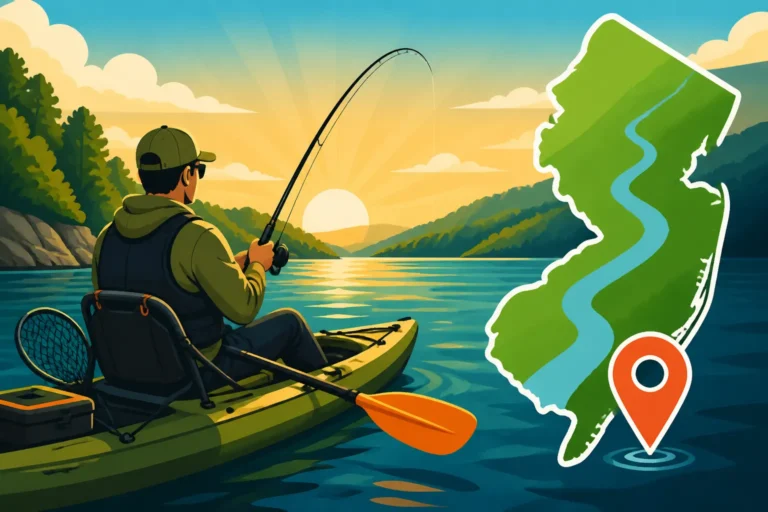
Kayak fishing has exploded in popularity, and for good reason—it offers a stealthy, intimate way to explore shallow waters and tight spaces that larger boats can't reach. Absecon Bay, with its extensive marsh system and shallow flats, is a kayak angler's paradise.
- Brigantine's Bay Side Street Ends: As mentioned, many of the street ends along Brigantine Boulevard provide ideal, often free, launch points for kayaks and paddleboards. These are generally unpaved and might require carrying your kayak a short distance, but they offer direct access to shallow, productive marsh creeks. These areas are perfect for targeting redfish (though rare, they do show up), small stripers, and plenty of fluke. The calm, protected waters here make it a great place for beginners or those who prefer a tranquil fishing experience. Just be mindful of the tides, as some of these spots can become mud flats at low tide.
- Mays Landing Road / Patcong Creek Access (Somers Point/Mays Landing): While a bit further inland and primarily accessing Patcong Creek, this area offers several informal spots to launch kayaks. Patcong Creek is a major tributary that feeds into Great Egg Harbor Bay, which in turn connects to Absecon Bay. Fishing this creek system can yield excellent results for freshwater species mixing with brackish water species, and it’s a great way to explore the upstream reaches of the bay's watershed.
- Public Parks with Bay Access (e.g., Ventnor, Margate): Many of the smaller public parks in Ventnor and Margate, especially those on the bay side, have small beaches or grassy areas suitable for launching kayaks or paddleboards. These spots might not be official ramps, but they provide easy, often free, access to the bay. Look for parks with small playgrounds or picnic areas; these often have shoreline that allows for easy entry into the water. These areas are excellent for exploring shallow flats for fluke or casting small lures for pickerel and other estuarine species that venture into the brackish areas.
For kayak anglers, the beauty of Absecon Bay is that you don't always need a designated ramp. A small patch of public shoreline is often enough to get you on the water. However, always prioritize safety: wear a PFD, carry a whistle, and be aware of boat traffic, especially in the deeper channels. Our guide, Do Kayak Anglers Need a License in New Jersey?, provides essential information on licensing requirements for your kayak fishing adventures.
Best Fishing Techniques and Times for Absecon Bay
Fishing in Absecon Bay isn't just about showing up; it's about understanding the nuances of the environment and employing the right techniques at the right time. The bay's unique structure, current, and resident fish populations demand a strategic approach. Being prepared with the right gear and knowledge of seasonal patterns will dramatically increase your chances of a successful outing. Forget the "spray and pray" method; informed angling is the key here.
The tides play an enormous role in bay fishing. Fish often feed most actively during strong tidal flows, whether incoming or outgoing, as these currents dislodge bait and create ambush points. Learning how to read tide charts for better fishing in New Jersey is invaluable here. Additionally, understanding the migratory patterns of species like striped bass and fluke will help you plan your trips to coincide with their presence in the bay.
Seasonal Strategies for Targeted Species
Absecon Bay is a year-round fishery, but what you target and how you target it changes dramatically with the seasons.
- Spring (March – May): This is prime time for Striped Bass as they migrate north and move into the bay to feed on herring and bunker. Early spring can be good for resident bass, too. Look for them around bridge pilings, sod banks, and creek mouths. Bloodworms, clam, and bunker chunks are excellent baits, but soft plastics like Bass Assassin or Gulp! Jerk Shads can also be deadly. This is also when the first Fluke start to trickle into the bay. Targeting them in deeper channels with bucktails and Gulp! shrimp is a solid strategy. You might also find some holdover Tautog around structure if the water hasn't warmed too much.
- Summer (June – August): Summer is the undisputed reign of Fluke. They're abundant throughout the bay, especially in the channels, around sedge islands, and over grass flats. Drifting with live minnows, squid strips, or cut bait on a traditional fluke rig is highly effective. Bucktailing with Gulp! is another top producer. Bluefish also arrive in force, often creating exciting blitzes. They’ll hit anything shiny and fast-moving, like metal spoons or topwater poppers. Smaller Striped Bass (schoolies) remain in the bay, often feeding around dock lights at night.
- Fall (September – November): This is arguably the most exciting season in Absecon Bay. The Striped Bass fall run brings large numbers of migratory fish back through the bay, chasing baitfish out of the creeks and into the ocean. Topwater lures, large soft plastics, and live or chunked bunker are incredibly effective. Bluefish are still around, sometimes even larger ones, and Weakfish can make a strong showing, especially on calm evenings with soft plastics. Tautog fishing picks up again around rocky structures and bridge pilings as the water cools, with green crabs and fiddler crabs being the preferred bait. This season is often characterized by intense feeding activity before the fish move offshore for winter.
- Winter (December – February): Fishing slows down considerably, but it's not impossible. Tautog can still be targeted on warmer winter days around deep structures. Some hardy anglers also chase White Perch and Pickerel in the brackish creeks and shallower, protected areas of the bay that don't freeze over completely. This is a time for patience and precise technique, often using smaller baits or jigs fished slowly.
Understanding these seasonal shifts allows you to adapt your approach and always have a target species in mind, maximizing your time on the water.
Gear Recommendations for Bay Fishing
Having the right tackle can make all the difference, especially when you're dealing with varying conditions and target species in Absecon Bay. You don't need a huge arsenal, but a few versatile setups will serve you well.
- Rods and Reels: For general bay fishing, a medium to medium-heavy spinning rod, 7 to 8 feet long, paired with a 3000-5000 series spinning reel, is incredibly versatile. This setup is perfect for casting lures for stripers and bluefish, jigging for fluke, or soaking bait from shore. Look for a rod with a fast action for good sensitivity. A brand like Shimano or Penn offers reliable saltwater-ready combos that can handle the abuse of bay fishing.
- Line: Spool your reel with 15-30 lb braided line. Braid offers superior casting distance, sensitivity, and strength-to-diameter ratio, which is crucial for feeling subtle bites. Always use a fluorocarbon leader (20-40 lb test) tied with a reliable knot like an FG or Alberto knot. Fluorocarbon is nearly invisible underwater and provides abrasion resistance against structure and fish teeth.
- Baits:
- Live Bait: Live minnows (killifish or spearing) are excellent for fluke. Live or chunked bunker (menhaden) are irresistible to striped bass and bluefish. Green crabs and fiddler crabs are king for tautog.
- Cut Bait: Squid strips are a universal fluke bait. Clam is a classic for striped bass.
- Artificials:
- Bucktail Jigs: Essential for fluke, especially when tipped with a Gulp! shrimp or squid strip. Sizes 1/2 oz to 2 oz depending on current and depth.
- Soft Plastics: Gulp! Swimming Mullet, Jerk Shads, and Shrimp are absolute fluke killers. They also work wonders for weakfish and smaller stripers. Other soft plastics like Z-Man are also excellent.
- Topwater Plugs: Poppers and walk-the-dog lures are thrilling for bluefish and surface-feeding stripers.
- Metal Lures: Kastmasters, Deadly Dicks, or similar jigs are great for casting to bluefish and stripers when they are busting on bait.
- Terminal Tackle: A variety of hooks (circle hooks for bait fishing, J-hooks for artificials), swivels, sinkers (bank sinkers, egg sinkers, pyramid sinkers for surf casting), and leader material are essential. Don't forget a good pair of pliers and a net or Boga Grip for landing fish safely.
For beginners wondering where to start, looking into a Basic Fishing Setup Cost can help you get equipped without breaking the bank. Always keep a varied selection of baits and lures to adapt to what the fish are biting on any given day.
Reading the Tides and Weather for Success
No matter how good your gear or technique, if you're not paying attention to the tides and weather, your success in Absecon Bay will be hit or miss. These environmental factors dictate fish behavior more than almost anything else.
- Tidal Flow: In an estuary like Absecon Bay, the tide is paramount. Fish, especially fluke and striped bass, often feed most aggressively during a strong moving tide, whether incoming or outgoing. The current pushes baitfish, crabs, and shrimp out of their hiding spots, creating easy meals. Slack tide, when the water isn't moving, is generally slower. For fluke, the last two hours of the outgoing tide and the first two hours of the incoming tide are often most productive. Stripers might prefer the faster-moving water around bridges and inlets. Our guide on How to Fish a Falling Tide and How to Fish a Rising Tide can provide more detailed strategies.
- Wind Direction and Strength: Wind can either be your best friend or worst enemy. A light to moderate breeze can create a gentle chop on the water, which often makes fish feel more secure and less wary of predators or anglers. It also helps with natural drifts if you're fishing from a boat or kayak. However, strong winds can make casting difficult, create uncomfortable chop for small boats, and muddy the water, reducing visibility for both fish and fisherman. A wind against the tide can also create a confused, choppy surface, making boat control tricky.
- Barometric Pressure: Often overlooked, barometric pressure changes can significantly impact fishing. A stable or slowly rising barometer generally indicates stable weather and good fishing. A rapidly falling barometer, indicative of an approaching storm, can often trigger a feeding frenzy right before the weather breaks. Conversely, a rapidly rising barometer after a front can shut the bite down as fish adjust. This isn't an exact science, but understanding these trends can help you predict activity levels.
- Water Temperature: Fish are cold-blooded, and water temperature dictates their metabolism and activity levels. Knowing the ideal water temperature for striped bass fishing or Best Water Temperature for Trout Fishing (if targeting species that might venture into cooler bay tributaries) can help you decide which species to target. For instance, fluke prefer water in the mid-60s to low-70s Fahrenheit, while stripers are more active in slightly cooler temps. You can often find real-time water temperature data online or through local bait shops.
Combining an understanding of these factors with local knowledge from bait shops or other anglers will give you a significant edge in cracking the code of Absecon Bay fishing.
Navigating Regulations and Safety in Absecon Bay
Fishing in New Jersey, like anywhere else, comes with a set of rules and regulations designed to protect fish populations and ensure angler safety. It's not enough to just know where to fish; you also need to know the legalities involved and how to stay safe on the water. Ignoring these details can lead to fines, dangerous situations, or worse.
The New Jersey Department of Environmental Protection (NJDEP) Division of Fish and Wildlife is the primary authority, and their regulations can change. It's always a good idea to consult the most current New Jersey Fish and Wildlife Digest before heading out. This digest is your bible for understanding bag limits, size limits, season dates, and other crucial rules that apply to Absecon Bay.
Essential Licenses and Registrations
Before you even think about casting a line in Absecon Bay, you need to make sure your paperwork is in order.
- New Jersey Fishing License: For anyone aged 16 to 69 (inclusive) fishing for freshwater species or marine species in tidal freshwaters (like the upper reaches of some bay tributaries), a valid New Jersey fishing license is required. While Absecon Bay is primarily saltwater, some of its feeder creeks can become brackish or even fresh, especially after heavy rains. If you plan to fish any part of the bay that might cross into freshwater classifications, you'll need one. Our comprehensive New Jersey Fishing License Guide for 2026 covers all the details.
- New Jersey Saltwater Registry: This is crucial for all saltwater anglers in New Jersey, regardless of age, even if you are exempt from needing a freshwater license. The New Jersey Saltwater Registry is a free registration that helps the state monitor recreational fishing effort and comply with federal mandates. It’s absolutely mandatory if you're fishing in Absecon Bay's marine waters, which cover the vast majority of the bay. It's a quick and free process, so there's no excuse not to register! You can learn more about it in our guide, New Jersey Saltwater Registry Explained, and How to Register for New Jersey's Saltwater Registry Program.
- Trout Stamp: While Absecon Bay itself is not trout water, if you plan to venture into any of the freshwater tributaries further upstream that are stocked with trout, you would also need a New Jersey Trout Stamp in addition to your freshwater fishing license.
Failing to have the proper license or registry can result in significant fines. Conservation Police Officers regularly patrol the bay and its access points, so always be prepared to show proof of your compliance. Our article on Carrying Proof of Your New Jersey Fishing License explains what's acceptable.
Local Rules and Safety Considerations
Beyond licenses, there are specific local rules and general safety practices that are vital for fishing Absecon Bay.
- Bag and Size Limits: Always, always, always be aware of the current bag and size limits for each species you're targeting. These regulations are designed to sustain fish populations and can change year to year, or even mid-season. For example, fluke have a minimum size limit and a daily bag limit, as do striped bass and black sea bass. Keep a measuring device handy and be prepared to release any fish that don't meet the legal requirements. You can find detailed information in articles like New Jersey Striped Bass Slot Limit Explained and New Jersey Fluke Size and Bag Limits Explained.
- Boating Safety: If you're on a boat or kayak, safety is paramount.
- Life Jackets (PFDs): Everyone on board a vessel, especially kayaks, should wear a properly fitted personal flotation device (PFD). Children 12 and under are required to wear them at all times while on any vessel in New Jersey waters.
- Vessel Requirements: Ensure your boat has all required safety equipment: sounding device (horn/whistle), visual distress signals (flares), fire extinguisher (if applicable), and navigation lights if operating at night or in low visibility.
- Navigation: Absecon Bay has clearly marked channels, but also numerous shallow areas and shoals. Pay attention to buoys and navigation markers. Have a chartplotter or detailed map on board, and be mindful of other boat traffic, especially in busy channels like the ICW. Speed limits are enforced in many areas, particularly around marinas and residential shorelines.
- Weather Monitoring: Keep a close eye on the weather forecast. Bay waters can go from calm to choppy very quickly with changes in wind. Small craft advisories mean it's probably best to stay ashore.
- Respect Private Property: Many areas along Absecon Bay are private property. Always be respectful of landowners and only access the water from designated public areas. Do not trespass.
- "Carry In, Carry Out": Practice good stewardship. Pack out all your trash, including fishing line, bait containers, and any other litter. Monofilament line can be deadly to wildlife, so dispose of it properly. Leave the fishing grounds cleaner than you found them.
By following these guidelines, you not only ensure your own safety and legal compliance but also contribute to the conservation efforts that keep Absecon Bay a fantastic place to fish for future generations.
Planning Your Absecon Bay Fishing Adventure
Embarking on a fishing trip in Absecon Bay is more than just packing a rod and reel; it's about preparation, local knowledge, and sometimes, a little help from the experts. From finding the right bait to considering a guided experience, a well-planned trip is almost always a more successful and enjoyable one. Don't leave things to chance; a little reconnaissance goes a long way.
Think about the entire experience: where will you get your bait, where can you grab a bite after a long day on the water, and are there any local resources that can give you an edge? Engaging with the local fishing community, even briefly, can provide invaluable, up-to-the-minute information that no guide or website can fully replicate.
Local Bait and Tackle Shops
Your local bait and tackle shop is a goldmine of information, arguably more valuable than any online forum. These shop owners and employees live and breathe fishing in their area, and they know what's biting, where, and on what. They’re often the first to know about new regulations or hot spots.
Here are a couple of popular options around the Absecon Bay area:
- Absecon Bay Sportsman Center (Absecon): This place is a staple for local anglers. Located on the mainland side in Absecon, it’s a full-service shop offering a huge selection of fresh and frozen bait (bloodworms, clam, squid, bunker, minnows), tackle, rods, reels, and expert advice. Their staff are usually more than happy to share tips on what's working in Absecon Bay that day, what the tides are doing, and where to try. It's a mandatory stop for many before hitting the water.
- Riptide Bait and Tackle (Brigantine): If you're launching from Brigantine, Riptide Bait and Tackle is a convenient stop right on the island. They offer a good selection of baits, lures, and essential tackle for both bay and surf fishing. Being on the island, they're often very current with the conditions and bite on the Brigantine side of Absecon Bay and the nearby surf.
- Frank's Deli & Fresh Seafood (Atlantic City): While not a traditional tackle shop, Frank's on Albany Avenue often sells fresh bait like bunker and clam, especially for those targeting stripers. It's more of a quick stop for bait than a full-service tackle shop, but it's strategically located for those fishing the south end of Atlantic City or Ventnor.
Beyond just buying supplies, take a moment to chat with the folks behind the counter. Ask about recent catches, water conditions, and any specific lures that have been hot. Their insights are often the secret ingredient to a successful trip.
Charter and Guide Services
For those new to the area, or if you simply want to maximize your chances of catching fish without the hassle of bringing all your gear, considering a charter or guide service is an excellent option. Local captains spend hundreds of days a year on Absecon Bay and know it like the back of their hand.
- Benefits of a Guide:
- Local Expertise: They know exactly where the fish are, what they’re biting on, and how to fish the tides. This takes all the guesswork out of your trip.
- Gear Provided: You don't need to bring anything; quality rods, reels, and bait are typically included.
- Safety: Experienced captains prioritize safety and know the bay's navigation challenges.
- Technique Instruction: Guides are excellent teachers, helping you refine your casting, jigging, or bait presentation.
- No Licensing Hassle: On most for-hire charter boats, the vessel's license covers all passengers, so you generally won't need your individual New Jersey fishing license or saltwater registry (though it's always good to confirm this with the captain when booking). Our guide, New Jersey Charter Fishing License Coverage, provides more clarity.
- Finding a Charter: You can often find local charter captains by searching online, checking out listings on platforms like FishingBooker, or asking at the local bait and tackle shops. Many captains operate out of Gardner's Basin, Frank S. Farley Marina, or the marinas in Somers Point. When booking, ask about their target species for the season, trip duration (half-day vs. full-day), and what's included.
- Popular Targets: Absecon Bay charters often specialize in fluke fishing, striped bass, or a mixed bag of bay species. Some may also offer crabbing trips, which are fantastic for families.
- Consider a Kayak Guide: If you're interested in kayak fishing but aren't familiar with the bay, there are often guides specializing in kayak trips. They provide all the necessary gear, including the kayak, and can take you to incredibly secluded and productive areas. For more on this niche, check out New Jersey Kayak Fishing Guide Services.
Whether you opt for a full-fledged private charter or join a party boat (often called head boats), tapping into the knowledge of a local professional can turn a good day of fishing into a truly memorable one.
Conclusion
Absecon Bay, often seen as merely the backdrop to the bustling Atlantic City, is in reality a vibrant and incredibly productive fishery. It's a place where seasoned anglers can hone their skills and newcomers can discover the joys of catching fish, all within a stone's throw of urban conveniences. From the intricate network of marsh creeks accessible by kayak to the deeper channels perfect for powerboats, and numerous public access points for shore anglers, the opportunities are vast.
Remember, success in Absecon Bay hinges on understanding the tides, respecting the regulations, and often, leaning on the invaluable knowledge of local bait shops or experienced guides. With its diverse fish species, ranging from the hard-fighting striped bass and bluefish to the delicious fluke and tautog, every trip to Absecon Bay offers the promise of a memorable catch. So, grab your gear, check the tides, and get ready to experience some of the best fishing the Jersey Shore has to offer right here in Absecon's waters.
Disclaimer
The information provided in this guide is for general informational purposes only and is subject to change. Fishing regulations, season dates, bag limits, and licensing requirements are set by the New Jersey Department of Environmental Protection (NJDEP) Division of Fish and Wildlife and can be modified. Always consult the official NJDEP Fish and Wildlife Digest or website for the most current and accurate regulations before you fish. Additionally, local access points, launch fees, and business hours for bait shops and charter services may vary. Always exercise caution and prioritize safety while fishing.