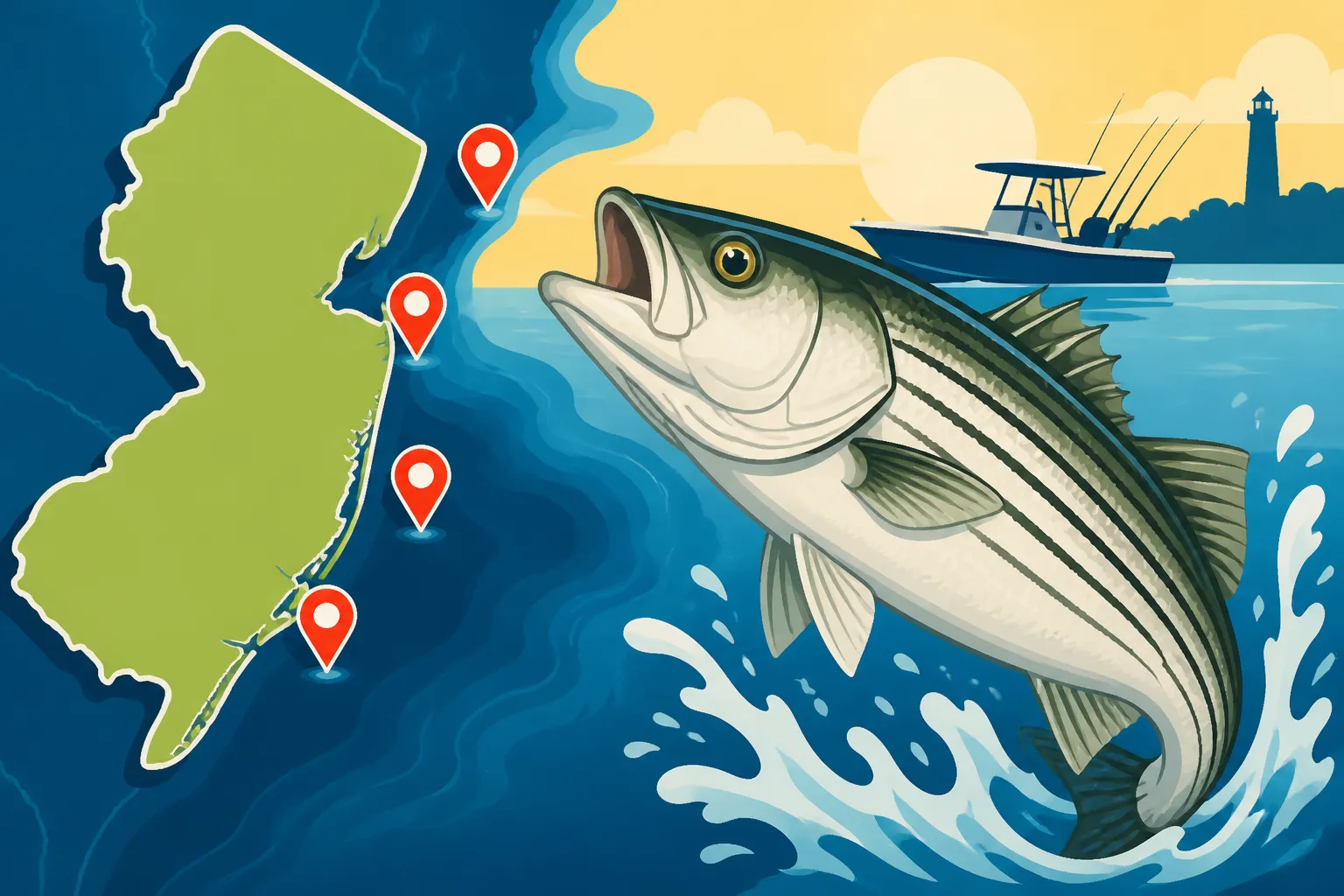
Raritan Bay Striped Bass Spots
Raritan Bay can be an incredibly rewarding place to chase striped bass, but for many anglers, its vastness and complex network of channels, flats, and structures can feel daunting. You might find yourself staring at a chart, wondering where to even begin, or spending hours on the water without a sniff, feeling like you're missing some secret local knowledge. This comprehensive guide is designed to cut through that confusion, revealing the top striped bass fishing locations within Raritan Bay, along with the most effective techniques and essential insights to help you land more of these prized fish.
Understanding Raritan Bay for Striped Bass
Raritan Bay, situated at the mouth of the Raritan River and feeding into the larger New York Bight, is a dynamic and incredibly productive estuary. Its unique blend of freshwater influx, vast shallow flats, deep channels, and abundant baitfish makes it a critical stopover and feeding ground for striped bass throughout much of the year. It's not just a pass-through; it's a prime hunting ground, attracting both resident stripers and migratory fish making their way along the coast.
Geography and Habitat That Attract Stripers
The geography of Raritan Bay is what truly makes it a striper haven. You've got the confluence of the Raritan River, which brings in nutrients and freshwater, creating a rich ecosystem that supports a huge amount of bait. This freshwater plume often creates temperature breaks and current lines that stripers love to ambush bait from. The bay is also characterized by extensive shallow flats, especially towards the southern and western portions, which warm up quickly in spring and hold dense schools of bunker and other forage.
However, it's the deeper channels and subtle drop-offs that often act as highways and holding areas for larger bass, especially during colder months or when fish are moving in and out of the bay. Add to this the numerous man-made structures like bridge pilings, jetties, and artificial reefs, and you have a perfect smorgasbord of ambush points and feeding stations. These varied habitats mean stripers can be found almost anywhere, from just a few feet of water to depths of 30 feet or more, depending on the season, tide, and bait presence. Understanding these nuances is the first step to consistently finding fish.
Seasonal Patterns of Striped Bass in Raritan Bay
Striped bass are highly migratory, and their presence in Raritan Bay follows a fairly predictable seasonal pattern, though Mother Nature always has a say.
Spring Run (April-June): This is arguably the most exciting time for striper fishing in Raritan Bay. As water temperatures climb into the 50s and 60s, a massive influx of migratory bass enters the bay, often pushing up the Raritan River and other tributaries for spawning. These fish are hungry, aggressive, and often stacked up. Early in the spring, smaller "schoolie" stripers arrive first, followed by larger, more mature fish. They're primarily chasing herring and bunker that are also migrating into the bay to spawn. This is when you'll see a lot of activity, both from shore and boat anglers, particularly around the river mouths and main channels.
Summer Months (July-August): While the main migratory push has moved north, Raritan Bay still holds a healthy population of resident striped bass. These fish often retreat to deeper, cooler water during the heat of the day, becoming more active during dawn, dusk, and nighttime hours. They'll frequent structure, deep channels, and areas with good current. During this time, they're often feeding on spearing, sand eels, and juvenile bunker. Finding them can be a bit more challenging than in spring, requiring more precise techniques and a willingness to fish during off-peak hours.
Fall Run (September-December): As temperatures begin to drop and baitfish start their southward migration, Raritan Bay lights up again for the fall run. Stripers moving south will stage and feed heavily in the bay, gorging themselves on bunker, mullet, and other forage before heading offshore for winter. This run can be just as, if not more, prolific than the spring run, often producing some of the largest fish of the year. The fish are typically very aggressive, offering excellent opportunities for both bait and lure fishermen. The timing of When Do Striped Bass Migrate Through New Jersey? is crucial here, as is understanding Raritan Bay Striped Bass Season Timing to plan your trips effectively.
How Tidal Influences Affect Striper Movement and Feeding
Tides are the lifeblood of striper fishing in Raritan Bay, dictating fish movement, feeding activity, and bait distribution. Ignoring the tides is like trying to navigate a maze blindfolded – you might get lucky, but you're probably going to be frustrated.
Moving Water is Key: Striped bass are ambush predators, and they thrive in moving water. Whether it's an incoming or outgoing tide, current helps to disorient baitfish, making them easier targets, and it also concentrates them in certain areas. Moving water also carries scent, helping stripers locate food. Slack tide, when the water is still, often results in slower fishing, as bait disperses and fish become less active.
Incoming Tide: As the tide floods into the bay, it brings in cooler, saltier ocean water and often pushes baitfish from the ocean into the bay and its tributaries. Stripers will stage at the mouths of rivers, along channel edges, and near structures to intercept this incoming food source. Flats that were dry or very shallow at low tide will flood, allowing bass to move onto them to feed on crabs, worms, and baitfish seeking refuge.
Outgoing Tide: The outgoing tide can be equally, if not more, productive. As water drains out of the rivers and back out to the ocean, it flushes baitfish, crabs, and other food sources out of shallower areas and into deeper channels where stripers wait. Funnel points, river mouths, and deeper channel edges become prime ambush spots. This is often an excellent time to target bass that are gorging on bunker flushed from the back bays. Learning to How to Read Tide Charts for Better Fishing in New Jersey is an absolute game-changer for unlocking Raritan Bay's full potential.
Prime Striped Bass Hotspots in Raritan Bay
While Raritan Bay is huge, certain areas consistently produce striped bass year after year. Knowing these hotspots can dramatically reduce your search time and increase your hook-up rates. Remember, while these are known areas, stripers are constantly on the move, so staying flexible and observing conditions is always paramount.
Key Areas to Target: Raritan Reach, Sandy Hook Bay, Raritan River Mouth
These three areas form the core of Raritan Bay's striped bass fishery, each offering unique opportunities depending on the season and prevailing conditions.
Raritan Reach: This deep channel, running from the mouth of the Raritan River out into the main bay, is a major highway for migratory striped bass. It's often where the larger fish hold, especially during the spring and fall runs. Anglers frequently troll or drift live bunker and eels here, targeting the channel edges and drop-offs. The deeper water provides cooler temperatures in summer, making it a reliable spot when the shallows are too warm. Keep an eye on your fish finder for bait schools and humps along the channel bottom where stripers might be holding. This area is heavily trafficked by commercial and recreational vessels, so always be mindful of other boats.
Sandy Hook Bay: Nestled behind the northern arm of Sandy Hook, this calmer, shallower bay acts as a staging and feeding area, particularly in spring and fall. The entire bay is productive, but key areas include the edges of the main channel that runs through it, the mouth of the Shrewsbury River, and the numerous shallow flats. Stripers here often feed on sand eels, spearing, and juvenile bunker. It's a fantastic place for light tackle and fly fishing when conditions are right. The calmer waters also make it a popular spot for kayak anglers. The confluence with the main Raritan Bay makes it a critical intersection for migrating fish.
Raritan River Mouth: Where the freshwater of the Raritan River meets the brackish waters of the bay, you'll find an ecosystem exploding with life. This area, including the immediate stretches of the river and the buoy lines marking the entrance, is a magnet for stripers, especially during the spring spawning run. Herring and bunker pour into the river here, and stripers follow in hot pursuit. This is a prime location for casting plugs, soft plastics, or drifting live bait. The strong currents often found here create perfect ambush points for bass. Watch for bird activity, which is a sure sign of bait being pushed to the surface.
Bridge and Structure Fishing for Stripers
Man-made structures are absolute magnets for striped bass. They provide current breaks, ambush points, and often hold abundant bait. If you're fishing in Raritan Bay, you must pay attention to the structures.
Victory Bridge (Route 35 Bridge): This bridge, spanning the Raritan River between Perth Amboy and South Amboy, is a legendary striper spot. Its pilings create substantial current breaks where stripers can lie in wait, and baitfish are often concentrated around the structure. Both casting and jigging around the pilings can be highly effective. During the spring and fall, huge schools of bunker will stage here, drawing in big bass. Anglers often fish the eddies and current seams created by the bridge. Just be aware of the strong currents and boat traffic, as it can be a challenging but rewarding area to navigate. Other smaller bridges and structures throughout the bay will also hold fish, so don't overlook them.
Jetties and Piers: While Raritan Bay doesn't have the extensive oceanfront jetties of the barrier islands, the jetties and bulkheads along the shorelines, particularly near the mouths of rivers like the Cheesequake Creek or around docks in areas like Perth Amboy and South Amboy, can be excellent for shore-based anglers. These structures break the current and offer cover for bait, attracting stripers, especially during higher tides or low light conditions. Piers, such as the public pier in Perth Amboy, allow anglers without boats to reach deeper water and cast into productive areas. These spots are particularly good for casting Best Lures for Striped Bass Fishing or soaking chunks of bait.
Shoreline Access Points for Anglers Without Boats
Not everyone has a boat, and thankfully, Raritan Bay offers some fantastic shore fishing opportunities for striped bass. Patience and timing are key, but the rewards can be significant.
Old Bridge Waterfront Park: Located in Old Bridge, this park offers excellent shoreline access with plenty of room to cast. It's particularly productive during the spring and fall runs when bass are migrating along the bay shore. Anglers here often use cut bunker, clam, or cast lures to target stripers feeding on bait pushed against the shore. The park features a lengthy promenade and fishing piers, making it accessible for families and anglers of all skill levels. It's a great place to soak a bait during a strong outgoing tide.
South Amboy Waterfront Park: Similar to Old Bridge, the South Amboy waterfront provides good access to the Raritan Bay shoreline. The area around the Raritan River mouth and the adjacent bay is prime territory. You can often see baitfish schools moving through here, especially during the migratory runs. Early morning and late evening are often the most productive times. Anglers typically cast plugs, soft plastics, or rig up with chunked bait for stripers moving close to shore. Parking and amenities are usually available, making it a convenient spot for a day of fishing.
Perth Amboy Waterfront: With its historical significance and proximity to the Raritan River mouth, the Perth Amboy waterfront, including the local piers and bulkheads, is a tried and true spot. The strong currents in this area, particularly around the Victory Bridge, can draw in large numbers of stripers. While boat traffic can be heavy, persistent shore anglers can intercept bass feeding on baitfish being flushed from the river. Remember to always be aware of your surroundings and any local regulations for fishing from public spaces. Don't forget that if you're ever looking to explore more of what the bay offers by boat, even if you don't own one, platforms like FishingBooker can connect you with experienced local captains who specialize in striper fishing.
Essential Techniques for Raritan Bay Stripers
Once you've located a promising spot, the next challenge is convincing a striped bass to bite. Raritan Bay demands a versatile approach, as fish can be picky, and conditions change rapidly. Mastering a few key techniques will put you in a much better position to succeed.
Live Bait Fishing: Bunker, Worms, Eels
Live bait is often the most effective way to catch striped bass, especially the larger, more cautious ones. There's just something about the real deal that fish can't resist.
Live Bunker (Menhaden): Without a doubt, live bunker are the kings of Raritan Bay striper bait. Striped bass gorge on these oily baitfish, and when they're present, a live bunker is hard to beat. You can catch your own bunker with a cast net or buy them from bait shops. Once you have them, How to Rig Live Bait for Striped Bass correctly is crucial. Typically, they're fished on a simple fish-finder rig with a circle hook through the nose or back, allowing them to swim naturally. You can also drift them freely without weight in shallower areas. The goal is to present a lively bunker near structure or schools of other bunker where stripers are known to be feeding. Keep a keen eye on your rod tip, as a striper strike on a bunker can be subtle at first, then explosive.
Bloodworms and Clams: These baits are particularly effective in early spring and for smaller "schoolie" stripers, especially when fishing from shore or in shallower bay areas. Bloodworms, with their distinctive scent trail, are excellent for attracting fish. They are usually fished on a simple bottom rig with a small hook. Clams, often cut into pieces, release a strong scent that can draw in stripers. Both work well in the brackish waters of the bay and river mouths, especially on an outgoing tide when natural food is being washed out.
Eels: Live eels are a legendary big-bass bait, particularly at night or in areas with strong current. Their snake-like action is irresistible to hungry stripers. Eels can be fished with a simple hook through the lip, either drifted with the current or slowly trolled. They are tough, stay alive for a long time, and offer a substantial meal for a trophy striper. Be prepared for a powerful fight when using eels, as they often entice the larger, more aggressive fish.
Artificial Lure Strategies: Plugs, Jigs, Soft Plastics
While live bait is effective, nothing beats the thrill of catching a striper on a lure you're actively working. Artificials allow for covering more water and targeting actively feeding fish.
Plugs (Surface and Diving): Topwater plugs, like poppers and walk-the-dog lures, create a commotion on the surface that can trigger explosive strikes, especially during low light conditions or when stripers are chasing bait on top. These are particularly fun to fish in shallower areas of Sandy Hook Bay. Diving plugs, such as lipped swimmers or minnow imitations, are excellent for imitating baitfish and can be trolled or cast to reach different depths. Look for plugs that closely mimic the baitfish present in the bay at that time, such as bunker or herring.
Jigs (Bucktails and Soft Plastics): Jigs are incredibly versatile and effective. Bucktail jigs, often tipped with a piece of pork rind or a soft plastic trailer, are a classic striper catcher. They can be bounced along the bottom, jigged vertically, or cast and retrieved to imitate fleeing bait. They are particularly deadly around structure and in areas with current. Soft plastic paddletails or swim shads rigged on jig heads are also highly productive. These can be cast out, allowed to sink, and then retrieved with a steady retrieve or a series of hops and drops. How to Jig for Striped Bass is an essential skill for any Raritan Bay angler, as is understanding specific techniques like Bucktail Jigging Techniques for New Jersey Anglers.
Spoons and Metals: Metal lures, like Kastmasters or diamond jigs, are great for casting long distances to reach schooling fish or for vertical jigging in deeper water. They imitate injured or fleeing baitfish and can be very effective when stripers are actively chasing bait. Vary your retrieve speed and jigging motion until you find what the fish are reacting to. These are particularly useful when you spot bird activity, indicating a blitz, and need to get a lure into the thick of the action quickly.
Trolling and Drifting: Effective Methods for Covering Water
When fish are scattered or you're trying to locate schools of bait and bass in a large area, trolling and drifting can be incredibly effective strategies.
Trolling with Plugs and Mojos: Trolling involves dragging lures behind a moving boat, allowing you to cover vast expanses of water and present lures at precise depths. Large diving plugs, umbrella rigs, and Mojos (heavy bucktail jigs with soft plastic bodies) are popular choices for trolling. Mojos, often fished in pairs or on a three-way rig, are especially effective for targeting larger stripers holding near the bottom in channels like Raritan Reach. Vary your trolling speed and use a fish finder to ensure your lures are running at the depth where fish or bait are present. This method is particularly effective during the migratory runs when fish are on the move.
Drifting Live Bait or Chunks: Drifting involves allowing your boat to be carried by the current or wind while presenting bait. This is a very natural presentation and can be highly effective, especially with live bunker or chunked bait. Find a school of bait, position your boat up-current or up-wind, and let your baits drift naturally through the school or along a channel edge. This allows you to cover a wide swathe of water and present your bait in a lifelike manner. A fish-finder rig with a live bunker or a fresh chunk of Best Bait for Raritan Bay Striped Bass is often irresistible to stripers. This method requires a good understanding of the How to Fish a Falling Tide or How to Fish a Rising Tide to ensure your drift is effective.
Gear and Tackle Recommendations for Raritan Bay
Having the right gear makes all the difference in Raritan Bay. The fish can be powerful, the conditions can be demanding, and you want to be prepared for whatever the bay throws at you. Don't skimp on quality; your tackle is your lifeline to that trophy fish.
Rod and Reel Setups for Different Techniques
Matching your rod and reel to your chosen technique and target size of fish is fundamental. You wouldn't use a trout rod for a 40-pound striper, right?
Medium-Heavy Spinning Setup (7-8 feet): This is your all-around workhorse for Raritan Bay. A 7-8 foot medium-heavy fast-action spinning rod paired with a durable 4000-6000 series spinning reel is perfect for casting a wide range of lures—plugs, soft plastics, and lighter jigs—and for handling live bunker. This setup offers enough backbone to fight powerful stripers yet remains light enough for comfortable casting throughout the day. Brands like Shimano, Penn, and Daiwa offer excellent options in this category. For shore anglers, a slightly longer rod, perhaps 9-10 feet, will aid in casting distance over the surf or from piers.
Heavy Conventional Setup (6.5-7 feet): For heavier live bait fishing, chunking, or trolling with umbrella rigs and Mojos, a heavy conventional setup is indispensable. A stout 6.5-7 foot boat rod with a fast or moderate action, paired with a reliable conventional reel (like a Penn Squall or an Avet MXL), will give you the power needed to subdue larger fish and handle heavier weights. This setup is built for brute strength and is often preferred by those targeting the biggest stripers in deeper channels or areas with strong currents. It's less about casting distance and more about winching power.
Line and Leader Choices for Strength and Stealth
Your line and leader are critical connections between you and the fish. Choosing wisely means fewer break-offs and more landed fish.
Braided Main Line (30-65 lb test): Braided line is almost universally preferred for its incredible strength-to-diameter ratio, lack of stretch, and superior casting distance. For most Raritan Bay striper fishing, 30-50 lb test braid is a good all-around choice. For heavier applications like chunking or trolling with Mojos, 65 lb test provides extra insurance. The lack of stretch in braid means you'll feel every bump and bite, which is a huge advantage when jigging or working artificials. However, braid is visible, so a leader is essential.
Fluorocarbon or Monofilament Leader (30-80 lb test): A leader is crucial for two main reasons: stealth and abrasion resistance. Stripers can be line-shy, especially in clearer water, so a virtually invisible fluorocarbon leader is ideal. For general lure fishing, 30-50 lb test fluorocarbon is common. For live bait, chunking, or fishing around heavy structure like bridge pilings, stepping up to 60-80 lb test monofilament or fluorocarbon provides extra abrasion resistance against sharp rocks, barnacles, or the stripers' rough mouths. The length of your leader can vary, but typically 3-6 feet is sufficient, connected to your braid with a strong knot like an FG knot or a double uni knot.
Terminal Tackle: Hooks, Sinkers, Swivels
The small, often overlooked components of your tackle can make or break your trip. Invest in quality terminal tackle.
Circle Hooks (4/0-8/0): When fishing with bait, circle hooks are a must in New Jersey, especially for striped bass, to promote New Jersey Catch and Release Striped Bass Handling Rules and reduce gut hooking. They are designed to hook fish in the corner of the mouth, making for easier release and higher survival rates. Sizes 4/0 to 8/0 are common, depending on the size of your bait. Always check current regulations as New Jersey Circle Hook Requirements for Bait Fishing may apply.
Jig Heads (3/4 oz – 3 oz): For soft plastics, you'll need a variety of jig head weights to match the depth and current. In Raritan Bay, 3/4 oz to 3 oz are commonly used. Heavier jigs are needed for deeper water or stronger currents, while lighter ones excel in calmer, shallower areas. Always carry a selection to adapt to conditions.
Sinkers (Pyramid, Egg, Bank): For bait fishing, sinkers are essential to get your bait to the bottom and hold it in place. Pyramid sinkers (2-6 oz) are great for shore fishing where you need to hold bottom in current. Egg sinkers (1-4 oz) are often used in fish-finder rigs, allowing the line to slide freely through them. Bank sinkers (2-8 oz) are versatile for both boat and shore. The weight you choose depends on the current strength and depth. Always use the lightest sinker possible that still holds bottom to keep your presentation natural.
Swivels and Snaps: High-quality barrel or ball-bearing swivels (rated for at least 50 lbs) are essential for preventing line twist, especially when trolling or fishing with baits that spin. Snaps, particularly strong snap-swivels, allow for quick changes of lures and rigs. Always ensure your snaps are rated for the heavy fighting power of stripers.
Navigating Raritan Bay Safely and Legally
Raritan Bay is a fantastic fishery, but it's also a busy waterway with specific rules and hazards. Understanding how to navigate safely and legally is just as important as knowing where the fish are.
Boat Navigation and Safety in Raritan Bay
Safety on the water should always be your top priority. Raritan Bay can get rough, and boat traffic can be intense, especially on weekends.
Channels and Shoals: Raritan Bay has marked channels that are essential for safe navigation, particularly for deeper draft vessels. However, many productive fishing areas are found along the edges of these channels or on nearby shoals and flats. Always consult a current nautical chart to understand depths, marked channels, and potential hazards like submerged rocks or shallow areas. A good GPS/chartplotter is invaluable. Be aware that unmarked shoals can pop up, so always proceed with caution, especially in unfamiliar territory.
Tides and Weather: Tides can dramatically affect depths, especially in shallower parts of the bay. What might be navigable at high tide could be a sandbar at low tide. Always check the tide charts. Furthermore, Raritan Bay is exposed to winds from the north and east, which can quickly whip up choppy conditions, making for a very uncomfortable or even dangerous ride in smaller boats. Always check the marine weather forecast before heading out and be prepared to head in if conditions deteriorate. Tell someone your float plan.
Boat Traffic and Right-of-Way: Raritan Bay is shared by recreational anglers, commercial vessels, ferries, and even large ships approaching Newark and Elizabeth ports. Always obey navigation rules, understand right-of-way, and maintain a safe distance from other vessels, especially commercial traffic which has limited maneuverability. Fishing near busy channels requires extra vigilance. If you're drifting or anchored, ensure you're displaying appropriate signals.
Regulations and Limits for Striped Bass
New Jersey has strict regulations to manage its striped bass fishery, and ignorance is no excuse. Always consult the most current New Jersey Fish and Wildlife Digest before heading out, as rules can change seasonally or annually.
Size and Bag Limits: Striped bass are managed with specific slot limits, meaning you can only keep fish within a certain size range. This is designed to protect both juvenile fish and the large, breeding-size females. For instance, the New Jersey Striped Bass Slot Limit Explained often falls within a range like 28 to 31 inches, with a bag limit of one fish per person. It's critical to measure your fish accurately immediately upon catching it. Fish outside the slot must be released immediately and carefully.
Seasons and Open Waters: While Raritan Bay is generally open for striped bass fishing for much of the year, there can be specific closed seasons or areas, especially during spawning periods. Always verify the current season dates. Also, remember that a separate New Jersey Saltwater Registry Explained is required for all saltwater anglers, even if you don't need a New Jersey Fishing License Guide for 2026 for freshwater. This registry helps the state track recreational fishing effort.
Possession and Handling: If you keep a legal-sized striped bass, it must remain whole until you are onshore. Filleting on the water is generally prohibited as it makes it impossible for law enforcement to verify the fish's size. When releasing fish, minimize handling, use wet hands, and revive the fish until it can swim away strongly. Respecting the resource ensures there will be fish for future generations. For a comprehensive overview of rules, refer to the New Jersey Daily Bag Limits by Species.
Hiring a Guide or Charter for Raritan Bay
Sometimes, the best way to learn a new area or to guarantee a productive day on the water is to go with a seasoned pro. Raritan Bay has a vibrant charter fishing community.
Benefits of a Guide: A local Raritan Bay fishing guide or charter captain brings invaluable experience, knowing the prime spots, the right baits, and the current patterns. They also provide all the necessary gear, often top-of-the-line rods, reels, and tackle, so you don't have to worry about bringing your own. This is particularly beneficial for beginners or those visiting the area. They can teach you techniques, help you identify fish, and ensure you're fishing legally. Many guides also cover the necessary Does the Boat Cover Your Saltwater Registry on a New Jersey Charter? for their passengers.
Choosing the Right Charter: When looking for a charter, consider what kind of experience you want. Are you looking for a family-friendly trip, a hardcore big-bass hunt, or something in between? Websites like FishingBooker are excellent resources for finding reputable Raritan Bay charters. You can read reviews, compare prices, and see what species different captains specialize in. A good charter will have a clean, safe boat, knowledgeable crew, and a strong track record of putting clients on fish. Don't hesitate to ask questions before booking, such as what's included and what you should bring.
Local Insights and Pro Tips for Raritan Bay Stripers
Beyond the standard advice, there are always those little nuggets of local wisdom that can turn an average day into an epic one. These pro tips come from years of experience on Raritan Bay.
Reading the Water: Identifying Bait, Current, Bird Activity
Learning to "read the water" is an art form that separates consistent anglers from occasional lucky ones. It's all about observing subtle cues.
Spotting Baitfish Schools: Striped bass follow the food. If you can locate the bait, you're halfway to finding the stripers. Look for ripples, splashes, or subtle disturbances on the surface that indicate schools of bunker or other forage. Your fish finder is an indispensable tool here, showing you dense clouds of bait. Sometimes, just seeing a few bunker skip on the surface is enough to tell you stripers are nearby. Also, watch for smaller birds diving, as they're often feeding on the same bait that stripers are herding from below.
Understanding Current Breaks and Eddies: As mentioned, stripers love current, but they don't want to fight it constantly. They'll often position themselves in current breaks or eddies, which are areas of slower moving or swirling water, just out of the main flow. These spots allow them to rest while still having an easy vantage point to ambush bait being swept past. Look for these behind bridge pilings, jetties, points of land, or even subtle changes in bottom contour. Learning to identify these spots on your chart and visually on the water is crucial.
Observing Bird Activity: This is perhaps one of the most reliable indicators of actively feeding stripers. Diving gulls, terns, and even gannets are often feasting on baitfish that stripers have pushed to the surface. A full-on "bird play" with dozens of birds diving means a full-blown striper blitz is likely underway beneath them. Approach these areas carefully, stay upwind or up-current, and cast to the edges of the melee to avoid spooking the fish or running over them. This is often the best time to throw those topwater plugs or metals.
Best Times to Fish: Dawn, Dusk, Specific Tides
Timing is everything in fishing, and Raritan Bay stripers are no exception. Knowing when to be on the water can be as important as where.
Low Light Conditions (Dawn and Dusk): Just like many predators, striped bass are most active during the low light hours of dawn and dusk. The diminished light gives them an advantage over their prey, and baitfish are often more vulnerable. These are prime times for topwater action and targeting fish in shallower areas. If you only have a few hours to fish, make sure they align with these windows.
Night Fishing: Many of the largest striped bass are caught at night in Raritan Bay. Under the cover of darkness, big fish move into shallower water and become less wary. Bridge lights, dock lights, and even just the glow of the moon can attract baitfish, and thus, stripers. Fishing with live eels, large plugs, or chunked bait can be incredibly effective after dark. Always prioritize safety when night fishing, ensuring you have proper navigation lights and are familiar with your fishing area.
Prime Tidal Stages: As discussed, moving water is key. Generally, the two hours before and two hours after a high or low tide tend to be the most productive. The beginning of an incoming tide can bring fresh bait into the bay, while the end of an outgoing tide can concentrate bait being flushed out. Pay close attention to the specific tidal currents in the areas you're fishing. Sometimes, one specific stage of the tide might consistently produce better than another in a particular spot. Using a local tide chart and keeping a fishing log of your successes can reveal patterns over time.
Conservation Practices for Sustainable Fishing
We all want to enjoy Raritan Bay's incredible striped bass fishery for years to come. Practicing good conservation habits ensures that future generations can experience the same thrill.
Catch and Release Best Practices: For any fish you don't intend to keep, or those outside the legal slot limit, practicing proper catch and release is vital. Minimize fight time, use appropriate tackle, and handle the fish as little as possible. If you must handle a fish, do so with wet hands and support its body, especially if it's a large one. Remove hooks gently with pliers or a de-hooker. If a fish is exhausted, hold it in the water, facing into the current, until it regains its strength and swims off on its own. Avoiding excessive handling and respecting the fish's vitality makes a real difference.
Adhering to Regulations: This goes without saying, but always, always follow the current New Jersey fishing regulations for striped bass. This includes size limits, bag limits, and gear restrictions like circle hook requirements. These rules are put in place by biologists to manage the fishery and ensure its health. If you're unsure about any rule, consult the Reading the New Jersey Fish and Wildlife Digest or the state's official website. Conservation officers frequently patrol Raritan Bay, and penalties for violations can be steep.
Respecting the Environment: Beyond the fish, remember to leave no trace. Take all your trash with you, including discarded fishing line, which can be deadly to wildlife. Be mindful of prop wash in sensitive shallow areas, and don't disturb nesting birds or other marine life. By being a responsible steward of the environment, you contribute to a healthy ecosystem that supports not only striped bass but all the amazing biodiversity of Raritan Bay.
New Jersey's Raritan Bay truly offers an unparalleled striped bass fishing experience. With its diverse habitats, abundant bait, and strategic location, it's a dynamic fishery that rewards knowledge, patience, and adaptability. Whether you're casting from shore, drifting live bait from a boat, or trolling plugs along the channels, understanding these prime locations and techniques will undoubtedly enhance your success. Don't be afraid to explore, observe, and learn from every trip, and soon you'll be navigating the bay like a seasoned local.
| Raritan Bay Striper Hotspot | Primary Season | Recommended Technique(s) | Typical Depth | Shore Access | Boat Access (Ramps) |
|---|---|---|---|---|---|
| Raritan Reach | Spring, Fall | Trolling, Live Bait Drifting, Jigging | 15-40 ft | Limited | Multiple local ramps |
| Sandy Hook Bay | Spring, Fall, Summer | Lure Casting, Light Tackle, Fly Fishing | 5-20 ft | Excellent | Leonardo State Marina, Atlantic Highlands |
| Raritan River Mouth | Spring, Fall | Live Bait, Lure Casting (plugs, soft plastics) | 10-25 ft | Moderate | Perth Amboy, South Amboy |
| Victory Bridge (Raritan R.) | Spring, Fall | Jigging, Live Bait (eels, bunker) | 20-35 ft | Limited (piers) | Perth Amboy, South Amboy |
| Old Bridge Waterfront Park | Spring, Fall | Chunking, Lure Casting | 5-15 ft | Excellent | N/A (shore only) |
| South Amboy Waterfront | Spring, Fall | Chunking, Lure Casting | 5-15 ft | Excellent | South Amboy |
Disclaimer
The information provided in this guide is for general informational purposes only and is subject to change. Fishing regulations, season dates, and limits for New Jersey waters are updated periodically by the New Jersey Department of Environmental Protection (NJDEP) Division of Fish and Wildlife. Always consult the most current official regulations and advisories before engaging in any fishing activity. The author and publisher are not responsible for any errors or omissions, nor for any angler's failure to comply with current regulations. Fishing involves inherent risks, and personal safety is the responsibility of each individual.