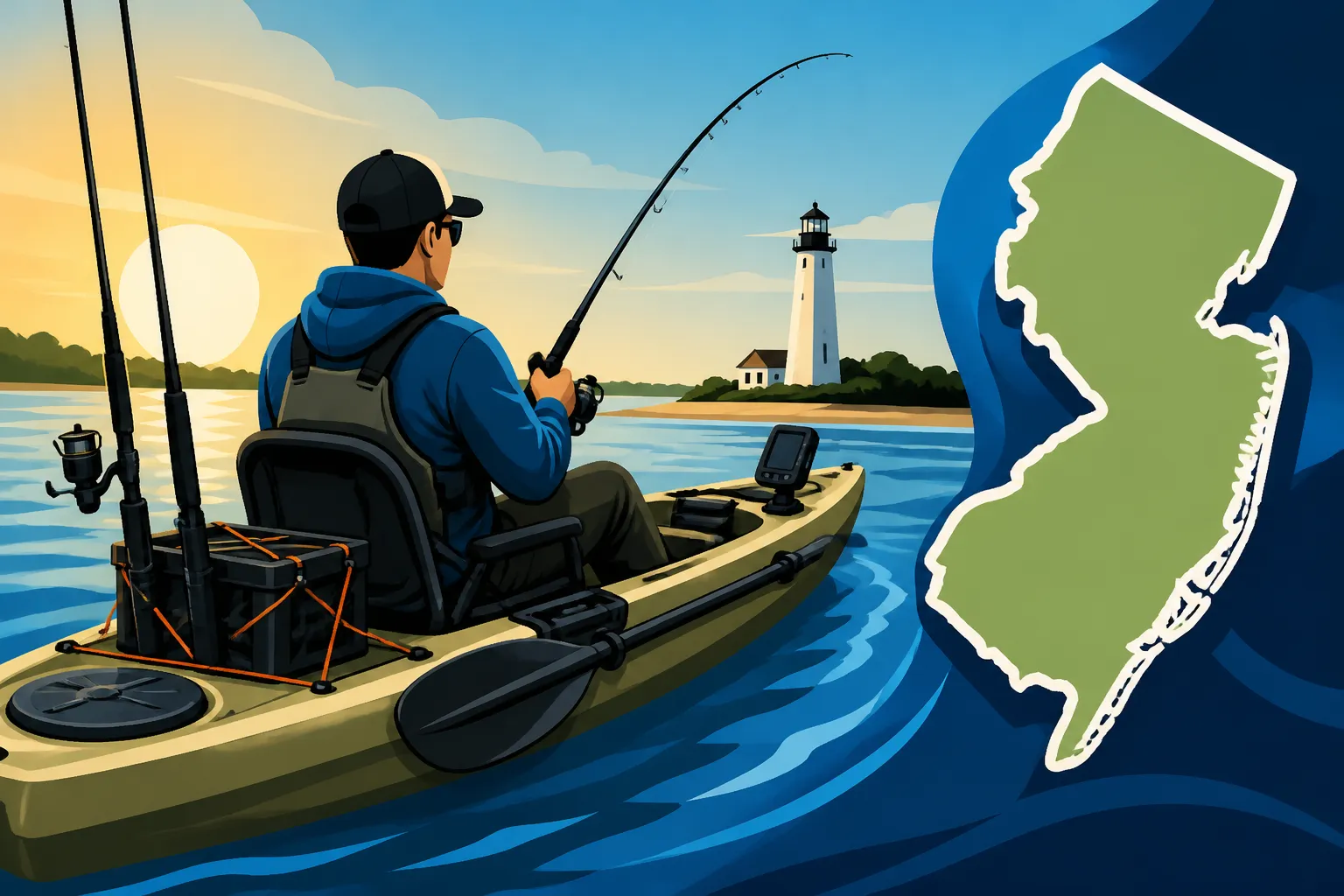
Best Kayak for Bay Fishing
Few things are as frustrating as investing in new fishing gear, only to find it's completely wrong for the conditions you plan to tackle. When it comes to kayak fishing in New Jersey's diverse bays, choosing the wrong boat can turn a peaceful outing into a miserable struggle. This guide is here to cut through the confusion and help you pinpoint the best kayak for navigating our unique bay environments, ensuring your next trip is a success from launch to landing.
Why Kayak Fishing in New Jersey's Bays is So Appealing
There's something incredibly special about paddling out into a New Jersey bay at dawn, the water still like glass, and the only sounds are the gulls and the gentle dip of your paddle. It's an experience that connects you directly to the environment in a way a larger boat simply can't. Our bays, from the expansive Barnegat Bay to the often bustling Raritan Bay and Sandy Hook Bay, offer an incredible fishery, and a kayak provides access to spots that remain untouched by bigger vessels. You can quietly sneak into shallow backwaters where stripers hide, or effortlessly glide along marsh edges stalking fluke. This intimate approach is precisely why so many anglers are flocking to kayak fishing in the Garden State.
The Unique Challenges and Rewards of Bay Fishing from a Kayak
Bay fishing in New Jersey presents its own set of challenges, especially for kayak anglers. You're not always dealing with calm, glassy water; wind can pick up quickly, boat wakes from passing traffic can be jarring, and tidal currents can make paddling a real workout. Unlike lake fishing, where conditions might be more predictable, our bays are dynamic. The rewards, however, far outweigh these hurdles. The ability to fish quietly and effectively in skinny water, to explore marsh creeks and oyster beds that are inaccessible to powerboats, opens up a whole new world of opportunities. You’ll find yourself in prime fishing grounds, often with little competition, giving you a distinct advantage when targeting species like striped bass, fluke, and even bluefish. This intimate scale of fishing is truly one of a kind.
Imagine gently paddling along the sedge banks of a tidal creek in Barnegat Bay, the silence broken only by a red-winged blackbird, and then, wham! a legal striped bass smashes your lure just feet from the grass. That kind of close-quarters action, that direct engagement with the fish and the environment, is the ultimate reward. It’s not just about catching fish; it’s about the entire immersive experience.
Stealth, Access, and the Connection to Nature
One of the greatest advantages of kayak fishing is stealth. A kayak moves through the water with minimal disturbance, allowing you to approach fish without spooking them. This is particularly valuable when targeting wary species in clear, shallow bay waters. Picture yourself slowly working a jig along a drop-off, or casting a topwater lure into a calm cove, knowing your presence isn't sending vibrations through the water warning every fish in the vicinity. This quiet approach often translates into more bites and a more natural fishing experience.
Beyond stealth, kayaks grant unparalleled access. Many of New Jersey's bays are dotted with shallow flats, oyster reefs, and winding marsh channels that are simply too shallow or too narrow for even small jon boats. A kayak can slip into these hidden gems, opening up vast stretches of unpressured water. This can be especially rewarding during peak seasons when popular boat ramps and fishing spots are crowded. You might even find yourself launching from a less-used "Best Kayak Launch Spots on Barnegat Bay" point and discovering your own secret honey hole. The ability to literally paddle right up to structures like bridge pilings or mussel beds, then hold your position effectively, is a game-changer. This deep connection to nature, feeling the subtle movements of the water, and observing the wildlife up close, is a huge part of the allure.
Key Features to Consider for a Bay Fishing Kayak
Alright, let's talk brass tacks. When you're looking for a kayak to conquer New Jersey's bays, you can't just grab the first brightly colored boat you see at the big box store. There are specific features that will make or break your bay fishing experience. Think about where you'll be launching, how long you plan to be out, and what species you'll be targeting. All these factors play a role in finding your perfect vessel. It's a significant purchase, and getting it right means more time fishing and less time fighting your gear.
Stability is Paramount: Sit-on-Top vs. Sit-Inside
When you’re out on the bay, surrounded by boat wakes, currents, and possibly even some choppy conditions, stability isn't just a comfort feature – it's a safety essential. This is where the choice between a sit-on-top (SOT) and a sit-inside (SINK) kayak becomes critical. For bay fishing, a sit-on-top kayak is almost universally recommended.
SOT kayaks are inherently more stable, thanks to their wider, flatter hulls. You sit on top of the kayak, making it easier to get on and off, and more importantly, easier to re-enter if you happen to capsize (a much rarer occurrence with SOTs). Many fishing-specific SOT kayaks are even stable enough for you to stand up and cast, which is a huge advantage for sight fishing or getting a better vantage point, especially in shallower waters. Think of the extra visibility you get when spotting a school of baitfish or a lurking striped bass near structure. The self-bailing scupper holes also mean any water that comes over the side simply drains out, preventing you from ever feeling swamped. While a sit-inside kayak might offer more protection from the elements, they are generally less stable and much harder to get back into if you go for an unexpected swim, making them less ideal for the dynamic conditions of our bays.
When shopping, look for SOT models that explicitly mention "fishing stability" or "stand-up casting." Brands often tout these features, and you can often find user reviews on platforms like Amazon that confirm real-world stability.
Propulsion: Paddle, Pedal, or Motor?
How you move your kayak across the water is another major decision point, and New Jersey's bays can really make you appreciate the right choice.
-
Paddles: The traditional choice, and certainly the most affordable upfront. Paddling offers a great workout and maintains that pure, unadulterated connection with the water. However, trying to paddle against a strong incoming or outgoing tide in a bay can be exhausting, leaving you less energy for actual fishing. Moreover, when you're actively fishing – casting, retrieving, fighting a fish – you can't hold your position or maneuver easily if both hands are occupied with a rod. For short trips, calm days, or anglers who prioritize simplicity and exercise, a paddle kayak is a solid choice. Just be mindful of longer distances or strong currents.
-
Pedal Drives: This is where many bay anglers find their sweet spot. Pedal drive systems, like those offered by Hobie or Perception, allow you to propel the kayak using your legs, freeing up your hands for fishing. Imagine being able to cast repeatedly into a productive zone while subtly pedaling to hold your position against the wind or current. It's a game-changer for covering more water efficiently and maintaining control while actively fishing. These systems come in propeller-driven or fin-driven variants, each with its pros and cons regarding shallow water performance and weed shedding. They are more expensive than paddle-only kayaks but often worth the investment for serious bay anglers.
-
Motors: For those who want maximum range and minimal effort, adding a small electric trolling motor to a kayak is increasingly popular. Many fishing kayaks are now "motor-ready" or can be easily adapted with aftermarket mounts. A motor allows you to cover vast distances quickly, fight strong currents with ease, and reposition instantly. Keep in mind that motors add weight, require battery power, and might necessitate additional registration depending on the motor size and type, so be sure to check New Jersey's specific boating regulations. For anglers who face long runs across wide-open bays or who have physical limitations, a motor can extend their fishing time and access significantly.
Consider your budget, physical capabilities, and the typical distances you plan to cover when making this choice. If you're often fishing big water like Raritan Bay, a pedal drive or even a motor might save your arms and give you more fishing time.
Storage, Rigging, and Comfort for Long Days
Fishing, especially bay fishing, often means bringing a lot of gear. From multiple rods to tackle boxes, coolers, anchor systems, and safety equipment, you need adequate and accessible storage. Look for kayaks with:
- Large Bow and Stern Storage: These areas, often secured with bungee cords or hatches, are perfect for dry bags, tackle crates, or coolers. Many kayaks are designed to fit standard milk crates or specialized fishing storage systems.
- Accessible Rod Holders: Flush-mount holders for transport and storage, and adjustable aftermarket holders (like those from Railblaza or Ram Mounts) for active fishing, are essential. You might even want to rig up a "New Jersey Kayak Fishing Rod Holder Setup" that keeps your rods secure but easily reachable.
- Track Systems: These integrated rails along the gunwales allow you to easily mount and adjust various accessories like rod holders, fish finders, and camera mounts without drilling into your kayak. This modularity is a huge plus for customizing your setup.
- Comfortable Seating: This cannot be overstated. A long day on the water with an uncomfortable seat will quickly ruin your experience. Many dedicated fishing kayaks come with elevated, adjustable, and well-padded framed seats that offer back support and keep you drier than traditional molded-in seats. Look for seats that drain well and can be easily adjusted for different paddling positions or even for standing assistance.
When you're comparing models, think about the layout. Can you easily reach your tackle? Is there space for a fish finder and its battery? Can you secure an anchor trolley system for holding your position against the tide when you're trying to fish a specific piece of structure? These ergonomic considerations are vital for an enjoyable and productive day on the water.
Understanding Different Kayak Types for Bay Conditions
Choosing a kayak isn't just about features; it's also about understanding the fundamental design philosophies behind different types of kayaks and how they interact with the specific environment of New Jersey's bays. What works perfectly on a calm lake might be a nightmare on a windy day in the open bay. Let's dive into the categories.
Recreational Kayaks: A Starting Point, But With Limitations
Many anglers, especially beginners, might first look at recreational kayaks due to their lower price point and widespread availability. These are typically shorter (8-12 feet), wider, and often lighter, making them easy to transport and paddle in very calm, sheltered waters like small ponds or slow-moving rivers.
However, for bay fishing in New Jersey, recreational kayaks generally fall short. While they might be fine for a quick paddle in a very calm, protected cove on a windless day, they lack the stability, storage, and tracking (ability to hold a straight line) needed for the open, often dynamic conditions of our bays. A boat wake from a passing center console can easily capsize a less stable recreational kayak, and trying to paddle one against a strong current or into a headwind can be an exhausting and frustrating experience. They also rarely have the integrated rigging options (track systems, reinforced areas for rod holders) that make a kayak truly "fishing-ready." If you're serious about bay fishing, you'll quickly outgrow a recreational model. While they might be good for learning the ropes on very calm water, they're not the best long-term solution for tackling the diverse conditions of New Jersey's coastline.
Dedicated Fishing Kayaks: Built for the Job
This is the category where most New Jersey bay anglers will find their ideal vessel. Dedicated fishing kayaks are designed from the keel up with the angler in mind. They prioritize stability, often featuring wider beams and specialized hull designs that allow for standing and casting. They are generally longer (12-16+ feet) than recreational kayaks, which improves tracking and speed, crucial for covering distances in the bay.
These kayaks come packed with angler-friendly features:
- Ample Storage: Large, open tank wells in the stern for tackle crates or coolers, often with bungee systems to secure gear.
- Integrated Rod Holders: Both flush-mounted for transport and sometimes adjustable ones for active fishing.
- Accessory Tracks: Most modern fishing kayaks include gear tracks, often from brands like YakAttack, allowing easy, drill-free installation of rod holders, fish finders, camera mounts, and other essential accessories.
- Comfortable Seating: Elevated, framed seats are common, providing better visibility, dryer rides, and crucial back support for long hours on the water.
- Pedal Drive Options: Many high-end fishing kayaks offer pedal drive systems as a standard or optional feature, transforming your fishing efficiency.
These kayaks are much better equipped to handle the challenges of bay fishing, from managing current to carrying all your necessary gear. They offer a significant upgrade in performance, comfort, and fishability compared to recreational models. Think of brands like Old Town, Hobie, or Wilderness Systems – they are leaders in designing kayaks specifically for fishing applications. You might find a great selection of these on Amazon or at local outfitters, but remember to always verify the features against your specific needs.
Specialized Bay Fishing Kayaks: When Conditions Demand More
For those who frequently fish large, open bays, or desire ultimate stability and versatility, there's a sub-category of fishing kayaks that push the boundaries. These are often extra-wide, highly stable platforms, sometimes resembling small skiffs more than traditional kayaks. They are designed for standing, poling, and can often accommodate larger electric trolling motors.
Key characteristics include:
- Maximum Stability: Often featuring pontoon-like hulls or extremely wide, flat platforms.
- Rigging Powerhouses: Extensive track systems, dedicated battery compartments, and reinforced areas for heavy-duty electronics.
- High Weight Capacity: Capable of carrying significant loads of gear, multiple batteries, and larger anglers.
- Advanced Propulsion Options: Built from the start to handle pedal drives, electric motors, or even small outboard motors, often with steering systems integrated into the hull.
While these specialized kayaks can be heavier and more expensive, they offer unparalleled performance for serious bay anglers who demand the most from their vessel. If you're planning on chasing big stripers in the main channels of Barnegat Bay, or navigating the sprawling waters of Great Egg Harbor Bay, a kayak designed with these conditions in mind will give you confidence and capability. They excel at holding position in current, handling chop, and providing a stable platform for sight fishing or heavy tackle. Just make sure to consider how you'll transport and launch these larger, heavier boats.
Accessorizing Your Bay Fishing Kayak for New Jersey Waters
Once you’ve got the perfect kayak, your journey has just begun! Think of your kayak as a blank canvas, ready to be outfitted for maximum fishing efficiency and safety in New Jersey’s bays. The right accessories can truly transform your experience, turning a simple boat into a finely tuned fishing machine.
Essential Safety Gear and Navigation
Safety is absolutely non-negotiable, especially when you're out on the open bay where conditions can change rapidly and boat traffic can be heavy.
- Personal Flotation Device (PFD): This is number one. Always wear a comfortable, fishing-specific PFD. Modern PFDs are designed with pockets and attachment points that don't hinder casting. It's not just a good idea; it's the law in many situations.
- Paddle: Even if you have a pedal drive or motor, always carry a spare paddle. Gear breaks, batteries die, and currents are unforgiving. A reliable paddle is your backup plan.
- Anchor System: Essential for holding your position, whether you're jigging a drop-off for fluke or soaking bait for stripers. An anchor trolley system is highly recommended, allowing you to deploy your anchor from either the bow or stern without having to move. This lets you orient your kayak to the wind and current for optimal casting.
- VHF Radio or Fully Charged Cell Phone in a Waterproof Case: For emergencies, especially if you're venturing far from shore.
- Whistle or Air Horn: To alert other boaters, particularly important in busy inlets or foggy conditions.
- Visibility Flag: A tall, bright flag on a pole makes you more visible to powerboaters who might not easily spot a low-profile kayak.
- Navigation Lights: If you plan to be out before sunrise or after sunset, navigation lights are legally required and critical for safety. You can find battery-powered LED lights specifically designed for kayaks on sites like Amazon.
Knowing how to use your safety gear and understanding local boating rules are just as important as having the gear itself. Always check the forecast before you launch, and be aware of "How to Read Tide Charts for Better Fishing in New Jersey" to anticipate current changes.
Rod Holders, Fish Finders, and Storage Solutions
Now for the fun stuff – optimizing your kayak for fishing!
- Additional Rod Holders: While most fishing kayaks come with a couple of flush-mount rod holders, you’ll likely want more. Adjustable rod holders that clamp onto track systems or even directly to the gunwales allow you to have multiple rods ready for different presentations or bait types. Picture yourself drifting for fluke with one rod, while another is rigged for a striped bass that might cruise by.
- Fish Finder (Depth Finder/GPS Combo): This is a game-changer for bay fishing. It helps you locate structure, identify baitfish schools, and find depth changes where fish often congregate. A GPS function is invaluable for marking productive spots, navigating in unfamiliar waters, and getting back to your launch point, especially in featureless sections of the bay. Many compact, marine-grade fish finders from brands like Garmin or Humminbird are perfect for kayaks. Just make sure you have a proper transducer mount (through-hull, scupper, or transom-mounted) and a waterproof battery box.
- Tackle Management Systems: Keep your tackle organized and easily accessible. A dedicated tackle crate or bag that fits snugly in your stern well is ideal. Look for waterproof options with multiple compartments. For smaller items like pliers, leader material, and soft plastics, consider small waterproof boxes that fit into a bungee net on your lap or in a small gear pouch.
- Cooler: Essential for keeping your drinks and snacks cool, and for icing down any fish you decide to keep. There are many rotomolded coolers on the market that are sized perfectly for kayak stern wells and can double as a comfortable seat. Remember to always be aware of "New Jersey Fluke Size and Bag Limits Explained" or "New Jersey Striped Bass Slot Limit Explained" before you even think about keeping fish.
By thoughtfully outfitting your kayak with these accessories, you’ll transform it into a highly capable and comfortable fishing platform. It's an investment that pays off in both enjoyment and fishing success, allowing you to maximize your time on New Jersey's beautiful and productive bays. Don't forget that you can often find great deals on these accessories through online retailers like Amazon, or by checking out local fishing shops for expert advice.
Comparing Kayak Features for New Jersey Bay Conditions
To help you visualize the differences and make an informed decision, let’s look at how various kayak features align with typical bay fishing conditions you might encounter in New Jersey.
| Feature Category | Recreational Kayak (Entry-Level) | Dedicated Fishing Kayak (Mid-Range) | Specialized Bay Fishing Kayak (High-End) |
|---|---|---|---|
| Length | 8-12 feet | 12-14 feet | 14-16+ feet (often wider platforms) |
| Width (Stability) | Narrower, less stable for standing | Wider, good stability, often stand-up capable | Very wide, maximum stability, built for standing |
| Hull Design | Basic, often rounded or flat | Optimized for tracking & stability, some rocker | Flat, pontoon, or tunnel hulls for extreme stability |
| Propulsion | Paddle only | Paddle or Pedal Drive | Pedal Drive, Motor-Ready, or Motor Integrated |
| Seating | Molded-in, basic seat pad | Elevated, adjustable framed seat | Premium, highly adjustable, often raised for sight fishing |
| Storage | Minimal, small hatches, open well | Large open wells, dry hatches, bungee | Extensive, integrated storage, battery boxes |
| Rigging | Very limited, DIY needed | Integrated gear tracks, flush rod holders | Multiple track systems, reinforced mounting points |
| Tracking | Poor in wind/current | Good, holds line well | Excellent, handles chop & current efficiently |
| Maneuverability | Easy in calm, tight spaces | Good balance of tracking and turning | Slower turning due to length/width, but precise with pedal/motor |
| Weight | Lighter, easier transport | Moderate, requires cart or assistance | Heavier, often needs trailer or specialized cart |
| Typical Use | Very calm coves, sheltered marinas | Most bay conditions, moderate chop, light current | Open bays, strong currents, heavy chop, long distances |
| Price Point | Lower (often under $800) | Mid-range (often $1,000 – $3,000) | Higher (often $3,000+) |
This table highlights why a dedicated fishing kayak or a specialized bay model is generally the better choice for the diverse and often challenging conditions found in New Jersey's bays. While the initial investment might be higher, the enhanced safety, comfort, and fishing efficiency will pay dividends on every trip you make.
Remember, the "Best Kayak for Bay Fishing" isn't a one-size-fits-all answer. It's the kayak that best matches your personal fishing style, the specific New Jersey bays you frequent, and your budget. Take your time, do your research, and if possible, try out a few different models. Happy paddling, and tight lines!
Disclaimer
This article is for general informational purposes only and does not constitute professional advice. Laws, prices and regulations vary by location and change over time. Consult a qualified professional for guidance on your specific situation.