How to Fish Topwater Lures for Largemouth Bass
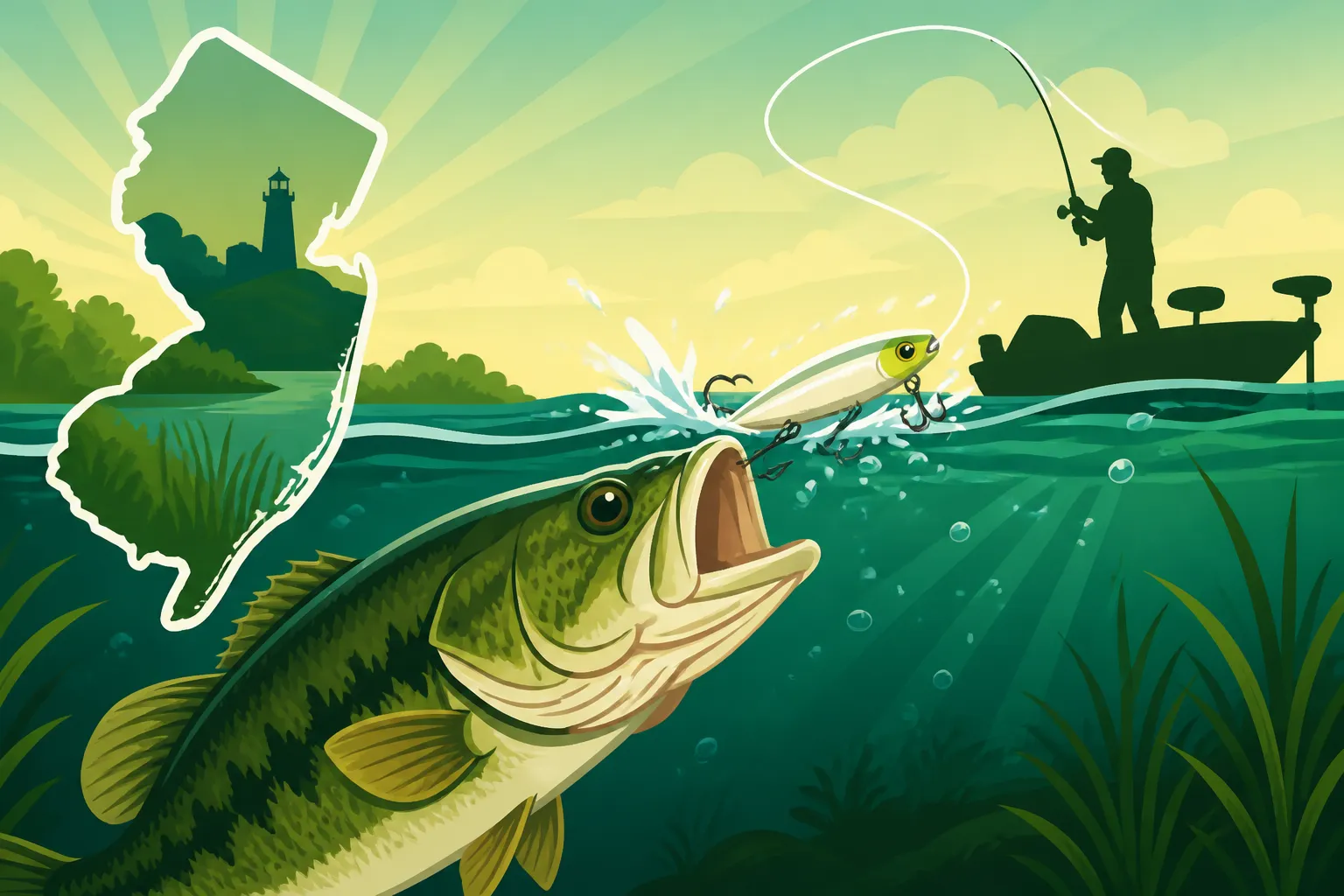
There’s nothing quite like the explosive thrill of a largemouth bass absolutely blowing up a topwater lure right at the surface. It’s a moment that can make your heart leap into your throat, and it’s arguably one of the most exciting ways to fish in New Jersey. Yet, many anglers struggle to consistently provoke these strikes, leaving them wondering if topwater fishing is more luck than skill. This guide is here to demystify the art of fishing topwater lures for largemouth bass, breaking down the techniques, gear, and conditions that will help you turn those missed opportunities into unforgettable catches.
Understanding Topwater Lures and Largemouth Behavior
Before we even cast a line, it’s crucial to understand why topwater fishing works and what makes a largemouth bass commit to such a dramatic strike. It’s not just about throwing a noisy lure; it’s about appealing to their primal instincts and knowing when they’re most likely to attack from below.
The Allure of Topwater for Anglers
Let's be real: topwater fishing is pure adrenaline. There's a certain magic to seeing your lure dance across the water, knowing that at any second, a monster might erupt from the depths to devour it. That visual component, the sudden violence of the strike, is what draws so many of us to it. It’s an interactive experience unlike any other form of bass fishing. You’re not just feeling the bite; you’re witnessing the hunt unfold right before your eyes. This high-octane excitement often leads anglers to try topwater even when conditions aren't ideal, hoping to trigger that incredible surface smash.
For many, it's the ultimate validation. When a bass commits to a topwater bait, it often does so with an almost angry determination, creating a spectacle of splashes and swirls. It's not a subtle tick on the line or a gentle thud; it's an undeniable, often spectacular, event that makes all the effort and patience worthwhile.
How Largemouth Bass React to Surface Strikes
Largemouth bass are apex predators in their freshwater habitats. Their eyes are positioned to look upwards, making them incredibly efficient at spotting prey silhouetted against the sky or moving erratically on the surface. They are ambush predators, often lurking in cover like lily pads, submerged timber, or dock pilings, waiting for an unsuspecting meal to pass overhead. When they see a topwater lure, they interpret it as a struggling baitfish, a frog, a mouse, or even a large insect that has fallen into the water.
The key to a successful topwater strike lies in triggering this predatory instinct. The commotion, vibrations, and visual profile of a topwater lure mimic distress signals or easy meals, prompting the bass to commit to an explosive upward attack. This reaction strike is often more about opportunity and instinct than a careful inspection of the bait itself. They don't want the prey to escape, so they strike hard and fast.
Identifying Ideal Conditions for Topwater Fishing
While topwater can work in a surprising range of conditions, certain factors significantly increase your chances of success. Primarily, largemouth bass are most comfortable hunting on the surface during periods of low light. This means dawn, dusk, and even into the night are prime times. On overcast days, the diminished sunlight can extend the topwater window throughout the day.
Calm or lightly rippled water is generally preferred. Too much wind or chop can make it difficult for bass to track your lure and for you to work it effectively. However, a slight chop can sometimes be an advantage, breaking up the surface and making the lure appear more natural or harder to discern. Think about those glassy mornings on Lake Hopatcong or a calm evening on Assunpink Lake – these are textbook topwater conditions where the surface action can be incredible. During the heat of summer, targeting areas with ample shade or deep cover can also extend your topwater bite into the brighter parts of the day.
Essential Topwater Lure Types for New Jersey Bass
The world of topwater lures is incredibly diverse, each designed to mimic different prey and provoke strikes in various situations. Understanding the nuances of each type is key to selecting the right tool for the job.
Poppers and Chuggers
Poppers and chuggers are characterized by their concave or cupped faces, which are designed to push water forward, creating a "popping" or "chugging" sound and splash when retrieved. They mimic struggling baitfish, frogs, or even small birds and rodents that have fallen into the water. Lures like the Heddon Pop-R or the Rebel Pop-R are classic examples that have caught countless bass over the years.
These lures are fantastic when bass are relatively active but not necessarily chasing fast-moving baits. They're excellent around cover like boat docks, lily pad fields, or submerged timber, especially in clear to lightly stained water where the visual commotion is easily perceived. Their versatility makes them a staple in many New Jersey anglers' tackle boxes, and you can find a huge variety of them available on platforms like Amazon.
Walk-the-Dog Baits (Stickbaits)
Walk-the-dog baits, also known as stickbaits, are sleek, cigar-shaped lures with no built-in action. Their magic comes from the angler's ability to impart a side-to-side "walking" motion across the water's surface. This erratic, gliding action perfectly imitates a wounded baitfish struggling to swim, often driving bass into a frenzy. Iconic examples include the Zara Spook or its smaller cousin, the Heddon Super Spook.
These lures are incredibly effective in open water situations, over submerged grass, or along defined edges where bass are actively hunting. The key is to find a rhythm that makes the lure glide smoothly from side to side. When you master the technique, it's incredibly rewarding to watch a bass track and then explode on a perfectly "walked" bait. They tend to draw strikes from larger, more aggressive fish who can't resist the tantalizing dance.
Prop Baits and Buzzbaits
Prop baits feature one or more propellers, either at the front, back, or both, that churn water and create a distinct buzzing or gurgling sound as they're retrieved. These lures are all about commotion and drawing attention. They can mimic a variety of struggling prey, from baitfish to insects, making them highly versatile. Examples include the Devil's Horse or the Torpedo series.
Buzzbaits, on the other hand, feature a large, angled propeller blade at the front that spins rapidly, creating a loud, gurgling surface disturbance and a continuous spray of water. They are designed for speed and noise, often triggering aggressive reaction strikes. They excel in low-light conditions, over sparse cover, or when you need to cover a lot of water quickly to find active fish. The constant noise and disturbance are irresistible to many bass, particularly during the post-spawn and early summer periods when they are highly territorial and defensive.
Frogs and Toads (Soft Plastic Topwaters)
Soft plastic frog and toad lures are perhaps the most specialized of the topwater family, but arguably the most effective in heavy cover. These weedless wonders are designed to be fished directly over dense mats of lily pads, hydrilla, or duckweed, places where traditional treble hook lures would instantly snag. Their hollow body construction allows them to float, and their soft legs or skirts provide a lifelike action. Brands like Spro or LiveTarget offer some incredibly realistic frog patterns.
The weedless nature of these baits allows you to penetrate areas that other lures simply can't reach, getting right into the bass's living room. Largemouth bass absolutely love to ambush prey from beneath dense cover, and a frog lure presented naturally over their heads is often too tempting to resist. The trick with these is often patience after the strike; wait until you feel the weight of the fish before setting the hook, as they often "eat" the bait for a second before fully committing.
Mastering Topwater Retrieval Techniques
The secret to consistent topwater success isn't just about choosing the right lure; it's about how you bring that lure to life. Each type of topwater bait requires a specific retrieve to maximize its effectiveness and truly fool a bass into striking.
The Stop-and-Go for Poppers
Poppers and chuggers are all about rhythm and varying your retrieve. The classic "pop-and-pause" is incredibly effective. Cast your popper to a likely ambush point, such as near a submerged log or the edge of a weedline in a place like Lake Hopatcong. Let it sit for a few seconds until the ripples dissipate – this is often when a bass will strike a "dead" bait. Then, give your rod tip a sharp, downward twitch, causing the lure to "pop" or "chug" loudly, displacing water and creating a splash.
Immediately following the pop, pause again. The length of your pause is critical and can vary based on fish activity. On highly aggressive days, a quick two-second pause might suffice. On slower days, you might need to let it sit for five, ten, or even fifteen seconds. Experiment with this cadence. Sometimes, a series of quick pops followed by a longer pause is what it takes. The goal is to make the lure look like a struggling, easy meal that's trying to escape but just can't quite get away. Don't be afraid to try some erratic retrieves, too, mixing in a double pop or a softer "sip" followed by a longer pause.
The Walk-the-Dog Action Demystified
Mastering the "walk-the-dog" retrieve for stickbaits can be one of the most rewarding techniques in bass fishing, but it takes practice. It’s all in the wrist and understanding line slack. Cast your lure out and let it settle. Point your rod tip downwards towards the water. Now, give a series of short, sharp downward twitches with your wrist, reeling in just enough slack line between each twitch to keep the line taut.
The key is to use enough slack so that the lure has room to glide sideways after each twitch. Too much slack, and you lose control; too little, and the lure just pulls straight. It's a rhythmic motion: twitch, reel, twitch, reel. Your lure should zig-zag gracefully across the surface. Many anglers struggle at first because they try to "sweep" the rod. Instead, imagine you're just gently twitching your wrist. Keep your rod tip low, as this helps keep the line on the surface and makes it easier to impart the action. Once you get the hang of it, this hypnotic side-to-side sashay is incredibly effective at calling in bass from a distance.
Steady Retrieves for Prop Baits and Buzzbaits
Unlike poppers and stickbaits which thrive on pause and finesse, prop baits and buzzbaits often shine with a more consistent, albeit varied, retrieve. For buzzbaits, the goal is to get that blade churning and gurgling the moment it hits the water. Cast it out and immediately start reeling, keeping your rod tip high enough to ensure the bait stays on the surface, creating that continuous disturbance.
Experiment with retrieve speed. Sometimes a fast, frantic retrieve triggers aggressive reaction strikes, especially around ambush points or in low light. Other times, a slow, steady retrieve that just barely keeps the blade spinning is what bass prefer, particularly when they are less active or in cooler water. For prop baits, you can incorporate a slight pause or a subtle twitch, similar to a popper, to add some extra flash from the propellers. However, their primary appeal lies in their continuous, noisy commotion. They are fantastic for covering large areas quickly and drawing fish out of dense cover, making them excellent choices when you're trying to locate active fish in a new spot.
Skimming and Popping Frogs Through Cover
Fishing soft plastic frogs and toads is a totally different ballgame because they are designed to go where no other topwater dares – directly into the heaviest cover. Cast your frog right onto a mat of lily pads, duckweed, or thick hydrilla. Let it sit there for a second, just like a real frog. Then, begin to work it with short, sharp twitches of your rod tip, causing it to hop, slide, or swim across the vegetation.
The beauty of the weedless design is that you can drag it over dense mats, through small pockets, and along the edges without snagging. When you encounter an open pocket in the cover, let the frog sit for a few seconds, twitch it a couple of times, and then continue your retrieve. This "stop-and-go" motion is crucial. When a bass strikes, resist the urge to set the hook immediately! This is a common mistake. Instead, wait until you feel the actual weight of the fish on your line. Bass often "eat" the frog, and it takes them a second to get it fully in their mouth. Count "one Mississippi, two Mississippi" before delivering a hard, sweeping hook set. Patience is truly a virtue when fishing frogs.
Gear Selection for Topwater Success in New Jersey
Having the right equipment can make all the difference in your topwater game. It's not just about comfort; it's about maximizing casting accuracy, retrieve efficiency, and hook-setting power to handle those explosive surface strikes.
Rods and Reels
For most topwater applications, especially with heavier baits like walk-the-dogs, prop baits, or frogs, a medium-heavy power rod with a fast action tip is your best friend. The medium-heavy power provides the backbone needed for strong hook sets and pulling fish out of cover, while the fast action tip allows for precise casting and imparting delicate lure movements. A rod length between 6’8” and 7’4” is generally ideal, offering a good balance of casting distance and accuracy.
When it comes to reels, a high-speed baitcasting reel (with a gear ratio of 7.1:1 or higher) is highly recommended. The fast retrieve rate allows you to quickly pick up slack line after a strike, which is absolutely critical for a good hook set on a topwater blow-up. It also helps you keep up with fast-moving buzzbaits and quickly reposition your lure. While spinning gear can work for smaller poppers or walking baits, baitcasters offer better control and power for most topwater techniques, especially when fishing around heavy cover. If you’re considering an upgrade, check out a deeper dive into the pros and cons in our guide on Spinning Reel vs Baitcasting Reel for Bass Fishing.
Line Choices: Monofilament vs. Braid
Your choice of fishing line plays a huge role in topwater performance.
-
Monofilament (Mono): This is a classic choice for many topwater presentations. Its inherent stretch acts as a shock absorber during violent strikes, reducing the chance of hooks tearing out. More importantly, mono floats, which helps keep your topwater lure riding high on the surface and makes it easier to impart action, especially with walking baits and poppers. A 12-17 lb test mono is a good all-around choice.
-
Braided Line (Braid): Braid is a fantastic option, particularly when fishing frogs or buzzbaits in heavy cover. Its zero stretch provides unparalleled sensitivity, allowing you to feel every bump and tick, and, crucially, delivers powerful, instantaneous hook sets. Its incredible strength and abrasion resistance are invaluable for pulling big bass out of thick mats of vegetation without breaking off. A 30-65 lb test braid is common. The downside is that braid tends to float too well for some baits, and its high visibility can sometimes spook fish in clear water. Many anglers mitigate this by tying a short, 1-2 foot fluorocarbon leader (15-20 lb test) to the end of their braid, offering both invisibility and a bit of shock absorption. You can find quality braided line from brands like PowerPro or Sufix on Amazon.
Essential Accessories
Beyond your rod, reel, and lures, a few key accessories can greatly enhance your topwater fishing experience and safety.
- Pliers/Forceps: These are absolutely vital for safely removing hooks from bass, especially those that have swallowed the lure or have hooks embedded in tough spots. Long-nose pliers or specialized fishing forceps are invaluable.
- Landing Net: A good rubberized landing net is not just for convenience; it protects the fish by minimizing contact with abrasive surfaces and helps you quickly secure your catch, especially when dealing with treble-hooked baits.
- Polarized Sunglasses: These are non-negotiable for topwater fishing. They cut through the surface glare, allowing you to see your lure's action, watch fish approach, and identify potential cover or structure beneath the surface.
- Extra Hooks: Topwater lures take a beating, and hooks can dull or bend. Carrying spare treble hooks (matched to the size of your lure) and a split ring plier allows for quick, on-the-water replacements, ensuring you're always fishing with sharp points.
Where and When to Target New Jersey Largemouth with Topwaters
New Jersey offers a fantastic array of freshwater fisheries, and knowing where and when to present your topwater offerings can dramatically increase your success rate. Largemouth bass are creatures of habit, and understanding their seasonal movements and preferred habitats is key.
Prime New Jersey Lakes and Ponds
New Jersey boasts numerous lakes and ponds that are absolutely ripe for topwater largemouth action. When searching for spots, look for areas with ample cover and structure – these are the bass’s ambush points.
- Lake Hopatcong: As New Jersey's largest lake, Lake Hopatcong offers incredible opportunities. Focus your topwater efforts around lily pad fields, extensive weed beds, and along the edges of docks and fallen trees. Early mornings and late evenings around the coves and shallower flats can be explosive. If you're looking for prime spots, our guide on Lake Hopatcong Bass Fishing Hotspots has some excellent recommendations.
- Assunpink Lake: This central New Jersey gem is known for its healthy largemouth population and abundant vegetation. Target the shallow coves and weed lines with frogs and walking baits during low light.
- Menantico Sand Wash Pond: Famed as the location where New Jersey's record largemouth bass was caught, this pond is a must-fish for serious anglers. The extensive weed cover makes it a frog-fishing paradise. You can learn more about this legendary catch in our post on How New Jersey's Record Largemouth Bass Was Caught at Menantico Sand Wash Pond.
- Manasquan Reservoir: This large reservoir has clear water and provides excellent opportunities for various bass species, including largemouth. Target the shallower coves and feeder creeks, especially during spring and fall.
- Private Ponds and Community Lakes: Don't overlook the countless smaller, often less-pressured ponds scattered across the state. Many of these offer fantastic topwater action, especially if they have healthy populations of bass and plenty of aquatic vegetation or submerged cover.
When you're scouting, prioritize areas with:
- Lily Pads and Emergent Vegetation: These provide shade, ambush points, and hide bass from aerial predators, making them feel secure enough to strike at the surface.
- Laydowns and Brush Piles: Fallen trees and brush offer excellent cover, especially when the water around them is relatively shallow.
- Docks and Boathouses: These man-made structures provide overhead cover and shade, attracting bass, particularly on sunny days. Cast poppers and walking baits right up against the pilings.
- Creek Mouths and Inflows: These areas often concentrate baitfish and provide slightly cooler, oxygenated water, making them attractive to bass.
Seasonal Considerations for Topwater
Largemouth bass behavior shifts with the seasons, impacting when and where topwater lures are most effective. For a broader understanding of how fish react to seasonal changes, refer to our New Jersey Fishing Seasons Explained guide.
- Spring (Pre-Spawn & Post-Spawn): Topwater can be excellent in late spring, especially during the post-spawn period. Bass are often guarding fry or aggressively feeding to recover from spawning. Target shallow flats, coves, and areas where bass are congregating. As the water warms, you'll start to see more topwater activity. Our article on How to Catch Largemouth Bass in Early Spring can offer more insights into this critical time.
- Summer: This is prime topwater season, particularly during early morning and late evening. The warm water makes bass active, and they'll readily strike surface baits. During the midday heat, focus on shaded areas, deep cover, or along drop-offs where bass might suspend. Early and late summer are particularly good. Check out Best Lures for Largemouth Bass in Summer Heat for more hot weather tips.
- Fall: As water temperatures begin to cool, bass become very aggressive, feeding heavily in preparation for winter. Topwater can still be fantastic, especially walking baits and prop baits, as bass chase baitfish. However, as temperatures drop further, the topwater bite will slow down. For targeting bass in colder conditions, our guide on How to Catch Largemouth Bass in Cold Water provides valuable advice.
Time of Day and Weather Impact
While conventional wisdom dictates low light, understanding the nuances of time and weather will truly elevate your topwater game. Our detailed guide on Best Time of Day for Bass Fishing covers this extensively, but here's a quick recap.
- Dawn and Dusk: These are almost always your golden hours for topwater. The reduced light gives bass a predatory advantage, making them more comfortable feeding in shallower, open water. The surface calm often found during these times also makes it easier for bass to zero in on your lure.
- Overcast Days: Don't let an overcast sky deter you. Gray, cloudy conditions can extend the topwater bite throughout the day, as the diffused light mimics perpetual dawn or dusk. These are often some of the best days to be out with a topwater bait.
- Light Wind/Chop: While dead calm can be great, a light ripple or chop on the water's surface can actually help your topwater presentation. It breaks up the surface, making your lure appear more natural and harder for bass to scrutinize. Too much wind, however, makes it difficult to cast accurately and work your lure effectively.
- Post-Frontal Conditions: After a cold front, bass can become lethargic and less willing to chase. This is when a slow, methodical retrieve with a popper, featuring very long pauses, might tempt a strike from an otherwise inactive fish.
Advanced Tips and Troubleshooting for Topwater Anglers
Even with the right gear, lures, and understanding of conditions, topwater fishing presents its own unique challenges. Learning to overcome these hurdles is what separates the casual topwater angler from the consistently successful one.
Hook Set Timing and Missed Strikes
This is perhaps the single biggest frustration for anyone new to topwater fishing: the spectacular blow-up, followed by no fish. It's almost guaranteed to happen, and it feels awful. The natural instinct when you see a fish attack your lure is to set the hook immediately. However, with topwater, this is almost always a mistake. When a bass lunges at a surface lure, it often creates a massive splash before it actually has the lure fully in its mouth. Setting the hook too early means you're pulling the bait away before the fish has a chance to grab it.
The golden rule is: Wait for the weight. When you see or hear the strike, do not react immediately. Instead, count to one Mississippi, two Mississippi, or simply wait until you feel the actual weight of the fish on your line. Once you feel that resistance, then deliver a strong, sweeping hook set. This takes discipline, but it dramatically increases your hook-up ratio. Sometimes, the bass might miss the lure completely, or simply swipe at it. Don't immediately reel in; let the lure sit for a moment. Often, a bass will come back for a second, more committed strike.
Customizing Lures and Adding Scent
Don't be afraid to experiment and customize your topwater lures to better suit specific conditions or bass preferences.
- Changing Hooks: Many factory hooks on lures are not as sharp or strong as they could be. Upgrading to super-sharp, high-quality treble hooks (like those from Gamakatsu or Owner) can significantly improve your hook-up ratio, especially on lighter strikes. You can also experiment with different hook sizes or adding a feathered treble hook to the rear of a walking bait or popper, which can add visual appeal and a pulsating action.
- Adding Scent: While largely a visual and auditory presentation, adding scent to topwater lures can sometimes provide an extra edge, especially on slow days or in clear water where fish might get a closer look. A dab of fish attractant gel or spray on the belly or a prop can sometimes entice a bass to hold on for that crucial extra second.
- Color Modifications: While topwater colors are often more about silhouette than intricate detail, a little custom work can sometimes help. Adding a red hook to mimic gills, using a permanent marker to darken areas, or adding reflective tape can make your lure stand out.
Overcoming Environmental Challenges
New Jersey's diverse waters can present various challenges. Learning to adapt is crucial.
- Wind: Strong wind makes casting accurately and working light topwater lures incredibly difficult. On windy days, try to find sheltered coves or lee shores where the water is calmer. Use heavier topwater baits that cast better into the wind, or switch to a buzzbait which generates its own commotion even in choppy water.
- Current: In tidal rivers or areas with current, fish will often position themselves to ambush prey flowing downstream. Cast your topwater lure upstream of likely holding spots and let it drift naturally with the current, imparting action as it passes. This "down current" presentation can be deadly, mimicking a stunned baitfish being swept along.
- Clear Water: In exceptionally clear waters, like parts of Round Valley Reservoir, bass can be warier. Use more subtle presentations, smaller lures, and longer pauses. A fluorocarbon leader on braided line can help with stealth. Low light conditions become even more critical in clear water scenarios.
- Pressured Fish: In highly pressured lakes, bass can become conditioned to certain retrieves or lure types. Don't be afraid to deviate from the norm. Try an unconventional color, an unusually slow or fast retrieve, or a topwater bait they rarely see. Sometimes, a tiny popper fished ultra-slow can trick a bass that has seen every walk-the-dog lure under the sun.
| Lure Type | Primary Action | Ideal Conditions | Best Retrieval Technique | Key Feature |
|---|---|---|---|---|
| Poppers / Chuggers | Splashing, Gurgling, Pushing Water | Calm to Light Chop, Near Cover | Pop-Pop-Pause (varied cadence) | Cupped face for noise and splash |
| Walk-the-Dog Baits | Side-to-Side Glide, Erratic Sashay | Open Water, Over Submerged Weeds | Twitch-Twitch-Reel (rhythmic wrist action) | Slim profile, angler-imparted action |
| Prop Baits | Churning Water, Subtle Vibration | Calm to Light Chop, Around Structure | Steady Retrieve with occasional twitches | One or two propellers for disturbance |
| Buzzbaits | Loud Gurgle, Constant Surface Disturbance | Low Light, Over Sparse Cover | Fast, Steady Retrieve | Single large propeller, generates noise & spray |
| Soft Frogs / Toads | Hopping, Skimming, Gliding (Weedless) | Heavy Vegetation (Lily Pads, Mats) | Twitch-Pause-Retrieve (slow over cover) | Hollow body, weedless, realistic profile |
Disclaimer
The information provided in this guide is for general informational purposes only. Fishing regulations, seasons, and licensing requirements in New Jersey are subject to change. Always consult the official New Jersey Department of Environmental Protection (NJDEP) Fish and Wildlife Digest or website for the most current and accurate rules and regulations before you go fishing. Stay safe, be responsible, and practice good conservation.