New Jersey’s Cape May Charter Fishing Guide
There's nothing quite like the excitement of planning a fishing trip to New Jersey's beautiful coast, but for many anglers, especially those looking to explore the rich waters of Cape May, the sheer number of charter options can feel totally overwhelming. You might be wondering, "Where do I even start?" or "How do I know I'm picking the right boat for my family or my seasoned fishing buddies?" It's a valid concern! This guide is here to cut through that confusion, helping you navigate the world of Cape May charter fishing, from understanding the different types of trips available to knowing exactly what to expect and how to prepare for an unforgettable day on the water.
Why Cape May is a Premier Fishing Destination
Cape May, sitting at the very southern tip of New Jersey, isn't just famous for its Victorian charm and beautiful beaches; it's a bonafide angler's paradise. For decades, it's been the launching point for countless successful fishing adventures, and for good reason. The unique geographical position means you have access to an incredible diversity of marine environments, all within a reasonable boat ride. This isn't just a local hotspot; it's a regional magnet for serious anglers and casual vacationers alike.
The Strategic Location and Diverse Waters
Think about Cape May's location for a moment. To its west is the vast expanse of the Delaware Bay, a rich estuary brimming with baitfish and, consequently, hungry game fish. To its east lies the powerful Atlantic Ocean, offering access to fertile nearshore grounds and, further out, the legendary deep-sea canyons. This isn't a one-trick pony; Cape May offers a veritable buffet of fishing opportunities that few other locations can match.
For those who prefer a calmer ride or a shorter trip, the inshore waters of the Delaware Bay and the calm back channels around Cape May Harbor are perfect. Here, you'll find plenty of action with species that thrive in shallower, nutrient-rich environments. But if you're craving bigger thrills and offshore giants, you can head out into the open Atlantic. From the nearshore wrecks and reefs that hold incredible populations of bottom fish to the distant canyons that teem with pelagic species, Cape May truly has it all. This diverse range of habitats means that no matter your preference or experience level, there's always a productive fishing ground within reach.
Target Species Galore
The biodiversity around Cape May is simply astounding, making it a dream destination for anglers targeting a wide array of species. Depending on the season and your chosen fishing grounds, you could be reeling in anything from a hard-fighting Striped Bass to an enormous Tuna. It’s not just about one or two popular fish; it’s a whole ecosystem of sportfish thriving in these rich waters.
In the calmer bay and nearshore waters, you'll find an abundance of Fluke (also known as Summer Flounder), a perennial favorite for many New Jersey anglers. There are also plenty of croakers, kingfish, and even some smaller Striped Bass, especially during their spring and fall migrations. As you venture a bit further out, the wrecks and reefs become prime real estate for jumbo Black Sea Bass, feisty Tautog (or "blackfish"), and often large numbers of Bluefish. And if you're ready for the ultimate challenge, the offshore waters of Cape May are renowned for their incredible Tuna fishing, including Yellowfin, Bluefin, and Bigeye, alongside Mahi-Mahi, Wahoo, and even various species of sharks. The sheer variety ensures that whether you're bringing the kids for a fun day or embarking on a serious trophy hunt, Cape May delivers.
Types of Fishing Charters Available in Cape May
When you decide to go fishing out of Cape May, one of the first big decisions you'll face is choosing the type of charter. It's not a one-size-fits-all situation, and what's perfect for one group might not be ideal for another. Understanding the distinctions will help you pick the adventure that best suits your group, your budget, and your fishing aspirations.
Private Charters vs. Party Boats
This is often the most significant fork in the road for many anglers. Both private charters and party boats offer incredible fishing experiences, but they cater to very different preferences and group dynamics. It's like choosing between a private dining experience and a bustling restaurant – both can be great, but the vibe and personalized attention are vastly different.
A private charter gives you and your chosen group exclusive access to the boat and the captain. This means you have a direct say in where you go, what species you target (within reason and season), and how much time you spend in a particular spot. The captain and mate's attention is entirely focused on your party, offering personalized instruction, help with rigging, and dedicated fish-handling. This intimacy is fantastic for families with young children, groups of friends who want to bond without strangers, or serious anglers looking to fine-tune their techniques. The cost, naturally, is for the entire boat, making it a more expensive per-person option for smaller groups, but often comparable for larger groups (say, 4-6 people) compared to individual party boat tickets. They typically include bait, tackle, and ice, but always confirm. You'll want to check out New Jersey Party Boat vs Private Charter: What's the Difference? for a more detailed comparison.
Party boats, sometimes called head boats, are a more communal affair. You pay per person, and you share the deck with many other anglers. These boats are generally much larger, designed to accommodate anywhere from 20 to over 100 passengers. While you won't get the same one-on-one attention as on a private charter, the crew is still working hard to help everyone, untangle lines, and assist with catches. Party boats are often more budget-friendly and are a fantastic way for solo anglers, couples, or small groups to get out on the water without the expense of booking an entire boat. They usually stick to specific fishing grounds that are known to hold a good number of fish, often focusing on species like Fluke, Black Sea Bass, or Bluefish. Bait is always included, and tackle rentals are usually available for a small fee. While you might not dictate the fishing spot, the camaraderie and shared experience can be a lot of fun, and often, these boats are incredibly efficient at finding fish.
Inshore, Nearshore, and Offshore Adventures
Beyond the type of boat, you'll need to consider how far out you want to go. Cape May's geography allows for three distinct types of fishing adventures, each with its own appeal, target species, and required gear.
Inshore fishing typically takes place in the calmer waters of the Delaware Bay or within a few miles of the coast, including the Cape May Harbor area. These trips are often shorter, sometimes just a half-day, and are ideal for beginners, families with young children, or those prone to seasickness. The waters are generally shallower, and the focus is on species like Fluke, weakfish, croakers, and smaller Striped Bass. Light tackle is usually the order of the day, making the fight exciting even for smaller fish. These trips are fantastic for getting comfortable on the water and enjoying consistent action.
Nearshore fishing ventures a bit further, usually within 10-30 miles of the coastline. This is where you'll find many of the famous wrecks and artificial reefs that dot the New Jersey coast. These structures provide incredible habitat for bottom-dwelling species. Target species here include larger Black Sea Bass, abundant Tautog, triggerfish, and often Bluefish or even some Striped Bass cruising the structure. These trips are typically full-day affairs and might involve a bit more choppiness depending on ocean conditions. The tackle will be slightly heavier than inshore, but still manageable for most anglers. This zone offers a great balance of travel time, diverse species, and exciting fishing.
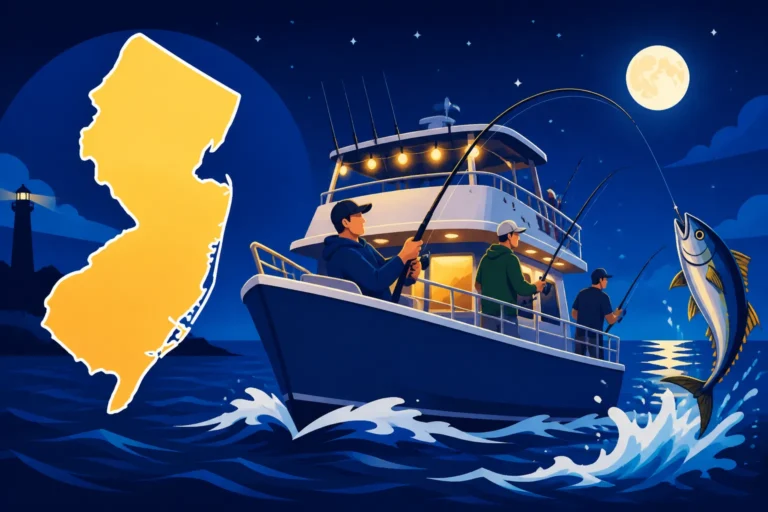
Offshore fishing is for the adventurous at heart. These trips involve traveling anywhere from 30 to over 100 miles offshore, often to the edge of the continental shelf or out to the deep-sea canyons. This is where the truly pelagic species roam. You'll be targeting magnificent game fish like Yellowfin Tuna, Bluefin Tuna, Mahi-Mahi, Wahoo, and various shark species. These are serious, often long-duration trips, sometimes lasting 10-18 hours or even overnight. The tackle is heavy-duty, designed to handle powerful fish, and the ride can be bumpy. Offshore trips require a significant investment in time and money, but the potential for a trophy catch is unmatched. For those dreaming of a big tuna, New Jersey Offshore Tuna Charters can provide even more detail on what to expect.
Specialty Charters (Tuna, Shark, Wreck Fishing)
Sometimes you have a very specific fish in mind, or a particular type of fishing experience you're after. Cape May's charter fleet is diverse enough to offer highly specialized trips that cater to these exact desires. These aren't your typical "catch-all" trips; they're tailored for a unique challenge or species.
Tuna Charters are arguably the most sought-after specialty trip out of Cape May. When people think "offshore," they often think tuna. These trips are usually full-day or even multi-day overnight excursions to the deep canyons. Anglers employ various techniques like trolling, chunking, and jigging to entice these powerful, fast-swimming predators. The boats are typically equipped with advanced electronics and heavy-duty gear specifically for tuna. Landing a big Yellowfin or Bluefin is a monumental accomplishment, a true test of strength and endurance. These trips are not for the faint of heart, but the rewards can be incredible.
Shark Fishing Charters offer another thrilling, high-adrenaline experience. While many sharks are caught and released, the fight they put up is legendary. Charters specifically targeting sharks often focus on species like Mako, Thresher, Blue, and occasionally Hammerhead sharks. These trips typically happen further offshore than nearshore, but not always as far as tuna. The captains are experts at finding shark-rich waters and use specialized chumming techniques and heavy tackle. It's a fantastic option for anglers looking for a big game fight. If this sounds like your kind of adventure, read up on New Jersey Shark Fishing Charters.
Wreck Fishing Charters are a deep dive into the underwater structures that hold incredible amounts of fish. These trips focus on navigating to known shipwrecks, artificial reef sites, and rock piles that provide habitat for species like Black Sea Bass, Tautog, and Ling. Anglers typically use bait-fishing or jigging techniques directly over the structure. These can be incredibly productive trips, especially for bottom fish, and are a great option for those who enjoy consistent action and don't mind dropping bait directly down.
Essential Considerations When Booking a Cape May Charter
Booking a fishing charter shouldn't be a spur-of-the-moment decision. There are several key factors you'll want to weigh to ensure you have the best possible experience. After all, you're investing your time and money into this adventure, and a little planning goes a long way.
Choosing the Right Captain and Crew
The captain and crew are the heart and soul of your fishing trip. Their expertise, professionalism, and personality can truly make or break your day on the water. It's not just about finding fish; it's about the entire experience. A great captain prioritizes safety, works hard to put you on fish, and creates a positive, enjoyable atmosphere for everyone aboard.
When you're looking for a charter, don't just go for the cheapest option or the one with the flashiest website. Do your homework. Look for captains with a solid reputation for safety, extensive local knowledge, and a commitment to customer service. Many reputable captains operating out of Cape May are known for their calm demeanor, patience with beginners, and willingness to share their knowledge. Platforms like FishingBooker are fantastic resources for this, as they allow you to read reviews from past customers who can give you real insight into a captain's style, the condition of their boat, and their fishing success. A good captain should be easy to communicate with before the trip, answering your questions clearly and setting realistic expectations. The mate, if there is one, is equally important; they are your go-to person on deck for help with rigging, netting fish, and generally making your day smoother. A friendly, attentive mate can significantly enhance your experience.
Understanding Costs and What's Included
Charter fishing is an investment, and like any investment, you want to understand what you're paying for. While I can't give you exact dollar figures, I can tell you about the typical structure of costs and what's generally included, so you know what questions to ask. The "shape" of the cost varies greatly depending on the type of trip and boat, but clarity upfront prevents any nasty surprises later.
Most private charters will have a flat rate for the entire boat for a half-day, full-day, or extended trip. This fee typically covers the boat, captain, fuel, bait, and basic tackle. Sometimes, ice and fish cleaning might also be included, but it's crucial to confirm this beforehand. You might also be expected to pay a deposit upfront to secure your booking, with the remainder due on the day of the trip. Remember to factor in a customary tip for the captain and mate – they work incredibly hard! For party boats, the cost is usually per person, and often includes bait, but rod rentals and fish cleaning might be extra. It's always best to call and confirm every detail. Don't forget that for certain freshwater fishing, you'd need a New Jersey Trout Stamp Requirement for Stocked Lakes, but for most saltwater charters, the boat's license covers you. Also, be sure to ask about payment methods and cancellation policies, especially regarding weather. For more on what to expect financially, check out How Much Does a Private New Jersey Fishing Charter Cost? and Do New Jersey Charters Provide Bait and Tackle?.
Best Time to Fish and Target Species
Timing is everything in fishing, and Cape May is no exception. Understanding the seasonality of different species is key to planning a successful trip that aligns with your fishing goals. You wouldn't go skiing in July, and you wouldn't typically target offshore tuna in the dead of winter!
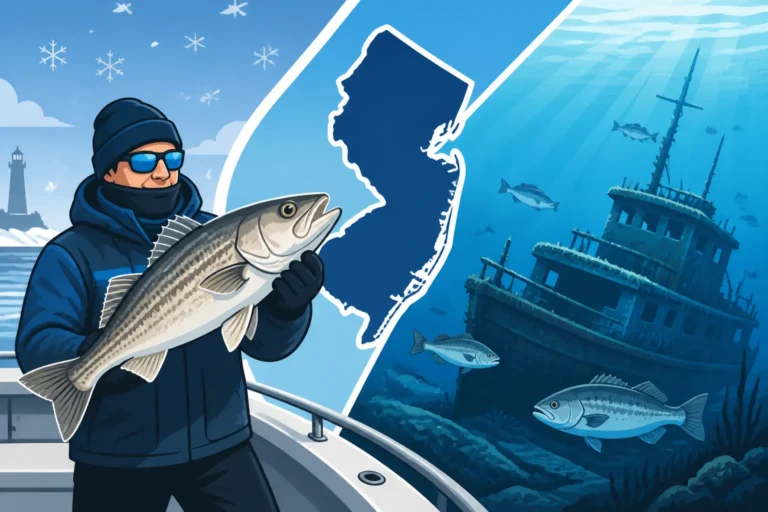
Spring in Cape May sees the arrival of migratory Striped Bass and the start of the Fluke season. As the waters warm, Black Sea Bass become active on the wrecks. Summer is prime time for Fluke in the bays and nearshore, along with Bluefish, kingfish, and a variety of other species. The offshore bite for Tuna and Mahi-Mahi also heats up significantly in the summer months. Fall brings another strong Striped Bass run, often some of the biggest fish of the year, as well as excellent Tautog fishing as they move to structure. Winter fishing is primarily for Tautog and some Ling on the offshore wrecks, often requiring more specialized tactics. Before booking, consider what you want to catch and research the peak seasons for those species. A good captain will be upfront about what's biting when you plan to go. For targeted advice, look into Best Month to Book a Fluke Charter in New Jersey or Best Month to Book a Striped Bass Charter in New Jersey to align your trip perfectly.
Preparing for Your Cape May Fishing Trip
You've picked your charter, set the date, and now the excitement is building! But a great fishing trip also requires a bit of preparation. Showing up ready for whatever the ocean throws at you will ensure a more comfortable and enjoyable day for everyone on board.
What to Bring: The Essentials Checklist
While your charter will likely provide the core fishing gear, there are several personal items you'll want to pack to ensure comfort, safety, and a pleasant experience. Think of it like packing for a mini-adventure; you want to be prepared for various conditions and needs.
Here’s a checklist of essentials:
- Clothing: Layering is crucial in New Jersey, especially on the water where conditions can change rapidly. Even on a warm day, a light jacket or sweatshirt is wise for offshore breezes. Bring waterproof outer layers if there's any chance of rain or spray. Hats and sunglasses are non-negotiable for sun protection. Footwear should be non-slip and comfortable; leave the flip-flops at home. For more detailed advice, refer to What to Wear on a New Jersey Fishing Charter.
- Sun Protection: Sunscreen (high SPF), lip balm with SPF, and a wide-brimmed hat are vital. The sun's reflection off the water amplifies its intensity.
- Food and Drinks: Pack plenty of water and your favorite snacks or a packed lunch. Most charters don't provide meals, though some party boats might have a galley with snacks for sale. Bring a small cooler with ice for your provisions.
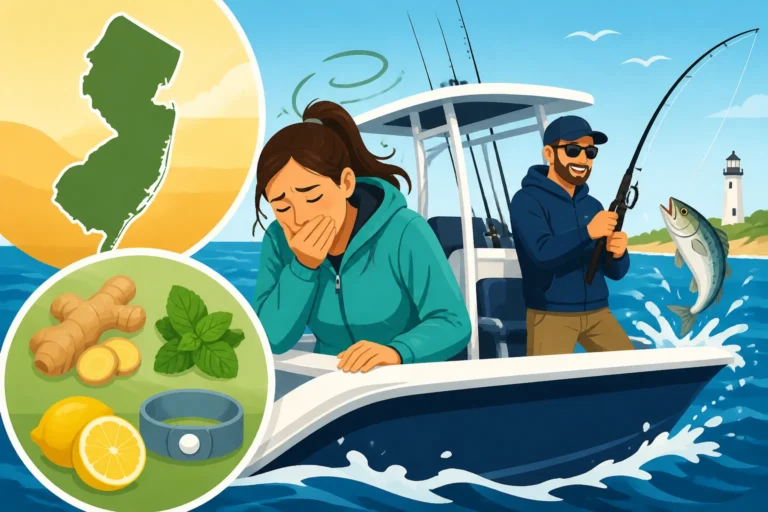
- Motion Sickness Medication: If you're at all prone to seasickness, take preventative measures before you board the boat. Ginger chews, wristbands, or over-the-counter medications like Dramamine or Bonine work best when taken an hour or two in advance. Don't wait until you feel queasy!
- Camera: You'll want to capture those memories, especially that trophy fish! Make sure your phone or camera is waterproof or stored in a dry bag.
- Cooler (for your catch): If you plan to keep fish, bring a separate cooler for your filets back home. Leave it in your car until the end of the trip to save space on board.
- Hand Towel: Handy for wiping hands after handling bait or fish.
- Small backpack/dry bag: To keep all your personal items organized and protected from spray.
Licensing, Regulations, and Safety
One common question from anglers, especially those new to charter fishing, is about licenses. The good news is that for most saltwater charter trips in New Jersey, you as the passenger are typically covered under the boat's federal or state fishing license. However, there are a few nuances to be aware of.
For recreational saltwater fishing in New Jersey, you usually don't need an individual state fishing license. Instead, New Jersey requires anglers to register with the New Jersey Saltwater Registry Explained. The excellent news is that if you're fishing on a licensed charter or party boat, their registration often covers everyone on board. It's always a good idea to confirm this with your captain when you book, but generally, you're all set without needing to buy your own individual saltwater license. If you're planning to fish freshwater, that's a different story; you will need a state freshwater license. For comprehensive information, check out New Jersey Fishing License Requirements on a Guided Charter.
Safety is paramount on any fishing trip. Reputable Cape May charter captains are highly trained and operate under strict Coast Guard regulations. Before leaving the dock, they'll usually conduct a brief safety talk, pointing out life jackets, emergency exits, and other important equipment. Pay attention to these instructions. Always follow the captain and crew's directions, especially regarding moving around the boat, using equipment, and handling fish. Conditions can change quickly on the water, so listen to their advice for your safety.
Etiquette and Tipping
Understanding proper etiquette on a fishing charter contributes to a smooth and enjoyable trip for everyone, including the hard-working crew. A little courtesy goes a long way.
First and foremost, listen to the captain and crew. They are the experts, and their instructions are for your benefit and safety. Don't cast over other anglers' lines, give people space, and be patient. If you need help, politely ask the mate. They are there to assist you.
Tipping is customary and highly appreciated on fishing charters. The mate, in particular, often works for a low base wage, relying heavily on tips for their strenuous work—setting up tackle, baiting hooks, netting fish, cleaning up, and even filleting your catch. A general guideline is to tip the mate 15-20% of the total charter cost. For private charters, it's common to tip both the captain and the mate, though the mate usually receives the larger portion of the tip. On party boats, you'll typically tip the mates directly. This tradition acknowledges their hard work and expertise. Never feel pressured to tip if the service was genuinely poor, but if they worked hard and you had a good time, show your appreciation. For more on this, check out New Jersey Charter Boat Tipping Etiquette.
| Feature | Private Charter | Party Boat (Head Boat) |
|---|---|---|
| Group Size | Exclusive to your small group (typically 1-6 anglers) | Shared with many other anglers (20-100+ people) |
| Cost Structure | Flat rate for the entire boat | Per-person fee |
| Flexibility | High control over target species, location, duration | Fixed schedule, target species, and fishing grounds |
| Attention | Personalized attention from captain and mate | Shared attention from crew, more independent fishing |
| Experience Level | Great for all levels, especially beginners & kids | Good for all levels, but might require more self-reliance |
| Atmosphere | Intimate, customizable, focused on your group | Social, communal, bustling, shared experience |
| Species Range | Can target specific inshore, nearshore, or offshore | Often focuses on common inshore/nearshore species |
| Included | Usually bait, tackle, ice (confirm) | Bait included, tackle rentals often extra (confirm) |
Making the Most of Your Charter Experience
You've prepared, you're on the boat, and the lines are in the water. Now it's time to truly enjoy the experience and make some lasting memories. A great charter fishing trip is more than just catching fish; it's about the entire adventure.
Communicating Your Expectations
Before the trip really gets underway, have a quick chat with your captain or mate. Let them know your goals for the day. Are you hoping to catch dinner? Are you looking for a trophy fish? Do you want to learn new techniques? Are you bringing kids who just want to feel a tug on the line? Setting these expectations can help the crew tailor the experience as much as possible, even on a party boat, by offering guidance or suggesting different approaches.
For example, if you're a seasoned angler hoping for a particular species, make that clear. If you're a beginner, don't be shy about admitting it; the crew is there to help teach you. This open communication ensures everyone is on the same page and helps the crew understand how to best serve your group. Remember, even if the fish aren't biting, a good captain will still try their best, and knowing what you hoped for can influence their strategy.
Handling Your Catch Responsibly
So, you've reeled in a beauty! Now what? Understanding catch handling is a crucial part of responsible angling. Many Cape May charters practice sustainable fishing, which means adhering to strict How Bag and Size Limits Work in New Jersey and respecting catch and release rules for certain species.
For fish you intend to keep, the crew will typically assist you in landing, measuring, and often putting it on ice immediately to preserve its freshness. Many charters offer fish cleaning services back at the dock, sometimes for a small fee, which is a huge convenience. You'll end up with clean, ready-to-cook fillets. Always confirm if this service is available and what the cost might be. If you're practicing catch and release, the crew will guide you on how to handle the fish to ensure its best chance of survival. This often involves minimizing its time out of water and using proper release techniques. Can You Keep the Fish You Catch on a New Jersey Charter? is a good resource if you want to understand the specifics of what you can bring home.
Documenting Your Adventure
Last but not least, don't forget to capture the moments! A fishing trip, especially out of a picturesque place like Cape May, is ripe with photo opportunities. From the sunrise over the Atlantic to the joy on a child's face when they land their first fish, these are memories you'll want to cherish.
Bring your camera or phone and take plenty of pictures and videos. Capture the scenery, the action, and of course, your prized catches. Don't be afraid to ask the mate to snap a photo of you with your fish; they're usually happy to oblige. Just make sure your devices are protected from water. These photos will serve as fantastic mementos and stories to share with friends and family long after your lines are dried and your fish is on the dinner plate.
Disclaimer
This article is for general informational purposes only and does not constitute professional advice. Laws, prices and regulations vary by location and change over time. Consult a qualified professional for guidance on your specific situation.