Great Egg Harbor Bay Fishing Guide
It can feel overwhelming trying to find that perfect fishing spot, especially in a region as rich with waterways as New Jersey. You want diversity, reliable action, and a place that feels welcoming whether you're a seasoned pro or just getting your feet wet with the family. Well, let me tell you, if you're looking for an incredible blend of saltwater action, stunning scenery, and easy access, then Great Egg Harbor Bay is absolutely worth your attention. This guide is going to break down everything you need to know to make your next trip to the bay a success.
Why Great Egg Harbor Bay is a Top Fishing Destination
Great Egg Harbor Bay isn't just another body of water; it's a dynamic ecosystem that offers a unique fishing experience that many other bays simply can't match. It's bordered by iconic towns like Ocean City, Somers Point, and Egg Harbor Township, but its real charm lies in the diverse underwater world it presents to anglers.
Diverse Habitats and Ecosystems
What makes Great Egg Harbor Bay such a phenomenal fishing ground is its incredible variety of habitats. You’re not just dealing with one type of bottom here; it’s a mosaic of environments, each attracting different species at different times. Imagine shallow, sun-drenched flats perfect for sight fishing on calm days, gradually deepening into intricate channels that act as highways for migrating fish.
These channels, scoured by tidal currents, often hold deeper pockets and ledges where larger game fish like striped bass and fluke love to ambush unsuspecting bait. Then you have the vast expanses of marsh grasses, teeming with life – from small baitfish to crabs – providing both food and shelter. And let's not forget the oyster beds; these natural reefs are biodiversity hotspots, drawing in everything from tautog to the smallest of baitfish, creating a vibrant food chain. This complex interplay of shallow and deep, soft and hard bottom, makes the bay a productive fishery year-round, always offering something new to explore.
Accessibility for All Anglers
One of the true beauties of Great Egg Harbor Bay is its incredible accessibility, making it a dream destination for anglers of all skill levels and preferences. If you're a boat owner, you'll be thrilled by the numerous well-maintained public boat ramps scattered around the bay. Towns like Somers Point, Egg Harbor Township, and Mays Landing all offer excellent launch points, allowing you to quickly get out into the main channels, explore the marsh creeks, or even venture towards the inlets leading to the ocean.
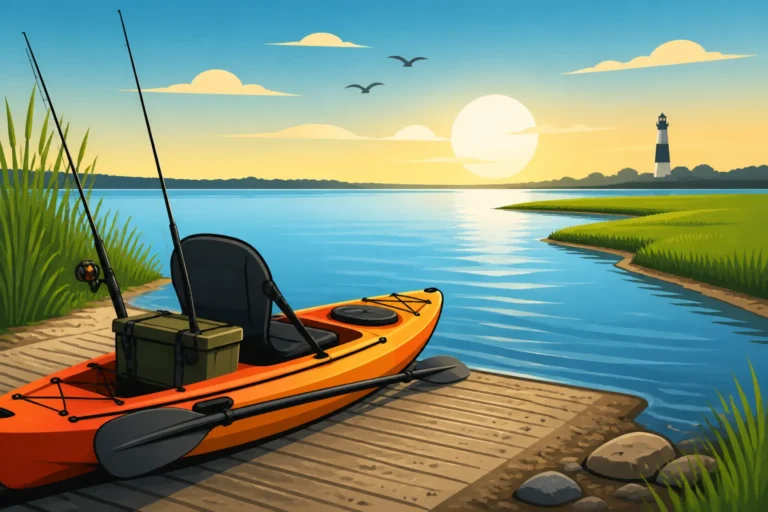
For those who prefer a more intimate connection with the water, kayaking and paddleboarding have become increasingly popular here. There are plenty of quiet spots to launch a kayak, allowing you to stealthily navigate the shallower areas and back creeks where larger boats can't go. Many parks along the bay, such as Kennedy Park in Somers Point, provide easy kayak access right from shore. And if you're a shore angler, don't despair! The Longport Bridge fishing pier is a legendary spot, offering fantastic opportunities to cast into the main channel. Additionally, various sections of the causeways leading into Ocean City and other local bridges offer bank access, providing a chance to catch everything from stripers to blowfish without needing a boat. For more ideas on fishing from shore, check out our guide on Where to Fish From Shore Along the Jersey Shore.
Prime Fish Species You'll Encounter
Great Egg Harbor Bay is a true smorgasbord for anglers, hosting a wide array of desirable fish species throughout the year. Depending on the season and your technique, you could be reeling in anything from a hard-fighting striped bass to a delicious fluke for dinner.
Fluke and Summer Flounder
Without a doubt, fluke, or summer flounder as they're officially known, are the reigning champions of Great Egg Harbor Bay's summer fishery. These flatfish are not only incredibly fun to catch but also make for some of the best eating in the ocean. They arrive in the bay usually around late May and stick around through September, often in good numbers.
You'll find fluke inhabiting the deeper channels, along the edges of marsh grass, and especially over sandy or muddy bottoms where they can camouflage themselves perfectly. The key to catching them is often through a technique called drifting, where your boat moves with the tide, presenting your bait or lure along the bottom. For bait, go-to options include live minnows (often called "killies"), strips of squid, or a combination of both. Artificial baits like Gulp! swimming mullets are also incredibly effective, often out-fishing natural bait on certain days. When it comes to presentation, a simple bucktail jig tipped with bait or a standard fluke rig with a sinker and a snelled hook are common setups. Remember to stay up-to-date on New Jersey Fluke Size and Bag Limits Explained as these regulations can change. For mastering the technique, our article on How to Drift Fish for Fluke offers excellent tips.
Striped Bass and Bluefish
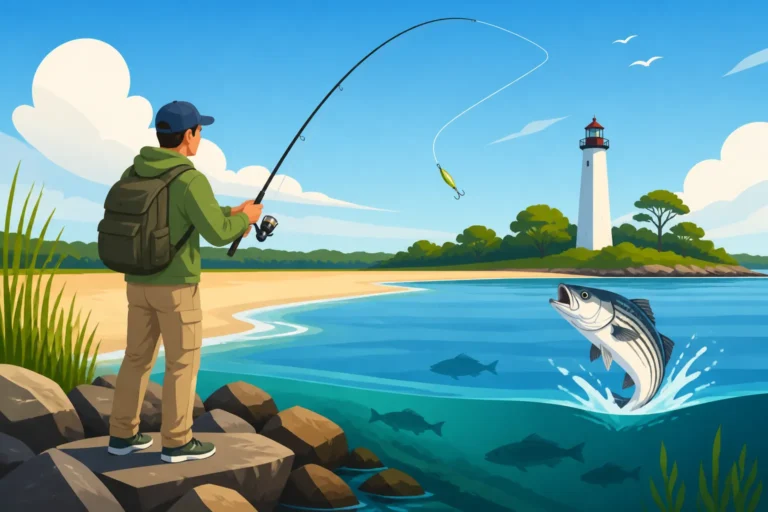
If you're after a powerful fight and some serious adrenaline, Great Egg Harbor Bay delivers with its striped bass and bluefish populations. These two species are apex predators in the bay, always on the hunt for baitfish. Striped bass are particularly prominent during their spring and fall migrations, although resident populations can be found throughout the warmer months. You'll often find them lurking around structure – bridge pilings, jetties, sod banks, and the deeper holes in the main channels – waiting to ambush bait.
Bluefish, on the other hand, are summer warriors. They arrive when the water warms up, usually from June through September, and are known for their aggressive strikes and sharp teeth. They often move in large schools, chasing baitfish right to the surface, creating exhilarating "bluefish blitzes" that are unforgettable to witness. For stripers, artificial lures like swimming plugs, soft plastic shads (such as Bass Assassins or Tsunami shads), and bucktail jigs are highly effective. Live or fresh chunked bunker is also a prime bait. Bluefish will hit just about anything shiny and fast-moving; metal spoons, poppers, and even chunked bait work wonderfully. Be sure to explore our comprehensive guide on Striped Bass Fishing in New Jersey and learn about the Best Time of Year to Fish for Bluefish for optimal success.
Weakfish, Perch, and Other Bay Favorites
Beyond the big hitters, Great Egg Harbor Bay offers a delightful mix of other species that provide consistent action and can be incredibly rewarding to catch. Weakfish, with their distinctive lavender sheen and speckled sides, are a prized catch, though their populations have seen some fluctuations over the years. They are often found in the bay's channels and deeper pockets, especially around dusk and into the night. Small soft plastics, particularly pink or chartreuse grubs and swim shads, fished slowly along the bottom or jigged gently, are excellent for weakfish. Understanding New Jersey Weakfish Bag Limit Explained is crucial if you plan to target them.
White perch are another bay staple, particularly in the brackish creeks and shallower areas. They're often overlooked but provide fantastic light tackle action and are quite tasty. Small bits of bloodworm, grass shrimp, or tiny jigs tipped with Gulp! maggots or minnows are irresistible to them. You'll also encounter blowfish, especially in the warmer months, which are a blast for kids to catch and surprisingly good to eat (just remember to properly fillet them to avoid the puffer's toxic parts). Kingfish, spot, and croakers also make regular appearances, adding to the bay's diverse offerings.
Best Fishing Techniques and Tackle for the Bay
Fishing Great Egg Harbor Bay effectively means adapting your techniques and tackle to the specific species and conditions you encounter. It’s not a one-size-fits-all situation, and being prepared with a few different strategies will significantly increase your success.
Drifting and Jigging for Bottom Dwellers
When it comes to targeting fluke, especially, drifting is the name of the game in Great Egg Harbor Bay. This technique involves letting your boat move naturally with the tide, dragging your bait or lure along the bottom where fluke lie in wait. The optimal drift speed is crucial; too fast, and your bait won't stay near the bottom; too slow, and you're not covering enough ground. Anglers often use drift socks to slow their boat down on windy days or strong tides.
For tackle, a medium-light to medium action spinning rod, about 6.5 to 7 feet long, paired with a reel spooled with 15-20 lb braided line, is ideal. Braid offers sensitivity to feel those subtle fluke bites and has no stretch for solid hooksets. As for rigs, a classic bucktail jig (from 1/2 oz to 2 oz depending on current) tipped with a Gulp! or a strip of squid is deadly. Alternatively, a high-low rig or a three-way swivel rig with a sinker on the bottom and a baited hook a foot or so above it can be very effective. Vary your retrieve and jigging motion; sometimes a steady drag works, other times a sharp jig and fall is preferred.
Targeting Predators with Artificials
For striped bass and bluefish, especially during their active feeding periods, casting artificial lures is incredibly exciting. These species are often chasing schools of baitfish, and mimicking that bait with the right lure can trigger explosive strikes.
In the bay, you'll want a medium to medium-heavy spinning rod, 7 to 8 feet long, which gives you good casting distance from a boat or shore. A matching spinning reel capable of holding 20-30 lb braided line with a strong drag system is essential for handling these powerful fish. Topwater plugs like poppers or walk-the-dog lures are fantastic for bluefish and surface-feeding stripers, creating a commotion that calls them in. Subsurface swimming plugs, like those from Yo-Zuri or Bomber, imitate larger baitfish and work well when fish are feeding deeper. Soft plastic paddle tails or jerk shads rigged on jig heads (from 1/2 oz to 1.5 oz) are incredibly versatile, allowing you to work different depths and mimic various baitfish. Always remember to use a fluorocarbon leader (20-40 lb) to prevent fish with sharp teeth (like bluefish) from cutting your main line and to offer a bit more stealth.
Live Bait Strategies for Consistent Catches
While artificials are thrilling, sometimes nothing beats live bait for consistent catches, especially for finicky fish or larger specimens. Great Egg Harbor Bay is rich in baitfish, and learning how to use them effectively can drastically improve your odds.
For fluke, live minnows (killies) are a perennial favorite. You can buy them at local bait shops or catch your own with a minnow trap. Present them on a simple fluke rig, letting them swim naturally near the bottom. For striped bass, live bunker (Atlantic Menhaden) is the ultimate candy. You can snag these oily baitfish with a weighted treble hook or a cast net if you're skilled, particularly in the deeper channels or around inlets. Hook them through the nose or back, and either drift them freely or suspend them under a float. Live spot and spearing also make excellent baits for a variety of bay species. For bluefish, chunked fresh bunker or mackerel often works wonders, especially when they're feeding aggressively. Employing a bit of chum, especially with bunker, can also draw fish closer to your boat. Consider reading up on How to Rig Live Bait for Striped Bass for more detailed instructions.
Navigating Great Egg Harbor Bay's Hotspots
Knowing how to fish is one thing, but knowing where to drop your line in a sprawling bay like Great Egg Harbor is equally important. Luckily, there are plenty of well-known hotspots and access points that cater to different fishing styles.
Popular Boat Launches and Marinas
For boat anglers, the good news is that Great Egg Harbor Bay is well-equipped with public access points and excellent marinas. In Somers Point, you have access to the Somers Point City Dock and the municipal ramp at Kennedy Park. These provide direct access to the main bay channel and the various creeks and thoroughfares branching off it. Further up the Great Egg Harbor River, you'll find ramps in Mays Landing, which are perfect for exploring the brackish water and its unique fishery before heading down to the wider bay.
On the Ocean City side, there are also various access points, though some might be more geared towards smaller vessels. Many private marinas pepper the shoreline from Somers Point to Ocean City, offering not just launch facilities but also bait, tackle, and valuable local knowledge from the staff. When planning your trip, always check the tidal charts, as some ramps can be tricky at very low tide.
Shore and Kayak Fishing Access Points
Even without a boat, Great Egg Harbor Bay offers some fantastic fishing opportunities from shore or a kayak. The Longport Bridge fishing pier, which connects Longport to Ocean City, is legendary. It extends into a deep channel, providing access to fluke, stripers, bluefish, and even weakfish. Anglers cast bucktails, soft plastics, and bait from its sturdy railings.
Kennedy Park in Somers Point is another gem. Beyond its boat ramp, it has ample shoreline access and docks that are great for crabbing and catching smaller fish, and it’s a perfect launching spot for kayaks to explore the nearby marsh creeks. The various causeways leading into Ocean City also offer pull-off points where anglers can cast into the bay. These spots are excellent for targeting stripers during their migrations or for just soaking a bait for panfish and smaller bottom dwellers. Remember to be mindful of traffic and posted signs regarding fishing access. For specific shore fishing strategies, our guide Where to Fish From Shore Along the Jersey Shore can provide more inspiration.
Seasonal Considerations and Tidal Influence
Understanding the seasons and, more importantly, the tides, is absolutely crucial for success in Great Egg Harbor Bay. The bay is a tidal estuary, meaning the movement of water heavily influences where fish feed and congregate.
Tidal Influence: Most local anglers will tell you that the moving tide is almost always better than slack tide. As the tide comes in (rising tide) or goes out (falling tide), it creates currents that stir up bait, concentrate forage, and generally activate fish. Many species, especially fluke and striped bass, position themselves in current breaks or along channel edges, waiting for the current to deliver an easy meal. The first few hours of the incoming tide and the last few hours of the outgoing tide are often considered prime times. However, certain areas can fish well during different parts of the tide. For example, some shallow flats might be best on a high incoming tide, while deeper channels might be more productive on an outgoing tide. Learning to read the local tide charts is a superpower for bay anglers, and our article on How to Read Tide Charts for Better Fishing in New Jersey explains this in detail.
Seasonal Flow: Fish migrations are highly seasonal. Spring brings the first wave of striped bass and weakfish into the bay, followed closely by fluke. Summer is peak fluke season, along with bluefish, blowfish, and various panfish. The fall run sees another surge of stripers and blues, often larger ones, as they migrate south, providing some of the year's most exciting fishing. Winter generally quiets down, though brave anglers might find some holdover stripers in deeper holes or target blackfish (tautog) in the deeper rocky areas closer to the inlets.
When to Fish and What to Expect
The beauty of Great Egg Harbor Bay is that it offers productive fishing opportunities throughout much of the year, with each season bringing its own unique charm and target species. Knowing what to expect when can help you plan your trips perfectly.
Spring Fishing Excitement
Ah, spring in Great Egg Harbor Bay! It's that wonderful time when the water starts to warm, and life begins to burst forth after the cold winter. This is when the bay truly awakens for anglers. You’ll start to see the first migratory striped bass pushing into the bay, following schools of baitfish that are also making their way in. These early season stripers can be very hungry and offer some fantastic light-tackle action, especially around the bridges and warmer backwater creeks.
Weakfish also make their appearance, often caught on small jigs and soft plastics, particularly as the sun begins to set. And of course, the anticipation for fluke season builds up throughout the spring, with the first fluke often showing up in the deeper channels by late May, ready to kick off the summer fishery. It's a season of hope, fresh air, and the promise of some incredible fishing to come.
Summer Bay Action
Summer is, without a doubt, the prime time for many anglers in Great Egg Harbor Bay. The bay comes alive with activity, and the variety of species available means there’s never a dull moment. Fluke fishing is in full swing, with anglers drifting vast areas of the bay, searching for that legal keeper. You’ll find them in varying depths, from the skinny water on rising tides to the deeper channels.
Bluefish join the party, often in aggressive schools, providing explosive strikes on topwater lures or metal jigs. This is a great time for family fishing, as species like blowfish, kingfish, and even some panfish are abundant and relatively easy to catch from shore, docks, or a slowly drifting boat. The warm summer evenings can also bring out the weakfish, especially around lighted docks and bridge pilings. While the heat can sometimes make daytime fishing a bit slower, early mornings and late afternoons often produce excellent results.
Fall Run Spectacle
For many seasoned New Jersey anglers, the fall run is the absolute pinnacle of the fishing season, and Great Egg Harbor Bay plays a significant role in this incredible natural phenomenon. As water temperatures begin to drop, an epic migration of baitfish, followed closely by hungry striped bass and bluefish, moves down the coast. The bay's channels and inlets become superhighways for these fish.
You can expect larger striped bass to be aggressively feeding, packing on calories for their journey south. Both artificial lures (like large plugs, shads, and jigs) and live or chunked bait (especially fresh bunker) become incredibly effective. Bluefish are often still around, providing their characteristic violent strikes. This is the time to chase trophy fish, often leading to unforgettable days on the water. The cooler air, vibrant foliage along the shore, and the sheer abundance of fish make fall fishing in Great Egg Harbor Bay an experience not to be missed.
Hiring a Guide or Charter for Great Egg Harbor Bay
While Great Egg Harbor Bay offers ample opportunities for independent anglers, sometimes the best way to experience its full potential is by enlisting the help of a local expert. Hiring a fishing guide or charter can unlock a level of knowledge and access you simply can't get on your own.
Benefits of a Guided Trip
Think about it: a seasoned captain has spent countless hours on these waters, knows the currents like the back of their hand, understands the subtle nuances of each tide, and tracks fish movements almost instinctively. When you book a guided trip, you're not just getting a boat ride; you're tapping into years of accumulated wisdom. They know exactly where the fish are holding, what they're biting on, and the most effective techniques for that specific day and time.
This means less time searching and more time fishing. For beginners, a guide can provide invaluable instruction on casting, rigging, and identifying bites. For experienced anglers, a guide can help you target specific species or even break personal records by putting you on the biggest fish. Plus, they provide all the necessary gear, bait, and tackle, which saves you a lot of hassle and expense. Many charters are also perfect for families or groups, ensuring everyone has a safe and enjoyable time on the water. If you're pondering a guided experience, our guide on How to Choose a New Jersey Fishing Charter offers some excellent advice.
Finding Reputable Captains
So, how do you find the right captain for your Great Egg Harbor Bay adventure? The key is to do a little research. Start by looking for captains who specialize in bay fishing, as their expertise will be directly relevant to the Great Egg Harbor ecosystem. Read online reviews and testimonials; these often provide honest insights into a captain's personality, knowledge, and success rate. Word-of-mouth recommendations from other anglers are also golden.
Platforms like FishingBooker are excellent resources for finding reputable charters in the Somers Point and Ocean City areas. You can often see a captain's profile, photos of their boat, what species they target, and even their current availability. Don't hesitate to call a few captains, ask about their experience, what a typical trip entails, and what you can expect to catch. A good captain will be happy to answer your questions and help you determine if their trip is the right fit for your group. Remember, a great captain is not just about catching fish, but about providing a safe, enjoyable, and educational experience.
| Species | Best Season | Common Bait/Lure | Typical Location |
|---|---|---|---|
| Fluke | Summer | Live Minnows, Squid Strips, Gulp! | Channels, Edges of Marsh Grass, Sandy Bottoms |
| Striped Bass | Spring/Fall | Live/Chunked Bunker, Soft Plastics, Swimming Plugs | Bridge Pilings, Channels, Sod Banks, Inlets |
| Bluefish | Summer/Fall | Metal Spoons, Poppers, Chunked Bait | Near Inlets, Open Bay, Chasing Bait Schools |
| Weakfish | Spring/Summer | Small Soft Plastics (pink/chartreuse), Bloodworms | Deeper Pockets, Channel Edges, Lighted Docks |
| White Perch | Spring/Summer | Grass Shrimp, Small Worms, Tiny Jigs | Brackish Creeks, Shallow Areas, Docks |
| Blowfish | Summer | Clam Strips, Squid Bites | Shallow Sandy Bottoms, Mud Flats |
Disclaimer
Fishing regulations, including size and bag limits, fishing seasons, and license requirements, are subject to change by the New Jersey Department of Environmental Protection (NJDEP) Division of Fish and Wildlife. Always consult the most current New Jersey Fish and Wildlife Digest or the official NJDEP website before heading out to fish. This guide is for informational purposes only and does not supersede state regulations.