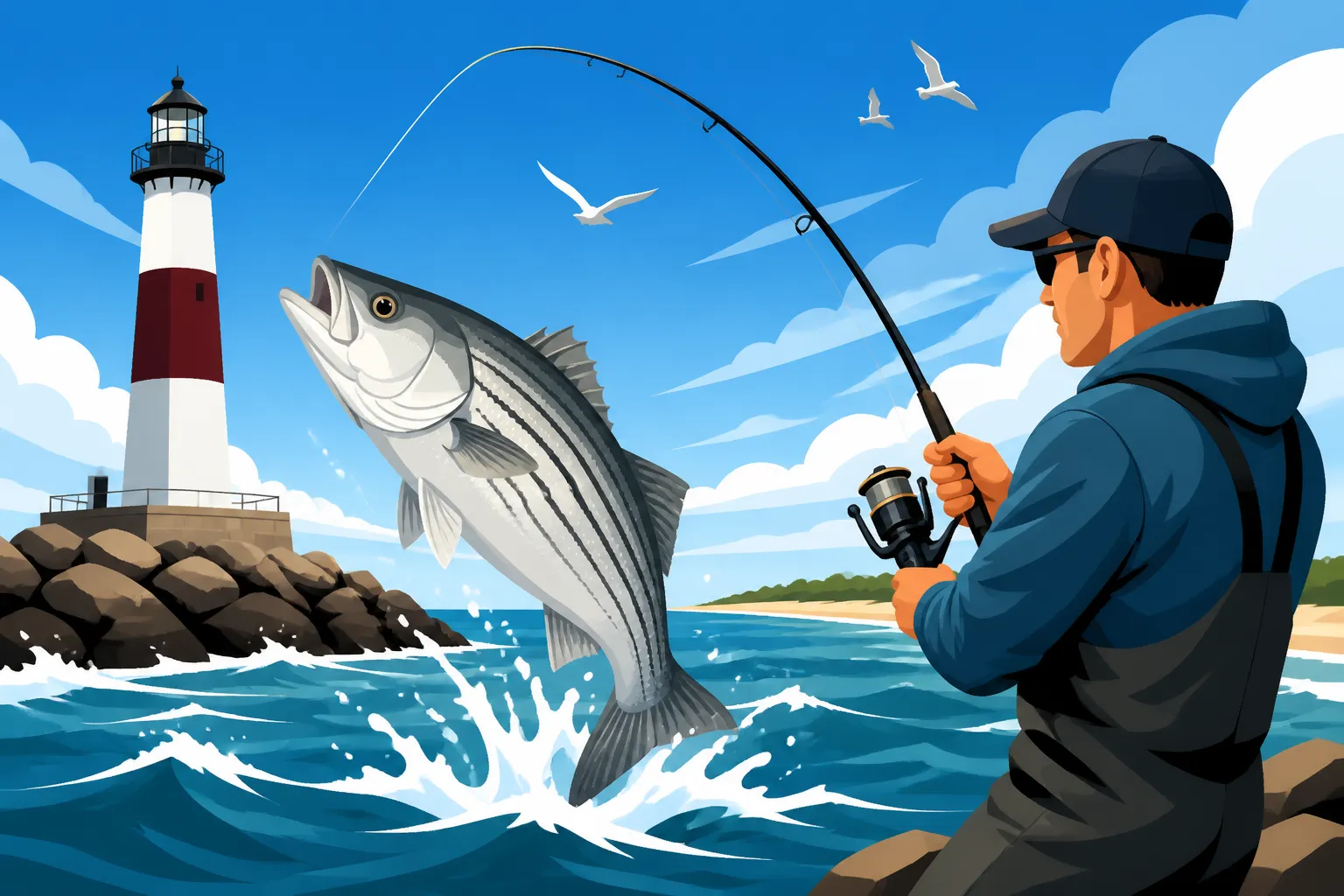
Manasquan Inlet Fishing Guide
Trying to navigate the complex currents, ever-changing regulations, and specific hotspots of a dynamic fishing location like Manasquan Inlet can be incredibly daunting, often leading to frustrating trips with empty coolers or missed opportunities. This comprehensive guide is designed to cut through that confusion, offering you an in-depth look at everything you need to know to consistently find success and truly enjoy your angling adventures at Manasquan Inlet.
Why Manasquan Inlet is a Prime Fishing Destination
Manasquan Inlet, often affectionately known simply as "Manasquan" by local anglers, is more than just a passage connecting the Manasquan River to the Atlantic Ocean; it's a vibrant, ever-changing ecosystem that serves as a critical fishing hub along the northern New Jersey coastline. Its strategic location, dynamic water flow, and diverse habitat create an unparalleled environment for a wide array of desirable game fish. Many anglers consider it a cornerstone of the Best Places to Fish in New Jersey and a must-visit spot for anyone serious about saltwater fishing in the Garden State.
Unique Hydrodynamics and Habitat
The magic of Manasquan Inlet largely stems from its unique hydrodynamics. The constant ebb and flow of tidal currents through the narrow inlet scour deep holes, create turbulent rips, and deposit nutrient-rich sediments, forming a complex underwater topography. This constant churn mixes water, bringing baitfish and other forage right into the waiting mouths of predatory species. It's like a natural conveyor belt of food, making it an irresistible magnet for fish. The strong currents also help oxygenate the water, keeping it healthy and attractive to fish even during warmer months. Beyond the current, the inlet is flanked by formidable jetties constructed from massive rocks, creating a maze of submerged structure. These rocks provide crucial cover for smaller baitfish like spearing, anchovies, and juvenile bunker, giving them a place to hide from predators. Conversely, these same rock structures offer ambush points for larger game fish, allowing them to lie in wait for an easy meal. The deep channel itself often holds significant schools of bait, and the sudden drop-offs can concentrate fish looking for cooler water or a break from the current. All these elements combine to create a perfect storm of prime fishing habitat.
Accessibility and Amenities for Anglers
One of Manasquan Inlet's biggest draws, particularly for shore-based anglers, is its fantastic accessibility. Both the northern and southern jetties are easily reached, with ample parking nearby. You can walk right out onto the jetties, giving you access to deep water and strong currents usually reserved for boaters. This is a huge advantage, as not everyone owns a boat or has the means to launch one. For those who do prefer to fish from a vessel, there are several marinas and boat ramps in the immediate vicinity of the inlet, offering convenient access to both the Manasquan River and the open ocean. Point Pleasant Beach, directly across the inlet, offers additional access points and marine services. This robust infrastructure means you don't have to travel far to get your lines in the water. Furthermore, the surrounding towns of Point Pleasant Beach and Manasquan boast a wealth of angler-friendly amenities. There are numerous bait and tackle shops like Manasquan Inlet Bait & Tackle or Hoffman's Marina, where you can pick up fresh bait, tackle, and get up-to-the-minute fishing reports. Many local restaurants are accustomed to serving hungry anglers, and there's plenty of lodging available for those planning multi-day trips. You can even find local fishing charters through platforms like FishingBooker if you want to experience the inlet and offshore waters with an experienced captain. Just remember, no matter how you plan to fish, make sure you understand the basics of the New Jersey Fishing License Guide for 2026 and the New Jersey Saltwater Registry Explained before you even wet a line.
Top Fish Species to Target at Manasquan Inlet
Manasquan Inlet is renowned for the incredible diversity of fish species that pass through its waters throughout the year. The strong currents, abundant bait, and varied structure create an ideal environment for both resident fish and the seasonal migrations that define New Jersey's coastal fishing. Knowing which species are likely to be present at any given time is key to planning a successful trip.
Migratory Favorites: Striped Bass and Bluefish
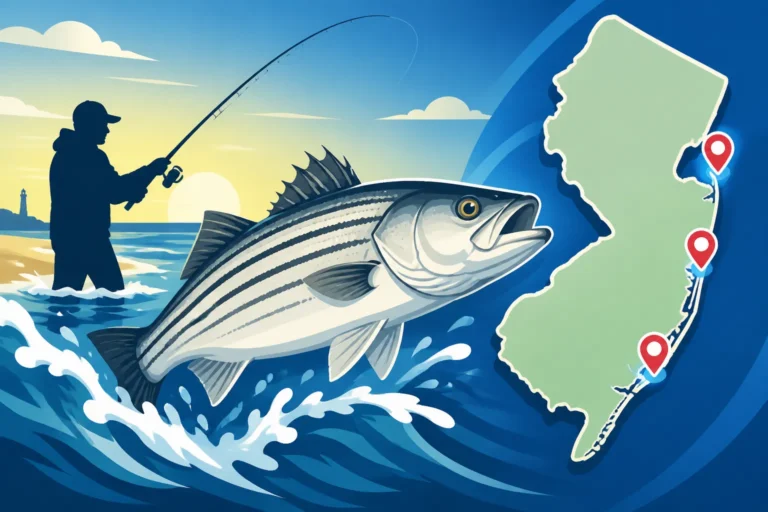
If there are two species that truly put Manasquan Inlet on the map, it's striped bass and bluefish. These powerful predators are drawn to the inlet's rich forage base and the natural funnel effect it creates during their migrations. Striped bass, in particular, are a year-round presence, though their numbers swell dramatically during the spring and fall runs. Anglers target them from the jetties, along the bulkheads, and from boats, often using a variety of techniques. During the spring, smaller "schoolie" stripers will move through, eager to hit soft plastics or small plugs, while the fall run brings larger, often trophy-sized, fish feasting on bunker and herring. Remember, striped bass are managed with strict regulations, including a New Jersey Striped Bass Slot Limit Explained, so always check the current rules before keeping any fish.
Bluefish are another highly sought-after species, known for their aggressive strikes and fierce fighting ability. They typically arrive in force from late spring through fall, often in massive schools, creating exhilarating "bluefish blitzes" where they relentlessly attack baitfish at the surface. These toothy critters will hit almost anything, from metal lures to poppers, and provide an incredible fight on light tackle. While they are abundant, bluefish also have bag and size limits, which you should confirm with the most recent New Jersey Fish and Wildlife Digest. Both striped bass and bluefish provide exciting, fast-paced action that makes Manasquan Inlet a perennial favorite for anglers looking for a strong pull. The best time to target these species often aligns with the Best Time of Year to Fish for Striped Bass in New Jersey, which typically sees peak activity during the spring and fall migrations.
Bottom Dwellers: Fluke and Tautog
Beyond the pelagic predators, Manasquan Inlet also offers fantastic opportunities for bottom-dwelling species. Fluke, also known as summer flounder, are arguably the most popular target during the warmer months. These delicious flatfish congregate in the sandy pockets and channel edges within and just outside the inlet, ambushing unsuspecting baitfish. Drifting with bait or bucktail jigs is a highly effective method for targeting fluke, and the inlet's currents help present your offering naturally. You'll need to pay close attention to the New Jersey Fluke Size Limit: 18 Inches and New Jersey Fluke Bag Limit Explained as these can change annually based on conservation efforts.
Tautog, or "blackfish," are another bottom-dwelling favorite, particularly active in the cooler waters of spring and fall. These structure-loving fish inhabit the rocky jetties and any submerged debris, making them a challenge to extract once hooked. They're known for their powerful initial run and their knack for finding structure to break off lines. Green crabs, fiddler crabs, and clams are popular baits for tog, fished on stout tackle close to the rocks. The thrill of wrestling a big tog out of a rock pile is a unique experience, and Manasquan Inlet's jetties are prime territory for them.
Other Seasonal Catches
While stripers, bluefish, fluke, and tog might be the headliners, Manasquan Inlet hosts a supporting cast of other exciting species throughout the year. During the summer, you might encounter weakfish, known for their iridescent colors and delicate mouths, feeding on shrimp and baitfish in the calmer stretches. Black sea bass are also frequently caught around the jetties and artificial reefs just outside the inlet, offering tasty fillets and a good fight. Remember to check the New Jersey Black Sea Bass Season Dates as these can be quite specific.
In the colder months, even as the main runs subside, hardy anglers can find winter flounder in the back bays and quieter parts of the river, though their populations have faced challenges in recent years. Occasionally, smaller species like sea robins, kingfish, and even some panfish find their way into the inlet, especially for those fishing with lighter tackle and smaller baits. The key to catching this diverse array is to adapt your techniques and baits to the specific species and conditions you encounter, always keeping an eye on the latest fishing reports from local bait shops.
Essential Techniques and Tackle for Manasquan Inlet
Successfully fishing Manasquan Inlet requires more than just showing up; it demands an understanding of specialized techniques and appropriate tackle to combat its strong currents, deep waters, and rocky structures. Being prepared with the right gear and knowledge can make all the difference between a frustrating outing and a rewarding day of fishing.
Best Baits and Lures for Inlet Success
When it comes to bait, variety is often the spice of life at Manasquan Inlet, but some standbys consistently produce results. For striped bass and bluefish, live bunker (menhaden) is king, especially when chunked or fished live. If fresh bunker isn't available, whole or cut herring, mackerel, or even large spot can work wonders. Bloodworms and sandworms are excellent choices for smaller stripers, weakfish, and other bottom feeders. For fluke, Best Bait for Fluke Fishing often includes spearing, squid strips, and killifish, either fished alone or tipped on a bucktail jig. Green crabs or fiddler crabs are the absolute go-to for tautog, though fresh clams can also entice them.
On the artificial side, a diverse selection of lures is crucial. Bucktail jigs, in various weights and colors (white, chartreuse, pink), are incredibly versatile, effective for striped bass, bluefish, and especially fluke when tipped with a Gulp! or natural bait. Soft plastic swim shads, like those from Berkeley Gulp! or Z-Man, rigged on jig heads, are deadly for stripers and weakfish. Topwater poppers and walk-the-dog lures create exciting surface strikes from bluefish and aggressive stripers. Metal lures, like Kastmasters or diamond jigs, can be cast a mile and are excellent for reaching schools of feeding fish during a blitz. Don't forget slender swimming plugs, such as SP Minnows or Daiwa Saltiga, which imitate baitfish and are incredibly effective for larger stripers, especially at night.
Rigging and Presentation Strategies
The strong currents of Manasquan Inlet dictate many of the rigging and presentation strategies. For bottom fishing, a standard two-hook high-low rig with a heavy sinker is common for species like sea bass and scup. For fluke, a classic dropper loop rig with a bucktail jig on the bottom and a teaser hook above is highly effective. You'll often need heavier sinkers (3-8 oz, sometimes more) than you might use in calmer waters to hold bottom. For live lining bunker, a fish-finder rig with a circle hook allows the bait to swim naturally while keeping the sinker on the bottom. When fishing the jetties, a simple jig head with a soft plastic or a bucktail jig is often all you need, but be prepared for snags and bring extra tackle.
Presentation is key. For fluke, a slow drift, lifting and dropping your jig or bait, is typically most effective. When targeting stripers, consider casting up-current and allowing your lure or bait to drift naturally back through promising rips or structure. For bluefish, a fast retrieve with a metal lure or a popping action with a topwater plug will usually get their attention. Pay close attention to how the current affects your presentation; sometimes a lighter sinker or jig will allow your bait to tumble more naturally, while other times you need to get down and stay down. Learning How to Rig Live Bait for Striped Bass is a skill that will serve you well here.
Rod and Reel Setups for Inlet Fishing
Given the variety of species and conditions, a single rod and reel might not cut it for dedicated Manasquan Inlet fishing. For general-purpose jetty or boat fishing, a medium-heavy spinning rod, 7 to 9 feet long, paired with a robust spinning reel in the 5000-6000 size range, is a great all-around choice. Spool it with 30-50 lb braided line, which offers superior casting distance, sensitivity, and strength compared to monofilament. You'll want a 30-50 lb fluorocarbon leader of at least 2-3 feet to absorb shock and provide abrasion resistance against sharp rocks and fish teeth.
For targeting larger stripers or offshore species just outside the inlet, a heavier conventional setup might be preferred. This could involve a 7-foot heavy conventional rod paired with a star drag or lever drag reel spooled with 50-80 lb braid. For lighter species like weakfish or panfish, a medium-light spinning rod, 6-7 feet long, with a 3000-4000 size reel spooled with 15-20 lb braid will provide more sport. No matter the setup, ensure your reel has a smooth, strong drag system – Manasquan Inlet fish pull hard! Consider bringing a variety of setups, or at least a spare rod, as the rocks can be unforgiving.
| Species Targeted | Recommended Rod Length/Action | Reel Size (Spinning) | Line (Braid) | Leader (Fluorocarbon) | Typical Bait/Lure |
|---|---|---|---|---|---|
| Striped Bass (Schoolie) | 7-8 ft, Med-Heavy | 4000-5000 | 20-30 lb | 30 lb | Soft plastics, small plugs, bloodworms |
| Striped Bass (Larger) | 8-10 ft, Heavy | 6000-8000 | 40-60 lb | 40-50 lb | Live bunker, big plugs, bucktails |
| Bluefish | 7-9 ft, Med-Heavy | 5000-6000 | 30-40 lb | 40 lb (wire optional) | Metal lures, poppers, chunk bait |
| Fluke (Summer Flounder) | 6.5-7.5 ft, Med-Light/Med | 3000-4000 | 15-25 lb | 20-30 lb | Bucktail jigs, Gulp!, squid, spearing |
| Tautog (Blackfish) | 7-8 ft, Heavy (fast tip) | 5000-6000 | 50-65 lb | 40-50 lb | Green crabs, fiddler crabs, clams |
| Weakfish | 6.5-7.5 ft, Medium | 3000-4000 | 15-20 lb | 20-25 lb | Soft plastics, shrimp, worms |
Navigating the Tides and Currents at Manasquan Inlet
Understanding and working with the tides and currents is not just beneficial for fishing Manasquan Inlet; it's absolutely essential. The inlet's robust flow directly influences where fish feed, when they bite, and how you need to present your baits or lures. Ignoring these forces can lead to a frustrating and unproductive day on the water, or worse, a potentially unsafe situation.
Understanding the Inlet's Tidal Flow
Manasquan Inlet experiences a semi-diurnal tide, meaning there are two high tides and two low tides approximately every 24 hours. The strong currents here are a direct result of the immense volume of water that moves between the Atlantic Ocean and the extensive Manasquan River estuary system. This creates a powerful "flush" of water. The maximum current strength, or "peak flow," typically occurs mid-way between high and low tide, when the water is moving fastest. Slack tide, conversely, is the brief period of minimal current around the peak of high and low tide. These periods of slack water can be very short in an active inlet, sometimes lasting only minutes, before the current picks up again in the opposite direction. Knowing How to Read Tide Charts for Better Fishing in New Jersey is your first step to mastering fishing Manasquan Inlet. Local tide charts for Point Pleasant Beach or Manasquan will give you the precise times for high and low water, but you'll need to remember that the strongest currents will be between those points.
Fishing the Incoming and Outgoing Tides
Both the incoming (flood) and outgoing (ebb) tides can be productive at Manasquan Inlet, but they often favor different species and locations. The incoming tide, where ocean water flows into the river, often brings in cleaner, cooler ocean water and fresh schools of baitfish. This can be fantastic for striped bass, bluefish, and even fluke that position themselves to ambush bait being swept into the inlet. Many anglers find the first few hours of the incoming tide, after the low slack, to be particularly strong. Fishing the ocean side of the jetties on an incoming tide can be very productive as fish move with the current. This is when you'll often see active feeding close to the rocks. Learning How to Fish a Rising Tide effectively here involves casting into the current and letting your bait drift naturally.
The outgoing tide, when river water flows back into the ocean, can also be incredibly fruitful. This current often sweeps baitfish, crabs, and other food sources out of the river and into the waiting mouths of predators positioned at the mouth of the inlet. This is a classic time for targeting striped bass and bluefish, especially near the end of the jetties or in the rips just outside. Fluke can also stage at the mouths of smaller creeks or channels within the river to feed on outgoing bait. For many, How to Fish a Falling Tide in the inlet involves casting larger offerings like chunk bait or big plugs, anticipating that larger predatory fish will be actively feeding on the abundance of food exiting the estuary. Pay attention to structure on both tides; fish will often use the rocks or channel edges to break from the current and ambush prey.
Safety Considerations in Strong Currents
While the strong currents of Manasquan Inlet are a boon for fishing, they also demand respect and careful attention to safety. For jetty anglers, the wet rocks can be incredibly slippery, and a rogue wave combined with a strong current can easily sweep you off your feet. Always wear appropriate footwear with excellent grip, like Korkers or cleated wading boots. Never turn your back on the ocean, and be aware of approaching waves. A life vest, especially for solo anglers or during rough conditions, is always a good idea.
For boaters, navigating the inlet requires skill and vigilance. The currents can be powerful enough to challenge even experienced captains, especially during peak flow or when combined with opposing winds. Always approach the inlet cautiously, observing the water for rips and turbulent spots. Be aware of other vessel traffic, particularly larger boats like commercial fishing vessels or Coast Guard boats, which can create significant wakes. If you're new to boating or less experienced in strong currents, consider hiring a local charter through a service like FishingBooker to learn the ropes safely, or stick to fishing from the jetties during calmer conditions. The ocean is powerful, and taking unnecessary risks is never worth a fish.
Prime Fishing Spots and Access Points Within Manasquan Inlet
Manasquan Inlet offers a variety of fishing opportunities, whether you prefer to fish from shore, a boat, or a kayak. Each section of the inlet has its own unique characteristics, attracting different species and requiring specific techniques. Knowing these prime spots and how to access them can significantly increase your chances of success.
Jetty Fishing: East and West Jetties
The jetties at Manasquan Inlet are iconic and provide some of the most productive shore fishing access on the New Jersey coast. The Eastern Jetty (Point Pleasant Beach side) extends further into the ocean and often experiences more direct ocean swell. It's a prime spot for striped bass, bluefish, and tautog. Anglers here cast metal lures and plugs into the rips for stripers and blues, or use crab baits on the bottom for tog. This jetty requires a long walk, but the reward can be substantial. Just outside the inlet on the eastern side, there's also the Point Pleasant Canal, which is another excellent fishing spot worth exploring. The Western Jetty (Manasquan side) is slightly shorter but equally productive. It offers similar species opportunities and is a popular spot during the fall run for casting plugs and jigs for striped bass. Both jetties are rugged and require careful footing. The rocks can be slippery, especially at low tide or after a rain. Always wear sturdy, non-slip footwear and be mindful of your surroundings. Fishing the jetty tips at dawn or dusk, or at night for larger stripers, can be particularly rewarding. How to Catch Striped Bass From the Beach at Night applies to jetties too, often yielding impressive results.
Bridge and Bulkhead Access
Beyond the jetties, the Manasquan River bridges (Route 35 bridge) and the bulkheads lining the river offer additional access. The areas immediately around the Route 35 bridge can be excellent ambush points for striped bass and sometimes even fluke. Fish often hold in the eddies created by the bridge pilings, waiting for bait to be swept by. Casting soft plastics or jigging bucktails around these pilings can be very effective. However, navigation here can be tricky due to boat traffic and strong currents, so exercise caution.
The bulkheads along both sides of the Manasquan River, particularly closer to the inlet, also provide convenient spots for shore anglers. These areas are great for families or those looking for easier access than the jetties. You can cast out for schoolie stripers, weakfish, or even some fluke, often using lighter tackle and natural baits like worms or shrimp. The bulkheads on the Manasquan side offer easy parking and pedestrian access, making them a popular choice. While not as deep or current-swept as the jetty tips, these spots offer consistent action and are often less crowded.
Boat Access and Nearby Ramps
For anglers with boats, Manasquan Inlet opens up a world of possibilities, from fishing the deeper channels within the inlet to venturing out into the ocean for larger game. There are several excellent public and private boat ramps in the area. Point Pleasant Beach offers public ramps like the one at Maxson Avenue, providing direct access to the Manasquan River and, subsequently, the inlet. On the Manasquan side, various marinas like Hoffman's Marina and Manasquan River Yacht Club offer launching facilities, though some may require membership or a fee.
Boaters can effectively drift the entire length of the inlet, jigging for fluke or casting to breaking fish. Just outside the inlet, the "Manasquan Ridge" and various artificial reefs provide prime structure for black sea bass, tautog, and even cod during cooler months. For those looking for an offshore adventure, the deep waters beyond the inlet offer opportunities for tuna, shark, and other pelagic species. If you're considering a boat trip but don't own a vessel, many reputable charter captains operate out of Point Pleasant Beach and Manasquan, and you can easily find and book them through platforms like FishingBooker. They know the subtle nuances of the currents and structure, often guiding you to the most productive spots. Always remember to check marine forecasts and know the New Jersey Boat Registration Requirements for Anglers before heading out.
Seasonal Fishing Calendar for Manasquan Inlet
The beauty of Manasquan Inlet fishing lies in its year-round potential, though the target species and tactics shift dramatically with the seasons. Understanding this seasonal rhythm is crucial for planning your trips and maximizing your success. Each season brings new opportunities and challenges, making the inlet a dynamic fishing destination.
Spring Opportunities
Spring at Manasquan Inlet is a time of awakening and one of the most exciting periods for anglers. As water temperatures slowly climb from the cold winter lows, the first major migratory push begins. Striped bass are the undeniable stars of spring, with schoolie stripers showing up in March and April, followed by larger migratory fish in May and early June. They're hungry after their wintering grounds and will readily hit soft plastics, small plugs, and various baits like bloodworms or clam. This is when you'll see a lot of jetty anglers casting into the rips.
Fluke (summer flounder) also start making their appearance as the waters warm, typically by late April or early May, depending on the year. They'll stage in the sandy pockets within the inlet and just outside, eagerly taking bucktail jigs tipped with Gulp! or natural baits. Early season tautog can also be targeted around the jetties before their season closes or as they become more active with increasing water temps. You might also encounter early runs of winter flounder in the backwaters, though their numbers have been declining. Overall, spring is characterized by increasing activity and the return of popular gamefish, offering some of the best fishing of the year.
Summer Action
Summer transforms Manasquan Inlet into a bustling hub of activity, both for fish and fishermen. While the biggest striped bass might have moved further north or offshore, a healthy population of resident striped bass remains in the inlet and river, often active during dawn, dusk, or at night when water temperatures are cooler. They'll feed on the abundant baitfish prevalent in the summer months.
Bluefish are a major draw in summer, often in large schools, providing aggressive strikes and thrilling action. They can be found throughout the inlet and just outside, chasing baitfish. This is prime time for throwing metal lures, poppers, and other topwater plugs. Fluke fishing is at its peak during the summer, with anglers drifting and jigging for these delicious flatfish inside and outside the inlet. Focus on cooler, deeper water pockets during the hottest parts of the day. You'll also encounter weakfish in decent numbers, often hitting small jigs and soft plastics, and black sea bass around the jetties and local reefs. The variety of species and the generally pleasant weather make summer an ideal time for family fishing trips or those looking for consistent action.
Fall Run Mania
If spring is good, fall at Manasquan Inlet is often spectacular. The legendary "fall run" brings a massive southward migration of baitfish, followed closely by an incredible abundance of striped bass and bluefish. This period, typically from September through December, sees some of the most intense and consistent fishing of the year. Large schools of bunker, herring, and spearing pour out of the river and down the coast, creating frenzied feeding events. Anglers often fish live or chunked bunker for trophy stripers, or cast large plugs and metal lures into the blitzes. The jetties become packed with dedicated anglers hoping for that fish of a lifetime.
Tautog fishing also heats up again in the fall as water temperatures begin to drop. They become incredibly active around the rocky structure, feeding heavily on crabs to build up reserves for winter. This is arguably the best time to target tog in the inlet. Black sea bass remain active well into the fall, often congregating in deeper wrecks and reefs just offshore. Fall fishing demands flexibility; conditions can change rapidly, and being prepared for different techniques and species will pay off. The intensity of the fall run is truly an experience every New Jersey angler should witness.
Winter Challenges
Winter at Manasquan Inlet is a quieter, but still viable, fishing season for the dedicated few. While many species move offshore or into deeper, warmer waters, some hardy fish remain. Tautog can still be caught around the jetties during milder spells, especially in early winter, though their activity slows considerably. Hard-fighting cod and some pollock might move in closer to shore, particularly around wrecks and reefs just outside the inlet, offering opportunities for boaters.
For shore anglers, the focus often shifts to the deeper, less-turbulent parts of the Manasquan River for species like perch or the occasional holdover striped bass. These stripers will be sluggish and require a slower, more deliberate presentation, often with bait. Ice fishing is generally not an option directly in the inlet due to the strong currents and open ocean influence, but some of the calmer, shallower parts of the river or nearby freshwater lakes may offer opportunities depending on ice thickness. Winter fishing in the inlet requires patience, appropriate cold-weather gear, and a realistic expectation of fewer bites, but the rewards can be truly special.
Disclaimer
Fishing inherently carries risks, including but not limited to injury from hooks, slippery surfaces, strong currents, and encounters with wildlife. Always prioritize your safety, wear appropriate safety gear, and adhere to all local, state, and federal fishing regulations. This guide is for informational purposes only and should not be considered a substitute for personal judgment, professional instruction, or official regulations from the New Jersey Department of Environmental Protection (NJDEP) Fish and Wildlife. Regulations, seasons, and limits can change frequently; always check the most current official sources before heading out to fish.