How Fast Do Largemouth Bass Grow?
New Jersey largemouth bass growth rates depend on genetics, environment, and age, with the fastest growth during early life stages.
Know what’s on the line.
Gamefish and panfish profiles — identification, behavior, feeding habits, and species-specific strategies for every catch.
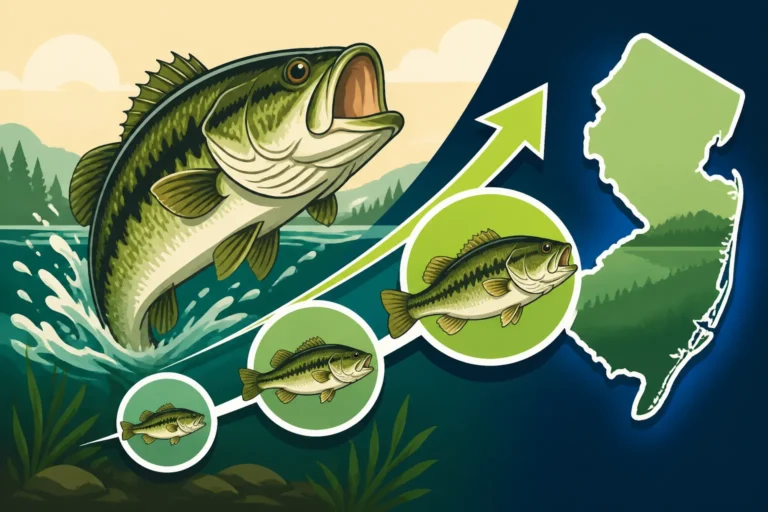
New Jersey largemouth bass growth rates depend on genetics, environment, and age, with the fastest growth during early life stages.
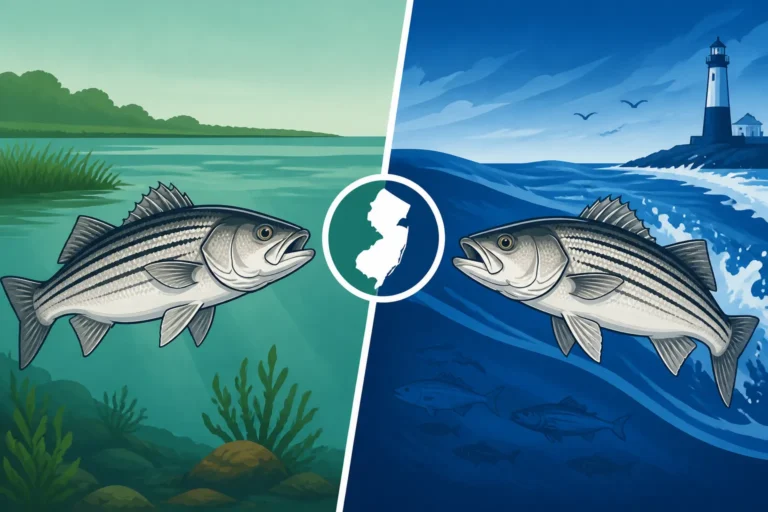
New Jersey resident striped bass and migratory striped bass differ by bay habitats, river locations, and local fishing tactics.
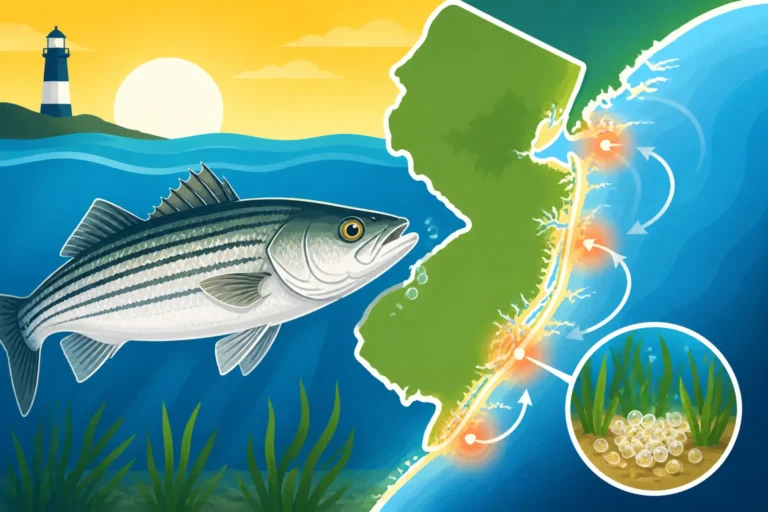
East Coast striped bass spawning grounds in the Chesapeake Bay and Delaware River determine Atlantic fish populations.
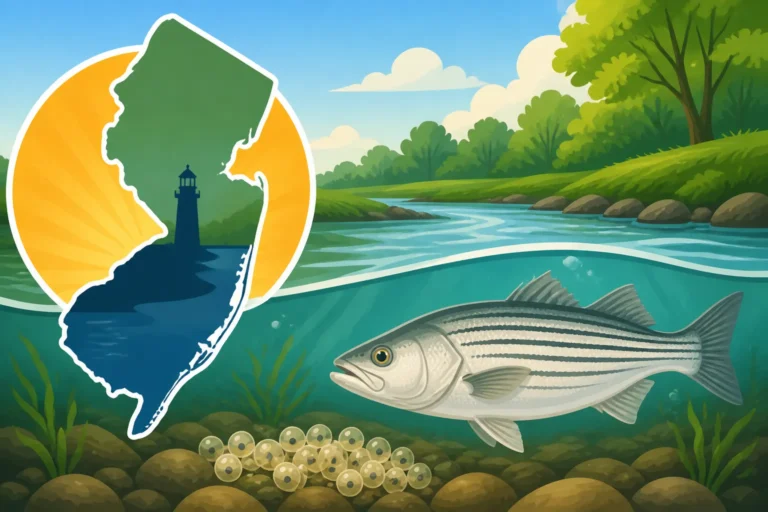
Striped bass do not spawn in New Jersey rivers, but the Chesapeake, Delaware, and Hudson rivers provide vital grounds.
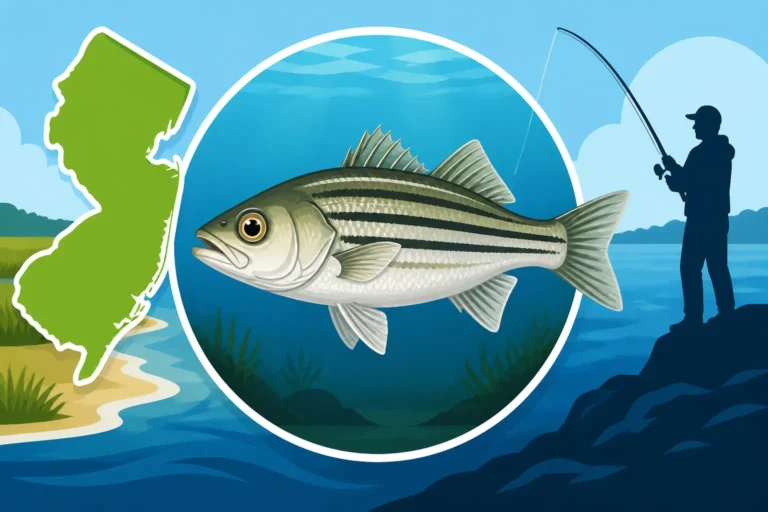
Juvenile striped bass in New Jersey display white bellies, variable bronze undertones, and seven to eight dark horizontal stripes.
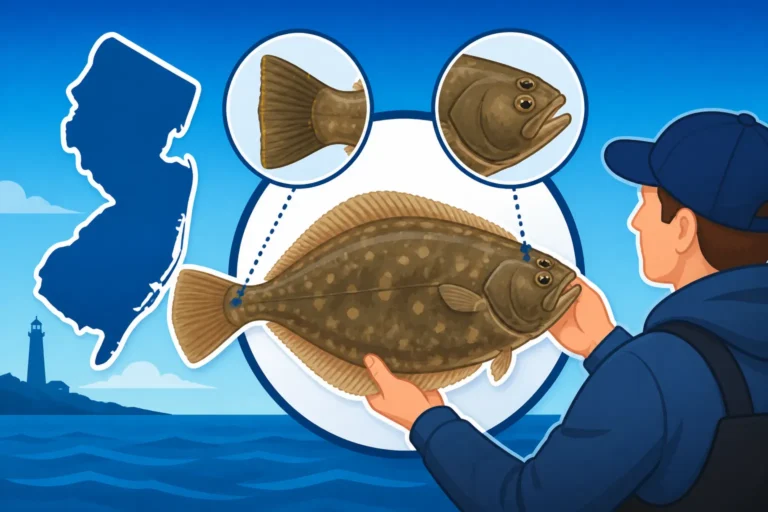
New Jersey marine waters require an eighteen inch minimum size limit and specific daily bag limits for catching legal fluke.

New Jersey striped bass safety involves environmental contaminants, bioaccumulation, and state consumption advisories for families.

New Jersey fishing waters and culinary catches reveal how species, freshness, and environment determine the best-eating fish.
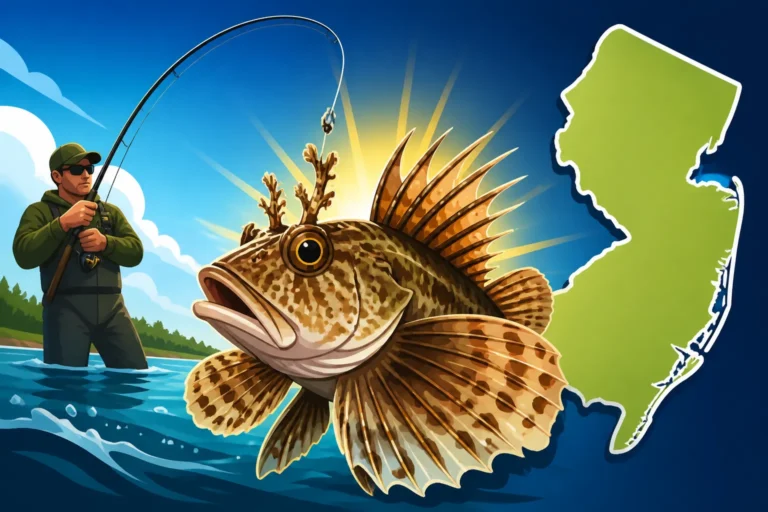
The rarest fish species in New Jersey waters include endangered animals and tropical wanderers brought by ocean currents.
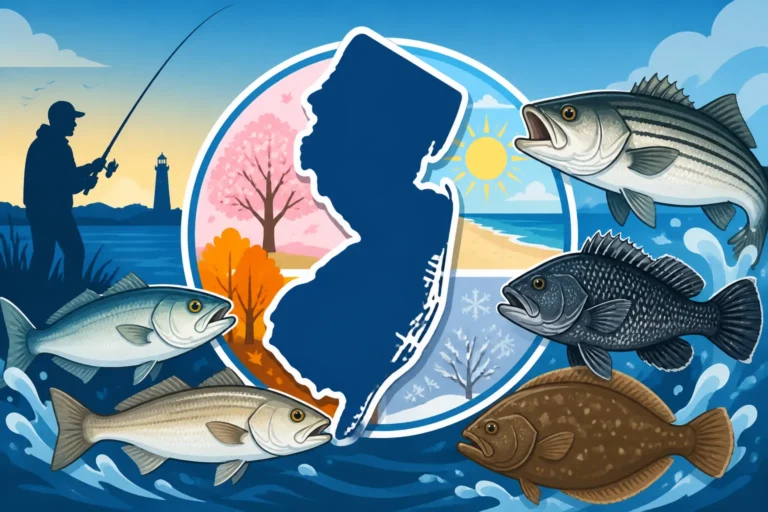
New Jersey year-round freshwater fishing regulations and dependable species like crappie, yellow perch, bluegill, and sunfish.