How Do You Identify a Legal Size Fluke?
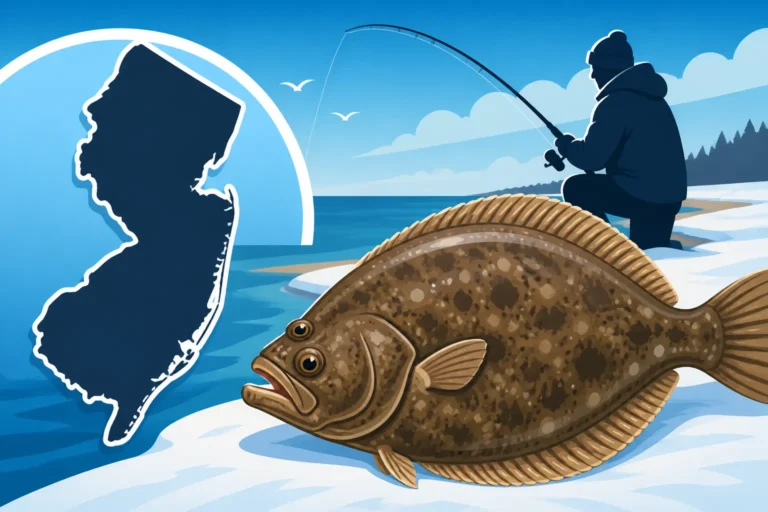
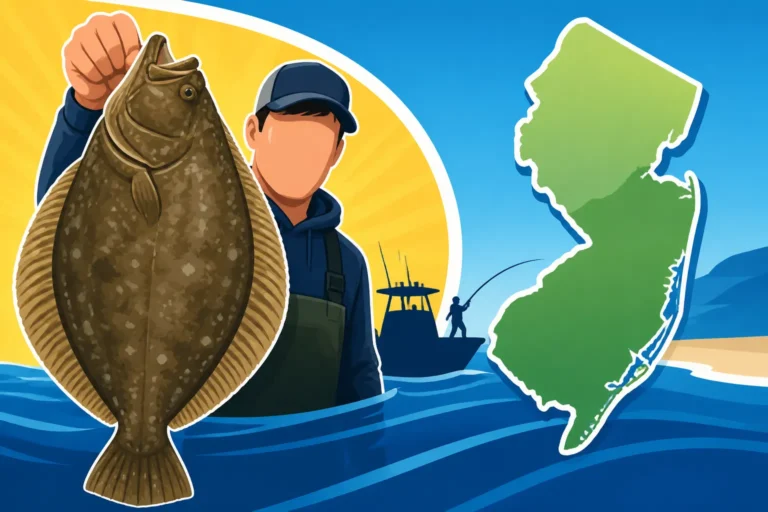
Ah, the thrill of a good tug on the line! You're out there on the beautiful New Jersey waters, maybe drifting the back bays or bouncing bucktails along a channel edge, when suddenly, thump! You reel in, excited, and there it is: a beautiful summer flounder, or as we all call them, a fluke. Your heart races, but then that familiar knot of anxiety tightens in your stomach: "Is it a keeper? Is it legal size?" It's a question that plagues every angler, from seasoned veterans to excited beginners, and the rules can sometimes feel like they change with the tide. This guide is here to untangle that frustration and walk you through exactly how to identify a legal-size fluke in New Jersey, ensuring your fishing trips are filled with joy, not legal worries.
Decoding New Jersey's Fluke Regulations: More Than Just a Number
Let's face it, keeping up with fishing regulations in New Jersey can feel like a full-time job. One year it's one thing, the next it's another, and then there are special zones and seasonal changes. It’s enough to make you just want to stick to catch and release! But with fluke, which are so delicious and a staple of our summer fishing, knowing the rules is paramount. It’s not just about avoiding a fine; it’s about doing our part to conserve this incredible fishery for future generations.
The Ever-Changing Rulebook and Where to Find It
The biggest frustration for many of us is the perceived constant flux of regulations. It seems like every season brings some adjustment, whether it's to size limits, bag limits, or even season dates. This isn't arbitrary, though it can feel that way. These changes are typically based on scientific assessments of fish stocks and aimed at ensuring sustainable fishing. The absolute best place to find the most current and accurate information is the official New Jersey Fish and Wildlife Digest. You can usually pick up a physical copy at bait and tackle shops, or find a digital version on the state's website. Always, always check the current year's digest before you head out, especially at the start of a new season. Relying on what you "heard" last year or from a friend of a friend can lead to trouble.
The All-Important Size Limit and its Exceptions
When it comes to fluke, the size limit is the first thing on every angler's mind. For the vast majority of New Jersey's marine waters, there's a specific minimum length that your fluke must meet to be considered a legal keeper. Generally, for most of the state's waters, the minimum size is 18 inches. It's crucial to understand that this isn't just a suggestion; it's the law. If you catch a fish that doesn't meet this length, it must be immediately and carefully released.
However, and here's where things get a little tricky, New Jersey can have different rules for specific areas, like the Delaware Bay. Sometimes, due to different management plans or stock assessments unique to that body of water, the size limits there might vary slightly. This is why checking the digest is so important—it will clearly outline any specific regional differences. For instance, you might find that while the general rule is New Jersey Fluke Size Limit: 18 Inches, there could be nuances. Be sure to check Why Is the Delaware Bay Fluke Limit Different From the Rest of New Jersey? if you plan on fishing those specific waters. Missing this detail could turn a great day on the water into a costly lesson.
Bag Limits, Seasons, and Other Legalities
Beyond just the size, there are other critical components to understanding what makes a fluke "legal." This includes the daily bag limit – how many fish you're allowed to keep per day – and the open season dates. Imagine catching several beautiful, legal-sized fluke, only to realize you've gone over your daily limit. Or worse, you're fishing outside of the designated season!
New Jersey's fluke season typically runs for several months during the warmer parts of the year, allowing anglers to target these popular flatfish when they are most abundant in our waters. But these dates are not set in stone year after year; they are subject to change. Always consult the official regulations for the specific dates, which can be found under New Jersey Fluke Season Dates for 2026 in the current digest. Similarly, there's a specific New Jersey Fluke Bag Limit Explained that dictates how many fish you can take home. Staying within these limits is just as important as meeting the size requirement.
Remember, fishing without the proper license and adherence to all regulations, including bag and size limits, can lead to serious Penalties for Fishing Without a License in New Jersey. It's always better to be informed and compliant.
Mastering the Art of Fluke Measurement: Precision is Key
You've got your fluke in the net, it looks big, feels heavy, and your gut tells you it's a keeper. But "looks big" isn't a measurement technique. There's a right way and many wrong ways to measure a fluke, and doing it correctly is vital for both legality and the fish's survival if it needs to be released.
The Official Way to Measure: Nose to Tail (Not Fork!)
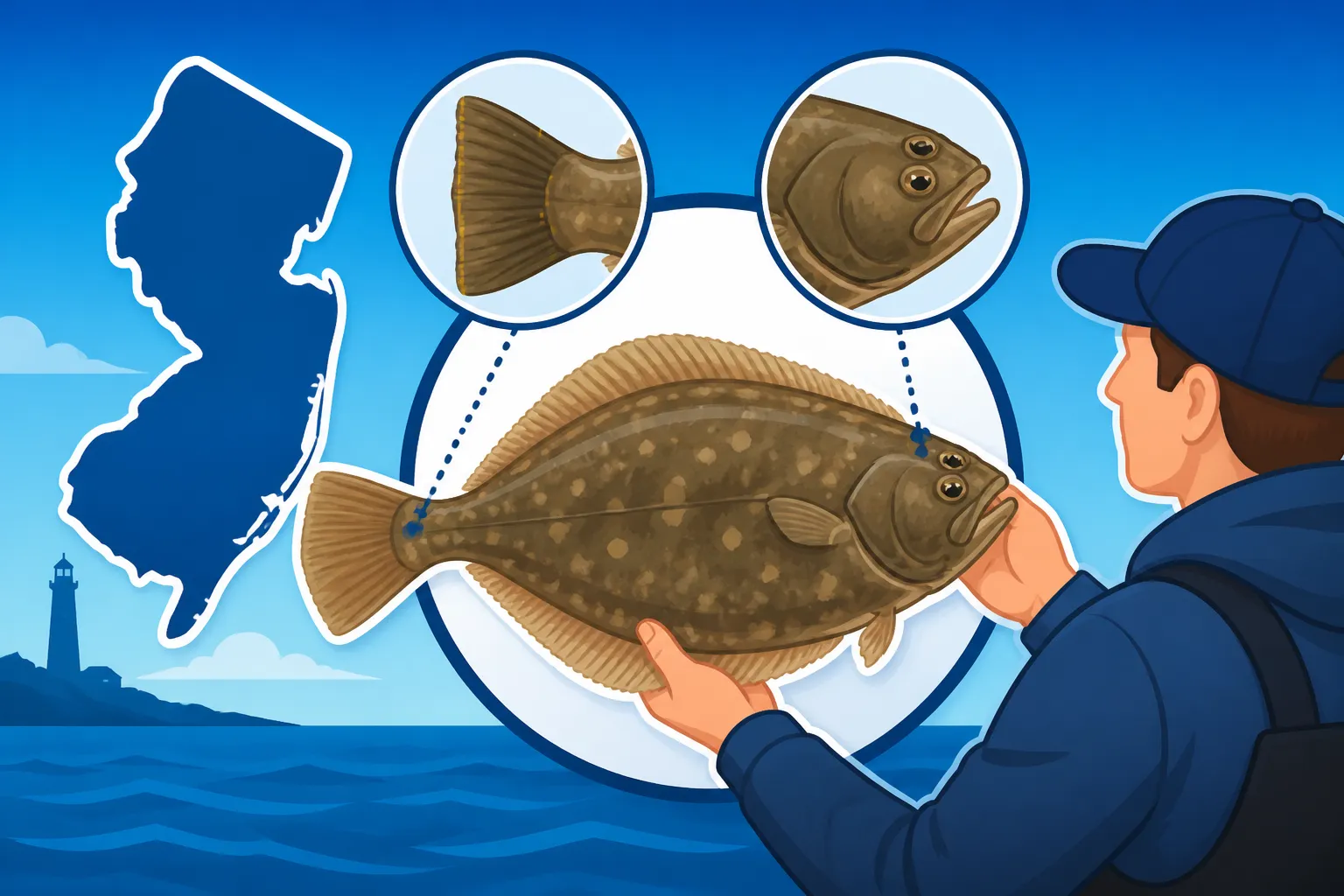
This is probably the most crucial part of identifying a legal fluke. The official measurement for a fluke, or summer flounder, is taken from the tip of its snout (the closed mouth) to the furthest extremity of the tail (the longest lobe of the tail fin), while the fish is lying flat. This is a critical distinction from a "fork length" measurement, which is sometimes used for other species. For fluke, you must extend that tail fin as much as possible to get the full length.
Here’s a step-by-step approach:
- Lie the fish flat: Place the fluke on a flat surface, such as a measuring board, the deck of your boat, or a cooler lid. Make sure it's not curved or bent. A wriggling fish is hard to measure accurately, so a firm but gentle hold is necessary.
- Close its mouth: Ensure the fish's mouth is completely closed at the tip of the measuring device.
- Extend the tail: Gently pinch or extend the tail fin backward to its maximum natural length. You're looking for the very tip of the longest part of the tail.
- Read the measurement: Note the marking on your ruler or measuring board that aligns with the furthest point of the tail.
It sounds simple, but under the excitement of a catch, or on a rocking boat, it's easy to rush and make a mistake. Take your time, and if there's any doubt, err on the side of caution and release the fish. For a visual and practical guide, checking out a resource like How to Tell If a Fluke Is Legal Size can offer helpful tips.
Essential Measuring Tools: Your Best Friend on the Water
Having the right tool makes all the difference. You can't just eyeball it, and a flimsy tape measure that blows away in the wind isn't going to cut it. A dedicated fish measuring device is your best investment.
- Bump Boards: These are fantastic. A bump board has a fixed end where the fish's snout butts up against it, ensuring a consistent starting point. They often have clear, easy-to-read markings and are made from durable, waterproof materials. You can find excellent bump boards on platforms like Amazon, offering various lengths and materials to suit your needs. Look for one that's sturdy, has clear, contrasting markings, and perhaps even non-slip feet if you're using it on a slick boat deck.
- Adhesive Rulers: Another popular option, especially for kayaks or smaller boats, is an adhesive ruler that you can stick onto your cooler or boat deck. Just make sure it's applied correctly, perfectly straight, and is long enough for the species you're targeting. Again, Amazon has a wide selection of these, and they can be quite convenient.
- Soft Tape Measures (with caution): While not ideal for precise measurements on a squirming fish, some anglers carry a soft, fabric tape measure. If you use one of these, lay it perfectly flat alongside the fish, ensuring there are no kinks or bends, and still extend the tail. They are less accurate and more prone to error, especially in windy conditions, but can be a backup.
Regardless of your chosen tool, make sure it's easily accessible. Fumbling around for a measuring device while a fish is out of water can add unnecessary stress to the fish and make accurate measurement harder.
Common Measurement Mistakes to Avoid
Even with the right tools, mistakes happen. Here are some of the most common ones I've seen over the years:
- Not flattening the fish: A curved fish will measure shorter than its actual length. Always ensure the fish is completely flat against the measuring surface.
- Measuring to the fork of the tail: This is a big one. For fluke, it's the longest point of the tail, not the notch. This can easily lead to keeping a "short" fish.
- Angling the fish: If the fish isn't perfectly straight along your measuring device, you're not getting an accurate reading. Make sure its body is parallel to the ruler.
- Measuring too quickly: Excitement can make us rush. Take a deep breath, get a good grip, and measure deliberately.
- Not extending the tail: Sometimes the tail fins might be naturally folded. Gently, but firmly, extend the tail to get its full length.
A good rule of thumb: if it's borderline, it's better to release it. The joy of a keeper isn't worth the worry, or the potential penalty, of being wrong.
Fluke vs. Other Flatfish: Avoiding Costly Mix-ups
New Jersey waters are home to several species of flatfish, and to the untrained eye, they can sometimes look similar. However, distinguishing a summer flounder (fluke) from its flatfish cousins is essential, not just for regulations, but for understanding the species you're catching. Each species has its own characteristics, preferred habitats, and indeed, its own set of rules.
Identifying a True Summer Flounder (Fluke)
The summer flounder, or fluke, is easily recognizable once you know what to look for. They are masters of camouflage, usually mottled brown, gray, or olive on their "eyed" side to blend in with the bottom, and pure white on their blind, underside.
The key identification markers are:
- Eyes on the Left: When you lay a fluke flat with its white belly down, its eyes will always be on the left side of its head. This is the most definitive way to tell a fluke apart from a winter flounder.
- Pointy Teeth: Open its mouth, and you'll see a formidable set of sharp, conical teeth. These are built for ambushing baitfish and crustaceans.
- Prominent Spots: Look for 5 to 14 distinct, dark, ocellated (ringed) spots on its upper side. These can be faint or very clear depending on the fish and its recent habitat.
- Diamond Shape: Their body tends to be more diamond or kite-shaped, especially when mature, compared to the rounder, thicker body of a winter flounder.
Knowing these characteristics will help you quickly identify if you even have a fluke in the first place, before you even reach for your measuring device. For more detailed information on species identification, checking out a comprehensive New Jersey Fluke Identification Guide is highly recommended. You can also explore Fluke vs Summer Flounder: Is There a Difference? for deeper insights into these terms.
Distinguishing from Winter Flounder and Windowpane Flounder
Two other common flatfish in New Jersey waters are the winter flounder (also known as blackback) and the windowpane flounder. Mistaking these for a summer flounder can lead to confusion and potentially, regulatory issues, as they have different rules or may not be legal to keep at all depending on the season and specific regulations.
-
Winter Flounder (Blackback):
- Eyes on the Right: This is the dead giveaway. If you lay the fish white-belly down, its eyes will be on the right side of its head.
- Small Mouth, No Prominent Teeth: Unlike the fluke, the winter flounder has a much smaller mouth with tiny, blunt teeth, designed for nibbling on worms and small invertebrates from the bottom.
- Coloration: They tend to be a darker, more uniform brown or greenish-brown on their eyed side, without the distinct spots of a fluke. Their underside is also typically white.
- Body Shape: They are generally thicker and more oval-shaped than the sleeker fluke.
-
Windowpane Flounder:
- Eyes on the Right: Like the winter flounder, their eyes are typically on the right side.
- Very Thin and Round: This is their most distinguishing feature. Windowpanes are incredibly thin and almost perfectly round, earning them their name – they can look almost transparent in the water.
- Soft Body: They feel much softer and more delicate than either fluke or winter flounder.
- Small Mouth: Similar to winter flounder, they have a small mouth.
It’s unlikely you’d mistake a windowpane for a keeper fluke due to its distinct shape and thinness, but it’s good to be aware of them. Knowing these differences will not only help you stay legal but also appreciate the diversity of marine life we have in New Jersey. Understanding their behaviors, like What Does a Fluke Eat?, can also help you target them more effectively.
What If It's a "Short" Fluke? The Importance of Careful Release
You've measured, and it's short. It happens to all of us, probably more often than we'd like to admit! The critical thing now is to release that fish as quickly and carefully as possible to give it the best chance of survival.
Here’s how to handle a short fluke:
- Minimize Time Out of Water: The longer a fish is out of its aquatic environment, the more stressed it becomes. Measure quickly and efficiently.
- Wet Hands: Always handle fish with wet hands. Dry hands can remove the protective slime coat, making the fish vulnerable to infection.
- Support the Fish: If possible, support the fish horizontally. Don't hold it vertically by the jaw or tail if it's a larger fish, as this can damage internal organs.
- Remove Hook Quickly: If the hook is easily accessible, remove it with pliers or a dehooking tool. If it's deeply swallowed, cut the line as close to the hook as possible. Don't try to rip a deeply embedded hook out.
- Gentle Release: Gently place the fish back into the water, headfirst, and allow it to swim away on its own power. Sometimes a gentle forward and backward motion can help resuscitate it.
Remember, every short fish that swims away healthy is a potential keeper for a future trip and contributes to the overall health of the fishery. Catch-and-release is a fundamental part of sustainable angling, especially for species like fluke where regulations are so important. This is why techniques like How to Drift Fish for Fluke often emphasize efficiency and careful handling.
Best Practices for Compliance and Conservation on Your Fluke Adventures
Beyond just knowing the rules, adopting some best practices can make your fluke fishing more enjoyable, more successful, and certainly more responsible. Being prepared means you can focus on the fishing, not the frantic scramble when a nice fish hits the deck.
Preparation is Key: Have Your Gear Ready
Imagine a beautiful fluke hits the deck, flopping around, and you're digging through your tackle box for a ruler. Not ideal! Being prepared means having your measuring device, dehooking tools, and even a camera (if you want a quick photo before release) readily accessible.
- Dedicated Measuring Station: If you have a boat, consider a dedicated measuring station. This could be a ruler permanently affixed to a cooler lid or a dedicated bump board within arm's reach of where you land fish.
- Landing Net: A good, soft landing net is invaluable for fluke. It reduces stress on the fish during landing and keeps it contained while you prepare to measure or dehook. Look for rubberized or knotless nets, as they are gentler on fish scales and slime coats.
- Appropriate Tackle: Using the right tackle for fluke means you'll be more efficient, reducing fight time and stress on the fish. This includes appropriate rods, reels, and lines. For instance, Gulp Bait vs Live Bait for Fluke Fishing can impact how fish are hooked and subsequently handled. Similarly, knowing the Best Bait for Fluke Fishing can lead to more consistent, well-hooked fish.
Minimizing Harm: The Angler's Responsibility
We all love to catch fish, but a responsible angler also cares about the well-being of the fish, especially those we have to release. Every fish you release healthy has the chance to grow bigger, spawn, and contribute to future fishing opportunities.
- Circle Hooks for Bait: While not always required for fluke, using circle hooks when bait fishing can significantly reduce gut-hooking, meaning fish are more often hooked in the corner of the mouth, making for easier and less harmful release.
- Avoid Over-Fighting: While the thrill of a long fight is fun, excessive stress can exhaust a fish to the point where it can't recover after release. Use tackle that's heavy enough to land the fish efficiently.
- Stay Hydrated & Hands Wet: Remember to keep your hands wet when handling fish, as previously mentioned. This seems like a small detail but makes a big difference to the fish's protective layer.
When in Doubt, Release: The Golden Rule
This is truly the most important piece of advice when it comes to legal sizes. If you measure a fluke and it's even slightly questionable, or you're just not 100% sure if it meets the minimum length, release it. No single fish is worth the potential hassle of a conservation police officer checking your cooler and finding an undersized fish. The fines can be substantial, and it tarnishes the enjoyment of the entire trip.
Many anglers adopt a personal minimum that's an inch or half-inch over the legal limit, just to be safe. For example, if the limit is 18 inches, they might only keep fish that are clearly 18.5 inches or more. This little buffer provides peace of mind and further protects the fishery. Enjoy your time on the water, respect the regulations, and those New Jersey fluke will provide plenty of enjoyment for years to come!
Disclaimer
This article is for general informational purposes only and does not constitute professional advice. Laws, prices and regulations vary by location and change over time. Consult a qualified professional for guidance on your specific situation.