What Is the Best Eating Fish Caught in New Jersey Waters?
It's a question that sparks endless debates among anglers on the docks and around the dinner table: what's truly the best-eating fish you can pull from New Jersey's diverse waters? The answer, as many seasoned fishermen know, isn't always straightforward, as taste is incredibly subjective and can be influenced by many factors beyond just the species. This guide will dive deep into the most celebrated culinary catches in the Garden State, exploring what makes them stand out and how you can ensure your next meal from the sea or stream is an unforgettable one.
The Subjective Deliciousness: What Makes a Fish "Best Eating"?
Before we even name names, let's talk about what "best eating" actually means to most people. It's not just about the inherent flavor of a particular species, though that's a huge part of it. It's also about texture, how you care for the fish once it's caught, and even how it's prepared. What one person considers a delicacy, another might find too strong or too mild. However, there are some universal qualities that almost all anglers and chefs agree make for a truly excellent fish dinner.
Freshness is King: The Golden Rule of Flavor
Honestly, the single most critical factor in how good a fish tastes isn't even the species itself, but how fresh it is. You could catch the most highly-prized fish in the ocean, but if it's left to bake in the sun all day or isn't properly cleaned and iced, it's going to suffer dramatically in flavor and texture. Think about it: that fish you caught just hours ago, still stiff from the cold water, bled out, and packed on ice, is going to taste infinitely better than something that's been sitting in a display case for a few days, no matter what species it is. This is why many anglers who care about table fare invest in quality coolers and are quick to dispatch and chill their catch. Getting a good cooler, and maybe some ice packs, is easy these days with retailers like Amazon offering a wide selection.
Species-Specific Flavor Profiles and Textures
Beyond freshness, each fish species has its own unique flavor profile and texture. Some fish are known for their delicate, flaky white meat, perfect for mild preparations where the fish itself is the star. Others offer a firmer, richer meat that stands up well to bolder seasonings or heartier cooking methods. Then you have species with a distinct, sometimes "fishy" flavor that some love and others shy away from. It's all about preference, but understanding these general characteristics can help you choose what to target based on what you like to eat. For example, a mild-flavored fish like fluke is often preferred by those who don't want a strong "fishy" taste, while a species like bluefish, known for its robust flavor, is a favorite for those who enjoy a richer, more assertive bite.
Diet and Environment: Where the Fish Lives Matters
Believe it or not, what a fish eats and where it lives can significantly impact its taste. Fish caught in colder, cleaner waters often have a purer, more refined flavor. Their diet of varied forage can also influence the fat content and overall taste. For instance, a striped bass feeding on abundant bunker (menhaden) in the fall migration might have a richer, fattier fillet than one caught in a back bay during a leaner period. This is part of the magic and mystery of fishing; you never quite know what culinary delights you'll uncover until you've brought that fish aboard and prepared it. Understanding that the environment plays a role can also inform decisions about where to fish. This applies to freshwater species too, as a trout from a pristine, cold mountain stream will taste different from one caught in a warmer, slower-moving river.
New Jersey's Culinary Stars: Top Saltwater Species for the Plate
New Jersey is blessed with an incredibly diverse coastline, offering up a smorgasbord of delicious saltwater species. From the inshore bays to the deep offshore wrecks, there's always something tasty to target. Let's look at some of the top contenders that regularly make it to New Jersey dinner plates.
Fluke (Summer Flounder): The Jersey Shore Delicacy
If you ask most Jersey anglers what their favorite eating fish is, fluke (also known as summer flounder) is almost always at the top of the list. And for good reason! This flatfish offers incredibly delicate, flaky white meat with a mild, sweet flavor. It's versatile in the kitchen, lending itself beautifully to almost any cooking method, from pan-frying and baking to grilling. There's a reason so many restaurants feature it on their menus.
The appeal of fluke goes beyond its taste; it's also a blast to catch. Drifting baits or bucktails over sandy bottoms and structure is a popular method, and feeling that distinct "thump" of a doormat fluke is exhilarating. Just remember to be mindful of the New Jersey Fluke Size and Bag Limits Explained to ensure you're keeping legal fish. Whether you're targeting them on a private boat or trying your luck on a party boat, which are often geared towards fluke fishing, knowing How to Fish for Fluke in New Jersey can really up your game. A fresh fluke fillet, lightly seasoned and quickly pan-seared, is a quintessential New Jersey summer meal. For those looking to increase their odds, understanding Best Bait for Fluke Fishing can make a real difference in your success.
Striped Bass: The Revered Gamefish and Table Fare
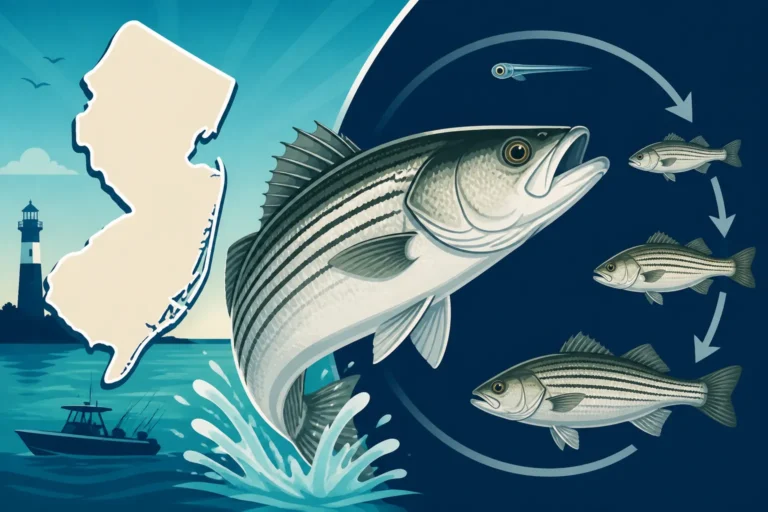
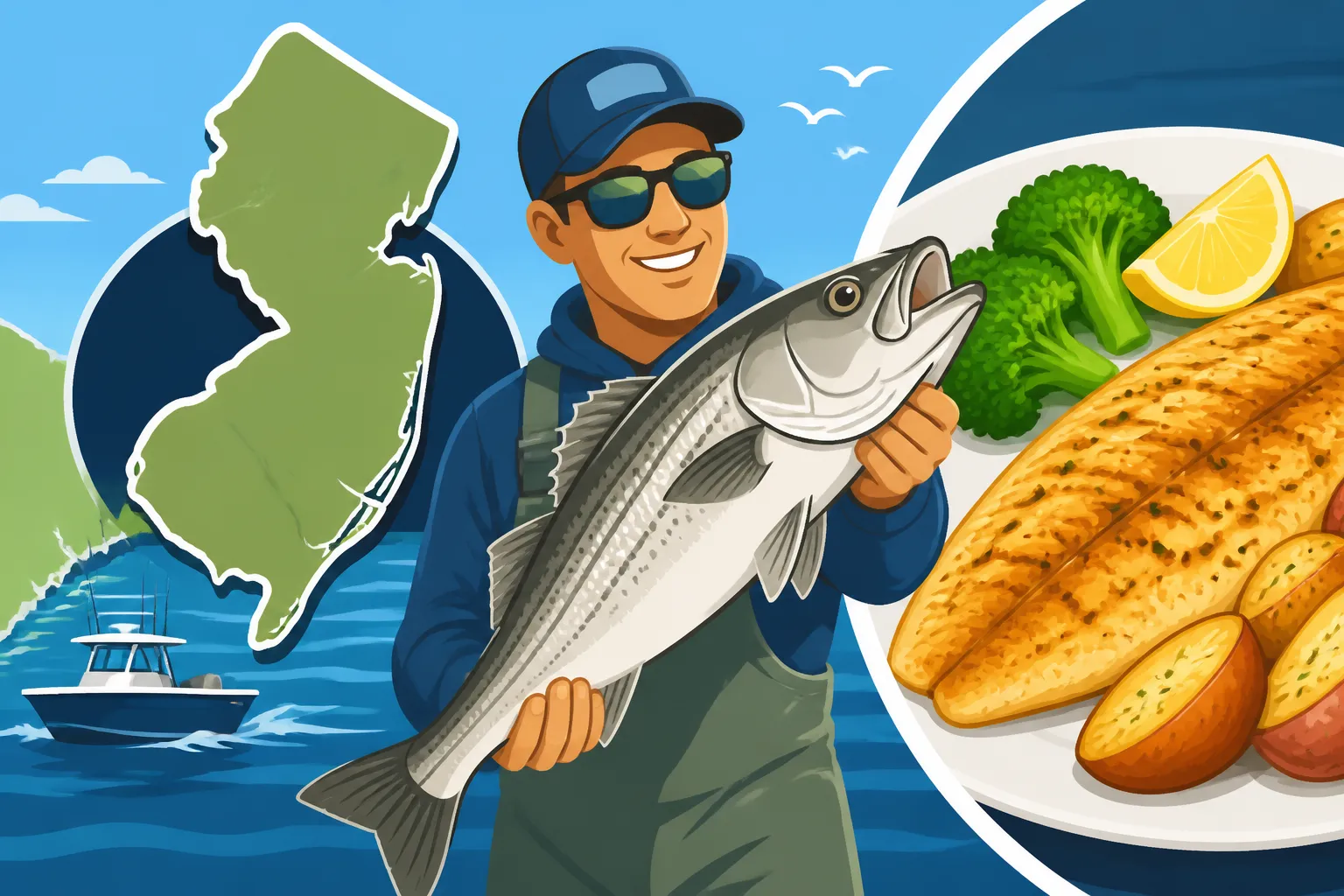
Striped bass hold a special place in the hearts of New Jersey anglers, not just for their fighting prowess but also for their excellent table quality. Stripers offer a firmer, richer, and meatier fillet compared to fluke, with a moderate flavor that isn't overly "fishy." The key to truly delicious striped bass often lies in its size and freshness. Smaller "schoolie" stripers (within the slot limit) tend to have the best texture and flavor, often less oily than the very large, older fish.
Catching a legal striped bass and getting it on ice quickly is crucial. Many anglers will bleed their stripers immediately after landing them, which significantly improves the quality of the meat by removing blood that can impart a stronger flavor. The current New Jersey Striped Bass Slot Limit Explained is designed to protect the spawning stock while still allowing anglers to keep some fish for the table, often favoring these smaller, better-eating fish. If you're looking to target these magnificent fish, learning How to Fish for Striped Bass in New Jersey will be invaluable. The firm texture of striped bass makes it ideal for grilling, baking, or even smoking, where its rich flavor truly shines.
Black Sea Bass: Sweetness from the Depths
Black sea bass might not get as much fanfare as stripers or fluke, but they are absolutely phenomenal eating fish. Found primarily around wrecks, reefs, and rocky bottom structures, these fish offer incredibly sweet, firm, and pearly white meat. Many consider black sea bass to be one of the finest-tasting fish New Jersey has to offer. They're often caught on bait or jigs when targeting other species, but dedicated trips for sea bass are incredibly rewarding.
Their firm flesh holds up well to grilling, frying, or baking, and their delicate sweetness requires minimal seasoning to be appreciated. The challenge sometimes lies in finding them in good numbers and staying within the New Jersey Black Sea Bass Season and Limits, which can vary throughout the year. But trust me, the effort is well worth it when you're sitting down to a meal of fresh black sea bass.
Tautog (Blackfish): The White Meat King of the Rocks
Tautog, affectionately known as blackfish, are another hidden gem for the dinner table. These fish are notorious for their tough fighting style around structure, making them a favorite among experienced bottom fishermen. What they lack in flashy scales, they make up for in flavor. Tautog boast incredibly firm, white, almost scallop-like meat with a very mild and clean taste. It's often compared to lobster or crab meat due to its unique texture.
Catching tautog requires specialized tactics and often a good amount of patience, as they are structure-oriented and can be picky eaters. Green crabs and Jonah crabs are common baits. Being aware of the New Jersey Tautog Season Dates is important, as their seasons can be particular. Once you've successfully landed and prepared a tautog, you'll understand why it's so highly sought after by those in the know. They are fantastic baked, broiled, or pan-fried, often simply with butter and herbs to let their unique texture and flavor shine.
Bluefish: A Polarizing, But Potentially Delicious, Option
Ah, the bluefish. This is where opinions truly diverge. Bluefish are known for their aggressive strikes, powerful fights, and razor-sharp teeth. They're also known for their strong, distinct, and sometimes oily flavor, which some anglers absolutely love and others avoid. However, a properly handled and very fresh bluefish can be surprisingly delicious, especially when prepared correctly. The key with bluefish is freshness and immediate care. Bleeding them thoroughly and getting them on ice as quickly as possible is non-negotiable if you plan to eat them. Many prefer the smaller "snapper" bluefish for eating, as their meat is milder and less oily.
While their reputation precedes them, don't write off bluefish entirely. If you catch one during the peak of the New Jersey Bluefish Season Peak Timing, bleed it immediately, and plan to cook it that same day, you might be pleasantly surprised. Grilling, smoking, or baking with strong flavors like lemon, garlic, or even a flavorful marinade can help mellow their natural assertiveness. Some anglers swear by them, while others keep them purely for sport.
The Sweetwater Delights: Freshwater Fish Worth Savoring
While New Jersey's coastline gets a lot of attention, our freshwater lakes, rivers, and streams are teeming with delicious fish too. For those who prefer to fish away from the saltwater, there are some excellent eating opportunities in the state's interior. And don't forget to understand the New Jersey Saltwater Registry Explained for coastal trips versus purely freshwater adventures.
Trout: A Coldwater Classic
New Jersey's trout fishing is a beloved tradition, especially during the spring stocking season. Rainbow, brown, and brook trout are regularly stocked into numerous rivers and lakes across the state, and they make for excellent table fare. Trout, especially those from colder waters, have delicate, flaky meat with a mild, earthy flavor that many find incredibly appealing. The taste can vary slightly depending on the species and their diet, but generally, trout are highly regarded for their culinary qualities.
If you're heading out for trout, make sure you understand New Jersey Trout Stamp Requirements Explained, as it's often an additional permit needed on top of your standard freshwater license. Learning New Jersey Trout Fishing Techniques will also help you bring home a tasty meal. Trout are wonderful baked whole with herbs and lemon, pan-fried with a crispy skin, or even smoked. The freshness of a stream-caught trout is hard to beat.
Crappie and Yellow Perch: Panfish Perfection
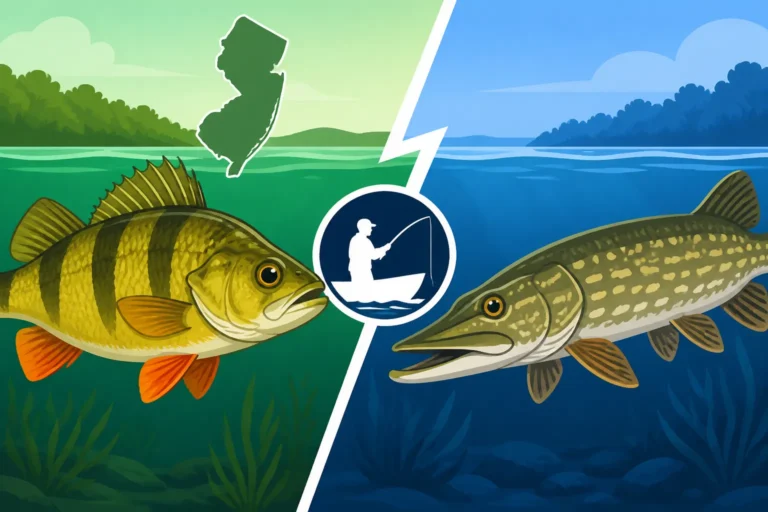
For many freshwater anglers, especially those looking for a delicious and accessible meal, crappie and yellow perch are absolute winners. These panfish, often caught in good numbers, offer tender, flaky white meat with a very mild, sweet flavor. They are perfect for a family fish fry! Their smaller size means you might need to catch a few to make a meal, but the effort of filleting them (or frying them whole) is well worth it.
Crappie and yellow perch are abundant in many of New Jersey's lakes and ponds. They're relatively easy to catch, making them fantastic targets for beginner anglers or kids. Check out a New Jersey Crappie Fishing Guide or a New Jersey Yellow Perch Fishing Guide to find some good spots. Lightly breaded and pan-fried until golden brown, these fish are truly a delight.
Handling Your Catch for Optimal Flavor: From Water to Plate
You've caught the fish, but the journey to a delicious meal isn't over. In fact, what you do in the moments and hours after the catch can make or break the flavor of your fish. Proper handling is just as important as the species itself.
The Importance of Immediate Care
The first step to maximizing flavor is to kill your fish quickly and humanely as soon as you decide to keep it. This reduces stress and prevents the buildup of lactic acid, which can negatively impact taste and texture. Many experienced anglers will use a priest (a small blunt club) or simply a sharp blow to the head to stun the fish.
Immediately after, it's highly recommended to bleed your fish. This means cutting a gill arch or the throat to allow the blood to drain out. Blood left in the flesh can make the meat taste "fishy" and can lead to faster spoilage. Once bled, get that fish on ice! A good quality cooler filled with plenty of ice is your best friend. Submerge the fish completely in an ice slurry (ice and a little water) to rapidly bring its core temperature down. This slows bacterial growth and preserves the delicate flavors and textures. Investing in a reliable cooler, like those found on Amazon, is a game-changer for any angler serious about eating their catch.
Cleaning and Filleting Techniques
Once you're off the water, it's time to clean your catch. Filleting is the most common method for most game fish, removing the bones and skin to leave you with pure meat. A sharp filleting knife, easily found on Amazon or at local tackle shops, is essential for clean cuts and minimal waste. Rinse the fillets thoroughly with cold water to remove any remaining blood or scales, then pat them dry with paper towels. Excess moisture can lead to a mushy texture when cooked.
For smaller panfish like crappie or perch, some anglers prefer to scale and gut them, then cook them whole. This method is quick and leaves the bones in, adding to the flavor when eaten carefully.
Storage for Peak Freshness
The best fish is eaten the same day it's caught, but sometimes that's not possible. If you need to store your fillets, place them in airtight bags (vacuum sealing is ideal if you have the equipment) and keep them on ice in the refrigerator for no more than 1-2 days. For longer storage, freeze the fillets. Again, vacuum sealing is best to prevent freezer burn, but wrapping them tightly in plastic wrap and then aluminum foil can also work. Label and date your packages. While frozen fish is still good, the texture and flavor will never quite match a fresh-from-the-water fillet.
Here's a quick comparison of some popular New Jersey eating fish:
| Fish Species | Flavor Profile | Texture | Best Cooking Methods | Notes |
|---|---|---|---|---|
| Fluke (Summer Flounder) | Mild, sweet | Delicate, flaky | Pan-fry, bake, grill, broil | Very versatile, widely loved. |
| Striped Bass | Moderate, rich | Firm, meaty | Grill, bake, smoke, pan-fry | Best when fresh and bled, smaller fish preferred. |
| Black Sea Bass | Sweet | Firm, pearly white | Grill, pan-fry, bake, steam | Excellent, highly underrated. |
| Tautog (Blackfish) | Mild, clean | Very firm, scallop-like | Bake, broil, pan-fry | Unique texture, takes time to catch. |
| Bluefish | Strong, distinct, oily | Firm | Grill, smoke, bake (with bold flavors) | Must be very fresh and bled, controversial. |
| Trout | Mild, earthy | Delicate, flaky | Bake whole, pan-fry, smoke | Best from cold, clean waters. |
| Crappie / Yellow Perch | Mild, sweet | Tender, flaky | Pan-fry, deep-fry | Small, but delicious panfish. |
Simple Preparations to Let the Fish Shine
When you have truly fresh fish, the best approach in the kitchen is often the simplest. You want to enhance, not overpower, the natural flavors of your catch.
Grilling and Pan-Searing: A Crowd Favorite
For firm-fleshed fish like striped bass, black sea bass, or tautog, grilling or pan-searing are fantastic options. A hot pan or grill creates a beautiful, crispy crust while keeping the inside moist and tender.
- Grilling: Lightly brush fillets with olive oil, season with salt, pepper, and your favorite herbs (lemon pepper, dill, parsley). Grill over medium-high heat until cooked through and flaky, typically a few minutes per side depending on thickness.
- Pan-Searing: Heat a cast iron or heavy-bottomed pan with a little oil or butter until shimmering. Place skin-side down (if applicable) and cook until skin is crispy, then flip and finish cooking. A squeeze of lemon at the end is often all you need.
Baking and Broiling: Gentle Cooking for Delicate Fillets
For more delicate fillets like fluke or trout, baking or broiling can be perfect. These methods offer a gentle, even cook that preserves the fish's tender texture.
- Baking: Place fillets on a baking sheet, drizzle with olive oil, sprinkle with salt, pepper, and herbs, and maybe some thin lemon slices. Bake in a preheated oven until cooked through. This is a very forgiving method for beginners.
- Broiling: Similar to baking, but uses direct top heat for a quick cook and slightly browned finish. Keep a close eye on it, as fish can overcook quickly under the broiler.
Raw and Cured: For the Ultimate Freshness
If you've caught a pristine, very fresh fish and handled it impeccably, you might even consider eating some of it raw or lightly cured. Certain species, particularly fluke and sometimes the leaner parts of striped bass, can be absolutely incredible as sashimi or in ceviche. This method truly celebrates the freshness and natural flavor of the fish. Of course, this requires the absolute highest standards of handling and cleanliness.
Ultimately, the "best" eating fish in New Jersey is the one you enjoy most, caught fresh, handled with care, and prepared simply. Whether you're hauling in a doormat fluke from Barnegat Bay or pulling a beautiful trout from a mountain stream, the culinary rewards of fishing in the Garden State are truly abundant. It's always wise to be informed, and guides like What Fish Are Safe to Eat From New Jersey Rivers? offer important insights into responsible consumption.
Disclaimer
This article is for general informational purposes only and does not constitute professional advice. Laws, prices and regulations vary by location and change over time. Consult a qualified professional for guidance on your specific situation.