How to Read a Rip Current for Safer Surf Fishing
There's nothing quite like the thrill of surf fishing on the New Jersey coast. That feeling of the salty air, the roar of the waves, and the anticipation of a big striped bass or a summer fluke taking your bait – it's pure magic. But underneath that beautiful facade, the ocean can hold some serious dangers, and rip currents are at the top of that list. Many anglers, even seasoned ones, can struggle to identify these powerful, offshore-moving currents, leading to frustrating fishing trips, lost tackle, and even dangerous situations. This comprehensive guide will equip you with the knowledge to not only spot rip currents for safer fishing but also understand how they can sometimes even help you find fish.
What Exactly is a Rip Current and Why Do They Matter to Anglers?
When we talk about rip currents, it's easy to picture something like a powerful undertow pulling you straight down, but that's not quite right. Understanding what they truly are and how they operate is the first step to staying safe and fishing smart. These natural phenomena are a vital part of the ocean's dynamic, constantly reshaping our beloved Jersey Shore.
The Anatomy of a Rip: How They Form
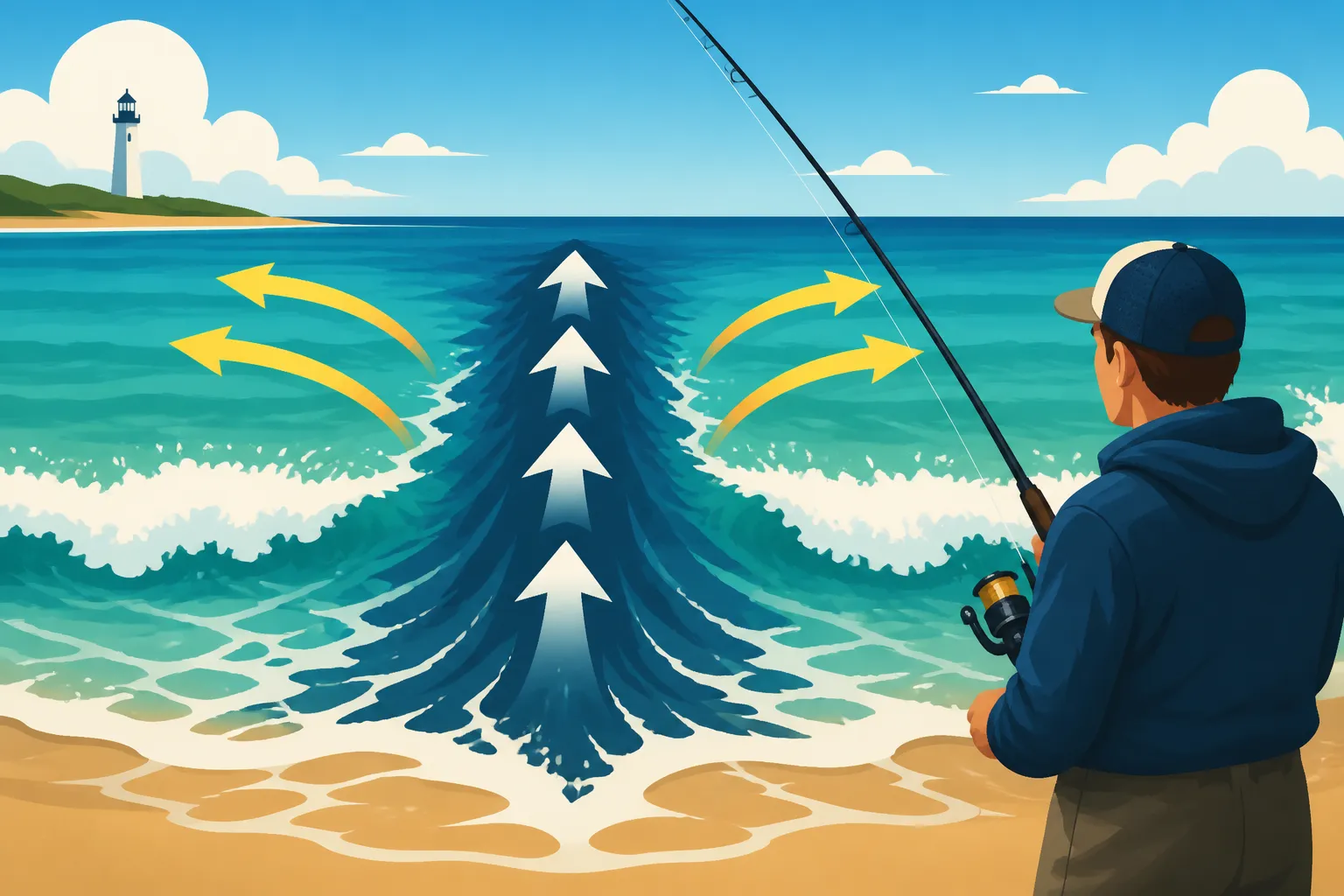
Imagine waves constantly pushing water onto the beach. That water has to go somewhere, right? It accumulates near the shore, and eventually, it finds the path of least resistance to flow back out to sea. This "path of least resistance" is what forms a rip current. These currents typically form in breaks in sandbars, near jetties, or alongside other structures that create a channel for the water to escape. They're essentially narrow, fast-moving rivers flowing directly away from the shore.
Picture a sandbar running parallel to the beach. Waves break over it, pushing water into the trough between the sandbar and the shore. When enough water builds up, it seeks an exit. If there's a dip or a gap in that sandbar, or maybe a deeper channel created by the natural ebb and flow, the accumulated water will rush out through that opening. This outward flow is the rip. It’s a concentrated stream, sometimes moving at several miles per hour, capable of sweeping you away from the shore faster than you can swim against it. Understanding this formation is key because it tells us where to look for them, and often, where fish might be lurking.
The Hidden Danger and Why They're Often Misunderstood
One of the biggest frustrations and dangers with rip currents is that they often don't look dangerous at all. In fact, they can sometimes appear calmer than the surrounding breaking waves. This deceptive calm is precisely what lulls people into a false sense of security. You might see a stretch of seemingly placid water, think it's a great spot to wade out or cast, and suddenly find yourself being pulled offshore with alarming speed. This misunderstanding often leads to panic, which is the true enemy when caught in a rip.
Many people mistakenly believe they need to fight the current directly and swim straight back to shore. This is like trying to run up a fast-moving escalator going down – you'll quickly become exhausted without gaining any ground. The sheer power of these currents, especially after a storm or during strong tidal movements, is immense. It's not about being a strong swimmer; it's about knowing how to react. For anglers who wade out into the surf to cast long distances, especially when targeting species like striped bass or fluke, this hidden danger is particularly relevant. You could be focused on your cast, feeling a strong tug on your line, and not even realize you’re drifting until it’s too late.
How to Spot a Rip Current from the New Jersey Shore
Knowing what a rip current is is one thing, but being able to spot it with your own eyes from the beach is the crucial skill. It takes practice and a keen eye, but once you know what to look for, these potential hazards (and sometimes, fishing advantages) will start to reveal themselves. When you're standing on the beaches of Long Beach Island or down at Cape May Point, a few visual cues can give away a rip's location.
Visual Cues: The "River in the Ocean" Look
Think of a rip current as a river within the ocean. It's a distinct flow of water moving in a different direction than the waves breaking around it. Here are some tell-tale signs:
- A Gap in the Waves: This is perhaps the most common and easiest to spot. You'll see waves breaking consistently along a stretch of beach, but then there will be a noticeable gap where waves aren't breaking, or are breaking much less intensely. This calm-looking water is often the rip current's channel, where water is flowing out rather than waves pushing in. It's a bit counterintuitive, as our brains usually associate calm water with safety, but in this case, calm can mean danger.
- A Line of Foam, Seaweed, or Debris Extending Seaward: As the rip current pulls water offshore, it also drags anything floating in that water with it. Look for a distinct line of foamy, turbulent water, often darker in color, extending past the breaking waves. You might also see seaweed, trash, or other floating debris being carried swiftly out to sea in a concentrated path. This is a dead giveaway that water is moving offshore.
- Discolored or Turbid Water: Rip currents often stir up sand from the bottom as they flow out, creating a plume of muddy or discolored water. This is especially noticeable after a period of strong wave action. If you see a patch of cloudy or sandy-colored water extending offshore, be wary.
- Choppy, Churning Surface in a Normally Wavy Area: While the rip itself might look calmer, its interaction with incoming waves can create a choppy or churning surface. It's not a smooth, glassy calm, but rather an agitated patch of water where the incoming and outgoing forces are clashing.
To help you distinguish these subtle signs, a good pair of polarized sunglasses can be an absolute game-changer. Brands like Costa Del Mar or even more affordable options available on Amazon can significantly reduce glare, allowing you to see into the water and identify subtle changes in color, texture, and wave patterns that would otherwise be hidden. This can be particularly helpful when trying to read the nuances of the surf and identify those crucial fishing spots.
Reading the Waves and Sandbars
Beyond just visual cues of the water itself, understanding the dynamic between waves and the underlying sandbars can help you predict where rips are likely to form. This insight not only enhances your safety but also improves your ability to find productive fishing grounds.
- Waves Breaking Over Sandbars: Generally, waves will break when they encounter shallower water, like a sandbar. You'll see a line of white water where the waves are cresting. Inside this line of breaking waves (closer to shore) is often a trough. As mentioned earlier, rips typically form in the gaps of these sandbars, or where the sandbar abruptly ends, allowing the water from the trough to escape. Learn to identify the pattern of breaking waves and look for areas where that pattern is interrupted.
- Spotting Deeper Channels (Troughs): Sometimes, after a prolonged period of strong surf or a major storm, the ocean floor changes dramatically. Deeper channels or "cuts" can form, which are essentially underwater rivers. These channels are prime locations for rip currents to develop. For a surf angler, these troughs and the edges of sandbars are also key areas where baitfish congregate, and predatory fish like striped bass will patrol. The trick is to fish the edges and feeder lanes of the rip, not the rip itself. You might see a calm, darker channel where the rip is, with waves breaking on either side. Fish will often hold in these calmer waters just outside the main current, waiting for bait to be swept out.
An excellent way to improve your wave-reading skills is to spend some time simply observing the ocean without a rod in hand. Watch how the waves break, where they reform, and how the water moves. Do this at different tides and on different days. You'll be amazed at how much you can learn about the behavior of the ocean, which directly translates to safer and more successful surf fishing. You can find detailed local forecasts and tide charts, which are essential tools for any New Jersey angler, and combine that with your visual observation.
Here's a quick comparison of what to look for:
| Characteristic | Potential Rip Current | Safe Water |
|---|---|---|
| Wave Pattern | Gap in breaking waves, waves don't break as much | Consistent line of breaking waves, white wash |
| Surface Appearance | Choppy, churning, foamy; line of debris/seaweed | Smooth, uniform wave action; clear water |
| Water Color | Often discolored (murky, sandy, darker) | Clearer, consistent color with surrounding water |
| Flow Direction | Water moving out to sea in a narrow channel | Water moving in towards shore with waves |
| Location | Near jetties, piers, inlets, or breaks in sandbars | Anywhere with continuous wave breaks and no clear outflow |
Safety First: What to Do If You're Caught in a Rip Current
It's every surf angler's worst nightmare: you're focused on your line, the next thing you know, your feet are losing purchase, and you're being pulled out. Panic is a natural reaction, but it's the most dangerous one. Knowing what to do before it happens can truly save your life.
Don't Panic: Conserve Energy and Swim Parallel
This cannot be stressed enough: DO NOT FIGHT THE CURRENT DIRECTLY. A rip current is a powerful force of nature, and trying to swim against it is a recipe for exhaustion. You'll quickly tire yourself out, and that's when real trouble begins. The key is to remember the rip current's nature: it's a narrow current pulling you out. It's not pulling you under, and it won't take you out forever. Most rips dissipate fairly quickly once they get past the breaking wave zone.
If you find yourself being pulled out, the first thing to do is stay calm and conserve your energy. Instead of swimming back towards shore against the current, swim parallel to the shoreline. Imagine the beach is to your left and right. You want to swim across the current, not against it. Rip currents are typically relatively narrow, so by swimming parallel, you'll eventually swim out of the current's grip. Once you feel yourself no longer being pulled offshore, then you can turn and swim diagonally back towards the shore, aiming for a section of beach where waves are breaking normally. If you feel too exhausted to swim, float on your back and wave your arms to signal for help. Yell for assistance. Every second counts, and drawing attention to your situation is vital.
Remember, the goal isn't to get back to shore in the fastest possible way but in the safest, most energy-efficient way. Your life is far more important than your fishing gear. If you're wading out, it's a good idea to always wear a personal flotation device (PFD), especially during periods of strong currents or if you're venturing into unfamiliar waters. Even experienced anglers can be caught off guard, and a PFD can give you that crucial extra time and buoyancy.
Equip Yourself for Safety: Beyond Just a License
While securing your New Jersey Fishing License Guide for 2026 is a legal necessity, true preparedness goes beyond just permits. When you're surf fishing, especially in areas known for strong currents like many spots along the Jersey Shore, a few extra pieces of gear can make all the difference for your safety.
- Personal Flotation Device (PFD): As mentioned, a PFD is your best friend when wading. Even a slim, inflatable belt-pack PFD (often available on Amazon) can provide critical buoyancy if you get pulled into a rip or lose your footing. Don't think of it as just for boaters; it's for anyone who might end up in the water.
- Whistle: A simple, inexpensive whistle worn around your neck can be a lifesaver. If you're in trouble and too far to yell, three short blasts on a whistle are an internationally recognized distress signal.
- Waterproof Pouch/Case for Phone: While you should never rely solely on a phone for emergencies in the water, having a waterproof pouch (many good options on Amazon) for your phone can allow you to call for help if you manage to get back to shallower water or need to provide your location to rescuers. Keep it on you, not in your tackle bag on the beach.
- Wading Staff: If you frequently wade out, a sturdy wading staff can provide extra balance and help you feel out changes in the bottom contour, alerting you to drops or channels where rips might form.
- Never Fish Alone: This is perhaps the most important safety rule. Always tell someone where you're going and when you expect to be back. Better yet, fish with a buddy. Having someone on shore who can spot you in trouble and call for help (or even throw you a rescue line if they have one) is invaluable. The New Jersey Conservation Police and License Checks are there for safety and enforcement, and they're often the first responders to water emergencies.
Before heading out, always check the local beach conditions and surf reports. Many beaches, especially during peak season, will post warnings about rip currents. A quick check of the forecast will tell you a lot about the Best Tide for Surf Fishing Striped Bass and other species, and whether conditions might be prone to rip formation.
Using Rip Currents to Your Advantage (Safely!)
This might sound a little contradictory given all the talk about danger, but once you understand how rip currents work and how to stay safe, you can actually use them to your advantage as an angler. Fish are opportunistic, and a rip current can be a natural conveyor belt for their food.
Why Fish Like Rips: Bait Highways
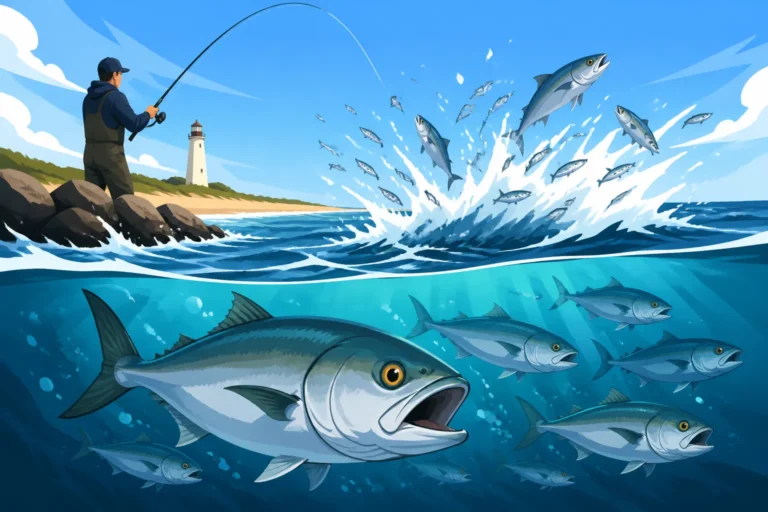
Think about it from a fish's perspective. A rip current is essentially a moving buffet. It churns up the bottom, dislodging sand eels, crabs, and other invertebrates. It also sucks out baitfish that venture too close. Larger predatory fish like striped bass, bluefish, and even fluke know this and will often position themselves strategically around the edges of a rip current, waiting for an easy meal to be delivered.
The turbulent water at the mouth of the rip, where it meets the incoming waves, can create a fantastic ambush point. Likewise, the calmer water just outside the main channel of the rip, in the "feeder lanes" that lead into it, can be prime holding areas. Fish will expend less energy waiting in these spots while still having access to a constant stream of food. This is particularly true during migratory periods when species like striped bass are moving along the coast. Knowing When Do Striped Bass Migrate Through New Jersey? can help you anticipate where these feeding opportunities might arise.
Optimal Casting and Positioning
So, how do you fish a rip current safely and effectively? The key is to target the edges and feeder lanes, not the direct center of the strongest outflow.
- Identify the Rip: First, use all the visual cues we discussed to clearly identify the rip current.
- Position Yourself Safely: Stand on the beach well away from the main rip. You want to be on the calmer, breaking wave side, ideally upstream (the direction from which the water is gathering before entering the rip).
- Cast into the Feeder Lanes: Your goal is to cast your bait or lure into the areas that feed the rip, or just outside the main current where fish are likely to be waiting.
- For example, if the rip is a distinct gap in the waves, cast your lure parallel to the beach, into the breaking waves on either side of the rip, allowing the current to potentially pull your lure towards the rip's edge.
- You might also cast slightly beyond the rip and retrieve your lure through the calmer water where bait is accumulating as it gets pulled out.
- Using the Current: A strong current can help carry your bait or lure further and present it naturally to waiting fish. This can sometimes negate the need for massive casts, though knowing How to Cast Farther When Surf Fishing is always a useful skill. Many anglers find success using a simple Fish-Finder Rig with a pyramid sinker to hold bottom, or by drifting bucktail jigs or soft plastics on lighter jig heads along the edges of the rip. Consider trying different Best Lures for Striped Bass Fishing and other species.
- Stay Alert: Even when fishing the edges, always be aware of your surroundings. Keep an eye on the current, your footing, and any changes in the water. Remember, conditions can change quickly.
By understanding the dynamics of rip currents, not only do you enhance your safety, but you also unlock new strategies for surf fishing. The challenge is immense, but the rewards—both in terms of safety and catching that elusive trophy fish—are well worth the effort. Equipping yourself with the right knowledge and gear, like a versatile surf rod from brands that offer a variety of options on Amazon, and understanding the Best Rod Length for Jersey Shore Surf Fishing, will make you a more confident and successful angler on New Jersey's beautiful and sometimes challenging beaches.
Disclaimer
This article is for general informational purposes only and does not constitute professional advice. Laws, prices and regulations vary by location and change over time. Consult a qualified professional for guidance on your specific situation.